Chapter 3: Changing Traditions
Dutch sailors had been touching the coast of Australia for years without meaning to. They came upon it by accident, on voyages aimed somewhere else, and sailed on.
Then, in the second quarter of the seventeenth century, a Dutch navigator named Abel Tasman went into those southern seas. He sailed right around Australia — and never realised it was there. He came ashore instead on an island to the south, Van Diemen’s land, which is called Tasmania today. Sailing further, he reached New Zealand, and decided it must be the edge of one huge landmass. He had circled a continent, landed on its neighbours, and understood almost none of what he had found.
Now turn the telescope around. The people who watched those sails from the shore had lived in that country for thousands of years. They knew exactly what land they stood on. But they kept no ship’s log and no dated chronicle. They recorded what mattered to them in other ways — including paintings on rock.
That is why the Australia and Pacific Islands column of Timeline III, at the end of this chapter, is almost empty. Not because little happened there. Because the kind of record that European archives kept and preserved was never made there in the first place.
This chapter is about a world beginning to learn about itself — unevenly, slowly, and very often getting it wrong.
Map
Map 3.A1 Caption: The six regions into which Timeline III sorts the years between c. 1300 and 1700. Brief: World map, present-day outlines, with six areas tinted and labelled exactly as the timeline’s columns are — Africa, Europe, Asia, South Asia, Americas, Australia/Pacific Islands. Show the full extent of India as officially defined. Mark no historical boundaries, no routes and no dates; this map labels regions only.
3.1 Empires And Cultural Encounters
By the ninth century, large parts of Asia had seen great empires grow and expand. An empire is a state that rules over many peoples and territories from one centre, usually after conquering them. Some of these empires were nomadic, built by peoples who moved with their herds. Others rested on well-developed cities and on the trading networks that centred on those cities.
What Made These Empires Different
We have already met several of them. The Macedonian, Roman and Arab empires were not the first empires in the world. The Egyptian, Assyrian, Chinese and Mauryan empires came before them.
The difference lay in size and reach. The later empires covered far greater areas of territory, and they were continental or transcontinental in nature — that is, they stretched across a whole continent, or across more than one. The Mongol empire was similar in this respect.
Sudden Arrival, Slow Preparation
Different cultural encounters were crucial to what took place. When an empire expanded, peoples who had never met before now lived under one authority, traded with one another, and borrowed one another’s ideas.
The arrival of an empire was almost always sudden. Armies appeared, cities fell, and rule changed hands within a few years. But that suddenness is misleading. Empires were almost always the result of changes that had been taking place over a long time in the core — in the region that would become the centre of the empire.
3.2 How Traditions Changed In Western Europe
Traditions in world history could change in different ways. Sometimes they changed because an empire arrived. Sometimes they changed so gradually that nobody living through them would have called it change at all.
Western Europe between the ninth and the seventeenth centuries is the second kind. Much of what we now connect with modern times evolved there slowly, over roughly eight hundred years.
What Was Slowly Changing
Four changes are worth holding on to, because the rest of this chapter keeps returning to them.
Scientific knowledge began to rest on experiment rather than on religious belief. That is, a claim about the natural world could now be settled by testing it, not by asking what scripture said.
There was serious thought about the organisation of government. Attention went into creating civil services, parliaments and different codes of law. A civil service is a body of trained, paid officials who run the state’s daily business, whoever happens to be ruling. A parliament is an assembly that meets to make law and to tax, so that a king does not decide those things alone. Different codes of law meant written rules, applied to people generally, rather than the will of one lord.
And technology improved — the tools and methods used in industry and in agriculture.
Why This Matters Beyond Europe
None of this stayed inside Europe. The consequences of these changes could be felt with great force outside Europe, in lands whose people had no part in making them. By the end of this chapter, European ships are on the coasts of Africa, Asia and the Americas.
3.3 After Rome: Kingdoms, Towns And Charlemagne
As we have seen, by the fifth century CE the Roman Empire in the west had disintegrated. The eastern half survived; the western half did not.
But an empire does not vanish the way a building falls down. In western and central Europe, the remains of the Roman Empire — its roads, its towns, its law, its ways of collecting taxes and keeping records — were slowly adapted to the administrative requirements and needs of the tribes that had established kingdoms there. The new rulers did not sweep Roman ways away. They used what suited them.
The Towns That Held On
One thing did change, and a student should not miss it. Urban centres were smaller in western Europe than further east. Compared with the cities of the eastern Mediterranean, western towns had shrunk.
Smaller, though, is not the same as gone. By the ninth century, the commercial and urban centres of the west — Aix, London, Rome and Sienna — though small, could not be dismissed. London stood in England; Rome and Sienna in Italy. Trade still moved through them, and people still lived by it.
The Countryside And Charlemagne’s Empire
From the ninth to the eleventh centuries, there were major developments in the countryside in western Europe. The next section is about what those developments amounted to.
Meanwhile, two institutions were doing the same piece of work. The Church and royal government each developed a combination of Roman institutions with the customary rules of tribes — old imperial machinery bolted to the unwritten custom of a tribal people.
The finest example of this combination was the empire of Charlemagne, in western and central Europe at the beginning of the ninth century. It did not last. Its collapse was rapid.
What survived the collapse is the interesting part. Urban centres and trading networks persisted, albeit under heavy attack — from Hungarians, from Vikings and from others. Merchants kept trading through raids that emperors could not survive. The sequence is set out in Fig. 3.0.
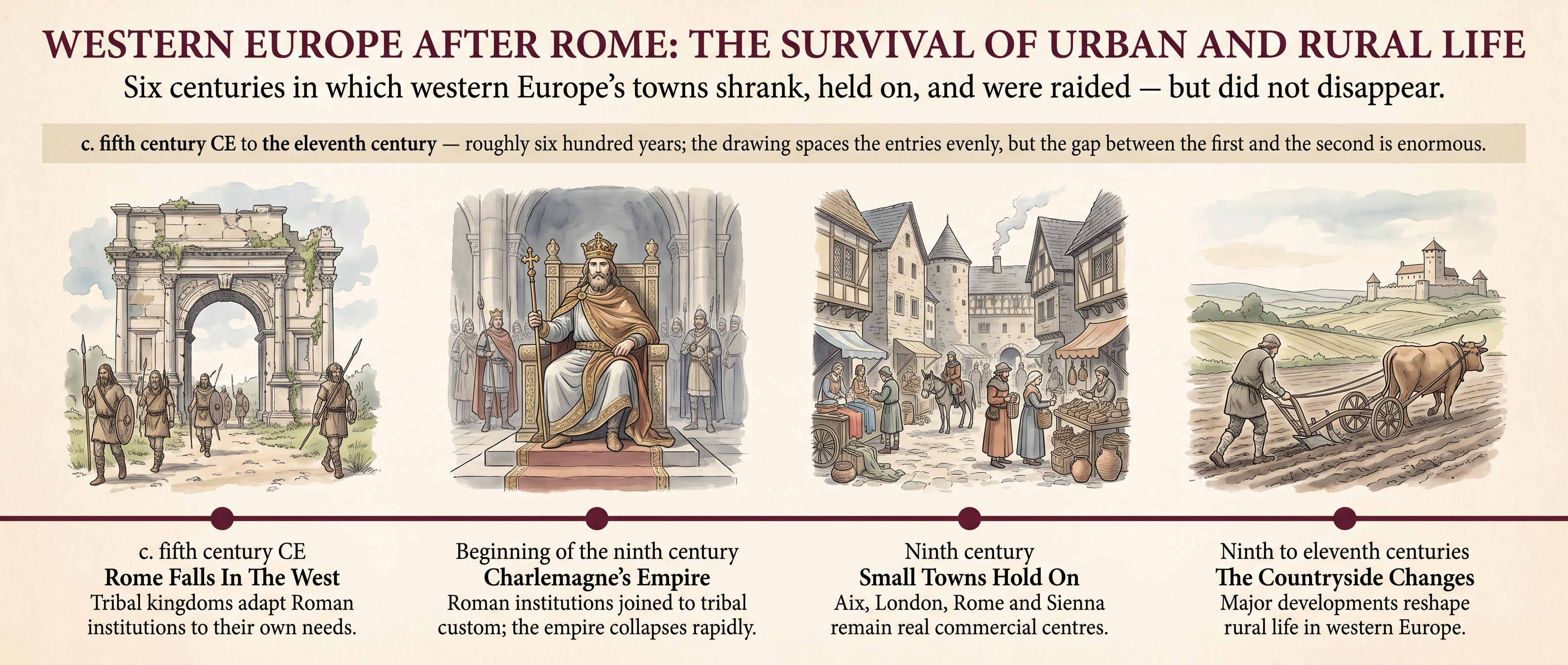
Fig. 3.0 – From the fall of Rome to the eleventh century.
3.4 Feudalism And The Church
What happened in the western European countryside between the ninth and the eleventh centuries was called ‘feudalism’.
Feudalism was a way of organising land, work and loyalty at the same time. It was marked by agricultural production around castles and ‘manor houses’. A manor was the estate of a lord — his house, and the fields and villages attached to it.
Who Owed What To Whom
The lords of the manor possessed the land. They did not till it. It was cultivated by peasants, called serfs, who pledged them loyalty, goods and services. A serf handed over part of what he produced, worked on the lord’s own fields, and was bound to that manor.
The lords did not sit at the top either. These lords in turn pledged their loyalty to greater lords, who were ‘vassals’ of kings. A vassal is someone who has sworn loyalty and service to a more powerful lord in return for land and protection.
So the whole order was a chain of pledges. Nobody in it was simply free, and nobody in it was simply owner. Trace one sack of grain up that chain and the system becomes visible.
Why The Church Mattered So Much
The Catholic Church, centred on the papacy — the office of the Pope, its supreme head — supported this state of affairs. It was not a bystander. It itself possessed land, which meant it had serfs, produce and income like any great lord.
But its hold was not only economic. This was a world where uncertainties of life, a poor sense of medicine and low life expectancy were common. A bad harvest, a fever, a raid — any of these could end a life quickly, and there was little anyone could do about it. In such a world, the Church showed people how to behave, so that life after death at least would be tolerable. If this life could not be made safe, the next one could be prepared for.
Monasteries were created — communities where God-fearing people could withdraw from ordinary life and devote themselves to the service of God, in the way Catholic churchmen thought fit.
The Palace of the Popes at Avignon, shown in Fig. 3.1, is a reminder of how far from a monk’s cell the wealth of the Church could reach.
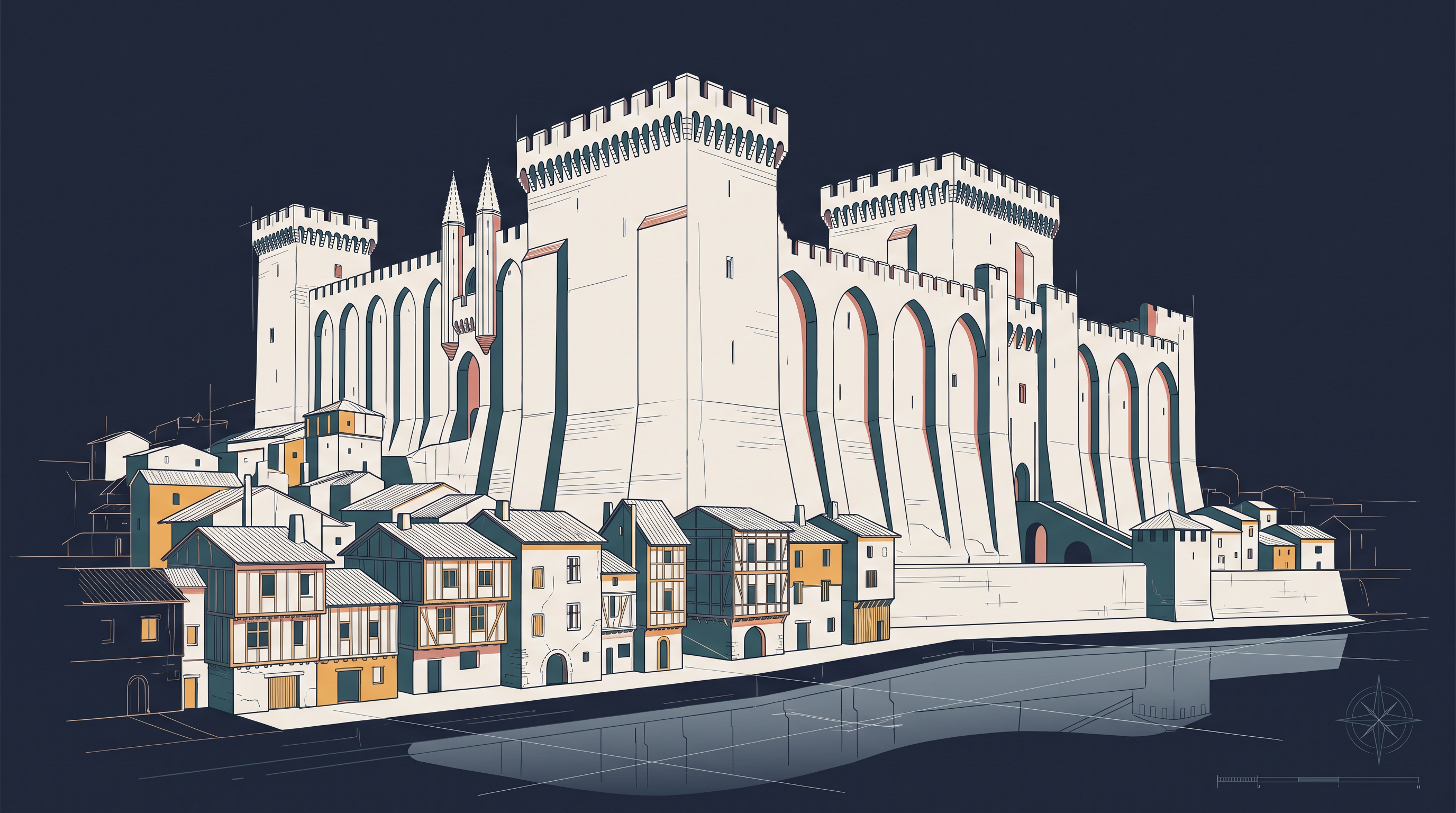
Fig. 3.1 – The Palace of the Popes at Avignon.
Churches As A Network Of Learning
There was one more thing churches did, and it points forward to the rest of this chapter.
Churches were part of a network of scholarship that ran from the Muslim states of Spain to Byzantium — that is, from the Muslim-ruled parts of the Iberian peninsula in the far west, all the way to the surviving eastern Roman Empire in the eastern Mediterranean. Books, ideas and learning travelled along it.
Through that network, churches provided the petty kings of Europe — the small local rulers of a fragmented continent — with a sense of the opulence of the eastern Mediterranean and beyond. Western Europe knew that there were richer, more learned worlds outside it. That knowledge would not stay harmless for long.
3.5 Commerce, Towns And The Crusades
The feudal order described in the last section was not fixed. The influence of commerce and towns within it came to evolve and change — and the people who pushed that change hardest were Mediterranean entrepreneurs in Venice and Genoa, from the twelfth century onwards.
Venice and Genoa were port cities in Italy. An entrepreneur is someone who puts his own money into a venture — a cargo, a ship, a voyage — in the hope of a profit, and who carries the loss if the venture fails.
Ships, Money And Two Kinds Of Motive
Their ships carried on a growing trade with the Muslim states and with the remains of the Roman Empire in the east. That is, the wealth of Venice and Genoa did not come from the manor. It came from sailing out of Europe and dealing with people outside it.
Wealth on that scale is visible. The Palace of the Doge in Venice, shown in Fig. 3.2, was built for the elected head of the Venetian state, and it was paid for by trade.
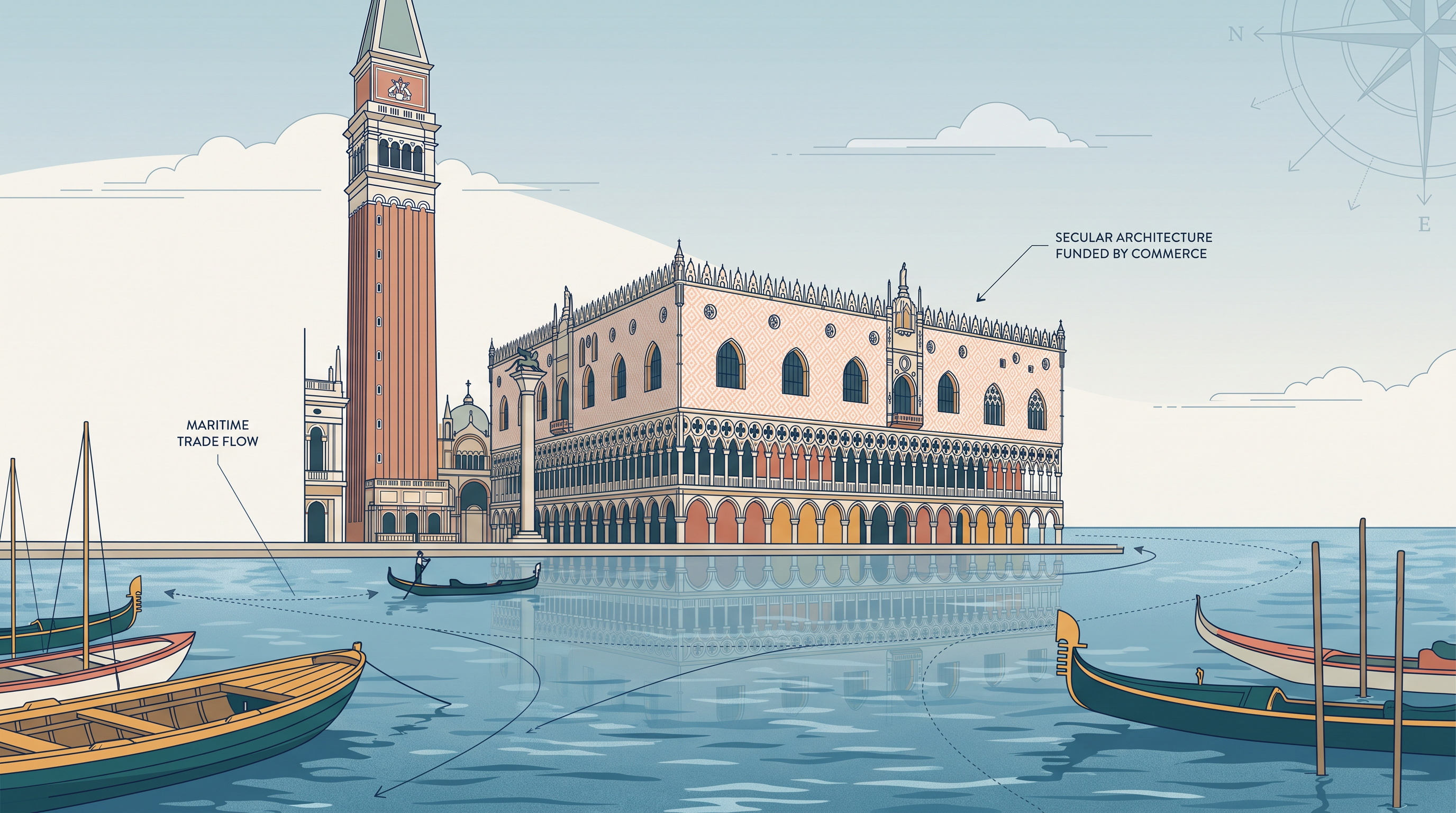
Fig. 3.2 – The Palace of the Doge in Venice.
The Crusades
Two things now pulled European kings towards the eastern Mediterranean at once.
The first was money. They were attracted by the lure of wealth in these areas — the same wealth that was making Venetian and Genoese merchants rich.
The second was religion. They were inspired by the idea of freeing the ‘holy places’ associated with Christ from Muslims. During the ‘crusades’, European kings reinforced links across the Mediterranean.
The crusades were wars, fought in the name of religion, and the two motives ran together. It is worth being honest about the mixture rather than choosing one half of it: the same expeditions that were preached as a religious duty also opened, and protected, the routes along which money moved.
Trade Inside Europe
Meanwhile trade within Europe itself improved. It centred on fairs — the great periodic markets where merchants from different regions met — and on the port cities of the Baltic Sea and the North Sea, in the north of Europe.
It was also stimulated by a growing population. More people meant more mouths to feed, more goods to buy and more hands to produce them. Commerce was no longer something that happened at the edges of the feudal order. It was steadily reshaping it.
3.6 The Renaissance And The Voyages Of Discovery
Two things happened at the same time, and each fed the other. Opportunities for commercial expansion coincided with changing attitudes concerning the value of life.
A New Look At The World
Where did the new attitudes come from? Not from inside Europe alone.
Much of Islamic art and literature was marked by a respect for human beings and living things. And Greek art and ideas came to Europe from Byzantine trade — carried along the same routes that carried goods. Together, these encouraged Europeans to take a new look at the world around them.
From the fourteenth century, especially in the north Italian towns, the wealthy became less concerned with life after death and more with the wonders of life itself. This shift is what is called the Renaissance — a period in which educated and wealthy Europeans turned their attention from the next world to this one.
Notice how sharp the change is. In Section 3.4, the Church’s great offer was that if this life could not be made safe, the next one could be prepared for. Now the wealthy of Florence and its neighbours were interested in the life they were actually living.
Sculptors, painters and writers followed them. They became interested in humanity — in human beings as a subject worth studying for their own sake — and in the discovery of the world.
Ships Go Further
By the end of the fifteenth century, this state of affairs encouraged travel and discovery as never before. Voyages of discovery took place.
The Spaniards and the Portuguese had already traded with northern Africa. Now they pushed further down the coast of western Africa, further each time, until the journeys finally led around the Cape of Good Hope — the southern tip of Africa — and on to India.
Why India? Because India had a great reputation in Europe as a source of spices, and spices were in great demand. The voyages were not a hobby. They were a business.
Others went the other way. Columbus attempted to find a western route to India, and in 1492 he reached the islands which the Europeans called the West Indies. Still other explorers tried to find a northern route to India and China via the Arctic — through the frozen seas at the top of the world.
One word here needs care. These are called voyages of ‘discovery’, but they discovered nothing to the people who already lived in those lands. They were discoveries only from Europe’s side of the map.
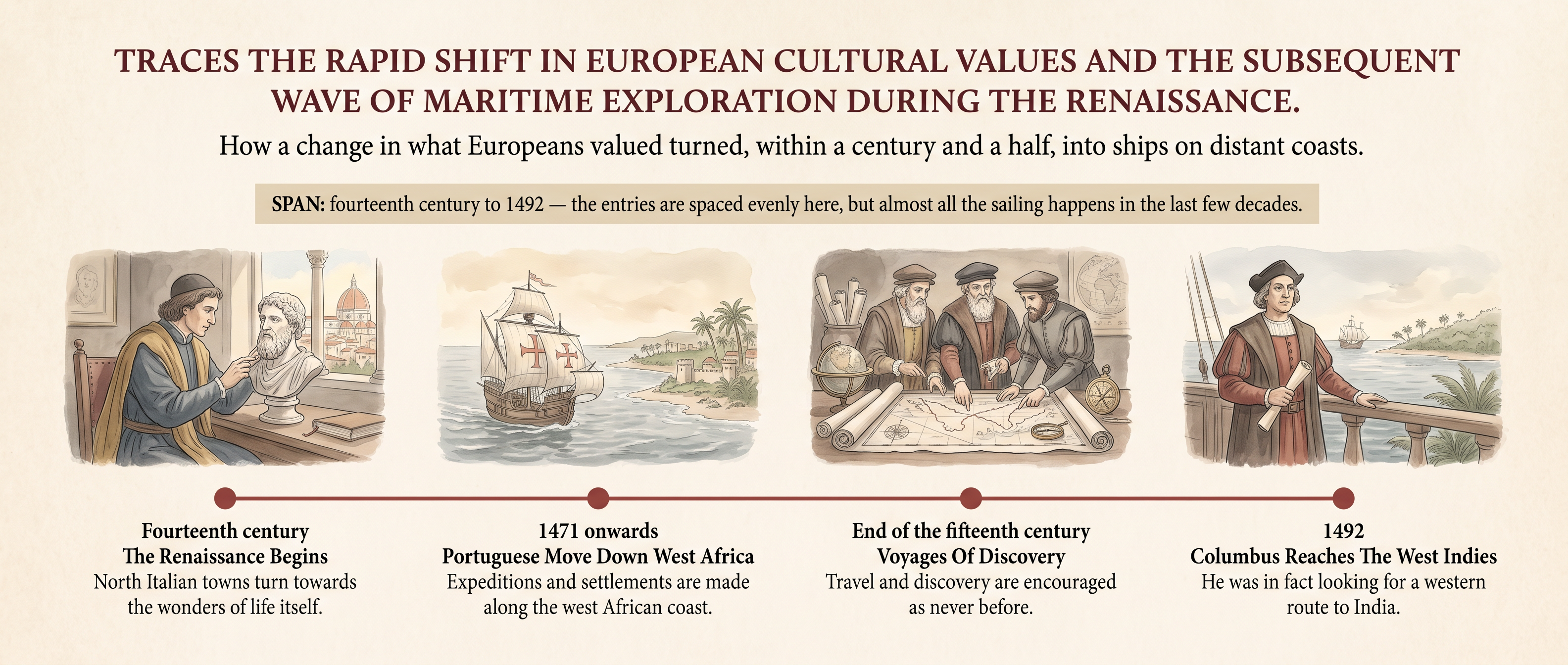
Fig. 3.3 – From the Renaissance to the voyages.
3.7 Encounters: How Europeans And Others Saw Each Other
European travellers encountered a range of different peoples in the course of their journeys. What they did about it is not a simple story, and this section is where the chapter refuses to give a simple answer.
When Europeans Wanted To Learn
In part, they were interested in learning from the peoples they met.
The papacy encouraged the work of Hasan al-Wazzan, a North African geographer and traveller, later known in Europe as Leo Africanus. In the early sixteenth century he wrote the first geography of Africa — and he wrote it for Pope Leo X. Europe’s first systematic account of Africa was thus written by a North African, at the request of the head of the Catholic Church.
Jesuit churchmen — members of a Catholic religious order — observed and wrote on Japan in the sixteenth century. And an Englishman, Will Adams, became a friend and counsellor of the Japanese Shogun, Tokugawa Ieyasu, in the early seventeenth century. The Shogun was Japan’s real ruler, a military commander who governed in the emperor’s name.
The traffic ran the other way too. As in the case of Hasan al-Wazzan, the peoples that the Europeans encountered in the Americas often took a great interest in them, and sometimes worked for them. An Aztec woman, later known as Dona Marina, befriended the Spanish conqueror of Mexico, Cortes, and interpreted and negotiated for him. Without people like her, the conquerors could not have spoken to anyone they were conquering.
When Europeans Used Force
In their encounters, Europeans were sometimes cautious, self-effacing and observant. They watched, they learnt, they kept their heads down.
They did this even as they frequently attempted to establish trade monopolies and to enforce their authority by force of arms. A trade monopoly is the sole right to buy and sell a commodity, with all rivals shut out — and it has to be enforced, because rivals do not withdraw voluntarily. This is what the Portuguese attempted in the Indian Ocean after Vasco da Gama’s arrival in Calicut, present-day Kozhikode on the Kerala coast, in 1498.
In other cases, Europeans were overbearing, aggressive and cruel. They adopted an attitude of superiority to those they met, considering such people ignorant — which is a convenient thing to believe about people whose land, labour or trade you intend to take.
The Catholic Church encouraged both attitudes. It was the centre for the study of other cultures and languages, and it encouraged attacks on people it saw as ‘un-Christian’. Both, at once.
The View From The Other Side
From the point of view of non-Europeans, the encounter with Europe varied. Europe was not, at this stage, the centre of anybody else’s world.
For much of the Islamic lands, and for India and China, Europeans remained a curiosity until the end of the seventeenth century. They were perceived as hardy traders and seamen who had little to contribute to their sense of the larger world. A Mughal noble or a Ming official saw a tough sailor from a poor, distant corner of the earth — not the future.
Some people did more than watch. The Japanese learnt some of the advantages of European technology quickly — for instance, they had begun large-scale production of muskets by the late sixteenth century. What Europe brought could be taken, copied and turned to one’s own use.
In the Americas, enemies of the Aztec empire sometimes used Europeans to challenge the power of the Aztecs. The Americas were not one people facing one invader. They were rival powers, and some of them thought the newcomers might be useful.
The Thing Nobody Chose
And then there is the part of this story that nobody planned and nobody could stop.
The diseases the Europeans brought devastated the populations of the Americas. In some areas, over 90 per cent of the people were dead by the end of the sixteenth century.
That figure is worth sitting with. It is not a figure for a battle. It means that in some regions, nine people in every ten were gone within a lifetime — the old, the young, the priests, the farmers, the people who knew the songs and the histories. No war in this chapter did anything remotely comparable.
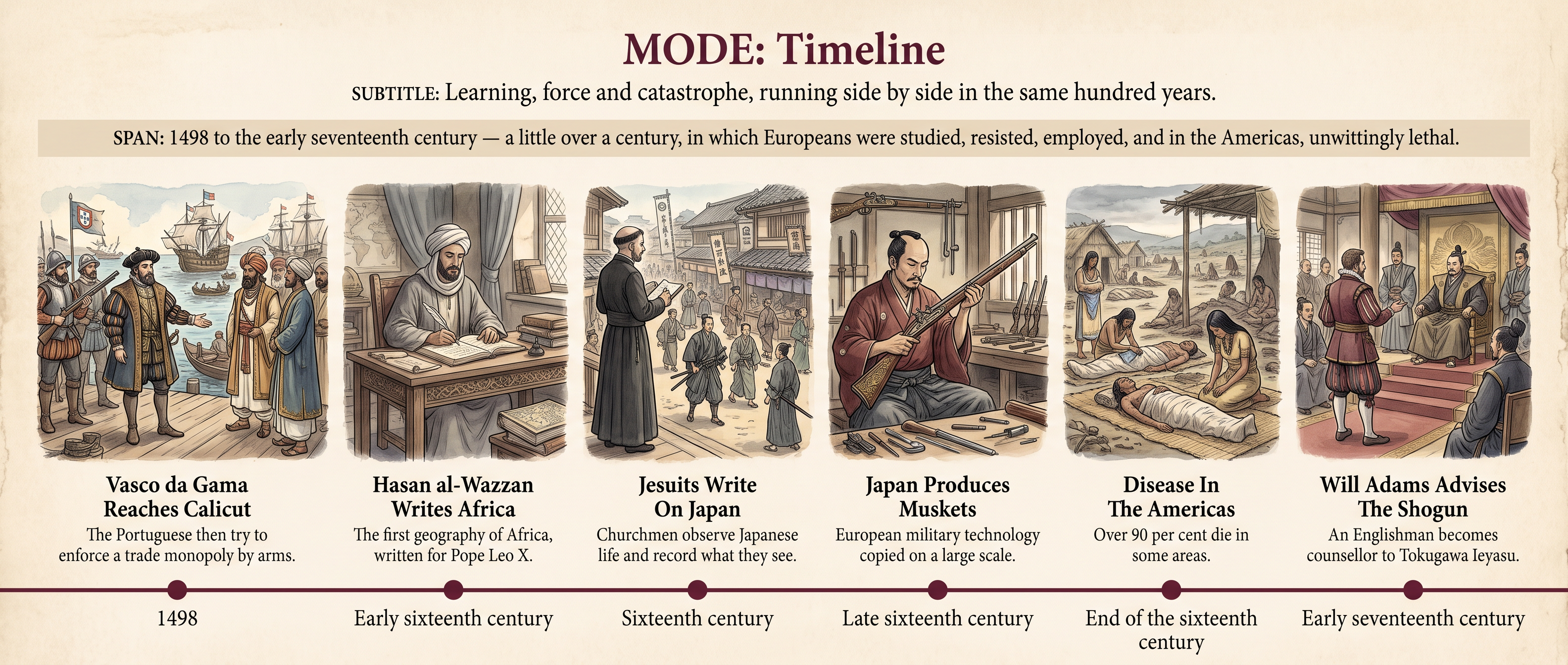
Fig. 3.4 – Encounters, 1498 to the early seventeenth century.
3.8 Timeline III (c. 1300 To 1700)
The chapter closes with a timeline that covers roughly four centuries, from about 1300 to about 1700. It is printed as a set of tables, one column for each part of the world, so that the same stretch of years can be read across six regions at once. It opens with the image of a ship, in Fig. 3.5 — which is a fair choice, because ships are what tie these columns together.
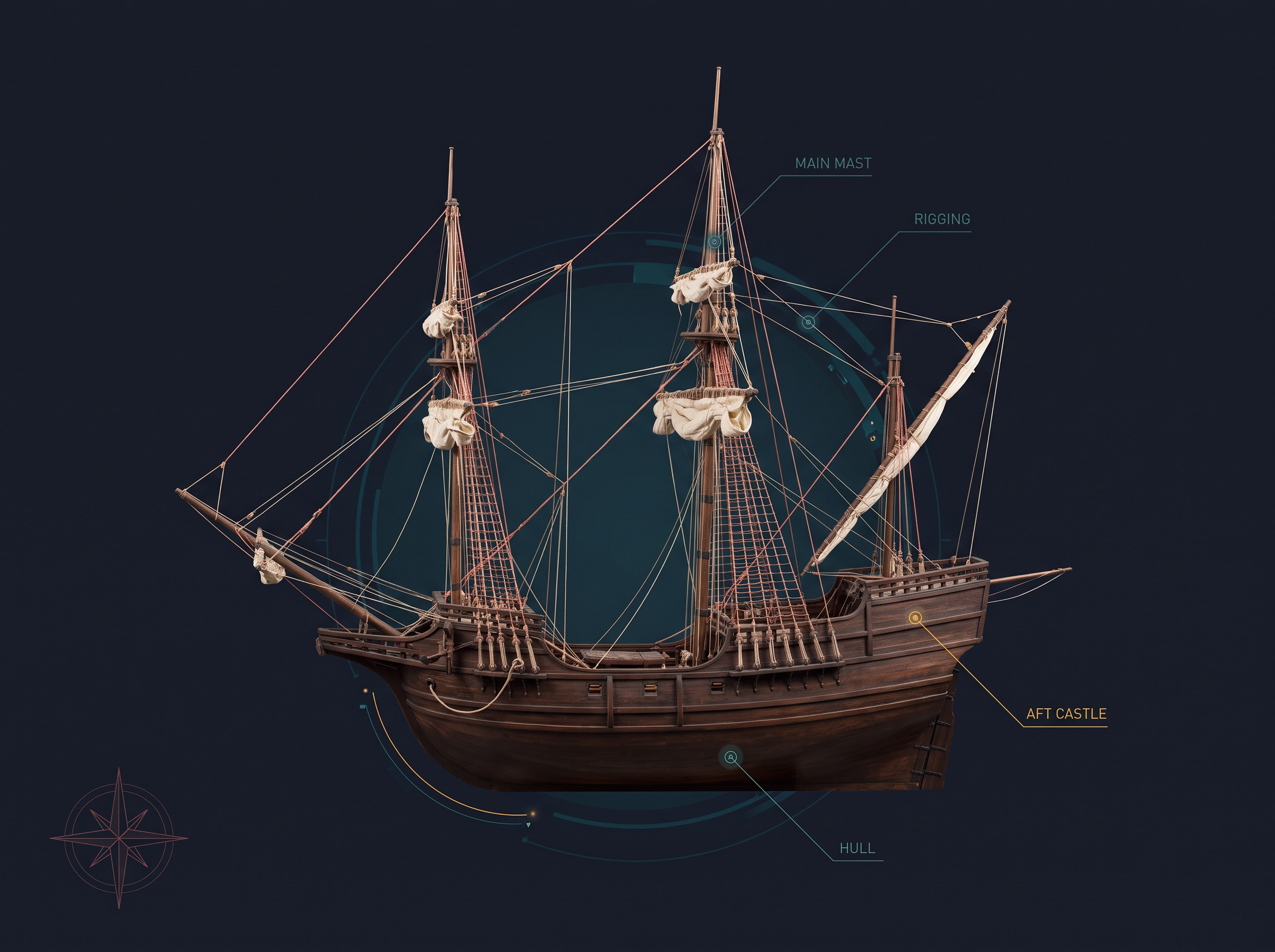
Fig. 3.5 – Model of a sailing ship.
What This Timeline Is For
The period under consideration witnessed several major developments in Europe. Among them were changes in agriculture, and changes in the lives of the peasants who worked the land. It was also marked by a range of cultural developments.
But the timeline is not really about Europe. It draws attention to contacts between continents — and in many instances those contacts were stimulated by the growth of trade.
The impact of these contacts was varied, and the tables should be read with both halves of that in view. Ideas, inventions and goods were shared across continents. At the same time there was constant warfare between kingdoms, fought to control land, resources and access to trade routes.
The consequences fell on ordinary people. Men and women were often displaced and enslaved, if not exterminated. In many ways, the lives of people were transformed beyond recognition.
That last sentence is doing a great deal of work, and the tables below are where it becomes concrete. A row that reads as a single line — the beginning of slave trading, the founding of a sugar plantation, the arrival of a disease — is, on the ground, a transformation nobody in it had chosen.
Africa And Europe
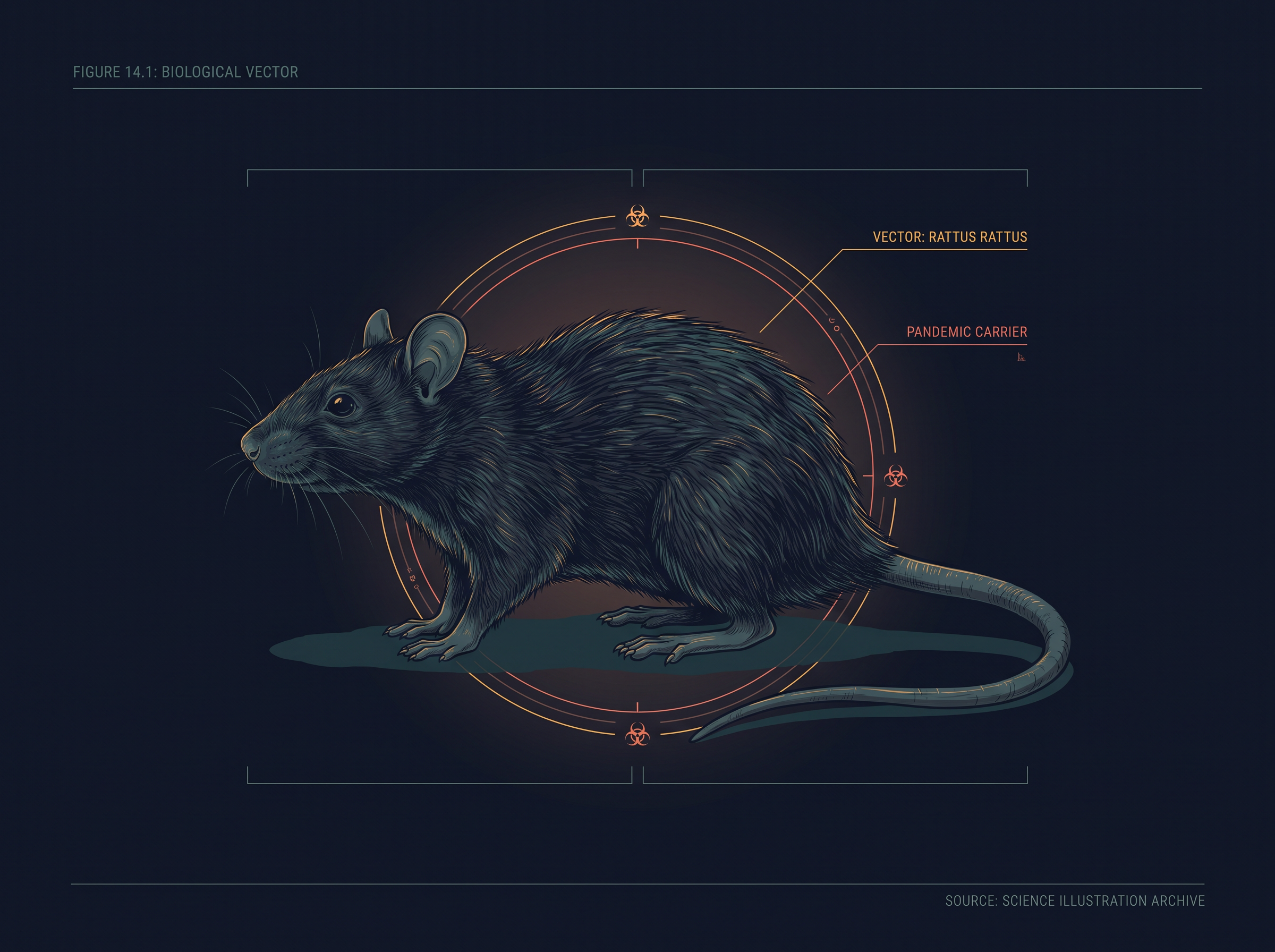
Fig. 3.6 – The rat, carrier of the plague.
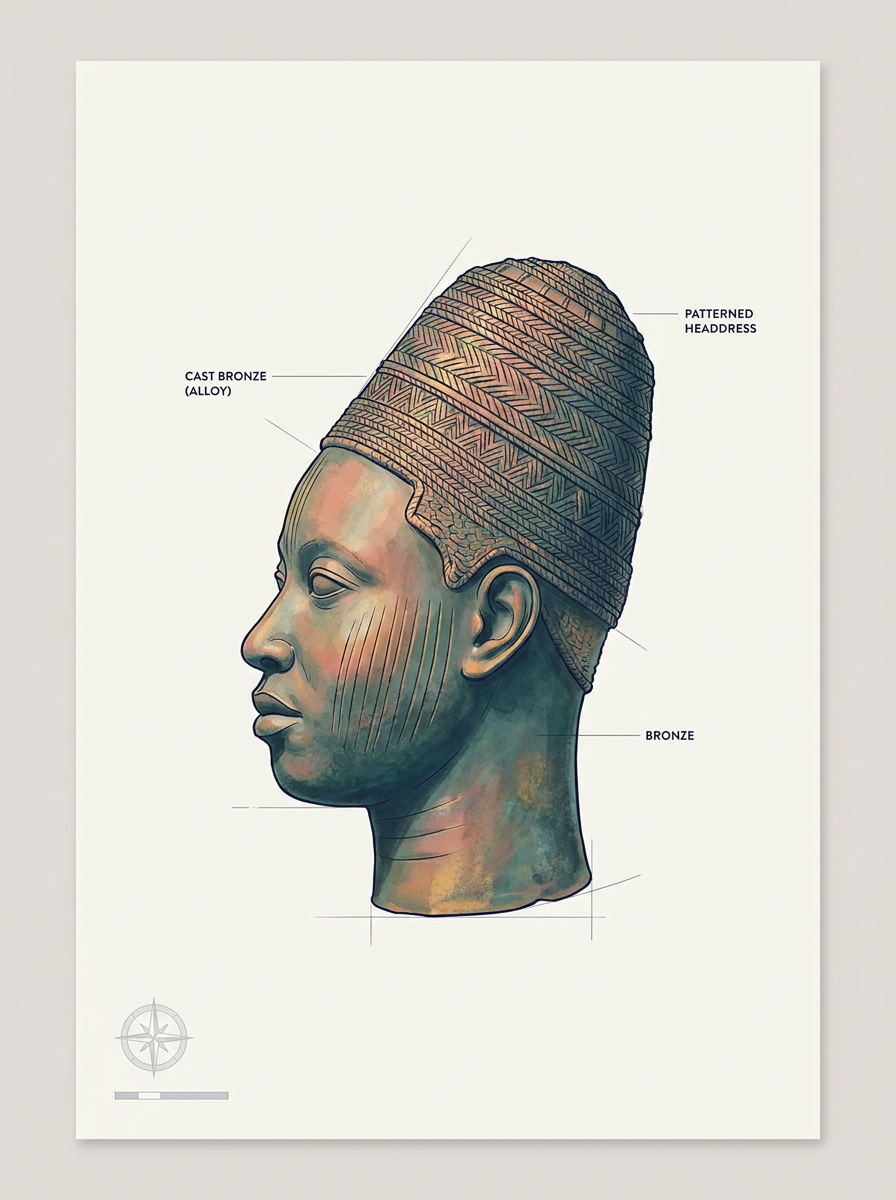
Fig. 3.7 – Cast metal head from the Oyo kingdom.
Asia And South Asia
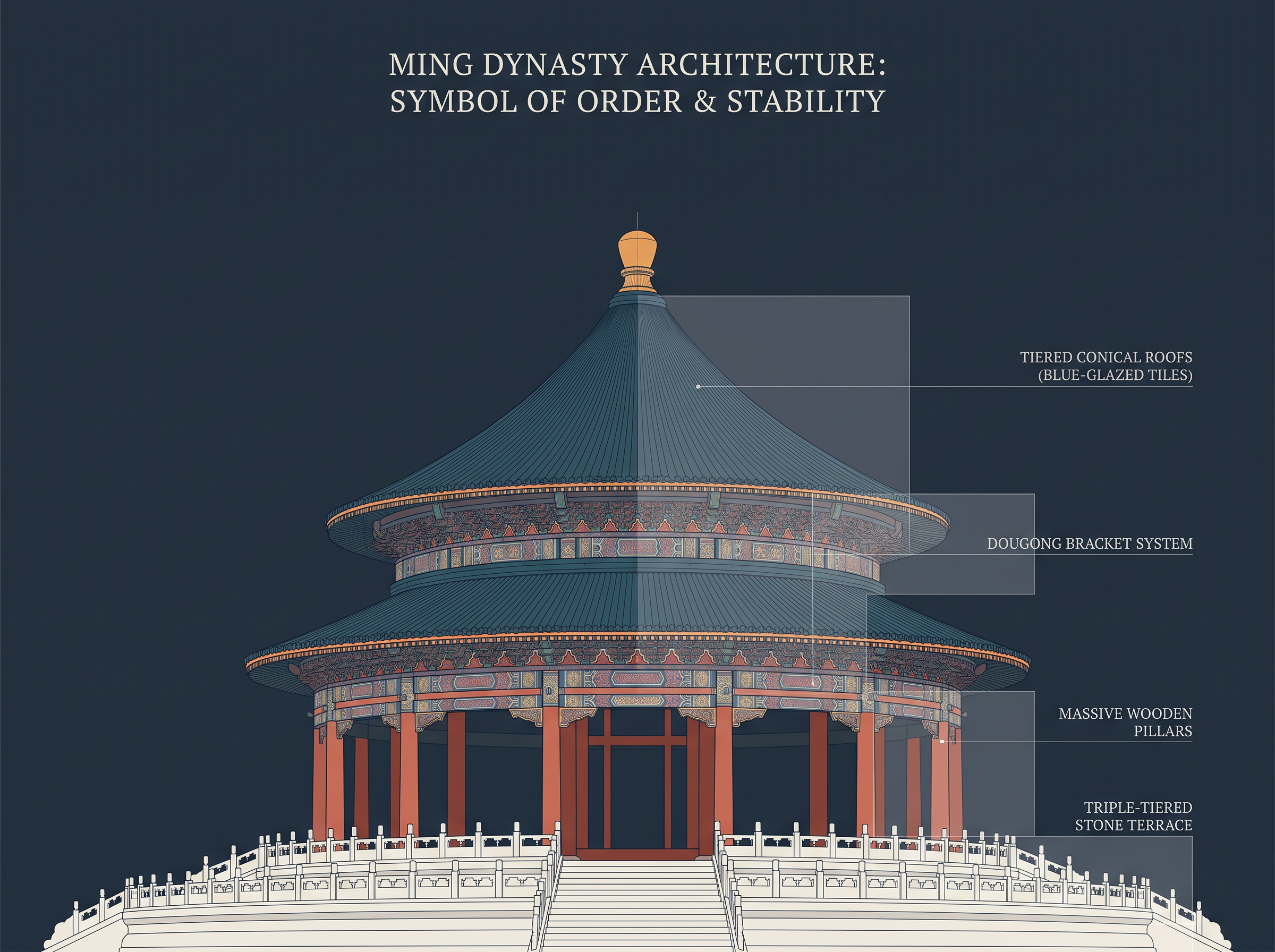
Fig. 3.8 – A Chinese temple building.
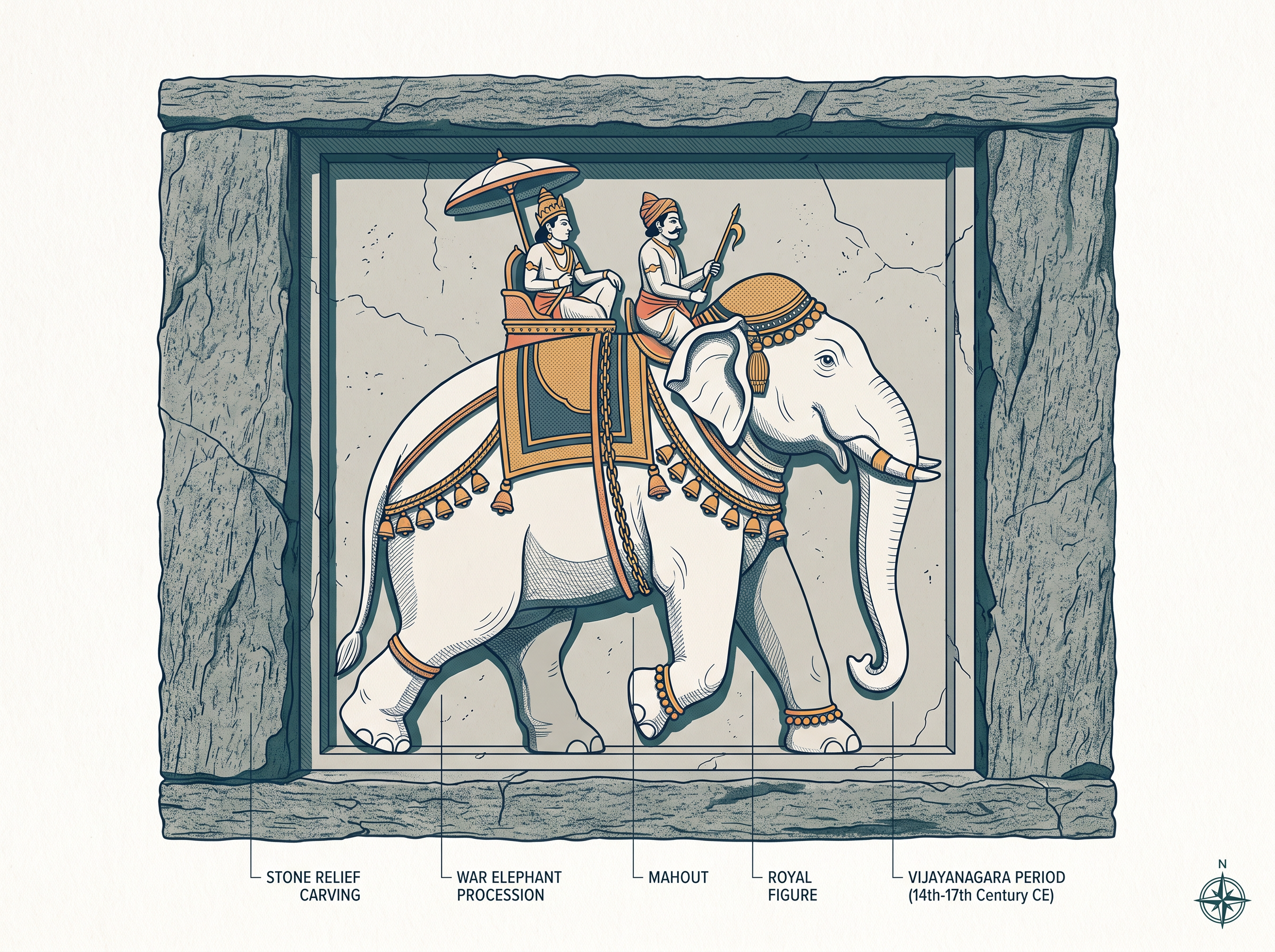
Fig. 3.9 – Stone relief of riders on an elephant.
Two rows in this table are worth pausing on, because they answer each other. In 1522 the Portuguese were opposed on entering China and driven out to Macao. In 1637 all European traders except the Dutch were forbidden to trade with Japan. Europeans did not simply arrive and stay. States that were strong enough shut the door.
The Americas And Australia/Pacific Islands
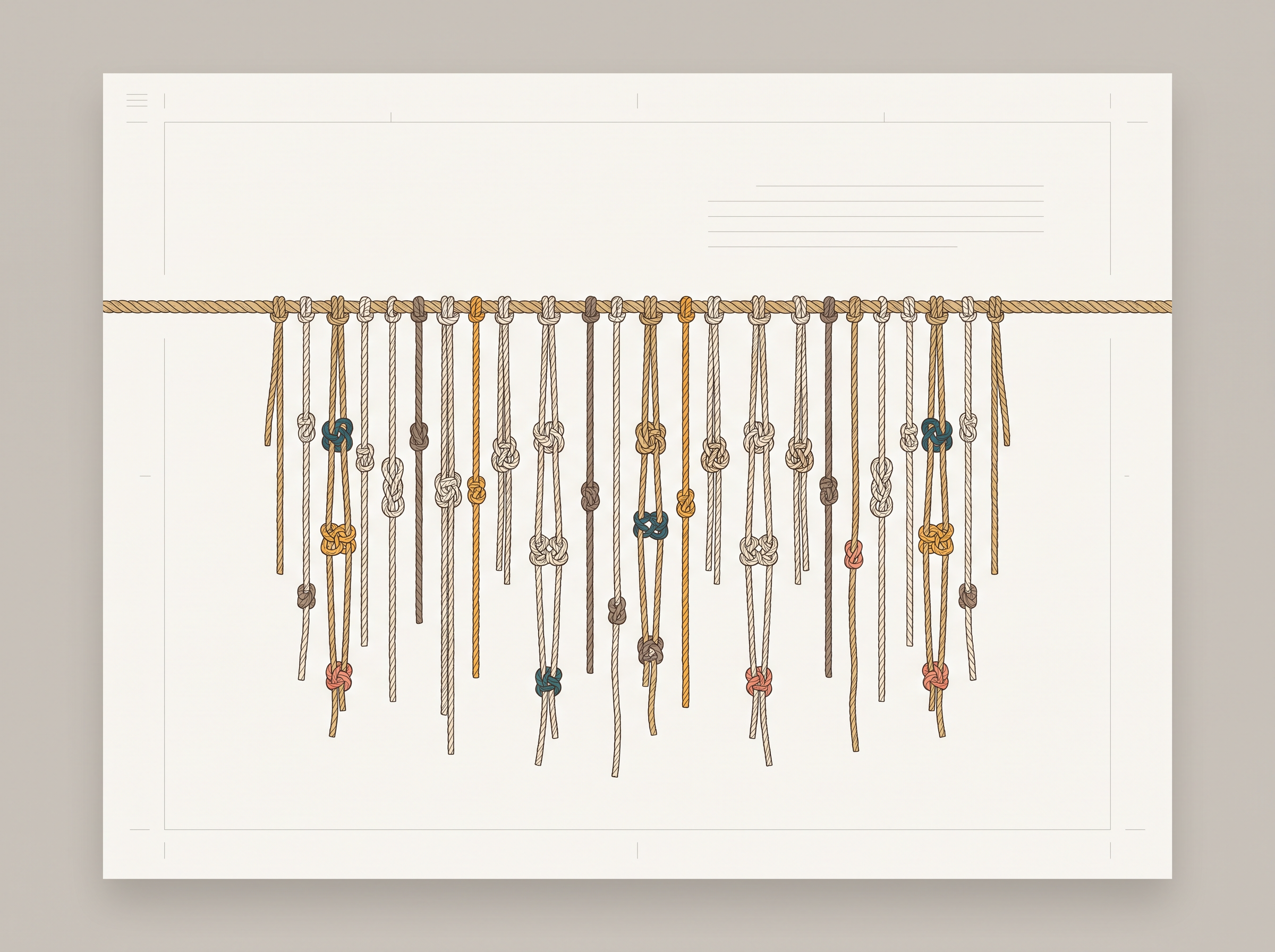
Fig. 3.10 – The quipu accounting system.
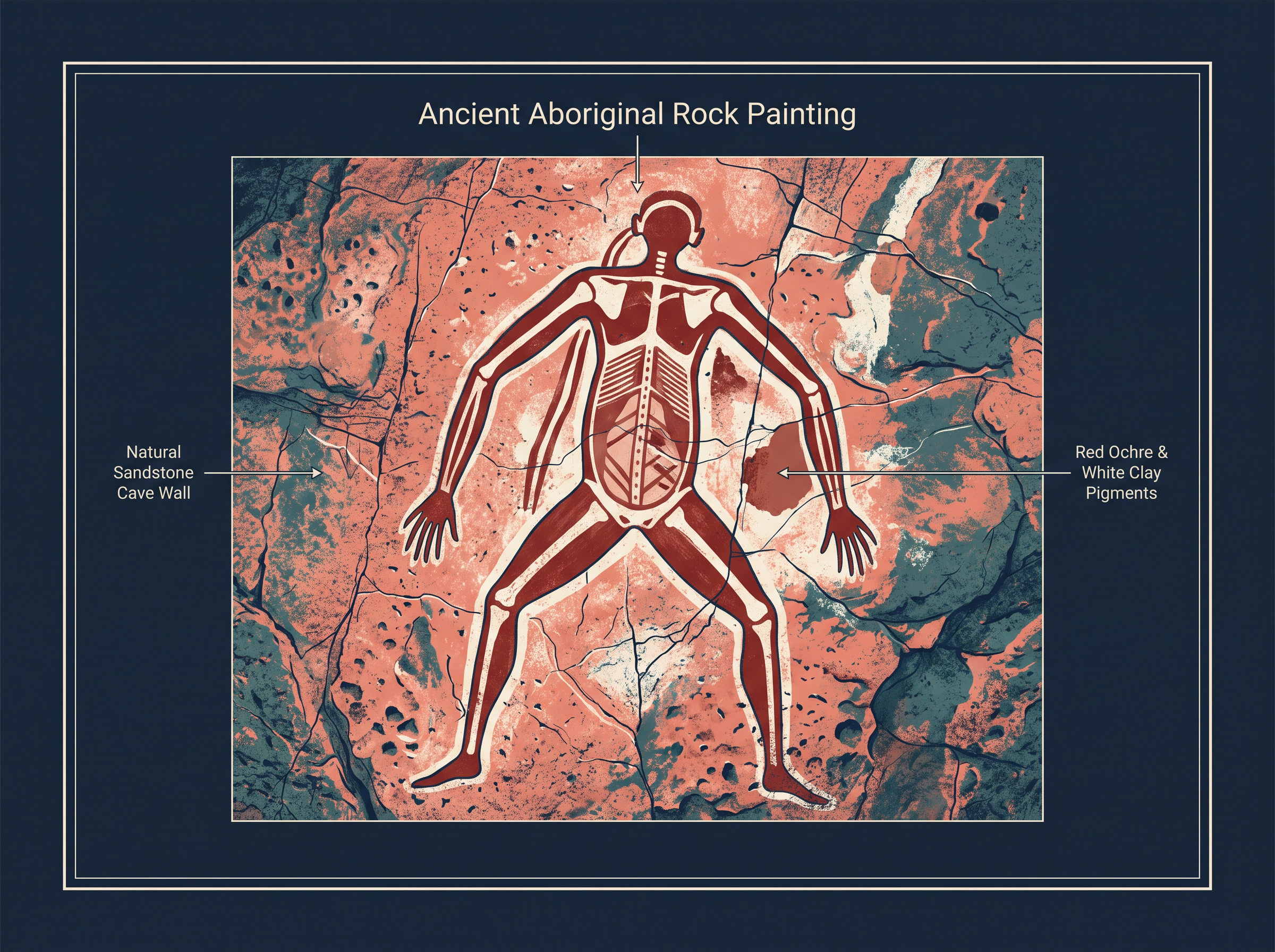
Fig. 3.11 – Australian rock painting.
The Activity: Reading A Column That Is Nearly Empty
You may have noticed that the column on Australia and the Pacific Islands has very few recorded dates. This is not because those centuries were empty there.
It is because the peoples in these areas often used other forms of recording — including paintings, such as the one shown in Fig. 3.11. A painting on rock records what mattered, but it does not carry a year, and a table like this one is built out of years.
Now do two things with that.
First, go back through the preceding five columns — Africa, Europe, Asia, South Asia and the Americas — and list at least one event or process from each column that an Australian painter may have found worth recording.
Then list another five which may have seemed entirely irrelevant to her or to him.
The second list is the harder one, and it is the more useful. It forces you to ask whose interests decided what got written down in the first place.
3.9 Summary
What This Chapter Argued
- By the ninth century, great empires had grown across large parts of Asia — some nomadic, some built on cities and trading networks. The Macedonian, Roman, Arab and Mongol empires differed from the earlier Egyptian, Assyrian, Chinese and Mauryan empires in one clear way: they covered far greater territory, and were continental or transcontinental.
- Empires seem to arrive suddenly, but they are almost always the outcome of long, slow changes in the region that becomes their core. Cultural encounters were crucial to what followed.
- In western Europe, between the ninth and the seventeenth centuries, much that we associate with modern times evolved slowly — scientific knowledge based on experiment rather than religious belief, serious thought about government, civil services, parliaments, codes of law, and better technology in industry and agriculture. The consequences were felt with great force outside Europe.
- By the fifth century CE the Roman Empire in the west had disintegrated. Tribal kingdoms adapted what remained of it to their own administrative needs. Towns in the west were smaller than in the east, but by the ninth century Aix, London, Rome and Sienna could not be dismissed.
- From the ninth to the eleventh centuries the countryside changed. The Church and royal government combined Roman institutions with the customary rules of tribes — Charlemagne’s empire being the finest example, and a rapidly collapsing one. Towns and trade survived the collapse, and survived raids by Hungarians, Vikings and others.
- Feudalism organised land, labour and loyalty together: serfs pledged loyalty, goods and services to the lord of the manor; lords pledged loyalty to greater lords, who were vassals of kings.
- The Catholic Church, centred on the papacy, supported this order and held land within it. In a world of short lives and little medicine, it taught people how to behave so that the life after death would at least be tolerable. Monasteries were founded, and churches also formed a network of scholarship stretching from the Muslim states of Spain to Byzantium.
- From the twelfth century, entrepreneurs in Venice and Genoa traded with Muslim states and with the eastern remains of the Roman Empire. Drawn by that wealth, and by the call to free the ‘holy places’ from Muslims, European kings mounted the ‘crusades’. Trade inside Europe also grew, around fairs and the Baltic and North Sea ports, helped by a rising population.
- Islamic art and literature, and Greek ideas arriving through Byzantine trade, encouraged Europeans to look at the world afresh. From the fourteenth century — the ‘Renaissance’ — the wealthy of the north Italian towns turned from the afterlife to the wonders of this life, and artists and writers turned to humanity.
- By the end of the fifteenth century this encouraged travel and discovery as never before. Spaniards and Portuguese moved down the west African coast and round the Cape of Good Hope towards India, drawn by spices. Columbus sailed west and reached the West Indies in 1492. Others sought a northern route via the Arctic.
- The encounters that followed were of two kinds at once. Europeans studied and learnt — the papacy backed Hasan al-Wazzan’s geography of Africa, Jesuits wrote on Japan, Will Adams counselled Tokugawa Ieyasu, and Dona Marina interpreted for Cortes. Europeans also seized trade monopolies by force, as the Portuguese did in the Indian Ocean after 1498, and treated those they met as ignorant. The Catholic Church encouraged both attitudes.
- Non-Europeans saw it differently. In the Islamic lands, India and China, Europeans stayed a curiosity until the end of the seventeenth century — hardy traders and seamen with little to add. The Japanese took what was useful and were producing muskets on a large scale by the late sixteenth century. In the Americas, the Aztecs’ enemies used the newcomers against them — and the diseases those newcomers carried killed over 90 per cent of the people in some areas by the end of the sixteenth century.
Where The Chronology Lives
The master chronology of this chapter is Timeline III, preserved in Section 3.8. Read it in columns — Africa, Europe, Asia, South Asia, the Americas, Australia and the Pacific Islands — and read it across, so that the same twenty-five years can be seen in six places at once. That is what the timeline is for: it draws attention to contacts between continents, and to what those contacts cost.
What The Evidence Cannot Tell Us
Almost everything in this chapter reaches us through the writing of states, churches and travellers. The serfs who cultivated the manor left no account of it; we know their obligations from the people who collected them.
The near-empty Australia and Pacific column is the clearest warning the chapter gives. A region can be thin on a timeline simply because it recorded its past in paint rather than in dated documents.
And the largest event in these pages is the one with the least testimony. The people who died in their millions in the Americas — over 90 per cent in some areas — left no record of what they saw coming.
3.10 Check Your Concepts
Feudalism is described in this chapter as a chain of pledges. Starting with a serf and ending with a king, set the chain out in order, and say what each person in it owed to the one above.
The chapter says that urban centres in western Europe were smaller than those further east, and also that by the ninth century towns such as Aix, London, Rome and Sienna could not be dismissed. Explain how both statements can be true at the same time.
Look again at Fig. 3.1 and Fig. 3.2. Both are palaces. What does each one tell you about where its owner’s wealth came from — and what can neither photograph tell you?
Why did Europeans want a sea route to India? Explain why the same search sent some ships south around the coast of Africa, another west across the Atlantic, and others north into the Arctic.
The chapter says the Catholic Church was the centre for the study of other cultures and languages, and that it also encouraged attacks on people it saw as ‘un-Christian’. Using the case of Hasan al-Wazzan, explain how one institution could do both.
Reconstruct the chain of causes that led European kings to mount the ‘crusades’. Give more than one cause, and then say which of those causes the crusades themselves helped to serve afterwards.
In Table 3.2, the Portuguese are opposed on entering China and driven out to Macao in 1522, and in 1637 all European traders except the Dutch are forbidden to trade with Japan. What do these two entries together suggest about European power in Asia in this period? What else would you need to know before you could be sure?
The Australia and Pacific Islands column of Timeline III is nearly empty. Explain why. Then explain what a historian would be getting wrong if they concluded from that column that little happened in those regions between 1300 and 1700.