Chapter 3: Reproductive Health
In the summer of 1978, in a hospital in England, a baby girl named Louise Brown was born. To the doctors and nurses she looked like any other newborn — but newspapers around the world called her a miracle. Louise was the first human being ever conceived outside a mother’s body. For years, a physiologist named Robert Edwards and a gynaecologist named Patrick Steptoe had been searching for a way to help couples who could not have children. They worked out how to bring an egg and a sperm together in the controlled conditions of a laboratory dish, let them form a tiny embryo, and then gently place that embryo back into the mother’s womb. When Louise was born healthy, it proved the technique worked. Decades later, Robert Edwards was awarded the Nobel Prize for this achievement, and millions of babies have since been born this way to parents who once believed they never could.
Louise’s story is really a story about reproductive health — about the science, the medicine, and the human hope behind bringing a child into the world, or choosing when not to. In this chapter we look at how societies protect reproductive health, slow down runaway population growth, prevent unwanted pregnancies and infections, and help couples who long for a child of their own.

Fig. 3.0 – The many faces of reproductive health.
By the end of this chapter, you will be able to answer each of these questions with confidence.
3.1 Reproductive Health – Problems and Strategies
You have already studied the human reproductive system and how it works. Closely tied to that system is the idea of reproductive health. At its simplest, reproductive health means having reproductive organs that are healthy and functioning normally. But the term carries a wider meaning too. It also covers the emotional and social sides of reproduction — how people feel, behave, and relate to one another in all matters connected with sex and reproduction.
The World Health Organisation (WHO) sums this up as total well-being in every aspect of reproduction: physical, emotional, behavioural and social. So a society is reproductively healthy not only when its people have normal, well-functioning reproductive organs, but also when their emotions and behaviour around sex-related matters are healthy and respectful. This tells us that reproductive health is as much about attitudes, awareness and relationships as it is about biology.
Why does this matter? Because problems in reproductive health — unwanted pregnancies, infections, infertility, or simply wrong information — affect not just individuals but whole families and communities. The real questions, then, are: why is it important to maintain reproductive health, and what steps can a country take to achieve it?
India’s early start
India holds a notable place in this story. It was among the first countries in the world to launch action plans and programmes at the national level, treating total reproductive health as a social goal. These programmes, known as ‘family planning’, were begun in 1951 and were reviewed from time to time over the following decades. Today, broader and improved versions of these run under the name Reproductive and Child Health Care (RCH) programmes.
The two big jobs under these programmes are, first, creating awareness among people about the many aspects of reproduction, and second, providing the facilities and support needed to build a reproductively healthy society. The rest of this section is really a tour of how these two jobs are carried out, as summarised in FC 3.1.
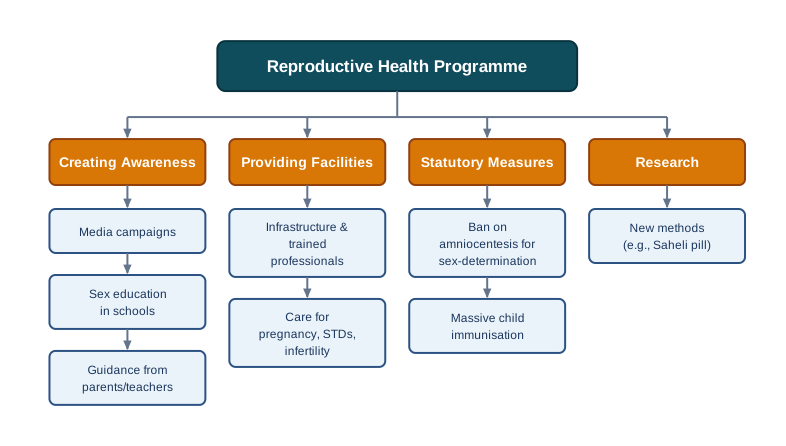
FC 3.1 – Strategies for reproductive health.
Spreading the right information
Governmental and non-governmental agencies use both audio-visual media and print media to spread correct information about reproduction. But awareness does not come from posters alone. Parents, other close relatives, teachers and friends all play a major part in passing on reliable information.
Introducing sex education in schools is strongly encouraged. Giving young people accurate information early helps discourage them from believing myths and holding misconceptions about sex-related matters. Correct knowledge about reproductive organs, about adolescence and the changes it brings, about safe and hygienic sexual practices, and about sexually transmitted diseases (STDs) and AIDS is especially valuable for adolescents, helping them lead a reproductively healthy life.
Education matters for adults too. Fertile couples and people of marriageable age benefit from learning about the birth-control options available to them, the care of pregnant mothers, the post-natal care of both mother and child, the importance of breast feeding, and the value of giving equal opportunities to the male and the female child. Together, such awareness helps build socially conscious, healthy families of exactly the size a couple wants.
People also need to understand the wider dangers. Awareness of the problems caused by uncontrolled population growth, and of social evils such as sex-abuse and sex-related crimes, enables people to think clearly and take steps to prevent them — and so to build a socially responsible and healthy society.
Building facilities and enforcing safeguards
Awareness on its own is not enough; it must be backed by strong infrastructure, trained professionals and material support. These are what allow doctors and hospitals to actually help people with reproduction-related problems such as pregnancy, delivery, STDs, abortions, contraception, menstrual problems and infertility. Better techniques and fresh strategies are introduced from time to time so that this care keeps improving.
Some safeguards are written directly into law. A statutory (legal) ban has been placed on the use of amniocentesis for sex-determination, in order to legally curb the rising menace of female foeticide — the deliberate abortion of a foetus simply because it is female. Massive child-immunisation drives are another important programme worth mentioning here.
So what exactly is amniocentesis? It is a medical test in which a small amount of amniotic fluid — the fluid that surrounds the developing foetus inside the womb — is drawn out and examined, as shown in Fig. 3.2. The foetal cells and the dissolved substances present in this fluid can reveal whether the foetus carries certain genetic disorders such as Down syndrome, haemophilia or sickle-cell anaemia, and can also help judge the survivability of the foetus.
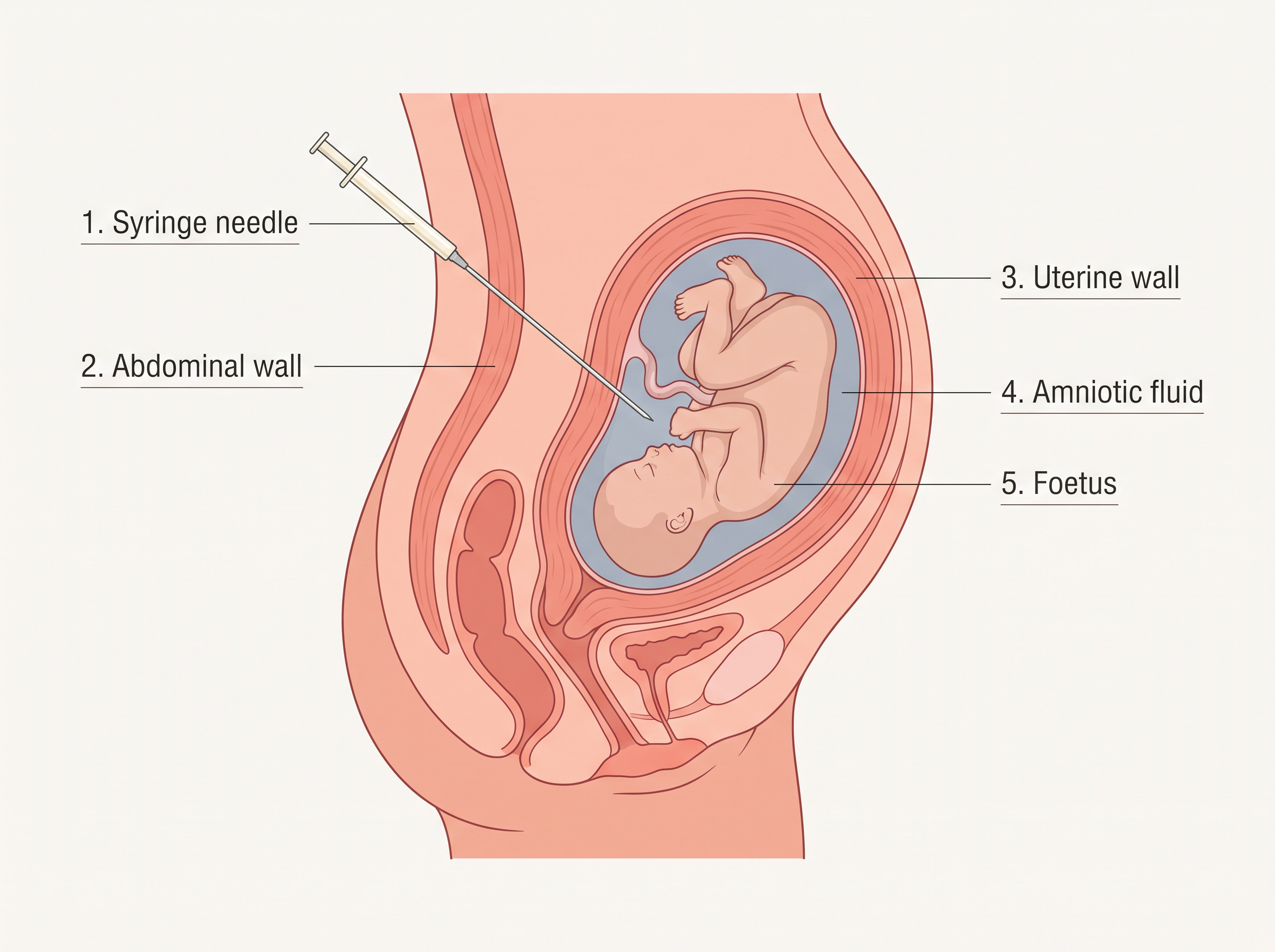
Fig. 3.2 – The amniocentesis procedure.
The technique itself is medically valuable — it can warn parents and doctors about serious inherited conditions well before birth. The problem lies in its misuse: some people use it only to learn the sex of the foetus and then illegally abort female foetuses. It is this misuse, not the test, that the law is designed to stop.
Research and its rewards
Reproduction-related research is actively encouraged and funded by both governmental and non-governmental agencies, both to discover new methods and to improve existing ones.
How do we know that all this effort has paid off? Several signs point to genuinely improved reproductive health in society: better awareness about sex-related matters; a greater number of deliveries taking place with medical help; better post-natal care, which has lowered the number of maternal and infant deaths; more couples choosing small families; better detection and cure of STDs; and, overall, more medical facilities for every kind of sex-related problem. Taken together, these indicators show that our society is steadily becoming reproductively healthier.
3.2 Population Stabilisation and Birth Control
Over the last century, all-round development in many fields hugely improved people’s quality of life. But there was an unexpected side-effect. Better health facilities and better living conditions had an explosive impact on the growth of the human population.
The numbers tell the story. The world’s population, which was around 2 billion (2000 million) in 1900, shot up to about 6 billion by 2000 and reached 7.2 billion in 2011. India followed the same trend. Our population, roughly 350 million at the time of independence, came close to the one-billion mark by 2000 and crossed 1.2 billion in May 2011.
Why did the population explode?
This rapid rise had clear causes. There was a sharp fall in the death rate, in the maternal mortality rate (MMR) and in the infant mortality rate (IMR), together with an increase in the number of people of reproducible (reproductive) age.
It may sound strange that saving more lives makes the population grow — but that is exactly what happens. When fewer mothers and infants die and more people live into their reproductive years, more couples are around to have children, and so the population climbs.
An alarming growth rate
Our Reproductive and Child Health (RCH) programme did manage to slow the growth rate, but only marginally. According to the 2011 census, the population growth rate was still less than 2 per cent, that is, about \(20/1000\) per year. Even a rate this “small” is enough to make our population increase very rapidly.
Such rapid growth is dangerous. It can lead to an absolute scarcity of even the most basic requirements — food, shelter and clothing — no matter how much progress is made in producing them. This is why the government was forced to take serious measures to check the population growth rate.
Motivating smaller families
The single most important step to tackle this problem is to encourage smaller families through the use of various contraceptive methods. A contraceptive is any method or device that prevents pregnancy. You have probably seen advertisements and posters showing a happy couple with two children beside the slogan Hum Do Hamare Do (“we two, our two”). Many couples, especially the young, urban and working ones, have even adopted a “one-child norm”.
What makes a contraceptive “ideal”?
Before looking at the methods themselves, it helps to ask what a good contraceptive should be like. An ideal contraceptive should be user-friendly, easily available, effective, and reversible (so fertility returns when the couple wants a child) — and it should have no or the least possible side-effects. Just as importantly, it should not interfere with the user’s sexual drive, desire or the sexual act itself.
No single method meets all of these perfectly, which is why a whole range of options exists.
The main families of contraceptives
The available contraceptive methods can be broadly grouped into a few families, shown together in FC 3.3 — Natural/Traditional, Barrier, Intra Uterine Devices (IUDs), Oral contraceptives, Injectables, Implants, and Surgical methods.
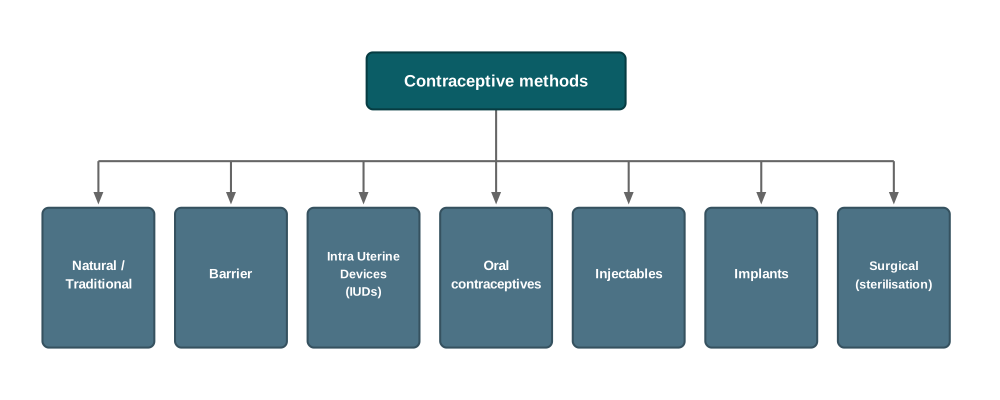
FC 3.3 – Contraceptive methods.
Natural methods
Natural methods work on one simple principle: keep the ovum and the sperm from meeting.
One such method is periodic abstinence. Here the couple avoids or abstains from coitus (sexual intercourse) from day 10 to day 17 of the menstrual cycle, the days when ovulation — the release of the ovum from the ovary — is expected. Because the chances of fertilisation are very high during these days, this stretch is called the fertile period, shown on the cycle timeline in Fig. 3.4. Avoiding coitus during this window can prevent conception.
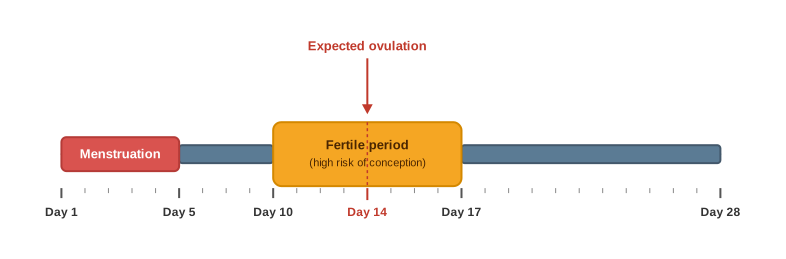
Fig. 3.4 – Menstrual cycle timeline and fertile period.
Another natural method is withdrawal, also called coitus interruptus, in which the male partner withdraws his penis from the vagina just before ejaculation, so as to avoid insemination (the entry of semen into the female tract).
A third method is lactational amenorrhea (the absence of menstruation during breastfeeding). It rests on the fact that ovulation, and therefore the menstrual cycle, does not occur during the period of intense lactation (milk production) that follows parturition (childbirth). So as long as the mother fully breastfeeds her child, the chances of conception are almost nil. However, this method is reliable only up to a maximum of about six months after childbirth.
Because natural methods use no medicines or devices, their side-effects are almost nil. Their drawback is a high chance of failure.
Barrier methods
In barrier methods, the ovum and the sperm are physically prevented from meeting with the help of a barrier. Such methods are available for both males and females.
Condoms are barriers made of a thin rubber or latex sheath, shown in Fig. 3.5(a) and (b). They cover the penis in the male, or the vagina and cervix in the female, just before coitus, so that the ejaculated semen does not enter the female reproductive tract — and this prevents conception.
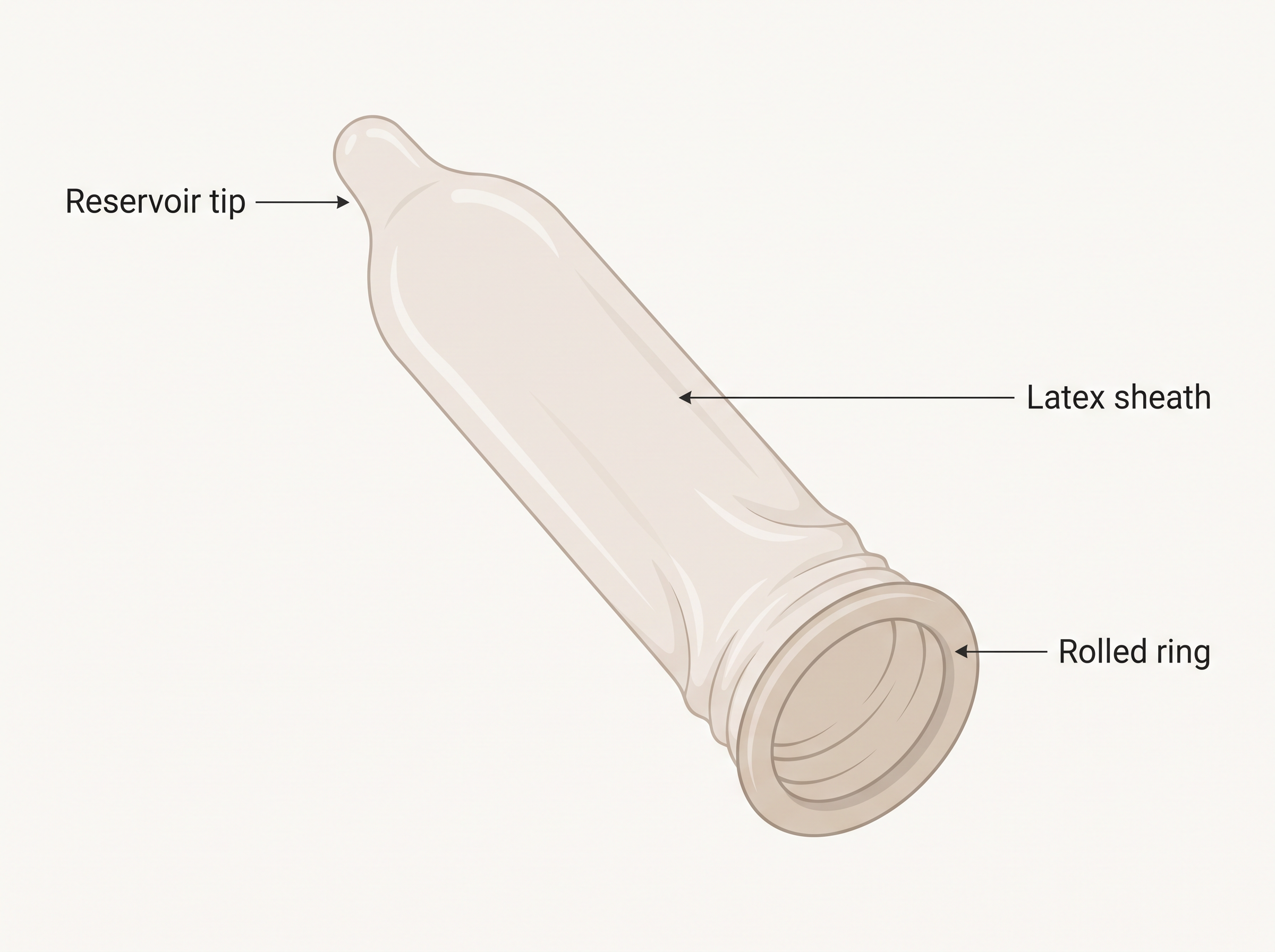
Fig. 3.5(a) – A condom for the male.
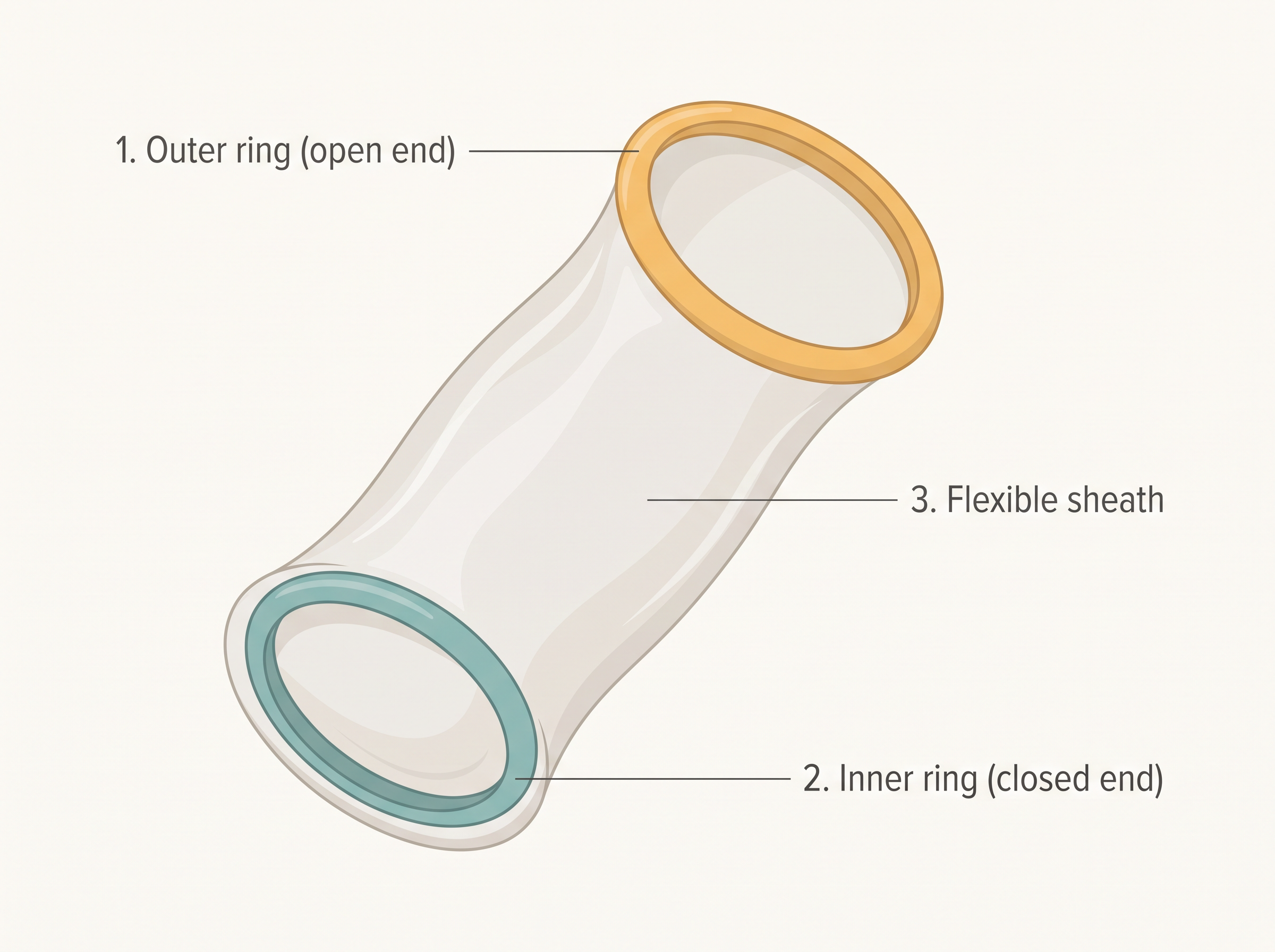
Fig. 3.5(b) – A condom for the female.
Diaphragms, cervical caps and vaults are other barriers, made of rubber, that are inserted into the female reproductive tract to cover the cervix during coitus. They prevent conception by blocking the entry of sperms through the cervix, and unlike condoms they are reusable. Spermicidal creams, jellies and foams are usually used along with these barriers to increase their contraceptive efficiency.
Intra Uterine Devices (IUDs)
Another effective and popular option is the Intra Uterine Device (IUD). These devices are inserted into the uterus through the vagina by doctors or trained nurses.
IUDs come in three kinds, one of which (the Copper-T) is shown in Fig. 3.6: non-medicated IUDs (for example, the Lippes loop), copper-releasing IUDs (CuT, Cu7, Multiload 375) and hormone-releasing IUDs (Progestasert, LNG-20).
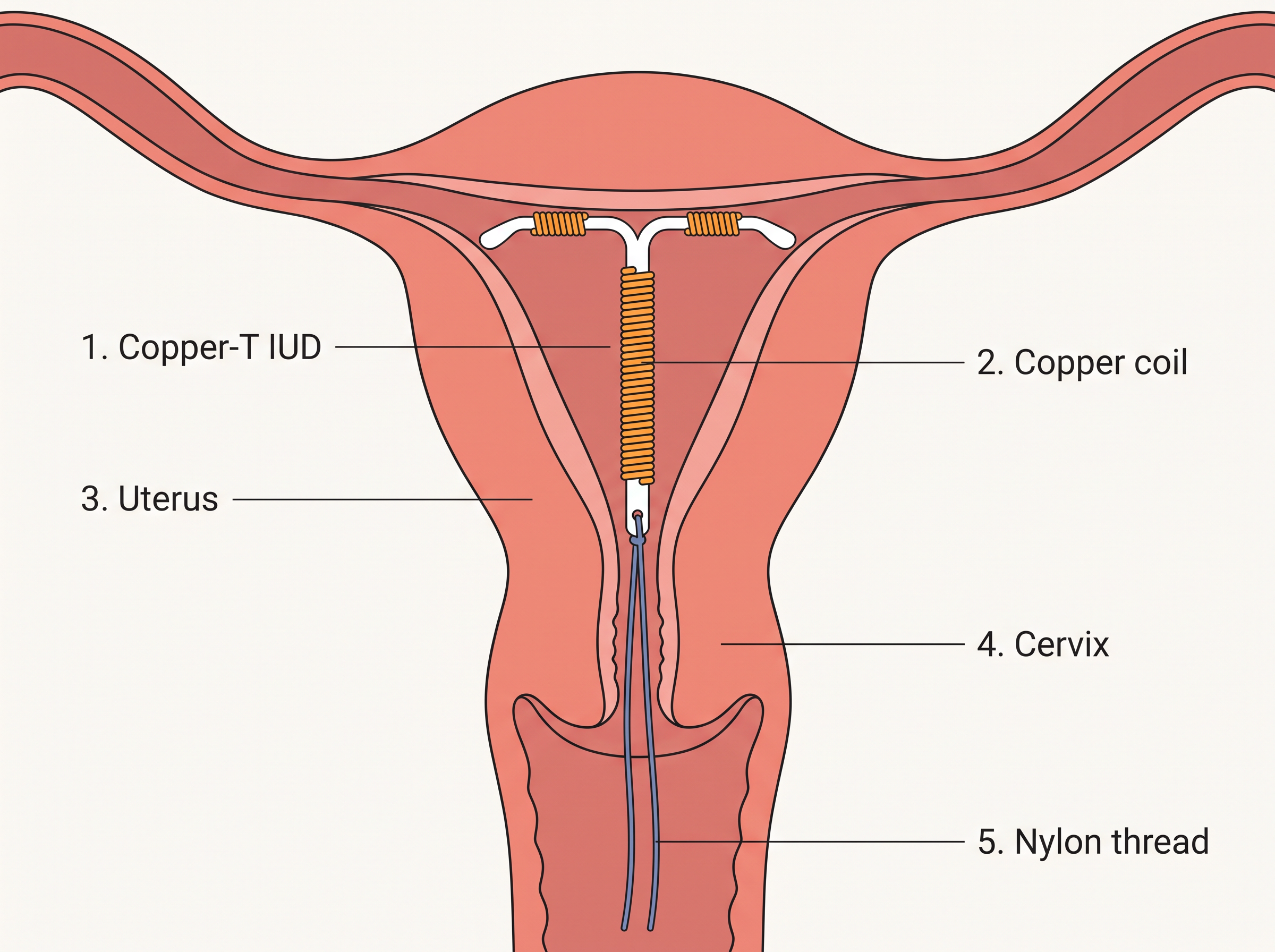
Fig. 3.6 – Copper-T intra uterine device (IUD).
They work in more than one way. All IUDs increase the phagocytosis (engulfing and destruction) of sperms within the uterus. The copper-releasing IUDs release Cu ions that suppress sperm motility (movement) and the fertilising capacity of sperms. The hormone-releasing IUDs do all this and, in addition, make the uterus unsuitable for implantation and the cervix hostile to sperms.
IUDs are an excellent choice for women who wish to delay a pregnancy or to space out their children, and they are one of the most widely accepted contraceptive methods in India.
Oral contraceptive pills
Women can also take small doses of either progestogens or progestogen–estrogen combinations by mouth. Because they come as tablets, these are popularly called the pills.
The timing matters, and it follows the menstrual cycle, as summarised in FC 3.7. Pills are taken daily for 21 days, beginning preferably within the first five days of the menstrual cycle. After a gap of 7 days — during which menstruation occurs — the same 21-day pattern is repeated, and this continues for as long as the woman wishes to prevent conception.
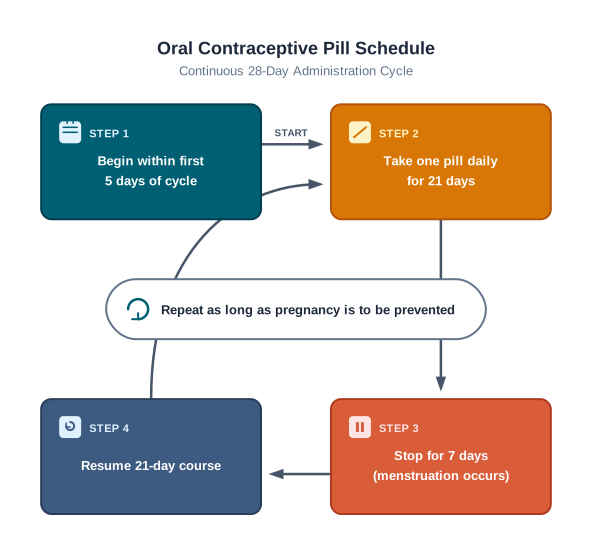
FC 3.7 – Oral contraceptive pill schedule.
Pills prevent pregnancy in three ways: they inhibit ovulation and implantation, and they alter the quality of cervical mucus so as to prevent or slow down the entry of sperms. They are very effective, have relatively few side-effects and are well accepted by women. Saheli — the Indian pill mentioned in the previous section — is a non-steroidal preparation taken as a “once-a-week” pill, with very few side-effects and high contraceptive value.
Injectables and implants
Progestogens, alone or combined with estrogen, can also be given to women as injections or as implants placed under the skin, shown in Fig. 3.8. Their mode of action is similar to that of the pills, but their effective period is much longer.
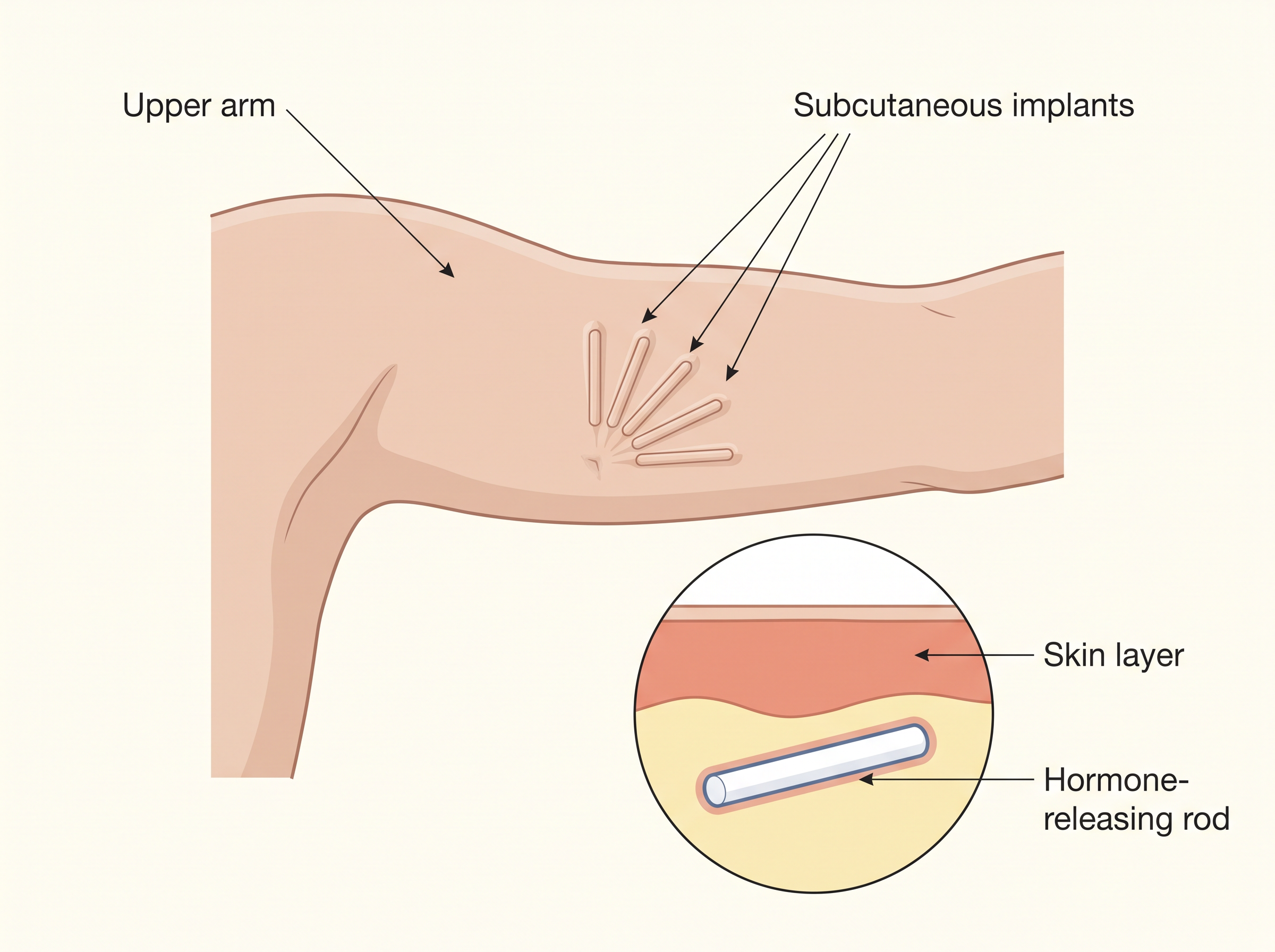
Fig. 3.8 – Hormonal implants.
Emergency contraceptives
Sometimes protection is needed after the fact. Administering progestogens, or progestogen–estrogen combinations, or IUDs within 72 hours of coitus has been found to be very effective as an emergency contraceptive. This can help avoid a possible pregnancy following rape or a case of casual, unprotected intercourse.
Surgical methods (sterilisation)
Surgical methods, also called sterilisation, are generally advised as a terminal method — a permanent step to prevent any further pregnancies. They work by surgically blocking the transport of gametes, which prevents conception.
In the male, the procedure is called vasectomy, shown in Fig. 3.9(a). A small part of the vas deferens is removed or tied up through a small incision (cut) on the scrotum. In the female, the procedure is called tubectomy, shown in Fig. 3.9(b). A small part of the fallopian tube is removed or tied up through a small incision in the abdomen, or through the vagina.
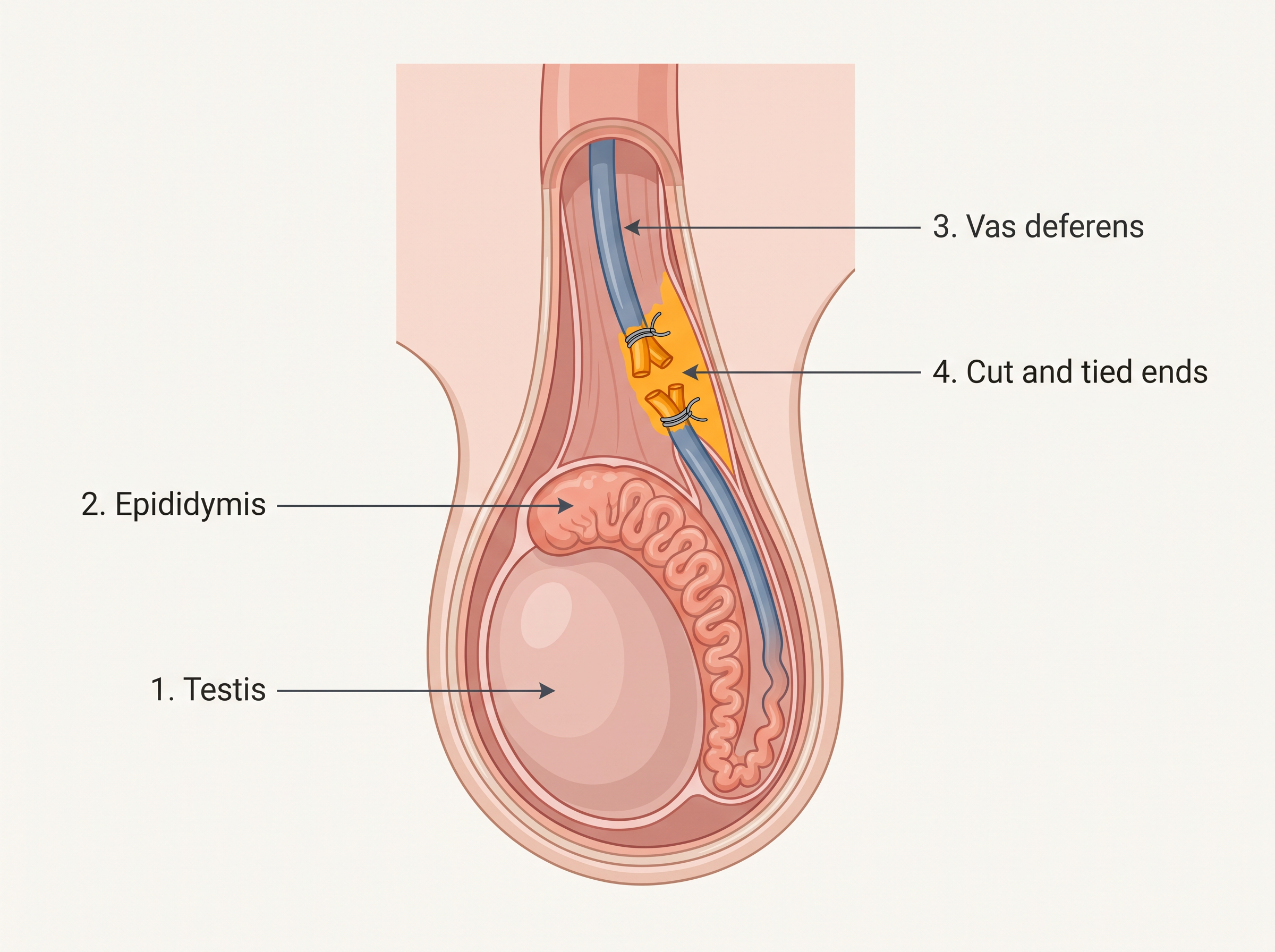
Fig. 3.9(a) – Vasectomy in the male.
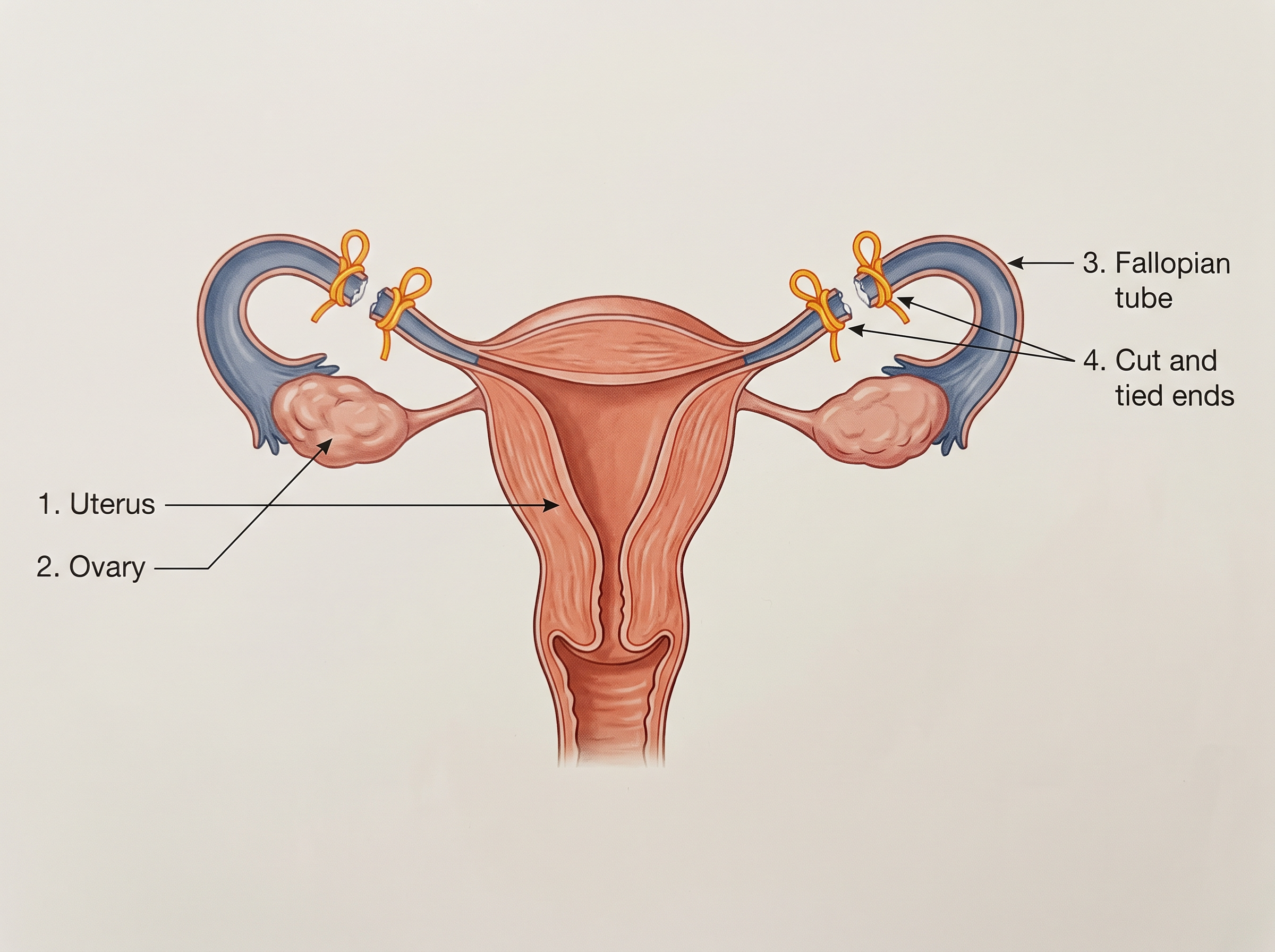
Fig. 3.9(b) – Tubectomy in the female.
These techniques are highly effective, but their reversibility is very poor — which is why they are considered permanent.
Using contraceptives wisely
It must be emphasised that choosing and using a contraceptive should always be done in consultation with qualified medical professionals. It is also worth remembering that contraceptives are not regular requirements for maintaining reproductive health. In fact, they are used against a natural reproductive event — conception or pregnancy. A person turns to them only to prevent, delay or space a pregnancy for personal reasons.
There is no doubt that the widespread use of these methods plays a significant role in checking the uncontrolled growth of population. At the same same time, their possible ill-effects — nausea, abdominal pain, breakthrough bleeding, irregular menstrual bleeding, or even breast cancer — although not very significant, should not be completely ignored.
3.3 Medical Termination of Pregnancy (MTP)
Sometimes a pregnancy is ended on purpose, before the baby is ready to be born. The intentional or voluntary ending of a pregnancy before full term is called medical termination of pregnancy (MTP), or induced abortion.
MTP is far more common than many people realise. Nearly 45 to 50 million MTPs are carried out every year across the world — that works out to about one-fifth (\(1/5\)) of all the pregnancies conceived in a year.
The word “intentional” is important here, because not every ending of a pregnancy is chosen. Some pregnancies end on their own, without anyone intending it.
A sensitive and debated issue
Whether MTP should be accepted or legalised is debated in many countries, because it raises difficult emotional, ethical, religious and social questions. Weighing a woman’s health and choices against these concerns is not simple, and different societies have answered it differently.
The Government of India legalised MTP in 1971, but with some strict conditions to prevent its misuse. These restrictions are all the more important in India because of the need to check indiscriminate and illegal female foeticides, which are reported to be high in the country.
Why is MTP needed?
Why would a pregnancy be terminated at all? The most common reason is to get rid of an unwanted pregnancy — one arising from casual, unprotected intercourse, from the failure of a contraceptive used during coitus, or from rape.
But MTP is not only about unwanted pregnancies. It is also essential in certain medical situations where continuing the pregnancy could be harmful, or even fatal, to the mother, or to the foetus, or to both.
When is MTP safe?
Timing makes a big difference to safety. MTPs are considered relatively safe during the first trimester — that is, up to 12 weeks of pregnancy, as shown on the timeline in Fig. 3.10. (A trimester is one of the three roughly three-month stages into which the nine months of pregnancy are divided.) Abortions carried out in the second trimester are much riskier.
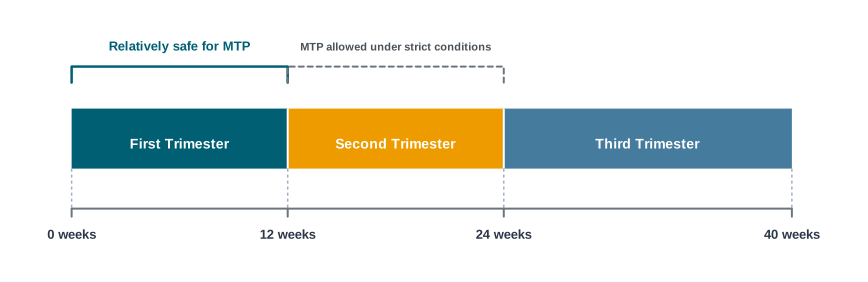
Fig. 3.10 – Pregnancy trimesters and MTP safety.
The law and its safeguards
The law does not treat every stage of pregnancy the same way; the safeguards become stricter as the pregnancy advances. This structure is summarised in FC 3.11.
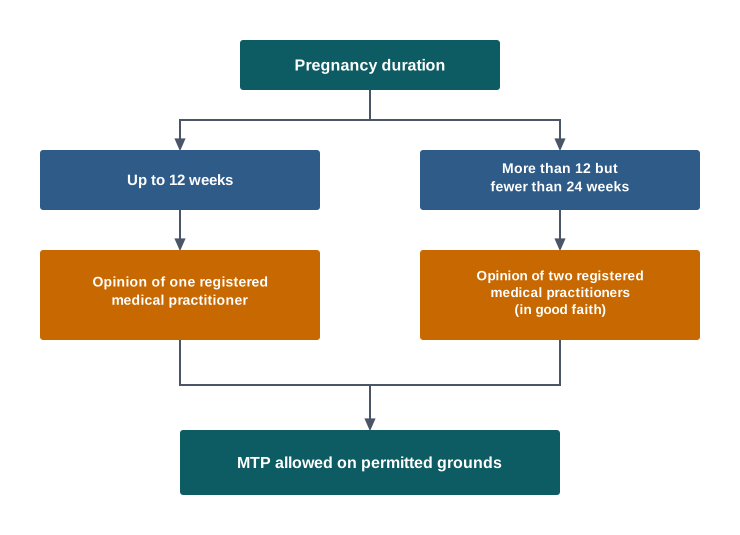
FC 3.11 – MTP under the law.
The dangerous misuse
Unfortunately, two disturbing trends work against these safeguards. First, a majority of MTPs are performed illegally by unqualified quacks (untrained practitioners). Such procedures are not only unsafe but can even be fatal.
Second — and just as dangerous — is the misuse of amniocentesis (the diagnostic test you met earlier) to find out the sex of the unborn child. All too often, when the foetus is found to be female, it is followed by an MTP. This is completely against the law.
These practices are dangerous for both the young mother and the foetus, and they must be avoided. The way to reverse this unhealthy trend is clear: effective counselling about the need to avoid unprotected coitus and about the risks of illegal abortions, together with the provision of more and better healthcare facilities.
3.4 Sexually Transmitted Infections (STIs)
Some infections and diseases spread mainly through sexual intercourse. As a group, these are called sexually transmitted infections (STIs). You may also hear them called venereal diseases (VD) or reproductive tract infections (RTI) — three names for the same broad group.
Several diseases fall under this heading: gonorrhoea, syphilis, genital herpes, chlamydiasis, genital warts, trichomoniasis, hepatitis-B, and — the most discussed of recent years — HIV, which leads to AIDS. Among all of these, HIV infection is the most dangerous, and it is dealt with in detail in Chapter 7.
How STIs spread
Although these are called sexually transmitted, a few of them have other routes as well. Some infections, such as hepatitis-B and HIV, can also spread by sharing injection needles or surgical instruments with infected persons, through the transfusion of infected blood, or from an infected mother to her foetus. These extra routes are summarised in FC 3.12.
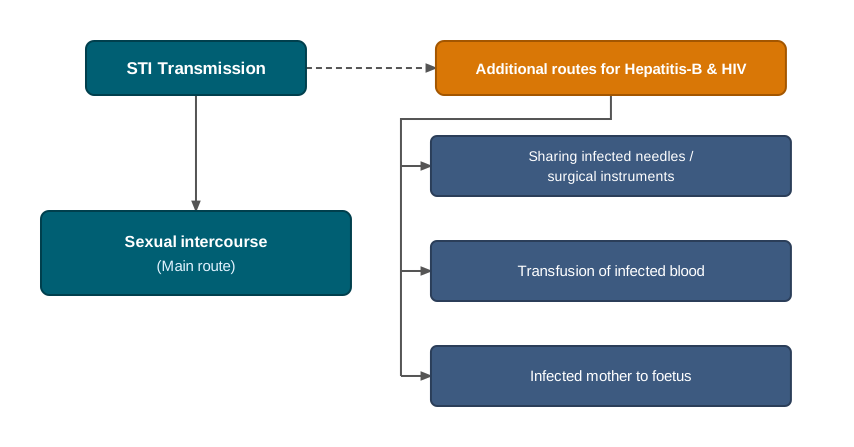
FC 3.12 – Routes of STI transmission.
Can they be cured?
The good news is that many STIs can be completely cured if they are detected early and treated properly. The important exceptions are hepatitis-B, genital herpes and HIV infections, which cannot be fully cured. The difference is set out in the table below.
The danger of silent infections
STIs are dangerous partly because they are so easy to overlook. In their early stages, most of them show only minor symptoms — itching, fluid discharge, slight pain or swellings in the genital region. Infected females are often asymptomatic (showing no symptoms at all), so the infection can go undetected for a long time.
This is a real trap. When symptoms are absent or mild, and when the social stigma attached to STIs makes people reluctant to seek help, infected persons often delay detection and treatment.
The result of this delay can be serious complications later on, including pelvic inflammatory diseases (PID, infections of the female reproductive organs), abortions, still births, ectopic pregnancies (a pregnancy growing outside the uterus), infertility, or even cancer of the reproductive tract.
Who is most at risk?
Everyone is vulnerable to these infections, but the reported rates are very high among people aged 15–24 years — the age group to which you yourself belong. This is not a reason to panic, because prevention is entirely possible.
How to stay protected
One can remain free of these infections by following a few simple principles: (i) Avoid sex with unknown partners or with multiple partners. (ii) Always try to use condoms during coitus. (iii) In case of any doubt, go to a qualified doctor for early detection and complete treatment if an infection is diagnosed.
3.5 Infertility
A discussion of reproductive health would be incomplete without talking about infertility. A large number of couples all over the world, including in India, are infertile — that is, they are unable to produce children despite unprotected sexual co-habitation.
The causes are many and varied. They may be physical, congenital (present from birth), or due to diseases, drugs, immunological problems, or even psychological factors. In other words, there is rarely a single, simple reason.
Who is really “at fault”?
In India, the female is often blamed when a couple remains childless. But this belief is mistaken: more often than not, the problem actually lies with the male partner. Recognising this matters, both for fair treatment of women and for correctly diagnosing the couple.
When correction is not possible: ART
Specialised health-care units, such as infertility clinics, can diagnose and correct many of these disorders, allowing couples to have children of their own. But where correction is not possible, science offers another route. Such couples can be helped to have children through a set of special techniques known as assisted reproductive technologies (ART).
IVF and the “test tube baby”
One of the best-known ART methods is in vitro fertilisation (IVF) — fertilisation carried out outside the body, in conditions made almost identical to those inside the body — followed by embryo transfer (ET). You met this very idea at the start of the chapter, in the story of the world’s first “test tube baby”.
In this method, ova (eggs) from the wife or a female donor and sperms from the husband or a male donor are collected and made to form a zygote under simulated (imitated) conditions in the laboratory. What happens next depends on how far the embryo has developed, as shown in FC 3.13.
The zygote or an early embryo with up to 8 blastomeres (the early cells formed as the zygote divides) is transferred into the fallopian tube — a step called ZIFT (zygote intra fallopian transfer). An embryo with more than 8 blastomeres is instead placed into the uterus, a step called IUT (intra uterine transfer), where it can complete its further development.
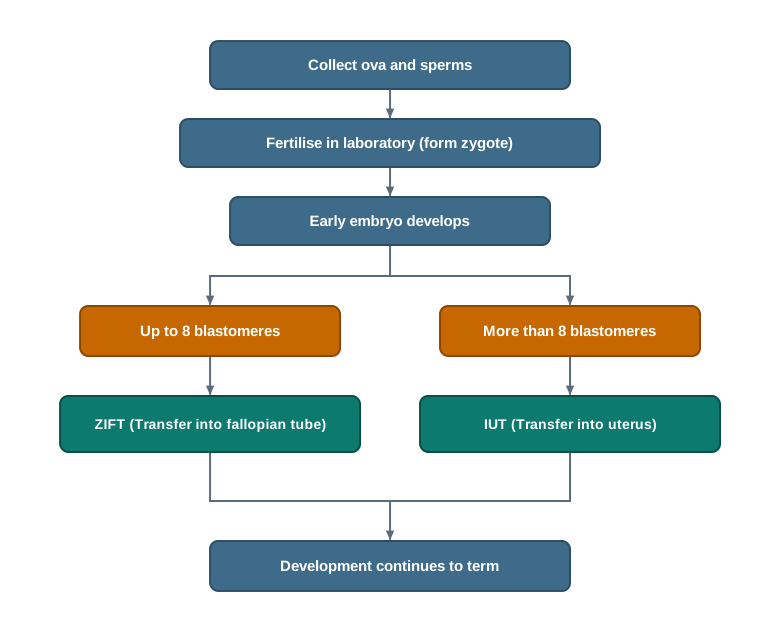
FC 3.13 – The IVF pathway.
Interestingly, embryos formed by in-vivo fertilisation (fusion of the gametes within the female’s body) can also be used for such transfer, to assist females who are unable to conceive on their own.
Other assisted techniques
Not every couple needs IVF. Several other techniques help in specific situations.
In GIFT (gamete intra fallopian transfer), an ovum collected from a donor is transferred into the fallopian tube of another female — one who cannot produce her own ovum but can still provide a suitable environment for fertilisation and further development.
ICSI (intra cytoplasmic sperm injection) is a still more specialised laboratory procedure in which a single sperm is injected directly into the ovum to form an embryo. This helps when sperm cannot fertilise the egg on their own.
Some infertility cases arise because the male partner cannot inseminate the female, or because his ejaculate has very low sperm counts. These can be corrected by artificial insemination (AI). Here, semen collected from the husband or from a healthy donor is artificially introduced either into the vagina or into the uterus — the latter being called IUI (intra-uterine insemination).
The reality — and adoption
Although the options are many, all these techniques demand extremely precise handling by specialised professionals and expensive instrumentation. As a result, such facilities are available in only a few centres in the country, and their benefits can be afforded by only a limited number of people. Emotional, religious and social factors also discourage some couples from adopting these methods.
3.6 Summary
- Reproductive health means total well-being in every aspect of reproduction — physical, emotional, behavioural and social. India was the first nation in the world to launch national-level action plans towards building a reproductively healthy society.
- The first step towards reproductive health is counselling and creating awareness — about reproductive organs, adolescence and its changes, safe and hygienic sexual practices, and sexually transmitted infections (STIs) including AIDS.
- A second key step, run through the Reproductive and Child Health Care (RCH) programmes, is providing medical facilities and care for problems such as menstrual irregularities, pregnancy and delivery, medical termination of pregnancy, STIs, birth control, infertility, and the post-natal care of both child and mother.
- Reproductive health in our country has clearly improved. This shows in reduced maternal and infant mortality rates, earlier detection and cure of STIs, and help given to infertile couples.
- Better health facilities and living conditions also caused an explosive growth in population. This made it necessary to promote contraceptive methods intensively.
- Many contraceptive options are now available: natural (traditional), barrier, IUDs, pills, injectables, implants and surgical methods. Contraceptives are not a regular requirement of reproductive health — a person uses them only to avoid, delay or space a pregnancy.
- Medical termination of pregnancy (MTP) is legalised in India. It is generally done to end an unwanted pregnancy (due to rape, casual relationships, and so on), or in cases where continuing the pregnancy could be harmful or even fatal to the mother, the foetus, or both.
- Infections or diseases spread through sexual intercourse are called sexually transmitted infections (STIs). Pelvic inflammatory diseases (PIDs), still birth and infertility are some of their complications. Early detection helps in better cure. Avoiding sex with unknown or multiple partners and using condoms during coitus are simple ways to avoid contracting STIs.
- Infertility is the inability to conceive or produce children even after two years of unprotected sexual cohabitation. Several methods now help such couples — one being in vitro fertilisation followed by transfer of the embryo into the female genital tract, popularly known as the “Test Tube Baby” programme.
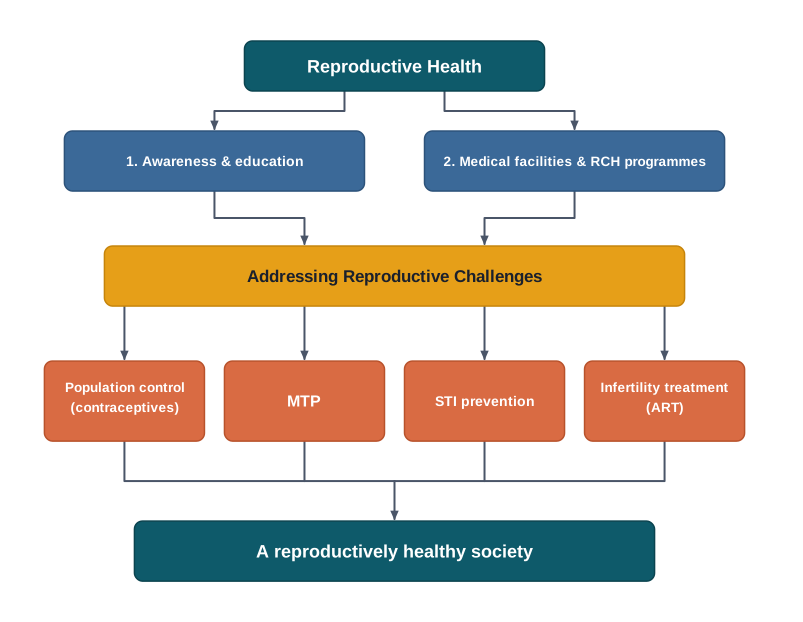
FC 3.14 – The chapter at a glance.
3.7 Points to Ponder
- The WHO defines reproductive health as total well-being — physical, emotional, behavioural and social. Can a society have excellent hospitals and still not be “reproductively healthy”? What else would it need?
- Better healthcare saves mothers and infants, yet it also helped the population grow explosively. Should saving lives and slowing population growth ever be seen as competing goals, or can both be pursued together?
- An ideal contraceptive should be effective and reversible. Why might reversibility matter so much to a couple, and what does this suggest about how we should view surgical (terminal) methods?
- Sex education is meant to replace myths with facts. Why do you think it still faces resistance, and who is most affected when young people are left with wrong information?
- Amniocentesis can warn parents about serious genetic disorders, but the same test has been misused for sex-determination. When a technology can be used for both good and harm, where should the line be drawn?
- STIs often spread silently because of absent symptoms and social stigma. Which of these two — the biology or the stigma — do you think is harder to overcome, and why?
- In India, the female is often blamed for a childless marriage, even though the cause frequently lies elsewhere. How does an incorrect belief like this affect the search for a real solution?
- Assisted reproductive technologies are precise but expensive and available in only a few centres. Meanwhile, many orphaned children need a home. How should a society balance the wish for a biological child against the option of adoption?
3.8 NCERT Questions
- What do you think is the significance of reproductive health in a society?
- Suggest the aspects of reproductive health which need to be given special attention in the present scenario.
- Is sex education necessary in schools? Why?
- Do you think that reproductive health in our country has improved in the past 50 years? If yes, mention some such areas of improvement.
- What are the suggested reasons for population explosion?
- Is the use of contraceptives justified? Give reasons.
- Removal of gonads cannot be considered as a contraceptive option. Why?
- Amniocentesis for sex determination is banned in our country. Is this ban necessary? Comment.
- Suggest some methods to assist infertile couples to have children.
- What are the measures one has to take to prevent from contracting STDs?
- State True/False with explanation:
- Abortions could happen spontaneously too. (True/False)
- Infertility is defined as the inability to produce a viable offspring and is always due to abnormalities/defects in the female partner. (True/False)
- Complete lactation could help as a natural method of contraception. (True/False)
- Creating awareness about sex related aspects is an effective method to improve reproductive health of the people. (True/False)
- Correct the following statements:
- Surgical methods of contraception prevent gamete formation.
- All sexually transmitted diseases are completely curable.
- Oral pills are very popular contraceptives among the rural women.
- In E. T. techniques, embryos are always transferred into the uterus.
3.9 Check Your Concepts
- According to the WHO, reproductive health is more than just “disease-free reproductive organs”. Explain what the other dimensions of reproductive health are, and why a purely medical definition would be incomplete.
- Assertion–Reason. Assertion (A): A fall in the maternal mortality rate (MMR) and the infant mortality rate (IMR) can contribute to a rise in population. Reason (R): When fewer mothers and infants die, more people survive into their reproductive years. State whether A and R are true, and whether R correctly explains A.
- Amniocentesis is medically valuable, yet its use has been banned by law in a particular situation. Explain this apparent contradiction — what is the test genuinely used for, and what misuse is being prevented?
- Why is periodic abstinence practised specifically from day 10 to day 17 of the menstrual cycle, and not at other times? Relate your answer to ovulation and the fertile period.
- What happens if a breastfeeding mother relies on lactational amenorrhea for contraception well beyond six months after childbirth? Explain why the method’s reliability changes.
- A copper-releasing IUD such as the Copper-T does not contain any hormone, yet it prevents conception. Using a structure–function argument, explain how it works.
- Match the technique in Column I with its correct description in Column II.
| Column I | Column II |
|---|---|
| a. ZIFT | i. A single sperm injected directly into the ovum |
| b. GIFT | ii. Zygote/early embryo (up to 8 blastomeres) placed into the fallopian tube |
| c. ICSI | iii. Semen introduced artificially into the uterus |
| d. IUI | iv. Ovum from a donor transferred into another female’s fallopian tube |
- Arrange the following steps of the IVF (“test tube baby”) procedure in the correct sequence: (i) embryo transferred into fallopian tube or uterus; (ii) ova and sperms collected; (iii) fertilisation and zygote formation in the laboratory; (iv) early embryo develops through blastomere divisions.
- Distinguish between vasectomy and tubectomy in terms of the organ operated upon, the partner involved, and how each prevents conception. With reference to Fig. 3.9(a) and (b), state what is tied and cut in each case.
- Why does the law require the opinion of one registered medical practitioner for an MTP up to 12 weeks, but two practitioners for a pregnancy between 12 and 24 weeks? What does this tell you about the risks involved?
- “An STI that produces no symptoms can be more dangerous than one that causes pain.” Do you agree? Justify your answer with reference to detection, complications, and spread of the infection.
- Classify the following STIs into “completely curable if detected early” and “not fully curable”: gonorrhoea, hepatitis-B, syphilis, genital herpes, chlamydiasis, HIV, trichomoniasis, genital warts.
- Besides sexual intercourse, hepatitis-B and HIV can spread through other routes. List these additional routes, and explain why blood banks and hospitals must take special precautions.
- Assertion–Reason. Assertion (A): In India, the female should not automatically be blamed when a couple is childless. Reason (R): Infertility can arise in either partner, and often the cause lies with the male. State whether A and R are true, and whether R correctly explains A.
- Both IUT and IUI place something into the uterus, yet they are very different procedures. Explain the difference, and state which one would be chosen for a couple whose infertility is due to a very low sperm count in the male.
- Contraceptives are described as being “used against a natural reproductive event”. Explain what this statement means, and discuss why, despite this, their widespread use is considered socially important.
— CHANGES MADE —
3.0 (The many faces of reproductive health) → 3.03.1 (Strategies for reproductive health) → 3.13.2 (The amniocentesis procedure) → 3.23.3 (Contraceptive methods) → 3.33.4 (Menstrual cycle timeline and fertile period) → 3.43.5 (A condom for the male / female) → 3.53.6 (Copper-T intra uterine device) → 3.63.7 (Oral contraceptive pill schedule) → 3.73.8 (Hormonal implants) → 3.83.9 (Vasectomy / Tubectomy) → 3.93.10 (Pregnancy trimesters and MTP safety) → 3.103.11 (MTP under the law) → 3.113.12 (Routes of STI transmission) → 3.123.13 (The IVF pathway) → 3.133.14 (The chapter at a glance) → 3.14
Note: All figure entries in this file have a corresponding \[Diagram:]/\[Caption:] block. No text-only figure entries were found.