Chapter 10: Biotechnology and its Applications
For most of the twentieth century, a person living with diabetes depended on insulin scraped from the pancreas of slaughtered pigs and cattle. The glands of many animals were needed to treat a single patient for one year, the supply was never certain, and because animal insulin is not exactly the same as the human molecule, some patients developed allergies and other reactions to this foreign protein. Doctors could keep people alive, but the medicine itself carried problems.
Then, in the early 1980s, something remarkable happened. Scientists worked out how to place the human genes for insulin inside a common gut bacterium, Escherichia coli. Following the borrowed human instructions, the bacteria began to manufacture human insulin. Grown in large tanks, a few kilograms of these microbes could make more insulin than entire herds of cattle — and because it was identical to the molecule our own bodies produce, it did not trigger the immune reactions that animal insulin sometimes did.
This was one of the first great gifts of biotechnology to medicine, but insulin was only the beginning. The same tools that turned bacteria into tiny insulin factories are now used to protect crops from insects, to correct inherited diseases, to build animals that model human illness, and to detect infections before a person even feels unwell. This chapter is about those applications — and about the difficult questions they raise.
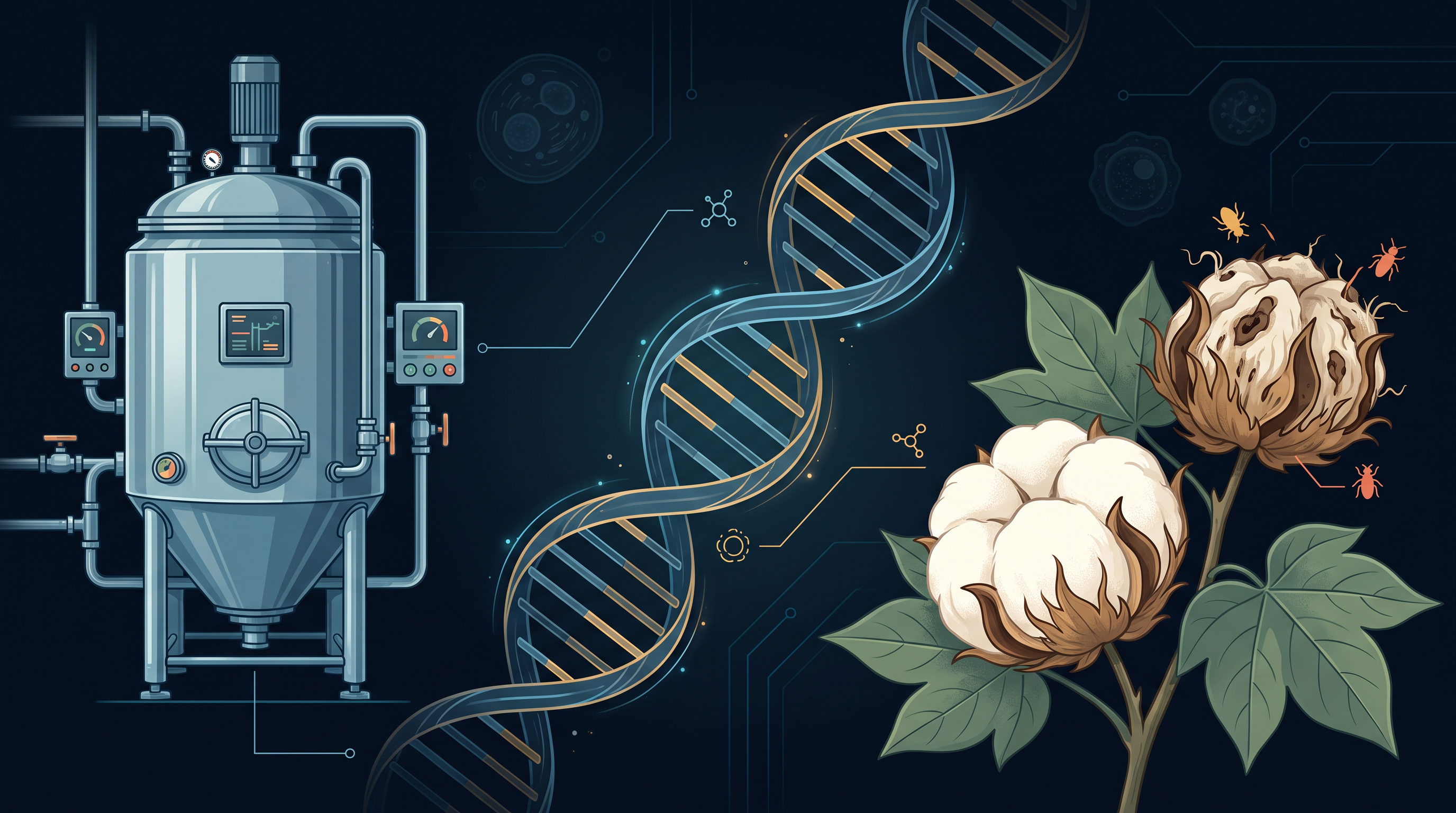
Fig. 10.0 – Biotechnology applications in medicine and agriculture.
As you work through this chapter, keep these questions in mind — by the end, you will be able to answer each one.
10.1 Biotechnological Applications in Agriculture
What Biotechnology Delivers
You have already seen that biotechnology deals with the large-scale, industrial production of medicines and other useful biological products, using microbes, fungi, plants and animals whose genes have been altered. Its reach is wide. It gives us therapeutics (drugs to treat disease), diagnostics (ways to detect disease early), genetically modified crops for agriculture, processed food, bioremediation and waste treatment, and even the production of energy.
Behind almost every biotechnology process lie three critical research problems that scientists must solve. First, finding the best catalyst — usually an improved organism such as a microbe, or a pure enzyme — to carry out the chemical change we want. Second, engineering the best possible conditions (temperature, pH, nutrients, oxygen) so that this catalyst can work efficiently. Third, developing downstream processing methods to extract and purify the protein or organic compound at the end. Every application in this chapter depends on getting all three of these right.
In this chapter we look at how these tools have improved human life, especially in food production and in health. We begin with agriculture.
Three Ways to Grow More Food
When we want to increase food production, there are broadly three paths we can take: agro-chemical based agriculture (using fertilisers and pesticides), organic agriculture, and genetically engineered crop-based agriculture. Each has different costs and consequences, and biotechnology is central to the third.
The Green Revolution of the twentieth century succeeded in tripling the food supply. Yet even this was not enough to feed a still-growing human population. The higher yields came partly from improved crop varieties, but mainly from better farming practices and heavy use of agrochemicals — that is, fertilisers and pesticides.
There is a limit to this approach, however. For farmers in the developing world, agrochemicals are often too expensive to buy in the amounts needed. And with the existing crop varieties, conventional breeding cannot push yields much higher. Traditional breeding — crossing selected plants over many generations — is simply too slow to keep pace with demand. This is what pushed scientists towards faster, more efficient methods of crop improvement.
Tissue Culture and Totipotency
One such method is tissue culture. During the 1950s, scientists discovered something surprising: a whole plant could be grown from just a small piece of it. Any part of a plant that is taken out and grown in a test tube under sterile conditions, in a special nutrient medium, is called an explant. Remarkably, an explant — even a tiny cluster of cells — can regenerate an entire new plant.
This capacity of a plant cell or explant to develop into a whole plant is called totipotency. You will learn how it is actually carried out in higher classes.
For tissue culture to work, the nutrient medium must supply everything the growing tissue needs. It must provide a carbon source such as sucrose (for energy and building material), and also inorganic salts, vitamins, amino acids, and growth regulators. The growth regulators are especially important — plant hormones such as auxins and cytokinins direct the tissue on when to divide, when to form roots, and when to form shoots.
Micropropagation and Somaclones
Using tissue culture, it is possible to produce a very large number of plants in a very short time. This method of raising thousands of plants through tissue culture is called micro-propagation. The sequence — from explant to a crowd of new plantlets — is summarised in FC 10.1.
Flowchart
FC 10.1 – Micropropagation: healthy explant taken → placed on sterile nutrient medium (sucrose + salts + vitamins + amino acids + auxins/cytokinins) → cells divide and regenerate → many plantlets form → each grown into a full plant → thousands of genetically identical plants
Every plant produced this way is genetically identical to the parent plant it was grown from. Because they are exact genetic copies, they are called somaclones. Many important food plants — tomato, banana, apple, and others — are now produced on a commercial scale by micropropagation, giving growers thousands of uniform, high-quality plants.
Recovering Healthy Plants from Diseased Ones
Tissue culture has another valuable use: it can rescue a healthy plant from a diseased one. Even when a plant is infected by a virus, one region usually stays virus-free — the meristem, the actively dividing tissue at the growing tips (apical and axillary buds). The virus simply cannot keep up with the rapidly dividing meristem cells.
Because of this, a scientist can carefully remove the meristem and grow it in vitro (in glassware, outside the plant) to obtain completely virus-free plants. This technique has been used successfully to culture the meristems of banana, sugarcane and potato.
Somatic Hybridisation
Scientists have gone further still. They have isolated single cells from plants and then digested away the rigid cell wall, leaving behind a naked protoplast — the living cell surrounded only by its plasma membrane.
Once the wall is removed, protoplasts become fusible. Protoplasts from two different plant varieties, each carrying a desirable character, can be fused to give a hybrid protoplast, which can then be grown into a new plant. Such hybrids are called somatic hybrids, and the whole process is called somatic hybridisation. The steps are shown in FC 10.2.
Flowchart
FC 10.2 – Somatic hybridisation: isolate single cells from two varieties → digest cell walls → obtain naked protoplasts → fuse protoplasts → hybrid protoplast (combined characters) → grow into somatic hybrid plant
Genetically Modified Organisms
Is there a smarter path — one that lets farmers get the maximum yield while using fewer fertilisers and chemicals, so their harm to the environment is reduced? The answer, for many crops, is the use of genetically modified crops.
Plants, bacteria, fungi and animals whose genes have been deliberately altered by manipulation are called Genetically Modified Organisms (GMO).
Genetic modification has made plants useful in several important ways. It has: (i) made crops more tolerant of abiotic stresses such as cold, drought, salt and heat; (ii) reduced the need for chemical pesticides, by creating pest-resistant crops; (iii) helped reduce losses of produce after harvest; (iv) raised the efficiency with which plants use minerals, which prevents the early exhaustion of soil fertility; and (v) improved the nutritional value of food — for example golden rice, which is rice enriched with Vitamin A.
Beyond food, genetic modification has also been used to create tailor-made plants that supply alternative raw materials to industry — for example, starches, fuels and pharmaceuticals.
Pest-Resistant Plants: Bt Cotton
One of the most important agricultural applications you will study is the making of pest-resistant plants, which cut down the amount of pesticide a farmer must spray. The star of this story is a toxin called Bt toxin, produced by a soil bacterium named Bacillus thuringiensis (Bt for short).
The clever idea was this: instead of spraying the bacterium or its toxin on the field, scientists took the Bt toxin gene out of the bacterium and put it into the crop plant itself. The plant then makes its own insecticide, in effect becoming a living bio-pesticide — with no need for chemical sprays. This has been done in Bt cotton, Bt corn, and in rice, tomato, potato and soyabean.
How does the toxin work? Some strains of Bacillus thuringiensis make proteins that kill certain insect groups — lepidopterans (such as tobacco budworm and armyworm), coleopterans (beetles) and dipterans (flies and mosquitoes). During a particular phase of its growth, B. thuringiensis forms protein crystals that contain a toxic insecticidal protein.
Once activated, the toxin binds to the surface of the epithelial cells lining the insect’s midgut. There it creates pores in the cell membranes. The cells swell, burst (lyse), and the insect eventually dies. The whole sequence is traced in FC 10.3.
Flowchart
FC 10.3 – Bt toxin action: Bacillus thuringiensis forms protein crystals (inactive protoxin) → insect ingests crystals → alkaline pH of insect gut dissolves crystals → protoxin converted to active toxin → toxin binds midgut epithelial cell surface → pores form in cells → cells swell and lyse → insect dies
Specific Bt toxin genes were isolated from Bacillus thuringiensis and introduced into several crops, such as cotton (Fig. 10.1). The choice of gene depends on the crop and the target pest, because most Bt toxins act only on one insect group.
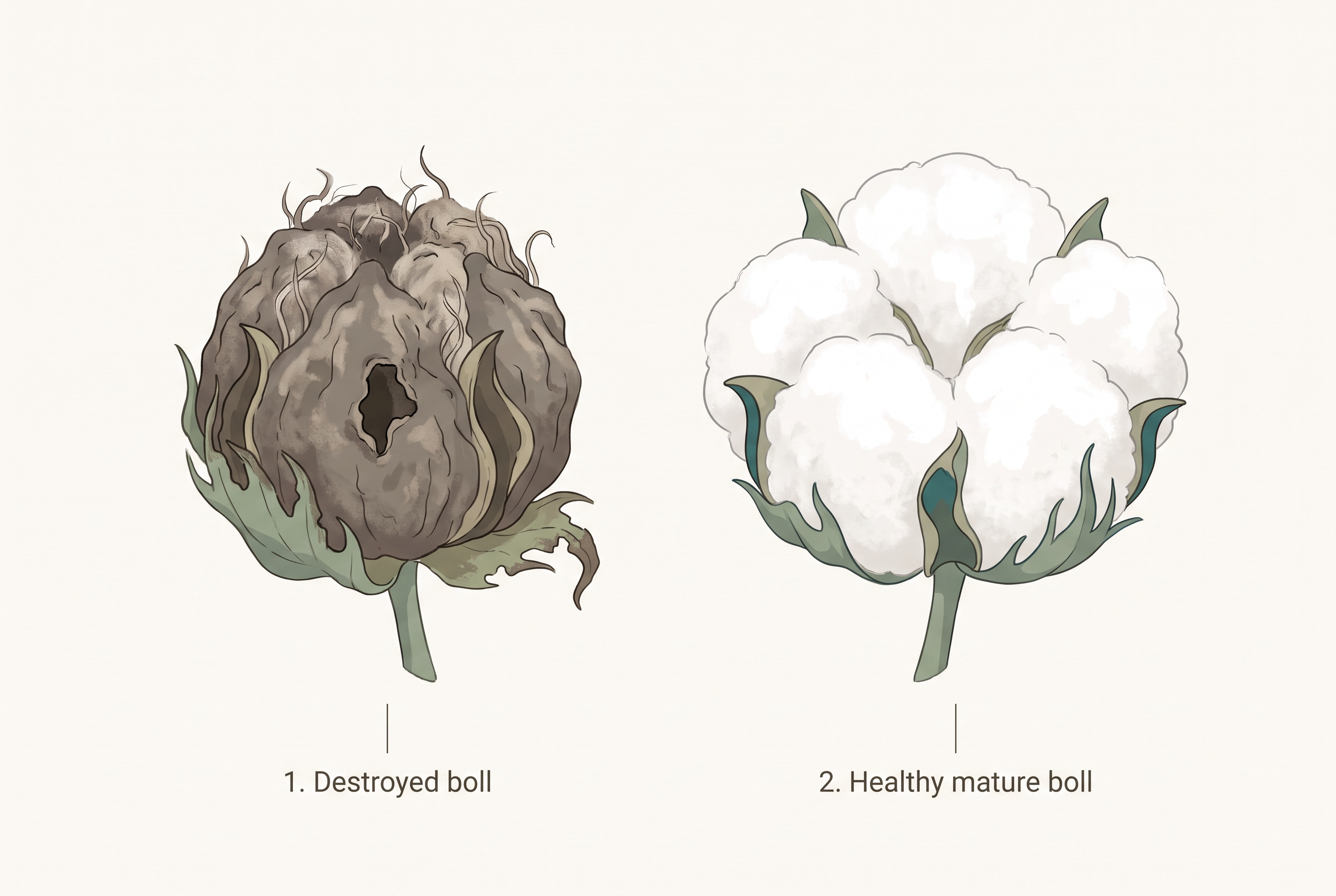
Fig. 10.1 – Cotton bolls: (a) destroyed by bollworms and (b) fully mature.
The toxin is coded by a gene called cry. There are several members of this gene family, each active against a different pest. For example, the proteins encoded by the genes cryIAc and cryIIAb control the cotton bollworms, while cryIAb controls corn borer.
Pest-Resistant Plants: RNA Interference
Not all pests are insects. Several nematodes (roundworms) attack a wide range of plants and animals, including humans. One nematode, Meloidegyne incognitia, infects the roots of tobacco plants and badly reduces the yield. To fight it, scientists used a completely different and elegant strategy based on a natural process called RNA interference (RNAi).
RNAi happens in all eukaryotic organisms as a built-in method of cellular defence. In this process, a particular mRNA (the messenger molecule that carries a gene’s instructions to be made into protein) is silenced — switched off — by a complementary double-stranded RNA (dsRNA) molecule. The dsRNA binds to the matching mRNA and prevents its translation into protein, so that protein is never made. In nature, the trigger for RNAi often comes from infection by RNA viruses, or from mobile genetic elements (transposons) that copy themselves through an RNA intermediate.
To protect the tobacco plant, scientists used Agrobacterium as a vector (a carrier) to introduce nematode-specific genes into the plant (Fig. 10.2). The introduced DNA was designed so that the plant cells produced both the sense and the anti-sense RNA of the nematode gene. Being complementary, these two RNAs paired up to form a double-stranded RNA, which set off RNAi and silenced that essential nematode mRNA. The sequence is shown in FC 10.4.
Flowchart
FC 10.4 – RNAi-based nematode resistance: Agrobacterium introduces nematode gene into host plant → plant makes both sense and anti-sense RNA → complementary RNAs pair to form dsRNA → dsRNA triggers RNAi → specific nematode mRNA silenced → nematode cannot survive in the plant → transgenic plant protected
As a result, any nematode feeding on this transgenic host could not survive, because a protein vital for its life was no longer being made. The plant had, in effect, been armed to disarm its own parasite (Fig. 10.2).
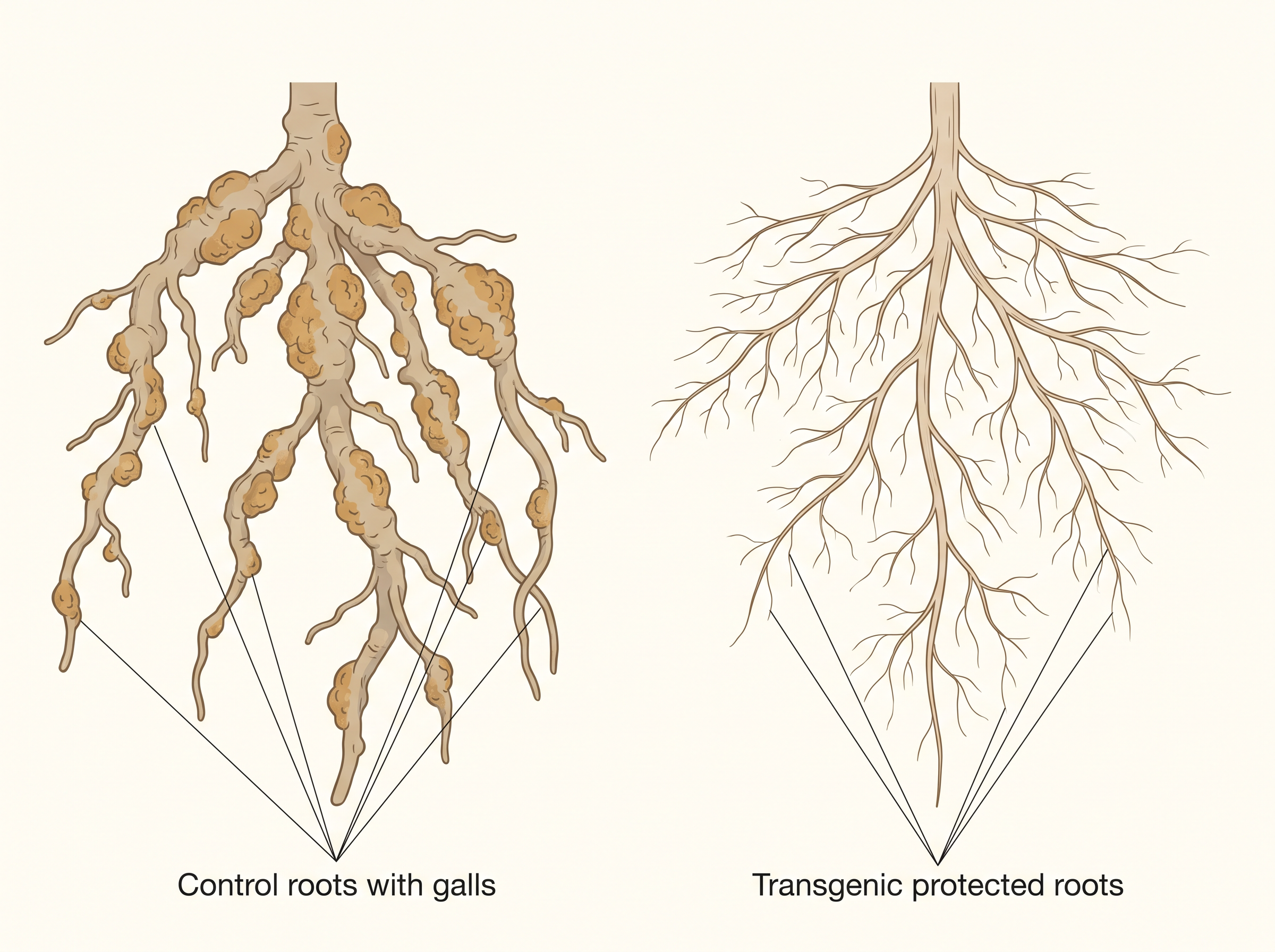
Fig. 10.2 – RNAi protection against nematode infestation in tobacco roots.
10.2 Biotechnological Applications in Medicine
The techniques of recombinant DNA technology have had an enormous impact on healthcare. Their greatest gift has been the mass production of medicines that are both safe and highly effective.
There is a special advantage to drugs made this way. Because a recombinant therapeutic is built to be identical to the human molecule, it does not trigger the unwanted immunological (immune) reactions that often occur when we use similar products taken from non-human sources such as animals. At present, about 30 recombinant therapeutics have been approved for human use across the world. In India, 12 of these are currently being marketed.
10.2.1 Genetically Engineered Insulin
Adult-onset diabetes is managed by taking insulin — a hormone that controls blood sugar — at regular intervals. This raises an important question: what would a diabetic patient do if there were not enough human insulin to go around?
The Problem with Animal Insulin
Before biotechnology, the only option was to take insulin from other animals. Insulin for diabetes used to be extracted from the pancreas of slaughtered cattle and pigs. But animal insulin is not exactly the same as ours, and in some patients it caused allergies or other reactions to the foreign protein. It was also effective only up to a point, precisely because it was slightly different from the human molecule the body recognises.
Now imagine, instead, that a bacterium could be persuaded to make human insulin. Suddenly the whole problem becomes simple: you can grow the bacteria in huge quantities and harvest as much insulin as you need — all of it identical to the natural human hormone.
Why Insulin Is Not Easy to Make
To copy insulin, scientists first had to understand its structure. Human insulin consists of two short polypeptide chains — chain A and chain B — held together by disulphide bridges, which are strong sulphur-to-sulphur links between the chains (Fig. 10.3).
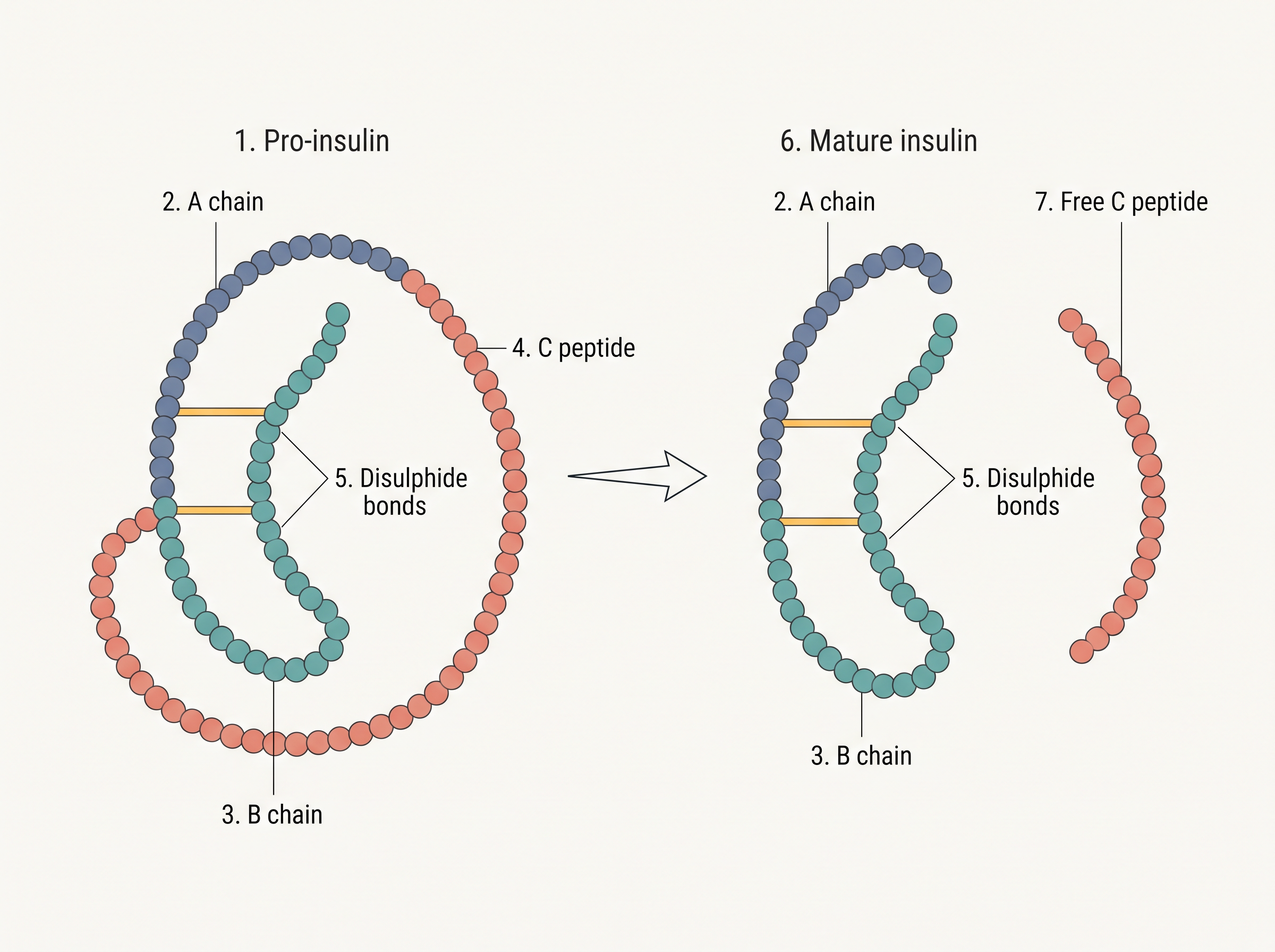
Fig. 10.3 – Maturation of pro-insulin into mature insulin.
But there is a twist. In mammals, including humans, insulin is first made as a pro-hormone — an unfinished version that must be processed before it becomes fully active (just as a pro-enzyme must be trimmed before it can work). This pro-insulin carries an extra stretch of amino acids called the C peptide. The C peptide is not present in mature insulin; it is snipped out during the maturation of pro-insulin into working insulin.
How Bacteria Were Taught to Make It
This C peptide was exactly what made recombinant insulin difficult. The main challenge was assembling the two chains correctly into the mature form.
In 1983, the American company Eli Lilly solved it. They prepared two separate DNA sequences, one coding for chain A and one for chain B of human insulin, and introduced them into plasmids of Escherichia coli (E. coli) to produce the chains. Chains A and B were produced separately, then extracted and combined by creating disulphide bonds between them, giving fully human insulin. The overall route is summarised in FC 10.5.
Flowchart
FC 10.5 – Recombinant human insulin: DNA for chain A and DNA for chain B prepared separately → each inserted into a plasmid of E. coli → bacteria make chain A and chain B separately → chains extracted → chains joined by disulphide bonds → mature human insulin
10.2.2 Gene Therapy
If a person is born with a hereditary disease — one caused by a faulty gene inherited from the parents — can the fault itself be corrected, rather than just its symptoms treated? Gene therapy is the attempt to do exactly this.
Gene therapy is a collection of methods that allows the correction of a gene defect diagnosed in a child or embryo. Genes are inserted into a person’s cells and tissues to treat the disease. Correcting a genetic defect means delivering a normal, working gene into the individual (or embryo), so that it can take over the job of the faulty gene and make up for it.
The First Gene Therapy: ADA Deficiency
The first clinical gene therapy was carried out in 1990, on a four-year-old girl who suffered from adenosine deaminase (ADA) deficiency. ADA is an enzyme that is crucial for the immune system to work. Her disorder was caused by the deletion of the gene that codes for ADA — without the gene, she could not make the enzyme, and her immune defences failed.
Before gene therapy, there were two ways to help such children. In some, ADA deficiency can be cured by a bone marrow transplant. In others, it can be managed by enzyme replacement therapy, in which working ADA is given to the patient by injection. The trouble is that neither approach is completely curative — the transplant is not always possible, and the injected enzyme keeps getting used up.
How the Therapy Was Done
As a first step towards gene therapy, doctors took lymphocytes — white blood cells of the immune system — from the patient’s blood and grew them in a culture outside the body. A functional ADA cDNA (a DNA copy of the gene) was then introduced into these lymphocytes using a retroviral vector — a virus modified to carry the good gene into the cell. The corrected lymphocytes were returned to the patient. The steps are shown in FC 10.6 and Fig. 10.4.
Flowchart
FC 10.6 – ADA gene therapy: withdraw lymphocytes from patient’s blood → grow them in culture outside the body → insert functional ADA cDNA using a retroviral vector → return the gene-corrected lymphocytes to the patient → immune function restored (temporarily)
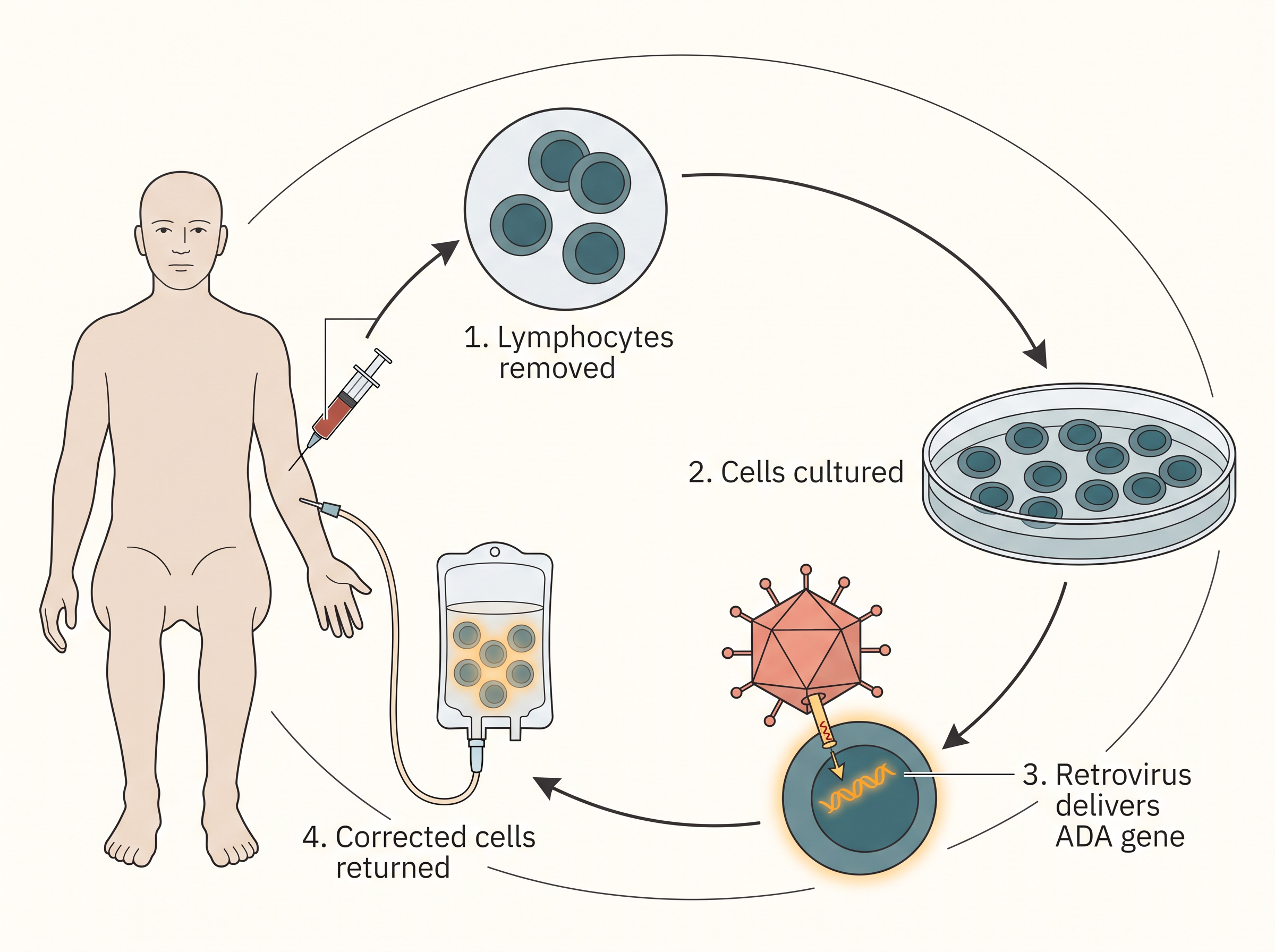
Fig. 10.4 – Steps in gene therapy for ADA deficiency.
There is one limitation. Because these lymphocytes are not immortal — they eventually die — the patient must receive fresh, genetically engineered lymphocytes again and again, at intervals. A permanent cure would be possible only if the working ADA gene, isolated from bone-marrow cells that produce ADA, were introduced into cells at an early embryonic stage, so that every cell of the developing body would carry it.
10.2.3 Molecular Diagnosis
For a disease to be treated effectively, it must be caught early, and its underlying biology understood. But with conventional methods of diagnosis — such as ordinary serum and urine analysis — very early detection is simply not possible. Biotechnology offers far more sensitive tools. Recombinant DNA technology, the Polymerase Chain Reaction (PCR), and the Enzyme Linked Immuno-sorbent Assay (ELISA) are three techniques that make early diagnosis possible.
Catching a Pathogen Early with PCR
Normally, a pathogen (a disease-causing bacterium, virus and so on) is suspected only after it has already produced a symptom. By then its numbers in the body are very high. The advantage of PCR is that it can detect even a very low concentration of a bacterium or virus — long before symptoms appear — by amplifying (making many copies of) the pathogen’s nucleic acid.
You met PCR in the previous chapter: it repeatedly copies a chosen stretch of DNA, so that a handful of molecules is turned into millions within a short time. This is why even a tiny trace of pathogen DNA can be revealed.
Detecting Mutations with a Probe
A second molecular method uses a probe. A single-stranded piece of DNA or RNA is tagged with a radioactive molecule and allowed to hybridise (base-pair) with its complementary DNA in a clone of cells. The result is then detected by autoradiography, which records the radioactivity on photographic film.
Here is the clever part: a clone of cells carrying a mutated gene will not show up on the film. This is because the probe, which matches the normal gene, cannot pair properly with the altered sequence of the mutated gene. The absence of a signal therefore points straight to the mutation.
Detecting Infection with ELISA
The third technique, ELISA, works on a completely different principle — the antigen–antibody interaction. When a pathogen infects the body, it brings antigens (its proteins, glycoproteins and so on), and the body makes antibodies against them. ELISA can detect an infection either by finding the pathogen’s antigens, or by finding the antibodies the body has produced against that pathogen.
Flowchart
FC 10.7 – Routes to early molecular diagnosis: suspected disease → if detecting pathogen’s genetic material → amplify by PCR; if detecting a gene mutation → radioactive probe + autoradiography; if detecting antigens or antibodies → ELISA
10.3 Transgenic Animals
Animals whose DNA has been manipulated so that they carry and express an extra, foreign gene are called transgenic animals. The word breaks down neatly: trans (across) + genic (gene) — a gene has been carried across from one organism into another.
Many kinds of transgenic animals have been produced — rats, rabbits, pigs, sheep, cows and fish. But by far the most common are mice: over 95 per cent of all existing transgenic animals are mice. Why are so many of these animals being made, and how do humans benefit from them? Let us look at the main reasons, summarised in FC 10.8.
Flowchart
FC 10.8 – Uses of transgenic animals: transgenic animal created → (i) study normal physiology and development; (ii) serve as models to study disease; (iii) produce useful biological products; (iv) test vaccine safety; (v) carry out chemical (toxicity) safety testing
Understanding Normal Physiology and Development
Transgenic animals can be designed specifically to reveal how genes are regulated, and how they affect the normal working and development of the body. For example, scientists study the complex factors involved in growth, such as insulin-like growth factor. By introducing genes from other species that change how this factor is formed, and then watching the biological effects, they can work out what role the factor really plays in the body.
Models for Human Disease
Many transgenic animals are created to help us understand how genes contribute to the development of disease. Such animals are made to serve as models for human diseases, so that new treatments can be investigated in them before being tried on people. Today, transgenic models exist for many human diseases, including cancer, cystic fibrosis, rheumatoid arthritis and Alzheimer’s.
Living Factories for Biological Products
Some medicines needed to treat human diseases contain biological products, but these are often very expensive to manufacture. A transgenic animal can be turned into a living factory for such a product, by introducing the piece of DNA (the gene) that codes for it.
One example is the human protein α-1-antitrypsin, used to treat emphysema (a lung disease). Similar efforts are underway for the treatment of phenylketonuria (PKU) and cystic fibrosis.
Testing Vaccine Safety
Transgenic mice are being developed to test the safety of vaccines before those vaccines are given to humans. For instance, transgenic mice are used to check the safety of the polio vaccine. If they prove reliable, they could replace the monkeys currently used to test batches of the vaccine — a more humane and often faster alternative.
Chemical Safety Testing
The last use is chemical safety testing, also called toxicity or safety testing. It follows the same procedure used to test how toxic a drug is. Here, transgenic animals are made to carry genes that make them more sensitive to toxic substances than ordinary (non-transgenic) animals. They are then exposed to the toxic substance and the effects are studied. Because these animals react more strongly, the test gives results in much less time.
10.4 Ethical Issues
Biotechnology gives humans great power over living things — but power always needs limits. The manipulation of living organisms by the human race cannot go on without some form of regulation. We need ethical standards to judge the morality of every human activity that might help or harm living organisms.
Why We Need Ethical Rules
The concern is not only about right and wrong; the biological significance of these actions also matters. When a genetically modified organism is released into an ecosystem, the results can be unpredictable. A modified organism may behave in ways no one intended once it interacts with wild species, soil, water and climate. This is why genetic modification must be handled with great care and oversight.
Regulating GM Organisms: GEAC
To provide this oversight, the Indian Government has set up bodies such as GEAC (Genetic Engineering Approval Committee). The GEAC examines the validity of GM research and decides whether it is safe to introduce GM organisms into public use — for example, as food or medicine.
Patents and the Problem They Created
Using living organisms for public services — as sources of food and medicine, for instance — has also created problems with patents. A patent is a legal right that gives a company exclusive control over a product or process for a period of time.
There is growing public anger that some companies are being granted patents for products and technologies that rely on genetic materials, plants and other biological resources which have, in fact, long been identified, developed and used by farmers and indigenous people of a particular region or country. In other words, someone else takes legal ownership of knowledge that a community built up over centuries.
The Basmati Rice Story
Rice makes this danger very clear. Rice is an important food grain, and its presence in Asia’s agricultural history goes back thousands of years. India alone has an estimated 200,000 varieties of rice — one of the richest collections of rice diversity in the world.
Among these, Basmati rice stands out for its unique aroma and flavour, and 27 documented varieties of Basmati are grown in India. Basmati is so much a part of the culture that it appears in ancient texts, folklore and poetry, having been grown here for centuries.
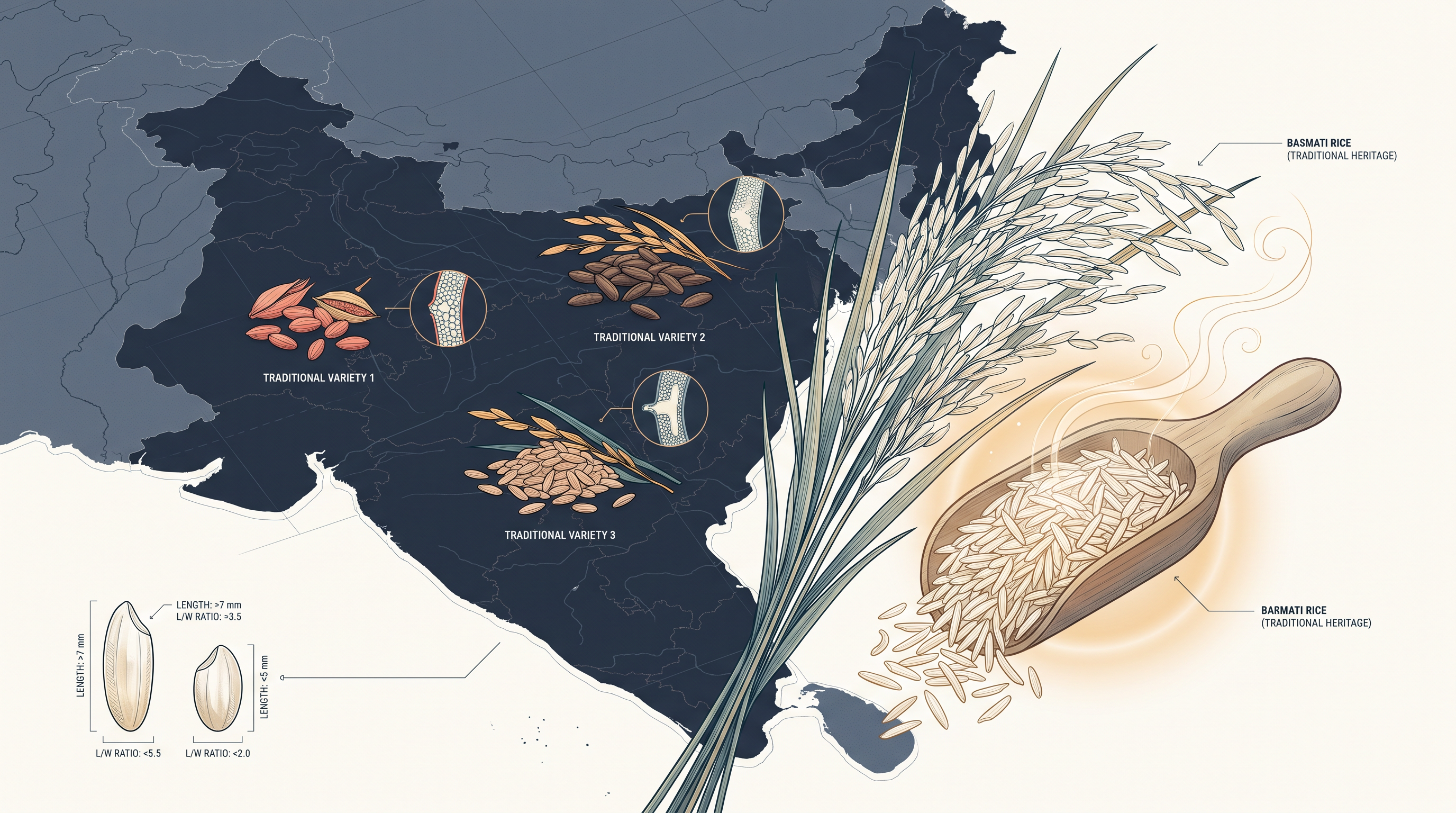
Fig. 10.5 – India’s rice diversity and the heritage of Basmati.
The danger did not stop there. Because such a patent extends even to “functional equivalents,” it could have restricted other people from selling ordinary Basmati rice. Several attempts have likewise been made to patent uses, products and processes based on Indian traditional herbal medicines — for example, turmeric and neem. If we are not vigilant, and do not immediately counter these patent applications, other countries or individuals could cash in on our rich legacy, and we might be left unable to do anything about it.
Biopiracy
There is a name for this kind of theft: biopiracy.
Why does biopiracy happen so easily? Most industrialised nations are rich in money but poor in biodiversity and traditional knowledge. In contrast, the developing and underdeveloped world is rich in biodiversity and in traditional knowledge about bio-resources. This traditional knowledge is valuable — it can be used to develop modern applications, and it saves time, effort and money during the process of commercialisation. That is exactly what makes it a target.
Protecting Our Bio-resources
There is now a growing realisation of the injustice involved — the inadequate compensation, and the unfair sharing of benefits between developed and developing countries. As a result, some nations are developing laws to prevent the unauthorised exploitation of their bio-resources and traditional knowledge.
India has acted on this too. The Indian Parliament has cleared the second amendment of the Indian Patents Bill, which takes such issues into consideration — including patent terms, emergency provisions, and provisions for research and development initiatives.
10.5 Summary
- Biotechnology has given humans many useful products by putting microbes, plants, animals and their metabolic machinery to work.
- Tissue culture and somatic hybridisation allow plants to be manipulated in vitro (in the laboratory) to create new varieties, and hold vast potential for crop improvement.
- Recombinant DNA technology has made it possible to engineer microbes, plants and animals so that they gain entirely new capabilities.
- Genetically Modified Organisms (GMOs) are made by transferring one or more genes from one organism to another using artificial (non-natural) methods, generally through recombinant DNA technology.
- GM plants have helped increase crop yields, reduce post-harvest losses, and make crops more tolerant of stresses. Several GM crops also have improved nutritional value and reduced dependence on chemical pesticides (pest-resistant crops).
- Recombinant DNA processes have transformed healthcare by allowing the mass production of safe and more effective therapeutics.
- Because recombinant therapeutics are identical to human proteins, they do not trigger unwanted immune responses and carry no risk of infection — problems that were common with similar products taken from non-human sources.
- Human insulin is now made in bacteria, yet its structure is absolutely identical to that of the natural human molecule.
- Transgenic animals help us understand how genes contribute to disease, by serving as living models for human illnesses such as cancer, cystic fibrosis, rheumatoid arthritis and Alzheimer’s.
- Gene therapy is the insertion of genes into a person’s cells and tissues to treat disease, especially hereditary disease. It works by replacing a defective mutant allele with a functional one, or by gene targeting (which involves gene amplification).
- Viruses that naturally enter host cells and insert their genetic material as part of their replication cycle are used as vectors, to carry healthy genes — or, more recently, portions of genes — into cells.
- The growing power to manipulate microbes, plants and animals has raised serious ethical questions that society must address.
Flowchart
FC 10.9 – The chapter at a glance: Biotechnology → applied in Agriculture (tissue culture, somatic hybridisation, GM crops, Bt cotton, RNAi) and in Medicine (recombinant insulin, gene therapy, molecular diagnosis by PCR/probe/ELISA) and in Transgenic Animals (physiology, disease models, biological products, vaccine and chemical safety) → all raising Ethical Issues (GEAC regulation, patents, biopiracy)
10.6 Points to Ponder
- Gene therapy given to a patient’s blood cells lasts only as long as those cells live, while placing the corrected gene into cells at an early embryonic stage could give a permanent cure. But should we alter genes that will be passed on to all future generations? What responsibilities come with that power?
- A Bt crop makes its own insecticidal protein all the time, in every part of the plant. Could target insects slowly become resistant to Bt toxin, the way bacteria become resistant to antibiotics? What would this mean for farmers who depend on Bt crops?
- An American company was able to patent a “new” Basmati derived from Indian farmers’ varieties. When knowledge and biological resources have been built up by a community over centuries, who can rightly claim to have “invented” them?
- Recombinant human insulin freed diabetics from allergy-causing animal insulin, but medicines made by biotechnology can be expensive. How should society balance the high cost of such technology against the goal of equal access to treatment for everyone?
- Transgenic mice could replace monkeys in testing the safety of vaccines. Solving one ethical concern (protecting monkeys) by engineering another animal — does this raise ethical questions of institutional responsibility of its own?
- Once a genetically modified organism is released into an ecosystem, its effects can be unpredictable and hard to reverse. How much certainty about safety should we demand before allowing a modified organism into the wild?
- Golden rice could prevent childhood blindness from Vitamin A deficiency, yet genetically modified foods often meet strong public resistance. How should we weigh a clear, life-saving benefit against genuine fears about the unknown?
10.7 NCERT Questions
- Which part of the plant is best suited for making virus-free plants and why?
- What is the major advantage of producing plants by micropropagation?
- Find out what the various components of the medium used for propagation of an explant in vitro are.
- Crystals of Bt toxin produced by some bacteria do not kill the bacteria themselves because –
- bacteria are resistant to the toxin
- toxin is immature
- toxin is inactive
- bacteria enclose the toxin in a special sac
- What are transgenic bacteria? Illustrate using any one example.
- Compare and contrast the advantages and disadvantages of production of genetically modified crops.
- What are Cry proteins? Name an organism that produces it. How has man exploited this protein to his benefit?
- What is gene therapy? Illustrate using the example of adenosine deaminase (ADA) deficiency.
- Diagrammatically represent the experimental steps in cloning and expressing a human gene (say the gene for growth hormone) into a bacterium like E. coli.
- Can you suggest a method to remove oil (hydrocarbon) from seeds based on your understanding of rDNA technology and chemistry of oil?
- Find out from the internet what golden rice is.
- Does our blood have proteases and nucleases?
- Consult the internet and find out how to make an orally active protein pharmaceutical. What is the major problem to be encountered?
10.8 Check Your Concepts
- Why is the meristem of a virus-infected plant usually free of the virus, and how is this fact used to obtain healthy plants?
- Assertion–Reason. Assertion (A): Somaclones are genetically identical to the parent plant. Reason (R): They are produced by fusing the protoplasts of two different plant varieties. State whether A and R are true or false, and whether R correctly explains A.
- Arrange the following events in the correct sequence by which Bt toxin kills an insect: (i) the toxin binds to midgut epithelial cells; (ii) the insect ingests the protoxin crystals; (iii) pores form and the cells swell and lyse; (iv) the alkaline pH of the gut activates the toxin.
- Explain why the Bt toxin does not harm the Bacillus thuringiensis that produces it.
- What would happen if the C peptide were not removed from pro-insulin? Why is its removal important for making functional insulin?
- Distinguish between micropropagation and somatic hybridisation, giving one example of each.
- Match the items in Column I with those in Column II.
| Column I | Column II |
|---|---|
| a. cryIAb | i. vector used to introduce genes into plants |
| b. Meloidegyne incognitia | ii. controls corn borer |
| c. Agrobacterium | iii. human protein in Rosie’s milk |
| d. alpha-lactalbumin | iv. nematode infecting tobacco roots |
- Why does recombinant human insulin not cause the allergic reactions that insulin taken from cattle or pigs sometimes did?
- In the RNA interference strategy used against nematodes, why must the host plant be made to produce both sense and anti-sense RNA?
- Assertion–Reason. Assertion (A): Introducing a functional ADA gene into a patient’s cultured lymphocytes provides a permanent cure for ADA deficiency. Reason (R): Lymphocytes are not immortal, so the patient needs periodic infusion of the engineered cells. State whether A and R are true or false, and whether R correctly explains A.
- Explain how PCR is able to detect a pathogen such as HIV before any disease symptoms appear.
- In the radioactive-probe method of molecular diagnosis, a clone of cells carrying a mutated gene fails to show a signal on the photographic film. Give the reason for this.
- How do the transgenic animals used in chemical (toxicity) safety testing help scientists obtain results in less time than ordinary animals?
- What is the role of GEAC, and why is such a regulatory body necessary before GM organisms are released for public use?
- Define biopiracy. Using the Basmati rice example, explain why it is considered unjust to developing countries.
- List any three ways in which genetic modification has made crops more useful.
- Draw a labelled diagram showing the maturation of pro-insulin into mature insulin. Label the A chain, the B chain, the C peptide and the disulphide bridges.
- Golden rice is said to have an enhanced nutritional value. Which nutrient does it supply, and which deficiency disorder does it help prevent?