Chapter 2: Clinical Nutrition and Dietetics
The Sailors Who Were Given Oranges In 1747, a naval surgeon named James Lind was serving aboard a British warship, HMS Salisbury. Long sea voyages then carried a familiar dread — scurvy. Sailors who had been weeks away from land grew weak and exhausted, their gums became sore and swollen, and many did not recover. Nobody knew the cause, and every ship’s surgeon had a favourite cure.
Lind decided to find out which cure actually worked. He chose twelve sailors who were ill in much the same way, kept them in the same part of the ship, and gave them all the same basic food. Then he divided them into six pairs and gave each pair one remedy to test. One pair was given cider. One was given vinegar, one sea water, one a spiced medicinal paste, and one a dose of elixir of vitriol, a diluted acid then in common use. The sixth pair was given two oranges and a lemon every day. The design of his trial is set out in Fig. 2.0.
Within about a week the two men eating citrus fruit had improved so much that one was fit to return to duty. Lind published his findings in 1753. He could not say what the fruit contained; vitamin C would not be identified for nearly two hundred years. But he had shown something this whole chapter rests on — for a sick person, food is part of the treatment.
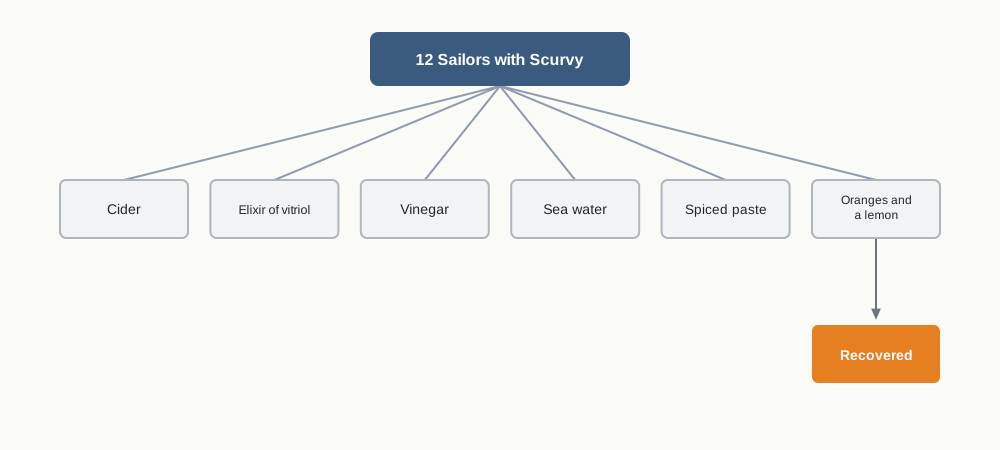
Fig. 2.0 – James Lind’s 1747 scurvy trial design.
2.1 Nutrition, Health And Illness
Think of what happens in a household when someone falls ill. The doctor is consulted, medicines are bought — and almost at once, the cooking changes. Lighter food replaces the usual lunch, the fried snack is put away, and someone is told to drink more fluids.
That change is not merely a kindness. It rests on a body of knowledge about what food does inside a body that is unwell. This chapter is about that knowledge, and about the people who are trained to apply it.
2.1.1 What The Science Of Nutrition Covers
Nutrition is the science of food and of what the body does with it. It studies nutrients — the substances in food that the body uses for energy, growth, repair and regulation — along with their digestion, absorption and utilisation.
But nutrition is not only a study of chemistry inside the body. What a person eats is shaped by custom, religion, memory, mood and money. A food that is nutritious but disliked, unaffordable or forbidden in a household will not be eaten, and a nutrient no one eats does nobody any good. So the science takes in the social, psychological and economic sides of food as well.
Your body is being rebuilt continuously, even when nothing about you looks different. Cells are replaced — some within days, some over months, some over years — and every one of those replacements needs raw material. Food is where that material comes from, which is why nutrition matters before, during and after any illness.
2.1.2 How Illness And Nutrition Act On Each Other
Health and nutrition are linked in both directions, and this is the single most important idea in the chapter. Nutrition affects whether a person falls ill and how well she recovers. Illness, in turn, affects how well a person can be nourished.
Take the first direction. When nutrient intake is inadequate over a period, the body finds it harder to keep up its immune defences, to heal wounds, to make proper use of medicines, and to support the working of organs. A person in that state may not only fall ill more easily but may also pick up further complications during the illness.
Nutritional status is the condition of the body that results from the food a person has been eating over time, together with how well the body has been able to use it. Note that it is a standing condition, not a record of a single day’s meals.
The Reverse Direction
Now take the second direction. Illness and its treatment can upset the balance of nutrients even in a person who was well nourished before. Fever raises the body’s needs. Vomiting and diarrhoea take fluids and minerals out. Pain, nausea and medicines can flatten the appetite, and some diseases interfere with digestion or absorption itself.
Because each direction feeds the other, the two can settle into a cycle, shown in Fig. 2.1. Poor nutrition weakens the body’s defences; the illness that follows worsens the nutrition; and the person slips further down. Breaking that cycle is exactly what nutritional care during illness sets out to do.
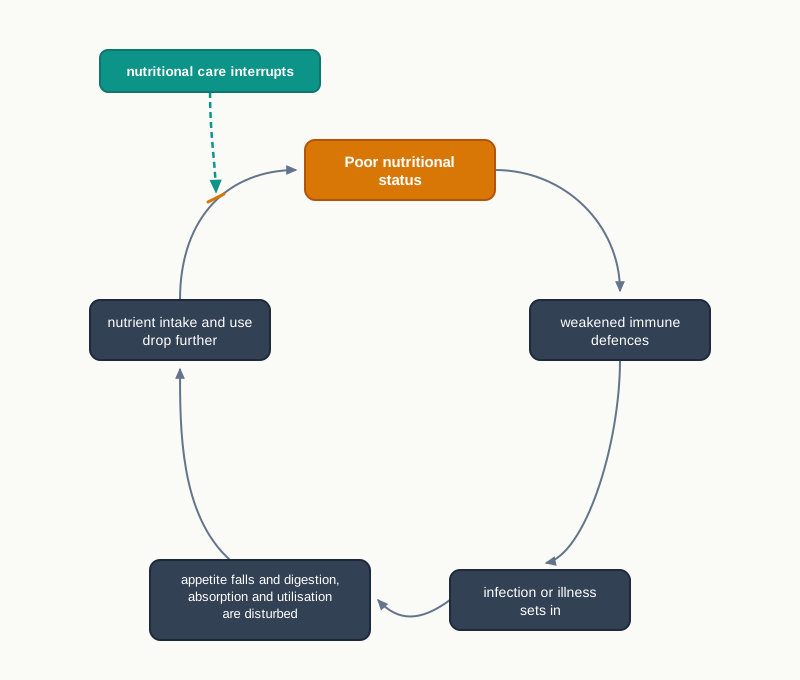
Fig. 2.1 – The cycle linking poor nutrition and illness.
It follows that nutritional care is not something to be thought about only after a person is admitted to hospital. Nutritional status before an illness, and the support given after it, both influence the prognosis — the doctor’s expectation of how the illness will proceed — the speed of recovery, and even how many days the person stays in hospital.
Put simply, poor nutrition does two things. It causes health problems of its own, and it makes existing problems worse.
2.1.3 Clinical Nutrition And Medical Nutrition Therapy
Nutrition is a wide field. Feeding a healthy family sits at one end of it; feeding a person whose kidneys are failing sits at the other. The branch that deals with the second is given its own name.
Clinical nutrition is the specialised area of nutrition that deals with nutrition during illness. It works on individuals with an established disease, and it asks a narrow, practical question: given this person, this diagnosis and this treatment, what should the food be?
In recent years the same field has come to be called medical nutrition therapy. The newer name carries a claim worth noticing — that the modified diet is a form of therapy in its own right, planned and prescribed as the medicines are, and not merely a comfort arranged around them.
In some diseases, diet is the main means of management — a food allergy is treated by identifying the food and removing it, not by a medicine. In others, diet complements the medical treatment and helps it work. Either way, the food is part of the plan.
Notice where clinical nutrition sits on the scale you will use throughout Home Science. A balanced diet is an individual matter; planning meals is a family one; a mid-day meal programme is a national one. Clinical nutrition works at the level of the individual — one patient, one diagnosis, one plan — even when that individual is one of two hundred in a hospital ward.
2.2 Significance Of Clinical Nutrition And Dietetics
Nutritional care has become more important across the world in recent decades, and the reasons are worth setting out plainly. They are of three kinds: what disease does to nourishment, what kinds of disease we now face, and what science has recently learnt about food.
2.2.1 How Disease Disturbs Nutritional Status
A disease does not attack nutrition at one point only. Illness, and sometimes its treatment as well, can disturb nourishment at any stage of the journey food makes through the body.
Look at that journey stage by stage. A mouth ulcer or a throat infection can impair the ability to eat or to swallow. A stomach or intestinal disease can interfere with digestion and with absorption. A liver or kidney disease can disturb metabolism — the chemical changes by which the body builds up and breaks down substances — or interfere with excretion, the removal of waste.
The trouble rarely stays in one place. Even where one function is affected to begin with, in some people the problem intensifies and other body functions are drawn in. A person who eats poorly for a fortnight because swallowing hurts has, by the end of it, a nutritional problem as well as a throat problem.
Any organ, tissue or system of the body can be affected by disease. The result may be minor or serious, sudden and short-lived or chronic and long lasting. In every one of these conditions, one requirement stays constant — the person must remain adequately nourished.
Who Does This Work
That requirement is met by a trained professional, called a dietitian, a clinical nutritionist or a medical nutrition therapist depending on the setting and the qualification. The three titles overlap a good deal in practice, and you will meet all of them in this chapter.
The professional does not work by rule of thumb. She follows a systematic and logical approach, taking each patient’s needs as unique and treating the person as a whole rather than as a diagnosis. This is what is meant by saying that the patient, not the disease, is the primary focus of nutritional care.
2.2.2 The Changing Pattern Of Disease
The twentieth and twenty-first centuries brought remarkable advances in medicine and in pharmacology, the science of medicines. Many communicable and infectious diseases that once killed large numbers can now be controlled or prevented. At the same time newer diseases have appeared, HIV/AIDS among them, and infectious disease has by no means disappeared.
The larger change, however, is in the other family of diseases. Non-communicable diseases are diseases that do not pass from person to person — obesity, heart disease, hypertension and diabetes are the familiar ones. They are becoming more common, and, importantly, they are appearing at a much younger age than before. The number of people living with diabetes in India is among the highest of any country in the world.
The two families of disease behave quite differently, and a student of Home Science should be able to tell them apart. Their main points of difference are set out in Table 2.1.
Two further shifts add to the demand for nutritional care. Older persons form a growing share of the population and need particular attention to their food. And more people now live with a long-term condition for years rather than months.
Put together, this means a larger and larger proportion of the population needs nutritional care, nutritional support and diet counselling. The clinical nutritionist therefore does two jobs, not one. She recommends modified diets for the management of disease, and she works to prevent disease and promote good health in people who are not yet ill.
2.2.3 New Knowledge: Nutraceuticals, Functional Foods And Phytochemicals
The third reason the field has grown is that the knowledge behind it keeps expanding. New findings continue to appear on the physiological and metabolic disturbances that occur in chronic and acute disease. Newer methods of nutritional assessment have been developed and taken into use, and newer techniques and products for nourishing a patient are now available.
Advances in the food and pharmaceutical industries have added to this. Basic research has revealed roles for individual nutrients that were not suspected earlier — in gene expression, in the regulation of metabolism, and in the prevention and treatment of disease. It has also drawn attention to substances in food that are not nutrients at all but still affect health.
Foods Made For A Purpose
Some foods are now specially processed or formulated for people with a particular physical or physiological condition, or with a specific disease or disorder. These are variously called functional foods, nutraceuticals, health supplements, or foods for special dietary uses. FSSAI, the national food regulator, defines them together as one category.
Such a food may contain one or more of the following:
- plants or botanicals, or their parts, as a powder, concentrate or extract in water, ethyl alcohol or hydro-alcoholic solution, singly or in combination;
- minerals, vitamins, proteins, metals or their compounds, or amino acids, in amounts not exceeding the Recommended Dietary Allowance for Indians, or enzymes within permissible limits;
- substances of animal origin;
- a dietary substance meant to supplement the diet by adding to total dietary intake.
Read condition (b) again, because it is the one that surprises people. A supplement is not permitted to load a person with more of a nutrient than the recommended allowance. The regulation exists precisely because more is not better.
Medical foods are a step further along. These are products manufactured for persons with specific needs; they are regulated, and they may be used only on a doctor’s prescription, for the dietary management of a particular disease or condition.
Substances That Are Not Nutrients
Food carries more than nutrients. Phytochemicals, also called bioactive compounds, are constituents of food that are not nutrients but that have physiological or biological activity and influence health.
The best-studied group among them are the antioxidants — substances that protect body cells from a kind of chemical damage. Beta-carotene, selenium, vitamin E and vitamin C all act in this way, and there is evidence that, particularly when they come from food rather than from a bottle, they appear to have a protective role.
Notice the careful wording of that last sentence. In nutrition, a substance shown to act in a certain way in the laboratory does not automatically prevent disease in a living person eating ordinary meals. Learning to hold a finding at the strength the evidence supports, and no higher, is part of the training this chapter is describing.
2.3 The Nutritional Care Process
Knowing that a patient needs to be well nourished is easy. Working out what that means for one particular person, on one particular treatment, in one particular week of an illness, is not. This section is about how that work is actually done.
2.3.1 The Work Of The Dietitian
At its simplest, the dietitian’s job is to turn technical knowledge into something a person can cook and eat. Research reports speak of grams of sodium and of protein turnover; a household needs to know how much salt to add and which dal to use. Translating the first into the second is the heart of the work.
That advice is not given only to people who are ill. A dietitian also advises healthy people at every stage of the life cycle — during pregnancy, in infancy and childhood, through adulthood and into old age — so that they build and keep good nutritional status. Prevention is part of the brief, not an extra.
Where illness is present, diet is used to improve the health of people with a very wide range of conditions. The list runs from diarrhoea, vomiting and fever to food allergies and anaemia; from typhoid and tuberculosis to ulcers, hyperacidity and heartburn; from epilepsy and other gastrointestinal problems to AIDS, hypertension, cancer, osteoporosis, obesity and burns; and on to metabolic disorders including diabetes, and disorders of the kidney, liver and pancreas. People who are to undergo surgery need nutritional support both before and after the operation.
You are not expected to learn the management of each of these. The point of the list is its length. Almost no disease leaves food untouched, which is why nutritional care belongs inside the treatment of nearly all of them.
2.3.2 Objectives Of Diet Therapy
Diet therapy is the use of a planned, modified diet as part of the treatment of a disease. It has five objectives, and they are worth taking one at a time, because each answers a different question.
- To promote recovery, by formulating a diet that meets the patient’s needs while taking her or his food habits into account.
- To modify the existing diet so that the disease condition is eased and kept under control.
- To correct nutritional deficiencies, where any exist.
- To prevent short-term and long-term complications in chronic diseases.
- To educate and counsel the patient about the need to keep to the prescribed diet.
Objective (a) contains a phrase that students often skim past — taking food habits into account. A diet that is nutritionally perfect and culturally impossible is not a good diet, because it will not be eaten. If a household has never cooked with oats, a plan built on oats has already failed.
Objective (e) is there for a related reason. A diet prescription is carried out by the patient and the family, in their own kitchen, three times a day, often for years. Unless they understand why each restriction exists, it will quietly lapse. Explanation is not politeness here; it is the mechanism by which the treatment works.
2.3.3 Illness And The Acceptance Of Food
A dietitian has to look not only at what a patient should eat but at what the patient will eat, and at what the body will do with it once eaten. Four factors are considered.
- Nutritional stress — the extra demands the illness itself places on the body, such as the increased need for energy and protein during fever or after a burn.
- Psychological stress — the effect of anxiety, fear, pain or low mood, all of which reduce appetite and interest in food.
- The effect of the illness on food acceptance — nausea, altered taste, difficulty in chewing or swallowing, and medicines that leave a bitter or metallic taste.
- The acceptability of the modified diet — whether the person finds the changed food, with its reduced salt or fat or spice, tolerable enough to keep eating.
These four are not a checklist to be recited. They explain a fact every household knows: an ill person eats differently, and often much less, than the same person in health.
2.3.4 The Steps In Nutritional Care
Nutritional care during illness is not a single act of advice. It is an organised group of activities, carried out in a fixed order, and known together as the nutritional care process. It has four steps.
- Assessing nutritional status.
- Diagnosis of the nutritional problems that the assessment reveals.
- Planning and prioritising the nutrition interventions needed to meet nutritional needs.
- Monitoring and evaluating the outcomes of the care given, and making changes where necessary.
Step (c) uses the word ‘prioritising’, and it is there deliberately. A patient may have three nutritional problems at once, and they may pull in opposite directions. The dietitian has to decide which is urgent and which can wait.
The fourth step turns the list into a loop. Monitoring shows whether the plan is working; where it is not, the dietitian returns to assessment and the process runs again. The sequence is shown in Fig. 2.2.
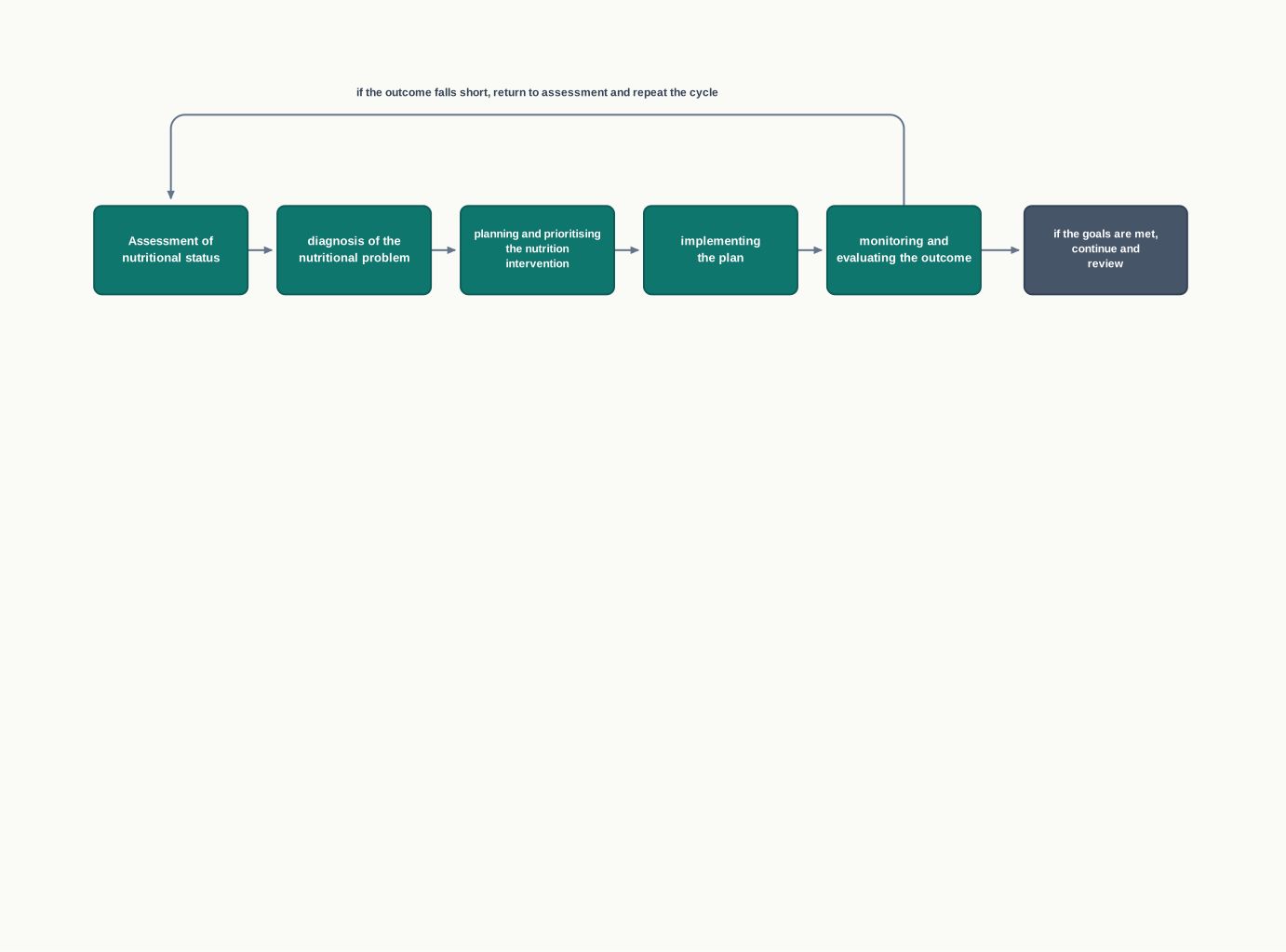
Fig. 2.2 – The nutritional care process.
Compare this with Fig. 2.1. There the cycle was the problem, running downwards until something interrupted it. Here the cycle is the remedy, running until the person is well nourished. A process that checks its own results is the mark of a profession rather than a set of household tips.
2.3.5 The Range Of Settings And Tasks
The nutritional care process is not confined to a hospital bed. It is applied to individuals and to groups in almost any setting: to healthy clients of fitness and wellness centres, to pregnant women, to older persons, to people being treated in a private physician’s clinic, and to admitted patients — whether the hospital is municipal, government, charitable or private.
The training therefore prepares a professional for a correspondingly wide set of tasks. A study of clinical nutrition and dietetics enables her to:
- plan diets that meet nutritional requirements at each stage of the life cycle;
- modify diets in various disease conditions, keeping in mind the person’s physical state, occupation, cultural, ethnic and socio-economic background, the treatment regimen, and individual likes and dislikes;
- plan diets for athletes and sportspersons, and for people in special situations — nutrition in space, on submarines, for defence personnel and for industrial workers;
- promote the health and well-being of patients in hospitals, in outpatient clinics and in institutional settings;
- manage food services in institutions such as residential homes for older people, schools and children’s homes;
- help people with chronic diseases such as diabetes and heart disease to manage them, prevent complications and keep a good quality of life;
- promote better health in the community, and improve the effectiveness of health care institutions through better patient care management and holistic care, contributing to better survival and recovery.
Read (c) again. Feeding a crew inside a submarine and feeding a patient in a ward look like unrelated problems, and in one sense they are. What joins them is the method — assess the situation, work out the requirement, plan within the constraints, check the result.
2.3.6 Nutritional Assessment
Every plan begins with an assessment, so it is worth seeing what an assessment consists of. Nutritional assessment is the gathering of information about a patient’s nutritional status and nutrient needs. It has four parts.
- Obtaining detailed histories — of health, of diet, of the person’s own circumstances, and of the medicines being taken.
- Taking anthropometric measurements — measurements of the body itself, such as height, weight and the circumference of the mid-upper arm.
- Relating laboratory findings and physical measurements to those histories and to the physician’s diagnosis.
- Interpreting all of it together, to identify nutritional deficiencies that already exist and the risk of deficiencies to come.
No single one of these is enough on its own. A weight reading without a diet history cannot say why the weight is what it is. A laboratory value without a medication history may be explained by a drug rather than by food. The assessment works by putting the four together, and Fig. 2.3 shows the measurements taken in part (b).
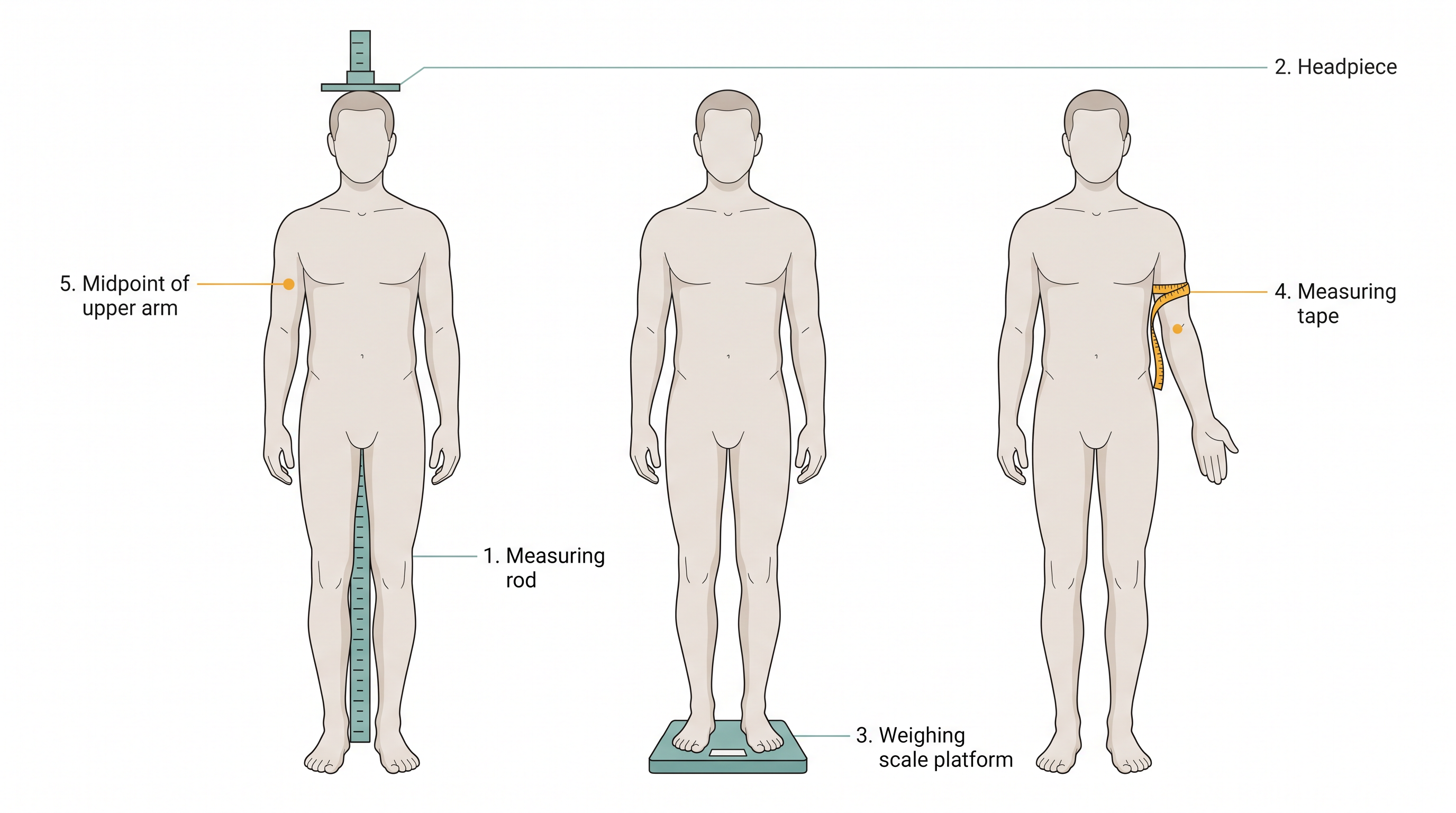
Fig. 2.3 – Common anthropometric measurements.
Notice the last four words of part (d) — the risk of deficiencies to come. Assessment is not only a record of the present. Its more valuable output is a warning about what will go wrong in three weeks if nothing is changed now.
2.3.7 The Dietitian Within The Medical Team
It must be clear where the responsibility lies. The physician is ultimately responsible for seeing that all of a patient’s medical needs are met, and the diagnosis of the disease is the physician’s. The dietitian works from that diagnosis, not around it.
From there, the division of work is straightforward. Taking the doctor’s diagnosis and the nutritional assessment together, the dietitian prescribes the diet, sees that the food served in the hospital keeps to the prescribed restrictions, and provides diet counselling to the patient. For the diet prescription actually to be carried out, the physician relies on the dietitian.
This is what is meant by calling the dietitian part of the medical team. Clinical nutrition has grown from something arranged at the edges of treatment into a practice built into mainstream medical care, and the dietitian is now an integral member of the team that treats the patient.
The dietitian’s own responsibility, then, has a clear shape. She assesses the patient’s nutritional status; she analyses nutrient needs, which change from one illness to another; and she develops the nutrition care plan — administering suitable regimens to admitted patients, or counselling those who come to the outpatient department (OPD).
Both ordinary and modified diets are planned with the same aim: to maintain or restore good nutrition in the individual. In planning either, the dietitian takes into account the person’s usual food pattern and how often different foods are eaten, the diagnosis and the doctor’s prescription, the health status and physical condition — including the ability to eat, chew, swallow, digest and absorb — the feeling of hunger, the level of physical activity and lifestyle, any supplements being consumed, and cultural, ethnic and religious practices. What those two kinds of diet are, and how they differ, is the subject of the next section.
2.4 Types Of Diets
Every nutritional care plan, however unusual the patient, begins from the same requirement: an adequate intake of all nutrients, measured against what this person needs. Those needs depend on age, sex, physiological state such as pregnancy, occupation and health status.
Diets are then grouped by how far they depart from ordinary eating. There are two broad groups, and one of them has several branches.
2.4.1 The Normal Or Regular Diet
A regular diet, also called a standard or normal diet, includes all the food groups and meets the needs of a healthy person. It is the diet a household cooks when nobody is ill.
Hospitals serve a regular diet too, but with a small adjustment. A hospital regular diet is kept low in fried fatty foods, sweets, spices and condiments. The reason is practical rather than medical: the people eating it are less active than usual, many are on medicines, and rich food sits heavily on a body that is resting.
2.4.2 Modified Diets
Modified diets are diets adjusted to meet the medical needs of a patient. A modified diet planned as part of the treatment of a disease is called a therapeutic diet. Any one modification, or several together, may be used.
- A change in consistency or texture — for example a fluid diet or a soft diet.
- An increase or a decrease in energy intake.
- A greater or a smaller amount of one or more nutrients.
- A change in the number of meals, in the intervals between them, or a special plan where the route of feeding has been altered.
Modification (c) is the largest of the four, so look at what it covers. Protein may be increased after surgery, when tissue has to be rebuilt, or lowered in kidney failure, when the kidneys cannot clear the waste products of protein. Fibre may be raised or lowered, fat lowered, sodium restricted, or the total fluid intake restricted.
The same modification also covers restricting a particular food for a reason that has nothing to do with its nutrients. Spinach is a useful vegetable, but it is rich in oxalates, substances that are not nutrients and that can be a problem for some patients. Where they must be avoided, spinach goes — not because it is unnutritious, but because of what else it carries.
2.4.3 Diets Modified In Consistency
Depending on the condition, a patient may be advised a regular, a soft or a liquid diet. Think of these as a ladder: at each step down, the food becomes easier to chew, to swallow and to digest, and harder to make nutritionally complete. Table 2.2 sets the ladder out.
Read the last row across, from left to right. As the food thins, the nutrition thins with it. This is why a clear liquid diet is a short-term measure and never a resting place.
2.4.3.1 Liquid Diets
A liquid diet is one that is primarily fluid in consistency at room temperature. It is also called a full fluid diet. It is made up of foods free from fibre, and, unlike the clear liquid diet, it can be made nutritionally adequate.
Its advantage is that the nutrients in it are easily absorbed, provided the gastrointestinal tract is working normally. It is advised for people who cannot chew or swallow normally.
A thinner variation exists. The clear liquid diet contains only clear fluids — clear soups, juices without pulp, very light tea. It is prescribed just after surgery, when the digestive tract must be given almost nothing to do. Its limitation is plain: it is not easy to meet a person’s nutritional requirements on it completely, so it is used briefly and then stepped up.
2.4.3.2 Soft Diets And Mechanical Soft Diets
A soft diet provides semi-solid foods that are lightly seasoned and contain little fibrous or gas-forming food. Such foods are easy to chew and easy to digest. Khichdi and sago kheer are familiar examples.
The foods chosen should keep down the risk of indigestion, abdominal distension, nausea, cramping and other gastrointestinal trouble. That is the test applied to any item before it is put on the plan.
Now a distinction that is easy to blur. A mechanical soft diet is a modification made for otherwise normal adults in the older age group who have difficulty in chewing; it consists of soft, mashed and pureed foods. The change is to the texture alone, so that food can be managed by a mouth that cannot chew well.
A soft diet, by contrast, is a therapeutic modification. It is soft in consistency and includes only simple, easily digestible food, with no harsh fibre, no high-fat food and nothing spicy. It is given when the digestive system has been advised rest. Table 2.3 sets the two side by side.
The practical difference matters in a household. An older person who has lost teeth but is perfectly well does not need her food made bland; she needs it made soft. Removing spice from her meals because she cannot chew is a common and unnecessary loss.
2.4.4 Routes Of Feeding
So far every diet in this section has been eaten. The best and most preferred route for feeding a patient is orally, that is, by mouth. It uses the whole digestive tract as it was meant to be used, and it is the only route that also gives the patient the taste, smell and ordinariness of a meal.
Some patients cannot use it. A person may be unconscious, or there may be a problem with the oesophagus, the tube that carries food from the mouth to the stomach. For such patients there are two other options.
- Tube feeding, in which nutritionally complete feeds are delivered through a tube passed through the nose into the stomach.
- Intravenous feeding, in which the patient is nourished with special solutions given through a drip into a vein.
Between the two, tube feeding is preferred, and the reason is a principle rather than a preference. So long as the gastrointestinal tract is functional and the person can digest and absorb what is fed, the food should go through it. An unused digestive tract does not stay in good condition, and feeding into a vein bypasses the body’s own arrangements for handling nutrients.
Intravenous feeding is therefore kept for the situation the principle allows — when the digestive tract cannot be used at all. The decision between the three routes is shown in Fig. 2.4, and the three are drawn in Fig. 2.5.
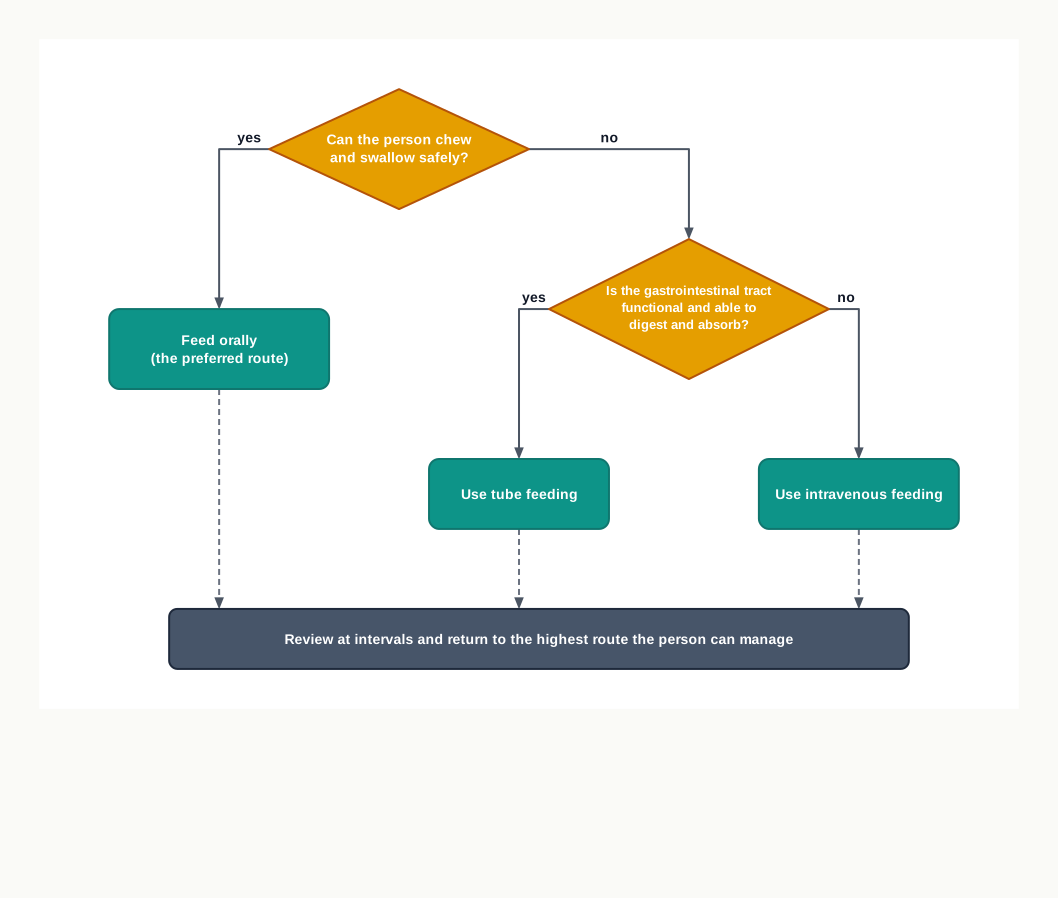
Fig. 2.4 – Choosing the route of feeding.
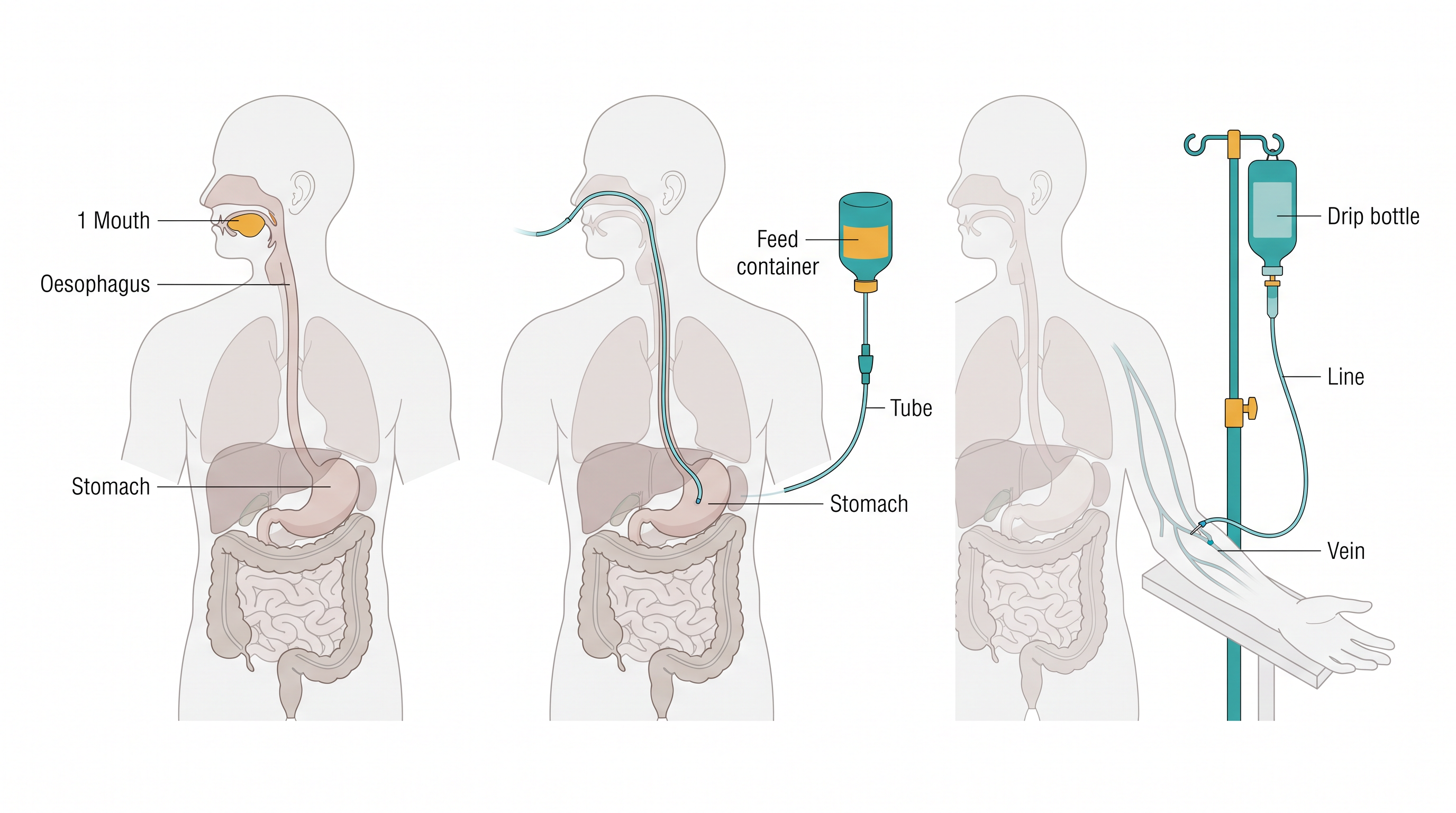
Fig. 2.5 – The three routes of feeding.
2.5 Diet And The Prevention Of Chronic Diseases
Everything so far has dealt with a person who is already ill. This section turns the question round. Diet and good nutrition, together with a healthy way of living, can control chronic diseases and delay the age at which they begin. That is a claim about people who are still well.
Notice the exact word — delay. A tendency towards a chronic disease may be present for years before anything shows. What food and activity change is when, and how severely, that tendency turns into an illness.
2.5.1 How Diets Have Changed
Much of what is eaten today comes out of a packet rather than off a field. Such foods carry food additives, substances added during manufacture to preserve, colour, thicken or flavour them. Many are high in fat, or in sugar, or in both.
They are also frequently made from refined foods — grains from which the outer bran and the germ have been milled away. Refining makes flour finer, whiter and longer-keeping. It also removes most of the dietary fibre, the part of plant food that the body does not digest but that keeps the intestine working properly, and it takes away several vitamins and minerals along with it.
The Pattern Of Change
Set beside the diets of a generation ago, several changes stand out in Indian diets, particularly in cities. Fat consumption has risen. Consumption of refined sugar has risen. The intake of fibre has fallen, and so has the intake of several vitamins and minerals. Among people who eat meat, fish and eggs, the consumption of animal protein has also risen.
None of these changes was anybody’s decision. They followed from longer working hours, longer journeys, more food eaten away from home, and the simple fact that a packet keeps and a fresh vegetable does not. This is why the base skill being taught here is not willpower but choice — and why people need help in making appropriate choices.
2.5.2 What The Changes Have Led To
Broadly, these dietary changes have been associated with an increased incidence of chronic diseases — obesity, cancer of the colon, diabetes, cardiovascular disease and hypertension among them.
Take two of them in turn, because the pathways are different and worth separating.
Obesity And Diabetes
The rise in sugar and fat consumption, the fall in fibre consumption, and a decline in physical activity together play a part in causing obesity and diabetes. Obesity is a health condition, not a matter of appearance or of self-control, and like other chronic conditions it is managed with the help of a doctor and a dietitian.
Hypertension
Hypertension, or high blood pressure, has been studied against a different set of factors. A high consumption of heavily salted convenience foods and of processed foods with a high sodium content is associated with increased risk. So is a reduced intake of potassium-rich fruits, vegetables, grains and legumes, and possibly a low calcium intake. Less physical activity and stress are associated with it too.
Notice that sodium and potassium both appear, pulling in opposite directions. The risk does not lie in salt alone but in the balance between what the diet adds and what it has stopped supplying. Fig. 2.6 sets out the two chains side by side.
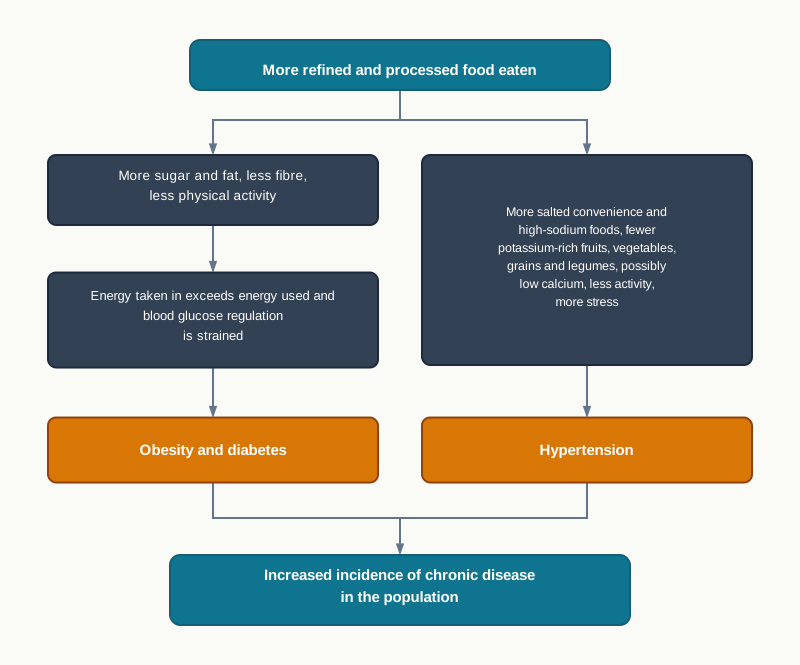
Fig. 2.6 – Dietary change and chronic disease.
Read the arrows carefully. Each says ‘is associated with’ and ‘plays a part in’, not ‘always causes’. Chronic diseases have several causes acting together, and diet is one strong strand among them rather than the whole rope.
2.5.3 The Preventive Role Of The Clinical Nutritionist
Clinical nutritionists can play an important part in preventing these problems from developing at all, by providing appropriate diet counselling and guidance. This is the same profession described in section 2.3, working before the diagnosis instead of after it.
The work is not confined to individuals either. Clinical nutritionists may be appointed to advise whole groups — schools and colleges among them — where the food habits of several hundred people are being formed at once.
Here the scale ladder is worth pausing on. Advising one person on her meals is individual work. Advising a school on what its canteen sells is community work. The knowledge behind the two is the same; the reach is not.
2.6 Preparing For A Career
You have now seen what the work consists of. The next question is what a person has to know, be able to do, and formally qualify in, before she can do it.
2.6.1 Knowledge Required
Begin with the core. A clinical nutritionist or dietitian must know how the body changes physiologically in different disease conditions, how nutrient requirements and the recommended dietary allowances alter during illness, and what kinds of dietary modification each condition calls for. She must also know traditional and ethnic cuisines, because the modified diet has to be built out of foods the patient already eats.
Around that core sit several supporting fields, and each is there for a reason.
- Nutrition, food science, food composition, clinical nutrition and dietetics — both theory and practice. Food composition is what allows a plan on paper to become a plate of food.
- The basic biological and physical sciences — chemistry, biology, physiology and biochemistry. Without these, a dietary modification can be memorised but not reasoned out.
- Microbiology, food microbiology and food safety, food quality and assurance, and food laws and regulations. Food safety is critical wherever meals are produced in bulk, and a patient is precisely the person least able to withstand an unsafe meal.
- Physics, enough to use the equipment of a food service and keep it maintained — the ovens, refrigerators, steamers and holding cabinets used in preparation, storage and service.
- Food service management, including quantity food production, the planning and preparation of food in large amounts for many people at once.
- Basic bookkeeping and accounts, record-keeping, and management, especially personnel management.
Item (f) surprises students, so it is worth explaining. A hospital dietitian is often in charge of a kitchen with staff, stores and a budget. Diets that cannot be costed, staffed and recorded do not reach the ward.
Knowledge Of People, Not Only Of Food
One of the most important parts of a dietitian’s job is counselling patients. Disease changes both the body and the mind, and it can have a major effect on a person’s emotional condition as much as on the physical one. A patient who has just been told to change how she eats for the rest of her life is not in a neutral frame of mind.
Counselling is described as both an art and a science, and that phrase is exact. The science is what to say; the art is how, when and to whom. To become a good diet counsellor, a dietitian therefore needs knowledge of psychology, sociology, education and counselling itself.
Clinical nutritionists who go further into research need something more again. They need epidemiology — the study of how diseases are distributed in populations, and of the patterns of prevalence and incidence of nutritional disorders and diseases. Prevalence is how many people have a condition at a given time; incidence is how many newly develop it over a period.
2.6.2 Skills Required
Knowledge and skill are not the same thing, and the professional needs both. The skills the field demands are these.
- Assessing the nutritional status of patients using clinical and biochemical criteria.
- Planning diets customised to the requirements of an individual patient and to a specific disease condition.
- Recommending and administering diets to patients.
- Communicating for diet counselling — putting a technical instruction into words the patient and family can act on.
- Adapting to the cultural setting of the patient, working with food taboos rather than against them, and overcoming food fads and myths.
Skill (e) deserves a second look. A food taboo is a food avoided on cultural or religious grounds, and it is not an obstacle to be argued away; a plan is built around it. A food myth — the belief that some ordinary food must be avoided during an illness for no good reason — is different, and here the dietitian’s job is to correct it gently, with the reason attached.
Those who take up research add further skills: surveying patient populations, laboratory research using biochemical measurements, and conducting experimental research with patients to find out how useful particular diets, medicines and nutritional supplements actually are.
2.6.3 Qualifications And The Study Pathway
The formal route begins where you are standing. After passing Class XII, at the 10+2 level, the usual next step is a B.Sc. degree in Home Science, or a B.Sc. with a specialisation in Nutrition or Food Technology.
To practise as a dietitian, a degree alone is not enough. At the least, a person must complete a Postgraduate Diploma in Dietetics together with an internship, which is the qualification for becoming a registered dietitian. The internship matters as much as the diploma, because diet counselling and ward work cannot be learnt from a book.
Entry at that postgraduate stage is open more widely than students expect. A B.Sc. in Home Science, Life Sciences, Biochemistry, Microbiology or Biotechnology all admit a candidate to the Postgraduate Diploma level.
An M.Sc. in Food Science and Nutrition, or in Dietetics, allows a person to specialise further, and such candidates are preferred at many places of employment. Beyond university education, a dietitian may go on to qualify for the credential of Registered Dietitian; many countries have regulatory laws governing who may use that title.
If You Want To Teach Or Do Research
A different branch opens here. Careers focussed on teaching and research are available in universities, colleges and research institutions. To qualify for a teaching post, it is now necessary to clear the National or State Eligibility Test — the National Eligibility Test is held for the University Grants Commission by the National Testing Agency. Anyone intending a career in academics or research is advised to complete a Ph.D. as well.
The whole pathway, with both its branches, is set out in Fig. 2.7.
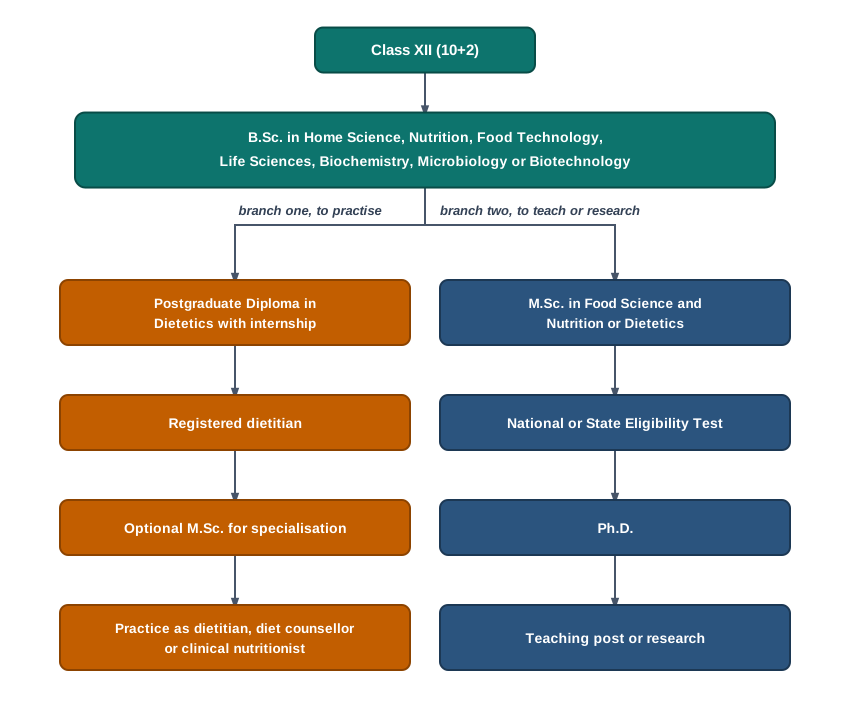
Fig. 2.7 – Study pathway in clinical nutrition and dietetics.
2.7 Scope Of The Field
A field can be important and still be narrow. Clinical nutrition and dietetics is neither. It offers rich scope and a satisfying career, and the range of work it leads to is wider than the word ‘dietitian’ suggests.
2.7.1 A Growing Field
The main possibilities are the ones you would expect: working as a dietitian, as a diet counsellor, or as a clinical nutritionist engaged in research, in teaching, or in both. A qualified person may also work as a corporate consultant, advising an organisation rather than an individual.
Beyond these lies the food industry. Clinical nutritionists work in research and development and in production — of medical foods, of nutraceuticals, of tube feeds, of functional foods, and of the various nutritional support formulations that a hospital needs. Every product mentioned in section 2.2.3 and section 2.4.4 has to be designed by someone who understands both food and disease.
Why The Field Keeps Expanding
The relevance of nutrition in preventing, treating and curing different disease conditions is being accepted more widely than before, and that acceptance keeps opening new work. There is expanding scope for research into the physiological and psychosocial changes that disease brings about — psychosocial meaning the effects on a person’s mind and on her relations with the people around her, which illness alters as surely as it alters the body.
Research in the field has already led to the development of medicines and nutritional supplements, to the rehabilitation of patients in community settings, and to the framing of dietary guidelines and of nutrition education. Each of those outputs then creates work of its own.
A clinical nutritionist may also have a part in public policy — in shaping it, and in designing and implementing preventive and promotive nutrition programmes to tackle nutritional deficiency disorders. Here the ladder reaches its top rung. The same body of knowledge that plans one patient’s dinner can, at national scale, shape a programme that feeds several million people.
2.7.2 Career Avenues
Set out plainly, the openings in the field are these. Fig. 2.8 gathers them in one view.
- Dietitian working with consulting physicians, or in health clubs and gymnasiums.
- Dietitian in a hospital, including its speciality departments, as a key member of the healthcare team providing nutrition support.
- Dietitian in a weight management clinic, working alongside the consultants who supervise the patient’s treatment.
- Freelance dietitian, diet consultant, or dietitian running her or his own enterprise.
- Dietitian in catering services — for hospitals, schools and industrial canteens.
- Food service manager or provider in a hospital.
- Entrepreneur developing and supplying speciality foods for specific health purposes.
- Consultant in companies developing therapeutic foods and supplements.
- Teacher or faculty member in a university or college.
- Researcher in medical research establishments and nutrition research laboratories, including clinical research.
- Nutrition marketing.
- Technical writing.
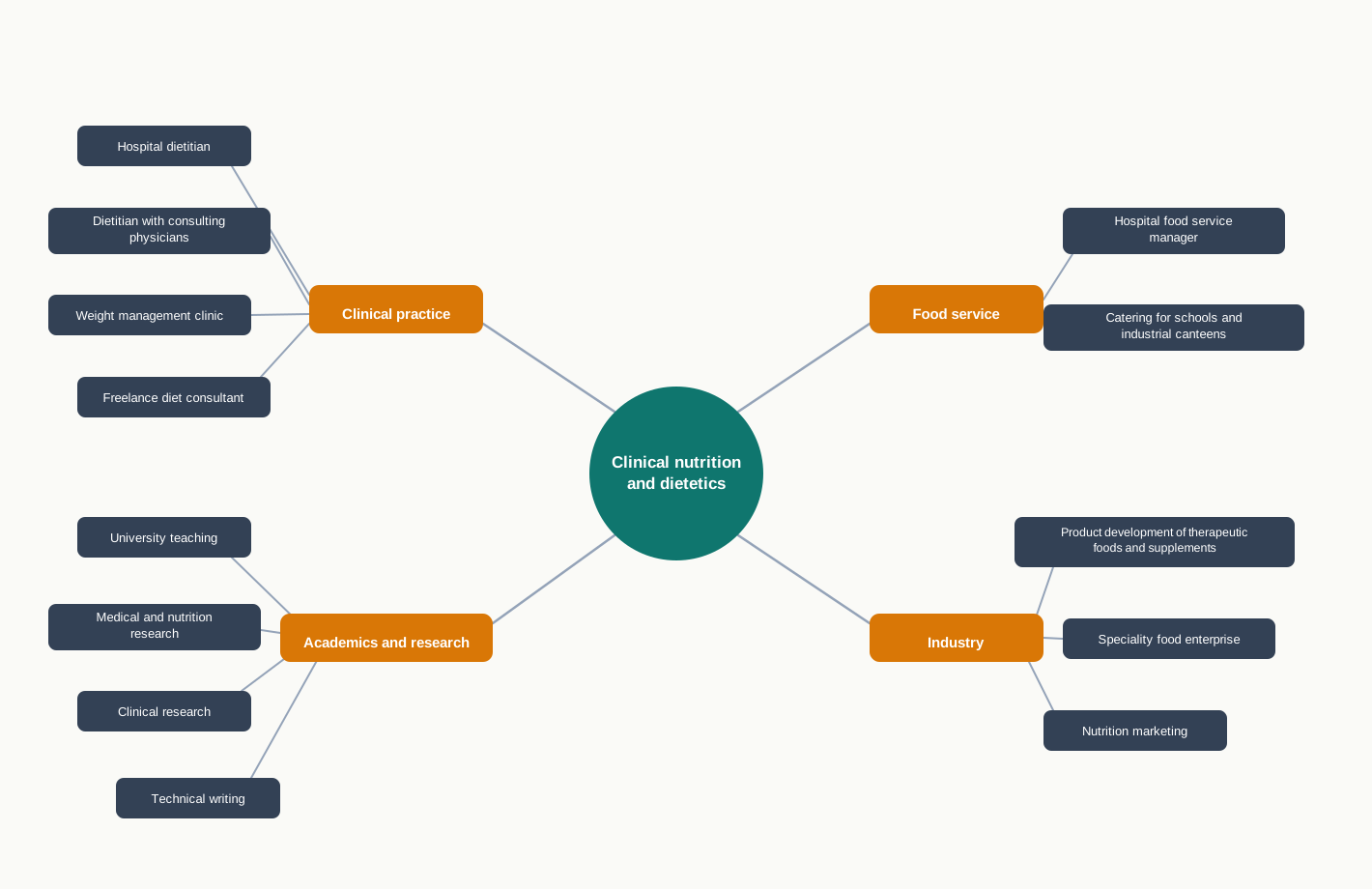
Fig. 2.8 – Career avenues in clinical nutrition and dietetics.
The last two on the list are worth a word, because students rarely picture them. Nutrition marketing is the work of taking a nutrition product to the people who need it, which requires someone who can tell a genuine claim from an inflated one. Technical writing is the work of turning research findings into material a patient, a nurse or a regulator can read — the same translating skill described in section 2.3.1, applied to the page instead of the ward.
If the idea of improving the way food is used to control, prevent and treat disease interests you, this is the field to choose. It rewards a person who is curious about the science and patient with people, because the work needs both in equal measure.
2.8 Summary
- Nutrition is the science of food, nutrients and other substances in food, of their digestion, absorption and utilisation by the body, and of the social, psychological and economic aspects of food and eating.
- Nutritional status is the condition of the body resulting from the food eaten over time and from how well the body has been able to use it.
- Health and nutrition act on each other in both directions:
- inadequate intake weakens immune defences, wound healing, the use of medicines and the working of organs;
- illness and its treatment can upset nutrient balance even in a person who was previously well nourished.
- Poor nutrition both causes health problems and makes existing problems worse, and the two can settle into a cycle unless nutritional care interrupts it.
- Nutritional status before an illness, and support after it, influence the prognosis, the speed of recovery and the length of hospital stay.
- Clinical nutrition is the specialised area of nutrition dealing with nutrition during illness; in recent times the field is also called medical nutrition therapy.
- Disease can disturb nutrition at any stage of the food’s journey — eating, swallowing, digestion, absorption, metabolism and excretion — and the disturbance rarely stays confined to one function.
- The work is done by a trained dietitian, clinical nutritionist or medical nutrition therapist, who follows a systematic approach and treats the patient, not the disease, as the primary focus.
- Non-communicable diseases such as obesity, heart disease, hypertension and diabetes are rising and appearing at younger ages, while older persons form a growing share of the population; both trends increase the demand for nutritional care.
- Functional foods, nutraceuticals and health supplements are foods specially processed or formulated for a particular physical or physiological condition, or for a specific disease or disorder.
- Medical foods are manufactured for persons with specific needs, are regulated, and may be used only on a doctor’s prescription.
- Phytochemicals, or bioactive compounds, are non-nutrient constituents of food with physiological or biological activity; antioxidants such as beta-carotene, selenium, vitamin E and vitamin C appear to have a protective role, particularly when obtained from food.
- The dietitian’s central task is to translate technical information into dietary guidelines that a patient and a household can actually follow.
- Diet therapy has five objectives:
- to promote recovery through a diet suited to the patient’s needs and food habits;
- to modify the existing diet so that the condition is eased and controlled;
- to correct nutritional deficiencies where any exist;
- to prevent short-term and long-term complications in chronic disease;
- to educate and counsel the patient about adhering to the prescribed diet.
- Four factors decide how a patient receives food during illness: nutritional stress, psychological stress, the effect of the illness on food acceptance, and the acceptability of the modified diet.
- The nutritional care process is an organised group of activities — assessment, diagnosis of the nutritional problem, planning and prioritising the intervention, and monitoring and evaluating the outcome, returning to assessment where the outcome falls short.
- The process is applied in every setting, from wellness centres and private clinics to municipal, government, charitable and private hospitals, and to healthy persons as well as patients.
- Nutritional assessment has four parts: taking health, diet, personal and medication histories; taking anthropometric measurements; relating laboratory and physical measurements to these and to the diagnosis; and interpreting all of them together to identify present and future deficiencies.
- The physician is ultimately responsible for the patient’s medical needs and makes the diagnosis; working from it, the dietitian prescribes the diet, ensures the food served keeps to the restrictions, and counsels the patient.
- A regular diet includes all food groups and meets the needs of a healthy person; in hospitals it is kept low in fried fatty foods, sweets, spices and condiments.
- Modified diets are adjusted to the medical needs of a patient by one or more of:
- a change in consistency or texture;
- an increase or decrease in energy intake;
- a greater or smaller amount of one or more nutrients, or the restriction of a particular food;
- a change in the number of meals, the intervals between them, or the route of feeding.
- A liquid or full fluid diet is fluid at room temperature, free from fibre and nutritionally adequate, and is advised for those unable to chew or swallow normally.
- A clear liquid diet is thinner still, is prescribed just after surgery, and cannot easily meet nutritional requirements completely.
- A soft diet is a therapeutic modification of semi-solid, lightly seasoned, easily digestible foods, given when the digestive system needs rest; a mechanical soft diet is a change of texture alone — soft, mashed and pureed food — for people who cannot chew well.
- Feeding by mouth is the preferred route; where it is not possible, tube feeding is used so long as the gastrointestinal tract is functional, and intravenous feeding, through a drip into a vein, is used when it is not.
- Diet and a healthy way of living can control chronic diseases and delay the age at which they begin.
- Indian diets, particularly in cities, have changed: more fat, more refined sugar, less fibre, less of several vitamins and minerals, and more animal protein among those who eat it.
- These changes are associated with a higher incidence of obesity, cancer of the colon, diabetes, cardiovascular disease and hypertension.
- Hypertension is associated with heavily salted convenience foods and high-sodium processed foods, with reduced intake of potassium-rich fruits, vegetables, grains and legumes, possibly with low calcium intake, and with reduced physical activity and stress.
- Clinical nutritionists help prevent such problems through diet counselling and guidance, both for individuals and for groups such as schools and colleges.
- A professional in this field needs knowledge of disease physiology, changing nutrient requirements, dietary modifications and traditional cuisines, supported by food science, the basic sciences, food microbiology and safety, food laws, physics, food service management and basic accounts.
- Counselling is one of the most important parts of the job and requires knowledge of psychology, sociology, education and counselling.
- The required skills are assessing nutritional status, planning customised diets, recommending and administering them, communicating for counselling, and adapting to the patient’s culture, food taboos and food myths.
- The study pathway runs from Class XII to a B.Sc., then to a Postgraduate Diploma in Dietetics with an internship for a registered dietitian, with an M.Sc. for specialisation, and the National or State Eligibility Test and a Ph.D. for teaching and research.
- Career avenues include hospital and clinic practice, food service and catering, product development in industry, entrepreneurship, consultancy, public policy and programmes, teaching, research, nutrition marketing and technical writing.
2.9 Key Terms
- Anthropometric measurements — measurements of the body itself, such as height, weight and mid-upper arm circumference, taken as part of a nutritional assessment.
- Antioxidants — substances such as beta-carotene, selenium, vitamin E and vitamin C that protect body cells from a form of chemical damage.
- Clear liquid diet — a very thin fluid diet of clear soups, juices without pulp and very light tea, prescribed just after surgery and unable to meet nutritional needs fully.
- Clinical nutrition — the specialised area of nutrition dealing with the nutritional management of persons with an established disease.
- Clinical nutritionist — a professional trained in the nutritional management of disease, often also engaged in research or teaching.
- Convenience foods — ready-prepared foods bought for speed of use, often high in sodium.
- Diet counselling — guiding a patient and family to understand and follow a prescribed diet.
- Diet therapy — the use of a planned, modified diet as part of the treatment of a disease.
- Dietary fibre — the part of plant food that the body does not digest, which keeps the intestine working properly.
- Dietitian — the professional who assesses nutritional status, prescribes and administers diets, and counsels patients.
- Epidemiology — the study of how diseases are distributed in populations, including their prevalence and incidence.
- Food additives — substances added to food during manufacture to preserve, colour, thicken or flavour it.
- Functional foods — foods specially processed or formulated to meet dietary requirements arising from a particular condition, disease or disorder.
- Intravenous feeding — nourishing a patient with special solutions given through a drip into a vein.
- Liquid diet — a diet primarily fluid at room temperature, free from fibre and nutritionally adequate; also called a full fluid diet.
- Mechanical soft diet — soft, mashed and pureed food given to people who cannot chew well, changing texture alone.
- Medical foods — regulated products manufactured for persons with specific needs, used only on a doctor’s prescription.
- Medical nutrition therapist — another title for the professional who plans and prescribes diets as part of medical treatment.
- Medical nutrition therapy — the recent name for clinical nutrition, treating the modified diet as a therapy in its own right.
- Metabolism — the chemical changes by which the body builds up and breaks down substances.
- Modified diet — a diet adjusted in consistency, energy, nutrient content, food choice or meal pattern to meet a patient’s medical needs.
- Non-communicable disease — a disease that does not pass from person to person, such as obesity, heart disease, hypertension or diabetes.
- Nutraceuticals — foods or food-derived products presented as meeting a particular dietary requirement arising from a condition or disorder.
- Nutrients — the substances in food that the body uses for energy, growth, repair and regulation.
- Nutrition — the science of food, nutrients and their digestion, absorption and utilisation, and of the social, psychological and economic aspects of eating.
- Nutritional assessment — the gathering and interpretation of information about a patient’s nutritional status and nutrient needs.
- Nutritional care process — the organised sequence of assessment, diagnosis, planning and intervention, and monitoring and evaluation.
- Nutritional status — the condition of the body resulting from the food eaten over time and from how well the body has used it.
- Oxalates — non-nutrient substances present in foods such as spinach, which some patients are advised to avoid.
- Phytochemicals — non-nutrient constituents of food that have physiological or biological activity and influence health; also called bioactive compounds.
- Prognosis — the expectation of how an illness will proceed.
- Quantity food production — the planning and preparation of food in large amounts for many people at once.
- Refined foods — foods made from grain from which the bran and germ, and with them much of the fibre and several vitamins and minerals, have been removed.
- Registered dietitian — a dietitian who holds the formal credential recognising her or him as qualified to practise.
- Regular diet — a diet including all food groups and meeting the needs of a healthy person; also called a standard or normal diet.
- Soft diet — a therapeutic diet of semi-solid, lightly seasoned, easily digestible food given when the digestive system needs rest.
- Therapeutic diet — a modified diet planned as part of the treatment of a disease.
- Tube feeding — delivering nutritionally complete feeds through a tube passed through the nose into the stomach.
2.10 Points to Ponder
A diet can be nutritionally correct and still fail, because the household will not cook it or the patient will not eat it. Where should a dietitian give way to a person’s food habits, and where should she hold firm even when the patient objects?
Tube feeding is preferred over intravenous feeding whenever the digestive tract can still be used. What general principle about nourishing the body does that preference rest on, and where else in Home Science does the same principle appear?
Chronic diseases are often called ‘lifestyle diseases’. Consider how much of what a household eats is actually chosen, and how much is decided by what is sold nearby, what it costs and how long the earners are away. Does the name help or mislead?
A mechanical soft diet changes only the texture of food, yet households often make the food bland as well when an older member cannot chew. Why does this confusion arise so easily, and what is lost by it?
The fourth step of the nutritional care process — monitoring and evaluating the outcome — is the one most easily skipped in a busy hospital. What would be lost if a dietitian stopped after prescribing the diet, and how would anyone know that something had been lost?
The same profession works both before a disease appears and after it is established. If a limited number of trained dietitians is available, is it better to place them where disease is being treated or where it is being prevented? Argue the case on each side.
2.11 Objective Questions
- [MCQ] The diet prescribed just after surgery is: [1]
- a regular diet
- a soft diet
- a clear liquid diet
- a mechanical soft diet
- [MCQ] Tube feeding is preferred over intravenous feeding so long as: [1]
- the patient is conscious
- the gastrointestinal tract is functional and can digest and absorb
- the patient is able to chew
- the diet is nutritionally adequate
- [MCQ] Which of the following is not a non-communicable disease? [1]
- Hypertension
- Diabetes
- Tuberculosis
- Obesity
- [MCQ] Spinach is restricted for some patients because it is rich in: [1]
- oxalates
- dietary fibre
- food additives
- sodium
- [AR] Assertion (A): A clear liquid diet is not continued for long. [1] Reason (R): It is not easy to meet a person’s nutritional requirements completely on a clear liquid diet.
- Both A and R are true, and R is the correct explanation of A.
- Both A and R are true, but R is not the correct explanation of A.
- A is true but R is false.
- A is false but R is true.
- [AR] Assertion (A): A dietitian needs knowledge of traditional and ethnic cuisines. [1] Reason (R): A modified diet has to be built out of foods the patient and the household already eat.
- Both A and R are true, and R is the correct explanation of A.
- Both A and R are true, but R is not the correct explanation of A.
- A is true but R is false.
- A is false but R is true.
- [MATCH] Match the items in Column A with those in Column B. [4]
| Column A | Column B |
|---|---|
| a. Anthropometric measurement | i. Sago kheer |
| b. Clear liquid diet | ii. Beta-carotene |
| c. Soft diet | iii. Mid-upper arm circumference |
| d. Antioxidant | iv. Juice without pulp |
[FILL] The specialised area of nutrition that deals with nutrition during illness is called ____________, and in recent times it is also called ____________. [1]
[TF] State whether true or false: In intravenous feeding, the feed is delivered through a tube passed through the nose into the stomach. [1]
[NAME] Name the two routes of feeding used when a patient cannot be fed by mouth. [1]
[ODD] Pick the odd one out and give a reason for your choice: khichdi, sago kheer, buttermilk, mashed vegetables. [1]
2.12 Check Your Concepts
[CYC] Define nutritional status, and state why it cannot be judged from a single day’s meals. [2]
[CYC] State any two ways in which a disease can disturb a person’s nutritional status. [2]
[CYC] Give a reason why a hospital’s regular diet is kept low in fried fatty foods, sweets, spices and condiments. [2]
[CYC] Differentiate between a soft diet and a mechanical soft diet, stating the basis of difference in each case. [3]
[CYC] Why is the education and counselling of the patient listed as an objective of diet therapy rather than treated as an optional extra? [3]
[CYC] Explain, with an example of each, the four factors a dietitian considers when studying the effect of illness on food acceptance and utilisation. [4]
[CYC] What would happen if a dietitian completed the first three steps of the nutritional care process but not the fourth? Explain with reference to what the fourth step contributes. [4]
[CYC] Describe the four parts of a nutritional assessment, and explain why no single part is sufficient on its own. [5]
[CYC] Explain how the changes in Indian diets described in this chapter are linked with an increased risk of hypertension. Why is it said that the risk does not lie in salt alone? [5]
2.13 Identify & Label
[IDL] Look at Fig. 2.5. Identify the three routes of feeding shown, name the labelled parts in the second and third drawings, and state which route is preferred and why. [3]
[IDL] Look at Fig. 2.3. Identify the three measurements being taken, name the instrument used for each, and state which part of the nutritional assessment they belong to. [3]
[IDL] Look at Fig. 2.8. Identify the branch under which a hospital food service manager falls, and name two other avenues shown on the same branch. [2]
2.14 Case & Application Based
- [CAB] Mr Bhaskar is sixty-eight and in good health. He wears dentures and finds hard foods difficult to chew, but his digestion is normal and he has no dietary restriction from his doctor. For the past month his family has been serving him only mashed food with all spices removed, and he now eats noticeably less than before.
- Which type of consistency modification Mr Bhaskar actually need, and how does it differ from a soft diet? [2]
- Give a reason why removing the spices from his food was unnecessary. [2]
- Suggest two changes the family could make so that his meals remain easy to manage without becoming dull. [2]
- [CAB] A patient is admitted with a severe throat infection. She is conscious, but swallowing is painful and she cannot manage solid food. Her digestion and absorption are reported to be normal.
- Which route of feeding should be used for her, and why? [2]
- Which consistency of diet is appropriate, and name three foods that could be included. [3]
- If a clear liquid diet were chosen for her instead, state one advantage and one limitation. [2]
- Name one factor from section 2.3.3 that would affect how much she actually eats, and explain how. [2]
- [CAB] A clinical nutritionist is invited to review the canteen of a residential school. The canteen sells mainly packaged salted snacks, sweetened drinks and refined-flour items. Fresh fruit is available but rarely bought, and the timetable leaves the students little time for physical activity.
- Which nutrient is likely to be present in excess in this pattern, and which two are likely to fall short? Give a reason for each. [3]
- Which chronic conditions is a pattern of this kind associated with? Explain the link for any one of them. [3]
- Suggest two changes to the canteen that the nutritionist could recommend, and give the reasoning behind each. [2]
- At which level of the individual–family–community–nation scale does this piece of work sit? Justify your answer. [2]