Chapter 10: Protest Movements: Civil Rights, Anti-Apartheid And Feminist Movement
In the spring of 1957, Betty Friedan sat down to write a questionnaire.
She was a magazine writer living outside New York, and her college class of 1942 at Smith College in Massachusetts was about to hold its fifteenth reunion. Friedan wanted to know what had become of the women she had studied with. So she drew up a long list of questions: what they had studied, whether they had taken paid work, what they did with their days, and whether their lives had turned out as they had expected.
Roughly two hundred women wrote back. Their answers surprised her. Many had comfortable houses, healthy children and husbands who earned well, and were praised by everyone around them for exactly the life they were living. Yet reply after reply described a flat, tired dissatisfaction that the writers could not name and were ashamed to admit.
One woman’s unhappiness is a private matter. Two hundred women reporting the same unhappiness is evidence. Friedan tried to place an article about what she had found; editors turned it down, telling her that no ordinary American woman would recognise herself in it. She kept working, and six years later the material became a book, The Feminine Mystique, which called what she had uncovered ‘the problem that has no name’.
That is often how a protest movement begins. Not with a law, but with someone gathering scattered private complaints until they can be counted — and then insisting that the count be explained.
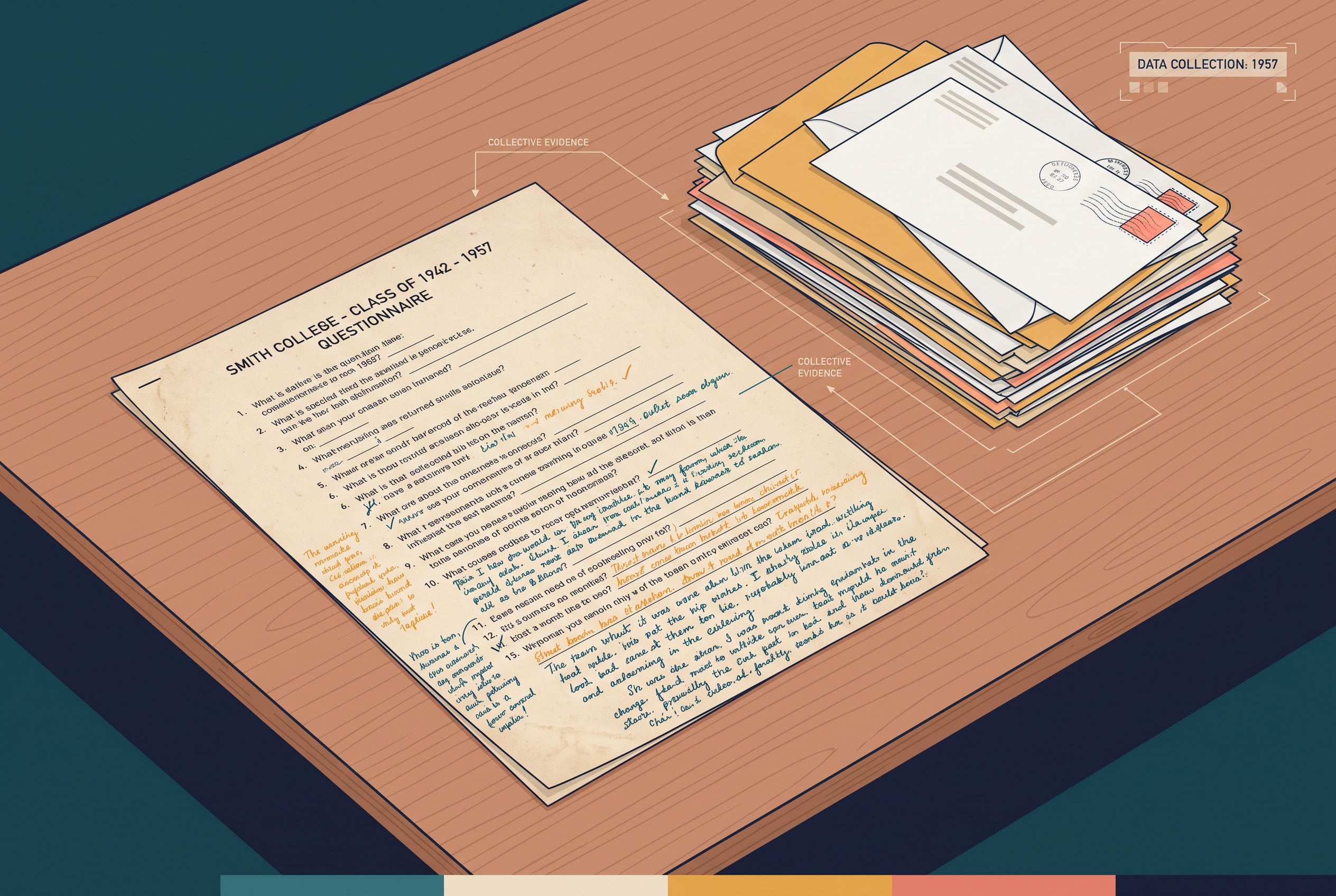
Fig. 10.0 – Friedan’s 1957 reunion questionnaire.
10.1 Racial Discrimination In The USA
The Second World War ended in 1945 with the United States the strongest power in the world. Its factories had armed the Allies, its economy was growing, and its leaders spoke confidently about freedom and democracy.
Inside the country, however, millions of its own citizens were denied the ordinary rights of citizenship because of the colour of their skin. Civil rights are the rights a person holds simply by being a citizen — to vote, to move about freely, to use public services, and to be treated equally by courts and officials. For black Americans in the 1950s, several of these rights existed on paper and not in life.
Two words are needed before going further. Segregation is the enforced separation of people by race in the use of public space and services. Discrimination is unjust treatment of a whole category of people, most often on grounds of race or sex. Segregation was one method of discrimination; it was not the only one.
10.1.1 Segregation In The Southern States
Slavery in the United States was not ended by a single stroke. President Abraham Lincoln’s proclamation of 1863 declared free the enslaved people held in the states then in rebellion against the federal government. Slavery as a legal institution was abolished across the whole country only in December 1865, by the Thirteenth Amendment to the Constitution.
That was ninety years before the events with which this chapter begins. Slavery had existed in the southern states for more than two centuries, and its ending did not end the belief that had justified it — that black people were inferior and belonged in a lower place.
From the 1870s onwards the southern state legislatures passed laws that separated the races in almost every shared space. These came to be known as Jim Crow laws, after a mocking stage character. In 1896 the Supreme Court, in Plessy v. Ferguson, ruled that such separation was lawful so long as the facilities provided for each race were equal. This ‘separate but equal’ doctrine was the legal ground on which segregation stood for the next fifty-eight years.
The region where these laws operated is shown in Map 10.1. In practice, separation covered schools, buses and railway carriages, waiting rooms, drinking fountains, cafes, cinemas, parks, beaches, hospitals, prisons and cemeteries. Many churches were separate too. A black passenger on a Montgomery bus paid the same fare as a white passenger and sat where the law told him to sit.
Map
Map 10.1 Caption: The southern states, where racial segregation was required by state law until the 1950s and 1960s. Brief: Map of the United States, mid-twentieth century; shade the eleven southern states — Virginia, North Carolina, South Carolina, Georgia, Florida, Alabama, Mississippi, Tennessee, Arkansas, Louisiana and Texas; label each shaded state; caption note that some border states also had segregation laws; do not mark any towns or events.
Signs were the visible face of the system, and one is shown in Fig. 10.1.
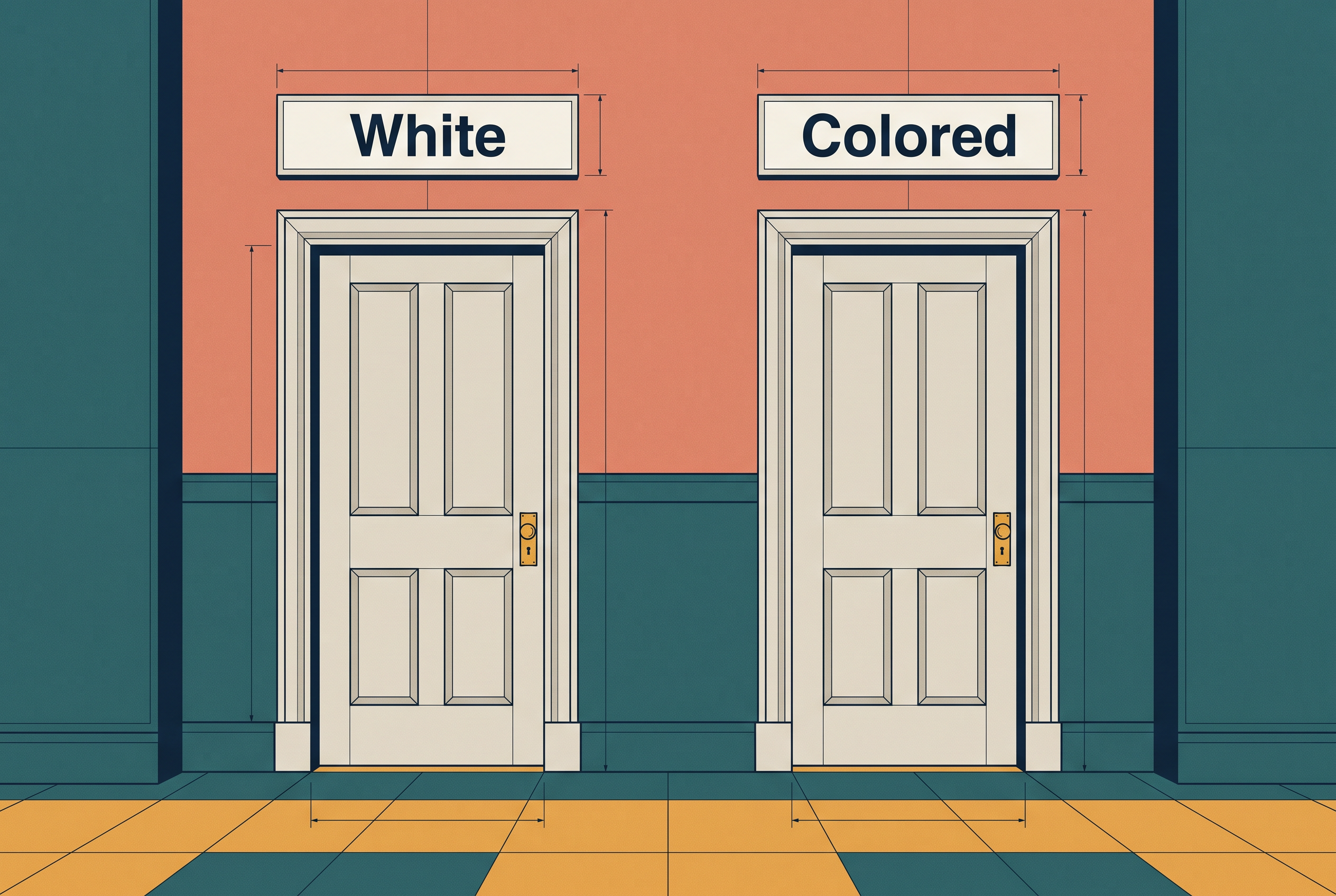
Fig. 10.1 – Segregated waiting room doors.
Beyond The South
The northern and western states had no such statutes. Discrimination there worked through practice rather than law: landlords who would not rent, banks that would not lend, employers who would not hire, and neighbourhoods that closed against black families. The absence of a sign did not mean the absence of a barrier.
10.1.2 The Vote, The School And The Job
The Fifteenth Amendment of 1870 said plainly that the right to vote could not be denied on grounds of race. Yet by the 1950s very few black adults in the deep South were registered voters. The right had not been withdrawn; it had been made unreachable.
Southern states used devices that never mentioned race. A poll tax had to be paid before a citizen could register. A literacy test required the applicant to read and explain a passage, often from the state constitution, to the satisfaction of the white official conducting the test. That official decided who had passed.
Behind the paperwork stood pressure of a harder kind. A black farmer who tried to register could lose his tenancy, a teacher her job, a shopkeeper his credit. Some who persisted were threatened or attacked. The whole arrangement is set out in the chain below.
Separate And Unequal
Schools showed how far ‘equal’ fell short of the promise. Black schools generally received less public money for each child, worked from older and second-hand books, had larger classes and, in farming districts, shorter terms because children were needed in the fields. A system that spent less on one set of children could not honestly be called equal.
Work followed the same pattern. Black workers were concentrated in the lowest-paid and hardest jobs — field labour, domestic service, cleaning, portering. Many trade unions, which existed precisely to protect workers, refused black workers membership, which shut them out of the skilled trades those unions controlled. A man kept out of the union was kept out of the trade.
10.1.3 Prosperity Without Equality In The 1950s
The 1950s were years of unusual prosperity in the United States. Wages rose, new suburbs spread outside the cities, and ordinary families bought cars, refrigerators and television sets in numbers no country had seen before.
Black Americans shared in that prosperity least. They were the last hired and the first dismissed, they were paid less for the same work, and the housing loans that built the new suburbs were often closed to them. The general rise in wealth made their exclusion easier to see, not harder.
This is the point worth holding on to. Racial discrimination in the United States was not a leftover that time would quietly remove. It was a working system, held up by state law in the South and by practice elsewhere, and it was passing into a decade of national prosperity intact. Changing it would take pressure — and the first pressure came from an unexpected direction, from within the federal government itself.
10.2 The Change In The Government’s Attitude
Segregation was made by state governments, not by the government in Washington. That fact shaped everything that followed.
The United States is a federation. Under federalism, powers are divided between the states and the national government, and each has its own sphere in which it may act. Schools, elections and police were largely state business, so a southern legislature could pass a segregation law and a southern governor could enforce it without asking Washington’s permission.
Three national institutions could still intervene: the President, the Congress and the Supreme Court. Between 1946 and 1960 all three began, slowly and unevenly, to move against segregation. Understanding why they moved is more useful than listing what they did.
10.2.1 The Truman Committee Of 1946
In December 1946 President Harry Truman appointed a committee to investigate the state of civil rights in the country. The immediate provocation was a series of violent attacks on black ex-servicemen who had returned from the war, some of them still in uniform.
The committee reported in 1947. It recommended that the federal government act directly against racial discrimination: that lynching be made a federal crime, that the poll tax be abolished, and that Washington take responsibility for protecting the right to vote. Congress refused to pass most of it. Southern senators had the numbers to block such bills for years to come.
The report mattered anyway, because it put the argument on the record and because the President acted where he could without Congress. In 1948 Truman ordered an end to segregation in the armed forces, which the services carried out over the following years.
Five Reasons For Acting
The committee did not rest its case on conscience alone. It set out several reasons, and the mixture tells you a good deal about why the change came when it did.
The first was moral. Some politicians simply believed that treating fellow citizens this way was wrong, and said so.
The second was economic. Shutting a tenth of the population out of skilled and professional work wasted talent the country could use.
The third was political calculation. Black Americans were becoming more organised and more outspoken, and a government that offered nothing would face rising anger.
The fourth was international, and it was the sharpest. The United States was presenting itself to the world as the leader of the free nations against the Soviet Union in the Cold War. A country in which millions of citizens were denied the vote handed its rival an easy and damaging argument.
The fifth followed from the fourth. Colonies across Asia and Africa were becoming independent states — India in 1947, and others soon after. These new nations, whose people were not white, would be watching how the United States treated its own black citizens before deciding which side of the Cold War to lean towards.
10.2.2 The Courts And The Early Civil Rights Acts
While Congress stalled, the Supreme Court moved. In May 1954, in the case of Brown v. Board of Education of Topeka, it ruled unanimously that separate schooling for black and white children was unconstitutional. The judgment was delivered by Chief Justice Earl Warren, and its central sentences are short enough to read whole.
The word to notice is ‘inherently’. The Court was not saying that black schools happened to be worse and could be improved until they matched. It was saying that separation itself makes them unequal, whatever is spent on the buildings. That reasoning cut the ground from under the doctrine the South had relied on since the 1890s.
Two Acts That Promised More Than They Delivered
Congress finally passed a Civil Rights Act in 1957, the first since the years just after slavery ended. It set up a commission to investigate the denial of voting rights and created a civil rights division inside the Department of Justice.
A second Act followed in 1960, adding federal machinery to inspect registration records and help black citizens get on the electoral roll. Its effect was small. The obstacle was rarely the paperwork; it was the knowledge that a black applicant who walked into a registration office might lose his job, his credit or his safety, and no federal clerk in the building could protect him afterwards.
10.2.3 Little Rock, 1957
What a court decides and what happens in a town are different things. Three years after the Brown judgment, the South had barely begun to comply, and in September 1957 the gap became visible to the whole world.
Nine black students had been admitted to Central High School in Little Rock, the capital of the state of Arkansas. The governor of the state, Orval Faubus, ordered the Arkansas National Guard to the school to keep them out. A state government was openly defying a ruling of the Supreme Court, and the crowd outside the school made it clear that the students would be in danger if they entered alone.
President Dwight Eisenhower had shown little enthusiasm for desegregation. He now had a different problem: if a governor could ignore the Court, federal authority itself was worthless. He sent federal troops of the United States Army to Little Rock, and soldiers escorted the nine students into the building and stayed for the school year.
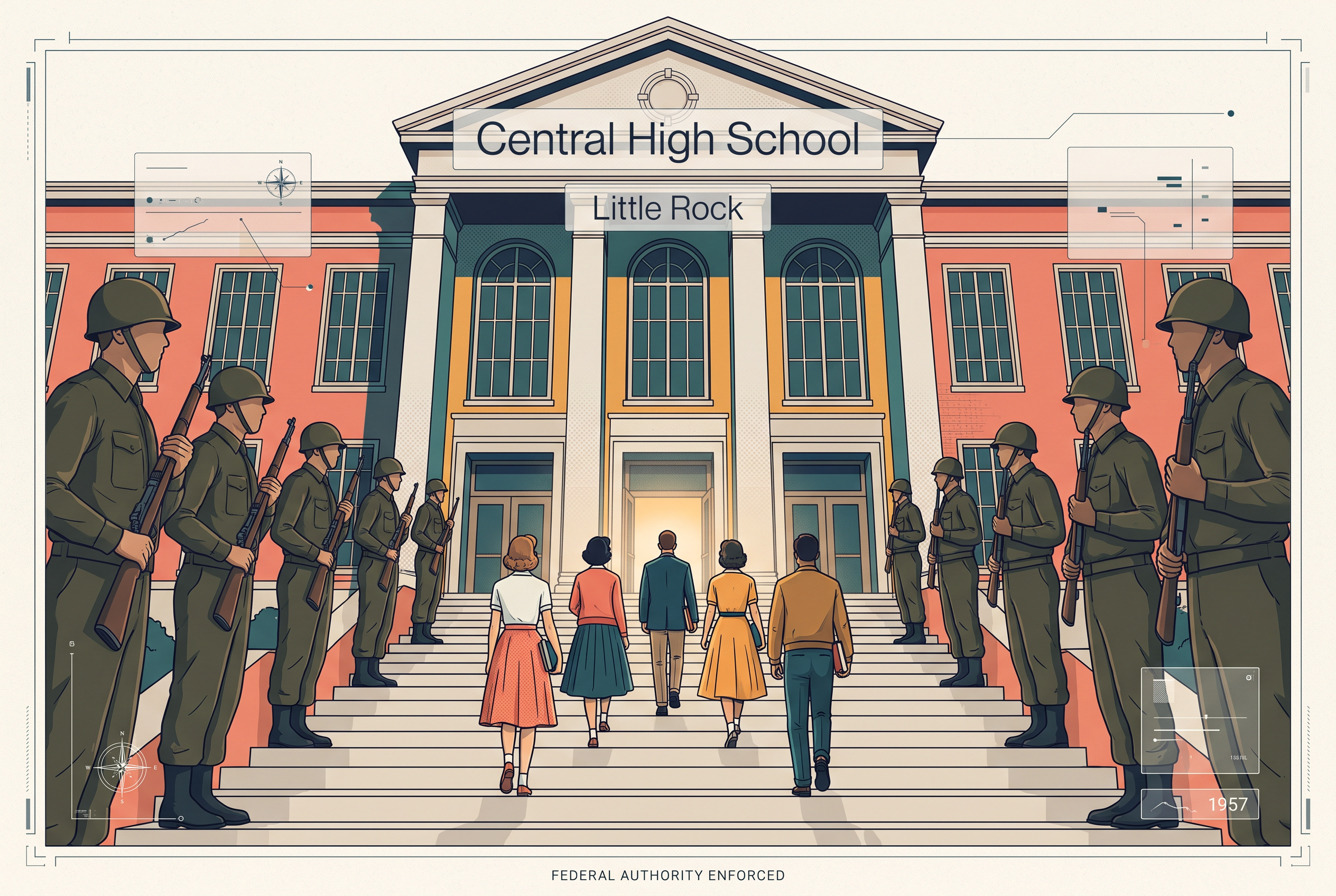
Fig. 10.2 – Federal troops at Central High School, 1957.
Little Rock was a victory of a limited kind. It settled the constitutional question — a state could not simply refuse to obey the Court — and it showed black Americans that the federal government could be forced to act. It settled almost nothing on the ground. Across the southern states, most school districts were still segregated years after 1954, through delay, closure, redrawn boundaries and quiet obstruction.
The sequence of federal action is set out in Fig. 10.3.
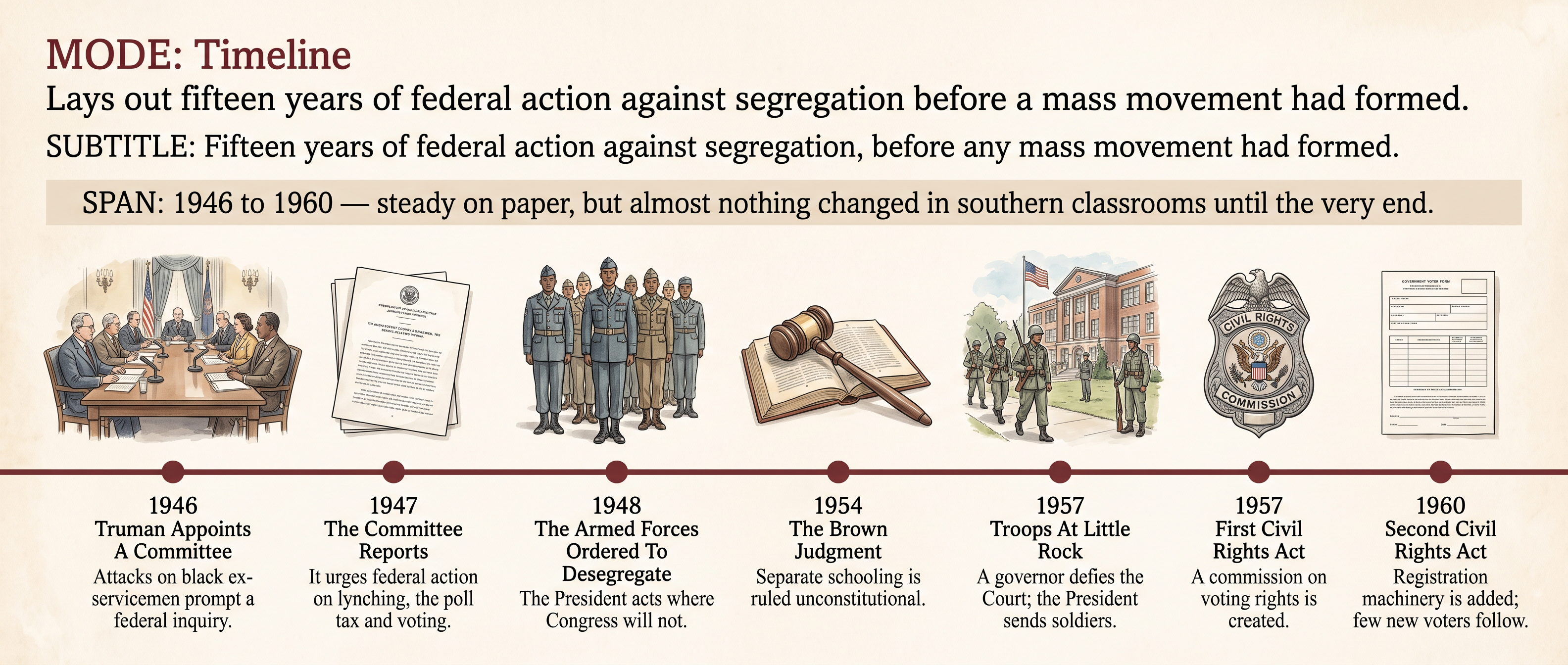
Fig. 10.3 – Washington Moves, 1946 To 1960.
By 1960 the position was clear enough. The law had shifted, the federal government had accepted some responsibility, and daily life in the South had barely altered. Change of that kind would not come from Washington alone. It would have to be demanded, in public, by the people it concerned.
10.3 The Campaign For Equal Rights
Committees, court rulings and troops had shown that the federal government would move, and how slowly it moved. From the mid-1950s black Americans stopped waiting for it and built a mass movement of their own.
The places where the campaign turned are marked in Map 10.2.
Map
Map 10.2 Caption: Places where the campaign for equal rights turned, 1955 to 1965. Brief: Map of the United States showing the shaded southern states from Map 10.1 in outline only; mark and label Montgomery (Alabama), Greensboro (North Carolina), Washington DC and Los Angeles (California); no routes, no dates on the map face.
10.3.1 Why A Mass Movement Began
Several changes came together in the years after 1945, and none of them by itself would have been enough.
The first was where people lived. Millions of black families had left the farms of the South for the industrial cities of the north and west, and the movement of people was still going on. City life meant wages, newspapers, telephones, and neighbours in the same situation — the conditions in which political organisation becomes possible.
The second was who could lead. A black middle class had grown up: teachers, doctors, lawyers, ministers of religion, small businessmen. These were people with education, some independence of income, and standing in their communities.
Watching The World
The third change came from outside the country altogether. India became independent in 1947 and Ghana in 1957, and colonial rule was retreating across Asia and Africa. Black Americans read about people of colour taking charge of their own governments abroad, and drew the obvious comparison with their own position at home.
The fourth was disappointment. The Truman committee had raised hopes, and the pace that followed had dashed them. Worse, even small advances provoked a fierce reaction in the South. The Ku Klux Klan, a white organisation that had used violence against black Americans for generations, revived. Several southern state governments moved against the National Association for the Advancement of Coloured People, or NAACP, the main black civil rights organisation, banning it outright in some states.
10.3.2 The Montgomery Bus Boycott
On 1 December 1955, in Montgomery, Alabama, a seamstress named Rosa Parks was arrested. She had refused to give up her seat on a city bus when the driver ordered black passengers to move so that a white passenger could sit down.
Parks was not a stranger to the movement; she was the secretary of the local branch of the NAACP. Her arrest was reported across the country, and the anger it caused in Montgomery’s black neighbourhoods was immediate.
The response chosen was a boycott — a refusal to use a service or buy a product, in order to force those who profit from it to change. From 5 December, black residents of Montgomery stopped riding the city buses. They were the majority of the paying passengers, and the buses ran nearly empty.
Leadership fell to a young Baptist minister who had arrived in the city only the year before, Dr Martin Luther King. He insisted from the start that the protest be non-violent and orderly, whatever provocation came.
A Year On Foot
The boycott lasted over a year. Domestic workers walked several miles each way to the houses where they worked. Churches organised car pools; black taxi drivers cut their fares; people who owned cars carried strangers. King’s house was bombed, and organisers were arrested under an old law against boycotts, and the buses stayed empty.
Meanwhile the seating rule was challenged in the federal courts. In late 1956 the Supreme Court held that segregated seating on Montgomery’s buses was unconstitutional, and in December 1956, after 381 days, the boycott ended with black and white passengers sitting where they chose.
Montgomery mattered beyond Montgomery. It showed that ordinary people, acting together and without weapons, could beat a segregation law — and it gave the movement a method and a leader.
10.3.3 Sit-Ins And Freedom Rides
In February 1960 four black college students sat down at a lunch counter in Greensboro, North Carolina, ordered coffee, and stayed in their seats when they were refused service. This was the sit-in: occupying a segregated space peacefully and declining to leave.
The tactic spread through the South within weeks, carried largely by students. Protesters were abused, doused and dragged out, and were instructed not to strike back. Within a year lunch counters had been desegregated in towns and cities across the South, many owners preferring to serve black customers rather than lose trade and face the publicity.
In 1961 came the Freedom Rides. Mixed groups of black and white volunteers boarded long-distance buses and rode them into the South, using the waiting rooms and cafes at the terminals as they went. Interstate travel was federal business, so segregation in it was already legally doubtful; the riders were testing whether the law meant anything on the ground.
The answer was violent. A bus was burned in Alabama and riders were beaten by waiting crowds. The publicity forced federal action, and later that year segregation in interstate bus terminals was ordered to end.
10.3.4 The March On Washington, 1963
On 28 August 1963 about a quarter of a million people gathered in Washington DC for a march for jobs and freedom. It was the largest demonstration the capital had seen, and it was deliberately peaceful.
The marchers came with six demands: meaningful civil rights legislation; a large federal public works programme; full and fair employment; decent housing; the right to vote; and integrated education. Read together, these show what the movement thought equality required. Three of the six are about money and work rather than about signs on doors.
It was at this march that King delivered the speech in which he described his dream of an America where his children would be judged by their character rather than by the colour of their skin. The scene is suggested in Fig. 10.4.
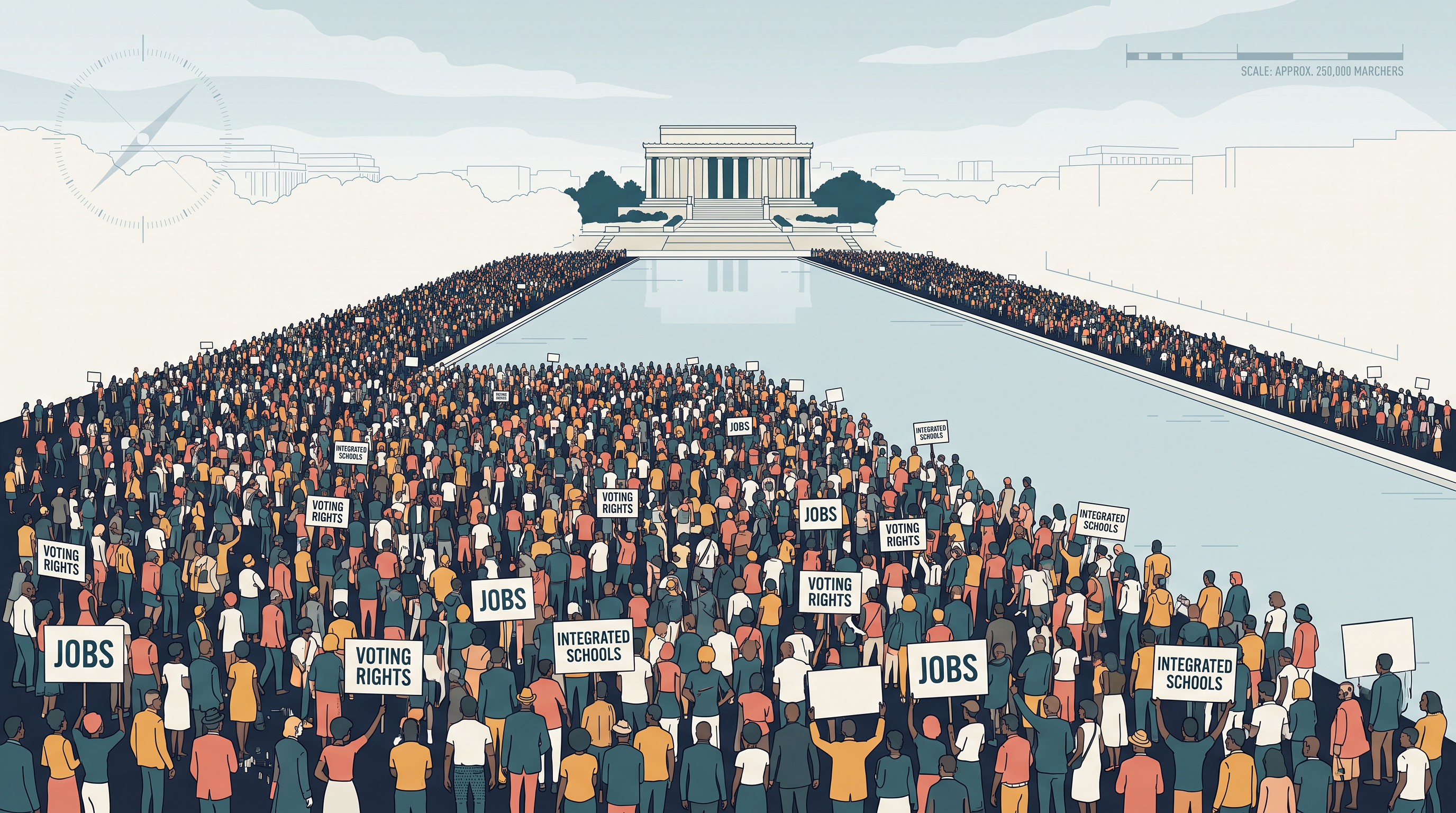
Fig. 10.4 – The 1963 March on Washington.
10.3.5 Impatience, Riots And Black Power
For all the marching, everyday conditions changed slowly, and in the northern cities they barely changed at all. Wages, housing and policing were as bad in 1963 as in 1953, and no court ruling touched them.
Some younger activists concluded that non-violence had been given its chance. Riots broke out in New York in 1964, and in the Watts district of Los Angeles in 1965 six days of burning and looting left many dead and whole streets destroyed. These were not organised protests; they were explosions in neighbourhoods where nothing had improved.
From 1966 the slogan of Black Power spread: black people should build their own institutions, defend themselves, and stop asking white America for approval. The Black Panther Party, founded in California in 1966, carried weapons openly, ran breakfast programmes for children in poor neighbourhoods, and rejected non-violence as a principle.
The movement was now divided about its own method, and the division was never fully resolved.
10.3.6 The Acts Of 1964, 1965 And 1968
The two Democratic presidents of the 1960s, John F. Kennedy from 1961 and Lyndon Johnson from 1963, were both more sympathetic to black demands than their predecessors had been.
Kennedy appointed black Americans to senior federal posts and, in 1963, sent a civil rights bill to Congress. Southern members fought it for months. Kennedy was assassinated in November 1963, and it was Johnson who drove the bill through.
The Civil Rights Act of 1964 was signed in July of that year. It ended segregation in public facilities such as hotels, restaurants and shops; it barred discrimination in employment on grounds of race, colour, religion, sex or national origin; and it created the Equal Employment Opportunity Commission to act on complaints.
The vote was the gap the 1964 Act left open. The Voting Rights Act of 1965 closed it, suspending the literacy tests and sending federal officials to register voters in districts where black registration had been lowest. Registration in the deep South rose sharply within a few years.
Johnson added a further Civil Rights Act in 1968, which made it illegal to refuse to sell or let property to someone because of their race. Housing had been the northern grievance that no earlier law had touched.
Resistance to all three Acts was bitter, and it did not end when they were passed. Even so, the political effect was real: by the middle of the 1970s the number of black Americans elected to Congress, to state legislatures and to city offices had risen sharply, and most of that rise was in the South.
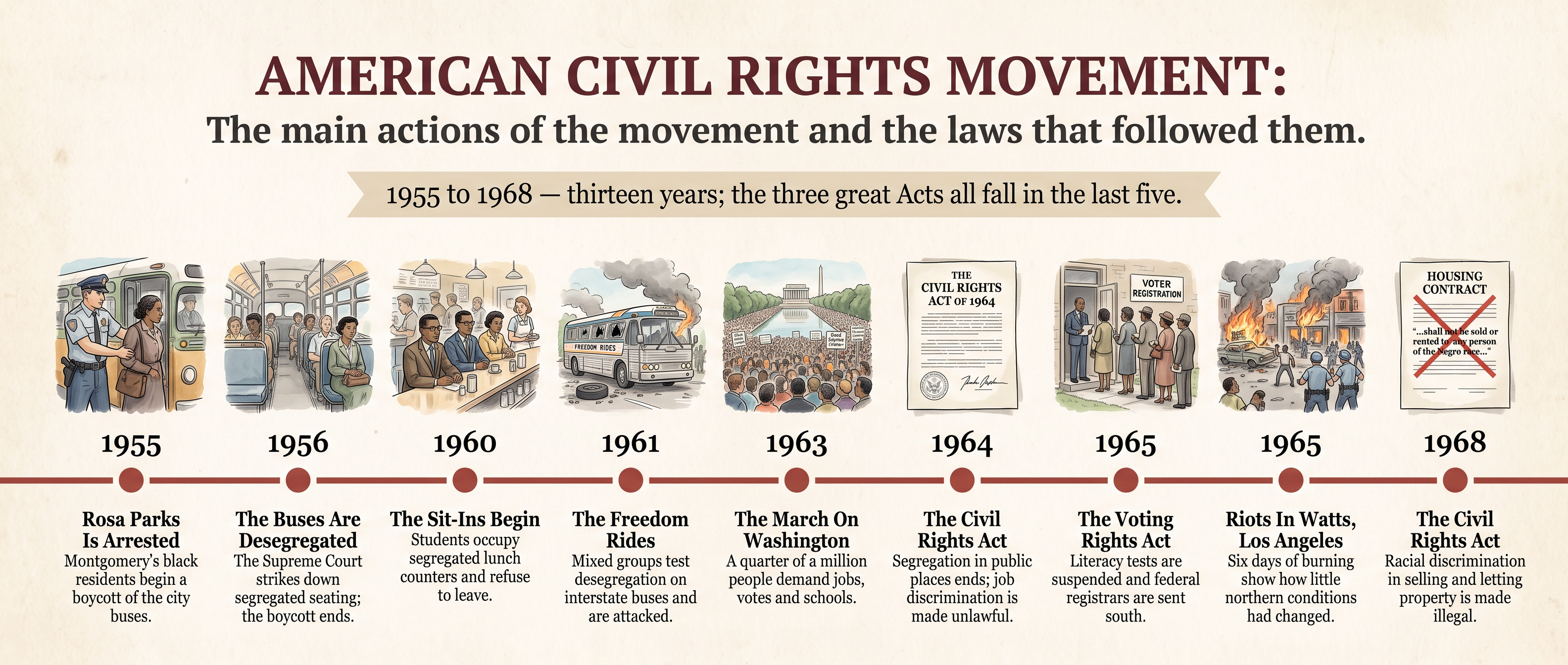
Fig. 10.5 – The Campaign For Equal Rights, 1955–1968.
10.4 Dr Martin Luther King’s Role
Martin Luther King was born in Atlanta, Georgia, in 1929, the son of a Baptist minister. He trained for the ministry himself and completed a doctorate in theology, which is why he is usually given his academic title.
He was twenty-six when the Montgomery boycott made him a public figure, and thirty-nine when he was killed. Almost everything he is remembered for happened in those thirteen years.
10.4.1 The Ideal Of Non-Violent Resistance
King’s contribution was not that he discovered black grievances. Everyone in the movement knew them. His contribution was a method, argued for in public until a mass of people accepted it.
That method was non-violent resistance: deliberately disobeying an unjust law, in the open, and accepting arrest and punishment without striking back. It is not the same as doing nothing. It is a form of confrontation in which one side refuses the use of force.
King drew the idea from two sources. One was Christian teaching about loving an enemy, which he had grown up inside and which his audiences in the black churches recognised immediately. The other was Gandhi’s campaigns in India, which had shown that mass non-violent resistance could be organised on a national scale against a government that held all the weapons.
Why He Insisted On It
King argued the case on moral grounds. A movement that used arson and beatings, he said, would become the thing it was fighting, and the thirst for freedom should not be satisfied by drinking from a cup of bitterness and hatred. The aim was a country in which black and white lived together, and you cannot reach that aim by methods that make it impossible.
He also had practical reasons, and he made no secret of them.
Non-violence kept the moral advantage. When unresisting people were beaten in front of cameras, the violence on display belonged entirely to the segregationists, and undecided Americans elsewhere saw it.
It also kept the movement open. Armed struggle would have been the work of young men. A boycott or a sit-in could include women, schoolchildren, the elderly and the cautious — and it was the numbers that made the movement impossible to ignore.
And it was realistic about power. Black Americans were a minority facing state police forces, the National Guard and an armed white population. A violent campaign invited a crushing response and would probably have lost.
10.4.2 Assessing King’s Leadership
In 1964, at the age of thirty-five, King was awarded the Nobel Peace Prize for leading a campaign against racial discrimination without abandoning non-violence. The award set the international seal on what the movement had done and made him harder for his own government to ignore.
His achievements are not in doubt. He gave a scattered set of local campaigns a common method and a national voice. He drew in white supporters, church bodies and foreign opinion. He kept the loss of life, over a movement of that size and length, remarkably low. And the pressure he built was decisive in producing the federal legislation of the mid-1960s.
The Criticisms
He was criticised from both directions, and the criticisms are worth taking seriously.
From one side, white moderates and several presidents thought him impatient — always pressing for the next campaign before the last concession had been absorbed. King’s answer was that those who counsel patience are rarely the ones waiting.
From the other side, younger activists thought him far too patient. His method had worked against the visible segregation of the South, where there were signs to remove and laws to strike down. Against the housing, wages and policing of a northern city there was no sign to remove, and by the mid-1960s his campaigns there achieved much less.
King himself moved towards that criticism in his last years. He began to argue that legal equality without economic change was hollow, and planned a campaign of poor Americans of every race. He was in Memphis, Tennessee, supporting a strike by black sanitation workers, when he was shot dead on 4 April 1968.
10.5 The Main Features Of Apartheid
Apartheid is an Afrikaans word meaning apartness or separateness. It became the name of the system of racial rule imposed in South Africa from 1948, under which every inhabitant was classified by race, and the law then decided where that person could live, work, study, travel and whom they could marry.
South Africa lies at the southern tip of Africa. In 1948 its population was overwhelmingly African, with smaller communities of white, mixed-descent and Asian origin. Political power lay entirely with the white minority.
The American system studied earlier in this chapter separated people. Apartheid separated them and then registered, sorted and moved them, and did so through the ordinary law-making of a parliament.
10.5.1 Segregation Before 1948
Racial separation in South Africa did not begin in 1948. Europeans first settled at the Cape in the middle of the seventeenth century, when a Dutch trading company established a supply station there, and forms of separation existed from those earliest colonial days. The territory later passed under British control, and in 1910 its provinces were joined into a single self-governing state in which only white voters counted for most purposes.
The most important inheritance was land. Laws passed in the decades before 1948 reserved the great majority of the country’s land for white ownership and set aside for the African majority a scattered remainder amounting to roughly a seventh of the total area. Those areas were called the reserves: rural districts, generally crowded and poor, to which Africans were held to belong.
So the National Party did not invent racial rule. What it did after 1948 was to gather the existing practices into one system, extend them into every part of life, and write them into statute so that nothing was left to local habit.
10.5.2 The National Party In Power
In the general election of 1948 the National Party won power. Its leader, Dr D. F. Malan, became Prime Minister, and apartheid became official government policy.
The party drew its support mainly from Afrikaners, the white South Africans descended chiefly from Dutch, German and French settlers, who spoke Afrikaans and had their own churches, schools and political organisations. Its programme rested on the claim that the white population was a superior race whose separate identity had to be protected, and that non-white people were inferior beings who should be governed rather than consulted.
The election was fought partly on fear. Voters were told that white South Africa was threatened by the African majority, and that only strict separation could preserve white control. It should be remembered who those voters were: the African majority, on whose behalf nothing was being promised, had no say in the result.
10.5.3 Classification, Pass Laws And Separate Living
Between 1949 and the mid-1950s parliament passed the laws that built the system. Six features together made up apartheid.
Classification
Every inhabitant was registered in one of the official racial groups. The main categories were African — the government used the term Bantu, borrowed from the name of a family of languages — white, coloured, meaning people of mixed descent, and Asian. Everyone carried an identity card recording the group assigned.
Classification came first because everything else depended on it. Where a person could live, what schooling their children received and what work they could take all followed from a category entered in a register by an official.
Separate Living And Separate Places
Whole districts were declared to belong to one group, and families of the wrong classification were removed from them, often by force, and resettled elsewhere. In the countryside Africans were confined to the reserves. In the towns they lived in townships, separate settlements built at a distance from the white suburbs, from which they travelled in each day to work.
Separation then ran through daily life: separate buses and railway carriages, cafes, post office counters, park benches, beaches, hospitals, sports grounds and burial grounds, and many separate churches. Black children were sent to separate schools that were deliberately given a narrower and poorer education than white schools.
The Pass Laws
An African adult had to carry a pass, an official reference book, at all times outside the reserves. It gave the holder permission to be in a particular area for a particular purpose, and it had to be produced on demand to any policeman.
An African found in a white area without a valid pass could be fined, imprisoned and sent back to the reserve the register said he came from. Millions of arrests were made under these laws over the years, and no single part of the system was more hated.
The book itself is shown in Fig. 10.6.
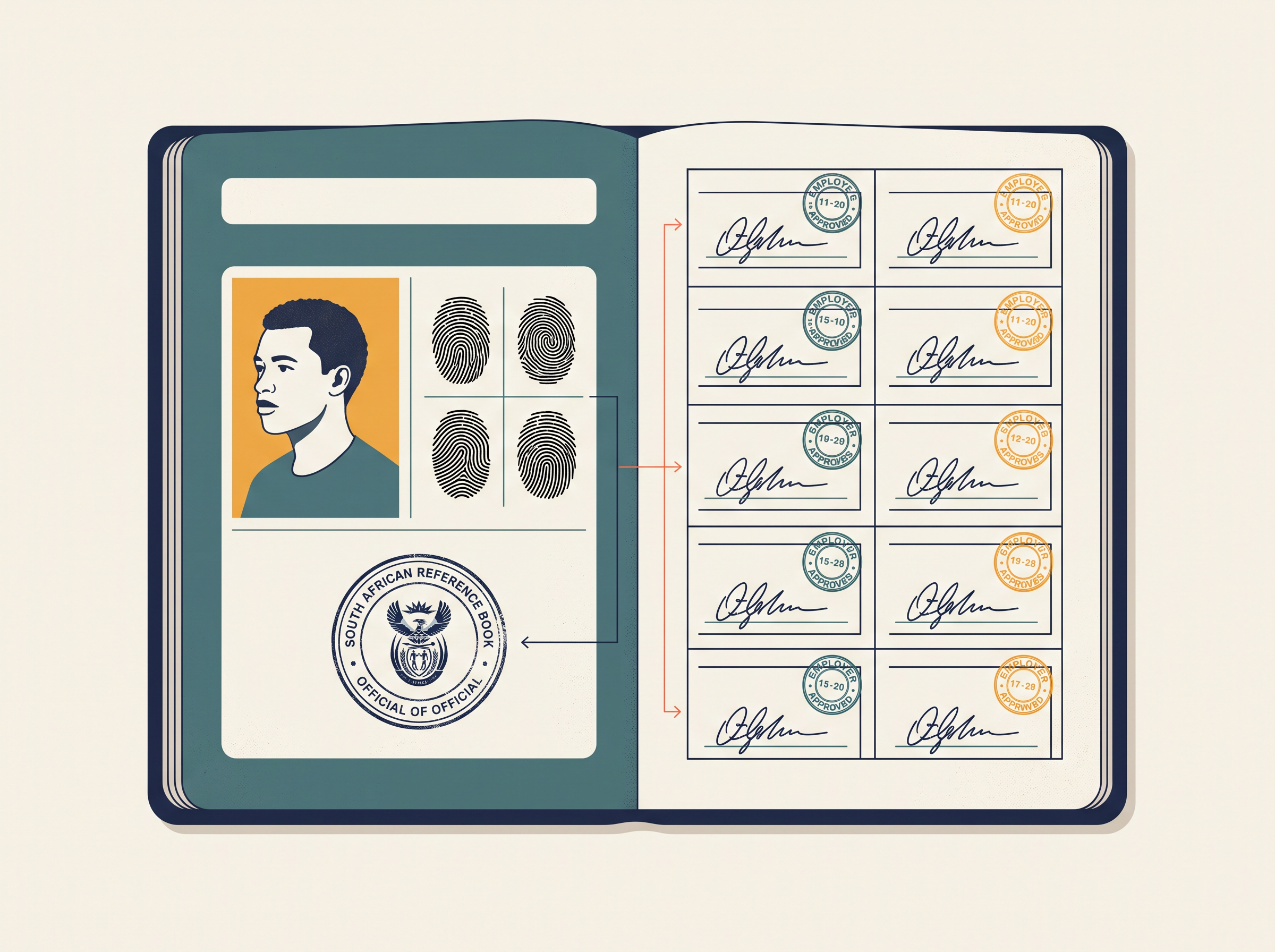
Fig. 10.6 – An apartheid-era pass book.
Marriage, Detention And The Vote
Marriage and sexual relations across the colour line were made criminal offences, on the argument that the white population had to be kept racially pure.
Security laws allowed the police to arrest and detain people without laying a charge or showing cause, provided the authorities held that national interest required it. This is the provision that made open opposition so dangerous.
Finally, Africans were stripped of what political representation remained to them, and their separate seats in parliament were abolished. Coloured voters in the Cape were removed from the common voters’ roll in the 1950s after a long constitutional struggle. From that point the majority of South Africans had no vote in the parliament that made their laws.
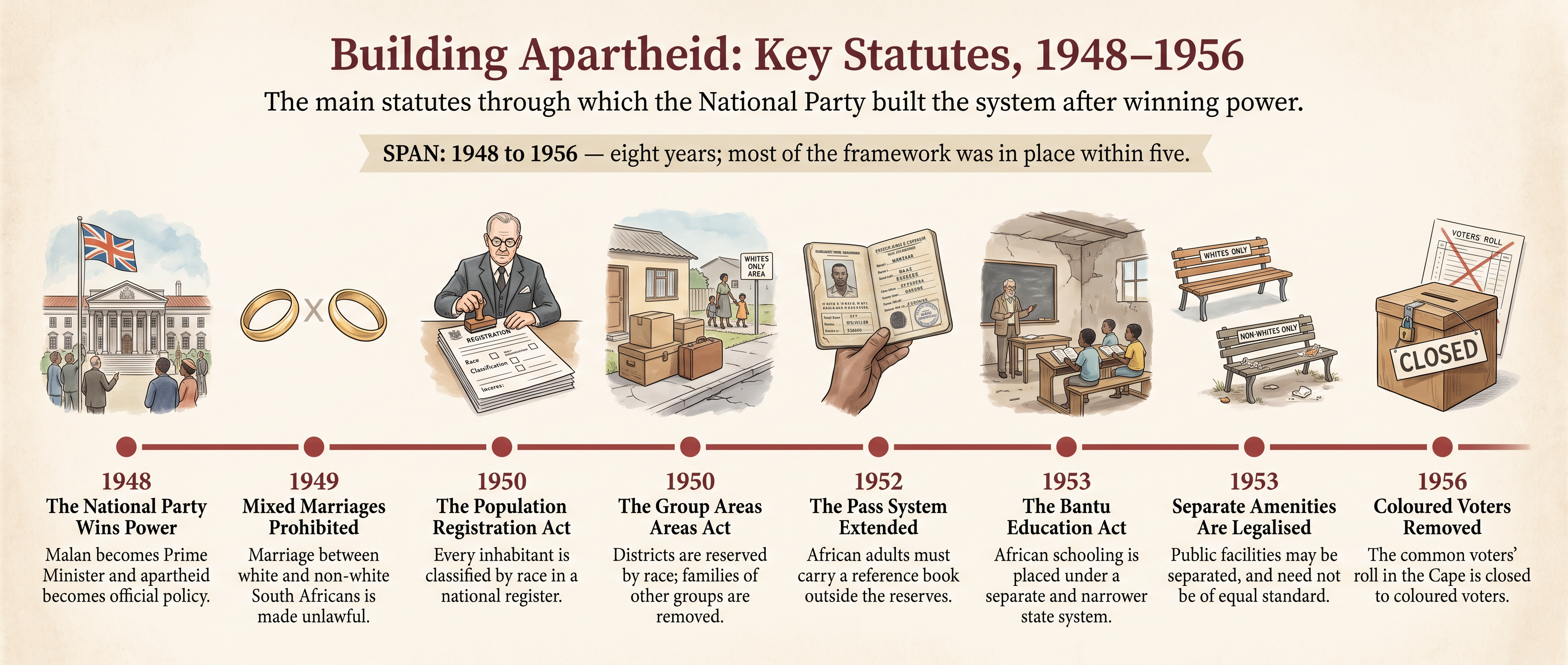
Fig. 10.7 – Apartheid Written Into Law, 1948–1956.
The land itself is shown in Map 10.3.
Map
Map 10.3 Caption: South Africa under apartheid: the reserves set aside for the African majority, shown against the country as a whole. Brief: Map of South Africa in the apartheid period; shade the scattered fragments of the reserves, concentrated in the east and north-east; label Cape Town, Johannesburg and Pretoria; state the period in the caption panel; show no present-day boundaries.
10.6 Opposition To Apartheid
Apartheid met resistance from the day it was declared. The question this section answers is not whether South Africans opposed it, but why opposition took so long to succeed.
10.6.1 Resistance Inside South Africa
Opposing the government inside South Africa was dangerous in a way that opposing segregation in the United States was not. There, protesters could appeal to a constitution and to federal courts that might rule against a state. In South Africa the parliament that made the racial laws was answerable only to white voters, and the courts applied the statutes as written.
The state also had a ready label for its opponents. Anyone who objected to apartheid could be accused of being a communist, and the security laws then allowed arrest and detention without a charge. African workers were forbidden to strike, so the ordinary weapon of organised labour was closed off.
The main organisation of African opposition was the African National Congress, or ANC, founded early in the twentieth century to press for African political rights by argument and petition. Against a government that would not receive petitions, this approach achieved very little.
The Defiance Campaign, 1952
In 1952 the ANC, together with Indian and coloured organisations, tried something new. Volunteers set out to break the apartheid laws deliberately and publicly: entering the doors, counters and waiting rooms reserved for whites, and being arrested for it.
The idea was to fill the jails and make the system unworkable. About eight thousand volunteers were arrested. The government answered with heavier penalties for breaking the laws, and the campaign was called off.
Albert Luthuli, a chief and teacher from Natal who was elected president of the ANC at the end of that year, refused to withdraw his support for the campaign. He was stripped of his chieftainship by the government and later served with banning orders. A banning order confined a person to one district, forbade them to attend any gathering, and made it an offence to publish anything they said — a way of removing a leader without holding a trial.
10.6.2 The Freedom Charter And The Anti-Pass Campaign
In June 1955 the ANC and its allies among Indian, coloured and white opponents of apartheid held an open-air gathering at Kliptown, near Johannesburg. Delegates had collected demands from meetings across the country, and these were read out as a single document, the Freedom Charter, before the police broke the meeting up.
The Charter went on to demand equality before the law; freedom of assembly, movement, speech, religion and the press; the vote for all; the right to work, with equal pay for equal work; a forty-hour week, a minimum wage and unemployment benefits; free medical care; and free, compulsory and equal education.
Two things about that list are worth noticing. It asks for a common citizenship rather than a black state, which is what the opening line commits it to. And it is as much about wages, hours and hospitals as about rights of speech and assembly — the demands of people who were poor as well as excluded.
Many of the leaders who signed it were soon under banning orders or in hiding. The Charter itself circulated widely and became the ANC’s basic programme for the next forty years.
The Women’s Anti-Pass March, 1956
Passes had applied to African men. In the 1950s the government moved to require African women to carry them too, which would have made every adult’s presence in a town conditional on an employer’s monthly signature.
The ANC Women’s League led the opposition. In August 1956 some twenty thousand women of every classification marched to the Union Buildings in Pretoria, the seat of the government, and left a petition for the Prime Minister at his office door. They then stood in silence outside the building.
The passes were extended to women nonetheless. What the march changed was the movement itself: it demonstrated that women could organise on a national scale, and the League became one of the strongest bodies within the ANC.
The Bus Boycott, 1957
In 1957 the bus company serving Alexandra, an African township about ten miles from central Johannesburg, raised its fares. For workers on township wages the increase was serious.
The residents refused to pay it. For roughly three months tens of thousands walked to work in Johannesburg and walked home again in the evening, in some cases twenty miles in a day. The fare increase was withdrawn. Church leaders and missionaries, black and white, spoke publicly in support of the walkers.
10.6.4 Pressure From Outside South Africa
Abroad, opposition was organised through the Anti-Apartheid Movement, which campaigned for boycotts of South African goods, sport and investment.
Its first major success came in 1961, when South Africa left the Commonwealth. Criticism at the Commonwealth conference that year had been fierce. The year before, the British Prime Minister Harold Macmillan had told the South African parliament in Cape Town that a ‘wind of change’ was blowing through Africa, and that his government could not support a policy of racial domination.
The United Nations and the Organisation of African Unity both condemned apartheid. In 1962 the UN called on member states to impose a trade boycott, and in 1963 the Security Council called for an arms embargo. Neither was made binding.
The result was a gap between words and conduct. The United States, Britain, France, West Germany and Italy all condemned apartheid in public and went on trading with South Africa, and some of them sold it weapons. Their calculation was that a strongly anti-communist South Africa was worth keeping on their side. As long as that held, the South African government could ignore foreign protest, and until the 1970s it did.
Two boycotts did bite, because they touched things white South Africans cared about. In sport, the International Olympic Committee excluded South Africa from the Tokyo Olympics of 1964, and other sporting bodies followed. In education, several hundred university teachers signed a declaration refusing academic contact with South African institutions while apartheid lasted.
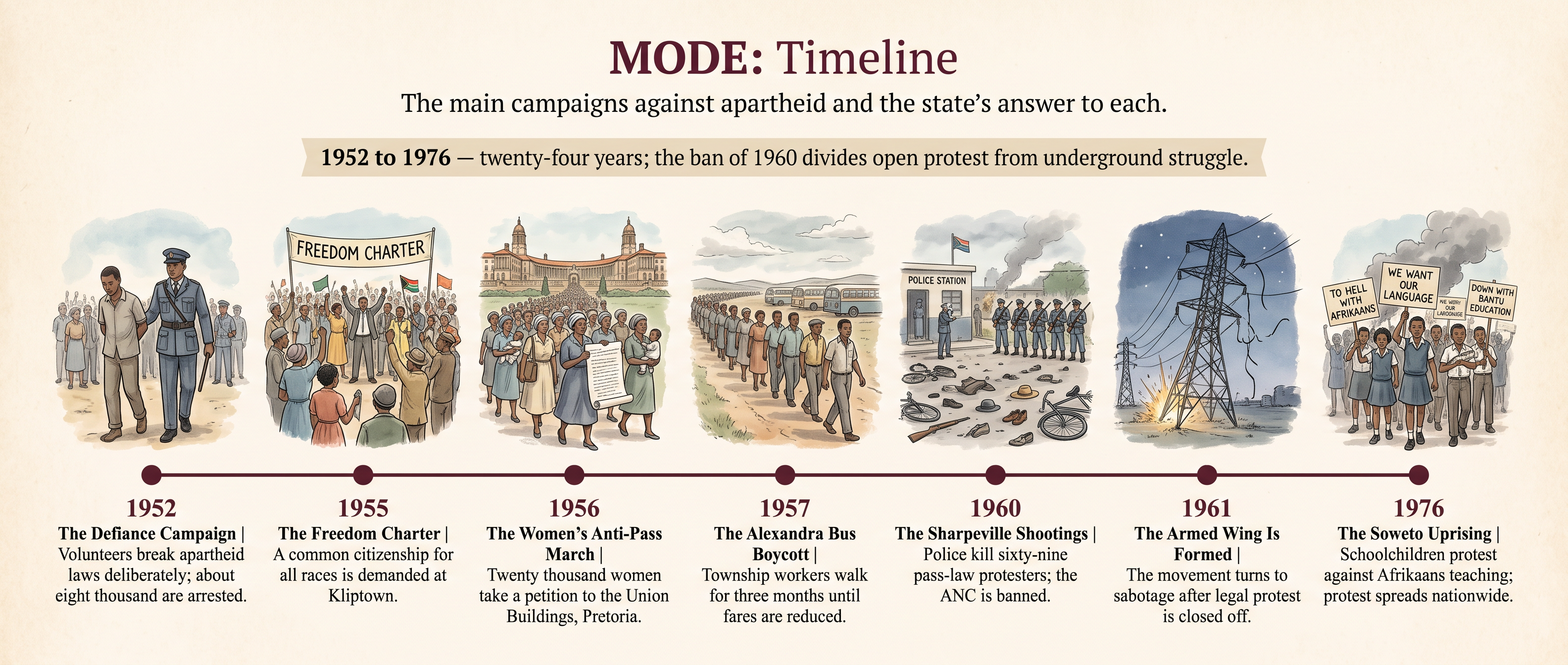
Fig. 10.8 – Resistance Inside South Africa, 1952–1976.
10.7 Dr Nelson Mandela’s Role
10.7.1 The Early Political Years
Nelson Mandela was born in 1918 in the Transkei, a rural district of the eastern Cape, into a family of the Thembu royal house. He went to Johannesburg as a young man, studied law, and in the early 1950s opened a practice with his colleague Oliver Tambo — the first firm of black attorneys in the city, and one that spent much of its time defending Africans charged under the pass laws.
That daily work shaped his politics. A lawyer who spends his mornings in court explaining why a client’s reference book was unsigned learns quickly that the problem is not the client.
In 1944 Mandela was among the founders of the ANC Youth League. The League’s argument was blunt: the older leadership’s petitions and deputations had achieved nothing in thirty years, and the organisation had to move to boycotts, strikes and mass defiance. Within a decade the League’s generation had taken over the ANC, and it was Mandela who was given charge of recruiting and organising the volunteers for the Defiance Campaign.
His prominence made him a target. He was served with banning orders that kept him out of meetings and out of the newspapers, and in 1956 he was among more than one hundred and fifty people charged with treason after the adoption of the Freedom Charter. The trial dragged on for over four years before every accused was acquitted in 1961.
The Decision To Fight
The banning of the ANC in 1960 left Mandela with the choice described in the previous section, and he was one of those who argued hardest for it.
In 1961 he helped to found the movement’s armed wing, Umkhonto we Sizwe — the Spear of the Nation — and became its first commander. Its opening campaign was sabotage: power pylons, telephone lines and government offices, attacked at night and chosen so that people would not be killed. The reasoning was that this was the least violent form of force available, and that it might shock the government into negotiating before the country slid into a racial war.
He went underground, moving between safe houses in disguise, and left the country in 1962 to seek training and support from newly independent African states. He was arrested soon after his return and sentenced to five years’ imprisonment for leaving South Africa unlawfully and for organising a strike.
10.7.2 Trial And Twenty-Seven Years In Prison
In 1963 the police raided a farm at Rivonia, outside Johannesburg, and seized documents setting out the armed wing’s plans. Mandela, already in prison, was brought back to court with the leaders arrested there and charged with sabotage — an offence that carried the death penalty.
He did not deny what he had done. Instead of a defence, he made a statement from the dock lasting several hours, in which he explained why an organisation committed to non-violence for fifty years had abandoned it, and what the movement actually wanted.
In June 1964 Mandela and seven others were sentenced to life imprisonment. He was taken to Robben Island, off Cape Town, and remained in prison for twenty-seven years in all.
Prison did not remove Mandela from politics; it did the opposite. A leader who is silenced cannot make mistakes, cannot be blamed for a bombing, and cannot age in public. By the 1980s his name was the single most effective slogan the anti-apartheid campaign had, chanted at demonstrations and printed on posters in countries he had never visited.
In 1985 the government offered him his freedom on condition that he renounce the use of violence. He refused. His reply, read out publicly because he was not permitted to speak, pointed out that only free men can negotiate, and that a prisoner cannot enter into contracts. He would not buy his release at the price of the movement’s position.
10.7.3 Release, Negotiation And Reconciliation
Mandela walked out of prison on 11 February 1990, at the age of seventy-one. The political process that produced that moment is the subject of the next section; what concerns us here is what he did with it.
He might reasonably have emerged bitter. What he did instead was to insist, from the first day, on two things that were not obviously compatible: that majority rule was not negotiable, and that white South Africans had a permanent place in the country and nothing to fear from it.
Both halves mattered. The first kept the movement behind him, because it made clear that he had not been bought. The second kept the talks alive, because it gave the white minority a reason to hand over power rather than fight to keep it. Between 1990 and 1994 South Africa came close to civil war several times, and it was largely his standing on both sides of that line that held the negotiations together.
As President from 1994 he carried the same approach into government. His administration created a Truth and Reconciliation Commission, chaired by Archbishop Desmond Tutu, before which victims of political violence under apartheid could describe publicly what had been done to them, and those responsible could apply for amnesty in exchange for telling the whole truth about it.
Mandela served a single term and stepped down in 1999, refusing to stand again. In a continent where several liberation leaders had stayed in office for life, that decision was itself a political act.
10.8 Transition To Black Majority Rule And The End Of Apartheid
By the end of the 1970s the South African government was under strain from several directions at once, and none of the strains was going to ease with time.
Criticism from abroad had hardened: the Commonwealth, the United Nations and the Organisation of African Unity all pressed for change, several governments now openly supported the ANC, and the demand for Mandela’s release was heard everywhere. At home the economy went into recession in the late 1970s. White South Africans were emigrating in significant numbers while the African population grew, so the minority on whom the whole system rested was becoming a smaller minority every year.
There was also an awkward practical problem. A modern industrial economy needed skilled workers, and apartheid had spent thirty years making sure that most South Africans were not trained to be any.
10.8.1 Botha’s Limited Reforms
P. W. Botha became Prime Minister in 1978. He was no opponent of white rule, but he could see that parts of the system were costing more than they were worth — in money, in disorder and in the country’s standing abroad. The United States, which had begun to put its own racial house in order, was now criticising South Africa openly.
Botha’s answer was to reform apartheid in order to save it. He removed the features that caused the most trouble and kept the one that mattered.
The changes were real enough. African workers were allowed to join registered trade unions and to strike. Africans in the towns were allowed to elect their own township councils, though not to vote in national elections. The ban on marriage across the colour line was lifted. The hated pass laws were abolished in 1986. A new constitution in 1983 created a parliament of three chambers, with separate houses for coloured and for Asian South Africans.
The African majority was given no chamber at all. That omission was the point of the whole design.
Botha would go no further. The ANC’s central demands — the vote for all, and a full share in governing the country — he refused to discuss. Meanwhile the townships rose in revolt from 1984, the government declared a state of emergency, and the pictures of what followed were carried on television around the world.
10.8.2 Mounting International Pressure
Until the mid-1980s foreign condemnation had cost South Africa little. After the township revolt that changed.
In August 1986 the Commonwealth agreed a package of measures: no further loans, no sale of oil, computer equipment or nuclear goods, and an end to cultural and scientific contact. Britain alone held back, adopting only limited measures.
In the same year the United States Congress passed a sanctions law over the President’s veto. It stopped new American loans and investment, cut air links, and banned imports of South African iron, steel, coal, textiles and uranium. This mattered more than any resolution had, because the United States had been South Africa’s most important protector.
Money then did what speeches had not. Foreign banks became unwilling to renew their loans, capital left the country, and the currency fell. A government that had shrugged off the United Nations for twenty-five years found it could not shrug off its creditors.
Pressure came from inside white society too. The Dutch Reformed Church, which had for decades supplied a religious justification for racial separation, declared in 1986 that the policy could not be justified from Scripture, and by 1990 its assembly had confessed apartheid to be a sin. When the churches that had blessed the system began to condemn it, the moral ground under apartheid gave way.
10.8.3 De Klerk And The Talks Of 1990–1993
Botha suffered a stroke early in 1989 and, after a struggle within his own party, gave up office later that year. F. W. de Klerk succeeded him as leader and as President.
De Klerk had not been thought a reformer. Yet within months he concluded that apartheid could not be repaired and would have to be ended, and that majority rule was coming whether the National Party negotiated or not. Better, he judged, to negotiate while his side still had something to bargain with.
In February 1990 he lifted the ban on the ANC and other organisations and announced Mandela’s release. Over the following months most of the remaining apartheid laws were repealed, including the racial classification on which everything else had stood.
Formal talks between the government, the ANC and other parties opened in 1991 and ran, with breakdowns, until 1993. Two dangers ran alongside them. White right-wing groups opposed the whole process, some of them violently. In the townships, fighting between rival black political organisations killed thousands during the negotiating years, and there was evidence that elements in the security forces were encouraging it.
That the talks survived all this is the remarkable fact of these years. By late 1993 the parties had agreed an interim constitution, a date for an election in which every adult would vote, and an understanding that the parties winning substantial support would share power in the first government.
10.8.4 The Election Of 1994
South Africa’s first non-racial general election was held in April 1994. Voters queued for hours, in some places for most of a day, and the great majority of them had never voted before in their lives.
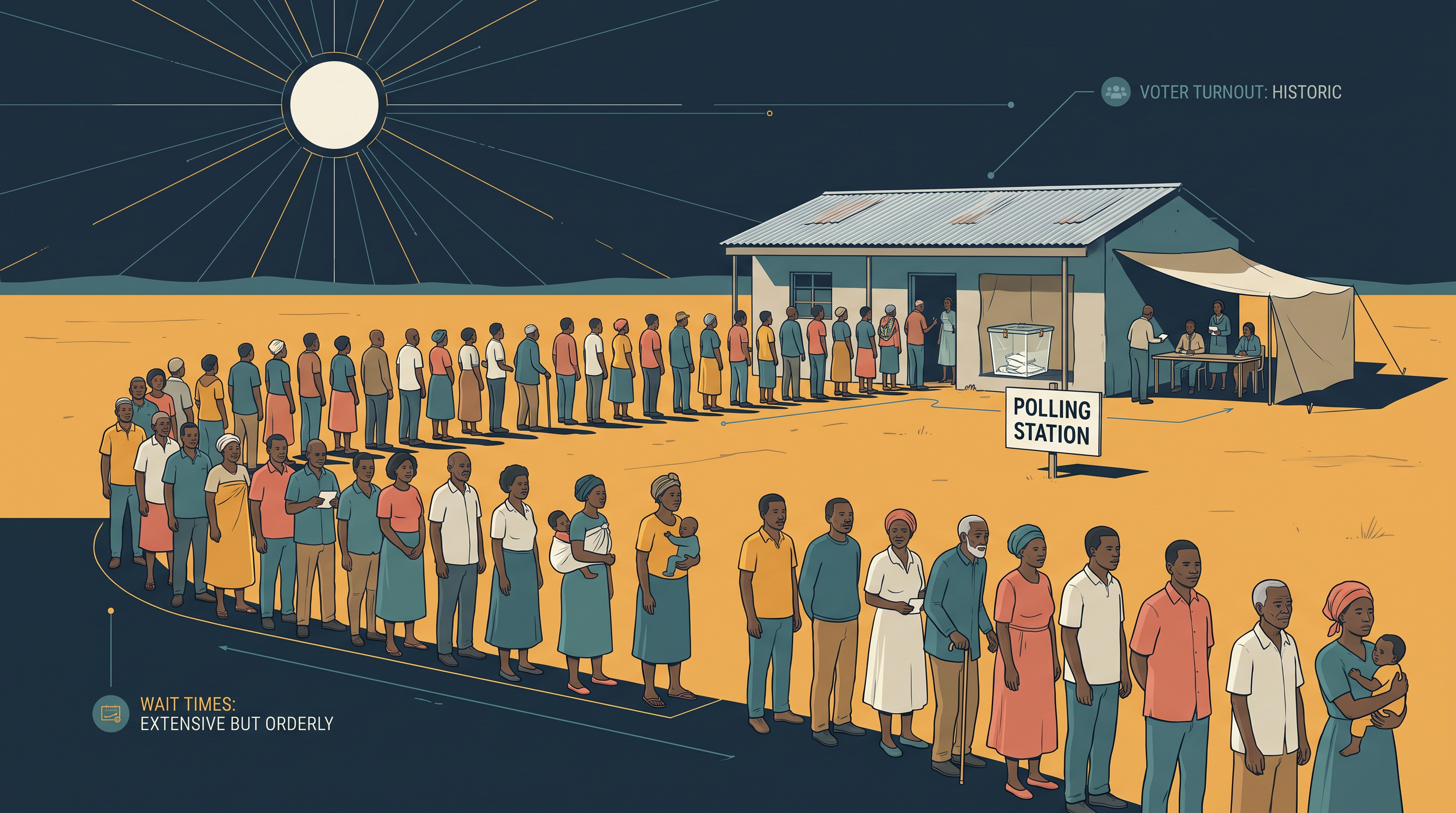
Fig. 10.9 – Voters queuing in the 1994 election.
The ANC won close to two-thirds of the vote. As had been agreed, a government of national unity was formed rather than a government of the winning party alone. Nelson Mandela became President, and de Klerk, the last President of the apartheid state, became one of his deputies.
Apartheid was over. It had lasted forty-six years, and it ended without the civil war that both its defenders and its opponents had long expected.
It is worth being exact about what was won and what was not. The election settled the question of political rights completely: the vote, equality before the law, and the removal of every racial statute. It did not settle the question of land, wages or housing, which forty-six years of apartheid and a century of land law had shaped, and which no election could undo in a day.
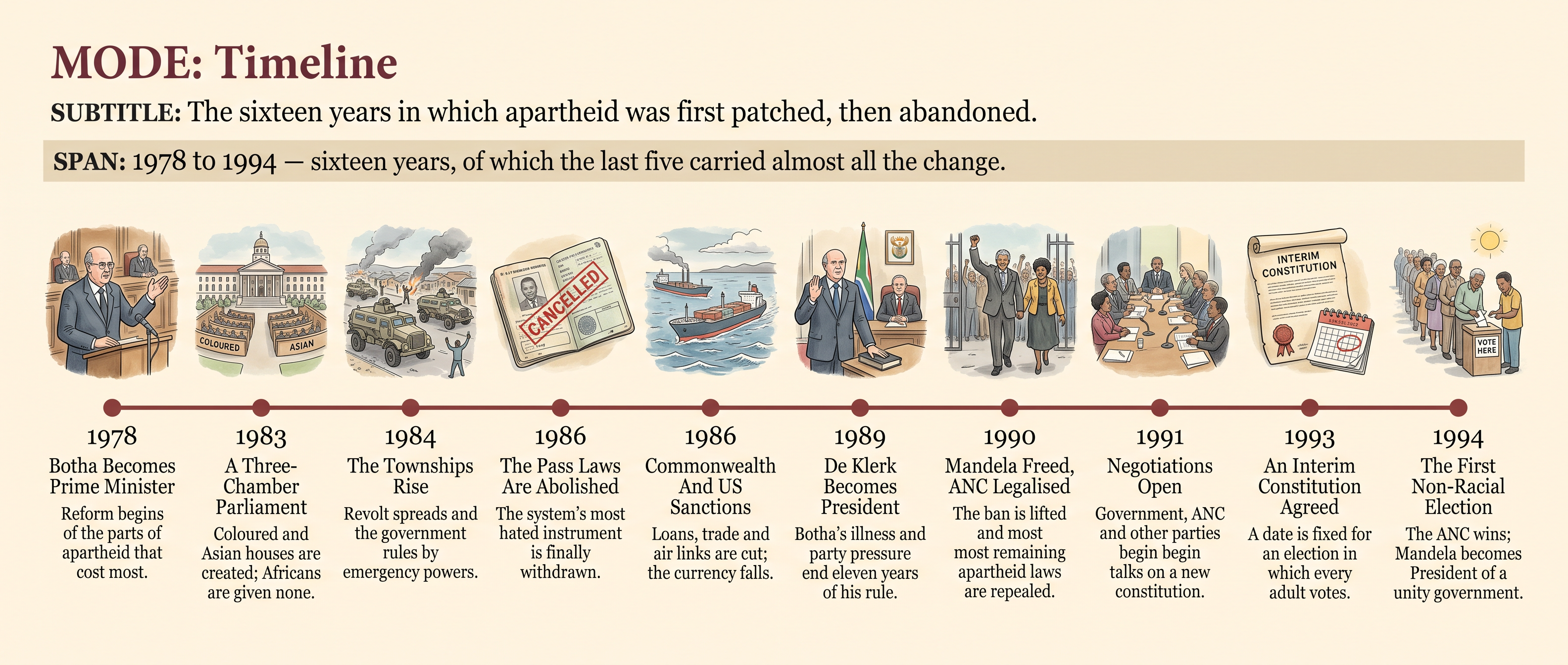
Fig. 10.10 – From Reform To Majority Rule, 1978–1994.
10.9 Reasons For The Second Wave Feminist Movement
Historians usually speak of American feminism in waves. The first wave ran through the nineteenth century and the early twentieth, and its central demand was the vote, won in 1920 when an amendment to the Constitution barred the states from denying the franchise on grounds of sex. Property rights and access to education belonged to the same campaign.
Then the movement went quiet, or appeared to. The second wave began in the early 1960s and continued into the early 1980s, and it asked a different question. Its subject was not the ballot box but everything the vote had not touched: pay, work, education, marriage, divorce, violence at home, and the assumption that a woman’s proper place was in one.
This section explains why the second wave arose when it did. Three causes are named in the syllabus, and they arrived in that order: a government report, a book, and the example of another movement.
10.9.1 Women’s Lives After The Second World War
The war years had put American women into work they had never been given before. With millions of men in uniform, women built aircraft, worked lathes, drove trucks and ran offices, and did it well enough that the argument about female incapacity became difficult to make.
The peace reversed it. Returning servicemen needed jobs, and women were expected to give them up and go home. Government and employers actively encouraged large families, marriages happened younger, birth rates rose, and the new suburbs filled with households built around a husband who earned and a wife who did not.
For many women this was a comfortable life and a chosen one. The difficulty was that it was the only life on offer, and that the alternatives were closed by practice rather than by law.
What Discrimination Looked Like
A woman doing the same job as a man was usually paid less for it, and nobody troubled to hide the fact. Around the beginning of the 1960s, the median earnings of women working full time were roughly three-fifths of men’s:
\[\frac{\text{median earnings of women in full-time work}}{\text{median earnings of men in full-time work}} \approx 0.59\]
Newspapers printed their job advertisements in two columns, one headed for men and one for women, and the second column offered lower-paid work. Employers dismissed women who became pregnant and preferred not to hire women at all where a man was available. Promotion above a certain level was rare enough to be remarked on, and the same pattern held in universities, in the professions, in sport and in politics.
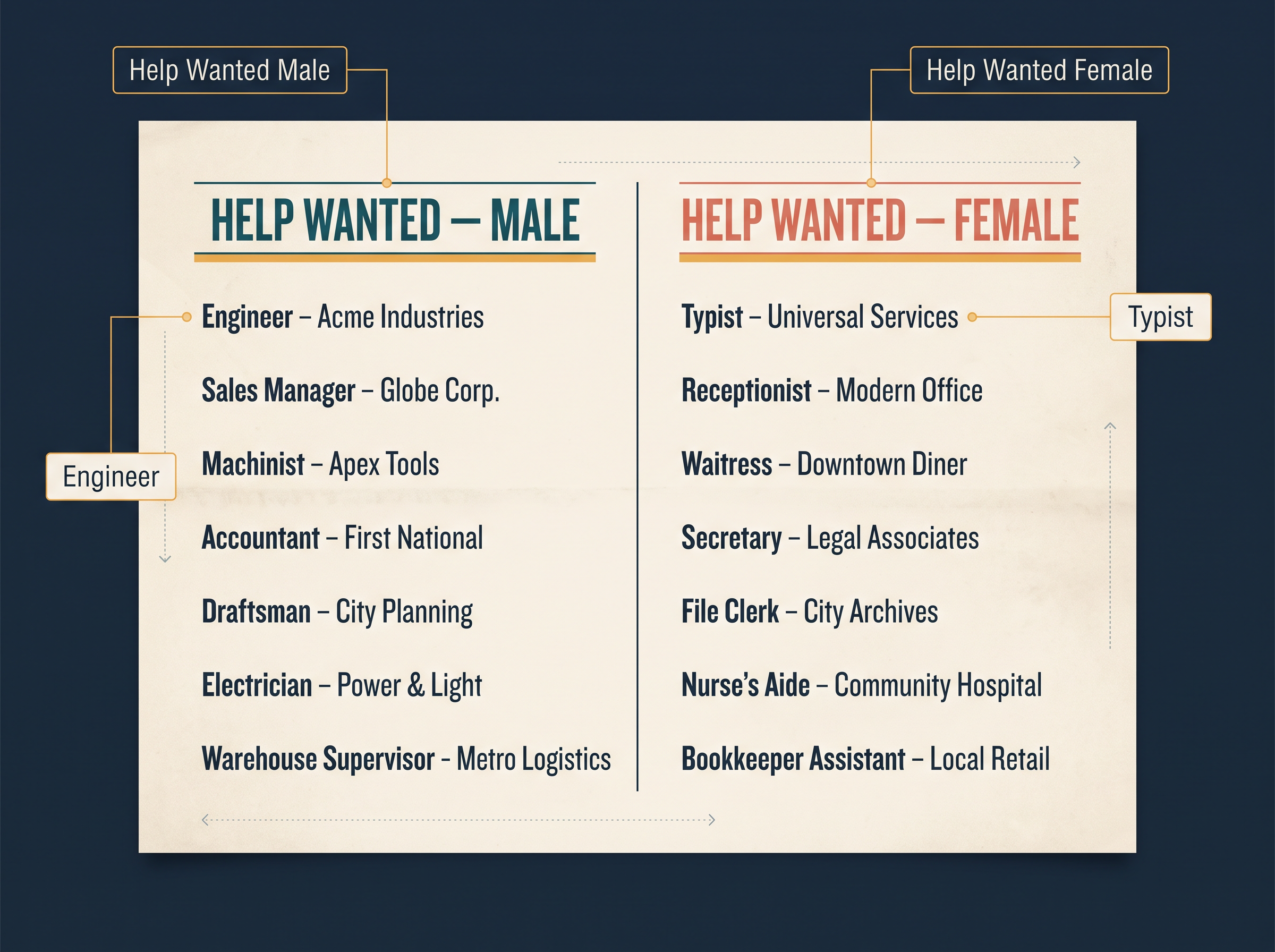
Fig. 10.11 – Sex-segregated newspaper job advertisements.
10.9.2 The Presidential Commission On The Status Of Women
In December 1961 President John F Kennedy appointed a commission to investigate the position of women in American life. Its chair was Eleanor Roosevelt, the widow of President Franklin Roosevelt and a public figure of long standing in her own right.
The commission’s report appeared in 1963. It was not a manifesto; it was a survey, and its force came from that. It documented a national pattern of discrimination in hiring and promotion, unequal pay for the same work, legal disabilities that varied from state to state, and an almost complete absence of the childcare and support services that would have made paid work possible for mothers.
Two consequences followed, and the second turned out to matter more than the first.
The first was legislative. The commission’s findings gave Kennedy the evidence and the political cover to press for a federal law on equal pay, which followed in the same year and is examined in the next section.
The second was organisational. The report led to the creation of a permanent committee inside the federal government and, more importantly, to commissions on the status of women in state after state. Thousands of women were appointed to them. They met, collected evidence, discovered that their state’s problem was every state’s problem, and — for the first time — came to know one another.
10.9.3 Betty Friedan And The Feminine Mystique
The Feminine Mystique was published in 1963, in the same year as the commission’s report, and it did something a government document could not. It gave the discontent a name and a national audience, and it sold in millions.
Friedan’s argument was about ideas rather than laws. She identified what she called the feminine mystique: the belief, taught by magazines, advertising, advice books and much of the education system, that a woman could find complete fulfilment only as a wife and mother, and that a woman who wanted anything else was unnatural or unwell.
The trap in this belief was that it explained away its own consequences. A woman who was miserable in that life could not blame the arrangement, because the arrangement was said to be exactly what women wanted. She could only blame herself — and so a shared social condition was experienced by millions of women, one at a time, as a private failure.
The book’s limits are as much a part of its history as its influence. Friedan wrote about educated, married, comfortable white women in the suburbs. Black women, immigrant women and poor women of every background had always worked outside their homes, often in other women’s kitchens, and their difficulty was not that they were confined to domestic life but that they were paid almost nothing for it.
10.9.4 The Lesson Of The Civil Rights Movement
The third cause was the movement described in the first half of this chapter, and it worked in two ways.
The first was instruction. Thousands of young American women, black and white, took part in the campaign for racial equality. They learned in it how a movement is actually run: how to organise a boycott, hold a meeting, brief a reporter, keep discipline under attack, and argue that a practice everyone accepts is nonetheless unjust. Those skills transferred.
The second was insult. Inside the civil rights organisations, women found that they were expected to type the letters, prepare the food and hand out the leaflets, while men made the decisions, chaired the meetings and spoke to the press. A movement built on the claim that no group should be treated as inferior was reproducing exactly that in its own offices.
In 1964 two women who had worked in the movement, Mary King and Casey Hayden, put the complaint on paper and circulated it at a staff meeting without their names attached to it. The paper set out how women in the organisation were treated and asked why the principle being demanded for black Americans did not apply to them.
By the middle of the 1960s, then, all three ingredients were present: documented evidence of discrimination, a book that had named it for a mass readership, and a generation of women trained in political organisation and no longer willing to wait their turn. What was still missing was a law worth enforcing and an organisation to enforce it. Those are the subjects of the next two sections.
10.10 Equal Pay And The Law
10.10.1 The Equal Pay Act Of 1963
The first federal answer to the commission’s findings came quickly. In June 1963 President Kennedy signed the Equal Pay Act, which Congress had passed as an addition to a labour law of 1938 governing wages and hours.
The Act’s rule is simple to state. An employer may not pay a woman less than a man for the same work in the same establishment, where the work requires equal skill, equal effort and equal responsibility and is done under similar conditions. Paying differently for identical work became a breach of federal law, and penalties could follow.
The Act also allowed differences that had nothing to do with sex. An employer could still pay unequal wages under a seniority system, under a merit system, or where earnings were measured by the quantity or quality of what a worker produced. And an employer could not comply by cutting the men’s pay to the women’s level — the wage had to be levelled up.
10.10.2 What The Act Meant For American Women
The Act mattered in three ways, and a student should be able to state both the achievement and its limits.
What It Achieved
It made an argument unavailable. Before 1963 an employer could say openly that a woman was worth less because she was a woman, and no law contradicted him. After 1963 that sentence was an admission of illegality.
It also established a principle in federal law that the second wave could build on: sex was now a ground on which the state had agreed that discrimination was wrong. Later campaigns did not have to win that argument from the beginning.
And it gave individual women a remedy. A woman paid less than the man at the next machine could now recover the difference, and some did.
What It Left Untouched
The Act covered equal pay for the same work in the same establishment. Most American women did not do the same work as men. They were concentrated in occupations that were almost entirely female — typing, nursing, primary teaching, telephone exchanges, retail — and those occupations were paid poorly as a whole.
Where no man in the building did your job, there was no comparison to make, and the law had nothing to say. The pay gap between women and men therefore narrowed only slowly after 1963, because its main cause was not unequal pay for identical work but the sorting of women into low-paid work in the first place.
Several categories of employee, including professional and executive staff, were also outside the Act’s coverage until it was extended some years later.
Step seven is the reason many women never took step one. A law that must be enforced by the person with the most to lose is a weak law, and this weakness shaped what the movement demanded next.
10.10.3 Johnson And The Civil Rights Act Of 1964
The Civil Rights Act of 1964, examined earlier in this chapter as the central achievement of the campaign against racial discrimination, turned out to matter almost as much for women. That was not what its authors intended.
The Act’s employment provisions are contained in its Title VII, which listed the grounds on which an employer could no longer discriminate.
The important word is ‘sex’, and it was not in the bill when it was introduced. It was added during the debate in the House of Representatives by a southern congressman who opposed the bill altogether — a move his critics believed was meant to make the whole thing look ridiculous and sink it. Women’s organisations, which had long argued for exactly such a clause, seized on the amendment and pressed for it to stay. The bill passed with the word in it.
Title VII was far wider than the Equal Pay Act. It reached hiring, dismissal, promotion and conditions, not only the wage, and it did not require a man doing the identical job for comparison. It also created a federal body, the Equal Employment Opportunity Commission, to receive complaints of unlawful discrimination in employment.
Johnson went further in his second term, extending to women the rule that companies holding federal government contracts must not discriminate — a significant lever, given how much of American industry worked on such contracts.
The Commission That Would Not Act
Having the right law is not the same as having the law applied. When the new commission began work in 1965 it was flooded with complaints, and a large share of them came from women.
Its officials treated the sex clause as an accident of drafting and something close to a joke. They declined, for several years, to rule that newspapers could not advertise jobs in separate columns for men and women, on the reasoning that the columns merely reflected what employers and readers preferred.
For the women who had welcomed Title VII, this was the decisive experience. The law they wanted already existed; the agency charged with enforcing it would not use it; and there was no organisation to compel it to.
10.11 The National Organisation For Women And The ERA
10.11.1 The Founding Of NOW, 1966
In June 1966 the women appointed to the state commissions on the status of women met in Washington for their third national conference. Several delegates wanted the conference to pass a resolution demanding that the Equal Employment Opportunity Commission enforce the sex clause of the Civil Rights Act. They were told that a government-sponsored conference could not pass resolutions criticising a government agency.
That refusal produced the organisation. Twenty-eight of the delegates met over lunch, agreed that what was needed was a body outside government that could criticise, lobby and litigate, and founded the National Organisation for Women. Betty Friedan became its first president and drafted its statement of purpose.
Every phrase in that sentence was chosen. ‘Take action’ distinguished the new body from the commissions, which studied and reported. ‘Now’ answered the standard reply that these things take time. And ‘equal partnership with men’ set the aim as shared citizenship rather than separate protection — the same choice the Freedom Charter had made about race a decade earlier and half a world away.
What NOW Did
NOW was a campaigning organisation rather than a mass movement, and its methods were those of pressure politics: complaints, court cases, lobbying, picketing and publicity.
Its first target was the commission that had refused to act. NOW filed complaints, brought lawsuits and demonstrated outside its offices, and within two years the commission had ruled that job advertisements divided into columns for men and women were unlawful — a ruling the courts later upheld.
It went on to press for the enforcement of equal pay, for equal access to education and the professions, for childcare that would make paid work possible for mothers, for women’s access to credit in their own names, for the recognition of violence against women as a crime rather than a domestic matter, and for women’s control over decisions about their own bodies.
Alongside NOW, and often disagreeing with it, younger and more radical feminist groups took up direct action. It was one of these, not NOW, that picketed the Miss America contest in 1968 — a protest against the judging of women by appearance that became the movement’s most photographed early event.
10.11.2 The Campaign For The Equal Rights Amendment
NOW’s largest campaign was for an amendment to the Constitution of the United States. The Equal Rights Amendment had first been proposed in 1923, shortly after women won the vote, and had gone nowhere for half a century.
Amending the American Constitution is deliberately difficult. A proposed amendment must be passed by a two-thirds majority in both houses of Congress, and must then be ratified by three-quarters of the states — thirty-eight of the fifty. That second requirement is the one that decides most attempts.
NOW picketed the Senate in 1970 demanding hearings, and in 1972 Congress passed the amendment by the required majorities and sent it to the states, with a deadline of seven years for ratification.
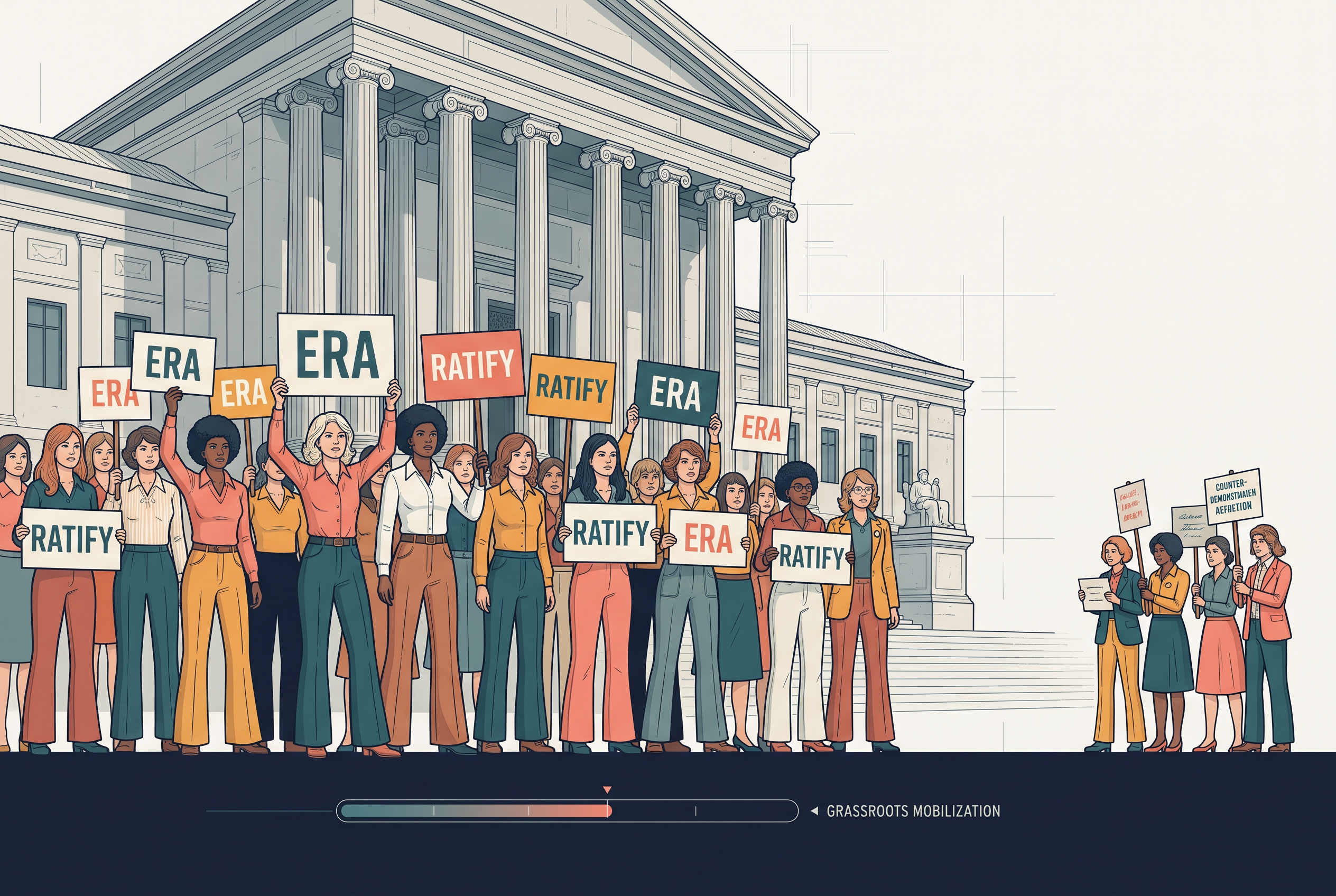
Fig. 10.12 – Supporters picketing for the Equal Rights Amendment.
Why It Failed
Ratification began quickly. More than twenty states approved the amendment within a year, and it appeared certain to pass.
Then an organised opposition formed, and it was led by women. Its most effective campaigner was Phyllis Schlafly, a conservative writer and activist, who argued that American women already had the protection they needed and that the amendment would take more from them than it gave.
Her case rested on three claims. Existing laws that protected women — exemption from military conscription, provisions on maintenance after divorce, restrictions on heavy or dangerous work — would fall, because the amendment forbade any distinction by sex. Family life would be weakened by a constitutional rule that treated husband and wife as identical. And decisions that belonged to the states would pass to federal judges.
Supporters answered that protective laws had generally been used to keep women out of well-paid work, that the amendment would not compel any particular family arrangement, and that a right which depends on the goodwill of fifty separate legislatures is not a right at all.
The opposition succeeded in stopping ratification in the remaining states, and several states that had already ratified voted to rescind. Congress extended the deadline to 1982. When it expired, thirty-five states had ratified — three short of the thirty-eight required — and the amendment failed.
10.11.3 What The Movement Changed
The failure of the ERA is where the second wave is usually said to end, and by then many activists were exhausted and the movement had divided into groups that disagreed sharply about aims and methods.
Judged by its own final campaign, then, it lost. Judged by what American life looked like at the end of it compared with the beginning, the picture is quite different.
The legal position had been transformed. Unequal pay for the same work was unlawful; so was refusing a woman a job, a promotion or a place at a university because of her sex; so, from 1972, was sex discrimination in any education programme receiving federal money. Women could obtain credit in their own names, and a woman’s earnings, property and legal standing no longer depended on a husband’s signature.
The movement had also built institutions that outlasted its own campaigns. Rape crisis centres, refuges for women escaping violent homes, women’s health clinics and legal aid services were founded by activists in these years and became a permanent part of American public provision — and the model spread to other countries, including India.
Most of all, the assumption itself had shifted. In 1960 it was ordinary to say in public that certain work was not for women and that a married woman’s proper ambition was her home. Twenty years later that sentence had become one that had to be defended rather than one that could simply be assumed, and Friedan could observe that daughters were now growing up with the possibilities that had been reserved for sons.
What had not changed was the pay gap, the division of unpaid work at home, and the concentration of women in the least-paid occupations. The second wave altered what the law permitted and what people were willing to say. It did not finish the job.
The course of the movement is set out in Fig. 10.13.
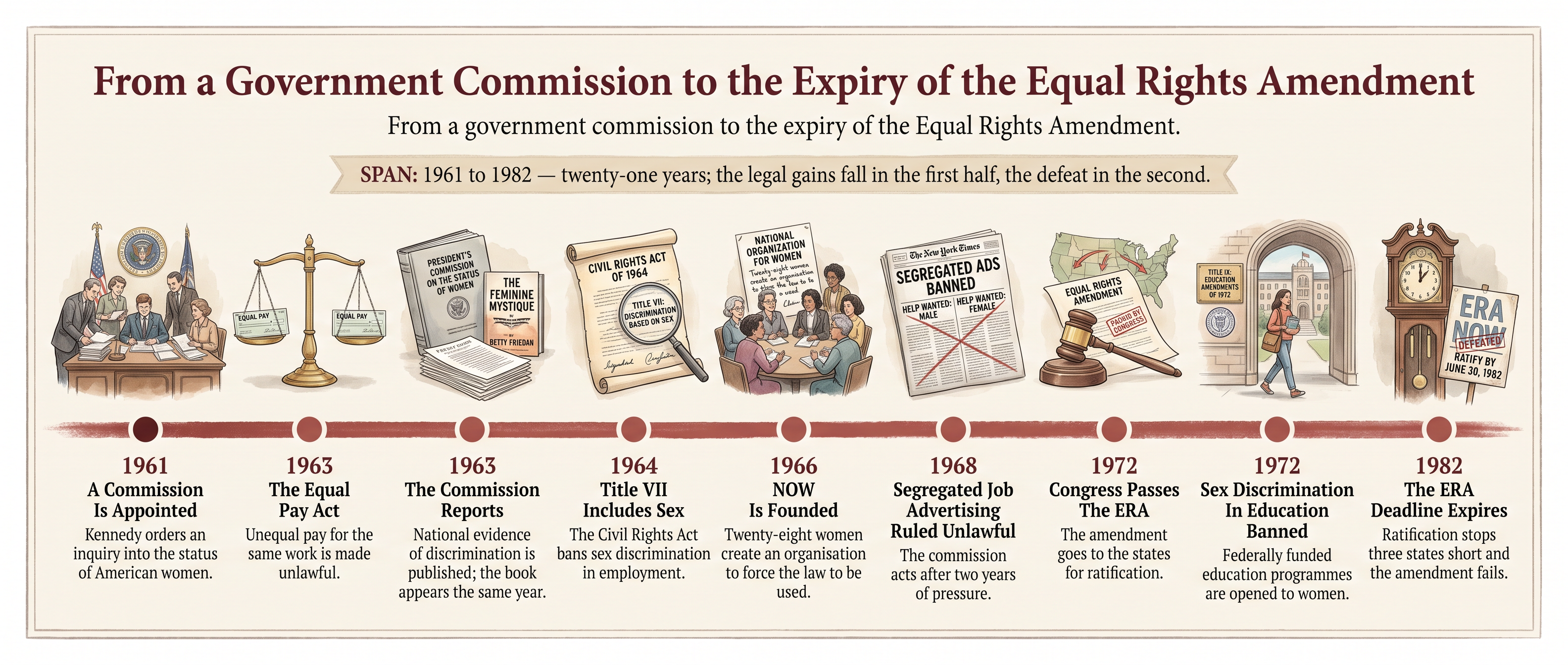
Fig. 10.13 – The Second Wave, 1961 To 1982.
10.12 Summary
The Campaign For Equal Rights In The USA
- Segregation in the American South was a working legal system, not a leftover: state statutes separated schools, transport and public space, and the ‘separate but equal’ doctrine gave the courts a reason to allow it.
- The four barriers — the vote, the school, public space and the job — held each other up. Citizens who could not vote could not remove the officials who ran the schools that were meant to teach them to pass the literacy test.
- The federal government began to move after 1945 for mixed reasons: conscience, wasted talent, rising black organisation, and above all the embarrassment of preaching freedom to the world during the Cold War while denying it at home.
- Court rulings and the Acts of 1957 and 1960 changed the law and almost nothing else. Little Rock showed both that a state could not openly defy the Supreme Court and that compliance had to be forced school by school.
- The mass movement grew where black Americans had some independence — northern cities, a black middle class, and above all the churches, the one large institution black communities controlled themselves.
- Montgomery established the pattern: a boycott made segregation expensive, a court case made it unlawful, and the two together did what neither could do alone.
- Sit-ins and Freedom Rides worked by making the violence of segregation public. The photograph was the weapon, which is why the campaign moved to places where reporters would follow.
- King’s contribution was a method, argued for until a mass of people accepted it: open disobedience, punishment accepted, no retaliation — moral in its reasoning and realistic about the odds against an armed state.
- The Acts of 1964, 1965 and 1968 ended legal segregation, restored the vote and reached housing. They did not touch the poverty of the northern cities, which is why Black Power and the riots arose while the laws were being passed.
The Anti-Apartheid Movement In South Africa
- Apartheid differed from American segregation in arithmetic and in method: a minority ruled a majority, and it did so by registering every person by race and then controlling where they could live, work and travel.
- Classification came first because everything else followed from it. The pass turned an African adult’s presence in a town into a permission that an employer renewed each month.
- Opposition faced a closed system: no vote, no friendly court, no lawful protest once the ANC was banned. The Defiance Campaign, the Freedom Charter and the anti-pass march were attempts to work within it.
- The Freedom Charter defined the movement’s aim as a shared country rather than black rule, and demanded wages, hours and hospitals alongside the vote.
- Sharpeville closed the last lawful door. The banning of the ANC in 1960 is what produced the armed wing in 1961, and the sequence matters more than either event alone.
- Mandela’s importance lay in three decisions: to take up sabotage when protest was outlawed, to refuse conditional release in 1985, and after 1990 to insist on majority rule and on a secure place for white South Africans at the same time.
- Apartheid ended when holding it became more expensive than giving it up: recession, the debt crisis of 1985, sanctions, ungovernable townships, and the loss of the Afrikaner church’s blessing.
- Botha reformed the system to save it and refused the one demand that mattered. De Klerk concluded that it could not be saved and negotiated while his side still had something to trade.
- The election of 1994 settled political rights completely and settled land, wages and schooling not at all.
The Second Wave Feminist Movement In The USA
- The second wave arose from three things arriving together: a government report that documented discrimination nationally, a book that named it for a mass readership, and a generation of women trained inside the civil rights movement.
- The Presidential Commission mattered twice over — for its evidence, and for the network of state commissions that put thousands of organised women in touch with one another.
- Friedan’s argument was that a shared social condition was being experienced privately as personal failure. Its limit was that it described comfortable white suburban women, while poorer women had always worked.
- The Equal Pay Act reached only equal work in the same establishment, so it could not touch the real cause of the gap: the sorting of women into low-paid work where no man’s wage stood beside theirs for comparison.
- Title VII of the Civil Rights Act of 1964 was far wider, and the word ‘sex’ in it was inserted by an opponent of the bill. Women’s organisations kept it there.
- NOW was founded in 1966 because the agency charged with enforcing that clause would not use it. A right that nobody will enforce requires an organisation, not another statute.
- The ERA passed Congress in 1972 and failed in the states, stopped three short of ratification by an organised campaign led largely by conservative women.
- Measured by its last campaign the wave lost; measured across twenty years it transformed what the law permitted, what services existed, and what could be said in public about women’s work.
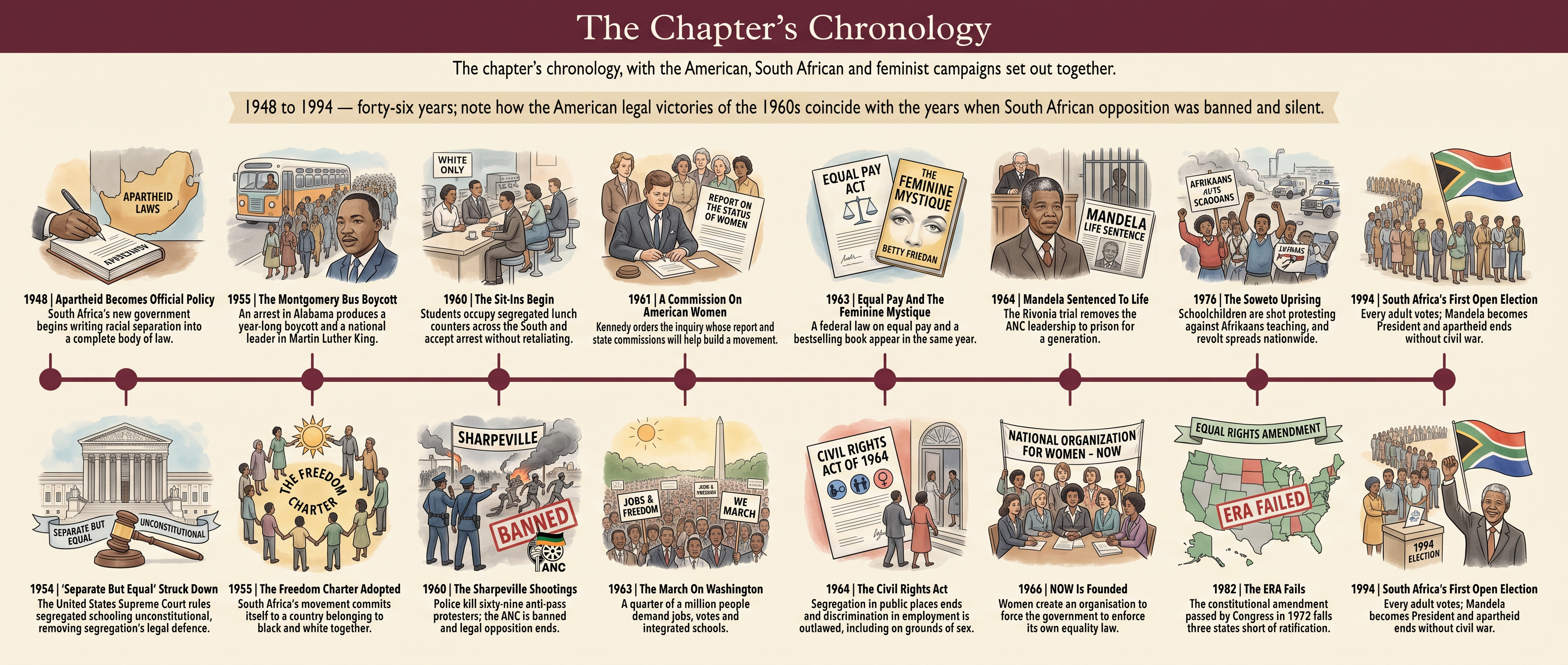
Fig. 10.14 – Three Movements, 1948 To 1994.
What The Evidence Cannot Tell Us
Most of what survives from these forty-six years was produced by institutions: statute books, court judgments, police records, commission reports and the newspapers of the day. Each was made for a purpose, and each records what its makers found worth recording.
That shapes the picture in a particular direction. We can count arrests at Sharpeville and pass prosecutions in Johannesburg, but the archive of the apartheid state was built to register control, not the lives it controlled. We can quote the Freedom Charter and Title VII, but a document tells us what leaders and legislators wanted on the record, not what the people in the crowd believed.
The largest silence is the ordinary participant. The woman who walked nine miles to work rather than pay a raised fare, the student who took a seat at a counter and was never photographed, the typist who never filed her complaint — they appear in the sources as numbers, if they appear at all. A history assembled from official papers will always know the leaders better than the movement.
10.13 Recall And Explanation
The chapter describes four barriers that kept black Americans unequal in the 1950s: the vote, the school, public space and the job. Explain briefly how each one worked, and then show how any two of them held each other up.
Why did classification come first in the apartheid system? Explain what followed from the group a person was registered in, using the pass laws as your example.
Set out, in order, the steps that led from the Sharpeville shootings of 1960 to the ANC’s decision to form an armed wing in 1961. Explain why the banning of the organisation was the decisive step in that chain.
10.14 Working With The Evidence
Read Source 10.2, the Freedom Charter. What does its opening claim commit the movement to, and how does that commitment compare with the aims of the campaign for equal rights in the United States? State one thing the extract cannot tell you.
Look at Fig. 10.11, the newspaper advertisement page. What does a page printed in this form show about attitudes to women’s work in the early 1960s? What can it not tell you about the women who read it?
Using Map 10.3, describe how land was divided between the racial groups in South Africa under apartheid. Explain why a map of this kind cannot show the most important consequence of that division.
Read Source 10.1 and Source 10.4 together. Both are official texts that create a right. Using the chapter’s account of what happened after each, explain why a statute or a judgment is only the beginning of a change.
10.15 Judgement
Segregation in the southern United States and apartheid in South Africa were both systems of racial separation enforced by law. Explain two ways in which apartheid went further, and one way in which the position of those resisting it was harder.
The chapter gives two readings of why the American federal government began to move against racial discrimination after 1945 — one resting on conscience and domestic pressure, the other on the Cold War. Set out both, and argue for the one you find more convincing, using evidence from the chapter.
‘The second wave feminist movement failed, because the campaign it cared about most was defeated in 1982.’ How far do you agree? Use the chapter’s account of what had and had not changed in American women’s position by the early 1980s.