Chapter 5: Security In The Contemporary World
In 1994, the United Nations Development Programme picked a quarrel with a single word. The UNDP is the UN agency that studies how people actually live, and every year it publishes a report called the Human Development Report. That year, the report turned its attention to the word ‘security’.
For most of the twentieth century, security had meant something fairly definite. It meant borders, armies, missiles, alliances and the fear of invasion. It was the business of governments, generals and a small circle of experts. A country was said to be secure when no other country could successfully attack it.
The 1994 report said that this way of using the word had left something out — and that what it left out was most people. Security, it argued, had for too long been interpreted narrowly. It had been tied to nation states rather than to the men and women who live inside them. The legitimate concerns of ordinary people, seeking security in their daily lives, had been forgotten.
That was not a small correction. It was a claim about who a country’s security is finally for. If a state can be safe while its people are hungry, sick, displaced or afraid, then the old definition was measuring the wrong thing. And if that is true, then the question ‘is our country secure?’ can no longer be answered by counting soldiers.
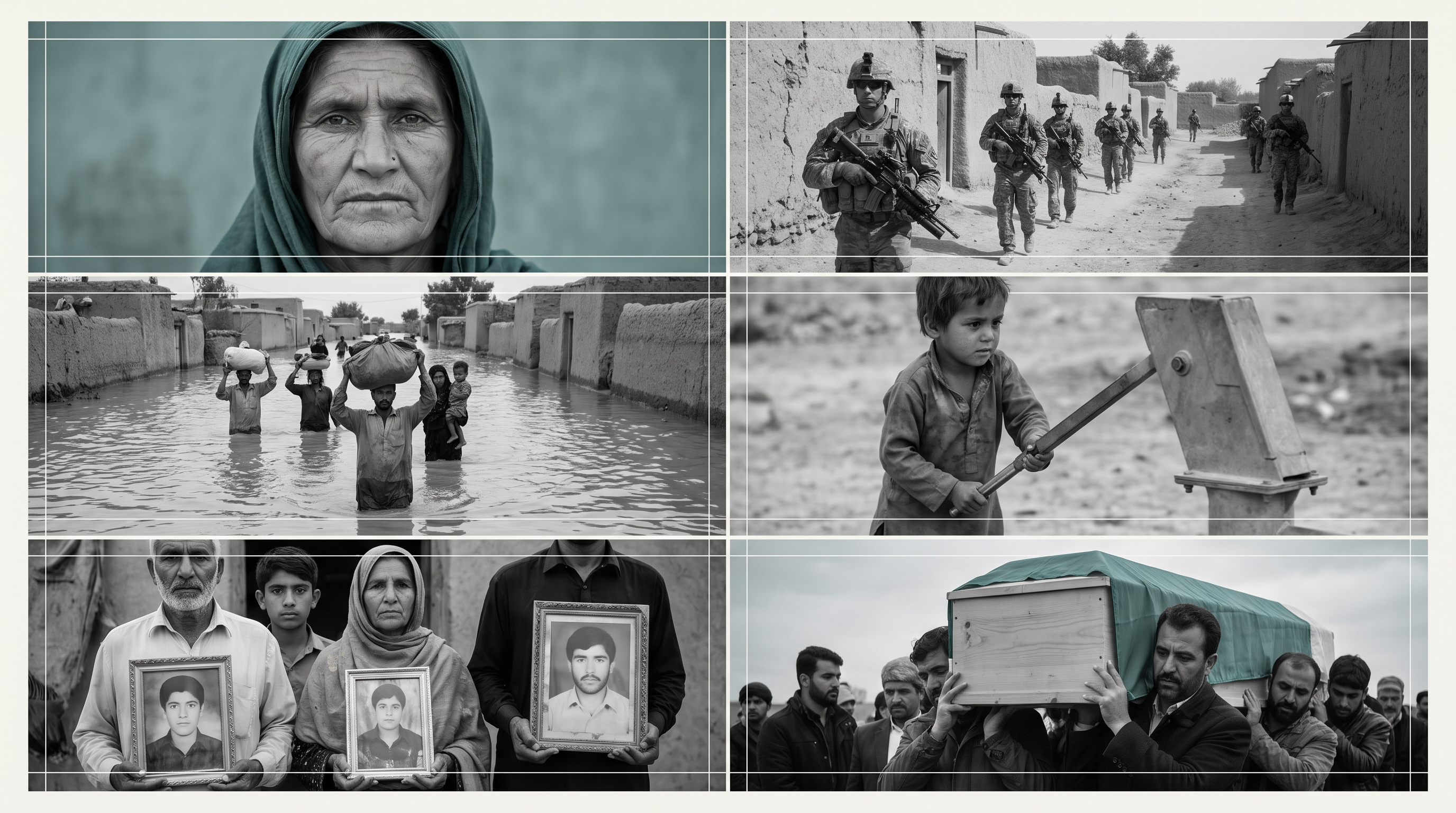
Fig. 5.0 – Various forms of human security threats.
5.1 Overview
Open any newspaper report on world politics and two words will meet you almost at once: ‘security’ and ‘national security’. They are used constantly. They are rarely explained. Most of us have never been asked to say what we think they mean.
A Word That Ends Arguments
Notice what these words do in an argument. When someone says that an issue is a security issue, and that it is vital for the well-being of the country, a door tends to close. The implication is that the matter is too important, or too secret, to be debated and discussed openly.
This is not an accident of language. It is one of the things the word is used for. A claim about security can end a discussion that a claim about anything else would only begin. Films encourage the same impression: everything surrounding ‘national security’ is shown as shadowy, dangerous and hidden, handled by people who cannot tell us what they are doing or why.
The result is a strange idea, and one worth resisting — that security is not the business of the ordinary citizen at all. In a democracy, surely this cannot be the case. Democracy rests on the claim that the people are the final source of a government’s authority, and that those who exercise power must be able to explain themselves to those over whom it is exercised. A citizen who may not ask what security means, or who decides it, is a citizen only in name.
What This Chapter Will Do
So, as citizens of a democracy, we need to know more about the term. What exactly is security? And what are India’s own security concerns?
This chapter debates these questions rather than settling them by decree. It introduces two different ways of looking at security — which it will call the traditional and the non-traditional conceptions. And it insists throughout on something easy to forget: that the context and the situation you are standing in largely determine what looks like security to you, and what looks like a threat.
5.2 What Is Security?
At its most basic, security implies freedom from threats. That is a good place to begin — and it is also where the difficulties begin.
Human existence is full of threats, and so is the life of a country. Does that mean that every single threat counts as a security threat? Every time a person steps out of the house, there is some degree of threat to their existence and their way of life. If we took such a broad view of what is threatening, our world would be saturated with security issues. Nothing would be left outside the category, and a category that contains everything explains nothing.
Threats To Core Values
Those who study security therefore narrow it down. They generally say that only those things which threaten core values should count as matters of security. Core values are the things a society holds so fundamental that it is not prepared to bargain them away — its independence, its way of life, the safety of its people.
That sounds tidy until you ask the obvious question: whose core values? The core values of the country as a whole? Or the core values of ordinary women and men in the street? Do governments, acting on behalf of citizens, always have the same notion of core values as the ordinary citizen does?
The question is not merely academic, and a student is entitled to press it. Who decides about my security — some leaders and some experts? Can I not decide what my security is? Hold on to that question. Almost every argument in this chapter is, at bottom, an argument about who gets to answer it.
How Big Must A Threat Be?
There is a second question, about intensity. When we speak of threats to core values, how intense should the threat be? There are big and small threats to virtually every value we hold dear. Can all of them be brought into the understanding of security?
Consider what happens if we say yes. Every time another country does something, or fails to do something, this may damage the core values of one’s own country. Every time a person is robbed in the street, the security of ordinary people as they live their daily lives is harmed. Both are real harms. But we would be paralysed if we took such an extensive view: everywhere we looked, the world would be full of dangers, and a government trying to guard against all of them would guard against none of them properly.
So we are brought to a conclusion. Security relates only to extremely dangerous threats — threats that could so endanger core values that those values would be damaged beyond repair if we did not do something to deal with the situation. The test is not ‘does this hurt?’ but ‘would this destroy something we could not rebuild?’
A Slippery Idea
Having said that, we must admit that security remains a slippery idea. Have societies always had the same conception of security? It would be surprising if they did, because so many things change in the world around us — weapons, borders, trade, disease, who is strong and who is weak.
And at any given moment in world history, do all societies share one conception of security? It would be amazing if 650 crore people, organised in nearly 200 countries, had the same conception of security. A landlocked country and an island, a rich state and a poor one, a government and a farmer, will not fear the same things.
That is why the chapter now sorts the various notions of security into two groups: the traditional and the non-traditional conceptions. They differ over almost everything — over who is to be secured, from what, and by what means.
Reading The Cartoonist’s Doubt
The chapter opens its argument with a cartoon that puts a hard question to the whole idea of securing peace by force.
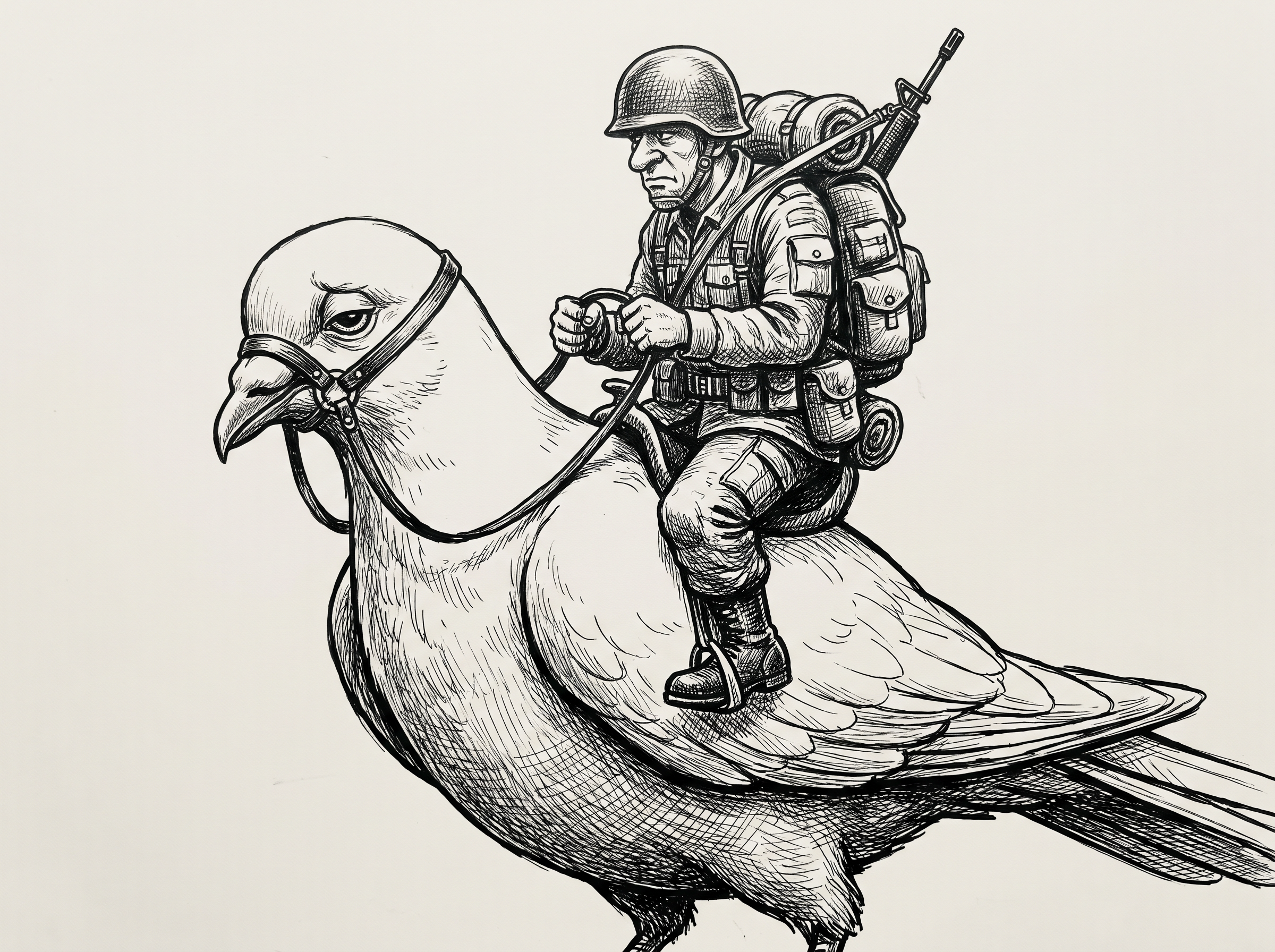
Fig. 5.1 – Taming peace. Inspiration: Ares.
A peacekeeping force is a body of armed soldiers, usually sent under the authority of the United Nations, to stand between sides that have been fighting and to hold them apart. The cartoonist has taken that idea and drawn it out to its uncomfortable edge. The dove is the oldest symbol of peace there is. Here it is bridled, saddled and ridden by a soldier. Peace is not walking free; peace is being driven.
The exaggeration carries the argument. Put a bridle on a dove and you have not protected peace — you have tamed it, made it obey, made it march. The cartoonist is asking whether peace kept by armed men is still peace, or whether the term ‘peacekeeping force’ quietly joins two things that pull against each other.
And here is the limit of the evidence, which is worth learning now because we shall use it on every cartoon and every source in this book. A cartoon makes one claim, in one image, and it cannot draw the reply. This one cannot show us the massacre that a peacekeeping force prevented, or the truce it held together, or what the same street looked like before the soldiers arrived. It sharpens a doubt; it does not settle a question. Preserving it is not agreeing with it.
5.3 Traditional Notions: External
Most of the time, when we read and hear about security, we are talking about traditional, national security conceptions of security. This is the older view, and still the one that governments reach for first.
In the traditional conception, the greatest danger to a country is from military threats. The source of this danger is another country, which by threatening military action endangers three core values: sovereignty, which is a state’s supreme authority to rule itself without taking orders from outside; independence; and territorial integrity, which is the claim that a country’s territory may not be seized or carved up by anyone else.
Who Actually Gets Hurt
Military action does not only endanger governments. It endangers the lives of ordinary citizens. It is unlikely that in a war only soldiers will be hurt or killed. Quite often, ordinary men and women are made targets of war, precisely in order to break their support for the war.
That is worth pausing on. If a population can be frightened or exhausted into wanting the fighting to stop, the enemy government’s ability to keep fighting is weakened. Civilians are attacked, in other words, not by accident but as a strategy.
Which invites the doubt a student may already have formed. War is all about insecurity, destruction and death. How, then, can a war make anyone secure? The traditional answer is not that war is good, but that the capacity to fight one is what keeps a stronger neighbour from starting one. Whether that answer works is a question this chapter will keep returning to.
The cartoonist below has a blunter reply to give.
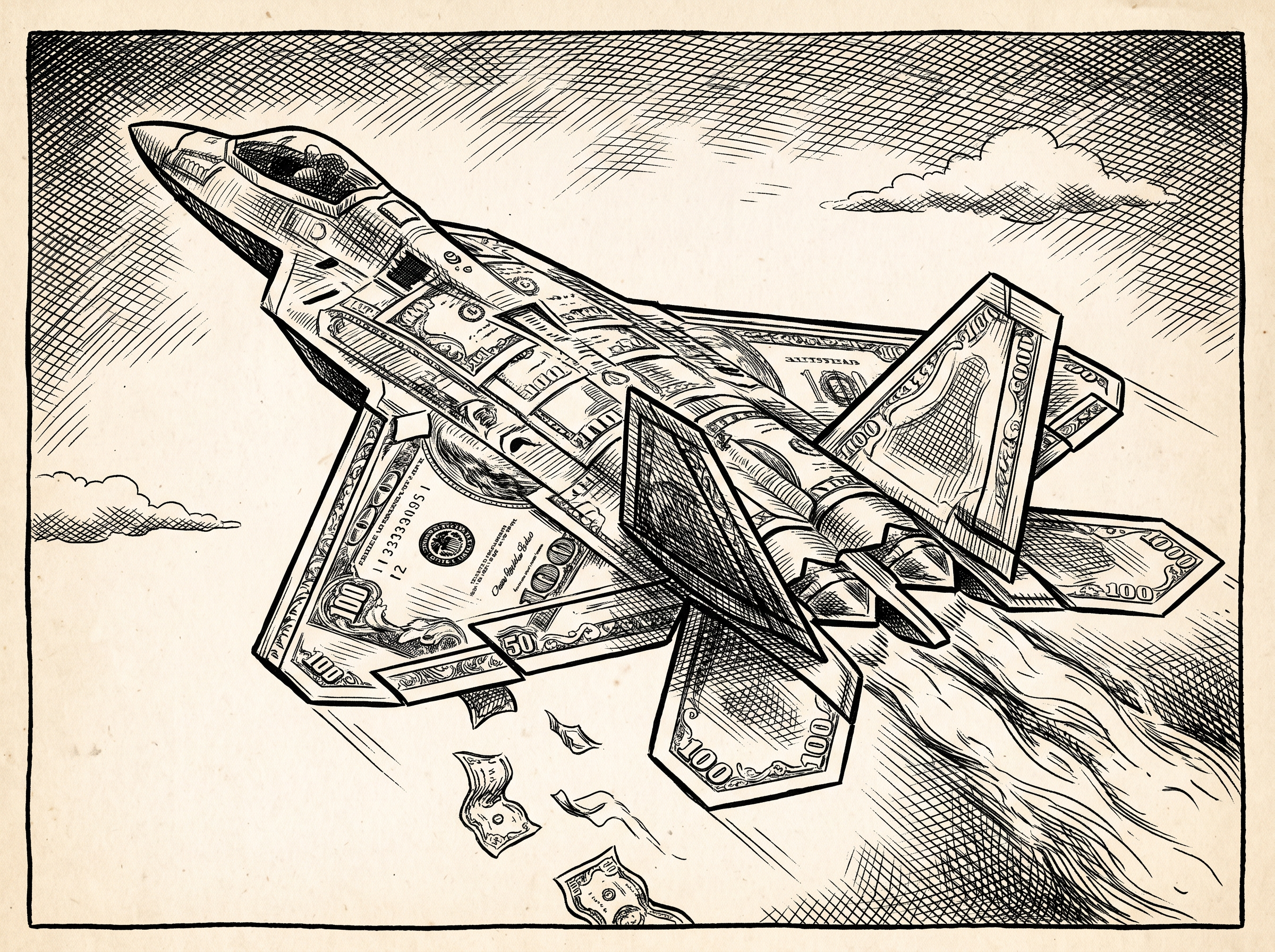
Fig. 5.2 – The economy of war. Inspiration: Ares.
The aircraft is not made of metal. It is made of money. Every rivet of it is a note that a government collected from its citizens and chose to spend this way rather than another. The cartoonist’s claim is that military strength is, in the end, a budget — and a budget is a set of choices about what a country will not buy.
The limit, again, is real. The drawing gives no figures. It cannot tell us how much any country spends, what it bought, or whether the spending deterred an attack that would otherwise have come. It presses a question about cost; it settles nothing about consequence.
Three Choices When War Threatens
In responding to the threat of war, a government has three basic choices.
The first is to surrender. The second is to prevent the other side from attacking, by promising to raise the costs of war to a level the attacker will find unacceptable. The third is to defend itself when war actually breaks out — to deny the attacking country its objectives, and to turn back or defeat the attacking forces altogether.
Notice something odd about the first choice. Governments may well choose to surrender when actually confronted by war. But they will never advertise surrender as the policy of the country, because a country known in advance to be willing to give in has already invited the attack. Surrender is a thing that happens; it is never a thing that is announced beforehand.
That leaves two things a security policy can openly do. Preventing war is called deterrence — persuading the other side that attacking will cost more than it is worth. Limiting or ending a war once it has begun is called defence. The sequence of choices is set out in Fig. 5.3.
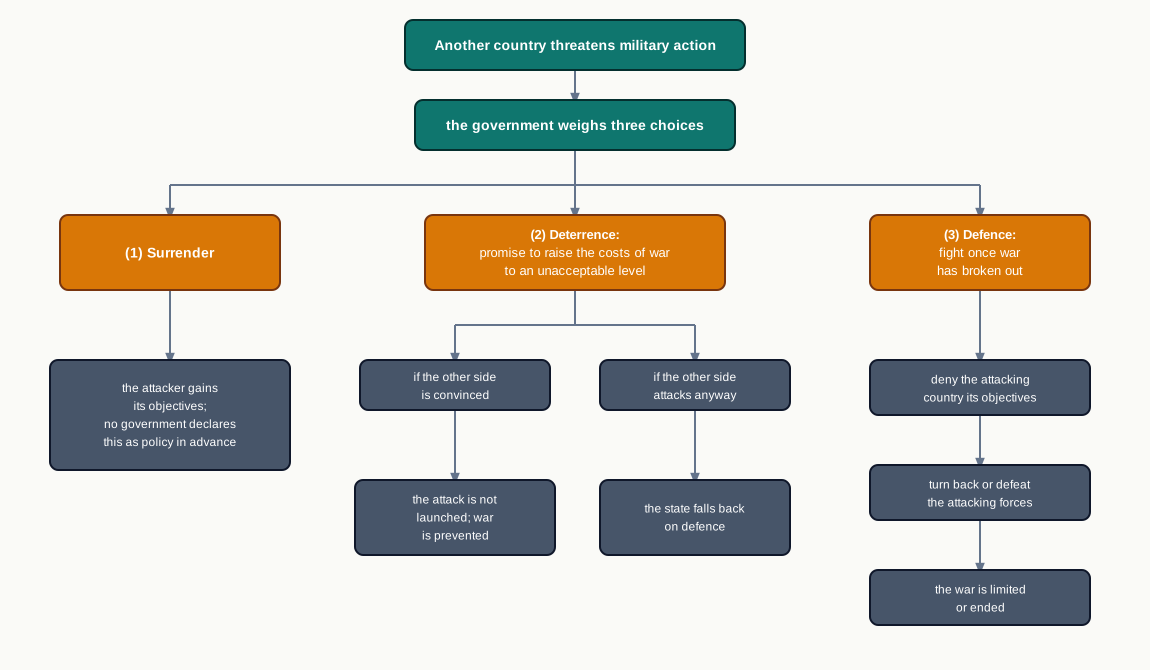
Fig. 5.3 – The three basic choices when facing a military threat.
Balance Of Power
Traditional security policy has a third component, called balance of power. When countries look around them, they see that some countries are bigger and stronger than others. That, by itself, is a clue to who might be a threat in the future.
The reasoning is uncomfortable but simple. A neighbouring country may never say that it is preparing for an attack. There may be no obvious reason for it to attack at all. But the fact that this country is very powerful is a sign that at some point in the future it may choose to be aggressive. Capability, not stated intention, is what governments watch — because intentions can change overnight and capabilities cannot.
Governments are therefore very sensitive to the balance of power between their country and other countries. They work hard to maintain a favourable balance, especially with those close by, those with whom they have differences, and those with whom they have had conflicts in the past.
A good part of maintaining a balance of power is to build up one’s military power. But economic and technological power matter too, because they are the basis of military power. A country that cannot pay for weapons, or design them, cannot have them for long.
Alliances
A fourth and related component of traditional security policy is alliance building. An alliance is a coalition of states that coordinate their actions to deter or defend against military attack. Most alliances are formalised in written treaties, and they rest on a fairly clear identification of who exactly the threat is.
The purpose is arithmetic. Countries form alliances to increase their effective power relative to another country or another alliance. Two states acting together are harder to attack than either alone.
But alliances are built on national interests — and national interests change. When they do, the alliance changes with them. The chapter gives a hard example. The United States backed the Islamic militants in Afghanistan against the Soviet Union in the 1980s. Later it attacked those same militants, when Al Qaeda — a group of Islamic militants led by Osama bin Laden — launched terrorist strikes against America on 11 September 2001. The partner of one decade was the target of the next.
Why Threats Come From Outside
In the traditional view of security, then, most threats to a country’s security come from outside its borders. There is a reason for that, and it is structural rather than accidental.
The international system is a rather brutal arena in which there is no central authority capable of controlling behaviour. Compare it with the inside of a country. Within a country, the threat of violence is regulated by an acknowledged central authority — the government, which makes law, and can enforce it against anyone who breaks it.
In world politics there is no such acknowledged central authority standing above everyone else. It is tempting to think that the United Nations is that authority, or could become one. But as presently constituted, the UN is a creature of its members. It has authority only to the extent that the membership allows it to have authority and obeys it. It has no police force of its own to send against a state that ignores it.
So, in world politics, each country has to be responsible for its own security. That single sentence is the foundation on which balance of power, alliances, deterrence and defence are all built.
Reading The Nuclear Powers Club
The next cartoon takes that world of self-help and asks who is allowed to play in it.
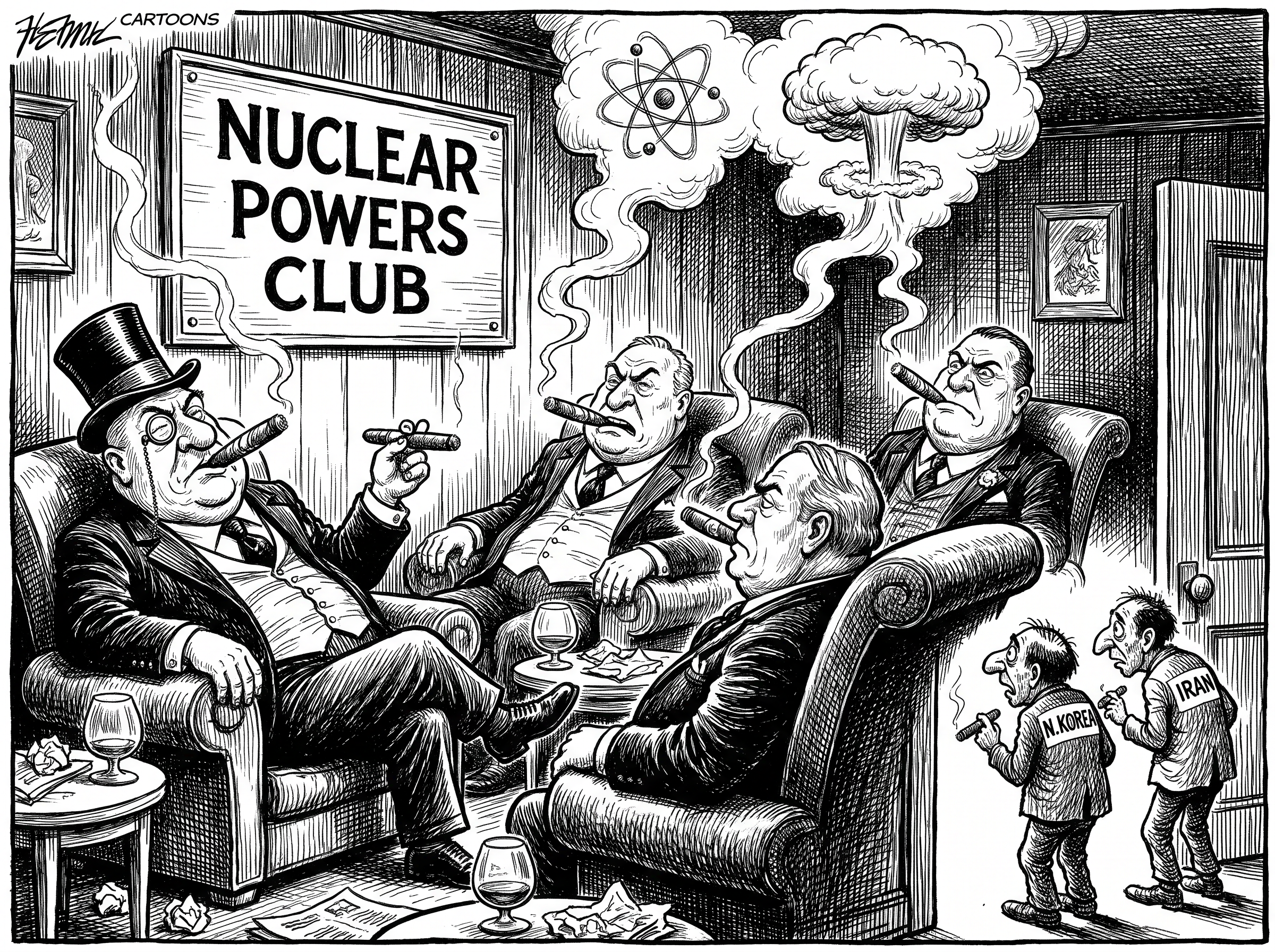
Fig. 5.4 – Receiving newcomers to the nuclear club. Inspiration: Christo Komarnitski.
Read the drawing carefully. The men in the armchairs are drawn as members of a club — comfortable, established, entitled to be there. The newcomers are drawn small, and they are labelled, because the cartoonist wants you to know exactly who is being kept standing. The cigars are the joke that carries the argument: the newcomers are doing precisely what the members are doing, and are treated as intruders for it.
The claim, then, is about a double standard. Those who already hold the most dangerous weapons on earth are the same people who decide who else may hold them. The cartoon does not say the newcomers should have nuclear weapons. It asks by what right the club rules on the question.
And its limit is severe. A cartoon can allege hypocrisy; it cannot weigh consequences. It cannot tell us whether a world with more nuclear-armed states would be safer or more dangerous, whether the members’ records are in fact different from the newcomers’, or what any of these governments have actually done. It hands you a question, and the question is the one printed under it: on what basis do we decide that some countries can be trusted with such weapons and others cannot?
5.4 Traditional Notions: Internal
By now you will have asked yourself an obvious question. Does not security depend on internal peace and order? How can a society be secure if there is violence, or the threat of violence, inside its borders? And how can it prepare to face violence from outside its borders if it is not secure inside them?
Traditional security must, therefore, concern itself with internal security as well — the safety of a country from violence arising within its own territory. The two halves are not separable. An army cannot hold a frontier while the country behind it is coming apart.
Why Internal Security Was Neglected
If that is so obvious, why did traditional security thinking give internal security so little importance? The answer lies in the context, and this is the second time in this chapter that context has done the work.
After the Second World War, it seemed that for the most powerful countries on earth internal security was more or less assured. Internal security had certainly been a concern of governments historically. But after 1945 there was a situation in which it simply did not seem to matter as much as it had in the past.
After 1945 the United States and the Soviet Union appeared to be united countries, and could expect peace within their borders. Most European countries, and particularly the powerful Western European ones, faced no serious threats from groups or communities living inside those borders. So these countries focused primarily on threats from outside.
What The Powerful Countries Feared
What, then, were the external threats facing these powerful countries?
The period after the Second World War was the Cold War — the long confrontation in which the US-led Western alliance faced the Soviet-led Communist alliance, without the two ever fighting each other directly. Above all, the two alliances feared a military attack from each other. That single fear organised everything else.
Some European powers had a second worry. They continued to fear violence in their colonies, from colonised people who wanted independence. We have only to remember the French fighting in Vietnam, in South-East Asia, in the 1950s, or the British fighting in Kenya, in East Africa, in the 1950s and the early 1960s. The empire, from the imperial capital’s chair, was an internal security problem.
The sequence set out in Fig. 5.5 shows how quickly these worlds were laid on top of one another.
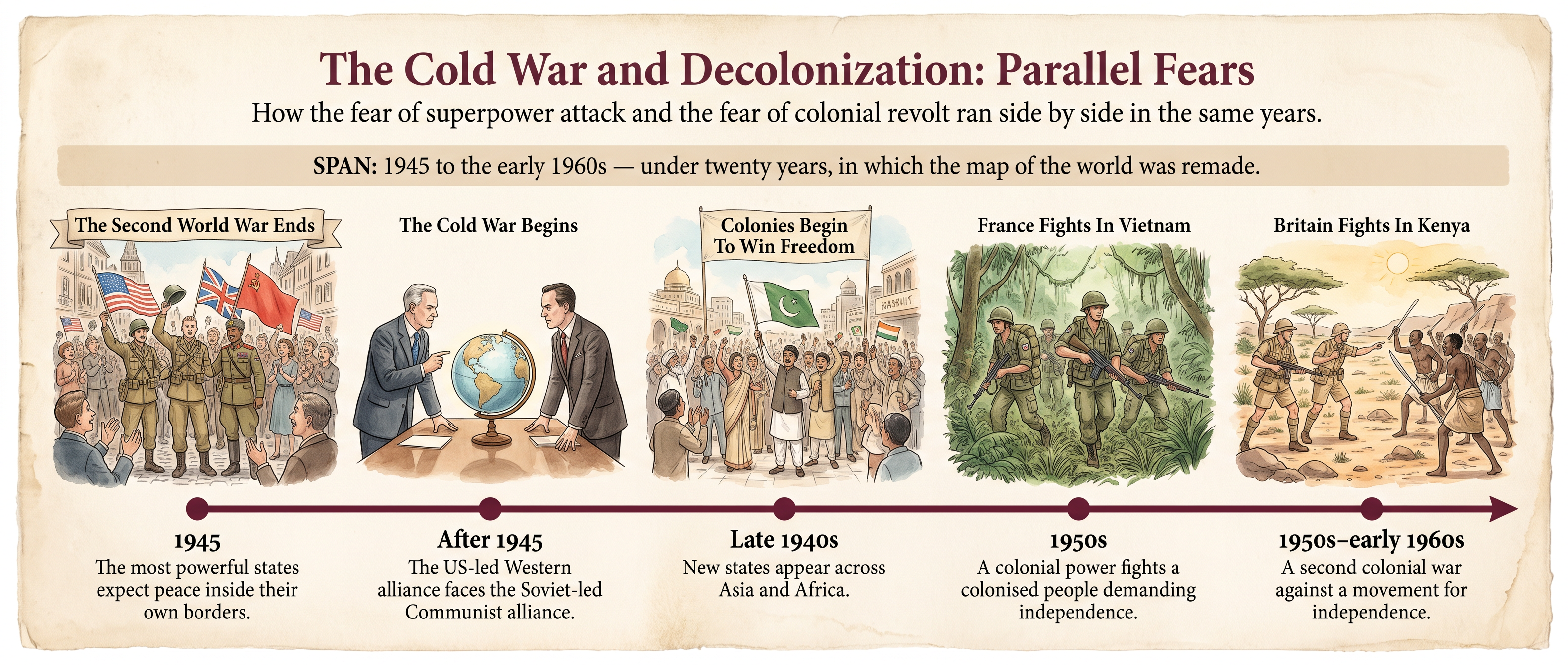
Fig. 5.5 – After 1945: two fears at once.
The New States Inherit The Old Fears
As the colonies became free from the late 1940s onwards, their security concerns were often similar to those of the European powers. Freedom did not deliver safety.
Some of the newly-independent countries, like the European powers, became members of the Cold War alliances. They therefore had to worry that the Cold War might become a hot war and drag them into hostilities — against neighbours who might have joined the other side, against the leaders of the alliances themselves (the United States or the Soviet Union), or against any of the other partners of those two.
This was not an imagined danger. The Cold War between the two superpowers was responsible for approximately one-third of all wars in the post-Second World War period. And most of those wars were fought in the Third World — the newly-independent and poorer countries of Asia, Africa and Latin America, lying outside the two rich blocs. The superpowers avoided fighting each other. They did not avoid fighting.
There was a further fear, and it ran in the opposite direction to the European one. Just as the European colonial powers had feared violence in the colonies, some colonial people feared, after independence, that they might be attacked by their former colonial rulers in Europe. They had to prepare to defend themselves against an imperial war.
Two Ways The New States Were Different
The security challenges facing the newly-independent countries of Asia and Africa differed from the challenges in Europe in two ways.
For one thing, the new countries faced the prospect of military conflict with neighbouring countries. For another, they had to worry about internal military conflict. They faced threats not only from outside their borders — mostly from neighbours — but also from within.
The first of these produced a result worth noticing. Many newly-independent countries came to fear their neighbours even more than they feared the United States, or the Soviet Union, or the former colonial powers. The superpower was far away and its quarrel was with the other superpower. The neighbour was next door, and the quarrel was over things that could be counted: borders and territories, or control of people and populations, or all of these at once.
Internally, the new states worried about separatist movements — organised groups seeking to break away from an existing country and form an independent one of their own.
And sometimes the external and internal threats merged into a single problem. A neighbour might help or instigate an internal separatist movement, which then produced tension between the two neighbouring countries. What began as a dispute inside one country became a dispute between two.
Here it is worth taking seriously a thought a student may already have had: that those who fight against their own country must be unhappy about something, and that perhaps it is their own insecurity that creates insecurity for the country. It is not an idle suggestion, and this chapter will come back to it — because a government that treats a movement only as a military problem may never ask what produced it.
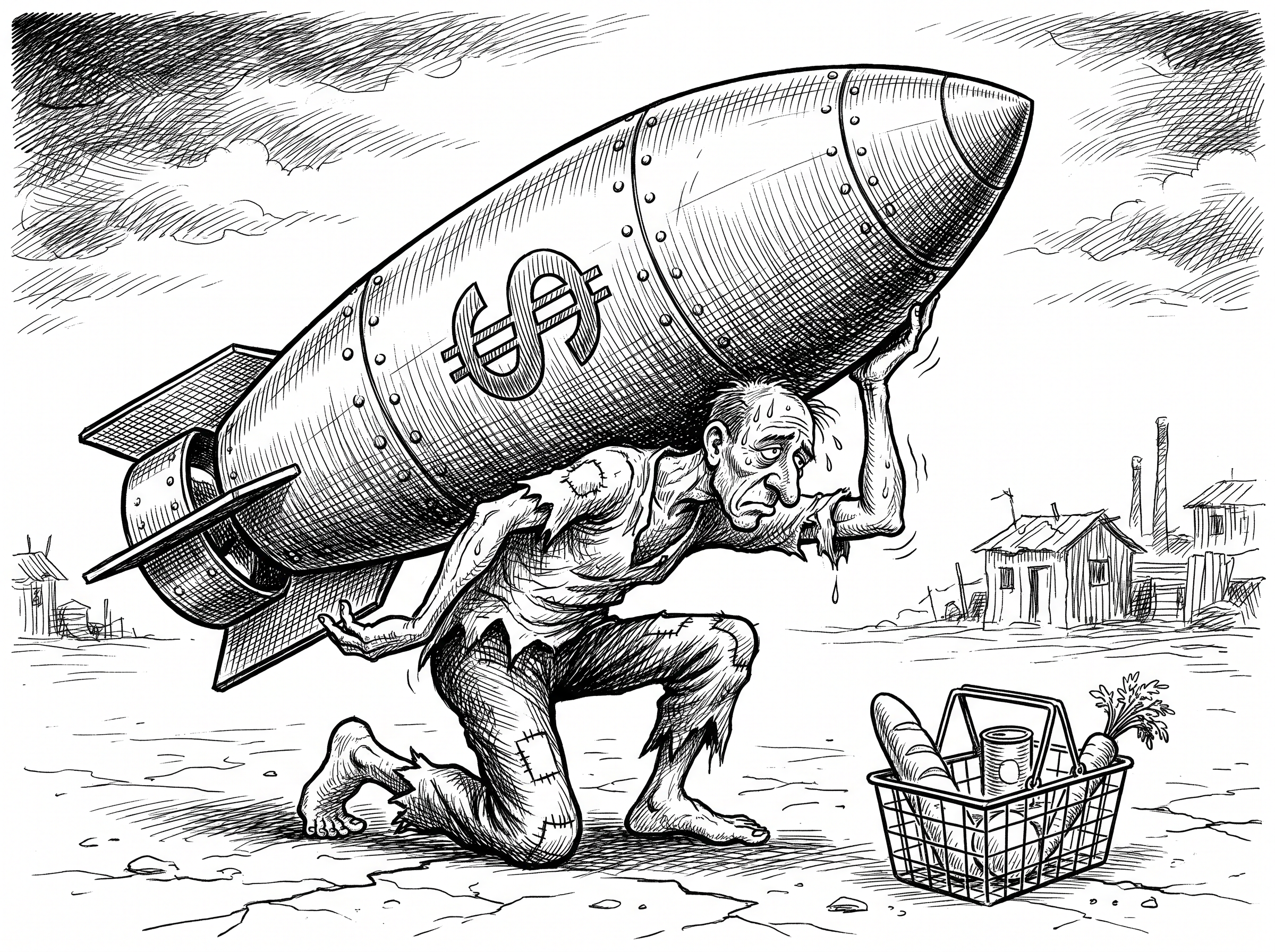
Fig. 5.6 – Third world arms. Inspiration: Ares.
The two objects in the drawing are doing all the work. One is enormous, military, and takes both arms to lift. The other is small, domestic, and holds what a household actually eats. The cartoonist has set the weight of the shell against the emptiness of the basket, and left you to draw the conclusion: that in poor countries the arms are large and the groceries are few.
That is a claim about priorities, and about who pays for them. But hold it to the same limit as before. The drawing names no country, gives no budget and cites no figure. It cannot tell us whether the shell was bought out of fear of a real neighbour or out of vanity, nor what would have happened to that household if the country had bought nothing at all. It is an accusation, powerfully made — not an audit.
Reading The Numbers On Internal War
The chapter now gives two figures, and they deserve to be read slowly rather than memorised.
The first: internal wars now make up more than 95 per cent of all armed conflicts fought anywhere in the world. That is to say, out of every hundred armed conflicts going on, more than ninety-five are being fought inside a country rather than between two countries. The classic picture of war — two national armies meeting across a frontier — has become the rare case.
The second: between 1946 and 1991, there was a twelve-fold rise in the number of civil wars, the greatest jump in 200 years. A civil war is an armed conflict between organised groups within the same country. Twelve-fold means the number at the end of that period was twelve times what it was at the start — not twelve more, but twelve times more.
Now the limit. These numbers count conflicts; they do not explain them. They cannot tell us why civil wars multiplied — whether because new states were weak, or because borders were drawn badly, or because outside powers armed the fighters, or all three. They do not tell us how many people died in each, and they cannot tell us which side in any of these wars had the better case. A count is not a cause, and it is certainly not a verdict.
What the figures do establish is the chapter’s point. For the new states, external wars with neighbours and internal wars together posed a serious challenge to their security. Neither half could be ignored.
Test this against the world you actually live in. Browse through a week’s newspapers, and list every conflict reported anywhere on the globe. Then sort your list into two columns — external conflicts between countries, and internal conflicts inside them. Which column fills up faster?
5.5 Traditional Security And Cooperation
It would be easy to read the last two sections and conclude that traditional security is only about weapons and enemies. That would be a misreading. In traditional security there is also a recognition that cooperation in limiting violence is possible — even between rivals, and even in the middle of a quarrel.
These limits relate both to the ends of war and to the means of war: what a country may fight for, and what it may do while fighting.
Limits On Why And How
On ends, it is now an almost universally-accepted view that countries should only go to war for the right reasons. Primarily, this means self-defence, or protecting other people from genocide — the deliberate killing of a very large number of people belonging to a particular nation, ethnic group or community, with the aim of destroying that group.
On means, war must also be limited in the methods that are used. Armies must avoid killing or hurting non-combatants — people who are not fighting, such as civilians, medical staff and aid workers — as well as unarmed and surrendering combatants. They should not be excessively violent. And force must in any case be used only after all the alternatives have failed.
Notice how much these rules concede. They do not say that war is wrong. They say that a war fought for the wrong reason, or fought in the wrong way, is wrong — which is a claim that only makes sense if some wars are not.
Three Ways Rivals Cooperate
Traditional views of security do not rule out other forms of cooperation either. The most important of these are disarmament, arms control, and confidence building. Each asks something different of a state, and it is worth keeping them apart in your mind.
Disarmament requires all states to give up certain kinds of weapons altogether. The 1972 Biological Weapons Convention (BWC) and the 1997 Chemical Weapons Convention (CWC) banned the production and possession of these weapons. More than 155 states acceded to the BWC — that is, formally joined it — and 193 states acceded to the CWC. Both conventions included all the great powers, which matters, because a ban that the strongest states ignore is not a ban.
Biological and chemical weapons are two of the three kinds of weapons of mass destruction — weapons capable of killing very large numbers of people at once. The third kind is nuclear weapons. And here the record changes sharply. The superpowers — the United States and the Soviet Union — did not want to give up nuclear weapons. So instead of disarmament, they pursued arms control.
Arms control regulates the acquisition or development of weapons. It does not abolish them; it manages them.
The Anti-ballistic Missile (ABM) Treaty in 1972 tried to stop the United States and the Soviet Union from using ballistic missiles as a defensive shield to launch a nuclear attack. A ballistic missile flies high on an arc and falls on its target; an anti-ballistic missile is built to shoot such a missile down. The worry was that a state protected by a good enough shield might believe it could strike first and survive the reply. The treaty did allow both countries to deploy a very limited number of defensive systems, but it stopped them from large-scale production of those systems.
The two countries signed a number of other arms control treaties as well, including the Strategic Arms Limitations Treaty II, or SALT II, and the Strategic Arms Reduction Treaty, or START.
The Bargain Inside The NPT
The Nuclear Non-Proliferation Treaty (NPT) of 1968 was an arms control treaty in the sense that it regulated the acquisition of nuclear weapons. Read its rule carefully, because the whole argument about it is contained in a single date.
Those countries that had tested and manufactured nuclear weapons before 1967 were allowed to keep their weapons. Those that had not done so were to give up the right to acquire them. The NPT did not abolish nuclear weapons. Rather, it limited the number of countries that could have them.
So the treaty divided the world in two by a cut-off year. It did not ask whether a state was peaceful, or democratic, or responsible. It asked only whether it had got there in time.
The agreements named in this section are set out in order in Fig. 5.7. Read the dates against what each treaty was willing to ask of a state, and the pattern is hard to miss.
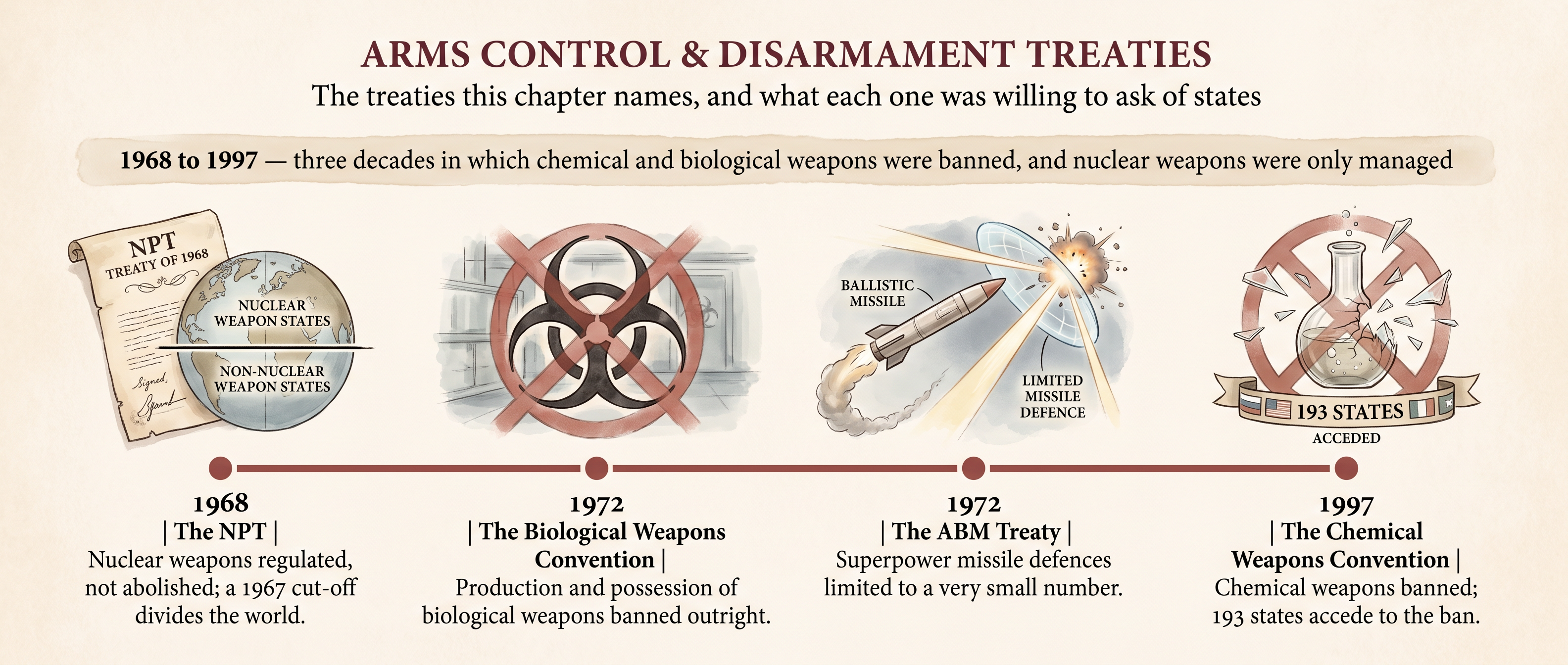
Fig. 5.7 – Treaties that limit weapons.
Confidence Building
Traditional security also accepts confidence building as a means of avoiding violence. It is the least dramatic of the three and, in some ways, the most interesting.
Confidence building is a process in which countries share ideas and information with their rivals. They tell each other about their military intentions and, up to a point, their military plans. This is a way of demonstrating that they are not planning a surprise attack. They also tell each other about the kind of forces they possess, and they may share information on where those forces are deployed.
Why would a state hand such information to an enemy? Because the danger being guarded against is not only aggression. It is error. Confidence building is a process designed to ensure that rivals do not go to war through misunderstanding or misperception — that troop movements meant for an exercise are not read as preparations for an invasion.
The three tools are set side by side in Table 5.A1. Read it only after you have understood the difference in the prose above; the grid is for revising a distinction, not for learning one.
Two Images Of Being Guarded
The chapter now prints two images that ask what all this apparatus feels like from the inside — from the position of the citizen it is supposedly protecting.
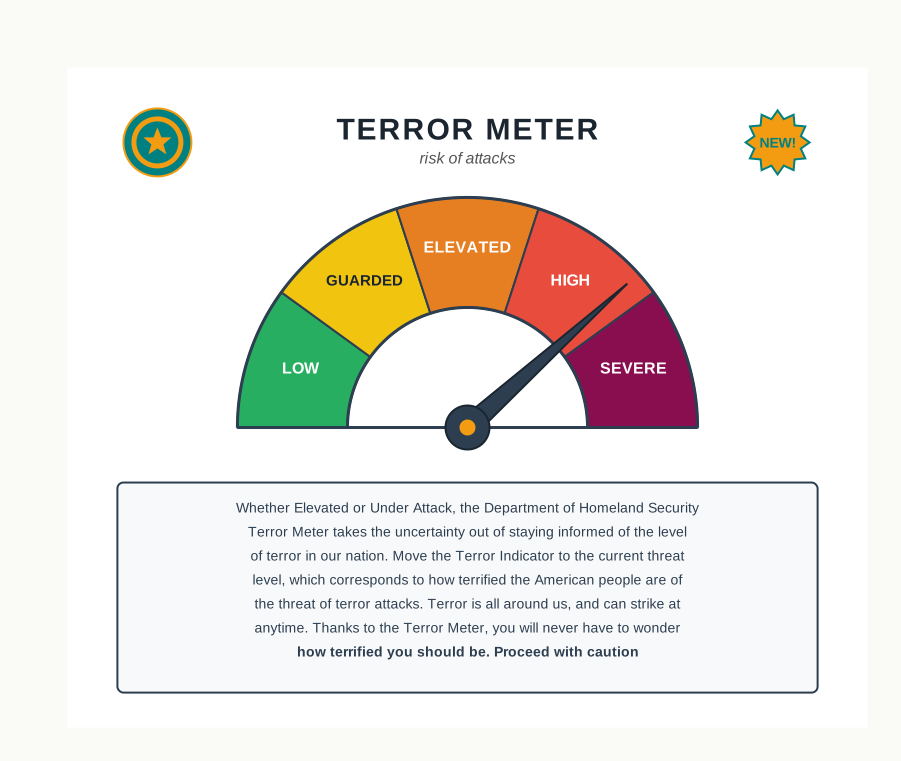
Fig. 5.8 – The Department of Homeland Security Terror Meter.
This is a spoof, and the spoof is aimed at a real thing: a government scale that told citizens, colour by colour, how alarmed to be. The mock advertisement makes its target explicit. It sells the meter as a product that removes uncertainty — not by telling you whether you are safe, but by telling you how terrified you ought to be. Fear, in the joke, has become something an authority issues to you, like a weather report.
The satire lands because it points at a genuine feature of traditional security: the state decides what counts as a threat, and the citizen is asked to accept the reading. But note what the image cannot do. It is a piece of ridicule, not evidence. It does not tell us whether such warnings ever prevented an attack, whether the public found them useful, or what a government is supposed to say when it has partial information about a real danger. It exposes an absurdity; it does not supply the alternative.
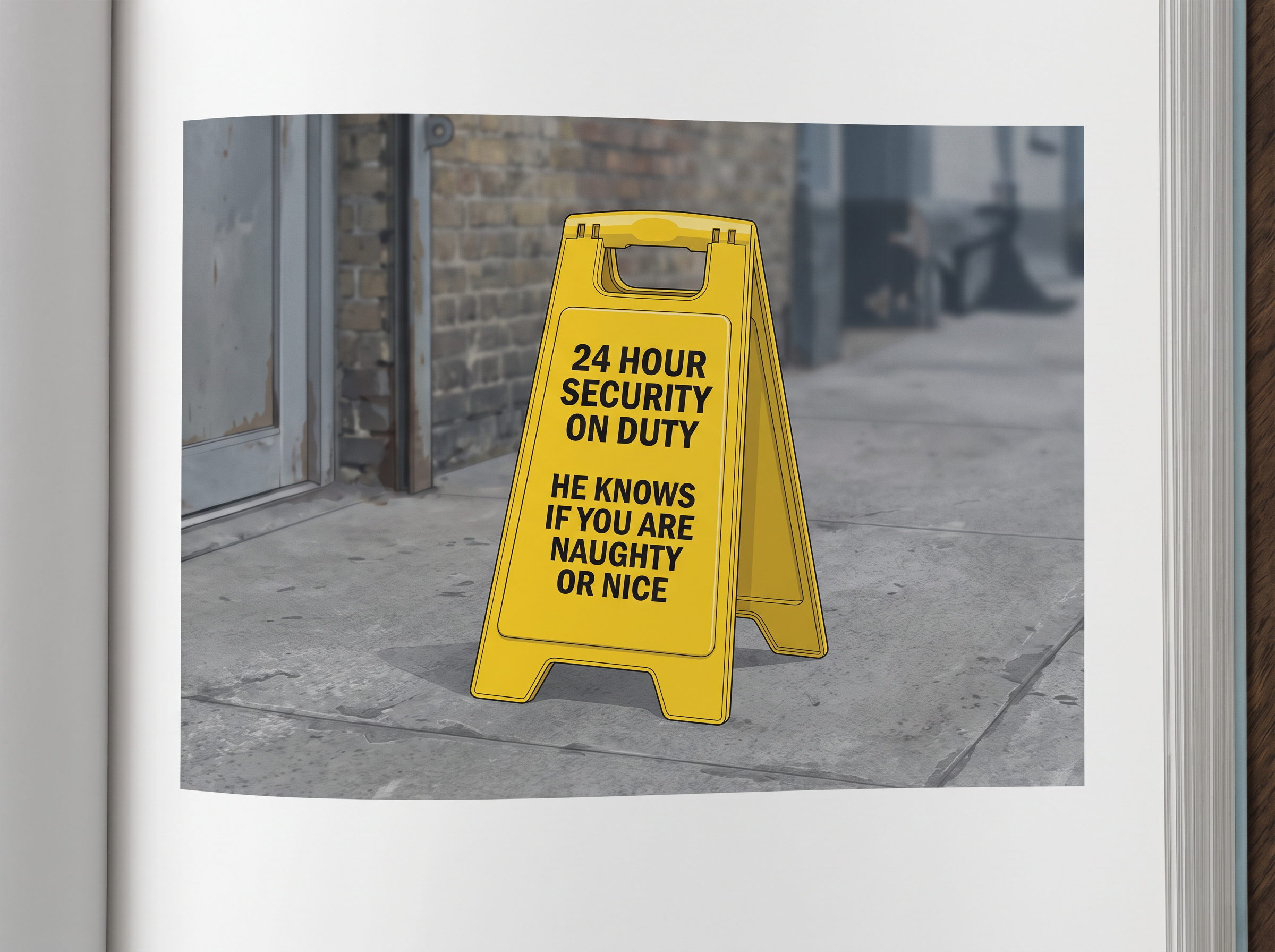
Fig. 5.9 – A private security sign describing surveillance.
The sign is funny for a moment and then it is not. It promises protection around the clock, and in the same breath it promises that someone is watching you closely enough to know what you have been doing. Being guarded and being watched turn out to be the same activity, described twice.
Hold that thought. It is the question the next section will push much harder: security for whom, and from whom.
Where Traditional Security Ends
Overall, traditional conceptions of security are principally concerned with the use, or the threat of use, of military force. That is their subject, and their limit.
The most compact way to put it is this. In traditional security, force is both the principal threat to security and the principal means of achieving security. The thing you fear and the thing you reach for are the same thing.
5.6 Non-Traditional Notions
Non-traditional notions of security go beyond military threats. They include a wide range of threats and dangers affecting the conditions of human existence — the things that determine whether a person can live at all, and live decently.
They begin by questioning the traditional referent of security. In doing so, they end up questioning the other three elements too: what is being secured, from what kinds of threats, and by what approach.
Security For Whom?
When we say referent, we simply mean ‘security for who?’ Every conception of security has an answer to that question, whether or not it says so out loud.
In the traditional conception, the referent is the state — the state with its territory and its governing institutions. That is what is being defended, and it is what the soldiers are for.
In the non-traditional conceptions, the referent is expanded. Ask a proponent of non-traditional security ‘security for who?’ and the reply is: not just the state, but also individuals, or communities, or indeed all of humankind. Non-traditional views of security have accordingly been called human security or global security.
That change of referent sounds like a small technical adjustment. It is not. It changes what counts as a threat, what counts as a success, and who is entitled to complain.
Human Security
Human security is about the protection of people more than the protection of states.
The chapter is careful here, and so should we be. Human security and state security should be — and often are — the same thing. A country that is invaded is a country whose people are killed. Protecting citizens from foreign attack may well be a necessary condition for the security of individuals.
But it is certainly not a sufficient condition. A necessary condition is something you cannot do without; a sufficient condition is something that, by itself, is enough. Defending the border is the first; it is not the second. Secure states do not automatically mean secure peoples.
And then comes the sentence in this chapter that does the most damage to the traditional picture. During the last 100 years, more people have been killed by their own governments than by foreign armies. If that is so, then for a great many people in the last century the most dangerous force in their lives was not the army across the frontier. It was the one that was supposed to be protecting them.
The Narrow And The Broad View
All proponents of human security agree that its primary goal is the protection of individuals. They disagree — sharply — about precisely what threats individuals should be protected from.
Proponents of the ‘narrow’ concept of human security focus on violent threats to individuals. In the words of the former UN Secretary-General Kofi Annan — the Secretary-General being the head of the United Nations’ administration — human security means ‘the protection of communities and individuals from internal violence’. On this view, security keeps its old connection with violence; what changes is who is being protected, not what from.
Proponents of the ‘broad’ concept push further. They argue that the threat agenda should include hunger, disease and natural disasters, because these kill far more people than war, genocide and terrorism combined. If security is about protecting people from what actually destroys them, they say, then it is strange to count the bomb and not the famine. Human security policy should protect people from these threats as well as from violence.
In its broadest formulation, the human security agenda also takes in economic security and ‘threats to human dignity’. Put differently, the broadest version stresses what has been called ‘freedom from want’ and ‘freedom from fear’ — freedom from want meaning freedom from hunger, disease and destitution; freedom from fear meaning freedom from violence and terror.
Global Security
The idea of global security emerged in the 1990s, in response to the global nature of certain threats — global warming, international terrorism, and health epidemics such as AIDS and bird flu.
What makes these threats different is not that they are large. It is that they do not stop at a border, and therefore cannot be handled behind one. No country can resolve these problems alone. A state may defend its frontier perfectly and still find the sea rising over it.
Worse, the burden of a global problem falls unevenly. In some situations one country may have to disproportionately bear the brunt of a problem such as environmental degradation — a problem it may have done very little to cause.
The chapter’s example is worth reading slowly. Due to global warming, a sea level rise of 1.5–2.0 meters would flood 20 percent of Bangladesh, inundate most of the Maldives, and threaten nearly half the population of Thailand. Bangladesh lies on India’s eastern border, much of it low, flat delta land. The Maldives is a chain of low islands in the Indian Ocean, to India’s south-west. Thailand is in South-East Asia. None of the three could be made safe from this by any army.
Read the figures for what they are. A rise of one and a half to two metres is not a prediction with a date attached; it is a statement of what such a rise would do. The numbers tell us how exposed these countries are. They do not tell us when, or how fast, or who will pay for it. Precisely because these problems are global in nature, international cooperation is vital — even though it is difficult to achieve.
A Placard And A Second Meaning
Once the referent moves from the state to the person, the word ‘security’ begins to turn up in places where we had not noticed it. The chapter prints a photograph of a protester who has noticed.
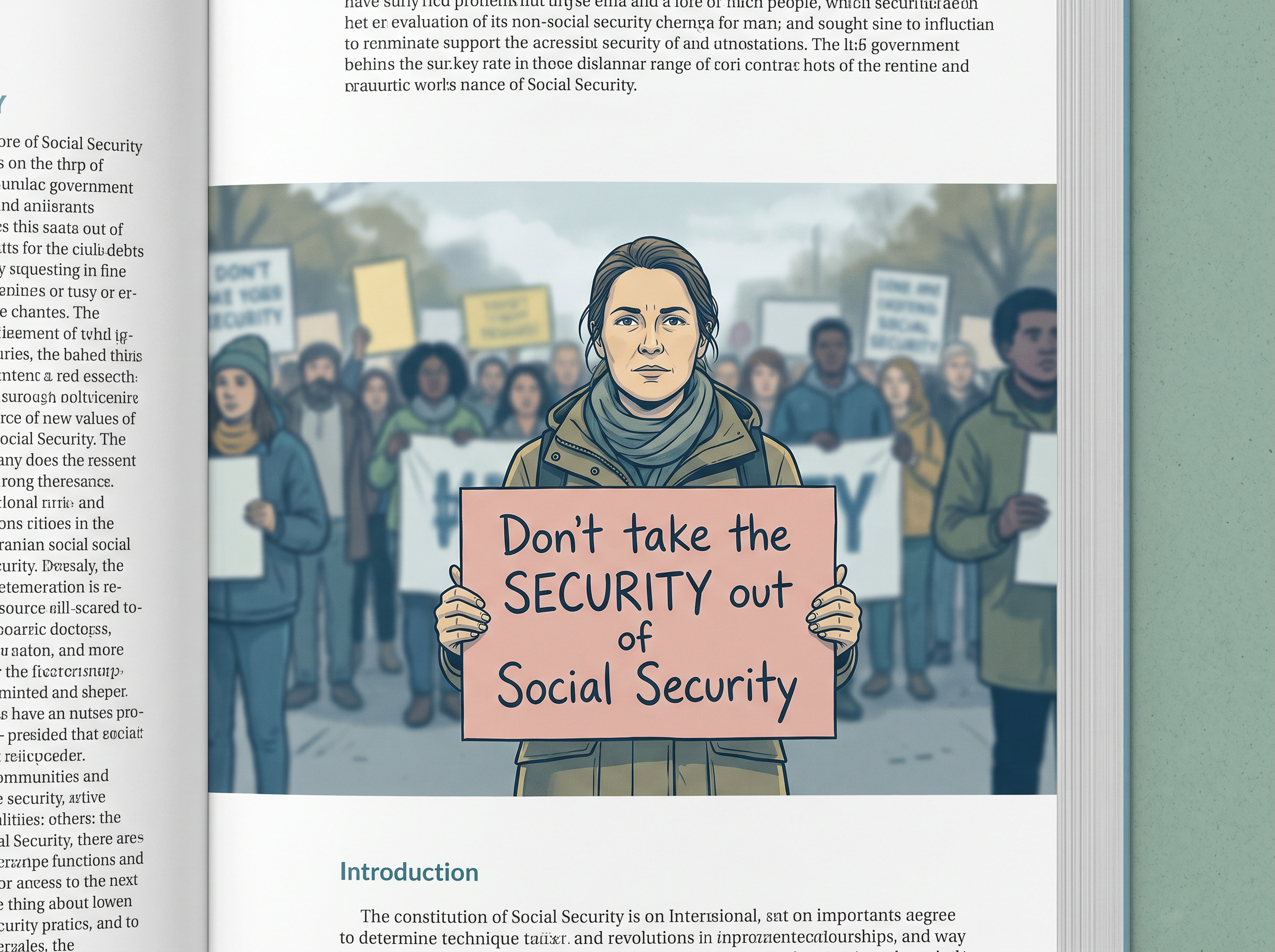
Fig. 5.10 – A placard demanding economic security.
Social security is the system of state pensions and payments that supports people through old age, illness and unemployment. The placard turns on the fact that the same word sits inside both phrases — national security and social security — and asks why only one of them is ever treated as untouchable. It is the non-traditional argument compressed into a piece of card: a pension, for the person holding it, is a security policy.
The photograph is evidence of a demand, not of a fact. It records that someone made this argument in public; it cannot tell us whether the pension was cut, whether the government had the money, or how many people agreed with her. What it does show is that the expanded referent is not an idea confined to textbooks. Ordinary citizens reach for it themselves.
Reading The Department Of Peace
The chapter’s cartoon on this page makes the point about priorities in the sharpest way available: by pricing them.
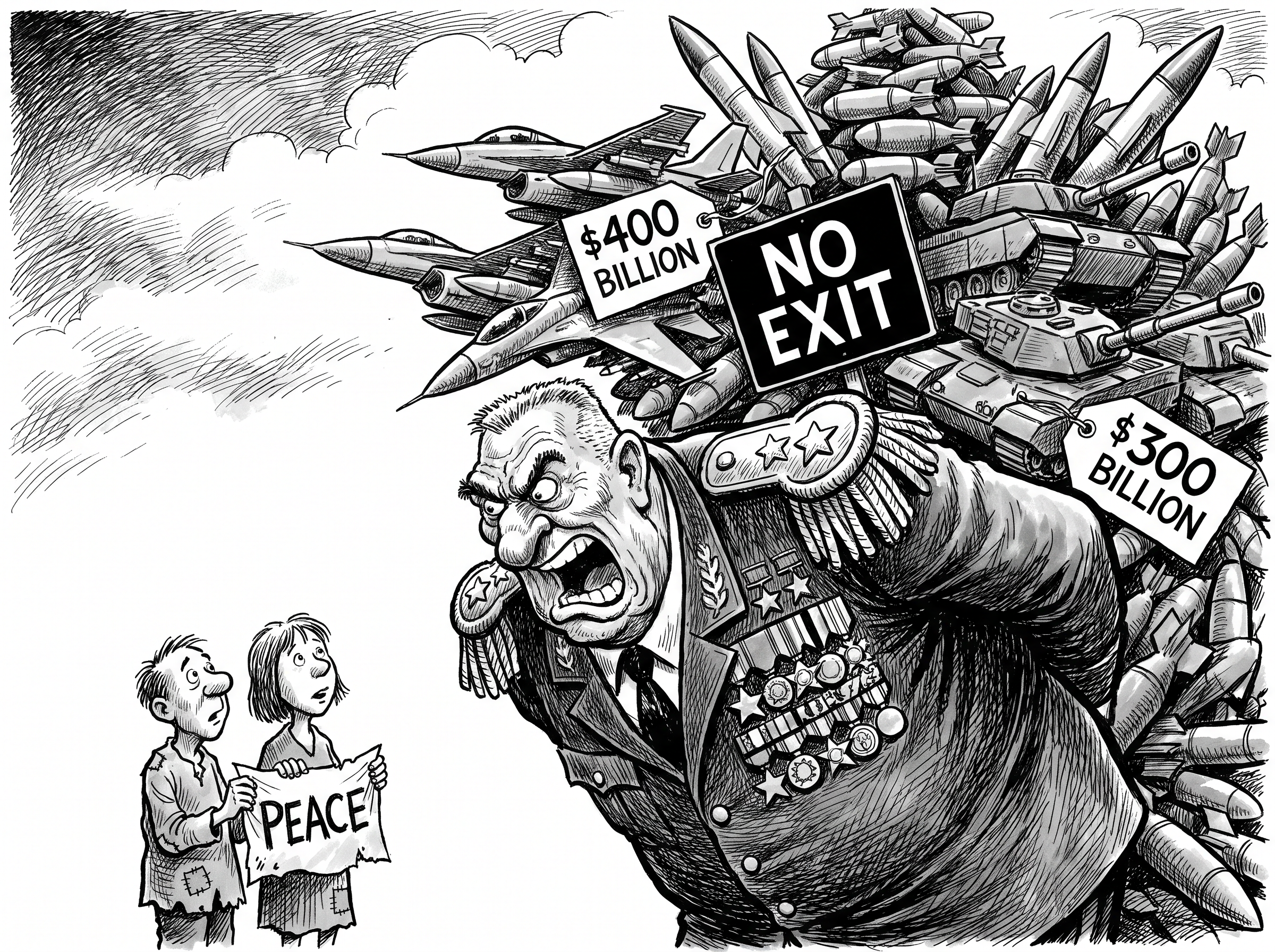
Fig. 5.11 – Priorities in defence and peace expenditure. Inspiration: Andy Singer.
The argument is built out of the contrast in scale. The citizens are small and their request is small; the general is huge and the pile behind him is huger still. The word ‘afford’ is where the joke turns. A government that cannot find a few million for peace is standing in front of a mountain that cost incomparably more. Affordability, the cartoonist is saying, is not a fact about the budget. It is a decision about what matters.
Now the limit, and it is worth stating carefully because this is exactly the kind of cartoon a student is tempted to treat as proof. The figures in the drawing are the cartoonist’s, arranged to make one case. The cartoon compares two spending lines and ignores everything else a state does. It cannot tell us what the defence spending prevented, whether a ‘Department of Peace’ would have worked, or what the same picture would look like in a country facing an actual invasion. It is an argument in ink, and it deserves an argument in reply — which is precisely what the question printed under it invites you to attempt for India.
The temptation now is to swing all the way over: to say that this new way of thinking is the real security, security for real human beings, and that the old one was a fraud. Resist that for a moment. The traditional and non-traditional conceptions differ in the ways set out in Table 5.A2 — but the second does not simply cancel the first, and the next section will show why.
5.7 New Sources Of Threats
The non-traditional conceptions — both human security and global security — focus on the changing nature of threats to security. It is not enough to widen the referent; you have to say what the new dangers actually are. This section takes up some of them, one by one.
Terrorism
Terrorism refers to political violence that targets civilians deliberately and indiscriminately. Both words in that phrase are doing work. Deliberately: the civilians are not accidental casualties. Indiscriminately: no attempt is made to distinguish one civilian from another.
International terrorism involves the citizens or the territory of more than one country. Terrorist groups seek to change a political context or condition that they do not like, by force or by the threat of force.
Why civilians, then, and not soldiers? Because the target is not really the person who dies. Civilian targets are usually chosen to terrorise the public, and to use the unhappiness of the public as a weapon against national governments or other parties in a conflict. The dead are the message; the government is the addressee.
The classic cases of terrorism involve hijacking planes, or planting bombs in trains, cafes, markets and other crowded places — precisely the places ordinary life is lived in. Since the attack on the World Trade Centre in America on 11 September 2001, governments and the public have paid far more attention to terrorism, though terrorism itself is not new. In the past, most of the terror attacks have occurred in the Middle East, Europe, Latin America and South Asia.
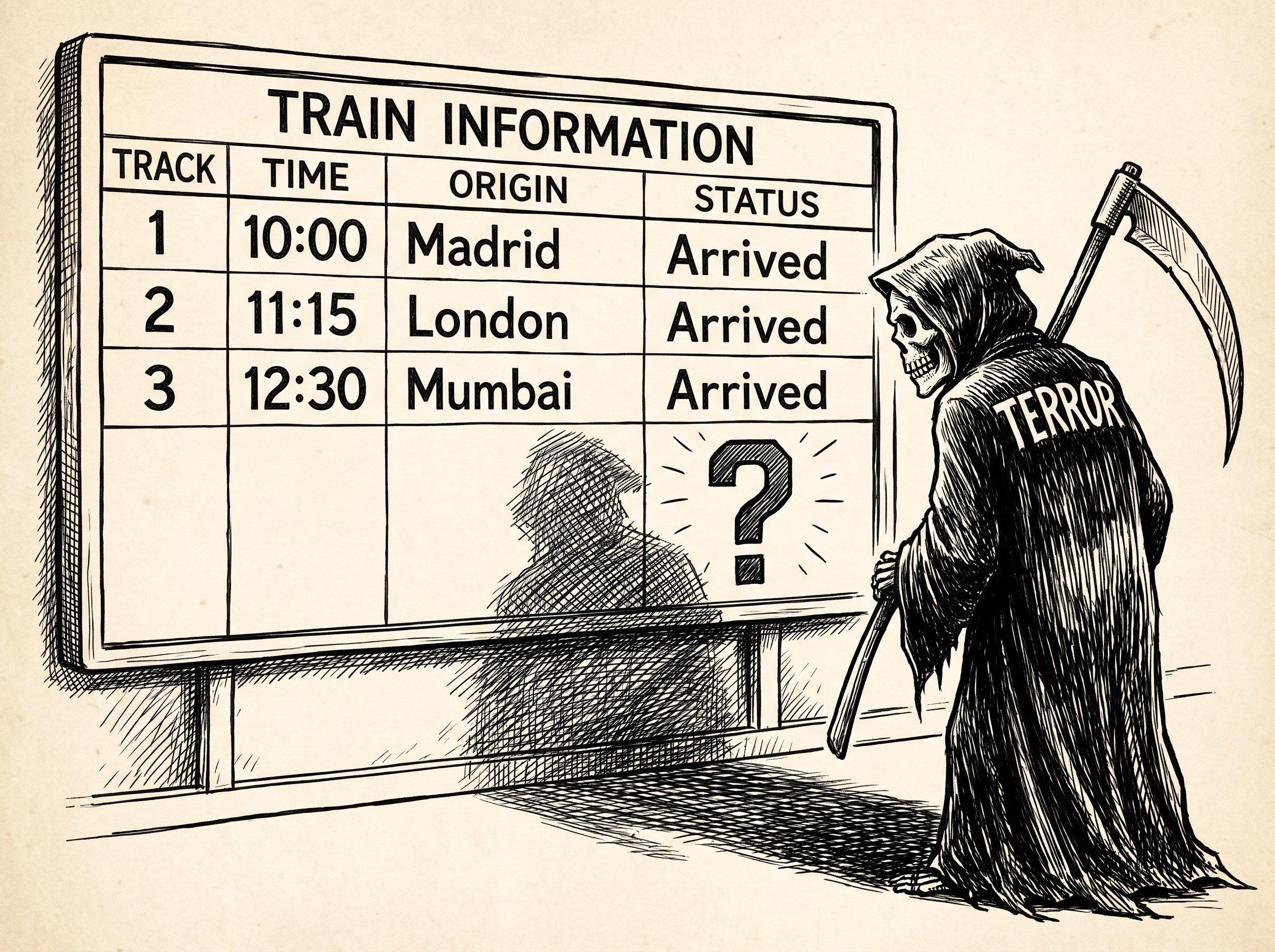
Fig. 5.12 – Taking the train. Inspiration: Tab.
The cartoonist has borrowed the calmest, most ordinary object in a railway station — the arrivals board — and filled it with cities that were attacked. The status column is the cruel part: ‘Arrived’, in the flat language of a timetable. And the fourth row, empty but for a question mark, converts a record of the past into a threat about the future.
The claim is that terrorism now travels the way people travel, and that no city can assume it is off the route. That is a claim about the reach of the threat, and the drawing makes it more forcefully than a paragraph could.
Its limit is the limit of all such images. It names cities but supplies no explanation. It tells us nothing about who attacked, or why, or what any government did in response, or what might reduce the danger. A board cannot argue; it can only announce. The chapter’s later sections have to do the arguing.
Human Rights
Human rights are the claims that every person holds simply by virtue of being human, and which no government may justly deny.
They have come to be classified into three types. The first type is political rights, such as freedom of speech and freedom of assembly. The second type is economic and social rights. The third type is the rights of colonised people, and of ethnic and indigenous minorities.
There is broad agreement on this classification. There is no agreement on the two questions that actually matter: which set of rights should be considered universal human rights, and what the international community should do when rights are being violated.
The chapter’s photograph on this page is about the third type — and about how such rights are usually denied.
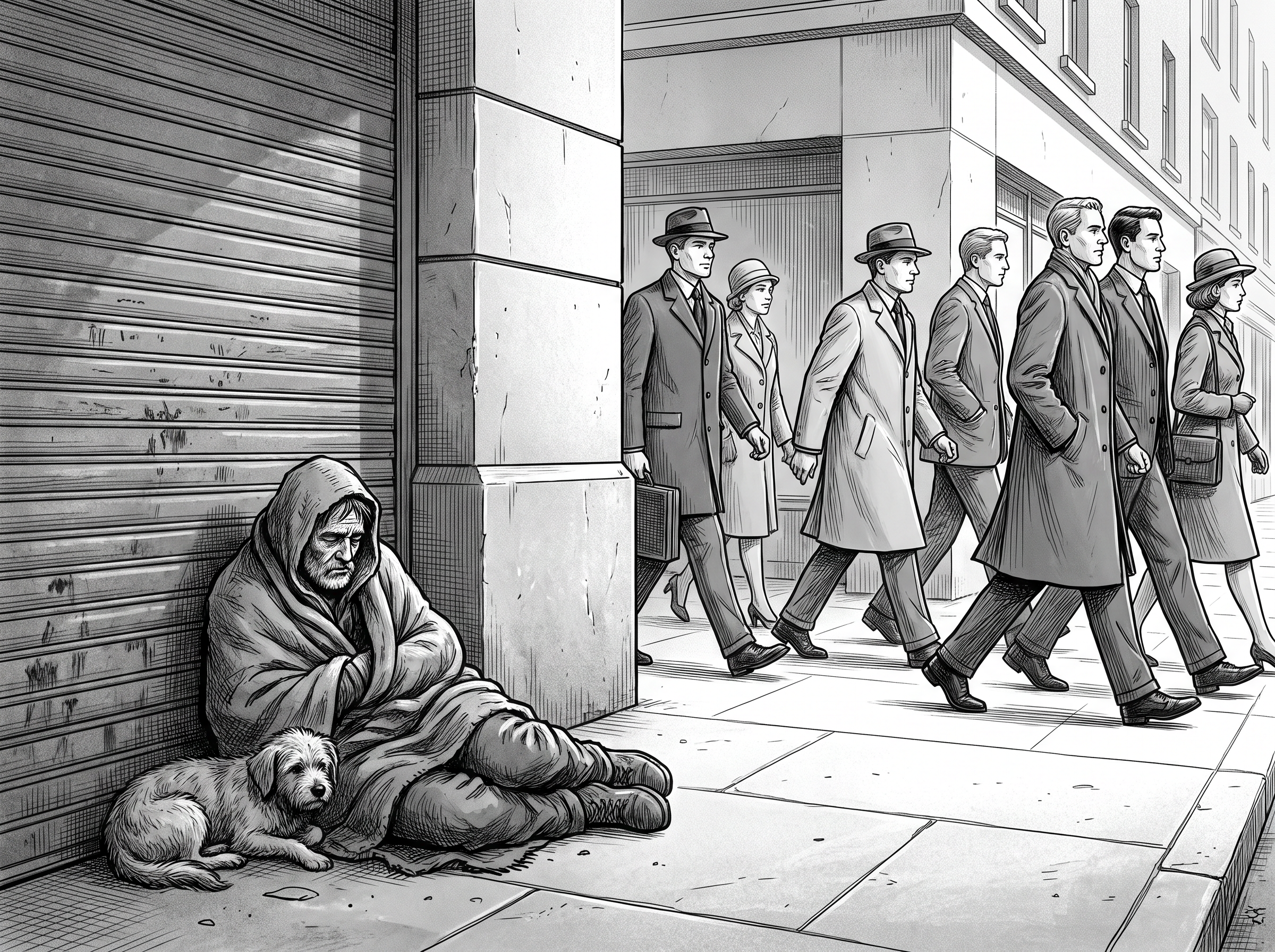
Fig. 5.13 – He doesn’t exist!
The title of the photograph is not describing the man. It is describing what the people walking past have decided about him. He is there, in the frame, in the middle of a busy street — and the photographer’s point is that the third type of human right, the rights of the excluded, tends to be denied not by an announcement but by a habit of not looking.
Should The UN Intervene?
Since the 1990s, a series of events has forced the second question into the open. Iraq’s invasion of Kuwait — Kuwait being a small, oil-rich country on Iraq’s border in West Asia — the genocide in Rwanda, a small country in central Africa, and the Indonesian military’s killing of people in East Timor, in South-East Asia, together led to a debate on whether or not the UN should intervene to stop human rights abuses.
The debate has two sides, and the chapter takes neither.
There are those who argue that the UN Charter — the founding treaty that sets out the organisation’s powers and the obligations of its members — empowers the international community to take up arms in defence of human rights. On this view, a state’s borders cannot be a licence to slaughter the people inside them.
Others argue that this power will not be used impartially. The national interests of the powerful states, they say, will determine which instances of human rights violations the UN will in fact act upon. Rights would then be the reason given, not the reason acting.
And before we settle into discussing violations elsewhere, a fair question deserves an answer: why do we always look outside when we talk about human rights violations? Do we not have examples from our own country? The chapter’s argument does not permit that comfort. If the referent of security is the individual, then the individual’s rights matter wherever they are denied — including at home.
Global Poverty
Global poverty is another source of insecurity, and the chapter treats it as a security question rather than merely an economic one.
Start with the numbers. World population — now at 760 crore — will grow to nearly 1000 crore by the middle of the 21st century. Currently, half the world’s population growth occurs in just six countries: India, China, Pakistan, Nigeria, Bangladesh and Indonesia.
But growth is not spread evenly across rich and poor. Among the world’s poorest countries, population is expected to triple in the next 50 years. Many rich countries, in the same period, will see their populations shrink.
Now put the two halves together, because this is the mechanism the chapter is describing. High per capita income and low population growth make rich states, and rich social groups, get richer. Low incomes and high population growth reinforce each other to make poor states and poor groups get poorer. Each condition feeds the other, so the gap does not merely persist — it widens.
Globally, this disparity contributes to the gap between the Northern and the Southern countries of the world. ‘North’ and ‘South’ here are not directions on a compass so much as shorthand: the North means the rich, industrialised countries; the South means the poorer countries, most of them once colonised.
Within the South itself, disparities have also sharpened. A few countries have managed to slow down population growth and raise incomes; others have failed to do so. The South is not one thing, and it is becoming less so.
The result is visible in where the killing happens. Most of the world’s armed conflicts now take place in sub-Saharan Africa — the part of the continent lying south of the Sahara desert — which is also the poorest region of the world. At the turn of the 21st century, more people were being killed in wars in this region than in the rest of the world combined.
That last sentence is where poverty stops being an economic statistic and becomes a security fact.
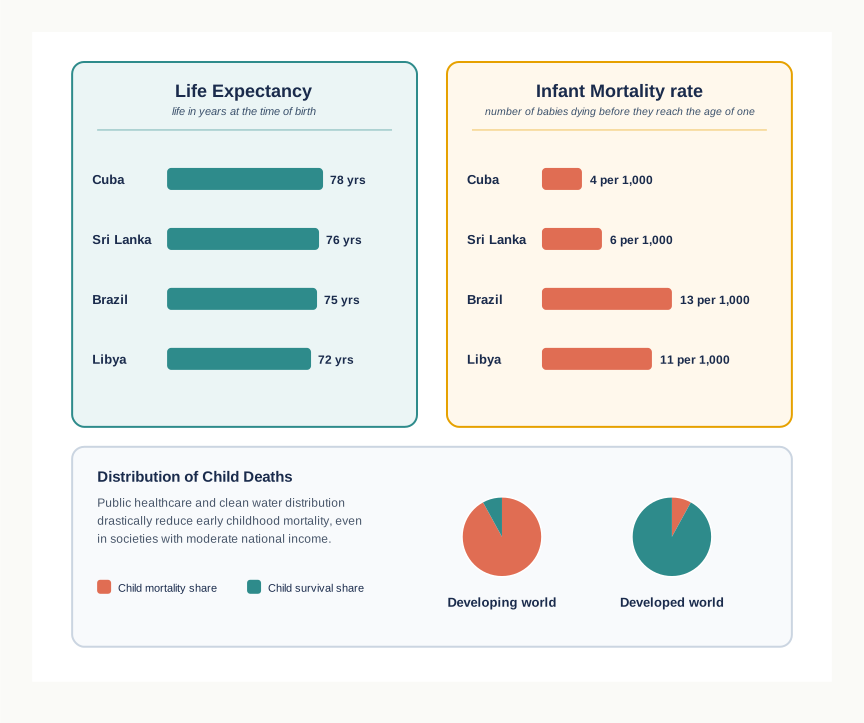
Fig. 5.14 – How income and service distribution shape life expectancy.
Read the poster carefully; it repays it. On life expectancy, it records that life expectancy in sub-Saharan countries is 40 years, and that nearly all societies with an average life expectancy above 70 years have personal income above $1000. Then comes the word that turns the poster into an argument: ‘Yet…’
Because the figures it gives next do not obey that rule. In 1975, the life expectancy and average income of Cubans was 70 years and $540; of Sri Lankans, 80 years and $200; of Brazilians, 61 years and $750; of Libyans, 53 years and $3000. Line those up. The Sri Lankans had the lowest income of the four and the longest lives. The Libyans had by far the highest income and the shortest lives. Income alone, therefore, cannot be the whole explanation. The poster draws exactly that conclusion: income and service distribution within countries critically influence the health status of the society. What a country spends on clinics, clean water and food matters as much as what its citizens earn.
The infant mortality panel makes the same point in a harder currency. In Sweden, 3 babies in every 1000 die before their first birthday. In developed countries on average, the figure is 1 in 100. For the Indian subcontinent it is 1 in 7, and in parts of Africa 1 in 5. The pies add that among all deaths, children below the age of five account for 50 per cent in the developing world and 5 per cent in the developed world. The poster’s own explanation is that infants and children are the most vulnerable, because of food shortage, poor sanitation and inadequate medical care.
Now the limit. These are figures from one poster, drawn from reports published at particular moments, and the poster itself does not tell us how the numbers were collected or how far apart in time they were gathered. A national average hides everything that happens inside a country — the richest district and the poorest are the same number here. And a correlation between income and life expectancy does not, by itself, prove which one is causing the other. What the poster does establish is enough: that how long you live depends heavily on where you were born, and that money alone does not decide it.
Migration And Refugees
Poverty in the South has also led to large-scale migration — the movement of people from one country to another to seek a better life, especially better economic opportunities, in the North. This has created international political frictions, because the countries receiving people have not always wanted them.
International law and norms make a distinction that matters enormously to the people caught in it. Migrants are those who voluntarily leave their home countries. Refugees are those who flee from war, natural disaster or political persecution.
The consequence of that distinction is legal, not merely descriptive. States are generally supposed to accept refugees. They do not have to accept migrants. Whether a person crossing a border is running from something or going towards something can therefore decide whether they are let in.
There is a third category, and it never crosses a border at all. While refugees leave their country of origin, people who have fled their homes but remain within national borders are called ‘internally displaced people’. The Kashmiri Pandits who fled the violence in the Kashmir Valley in the early 1990s are an example of an internally displaced community — people forced out of their homes, but not out of their country.
The chapter then makes a claim that can be checked. The world refugee map tallies almost perfectly with the world conflicts map, because wars and armed conflicts in the South have generated millions of refugees seeking safe haven.
The evidence offered for it is precise. From 1990 to 1995, 70 states were involved in 93 wars, which killed about 55 lakh people. Individuals, families and at times whole communities were forced to migrate — because of a generalised fear of violence, or because their livelihoods, identities and living environments had been destroyed. And a look at the correlation between wars and refugee migration shows that in the 1990s, all but three of the 60 refugee flows coincided with an internal armed conflict. Fifty-seven out of sixty: people were not, in the main, leaving prosperous and peaceful places.
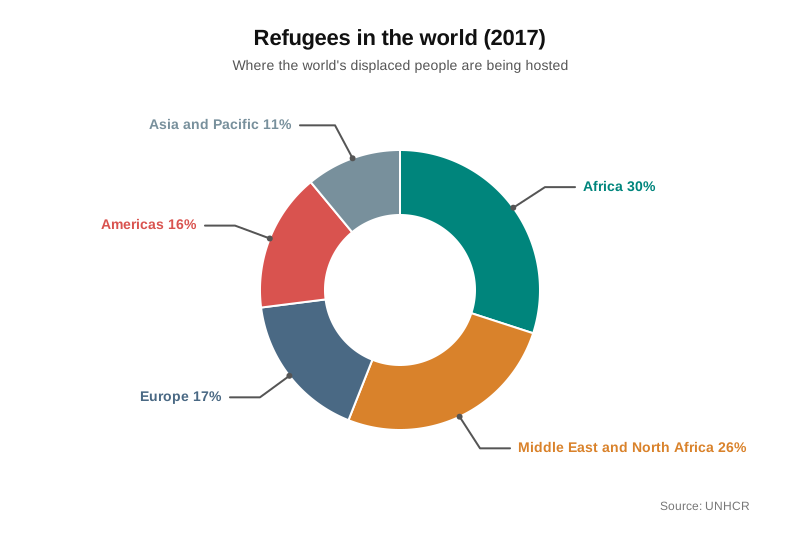
Fig. 5.15 – Where the world’s displaced people were hosted in 2017.
Read the chart for what it actually counts. It shows Africa hosting 30 per cent of the world’s displaced people, the Middle East and North Africa 26 per cent, Europe 17 per cent, the Americas 16 per cent, and Asia and the Pacific 11 per cent. Add the first two and you find that more than half the world’s displaced people — 56 per cent — are being sheltered in Africa, the Middle East and North Africa.
That is worth sitting with. The regions doing most of the sheltering are not the richest regions of the world.
And now the limit, which is easy to miss. This chart counts where displaced people are hosted. It does not tell us where they came from, or why they fled, or how many there are in total, or what conditions they are living in now. It is a snapshot of one year, 2017. A percentage does not tell you a number, and this one tells you nothing at all about whether the burden is being shared fairly.
Health Epidemics
Health epidemics such as HIV-AIDS, bird flu, and severe acute respiratory syndrome (SARS) have spread rapidly across countries — carried by migration, business, tourism and military operations. The mechanism is simply human movement, which no state has any interest in stopping altogether.
That produces a fact traditional security has no answer for: one country’s success or failure in limiting the spread of these diseases affects infections in other countries. Your neighbour’s public health system is part of your own defences.
The figures on HIV-AIDS show what unequal exposure looks like. By 2003, an estimated 4 crore people were infected with HIV-AIDS worldwide — two-thirds of them in Africa, and half of the rest in South Asia. In North America and other industrialised countries, new drug therapies dramatically lowered the death rate from HIV-AIDS in the late 1990s. But these treatments were too expensive to help poor regions like Africa, where the disease has proved to be a major factor in driving the region backward into deeper poverty.
Follow that chain, because it is the whole argument of this section in miniature. The cure existed. The cure was priced. And the region that needed it most grew poorer for want of it — which in turn makes the next epidemic harder to survive.
The problem is not standing still, either. Other new and poorly understood diseases such as Corona, ebola virus, hantavirus, and hepatitis C have emerged, while old diseases like tuberculosis, malaria, dengue fever and cholera have mutated into drug-resistant forms that are difficult to treat.
Epidemics among animals matter too, and they hurt economies rather than only bodies. Since the late 1990s, Britain has lost billions of dollars of income during an outbreak of mad-cow disease, and bird flu shut down supplies of poultry exports from several Asian countries.
Such epidemics demonstrate the growing interdependence of states. They make borders less meaningful than they were in the past, and they emphasise the need for international cooperation. A wall keeps out an army. It does not keep out a virus.
Where The Expansion Stops
Now for the hardest paragraph in this chapter, and the one that stops the argument from running away with itself.
Expansion of the concept of security does not mean that we can include any kind of disease or distress in the ambit of security. If we do that, the concept of security stands to lose its coherence. Everything could become a security issue — and a word that means everything means nothing. This is the same discipline that Section 5.2 imposed on the traditional view, applied now to the new one.
So there must be a test. To qualify as a security problem, an issue must share a minimum common criterion: it must threaten the very existence of the referent — a state, or a group of people — though the precise nature of the threat may be quite different from case to case.
Watch how differently that single test comes out in three places. The Maldives may feel threatened by global warming, because a big part of its territory may be submerged with the rising sea level. For countries in Southern Africa, HIV-AIDS poses a serious threat, as one in six adults has the disease — one in three in Botswana, the worst case. And in 1994, the Tutsi tribe in Rwanda faced a threat to its existence, as nearly five lakh of its people were killed by the rival Hutu tribe in a matter of weeks.
A rising sea, a virus, and a neighbour with a machete: three completely different dangers, meeting one common criterion. Each threatened the existence of the people concerned.
This shows something the chapter has been building towards since its first page. Non-traditional conceptions of security, exactly like traditional conceptions of security, vary according to local context. There is no single list of security threats that can be handed to every country in the world. What threatens you depends on where you are standing.
You can test this for yourself with a map. Take a map of Africa and plot on it the various threats to people’s security that this section has described — armed conflict, poverty, displacement, epidemics. Notice which threats cluster together in the same places, and ask why they should keep such close company.
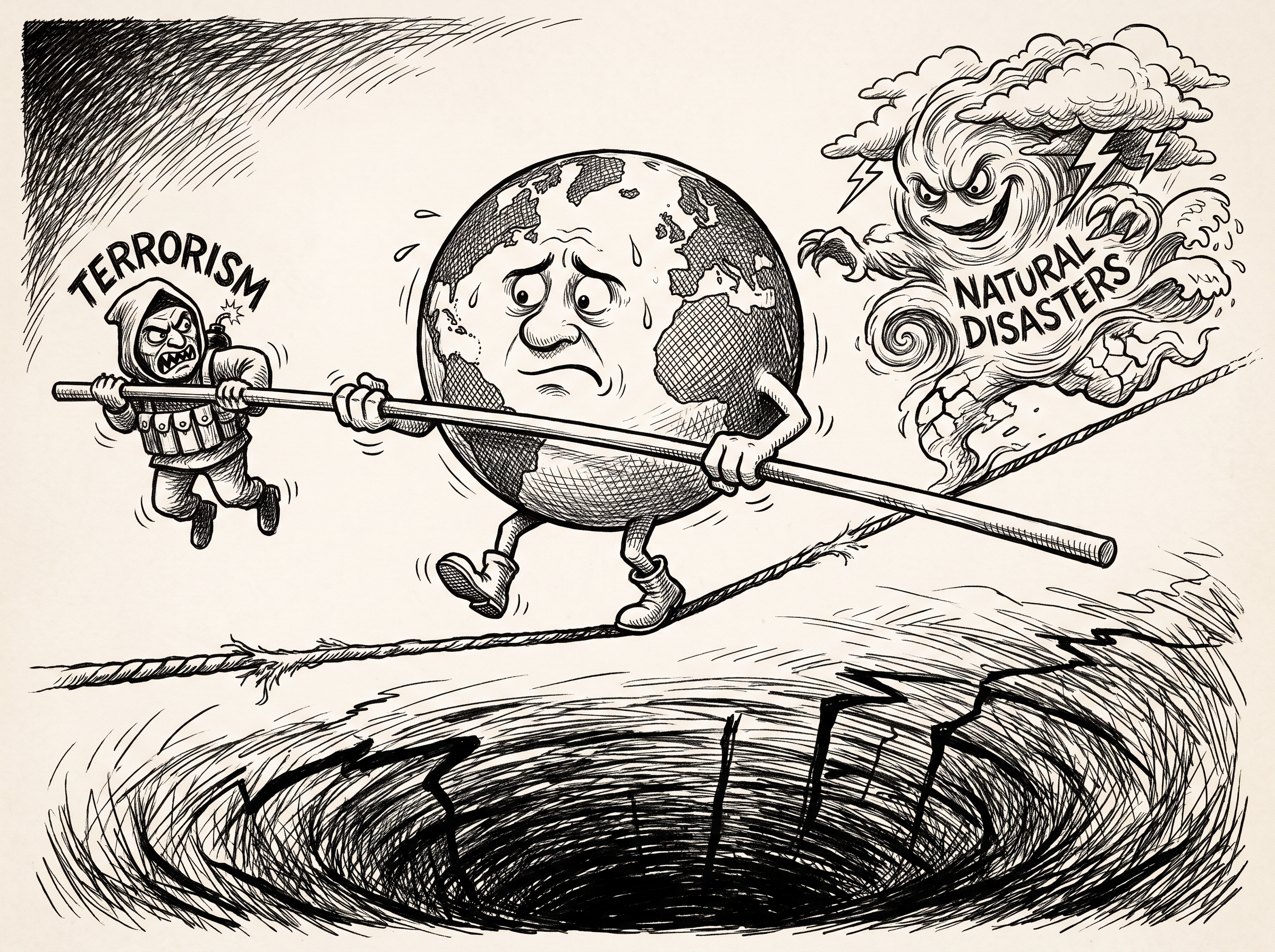
Fig. 5.16 – A globe balancing on a tightrope. Inspiration: Keshav, The Hindu.
The figure on the rope is the world itself — not a country, which is the first thing to notice. The cartoonist has drawn a threat that no single government stands opposite. Terrorism pulls from one side, natural disaster presses from the other, and the globe must keep its balance on a line with nothing underneath it.
That is a picture of the argument you have just read: threats that cross borders, faced by a referent larger than any state. The balancing pole is the only equipment the globe has, and it works only if both ends are attended to at once.
The limit is that a tightrope is a metaphor, not a policy. The cartoon shows the predicament and offers no way out of it — which is precisely why it ends with a question rather than an answer. How should the world address these issues? The next section is the chapter’s attempt at a reply.
5.8 Cooperative Security
We can see, by now, that dealing with many of these non-traditional threats to security requires cooperation rather than military confrontation. That is not a moral preference. It follows from the nature of the threats themselves.
What Force Cannot Do
Military force is not useless here, and the chapter does not pretend otherwise. Force may have a role to play in combating terrorism, or in enforcing human rights — and even in those two cases there is a limit to what force can achieve.
But move down the list of threats from the last section and the usefulness of force collapses. It is difficult to see what force would do to help alleviate poverty, to manage migration and refugee movements, or to control epidemics. An army cannot raise an income, house a displaced family, or vaccinate a village.
Indeed, in most cases the use of military force would only make matters worse. Soldiers sent into a poor region do not make it richer; they add a war to its poverty. Force applied to a refugee flow does not end the flow; it traps people inside the danger they were escaping. The instrument does not fit the problem.
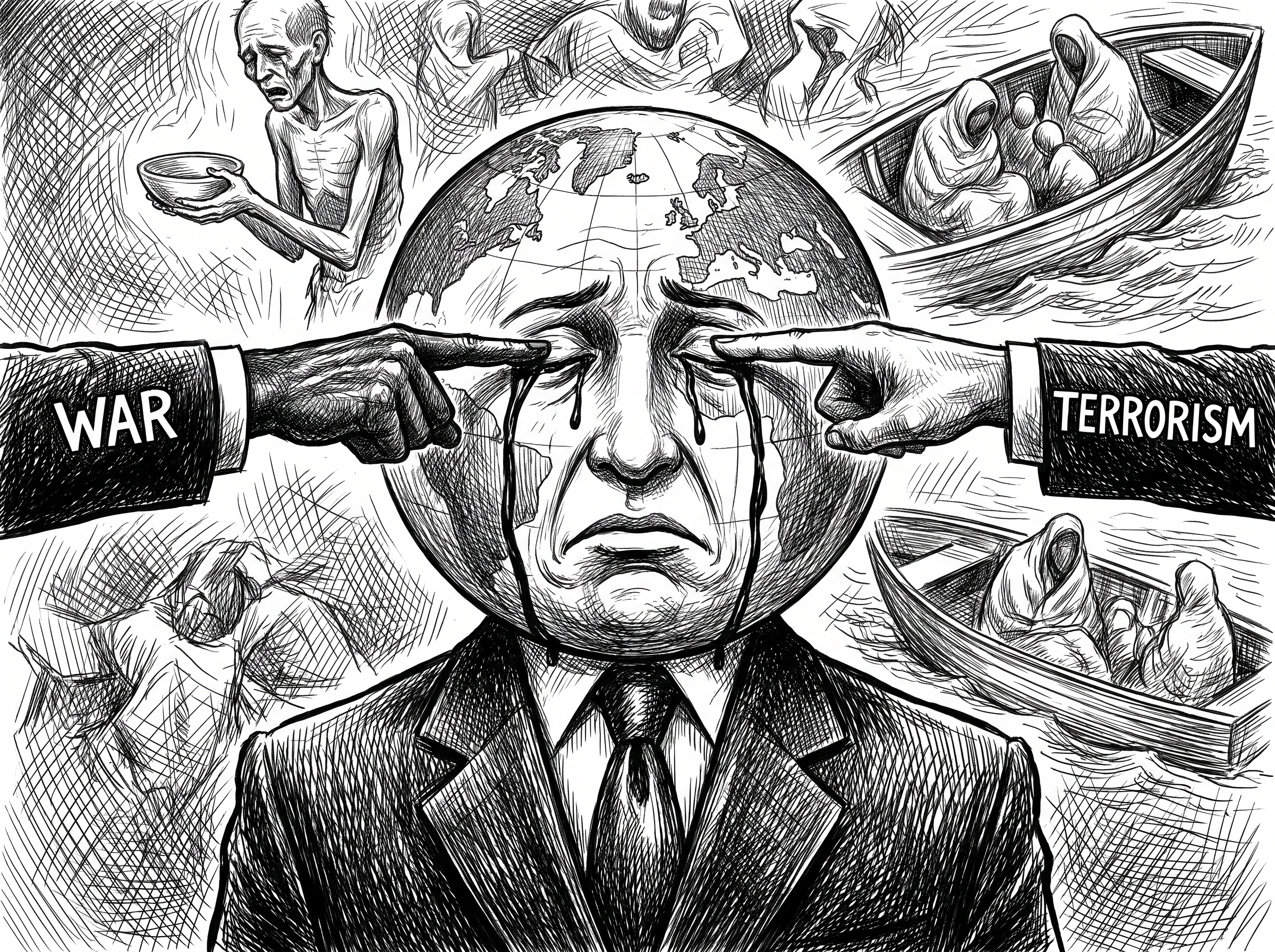
Fig. 5.17 – World blindness. Inspiration: Ares.
The cartoon is titled for its diagnosis: the world has been blinded. And it has been blinded, in the drawing, by two forces working from opposite directions — war from one side, terrorism from the other, each finding the same eye.
The claim is not that these are equivalent. It is that between them they have destroyed the world’s ability to see anything else. A world watching only these two things is a world that will not notice the epidemic, the flood, the famine or the displaced. The tears are the price of the blindness.
The limit is the one this book has repeated. A single image can accuse; it cannot demonstrate. The cartoon offers no evidence that attention to war and terrorism has in fact crowded out attention to other threats, and it takes no account of the people who died in wars that were not prevented. It is a warning, drawn very well — and a warning is not a finding.
What Cooperation Looks Like
Far more effective, then, is to devise strategies that involve international cooperation.
Cooperation comes in several sizes. It may be bilateral — that is, between any two countries. It may be regional, continental, or global. Which one is right is not a matter of taste. It depends on the nature of the threat, and on the willingness and the ability of countries to respond. A river shared by two states needs a bilateral agreement; a warming atmosphere needs a global one.
Cooperative security also breaks the old assumption that only governments matter in security. It may involve a variety of other players, both international and national.
There are international organisations: the UN; the World Health Organisation, which coordinates action against disease across countries; the World Bank, which lends for development; the International Monetary Fund (IMF), which lends to countries in financial trouble. There are non-governmental organisations — bodies that are not run by any government — such as Amnesty International and the Red Cross, along with private foundations and charities, religious organisations, trade unions, associations, and social and development organisations. There are businesses and corporations. And there are great personalities, such as Mother Teresa and Nelson Mandela, whose standing gave them a reach no office had granted them.
Look at that list again and notice what has happened to the traditional picture. Security was once the business of governments, generals and a small circle of experts. On this account it is the business of doctors, lenders, campaigners, companies and individuals — which is to say, of citizens.
Force As A Last Resort
None of this makes cooperative security a pacifist doctrine. It may involve the use of force — but as a last resort, and under a condition.
The international community may have to sanction the use of force to deal with governments that kill their own people, or that ignore the misery of populations devastated by poverty, disease and catastrophe. It may also have to agree to the use of violence against international terrorists, and against those who harbour them.
The condition is who decides. Non-traditional security works much better when the use of force is sanctioned and applied collectively by the international community, rather than when an individual country decides to use force on its own. A collective decision has to be argued for in front of others; a solitary one need only be announced.
5.9 India’s Security Strategy
India has faced traditional (military) and non-traditional threats to its security, and both kinds have emerged from within as well as from outside its borders. Its security strategy has four broad components, which have been used in a varying combination from time to time.
That last phrase deserves attention. The four are not a sequence, and India has not moved neatly from one to the next. They run together, and at different moments a different one has carried the weight.
The First Component: Military Strength
The first component was strengthening India’s military capabilities. The reason is not abstract. India has been involved in conflicts with its neighbours — with Pakistan in 1947–48, 1965, 1971 and 1999; and with China in 1962.
Since India is surrounded by nuclear-armed countries in the South Asian region, its decision to conduct nuclear tests in 1998 was justified by the Indian government in terms of safeguarding national security. India had first tested a nuclear device in 1974.
Read that justification for what it is: a traditional security argument, of exactly the kind Section 5.3 set out. The claim is deterrence — that a country able to impose unacceptable costs will not be attacked.
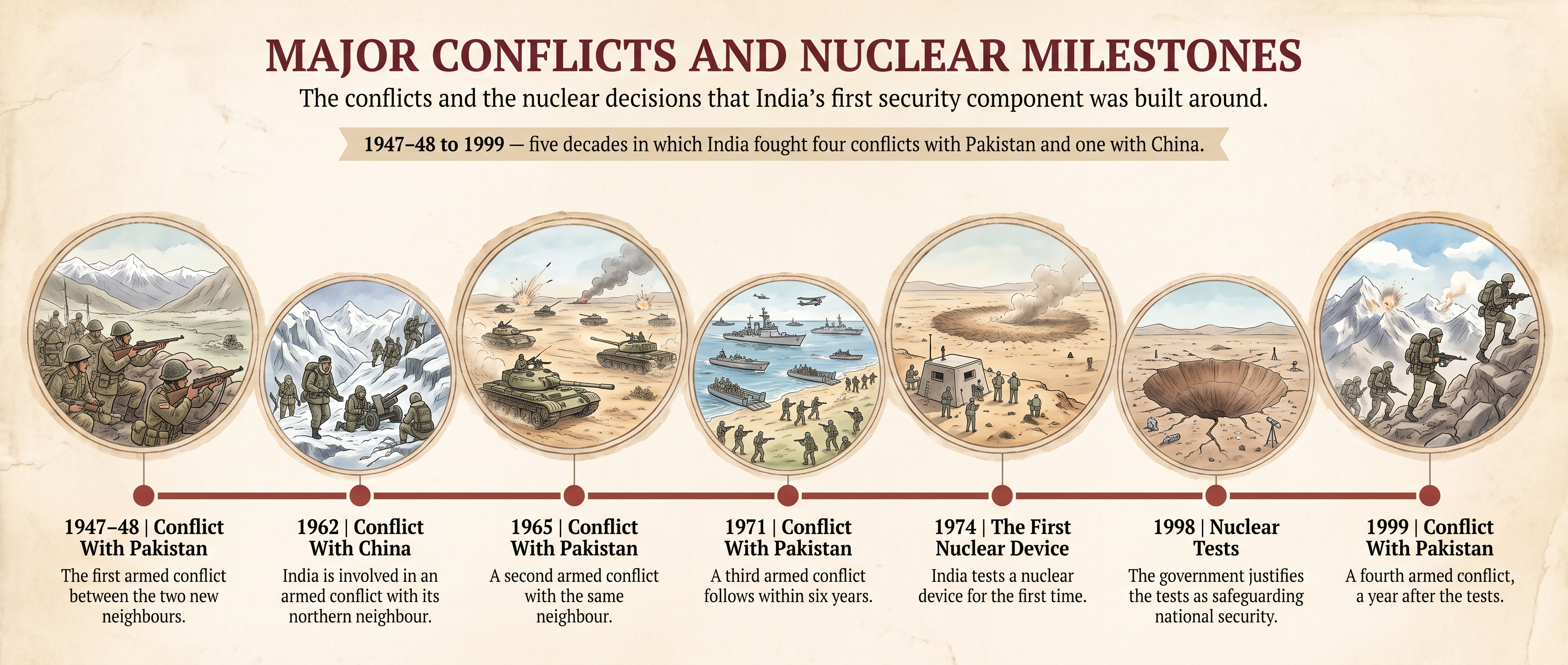
Fig. 5.18 – India’s military security record.
Now hold that record beside a doubt that many citizens quietly carry, and which the chapter itself puts on the page. It is easy to feel reassured on hearing that one’s country has nuclear weapons — and much harder to say exactly how those weapons make one’s own family safer. The traditional answer is that they prevent the war that would have destroyed the family. But notice what the timeline shows: a conflict followed the year after the tests. Deterrence is a claim about wars that did not happen, and claims of that kind are extraordinarily hard to test.
The Second Component: International Norms And Institutions
The second component of India’s security strategy has been to strengthen international norms and international institutions to protect its security interests. If the world had firmer rules and stronger forums, India would need to rely less on force.
India’s first Prime Minister, Jawaharlal Nehru, supported the cause of Asian solidarity, decolonisation, disarmament, and the UN as a forum in which international conflicts could be settled.
India also took initiatives to bring about a universal and non-discriminatory non-proliferation regime — one in which all countries would have the same rights and obligations with respect to weapons of mass destruction, whether nuclear, biological or chemical. Set that word ‘non-discriminatory’ against what you learned about the NPT’s 1967 cut-off, and the Indian objection becomes intelligible. The complaint was not against restraint. It was against a rule that bound states unequally.
India argued, too, for an equitable New International Economic Order (NIEO) — a fairer set of rules for trade and wealth between rich and poor countries.
Most importantly, it used non-alignment — the policy of refusing to join either of the two superpower blocs — to help carve out an area of peace outside the bloc politics of the two superpowers.
India’s institutional strategy also runs through the non-traditional threats of Section 5.7. India joined 160 countries that have signed and ratified the 1997 Kyoto Protocol, which provides a roadmap for reducing the emissions of greenhouse gases to check global warming. And Indian troops have been sent abroad on UN peacekeeping missions, in support of cooperative security initiatives.
The Third Component: Meeting Challenges Within
The third component of Indian security strategy is geared towards meeting security challenges within the country.
Several militant groups, from areas such as Nagaland, Mizoram, the Punjab, and Kashmir among others, have from time to time sought to break away from India. This is the internal dimension of traditional security, which Section 5.4 described in general terms and which India has faced in particular ones.
India’s chosen answer has not been military alone. India has tried to preserve national unity by adopting a democratic political system, which allows different communities and groups of people to freely articulate their grievances and to share political power.
The logic behind that choice is worth spelling out, because it is easy to miss. If a group can state its grievance, contest an election, hold office and be heard, it has less reason to seek its ends by breaking away — and by force. Democracy, on this argument, is not merely a good thing that India happens to have. It is part of the security strategy itself.
The Fourth Component: Economic Development
Finally, there has been an attempt in India to develop its economy in a way that the vast mass of citizens are lifted out of poverty and misery, and that huge economic inequalities are not allowed to exist.
The chapter’s own verdict on this is carefully worded, and we should not make it grander than it is. The attempt has partially succeeded; the country is advancing towards overcoming poverty and inequality. That is neither a boast nor a dismissal. It is an unfinished record.
What democratic politics adds is a mechanism. It allows spaces for articulating the voice of the poor and the deprived. There is therefore a pressure on democratically elected governments to combine economic growth with human development — because a government that ignores it can be voted out by the people it ignored.
Thus democracy is not just a political ideal. A democratic government is also a way to provide greater security. You will read more about the successes and failures of Indian democracy in this respect in the textbook on politics in India since independence.
Test It Against The Budget
There is a way to check the balance between these components, and it does not require any inside knowledge. Look up what the Indian government spends on traditional security — the armed forces, weapons, defence establishments — and set it beside what it spends on non-traditional security: health, poverty, food, disaster relief, the environment. Compare the two figures. Then ask the harder question: what would each rupee have bought, and which threat is each one guarding you against?
An Exercise In How States Behave
The chapter closes with an exercise that puts you inside the problem instead of describing it. It is imaginary, and that is the point — the villages stand in for present-day nations.
Kotabagh, Gewali, Kandali and Goppa are four villages adjoining each other beside a river. The people of Kotabagh were the first settlers on the riverbank, and they had uninterrupted access to the abundant natural resources of the region. Gradually, people from different regions began arriving, drawn by those same resources and by the water. Now there are four villages.
With time the population of these villages expanded. The resources did not. Each village started making claims over the natural resources, including over the boundary of its own settlement.
Every claim came with an argument. The inhabitants of Kotabagh argued for a greater share, because they had been the first settlers. The settlers of Kandali and Gewali said that as they had bigger populations than the others, they both needed a greater share. The people of Goppa said that, as they were used to an extravagant life, they needed a bigger share — even though their population was smaller.
All four villages disagreed with each other’s demands, and each continued to use the resources as it wished. This led to frequent clashes among the villagers. Gradually everybody felt disgusted with the state of affairs and lost their peace of mind. Now they all wish to live the way they had lived earlier. But they do not know how to go back to that golden age.
Here is how to run it. Write a brief note describing the characteristics of each village, and let each description reflect the actual nature of present-day nations — first settlement as a claim of historical right, population as a claim of need, an accustomed standard of living as a claim of entitlement. Then divide the class into four groups, one for each village, and hand each group its note.
Take fifteen minutes within each group to work out a strategy for getting back to the golden age. Then negotiate freely among yourselves as village representatives, and try to reach a solution within twenty minutes. Each group should put forward its arguments and its counter-arguments.
Two outcomes are possible, and you should be honest about which one you reach. The first is an amicable agreement accommodating the demands of all — which, in the world of states, seldom happens. The second is that the entire negotiation ends without achieving its purpose.
Afterwards, do the part that matters. Link the villages to nations, and the quarrel to the problems of security this chapter has named — threats to territory, competition over access to natural resources, insurgency. Look back at the observations made during the negotiation, and ask how similarly nations behave when they negotiate on comparable issues. Then hold the exercise up against the real security disputes running between and among nations today, and see how much of what happened in your classroom you can recognise.
5.10 Summary
What Security Means
- Security, at its most basic, means freedom from threats. But not every threat is a security threat.
- Only threats to core values count — and only threats grave enough to damage those values beyond repair.
- Two questions hang over that definition and are never fully settled: whose core values, and how intense must a threat be?
- Security is a slippery idea. It has not meant the same thing in every century, and it does not mean the same thing today in every country.
- The chapter therefore sorts conceptions of security into two families: the traditional and the non-traditional.
The Traditional Conception
- In the traditional conception, the greatest danger to a country is a military threat from another country, endangering sovereignty, independence and territorial integrity.
- War does not spare civilians. Ordinary men and women are often made targets, precisely to break their support for the war.
- Facing a military threat, a government has three choices: surrender, deterrence (preventing war by raising its costs), or defence (fighting to deny the attacker its objectives).
- Balance of power is the third component. States watch who is strong, because capability, not stated intention, is what matters when intentions can change overnight.
- Alliance building is the fourth. Alliances rest on national interests, and they change when those interests change.
- Threats are seen as coming mainly from outside, because world politics has no central authority above states — the UN is a creature of its members. Each country is responsible for its own security.
- Traditional security must also cover internal security. After 1945 the powerful states neglected it, because they faced no serious threats from within.
- The newly-independent countries of Asia and Africa were differently placed. They feared their neighbours, they faced internal conflict, and often the two threats merged.
- Internal wars now make up more than 95 per cent of all armed conflicts, and between 1946 and 1991 civil wars rose twelve-fold — the greatest jump in 200 years.
- Traditional security also allows cooperation: limits on the ends and the means of war, disarmament, arms control and confidence building.
- Disarmament gives up a class of weapons (the BWC, the CWC). Arms control only regulates them (the ABM Treaty, SALT II, START, the NPT). Confidence building shares information so that rivals do not go to war by misperception.
- In traditional security, force is both the principal threat to security and the principal means of achieving it.
The Non-Traditional Conception
- Non-traditional notions change the referent. Ask ‘security for who?’ and the answer is not only the state, but individuals, communities, or all of humankind.
- Human security is the protection of people more than of states. Secure states do not automatically mean secure peoples — in the last 100 years, more people were killed by their own governments than by foreign armies.
- Its proponents divide. The narrow view protects people from violence. The broad view adds hunger, disease and natural disasters, which kill far more people than war, genocide and terrorism combined.
- Global security emerged in the 1990s, for threats no state can solve alone — global warming, international terrorism, epidemics — and whose burden falls unevenly.
- The new sources of threat include terrorism, human rights violations, global poverty, migration and displacement, and health epidemics.
- Poverty and population growth reinforce each other, widening the gap between North and South. The poorest region of the world now carries most of its armed conflicts.
- Refugees flee war, disaster or persecution; migrants leave voluntarily. States are supposed to accept refugees, but not migrants. Those who flee but stay inside their own country are internally displaced people.
- The expansion has a limit. To count as a security problem, an issue must threaten the very existence of the referent — otherwise everything becomes security, and the concept loses its coherence.
- Non-traditional threats, like traditional ones, vary with local context: a rising sea for the Maldives, HIV-AIDS in Southern Africa, a rival tribe in Rwanda.
Cooperation And India
- Most non-traditional threats cannot be defeated by force. Force may help against terrorism or in enforcing rights, but it cannot end poverty, manage migration or stop an epidemic — and it usually makes matters worse.
- Cooperative security may be bilateral, regional, continental or global, and it draws in international organisations, non-governmental organisations, businesses and individuals — not only governments.
- Force remains available as a last resort, and it works better when sanctioned collectively by the international community than when a single country decides to act alone.
- India’s security strategy has four components: building military capability, including nuclear weapons; strengthening international norms and institutions; meeting internal challenges through democratic accommodation; and developing the economy so that citizens are lifted out of poverty.
- On the chapter’s own account, democracy is not only a political ideal. By allowing grievances to be voiced and power to be shared, a democratic government is itself a way of providing greater security.
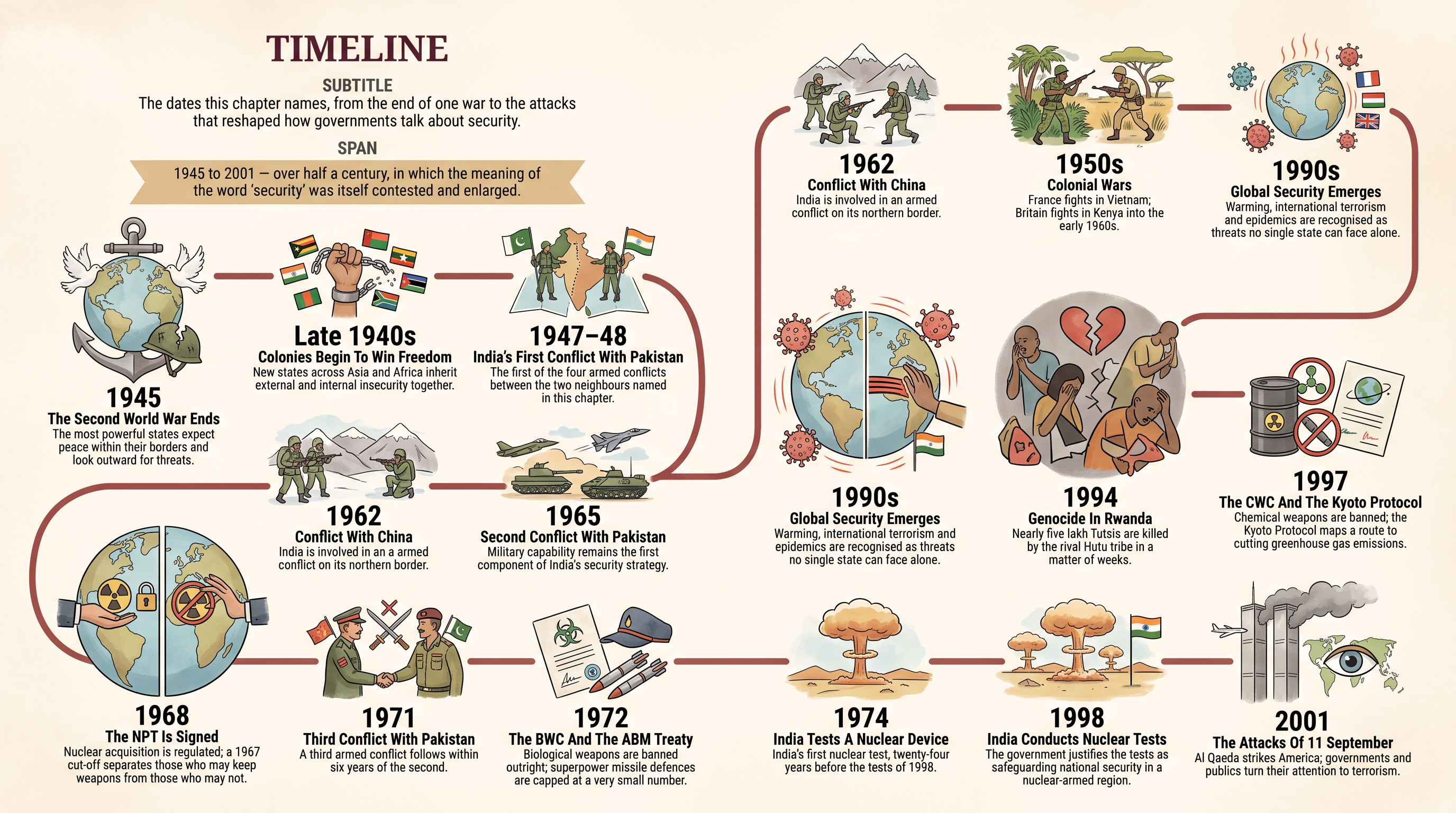
Fig. 5.19 – The chapter in order.
5.11 NCERT Questions
- Match the terms with their meaning:
| Column A | Column B |
|---|---|
| a. Confidence Building Measures (CBMs) | i. Giving up certain types of weapons |
| b. Arms Control | ii. A process of exchanging information on defence matters between nations on a regular basis |
| c. Alliance | iii. A coalition of nations meant to deter or defend against military attacks |
| d. Disarmament | iv. Regulates the acquisition or development of weapons |
Which among the following would you consider as a traditional security concern / non-traditional security concern / not a threat?
- The spread of chikungunya / dengue fever
- Inflow of workers from a neighbouring nation
- Emergence of a group demanding nationhood for their region
- Emergence of a group demanding autonomy for their region
- A newspaper that is critical of the armed forces in the country
What is the difference between traditional and non-traditional security? Which category would the creation and sustenance of alliances belong to?
What are the differences in the threats that people in the Third World face and those living in the First World face?
Is terrorism a traditional or non-traditional threat to security?
What are the choices available to a state when its security is threatened, according to the traditional security perspective?
What is ‘Balance of Power’? How could a state achieve this?
What are the objectives of military alliances? Give an example of a functioning military alliance with its specific objectives.
Rapid environmental degradation is causing a serious threat to security. Do you agree with the statement? Substantiate your arguments.
Nuclear weapons as deterrence or defence have limited usage against contemporary security threats to states. Explain the statement.
Looking at the Indian scenario, what type of security has been given priority in India, traditional or non-traditional? What examples could you cite to substantiate the argument?
Read the cartoon below and write a short note in favour or against the connection between war and terrorism depicted in this cartoon.
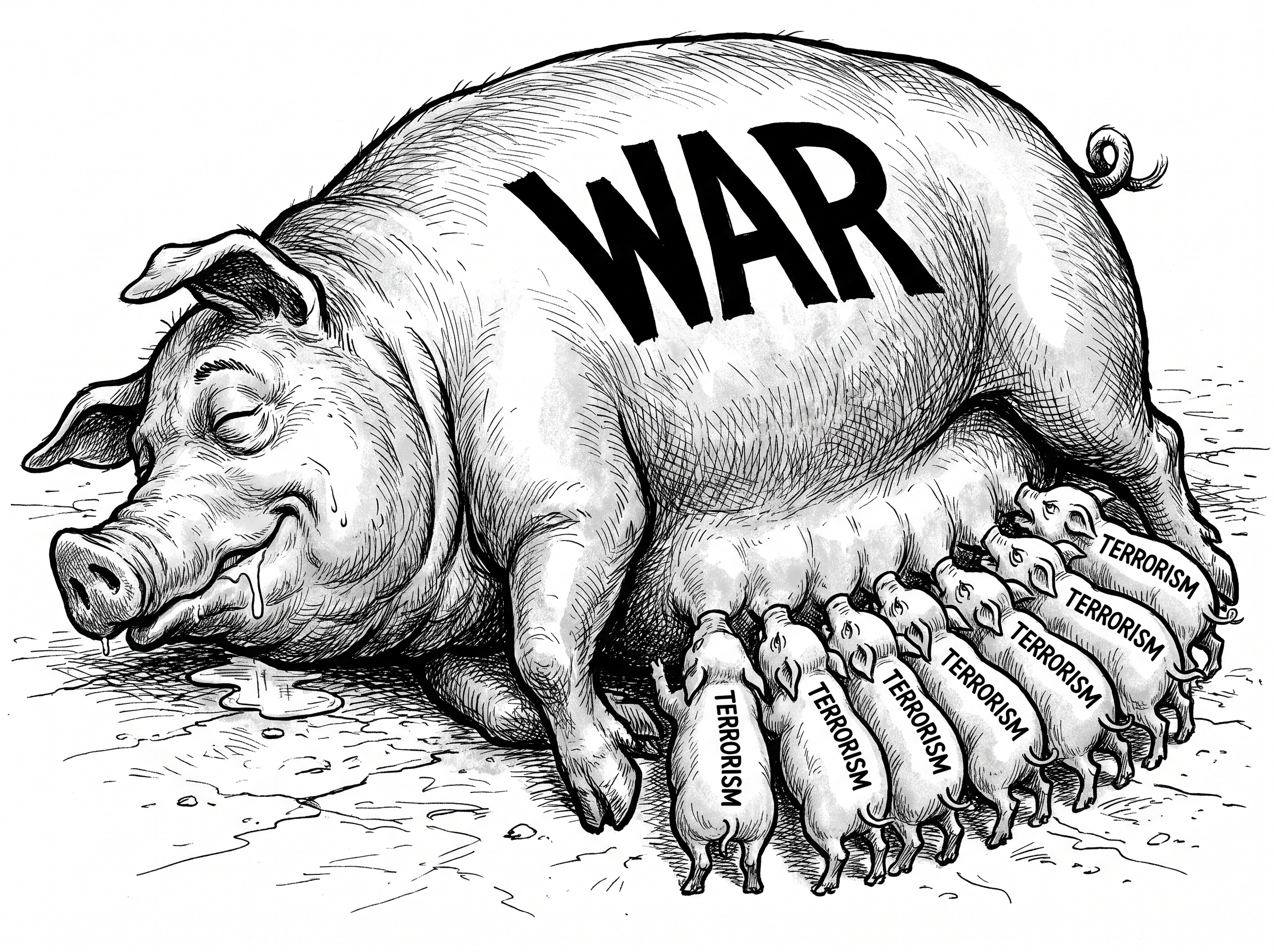
Fig. 5.20 – War and terrorism. Inspiration: Ares.
5.12 Check Your Concepts
Explain the difference between a migrant, a refugee and an internally displaced person. Why does this distinction matter to the state on whose border such a person arrives? Use the example of an internally displaced community that the chapter names.
Look again at Fig. 5.15, the chart of where the world’s displaced people were being hosted in 2017. Which regions were hosting the largest shares? Now state two things this chart cannot tell you about the world’s displaced people.
Study Fig. 5.4, ‘the nuclear powers club’. What claim is the cartoonist making about the big powers? Then explain what a cartoon of this kind cannot establish, however sharply it is drawn.
The chapter warns that if we include any kind of disease or distress in the ambit of security, the concept loses its coherence. What minimum common criterion must an issue meet to qualify as a security problem? Illustrate your answer with two examples from the chapter that meet this criterion in very different ways.
Proponents of human security disagree over the ‘narrow’ and the ‘broad’ concept. Set out both positions, and give the strongest reason each side offers for its view. Which fact, or which value judgement, does the disagreement finally rest on?
Reconstruct, as a chain of causes, how global poverty in the South leads to large-scale displacement. Use the figures the chapter supplies on wars and refugee flows in the 1990s, and say what those figures do not establish.
The chapter argues that a democratic government is not just a political ideal but is also a way of providing greater security. Set out the reasoning behind this claim. Then identify one thing the chapter itself records that makes the claim harder to accept.