Chapter 2: Self and Personality
Sometime in the 1950s, two heart doctors in San Francisco, Meyer Friedman and Ray Rosenman, called in an upholsterer to repair the chairs in their waiting room. The upholsterer looked at the chairs and said something the doctors had never thought about: the fabric was worn out only on the front edge of each seat. Ordinary people sink back into a waiting-room chair. These patients, it seemed, had been perching on the very edge of theirs, ready to spring up.
The remark meant little at the time. Years later, while searching for the psychological and social factors that put people at risk of heart disease, the two doctors remembered those chairs. They began to notice a familiar kind of patient: always in a hurry, impatient in a queue, unable to sit still, working against a clock that no one else could see. They gave this pattern a name — Type-A behaviour — and argued that it was linked to a higher risk of heart trouble.
Notice what happened. A worn patch of cloth led to a question about a person’s characteristic way of being in the world. That question — why is this person consistently like this, and what difference does it make to their life? — is the question of personality. And behind it lies a still older question: who am I, and how did I come to be this person at all?

Fig. 2.6 – Worn waiting-room chairs and Type-A behaviour.
This chapter will give you the tools to answer each of these questions.
2.1 Introduction
You spend a surprising amount of your day thinking about yourself. Why did I snap at my friend? Why am I calm before a match but nervous before a viva? Why do I get along easily with one cousin and not at all with another? Without noticing it, you are constantly observing and evaluating your own behaviour, and the behaviour of the people around you.
Psychologists use two related ideas to organise questions like these. When you ask who am I, and describe yourself as a student, a daughter, a Malayali, a shy person, a good listener — you are drawing on your idea of your self. When you ask why people differ from one another, why the same event means one thing to one person and something quite different to another, and why two people react so unlike each other to the same situation, you are asking about personality.
How the two ideas fit together
These two concepts are not rivals; they are closely tied. Self is what a person consciously knows and feels about herself or himself. Personality is the wider, relatively stable pattern of behaviour, thought and emotion that others can also observe. Self, in fact, lies at the core of personality — how you see yourself shapes how you characteristically act.
Studying self and personality does two things at once. It tells you what makes you unique — your particular blend of qualities, which no one else has in quite that combination. It also tells you what you share with others, because the same concepts and dimensions can be used to describe any person at all.
Because self and personality are so central to human life, many thinkers have tried to analyse their structure and their functioning — and they have not agreed. Some located personality in hidden conflicts, others in observable habits, others in the culture a person grows up in, still others in the human urge to grow. As a result, psychology today holds several different theoretical perspectives on the same subject, each throwing light on some aspects and leaving others in shadow.
This chapter introduces the basic aspects of self and personality, then takes you through the major theoretical approaches that have been developed to explain them, and finally examines the methods psychologists use to assess personality.
2.2 Self and Personality
Both self and personality refer to the characteristic ways in which we define our existence. They also refer to the way our experiences get organised, and then show up in what we actually do. In that sense they are two views of the same person — one from the inside, one from the outside.
Begin with ordinary observation. Different people hold different ideas about themselves. One classmate thinks of herself as dependable and a little dull; another thinks of himself as talented but unlucky. These ideas that a person holds about herself or himself represent the self of that person.
Now shift the viewpoint from the person’s ideas to the person’s behaviour. Different people behave in different ways in the very same situation — put ten students in front of the same unexpected test and you will see ten different reactions. Yet the behaviour of any one of those students, from one situation to another, generally remains fairly stable. The cautious one tends to stay cautious; the joker tends to keep joking.
Such a relatively stable pattern of behaviour is what we call the personality of that person. Different persons therefore seem to possess different personalities, and these personalities are reflected in the diverse behaviour we see around us. The stability is what makes prediction possible at all: if you know someone well, you can usually guess how they will take bad news.
2.3 Concept of Self
From your childhood days you have probably spent a good deal of time wondering who you are, and how you are different from everyone else. By now you have certainly formed some ideas about yourself — though you may never have put them into words, and may not even be aware of holding them. The simplest way to bring them to the surface is to try to state them.
Most students find this harder than they expected. While working on it, you were describing your ‘self’. You are aware of your self in much the same way as you are aware of the objects around you — the chair, the table, the fan in your room — except that in this case the object of awareness is you.
How the self comes into being
A newborn child has no idea of its self. As the child grows older, the idea of self emerges and its formation begins. Parents, friends, teachers and other significant persons play a vital role in shaping a child’s ideas about who she or he is. A child repeatedly told that she is careless, and a child repeatedly told that she is quick, are building different selves out of the same raw material.
So our self is not something we are born carrying. Our interaction with other people, our experiences, and above all the meaning we give to those experiences, serve as the basis of our self. This also means that the structure of self is modifiable. New experiences, and new experiences of other people, can revise it — which is exactly why the lists that you and your friends wrote will differ from one another, and why your own list would look different if you wrote it five years from now.
Two kinds of identity in the list
Look closely at what such a list contains. It is usually a fairly long set of attributes, and these attributes tell us about a person’s personal identity as well as her or his social or cultural identity.
Personal identity refers to those attributes of a person that make her or him different from others. When a person describes herself or himself by giving a name (I am Sanjana, I am Karim), or a quality (I am honest, I am hardworking), or a capability (I am a singer, I am a dancer), or a belief (I am a believer in God, I am a believer in destiny), she or he is disclosing personal identity.
Social identity refers to those aspects of a person that link her or him to a social or cultural group, or are derived from that group. When someone says that she is a Hindu or a Muslim, a Brahmin or an adivasi, a North Indian or a South Indian, she is indicating her social identity. Notice that such a statement is not really about what makes her unlike everyone else; it is about the group whose membership she carries.
Together, these descriptions characterise the way people mentally represent themselves as a person. This gives us psychology’s working idea of the self.
2.3.1 Self as Subject and Self as Object
Return to those “I am” lists. You will find that people have described themselves in two rather different ways. Sometimes they describe themselves as an entity that does something — “I am a dancer”. Sometimes they describe themselves as an entity on which something is done — “I am one who easily gets hurt”.
In the first case, the self is being described as a ‘subject’, the one who acts. In the second case, the self is being described as an ‘object’, the one who gets affected.
This tells us something important: the self can be understood as a subject as well as an object. When you say, “I know who I am”, the self is being described as a ‘knower’ and at the same time as something that can be ‘known’. As a subject — as the actor — the self actively engages in the process of knowing itself. As an object — as the consequence — the self gets observed and comes to be known. This dual status of the self should always be kept in mind, because every later theory in this chapter works with one side of it or the other.
2.3.2 Kinds of Self
There are several kinds of self. They are not present at birth in finished form; they get formed as a result of our interactions with our physical and socio-cultural environments, as shown in Fig. 2.7.
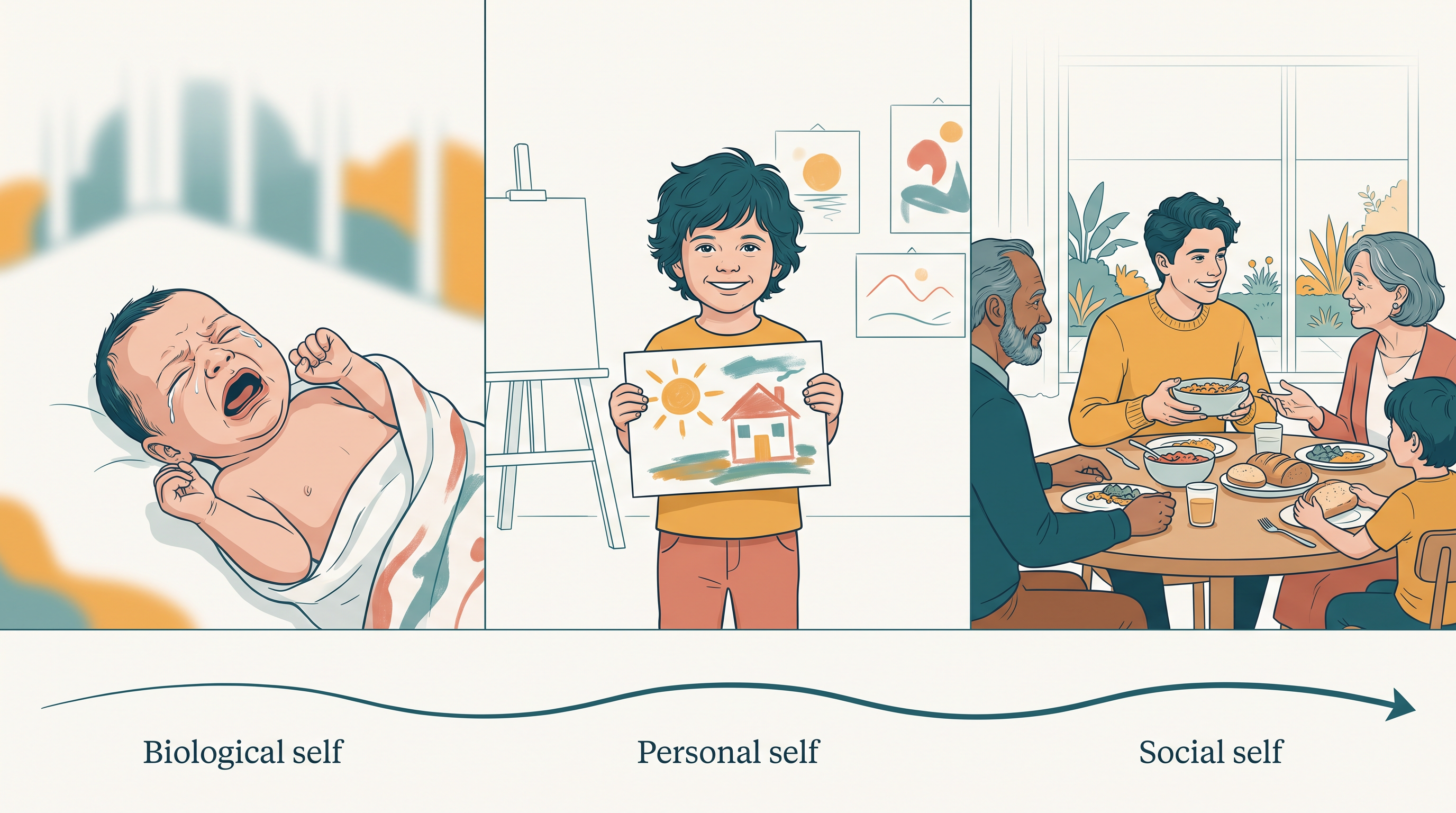
Fig. 2.7 – Kinds of self: biological, personal and social.
The biological self. The first elements of self may be noticed when a newborn child cries for milk when it is hungry. This cry is based on reflex — the infant is not yet aware of anything. But it later leads to the development of the awareness that ‘I am hungry’. This biological self then modifies itself in the context of the socio-cultural environment in which the child lives. Hunger is biological; what you feel hungry for is not. You may feel hungry for a chocolate; a child raised in a place where chocolate is unknown will not.
The personal self. A distinction is made between the ‘personal’ and the ‘social’ self. The personal self leads to an orientation in which one feels primarily concerned with oneself. We have seen how biological needs give rise to a biological self. Soon, a child’s psychological and social needs, arising in the context of her or his environment, lead other components of the personal self to emerge. Emphasis then comes to be laid on those aspects of life that relate only to the concerned person — personal freedom, personal responsibility, personal achievement, personal comforts.
The social self. The social self emerges in relation with others. It emphasises such aspects of life as cooperation, unity, affiliation, sacrifice, support and sharing. This self values family and social relationships, and for that reason it is also referred to as the familial or relational self. A student who describes herself mainly as “the eldest daughter, the one the younger ones depend on” is describing this self.
Both selves exist in the same person; what varies is which of them is given weight, and cultures differ sharply in the answer they encourage. That is where we turn next, after examining what the self actually does in everyday behaviour.
2.4 Cognitive and Behavioural Aspects of Self
Psychologists from all parts of the world have shown interest in the study of self, and their studies have brought out many aspects of our behaviour that are tied to it. As you saw in the previous section, all of us carry within us a sense of who we are and what makes us different from everyone else. We cling to our personal and social identities, and we feel safe in the knowledge that this sense of who we are stays reasonably stable through our lifetime.
But the self is not only something we hold; it is something that works. It shapes what we attempt, what we avoid, and how we govern ourselves. This section examines the self at work — first as a set of ideas we hold about our own qualities, and then as three aspects of behaviour that follow from those ideas: self-esteem, self-efficacy and self-regulation.
Self-concept: the ideas we hold about ourselves
The way we perceive ourselves, and the ideas we hold about our own competencies and attributes, is called self-concept. It is not a single verdict but a structure, organised from the very general down to the very specific, as Fig. 2.8 shows.
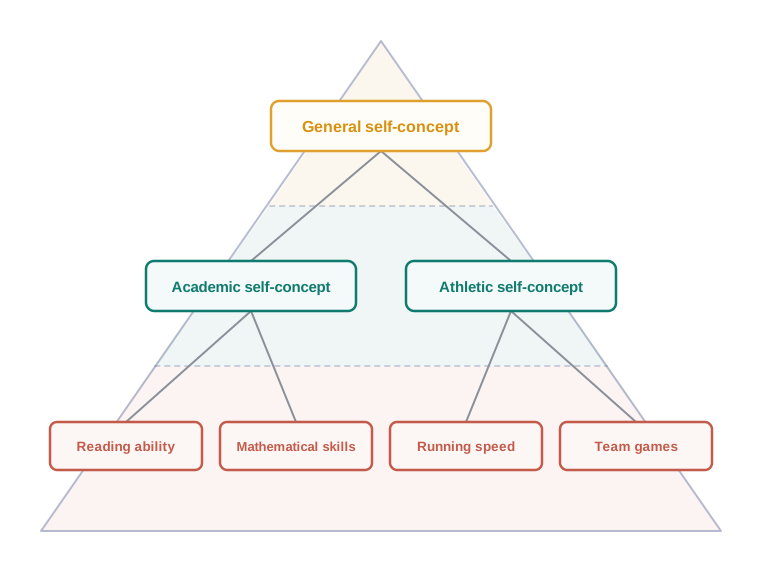
Fig. 2.8 – The hierarchical structure of self-concept.
At a very general level, this view of oneself is, overall, either positive or negative. At a more specific level, the same person may hold a very positive view of her athletic bravery, but a negative view of her academic talents. At an even more specific level, one may have a positive self-concept about one’s reading ability and a negative one about one’s mathematical skills. This is why the blanket statement “he has a poor self-concept” is usually too crude to be useful.
Finding out an individual’s self-concept is not easy, because it is not visible from outside. The most frequently used method is also the most direct one: asking the person about herself or himself.
2.4.1 Self-esteem
Self-esteem is an important aspect of our self. As persons, we do not merely describe ourselves; we always make some judgment about our own value or worth. That value judgment is what psychologists call self-esteem. Some people have high self-esteem, whereas others may have low self-esteem.
In order to assess self-esteem, we present a variety of statements to a person and ask her or him to indicate the extent to which those statements are true for her or him. For example, we may ask a child to indicate the extent to which statements such as “I am good at homework”, or “I am the one usually chosen for the games”, or “I am highly liked by my peers”, are true of her or him. A child who reports these statements to be true will have higher self-esteem than one who says “no” to them.
Self-esteem is not one thing
Studies indicate that by the age of 6 to 7 years, children seem to have formed self-esteem in at least four areas: academic competence, social competence, physical/athletic competence, and physical appearance. These four become more refined with age. A ten-year-old can already tell you that she is good at studies but poor at games.
Our capacity to view ourselves in terms of stable dispositions then permits us to combine these separate self-evaluations into a general psychological image of ourselves. This is known as an overall sense of self-esteem — the single answer a person gives when asked, in effect, “on the whole, do you think well of yourself?”
Why self-esteem matters
Self-esteem shows a strong relationship with our everyday behaviour. Children with high academic self-esteem perform better in schools than those with low academic self-esteem, and children with high social self-esteem are more liked by their peers than those with low social self-esteem. Notice how specific this is: it is academic self-esteem, not general self-esteem, that goes with school performance.
On the other hand, children with low self-esteem in all areas are often found to show anxiety, depression, and increasing antisocial behaviour. A word of caution is needed here. These are group findings about tendencies; they are not a test you can apply to yourself or to a friend on a bad week, and no one can be diagnosed with a psychological difficulty from a description in a textbook.
What raises self-esteem? Studies have shown that warm and positive parenting helps in the development of high self-esteem among children, because it allows them to know that they are accepted as competent and worthwhile. The opposite finding is more surprising: children whose parents help them or make decisions for them even when they do not need assistance often suffer from low self-esteem. Constant rescuing carries a message — you could not have managed this yourself.
2.4.2 Self-efficacy
Self-efficacy is another important aspect of our self. People differ in the extent to which they believe that they themselves control their life outcomes, or that the outcomes are controlled by luck, fate, or other situational factors. Think of passing an examination. One student says, “if I prepare properly, I will clear it.” Another says, “it depends on which questions come.” A person who believes that she or he has the ability or the behaviours required by a particular situation is demonstrating high self-efficacy.
The notion of self-efficacy is based on Bandura’s social learning theory. Bandura’s initial studies showed that children and adults learned behaviour by observing and imitating others. People’s expectations of mastery or achievement, and their convictions about their own effectiveness, also determine the types of behaviour in which they would engage, as well as the amount of risk they would undertake. A strong sense of self-efficacy allows people to select, influence, and even construct the circumstances of their own life. People with a strong sense of self-efficacy also feel less fearful.
The encouraging part is that self-efficacy can be developed. People with high self-efficacy have been found to stop smoking the moment they decide to do so. Our society, our parents, and our own positive experiences can all help build a strong sense of self-efficacy — largely by presenting positive models during the formative years of children. Seeing someone like you succeed at a task is one of the most powerful sources of the belief that you could succeed at it too.
2.4.3 Self-regulation
The third aspect concerns not what we think of ourselves, but how we manage ourselves. Self-regulation refers to our ability to organise and monitor our own behaviour. People who are able to change their behaviour according to the demands of the external environment are said to be high on self-monitoring.
Many situations in life require resistance to situational pressures and control over ourselves — the friend who wants you to leave the library, the phone that lights up while you are studying. This becomes possible through what is commonly known as ‘will power’. As human beings, we can control our behaviour the way we want. We often decide to delay or defer the satisfaction of certain needs.
Learning to delay or defer the gratification of needs is called self-control. Self-control plays a key role in the fulfilment of long-term goals, for a simple reason: almost every long-term goal requires giving up something attractive that is available right now, in favour of something more valuable that is not yet available at all.
Psychological techniques of self-control
A number of psychological techniques of self-control have also been suggested, and all of them are learnable.
Observation of own behaviour is one of them. Watching what you actually do — rather than what you believe you do — provides the information needed to change, modify, or strengthen certain aspects of the self. You cannot correct a habit you have not noticed.
Self-instruction is another important technique. We often instruct ourselves to do something and to behave the way we want to. Such instructions, spoken silently or aloud, are quite effective in self-regulation.
Self-reinforcement is the third technique. This involves rewarding behaviours that have pleasant outcomes. For example, you may go to see a movie with friends after you have done well in an examination.
These three techniques have been tried out and found quite effective with respect to self-regulation and self-control.
2.5 Culture and Self
Several aspects of the self seem to be linked to the characteristic features of the culture in which an individual lives. This is not a small point. If the self is built out of our interactions with others, then the kind of interactions a culture encourages will shape the kind of self a person ends up with. Analysis of the self carried out in the Indian cultural context reveals a number of important features that are distinct from those found in the Western cultural context.
Where the boundary is drawn
The most important distinction between the Indian and the Western views is the way the boundary is drawn between the self and the other.
In the Western view, this boundary appears to be relatively fixed. The line between “me” and “not me” is clear, and it stays where it is. The Indian view of self, on the other hand, is characterised by the shifting nature of this boundary. At one moment of time, our self expands to fuse with the cosmos or to include the others — the family, the community, the world. At the next moment, it seems to be completely withdrawn from all of that and focused fully on the individual self, on our own personal needs or goals.
This difference goes deeper than the self. The Western view seems to hold clear dichotomies — sharp either/or divisions — between self and other, between man and nature, and between the subjective and the objective. The Indian view does not make such clear dichotomies. Figure 2.1 illustrates this relationship.
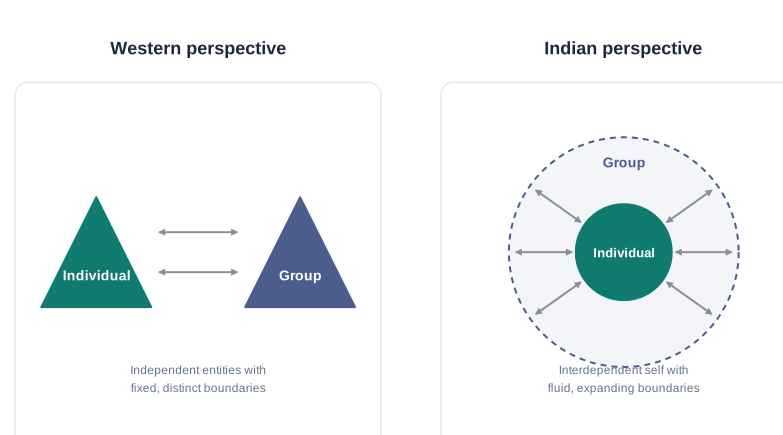
Fig. 2.1 – Western and Indian perspectives on self and group.
The self and the group
Look at what this means for a person’s place in a group. In the Western culture, the self and the group exist as two different entities with clearly defined boundaries. Individual members of the group maintain their individuality even while belonging to it; the group is something one joins, not something one is.
In the Indian culture, the self is generally not separated from one’s own group. Rather, both remain in a state of harmonious co-existence. In the Western culture, on the other hand, the self and the group often remain at a distance from each other. This is why many Western cultures are characterised as individualistic, whereas many Asian cultures are characterised as collectivistic.
These two views are descriptions of tendencies within cultures, not verdicts on individuals. Within any culture you will find people at both ends, and rapid social change — migration, urban work, the media a young person lives with — steadily shifts where a given person stands. What matters for us here is the general principle: the self is not formed in a vacuum, and any theory of personality that ignores culture will explain only part of what it sees.
2.6 Concept of Personality
The term ‘personality’ appears often in our day-to-day discussion, usually in a loose sense. Its literal meaning takes us back to the Latin word persona, meaning the mask worn by actors in the Roman theatre to change their facial appearance. Once an actor put on the mask, the audience expected him to perform a role in a particular manner. It did not, however, mean that the person enacting the given role necessarily possessed those qualities himself.
That old image still leaves a trace in everyday speech. For a layperson, personality generally refers to the physical or external appearance of an individual. When we find someone ‘good-looking’, we often assume that the person also has a charming personality. But this notion is based on superficial impressions, and those impressions may not be correct at all.
The psychological meaning
In psychological terms, personality refers to our characteristic ways of responding to individuals and situations. People can easily describe the way in which they respond to various situations. Certain catchwords — shy, sensitive, quiet, concerned, warm — are often used to describe personalities, and these words refer to different components of personality.
In this sense, personality refers to unique and relatively stable qualities that characterise an individual’s behaviour across different situations and over a period of time.
Consistency, and its limits
If you watch closely, you will find that people do show variations in their behaviour. One is not always cautious or impulsive, shy or friendly. Personality characterises individuals as they appear in most circumstances, not in every single one.
What defines a person’s personality, then, is consistency in behaviour, thought and emotion across situations and across time periods. For example, an honest person is more likely to remain honest irrespective of the time or the situation. That is what consistency means — a tendency that holds up, not a law that never breaks.
However, situational variations in behaviour do occur, and it would be a mistake to treat them as failures of personality. They help individuals in adapting to their environmental circumstances. The student who is loud among friends and quiet before a principal is not being false; she is adapting.
The defining features of personality
In brief, personality is characterised by the following features:
- It has both physical and psychological components.
- Its expression in terms of behaviour is fairly unique in a given individual.
- Its main features do not easily change with time.
- It is dynamic, in the sense that some of its features may change due to internal or external situational demands. Personality is therefore adaptive to situations.
Notice that features 3 and 4 sit together deliberately. Personality is stable enough to be recognisable, and flexible enough to be useful.
Why the concept is worth having
Once we are able to characterise someone’s personality, we can predict how that person will probably behave in a variety of circumstances. This is not idle prediction; it changes how we deal with people, in realistic and acceptable ways.
For example, if you find a child who does not like being given orders, the most effective way to deal with that child will be not to give orders, but to present a set of acceptable alternatives from which the child may choose. Similarly, a child who has feelings of inferiority needs to be treated differently from a child who is self-confident. The same instruction, delivered in the same tone, will land quite differently on the two.
Several other terms are used to refer to the behavioural characteristics of individuals, and quite often they are used as synonyms of personality. They are not synonyms, and it is worth reading them carefully to see how each differs from the notion of personality.
2.7 Major Approaches to the Study of Personality
Psychologists interested in the study of personality try to answer certain questions about the nature and the origin of individual differences. You may have observed that two children in the same family develop dramatically different personalities. Not only do they look physically different, they also behave differently in different situations.
Observations like these generate curiosity, and force us to ask: why is it that some people react differently in a given situation than others do? Why is it that some people enjoy adventurous activities, while others like reading, watching television or playing cards? Are these differences stable all through one’s life, or are they just short-lived and situation-specific?
A number of approaches and theories have been developed to answer such questions — to explain the behavioural differences among individuals, and the behavioural consistencies within an individual. These theories rest on different models of human behaviour, and this is why they disagree. Each throws light on some aspects of personality, but none throws light on all of them.
Three ways of framing the question
Psychologists distinguish between type and trait approaches to personality.
The type approach attempts to comprehend human personality by examining certain broad patterns in the observed behavioural characteristics of individuals. Each behavioural pattern refers to one type, and individuals are placed in a type on the basis of how closely their behavioural characteristics resemble that pattern. It is an all-or-none placement: you are of this type, or you are not.
In contrast, the trait approach focuses on the specific psychological attributes along which individuals tend to differ in consistent and stable ways. One person may be less shy, whereas another may be more; one person may be less friendly, whereas another may be more. Here “shyness” and “friendliness” represent traits, along which individuals can be rated in terms of the degree of presence or absence of the behavioural quality concerned. It is a matter of how much, not of which box.
A third position challenges both. The interactional approach holds that situational characteristics play an important role in determining our behaviour. People may behave as dependent or independent not because of an internal personality trait, but because of the external rewards or threats available in a particular situation. In fact, the cross-situational consistency of traits is found to be quite low. The compelling influence of situations can be noted simply by observing how the same people behave in a market, in a courtroom, and in a place of worship.
2.7.1 Type Approaches
Personality types are used to represent and communicate a set of expected behaviours based on similarities. Efforts to categorise people into personality types are not new — they have been made since ancient times, in medicine as much as in psychology.
Early typologies: humours and gunas
The Greek physician Hippocrates proposed a typology of personality based on fluid, or humour. He classified people into four types — sanguine, phlegmatic, melancholic and choleric — each characterised by specific behavioural features.
In India also, the Charak Samhita, a famous treatise on Ayurveda, classifies people into the categories of vata, pitta and kapha, on the basis of three humoural elements called tridosha. Each refers to a type of temperament, called prakriti (basic nature) of a person.
Apart from this, there is also a typology of personality based on the trigunas, that is, sattva, rajas and tamas. Sattva guna includes attributes like cleanliness, truthfulness, dutifulness, detachment and discipline. Rajas guna includes intensive activity, desire for sense gratification, dissatisfaction, envy for others, and a materialistic mentality. Tamas guna characterises anger, arrogance, depression, laziness, and a feeling of helplessness.
Notice one feature of this scheme that sets it apart from a simple set of boxes: all the three gunas are present in each and every person, in different degrees. It is the dominance of one or the other guna that leads to a particular type of behaviour. A person is not a sattvic person once and for all; the balance can shift.
Sheldon’s body types
Within psychology, the personality types given by Sheldon are fairly well-known. Using body build and temperament as the main basis, Sheldon proposed the endomorphic, mesomorphic and ectomorphic typology.
The endomorphs are fat, soft and round; by temperament they are relaxed and sociable. The mesomorphs have strong musculature, are rectangular with a strong body build, and are energetic and courageous. The ectomorphs are thin, long and fragile in body build; they are brainy, artistic and introvert.
Let us remember that these body typologies are simple, and have limited use in predicting the behaviour of individuals. They are more like the stereotypes which people already hold — the jolly fat man, the frail intellectual — dressed up in technical language.
Jung’s introverts and extraverts
Jung has proposed another important typology, by grouping people into introverts and extraverts. This one is widely recognised, and it has survived far better than the body types.
According to this typology, introverts are people who prefer to be alone, tend to avoid others, withdraw themselves in the face of emotional conflicts, and are shy. Extraverts, on the other hand, are sociable and outgoing, are drawn to occupations that allow dealing directly with people, and react to stress by trying to lose themselves among people and social activity. Introversion and extraversion will return later in this chapter, because trait theorists took the same idea and turned it into a dimension on which everyone can be placed.
Type-A, Type-B, Type-C and Type-D
In recent years, Friedman and Rosenman — the two cardiologists you met at the start of this chapter — have classified individuals into Type-A and Type-B personalities. They were not looking for a personality theory at all; they were trying to identify psychosocial risk factors for heart disease when they discovered these types.
People characterised by Type-A personality seem to possess high motivation, lack patience, feel short of time, are in a great hurry, and feel like being always burdened with work. Such people find it difficult to slow down and relax.
The finding that made this typology important is a medical one. People with Type-A personality are more susceptible to problems like hypertension and coronary heart disease (CHD). The risk of developing CHD with a Type-A personality is sometimes even greater than the risks caused by high blood pressure, high cholesterol levels, or smoking. Opposite to this is the Type-B personality, which can be understood simply as the absence of Type-A traits.
This typology has been further extended. Morris has suggested a Type-C personality, which is prone to cancer. Individuals characterised by this personality are cooperative, unassertive and patient; they suppress their negative emotions, such as anger, and show compliance to authority. More recently, a Type-D personality has been suggested, which is characterised by proneness to depression.
How much can a typology carry?
Personality typologies are usually very appealing. They are easy to remember, easy to apply, and they give the pleasant feeling of having understood a person in one word.
That is also their weakness. Human behaviour is highly complex and variable, and assigning people to a particular personality type is difficult. People simply do not fit into such simple categorisation schemes so neatly. A person may be hurried at work and unhurried at home; most of us sit somewhere in the middle of any type, and the middle is exactly what a typology cannot describe.
2.7.2 Trait Approaches
Trait theories are mainly concerned with the description or characterisation of the basic components of personality. They try to discover the ‘building blocks’ of personality — the small number of dimensions out of which the enormous variety of human behaviour can be assembled.
The trait approach is very close to our common experience in everyday life. When we come to know that a person is sociable, we assume that she or he will not only be cooperative, friendly and helping, but will also engage in other behaviours with a social component. One word licenses a whole set of expectations. That is exactly what a trait is meant to do.
Thus, the trait approach attempts to identify the primary characteristics of people. A trait is considered a relatively enduring attribute or quality on which one individual differs from another. Traits are not single actions; they include a range of possible behaviours that are activated according to the demands of the situation. A person high on sociability behaves differently at a funeral and at a wedding, but both behaviours flow from the same trait.
To summarise, (a) traits are relatively stable over time, (b) they are generally consistent across situations, and (c) their strengths and combinations vary across individuals, leading to individual differences in personality.
A number of psychologists have used traits to formulate their theories of personality. We will discuss three important ones.
Allport’s trait theory
Gordon Allport is considered the pioneer of the trait approach. He proposed that individuals possess a number of traits, which are dynamic in nature. These traits determine behaviour in such a manner that an individual approaches different situations with similar plans. The traits integrate stimuli and responses which otherwise look dissimilar — buying a gift, writing an email and offering a seat look nothing alike, yet a single trait of considerateness may organise all three.
Allport argued that the words people use to describe themselves and others provide a basis for understanding human personality. Language, in other words, has already done a great deal of the psychologist’s work. He therefore analysed the words of the English language to look for traits that describe a person, and on this basis categorised traits into cardinal, central and secondary.
Cardinal traits are highly generalised dispositions. They indicate the goal around which a person’s entire life seems to revolve. Mahatma Gandhi’s non-violence and Hitler’s Nazism are examples of cardinal traits. Such traits often get associated with the name of the person so strongly that they give rise to identities such as the ‘Gandhian’ or the ‘Hitlerian’ trait. Cardinal traits are rare; most people do not have one.
Less pervasive in effect, but still quite generalised dispositions, are called central traits. These traits — warm, sincere, diligent — are the ones often used in writing a testimonial or a job recommendation for a person.
The least generalised characteristics of a person are called secondary traits. Traits such as ‘likes mangoes’ or ‘prefers ethnic clothes’ are examples. They are real, but they explain very little.
While Allport acknowledged the influence of situations on behaviour, he held that the way a person reacts to a given situation depends on her or his traits — although people sharing the same trait might express it in different ways. Allport considered traits to be rather like intervening variables that occur between the stimulus situation and the response of the person. This meant that any variation in traits would elicit a different response to the same situation.
Cattell: personality factors
Raymond Cattell believed that there is a common structure on which people differ from each other, and that this structure could be determined empirically rather than argued about. He too began from language, trying to identify the primary traits hidden in a huge array of descriptive adjectives.
To find the structure inside all those adjectives, he applied a statistical technique called factor analysis, which groups together descriptions that tend to rise and fall with one another. Using it, he found 16 primary or source traits.
The source traits are stable, and are considered the building blocks of personality. Besides these, there are also a number of surface traits that result from the interaction of source traits. Cattell described the source traits in terms of opposing tendencies — reserved versus outgoing, for instance — so that a person can be placed somewhere along each pair. He developed a test, called the Sixteen Personality Factor Questionnaire (16PF), for the assessment of personality, and it is widely used by psychologists.
Eysenck’s theory
H. J. Eysenck proposed that personality could be reduced to two broad dimensions. These dimensions, he argued, are biologically and genetically based, and each of them subsumes a number of specific traits.
Neuroticism vs. emotional stability: This refers to the degree to which people have control over their feelings. At one extreme of the dimension we find people who are neurotic — anxious, moody, touchy, restless, and quick to lose control. At the other extreme lie people who are calm, even-tempered, reliable, and who remain under control.
Extraversion vs. introversion: This refers to the degree to which people are socially outgoing or socially withdrawn. At one extreme are those who are active, gregarious, impulsive and thrill-seeking. At the other extreme are people who are passive, quiet, cautious and reserved.
In a later work, Eysenck proposed a third dimension, called Psychoticism vs. Sociability, which is considered to interact with the two dimensions mentioned above. A person who scores high on the psychoticism dimension tends to be hostile, egocentric and antisocial. The Eysenck Personality Questionnaire is the test used for studying these dimensions of personality.
Notice what Eysenck has done with Jung’s typology. Introversion and extraversion are no longer two boxes into which people are sorted; they have become the two ends of a single dimension, on which every person can be given a position — including the many who fall in the middle.
The trait approach is very popular, and many advances in this respect are still taking place; most of them lie beyond the scope of your present studies. One newer formulation, however, has become so widely used that it must be mentioned here, because it offers a fresh scheme for organising traits.
2.7.3 Psychodynamic Approach
The psychodynamic approach is a highly popular approach to studying personality, and it owes largely to the contributions of Sigmund Freud. Freud was a physician, and he developed this theory in the course of his clinical practice — not in a laboratory, but in a consulting room, from what his patients told him.
Early in his career he used hypnosis to treat people with physical and emotional problems. He noted something that changed the direction of his work: many of his patients needed to talk about their problems, and having talked about them, they often felt better. To understand the internal functioning of the mind, Freud went on to use free association (a method in which a person is asked to openly share all the thoughts, feelings and ideas that come to her or his mind), dream analysis, and analysis of errors — the slips, forgettings and mispronunciations of ordinary life.
Levels of consciousness
Freud’s theory considers the sources and consequences of emotional conflicts, and the ways in which people deal with them. In doing so, it visualises the human mind in terms of three levels of consciousness.
The first level is the conscious, which includes the thoughts, feelings and actions of which people are aware. The second level is the preconscious, which includes mental activity of which people may become aware only if they attend to it closely — a name you can retrieve if you try. The third level is the unconscious, which includes mental activity that people are simply unaware of, and cannot bring to mind by trying.
According to Freud, the unconscious is a reservoir of instinctive or animal drives. It also stores all those ideas and wishes that are concealed from conscious awareness, perhaps because they would lead to psychological conflicts. Most of these, in Freud’s account, arise from sexual desires which cannot be expressed openly and are therefore repressed.
This makes human life a continuous struggle. People constantly work to find either some socially acceptable ways to express unconscious impulses, or ways to keep those impulses from being expressed at all. Unsuccessful resolution of these conflicts, Freud held, results in abnormal behaviour.
If the unconscious cannot be observed directly, how can it be approached at all? Freud’s answer was that it leaks. The analysis of forgetting, mispronunciations, jokes and dreams provides us with a means of approaching the unconscious. On this basis he developed a therapeutic procedure called psychoanalysis, whose basic goal is to bring repressed unconscious material into consciousness, thereby helping people to live in a more self-aware and integrated manner.
Structure of personality
According to Freud’s theory, the primary structural elements of personality are three: the id, the ego and the superego. They reside in the unconscious as forces, and they cannot be seen — they can only be inferred from the ways people behave, as Fig. 2.2 shows. It is worth remembering at the outset that id, ego and superego are concepts, not real physical structures inside the head.
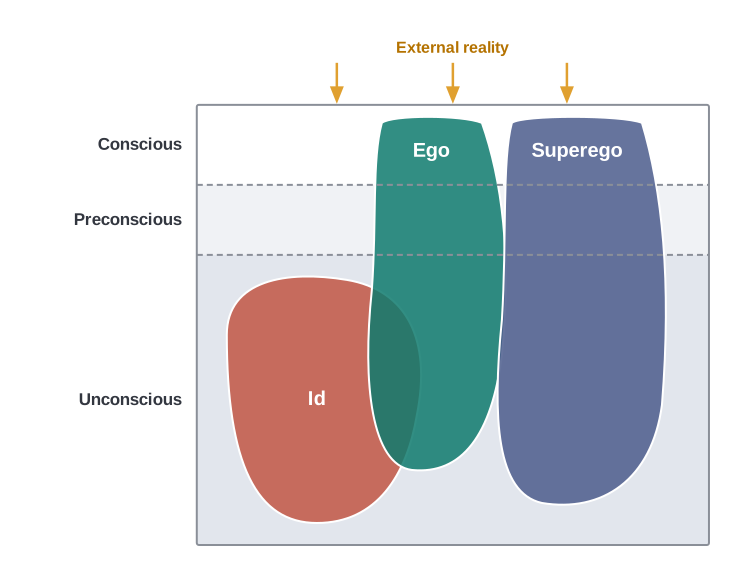
Fig. 2.2 – Structure of personality in Freudian theory.
Id: It is the source of a person’s instinctual energy. It deals with the immediate gratification of primitive needs, sexual desires and aggressive impulses. It works on the pleasure principle, which assumes that people seek pleasure and try to avoid pain. Freud considered much of a person’s instinctual energy to be sexual, and the rest aggressive. The id does not care for moral values, for society, or for other individuals.
Ego: It grows out of the id, and seeks to satisfy an individual’s instinctual needs in accordance with reality. It works by the reality principle, and it often directs the id towards more appropriate ways of behaving. Take Freud’s own kind of example. The id of a boy who wants an ice-cream cone tells him to grab the cone and eat it. His ego tells him that if he grabs the cone without asking, he may be punished. Working on the reality principle, the boy knows that the best way to achieve gratification is to ask for permission to eat the cone. Thus, while the id is demanding, unrealistic and works according to the pleasure principle, the ego is patient, reasonable, and works by the reality principle.
Superego: The best way to characterise the superego is to think of it as the moral branch of mental functioning. The superego tells the id and the ego whether gratification in a particular instance is ethical. It helps control the id by internalising parental authority through the process of socialisation. If the boy asks his mother for the ice-cream cone, his superego will indicate that his behaviour is morally correct, and this way of obtaining the ice-cream will not create guilt, fear or anxiety in him.
In terms of individual functioning, then, Freud thought of the unconscious as being composed of three competing forces. In some people the id is stronger than the superego; in others it is the superego that dominates. The relative strength of the id, the ego and the superego determines each person’s stability.
Freud also assumed that the id is energised by two instinctual forces, called the life instinct and the death instinct. He paid less attention to the death instinct and focused more on the life (or sexual) instinct. The instinctual life force that energises the id is called libido. It works on the pleasure principle, and seeks immediate gratification.
Ego defence mechanisms
According to Freud, much of human behaviour reflects an attempt to deal with, or to escape from, anxiety. How the ego deals with anxiety therefore largely determines how people behave. Freud believed that people avoid anxiety mainly by developing defence mechanisms, which try to defend the ego against awareness of the instinctual needs.
Two points must be held together here. Some defence against anxiety is normal and adaptive — all of us use these mechanisms, and life would be difficult without them. But people who use them to such an extent that reality is truly distorted develop various forms of maladjustment.
Freud described many different kinds of defence mechanisms. The most important is repression, in which anxiety-provoking behaviours or thoughts are totally dismissed by the unconscious. When people repress a feeling or desire, they become totally unaware of that wish or desire. Thus, when a person says, “I do not know why I did that”, some repressed feeling or desire is expressing itself.
The other major defence mechanisms are projection, denial, reaction formation and rationalisation.
In projection, people attribute their own traits to others. A person who has strong aggressive tendencies may see other people as acting in an excessively aggressive way towards her or him.
In denial, a person totally refuses to accept reality. Someone living with a serious illness such as HIV/AIDS may altogether deny that she or he is ill.
In reaction formation, a person defends against anxiety by adopting behaviours opposite to her or his true feelings. A person with strong sexual urges who channels that energy into religious fervour is the classical example.
In rationalisation, a person tries to make unreasonable feelings or behaviour seem reasonable and acceptable. When a student who has done poorly in an examination buys a set of new pens, she or he may rationalise the behaviour by asserting, “I will do much better with these pens.”
People who use defence mechanisms are often unaware of doing so. Each mechanism is simply a way for the ego to deal with the uncomfortable feelings produced by anxiety.
However, Freud’s ideas about the role of defence mechanisms have been questioned. His claim that projection reduces anxiety and stress, for instance, has not found support in several studies. A concept that explains every possible behaviour equally well is, in the end, difficult to test.
Stages of personality development
Freud claims that the core aspects of personality are established early, remain stable throughout life, and can be changed only with great difficulty. He proposed a five-stage theory of personality development, also called psychosexual development, shown in Fig. 2.9. Problems encountered at any stage may arrest development, and have long-term effects on a person’s life.
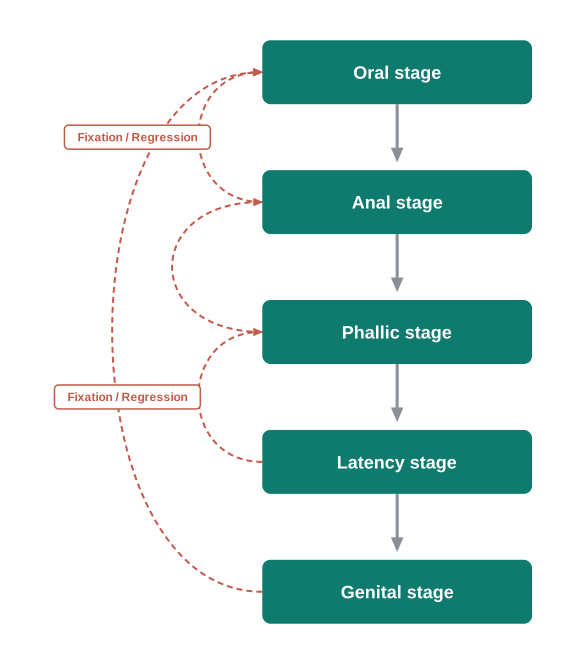
Fig. 2.9 – Freud’s stages of psychosexual development.
Oral stage: A newborn’s instincts are focused on the mouth, which is the infant’s primary pleasure-seeking centre. It is through the mouth that the baby obtains food that reduces hunger. The infant achieves oral gratification through feeding, thumb sucking, biting and babbling. It is during these early months that people’s basic feelings about the world are established. Thus, for Freud, an adult who considers the world a bitter place probably had difficulty during the oral stage.
Anal stage: Around the ages of two and three, the child learns to respond to some of the demands of society. One of the principal demands made by parents is that the child learns to control the bodily functions of urination and defecation. Most children at this age experience pleasure in moving their bowels, and the anal area of the body becomes the focus of certain pleasurable feelings. This stage establishes the basis for conflict between the id and the ego — between the desire for babyish pleasure and the demand for adult, controlled behaviour.
Phallic stage: This stage focuses on the genitals. At around ages four and five, children begin to realise the differences between males and females. They become aware of sexuality, and of the sexual relationship between their parents.
During this stage, the male child experiences the Oedipus complex, which involves love for the mother, hostility towards the father, and the consequent fear of punishment or castration by the father. (Oedipus was a Greek king who unknowingly killed his father and then married his mother.) A major developmental achievement of this stage is the resolution of the Oedipus complex. This takes place by accepting his father’s relationship with his mother, and modelling his own behaviour after his father.
For girls, the Oedipus complex — called the Electra complex, after Electra, a Greek character who induced her brother to kill their mother — follows a slightly different course. By attaching her love to the father, a girl tries symbolically to marry him and raise a family. When she realises that this is unlikely, she begins to identify with her mother and to copy her behaviour as a means of getting, or sharing in, her father’s affection.
The critical component in resolving the Oedipus complex, in both cases, is the development of identification with the same-sex parent. In other words, boys give up sexual feelings for their mothers and begin to see their fathers as role models rather than as rivals; girls give up their sexual desires for their father and identify with their mother.
Latency stage: This stage lasts from about seven years until puberty. During this period the child continues to grow physically, but sexual urges are relatively inactive. Much of a child’s energy is channelled into social or achievement-related activities.
Genital stage: During this stage, the person attains maturity in psychosexual development. The sexuality, fears and repressed feelings of earlier stages are once again exhibited. People learn to deal with members of the opposite sex in a socially and sexually mature way. However, if the journey towards this stage is marked by excessive stress or over-indulgence, it may cause fixation to an earlier stage of development.
Fixation and regression
Freud’s theory also postulates that as children proceed from one stage of development to another, they adjust their view of the world. Failure of a child to pass successfully through a stage leads to fixation at that stage, and the child’s development gets arrested at an earlier point.
For example, a child who does not pass successfully through the phallic stage fails to resolve the Oedipal complex, and may still feel hostile towards the parent of the same sex. This failure may have serious consequences for the child’s life: such a boy may come to consider that men are generally hostile, and may wish to relate to females in a dependable relationship.
Regression is also a likely outcome in such situations. It takes a person back to an earlier stage. Regression occurs when a person’s resolution of problems at any stage of development is less than adequate, and in this situation people display behaviours typical of a less mature stage of development.
Post-Freudian approaches
A number of theorists further developed their ideas following Freud. Some had worked with him and then moved on to develop their own versions of psychoanalytic theory. These theorists have been called neo-analytic, or post-Freudian, in order to differentiate their work from Freud’s.
Two features run through all of them. They give a less prominent role to the sexual and aggressive tendencies of the id, and they expand the concept of the ego. Human qualities such as creativity, competence and problem-solving ability are emphasised — the human being is no longer merely a battlefield of instincts.
Carl Jung: aims and aspirations. Jung worked with Freud in the early stages of his career, but later broke away from him. Jung saw human beings as guided as much by their aims and aspirations as by sex and aggression. He developed his own theory of personality, called analytical psychology. Its basic assumption is that personality consists of competing forces and structures within the individual, which must be balanced — rather than a conflict between the individual and the demands of society, or between the individual and reality.
Jung claimed that there is a collective unconscious, consisting of archetypes, or primordial images. These are not individually acquired; they are inherited. The God, or the Mother Earth, is a good example of an archetype, and archetypes are found in the myths, dreams and arts of all humankind. Jung held that the self strives for unity and oneness — it is itself an archetype, expressed in many ways — and he devoted much of his effort to studying such expressions in various traditions. According to him, for achieving unity and wholeness, a person must become increasingly aware of the wisdom available in one’s personal and collective unconscious, and must learn to live in harmony with it.
Karen Horney: optimism. Horney was another disciple of Freud who developed a theory that deviated from basic Freudian principles. She adopted a more optimistic view of human life, with an emphasis on human growth and self-actualisation.
Horney’s major contribution lies in her challenge to Freud’s treatment of women as inferior. According to her, each sex has attributes to be admired by the other, and neither sex can be viewed as superior or inferior. She countered that women were more likely to be affected by social and cultural factors than by biological ones.
She argued that psychological disorders were caused by disturbed interpersonal relationships during childhood. When parents’ behaviour towards a child is indifferent, discouraging and erratic, the child feels insecure, and a feeling called basic anxiety results. Deep resentment towards parents, or basic hostility, occurs because of this anxiety. By showing excessive dominance or indifference, or by providing too much or too little approval, parents can generate in children feelings of isolation and helplessness that interfere with their healthy development.
Alfred Adler: lifestyle and social interest. Adler’s theory is known as individual psychology. His basic assumption is that human behaviour is purposeful and goal-directed: each one of us has the capacity to choose and to create.
Our personal goals are the sources of our motivation, and the goals that provide us with security and help us overcome feelings of inadequacy are important in our personality development. In Adler’s view, every individual suffers from feelings of inadequacy and guilt — an inferiority complex — which arise from childhood. Overcoming this complex is essential for optimal personality development.
Erich Fromm: the human concerns. In contrast to Freud’s biological orientation, Fromm developed his theory from a social orientation. He viewed human beings as basically social beings, who could be understood in terms of their relationship with others. He argued that psychological qualities such as growth and the realisation of one’s potential result from a desire for freedom, and a striving for justice and truth.
Fromm holds that character traits — personality — develop from our experiences with other individuals. While culture is shaped by the mode of existence of a given society, people’s dominant character traits in that society work in turn as forces shaping the social processes and the culture itself. The influence runs both ways. His work recognises the value of positive qualities, such as tenderness and love, in personality development.
Erik Erikson: search for identity. Erikson’s theory lays stress on rational, conscious ego processes in personality development. In his theory, development is viewed as a lifelong process, and ego identity is granted a central place in it.
His concept of the identity crisis of adolescent age has drawn considerable attention. Erikson argues that young people must generate for themselves a central perspective and a direction that can give them a meaningful sense of unity and purpose. The question “who am I, and what am I for?” is, on this account, not a distraction from growing up; it is the work of growing up.
How far can the psychodynamic account be trusted?
Psychodynamic theories face strong criticisms from many quarters. The major ones are as follows.
- The theories are largely based on case studies, and they lack a rigorous scientific basis.
- They use small and atypical individuals as samples for advancing generalisations — a handful of patients is a narrow foundation for a theory of all human beings.
- The concepts are not properly defined, and it is difficult to submit them to scientific testing.
- Freud has used males as the prototype of all human personality development. He overlooked female experiences and perspectives — a criticism that Horney, from inside the psychoanalytic tradition itself, was among the first to press.
None of this means the approach was worthless. It gave psychology the idea that behaviour has causes the person cannot report, and that early experience matters — two ideas that survive even where Freud’s specific claims do not.
2.7.4 Behavioural Approach
The behavioural approach begins by refusing to speculate. It does not give importance to the internal dynamics of behaviour — the hidden conflicts, the unconscious forces — because these cannot be observed. Behaviourists believe in data, which they feel must be definable, observable and measurable.
They therefore focus on the learning of stimulus–response connections and on their reinforcement. According to them, personality can be best understood as the response of an individual to the environment. Development, on this view, is simply a change in response characteristics: a person learns new behaviours in response to new environments and new stimuli.
For most behaviourists, the structural unit of personality is the response. Each response is a behaviour that is emitted to satisfy a specific need. As you know, all of us eat because of hunger, but we are also very choosy about foods.
Take a familiar example. Children do not like eating many vegetables — spinach, pumpkin, gourds — but gradually they learn to eat them. Why do they do so? According to the behavioural approach, children may initially learn to eat such vegetables in anticipation of appreciation from their parents, which acts as reinforcement. Later on, they may eventually learn to eat vegetables not only because their parents are pleased with this behaviour, but also because they acquire a taste for those vegetables and find them good.
Thus, the core tendency that organises behaviour is the reduction of the biological or social needs that energise behaviour, and this is accomplished through responses that are reinforced.
From your study in Class XI, you may recall that there are several different learning principles that involve the use of stimuli, responses and reinforcement in different ways. The theories of classical conditioning (Pavlov), instrumental conditioning (Skinner), and observational learning (Bandura) are well known to you. These theories view the learning and maintenance of behaviour from different angles, and their principles have been widely used in developing personality theories.
They differ in an important respect. Observational learning theory considers thought processes to be extremely important in learning, but such processes find almost no place in classical or instrumental conditioning theories. Observational learning theory also emphasises social learning — learning based on the observation and imitation of others — and self-regulation, both of which are missed out in the other theories. It is this line of thinking, as you have already seen, that led Bandura to the notion of self-efficacy.
2.7.5 Cultural Approach
The cultural approach attempts to understand personality in relation to the features of the ecological and cultural environment. Its starting point is not the individual at all, but the way a group makes its living.
It proposes that a group’s ‘economic maintenance system’ plays a vital role in the origin of cultural and behavioural variations. The climatic conditions, the nature of the terrain of the habitat, and the availability of food (flora and fauna) in it, determine not only people’s economic activities, but also their settlement patterns, social structures, division of labour, and other features such as child-rearing practices.
Taken together, these elements constitute a child’s overall learning environment. People’s skills, abilities, behavioural styles and value priorities are viewed as strongly linked to these features. Rituals, ceremonies, religious practices, arts, recreational activities, games and play are the means through which people’s personality gets projected in a culture. People develop various personality qualities in an attempt to adapt to the ecological and cultural features of a group’s life. The cultural approach therefore considers personality as an adaptation of individuals or groups to the demands of their ecology and culture.
Two learning environments compared
Let us make this concrete. A good proportion of the world’s population, even today, lives in forests and mountainous regions, with hunting and gathering as their primary means of livelihood. The Birhor, a tribal group of Jharkhand, represent such a population. Most of them live a nomadic life, which requires constant movement in small bands from one forest to another in search of game and other forest products, such as fruits, roots, mushrooms and honey.
In the Birhor society, children from an early age are allowed enormous freedom to move into the forests and to learn hunting and gathering skills. Their child socialisation practices are also aimed at making children independent (doing many things without help from elders), autonomous (taking several decisions for themselves), and achievement-oriented (accepting risks and challenges, such as those involved in hunting), from an early age of life.
In agricultural societies, children are socialised quite differently — to be obedient to elders, nurturant to youngsters, and responsible to their duties. Since these behavioural qualities make people more functional in agricultural societies, they become dominant features of people’s personality. This is in contrast to independence, autonomy and achievement, which are more functional — and therefore more highly valued — in hunting-gathering societies.
Because of different economic pursuits and different cultural demands, then, children in hunting-gathering and in agricultural societies develop and display different personality patterns. Notice what this claims and what it does not. It does not say that one pattern is better than the other; it says that each is an adaptation to the demands of a particular way of life.
2.7.6 Humanistic Approach
The humanistic approach was developed mainly in response to Freud’s theory. Where Freud saw a person driven by hidden conflicts and haunted by early childhood, the humanists saw a person reaching forward — capable of choice, growth and fulfilment. Carl Rogers and Abraham Maslow have particularly contributed to this perspective on personality, and we shall examine each briefly.
Rogers: the fully functioning person
The most important idea proposed by Rogers is that of a fully functioning person. He believes that fulfilment is the motivating force for personality development: people try to express their capabilities, potentials and talents to the fullest extent possible. There is an inborn tendency among persons that directs them to actualise their inherited nature.
Rogers makes two basic assumptions about human behaviour. The first is that behaviour is goal-directed and worthwhile. The second is that people — who are innately good — will almost always choose adaptive, self-actualising behaviour.
Rogers’ theory grew out of his experience of listening to patients in his clinic. He noted that the self was an important element in the experience of his clients, and his theory is therefore structured around the concept of self. It assumes that people are constantly engaged in the process of actualising their true self.
Rogers suggests that each person also has a concept of an ideal self, which is the self that a person would like to be. When there is a correspondence between the real self and the ideal self, a person is generally happy. Discrepancy between the real self and the ideal self often results in unhappiness and dissatisfaction. Rogers’ basic principle is that people have a tendency to maximise their self-concept through self-actualisation, and in this process the self grows, expands, and becomes more social.
Figure 2.3 shows what this looks like. Where a person’s self-concept and her experience overlap substantially — congruence — she is a well-adjusted individual. Where the two barely overlap — incongruence — the person is poorly adjusted, because a large part of what she actually experiences cannot be admitted into the picture she holds of herself.
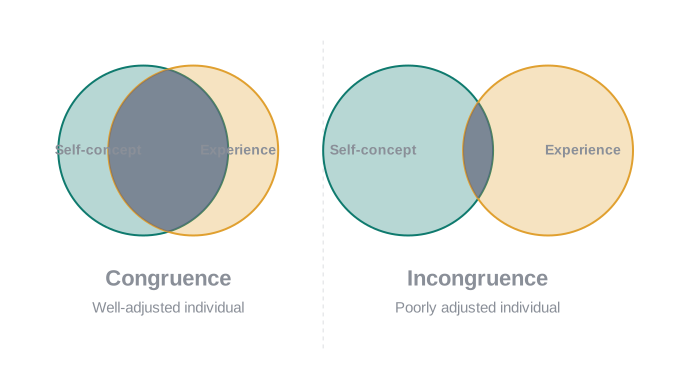
Fig. 2.3 – Congruence and incongruence in self-concept.
Rogers views personality development as a continuous process. It involves learning to evaluate oneself, and mastering the process of self-actualisation. He recognises the role of social influences in the development of self-concept: when social conditions are positive, the self-concept and self-esteem are high; when the conditions are negative, the self-concept and self-esteem are low. People with high self-concept and self-esteem are generally flexible and open to new experiences, so that they can continue to grow and self-actualise.
This has a direct practical consequence. It means that an atmosphere of unconditional positive regard must be created in order to ensure the enhancement of people’s self-concept — an atmosphere in which a person is valued as she is, and not only when she meets someone’s conditions. The client-centred therapy that Rogers developed is basically an attempt to create this condition.
Maslow: self-actualisation
You are already familiar with the hierarchy of needs propounded by Maslow, from your study of motivation in Class XI. Maslow has given a detailed account of psychologically healthy people in terms of their attainment of self-actualisation, a state in which people have reached their own fullest potential.
Maslow had an optimistic and positive view of the human being, who has the potential for love, for joy, and for creative work. Human beings are considered free to shape their lives and to self-actualise, and self-actualisation becomes possible by analysing the motivations that govern our life.
We know that biological, security and belongingness needs — called survival needs — are commonly found among animals and human beings alike. An individual whose sole concern is the satisfaction of these needs is, in Maslow’s stark phrase, reduced to the level of animals. The real journey of human life begins with the pursuit of self-esteem and self-actualisation needs. This is why the humanistic approach emphasises the significance of the positive aspects of life, rather than of conflict and disorder.
Each of the six approaches in this section answers the same question differently, and each leaves something out. The type and trait approaches describe personality but say little about how it forms. The psychodynamic approach explains its formation richly, but resists testing. The behavioural approach is testable, but ignores what happens inside. The cultural approach explains why groups differ, but less about why two children in one family differ. The humanistic approach restores choice and growth, but assumes a goodness it cannot demonstrate. Holding all six together, rather than choosing one, is the honest position — and it is the reason psychologists still need methods for actually measuring what a given person is like.
2.8 Assessment of Personality
To know, understand and describe people is a task in which everybody is involved in day-to-day life. When we meet new people, we try to understand them, and we even predict what they may do before we have interacted with them at all. In our personal lives we rely on our past experiences, our observations, our conversations, and information obtained from other persons.
The trouble is that this everyday approach to understanding others is influenced by a number of factors that colour our judgement and reduce objectivity — a first impression, a single striking quality, what a friend has already told us. Hence we need to organise our efforts more formally in order to analyse personalities. A formal effort aimed at understanding the personality of an individual is termed personality assessment.
In assessment, we try to study what a person generally does, or how she or he behaves, in a given situation. Besides promoting our understanding, assessment is also useful for diagnosis, training, placement, counselling, and other purposes.
Psychologists have tried to assess personality in various ways. The most commonly used techniques are psychometric tests, self-report measures, projective techniques, and behavioural analysis. These techniques are rooted in different theoretical orientations — which is exactly why they throw light on different aspects of personality, and why no single one of them is enough. You have already read about psychometric tests in the previous chapter, so we will discuss the other three methods here.
2.8.1 Self-report Measures
It was Allport who suggested that the best method to assess a person is by asking her or him about herself or himself. It sounds obvious, but it is a real theoretical claim: it assumes that people know themselves, and are willing to say what they know. This led to the use of self-report measures.
These are fairly structured measures, often based on a theory, that require subjects to give verbal responses using some kind of rating scale. The method requires the subject to report her or his own feelings objectively, with respect to various items. The responses are accepted at their face value; they are scored in quantitative terms, and interpreted on the basis of norms developed for the test. Some of the well-known self-report measures are described below.
The Minnesota Multiphasic Personality Inventory (MMPI)
This inventory is widely used as a test in personality assessment. Hathaway and McKinley developed it as a helping tool for psychiatric diagnosis, but the test has been found very effective in identifying varieties of psychopathology. Its revised version is available as the MMPI-2.
It consists of 567 statements, and the subject has to judge each statement as ‘true’ or ‘false’ for her or him. The test is divided into 10 subscales, which seek to diagnose hypochondriasis, depression, hysteria, psychopathic deviate, masculinity–femininity, paranoia, psychasthenia, schizophrenia, mania, and social introversion.
In India, Mallick and Joshi have developed the Jodhpur Multiphasic Personality Inventory (JMPI), along the lines of the MMPI. A test developed in one culture cannot simply be carried into another; its items and its norms have to be built afresh for the population that will actually take it.
Eysenck Personality Questionnaire (EPQ)
Developed by Eysenck, this test initially assessed two dimensions of personality, called introverted–extraverted and emotionally stable–emotionally unstable. These dimensions are characterised by 32 personality traits.
Later on, Eysenck added a third dimension, called psychoticism. It is linked to psychopathology, and represents a lack of feeling for others, a tough manner of interacting with people, and a tendency to defy social conventions. A person scoring high on this dimension tends to be hostile, egocentric and antisocial. This test is also widely used.
Sixteen Personality Factor Questionnaire (16 PF)
This test was developed by Cattell. On the basis of his studies he identified a large set of personality descriptors, which were subjected to factor analysis in order to identify the basic personality structure. (You will learn about this statistical technique later.)
The test provides declarative statements, and the subject responds to a specific situation by choosing from a set of given alternatives. It can be used with high-school-level students as well as with adults, and it has been found extremely useful in career guidance, vocational exploration, and occupational testing.
Apart from these few popular tests, there are several others that try to assess specific dimensions of personality — authoritarianism, locus of control, optimism, and so on. As you proceed further with your study of psychology, you will come to know more about them.
What self-report measures cannot do
Self-report measures suffer from a number of problems, and both of the main ones arise from the very thing that makes them convenient: the answers come from the person being assessed.
Social desirability is one of them. It is a tendency on the part of the respondent to endorse items in a socially desirable manner — to answer as one ought to be, rather than as one is.
Acquiescence is another. It is the tendency of the subject to agree with items or questions irrespective of their content. It often appears in the form of saying ‘yes’ to everything. Together, these tendencies render the assessment of personality less reliable.
2.8.2 Projective Techniques
The techniques described so far are known as direct techniques, because they rely on information obtained directly from a person who clearly knows that her or his personality is being assessed. In such situations, people generally become self-conscious, and hesitate to share their private feelings, thoughts and motivations. When they do share them, they often do so in a socially desirable manner.
There is a deeper problem as well. Psychoanalytic theory tells us that a large part of human behaviour is governed by unconscious motives. Direct methods of assessment cannot uncover the unconscious part of our behaviour, for the simple reason that the person cannot report what she does not know. Hence they fail to provide us with a real picture of an individual’s personality. These problems can be overcome by using indirect methods of assessment, and projective techniques fall in this category.
Projective techniques were developed to assess unconscious motives and feelings. They are based on a single assumption: that a less structured or unstructured stimulus or situation will allow the individual to project her or his own feelings, desires and needs on to that situation. Show a person an ambiguous picture and ask what is happening in it, and the story that comes back has to be supplied from somewhere — and that somewhere is the person. These projections are then interpreted by experts.
A variety of projective techniques have been developed, using various kinds of stimulus materials and situations. Some of them require reporting associations with stimuli such as words or inkblots; some involve story writing around pictures; some require sentence completions; some require expression through drawings; and some require the choice of stimuli from a large set.
Common features of projective techniques
While the nature of the stimuli and of the responses varies enormously, all of these techniques share the following features:
- The stimuli are relatively or fully unstructured and poorly defined.
- The person being assessed is usually not told about the purpose of the assessment, or about the method of scoring and interpretation.
- The person is informed that there are no correct or incorrect responses.
- Each response is considered to reveal a significant aspect of personality.
- Scoring and interpretation are lengthy, and sometimes subjective.
Projective techniques are different from psychometric tests in many ways. They cannot be scored in any objective manner. They generally require qualitative analyses, for which rigorous training is needed.
The Rorschach Inkblot Test
This test was developed by Hermann Rorschach. It consists of 10 inkblots. Five of them are in black and white, two have some red ink, and the remaining three are in some pastel colours. The blots are symmetrical in design, with a specific shape or form, and each blot is printed in the centre of a white cardboard of about 7”×10” size. The blots were originally made by dropping ink on a piece of paper and then folding the paper in half — which is why it is called an inkblot test. Figure 2.4 gives an example.
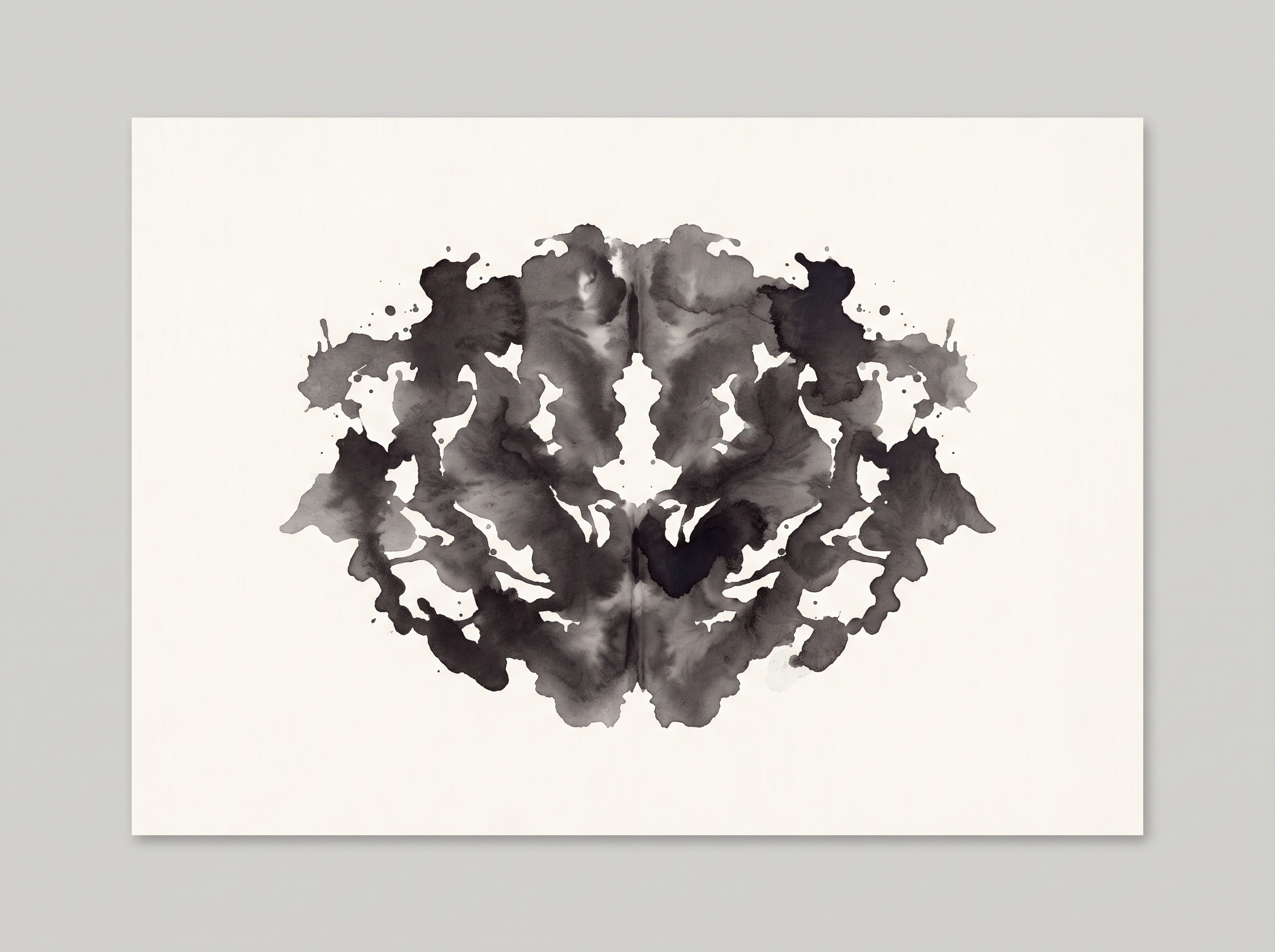
Fig. 2.4 – An example of a Rorschach inkblot.
The cards are administered individually, in two phases. In the first phase, called performance proper, the subjects are shown the cards and are asked to tell what they see in each of them. In the second phase, called inquiry, a detailed report of the response is prepared by asking the subject to tell where, how, and on what basis a particular response was made.
Fine judgment is necessary to place the subject’s responses in a meaningful context, and the use and interpretation of this test require extensive training. Computer techniques have also been developed for the analysis of the data.
The Thematic Apperception Test (TAT)
This test was developed by Morgan and Murray. It is a little more structured than the inkblot test — the pictures are ambiguous, but they are still pictures of people.
The test consists of 30 black-and-white picture cards and one blank card. Each picture card depicts one or more people in a variety of situations. Some cards are used with adult males or females, others with boys or girls, and still others in some combinations. Twenty cards are appropriate for a subject, although a lesser number of cards — even five — have also been used successfully.
The cards are presented one at a time, and the subject is asked to tell a story describing the situation presented in the picture: What led up to the situation? What is happening at the moment? What will happen in the future? What are the characters feeling and thinking? A standard procedure is available for scoring TAT responses.
The test has been modified for children and for the aged, and Uma Chaudhury’s Indian adaptation of the TAT is also available. An example of a TAT card is given in Figure 2.5.
Fig. 2.5 – An example of a TAT picture card.
Rosenzweig’s Picture-Frustration Study (P-F Study)
This test was developed by Rosenzweig to assess how people express aggression in the face of a frustrating situation. With the help of cartoon-like pictures, it presents a series of situations in which one person frustrates another, or calls attention to a frustrating condition. The subject is asked to tell what the other — the frustrated — person will say or do.
The analysis of responses is based on the type and the direction of aggression. An attempt is made to examine whether the focus is on the frustrating object, on the protection of the frustrated person, or on a constructive solution of the problem. The direction of aggression may be towards the environment, towards oneself, or it may be turned off in an attempt to gloss over or evade the situation. Pareek has adapted this test for use with the Indian population.
Sentence Completion Test
This test makes use of a number of incomplete sentences. The starting part of the sentence is presented, and the subject has to provide an ending to it. It is held that the type of endings used by the subjects reflect their attitudes, motivation and conflicts, and the test provides several opportunities to reveal underlying unconscious motivations.
A few sample items of a sentence completion test are given below.
- My father ————————————.
- My greatest fear is ————————————.
- The best thing about my mother is ————————————.
- I am proud of ————————————.
Draw-a-Person Test
This is a simple test in which the subject is asked to draw a person on a sheet of paper; a pencil and eraser are provided to facilitate drawing. After the drawing is completed, the subject is generally asked to draw the figure of a person of the opposite sex. Finally, the subject is asked to make a story about the person, as if she or he were a character in a novel or a play.
Some examples of interpretations are as follows:
- Omission of facial features suggests that the person tries to evade a highly conflict-ridden interpersonal relationship.
- Graphic emphasis on the neck suggests a lack of control over impulses.
- A disproportionately large head suggests organic brain disease and preoccupation with headaches.
How far can projective techniques be trusted?
The analysis of personality with the help of projective techniques appears fairly interesting, and it does something no direct method can: it helps us understand unconscious motives, deep-rooted conflicts, and the emotional complexes of an individual.
But the interpretation of the responses requires sophisticated skills and specialised training, and there are real problems associated with the reliability of scoring and the validity of interpretations. Two trained experts may read the same protocol differently, and a technique whose results depend on who is reading them is difficult to defend scientifically. Practitioners, nonetheless, have found these techniques quite useful in clinical work. Notice how the interpretations listed above should be read: as hypotheses that a trained clinician would test against everything else known about the person, never as conclusions drawn from a single drawing.
2.8.3 Behavioural Analysis
A person’s behaviour in a variety of situations can provide us with meaningful information about her or his personality. Observation of behaviour serves as the basis of behavioural analysis. Here the data come neither from what a person says about herself, nor from what she projects on to an ambiguous card, but from what she is seen to do.
An observer’s report may contain data obtained from interview, observation, ratings, nomination and situational tests. We will examine each of these procedures.
Interview
The interview is a commonly used method for assessing personality. It involves talking to the person being assessed and asking specific questions. Diagnostic interviewing generally involves in-depth interviewing, which seeks to go beyond the replies given by the person. Interviews may be structured or unstructured, depending on the purpose or the goals of assessment.
In unstructured interviews, the interviewer seeks to develop an impression about a person by asking a number of questions. The way a person presents herself or himself, and the way the questions are answered, carries enough potential to reveal personality.
Structured interviews address very specific questions and follow a set procedure. This is often done to make an objective comparison of the persons being interviewed, and the use of rating scales may further enhance the objectivity of the evaluations.
Observation
Behavioural observation is another very commonly used method for the assessment of personality. All of us watch people and form impressions about their personality — but the use of observation for assessment is a sophisticated procedure, and it cannot be carried out by untrained people.
It requires careful training of the observer, and a fairly detailed guideline about the analysis of behaviours, in order to assess the personality of a given person. For example, a clinical psychologist may wish to observe a client’s interaction with family members and with visitors at home. With carefully designed observation, the psychologist may gain considerable insight into the client’s personality.
In spite of their frequent and widespread use, observation and interview methods are characterised by the following limitations:
- The professional training required for the collection of useful data through these methods is quite demanding and time-consuming.
- The maturity of the psychologist is a precondition for obtaining valid data through these techniques.
- The mere presence of the observer may contaminate the results. As a stranger, the observer may influence the behaviour of the person being observed, and thus fail to obtain good data.
The third limitation is worth pausing on. People behave differently when they know they are being watched — which means that the very act of measuring behaviour can change the behaviour being measured.
Behavioural Ratings
Behavioural ratings are frequently used for the assessment of personality in educational and industrial settings. They are generally taken from people who know the assessee intimately, and who have interacted with her or him over a period of time, or have had a chance to observe her or him.
Ratings attempt to put individuals into certain categories in terms of their behavioural qualities, and the categories may involve different numbers or descriptive terms. It has been found that the use of numbers, or of general descriptive adjectives, in rating scales always creates confusion for the rater. What does “4 out of 5 on friendliness” actually mean? In order to use ratings effectively, the traits should be clearly defined in terms of carefully stated behavioural anchors — that is, in terms of the specific behaviours that count as evidence for each point on the scale.
The method of rating suffers from the following major limitations:
- Raters often display certain biases that colour their judgments of different traits. Most of us are greatly influenced by a single favourable or unfavourable trait, and this often forms the basis of a rater’s overall judgment of a person. This tendency is known as the halo effect — the student with neat handwriting is rated as more sincere, more able and more honest, on no further evidence.
- Raters have a tendency to place individuals either in the middle of the scale, avoiding extreme positions (called middle category bias), or in the extreme positions, avoiding middle categories on the scale (called extreme response bias).
These tendencies can be overcome by providing raters with appropriate training, or by developing scales in which the response bias is likely to be small.
Nomination
This method is often used in obtaining peer assessment. It can be used with persons who have been in long-term interaction, and who know each other very well — a class, a team, a hostel wing.
In using nomination, each person is asked to choose one or more persons of the group with whom she or he would like to work, study, play, or participate in any other activity. The person may also be asked to specify the reason for her or his choices. The nominations thus received are analysed to understand the personality and behavioural qualities of the person nominated.
This technique has been found to be highly dependable, largely because it draws on many observers rather than one — although it may also be affected by personal biases, since friendship and popularity are not the same thing as the quality being assessed.
Situational Tests
A variety of situational tests have been devised for the assessment of personality. The most commonly used test of this kind is the situational stress test, which provides us with information about how a person behaves under stressful situations.
The test requires a person to perform a given task with other persons who are instructed to be non-cooperative and interfering. It involves a kind of role playing: the person is instructed to play a role, and is observed while doing so. A verbal report is also obtained on what she or he was asked to do. The situation may be a realistic one, or it may be created through a video play.
The logic is straightforward. Rather than asking a person how she reacts to frustration, or waiting for a frustrating situation to arise by chance, the psychologist arranges one and watches.
Choosing a method
No single method of assessment is complete in itself, and the reason should now be clear. Self-report measures capture what a person is willing and able to say about herself. Projective techniques attempt to reach what she cannot say. Behavioural analysis records what she does, but changes her behaviour a little by watching it. Each technique is rooted in a different theory of what personality is, and each therefore sees what that theory looks for. A careful psychologist uses more than one, and treats the points where they disagree as information rather than as an inconvenience.
2.9 Summary
The study of the self and of personality helps us understand ourselves as well as other people. An individual’s self is not present at birth; it develops through social interaction with significant others.
There are different kinds of self — the personal self, the social self, and the relational or familial self. Self-esteem (the value judgment we make about our own worth) and self-efficacy (our belief that we can do what a situation demands) are two aspects of the self with far-reaching consequences for behaviour.
The psychological techniques of self-regulation include the systematic observation of one’s own behaviour, self-reinforcement, and self-instruction. Learning to delay gratification — self-control — is central to achieving long-term goals.
Personality refers to the psychophysical characteristics of a person that are relatively stable across situations and over time, and that make her or him unique. Because personality helps us adapt to a variety of situations, it is also likely to change in response to external or internal forces.
Personality has been studied through several approaches. The most prominent among these are the typological, trait, psychodynamic, behavioural, cultural and humanistic approaches.
The typological approach describes personality in terms of a few types, each characterised by a cluster of traits. Typologies are appealing but simplistic, since people do not fit neatly into categories.
Allport, Cattell and Eysenck have advocated a trait approach to personality, which offers a unified view of a person by identifying the basic dimensions along which people differ.
Freud developed the psychodynamic approach, and discussed personality in terms of a constant conflict between our internal forces — the id, the ego and the superego. In Freud’s view, unconscious conflicts are rooted in the process of psychosexual development, which occurs through the oral, anal, phallic, latency and genital stages.
Post-Freudian theorists focus on interpersonal forces and on the contemporary circumstances of a person’s life. Jung, Fromm, Adler, Horney and Erikson brought out the role of the ego and of social forces in personality.
The behavioural approach views personality as the response of an individual to the environment. It considers the response to be the structural unit of personality, emitted to satisfy a specific need and maintained through reinforcement.
The cultural approach explains personality in terms of the demands of adaptation made on individuals by the economic maintenance system of a group, and by the cultural features that follow from it.
The humanistic approach focuses on the subjective experiences of individuals and on their choices. Rogers emphasised the relationship between the ‘real self’ and the ‘ideal self’; the congruence of these selves makes a person fully functioning. Maslow discussed personality in terms of the interplay of needs that motivate people — needs that can be arranged in a hierarchy from lower-order (survival-related) needs to higher-order (development-related) needs.
Personality assessment is the procedure of analysing and evaluating people in terms of certain psychological characteristics, with the goal of predicting an individual’s behaviour with a high degree of accuracy.
An individual’s personality can be assessed by using observer reports, projective techniques, and self-report measures. Observer reports include the interview, observation, ratings, nomination and situational tests. The Rorschach Inkblot Test and the Thematic Apperception Test are widely used projective tests of personality, while self-report measures attempt to assess personality using fairly structured tests.
2.10 Key Terms
Anal stage — Freud’s second psychosexual stage (around ages two to three), in which pleasure centres on the anal area and the child faces society’s first demand for control.
Archetypes — Primordial images that make up the collective unconscious; they are inherited rather than individually acquired, and appear in the myths, dreams and arts of all humankind.
Cardinal traits — Highly generalised dispositions that indicate the goal around which a person’s entire life seems to revolve.
Central traits — Less pervasive but still generalised dispositions, such as warm or sincere, which are often used in describing a person.
Client-centred therapy — The therapy developed by Rogers, which works by creating an atmosphere of unconditional positive regard so that a person’s self-concept can grow.
Collective unconscious — Jung’s concept of an inherited layer of the unconscious, shared by all human beings and made up of archetypes.
Defence mechanisms — Ways of reducing anxiety by distorting reality, used by the ego to defend itself against awareness of instinctual needs.
Ego — The structure of personality that grows out of the id and works by the reality principle, seeking to satisfy instinctual needs in ways reality permits.
Extraversion — The tendency to be sociable, outgoing and active, and to seek out other people; one end of a widely used personality dimension.
Humanistic approach — The approach that explains personality in terms of a person’s subjective experience, choices, and inborn tendency to grow and self-actualise.
Id — The source of a person’s instinctual energy, which works on the pleasure principle and seeks immediate gratification, without regard for morality or reality.
Ideal self — The self a person would like to be; its correspondence with the real self is associated with happiness, and its discrepancy with dissatisfaction.
Inferiority complex — Adler’s term for the feelings of inadequacy and guilt, arising from childhood, that every individual must overcome for healthy personality development.
Introversion — The tendency to prefer being alone, to avoid others, and to withdraw in the face of emotional conflict; the opposite end of the dimension from extraversion.
Latency period — Freud’s fourth psychosexual stage, from about seven years until puberty, in which sexual urges are relatively inactive and energy goes into social and achievement-related activity.
Libido — The instinctual life force that energises the id; it works on the pleasure principle and seeks immediate gratification.
Oedipus complex — In Freud’s phallic stage, the male child’s love for the mother, hostility towards the father, and consequent fear of punishment; its resolution comes through identification with the same-sex parent.
Personal identity — Those attributes of a person — name, qualities, capabilities, beliefs — that make her or him different from others.
Phallic stage — Freud’s third psychosexual stage (around ages four and five), focused on the genitals, during which the Oedipus complex arises and must be resolved.
Projection — A defence mechanism in which people attribute their own traits to other people.
Projective techniques — Indirect methods of personality assessment in which an unstructured stimulus allows a person to project unconscious feelings, desires and needs on to it.
Psychodynamic approach — Freud’s approach, which explains personality in terms of unconscious forces and the constant conflict between the id, the ego and the superego.
Rationalisation — A defence mechanism in which a person makes unreasonable feelings or behaviour seem reasonable and acceptable.
Reaction formation — A defence mechanism in which a person defends against anxiety by adopting behaviours opposite to her or his true feelings.
Regression — Going back to behaviours typical of an earlier, less mature stage of development, when problems at a stage are inadequately resolved.
Repression — The most important defence mechanism, in which anxiety-provoking thoughts or desires are dismissed by the unconscious so that the person becomes wholly unaware of them.
Self-efficacy — A person’s belief that she or he possesses the ability or behaviours required by a particular situation, rather than being at the mercy of luck or fate.
Self-esteem — The value judgment a person makes about her or his own worth.
Self-regulation — The ability to organise and monitor one’s own behaviour, including the capacity to delay gratification for the sake of long-term goals.
Social identity — Those aspects of a person that link her or him to a social or cultural group, or are derived from that group.
Superego — The moral branch of mental functioning, which internalises parental authority through socialisation and judges whether gratification is ethical.
Trait approach — The approach that describes personality in terms of specific attributes, or traits, along which people differ in degree in consistent and stable ways.
Type approach — The approach that describes personality by placing people into broad categories, or types, on the basis of similarities in their observed behaviour.
Unconscious — The level of the mind containing mental activity of which people are unaware; in Freud’s account, a reservoir of instinctive drives and repressed wishes.
2.11 Points to Ponder
If personality is stable enough to be measured, is it also stable enough to be predicted — and if a person’s behaviour could be predicted accurately, what would that mean for the idea that she chooses it?
Psychologists warn that typologies are too simplistic, yet type labels — introvert, Type-A — spread faster and stick harder than any trait score. Why do human beings find categories so much more satisfying than degrees?
Take your ideal self seriously for a moment. Imagine you have already become the person you would like to be. What would that person’s attitudes be towards school, towards friends, towards family, and towards money? Now consider how two friends and two family members would describe your real attitudes towards the same four things. Where would the two pictures agree, and what would the gaps tell you?
Freud built a theory of all human personality largely from the accounts of a small number of patients. Behaviourists refused to study anything they could not observe. Which is the greater risk for a science — explaining too much, or explaining too little?
Choose five people you most admire, from real life or from history, and identify the personality characteristics that impress you in each. Do the same qualities keep recurring across your five? What does the pattern reveal about the qualities you value — and would a friend’s list look different?
The Indian view describes the boundary between self and group as shifting rather than fixed. As young people move to cities, work far from family, and live much of their social life online, is that boundary hardening? Should we expect the psychology of self in India to change with it?
2.12 NCERT Questions
What is self? How does the Indian notion of self differ from the Western notion?
What is meant by delay of gratification? Why is it considered important for adult development?
How do you define personality? What are the main approaches to the study of personality?
What is the trait approach to personality? How does it differ from the type approach?
How does Freud explain the structure of personality?
How would Horney’s explanation of depression be different from that of Alfred Adler?
What is the main proposition of the humanistic approach to personality? What did Maslow mean by self-actualisation?
Discuss the main observational methods used in personality assessment. What problems do we face in using these methods?
What is meant by structured personality tests? Which are the two most widely used structured personality tests?
Explain how projective techniques assess personality. Which projective tests of personality are widely used by psychologists?
Arihant wants to become a singer, even though he belongs to a family of doctors. His family members claim to love him, but they strongly disapprove of his choice of career. Using Carl Rogers’ terminology, describe the attitudes shown by Arihant’s family.
2.13 Objective Questions
- The value judgment that a person makes about her or his own worth is called:
- self-concept
- self-esteem
- self-efficacy
- self-regulation [1 mark]
- The notion of self-efficacy is based on the work of:
- Sigmund Freud
- Carl Rogers
- Albert Bandura
- Gordon Allport [1 mark]
- Cattell used which statistical technique to identify the source traits of personality?
- Correlation
- Factor analysis
- Content analysis
- Standardisation [1 mark]
- According to Freud, the structure of personality that works on the reality principle is the:
- id
- ego
- superego
- libido [1 mark]
- A person with strong aggressive tendencies who complains that everyone around him is hostile towards him is most likely using:
- repression
- rationalisation
- projection
- reaction formation [1 mark]
- Which of the following is NOT one of the Big Five factors?
- Openness to experience
- Agreeableness
- Psychoticism
- Conscientiousness [1 mark]
- The Thematic Apperception Test consists of:
- 10 inkblots
- 30 picture cards and one blank card
- 567 true–false statements
- 16 bipolar factors [1 mark]
- Assertion (A): Personality typologies are appealing but are considered too simplistic. Reason (R): Human behaviour is highly complex and variable, and people do not fit neatly into a few categories.
- Both A and R are true, and R is the correct explanation of A.
- Both A and R are true, but R is not the correct explanation of A.
- A is true, but R is false.
- A is false, but R is true. [1 mark]
- Assertion (A): Self-report measures may give a less reliable picture of personality than intended. Reason (R): Respondents may endorse items in a socially desirable manner, or agree with items irrespective of their content.
- Both A and R are true, and R is the correct explanation of A.
- Both A and R are true, but R is not the correct explanation of A.
- A is true, but R is false.
- A is false, but R is true. [1 mark]
- Assertion (A): Projective techniques do not tell the person the purpose of the assessment. Reason (R): Projective techniques are scored objectively against fixed norms.
- Both A and R are true, and R is the correct explanation of A.
- Both A and R are true, but R is not the correct explanation of A.
- A is true, but R is false.
- A is false, but R is true. [1 mark]
- Match the theorist in Column A with the concept in Column B.
| Column A | Column B |
|---|---|
| a. Carl Jung | i. Inferiority complex |
| b. Karen Horney | ii. Collective unconscious and archetypes |
| c. Alfred Adler | iii. Identity crisis |
| d. Erik Erikson | iv. Basic anxiety from disturbed interpersonal relationships |
[1 mark]
- Match the test in Column A with its description in Column B.
| Column A | Column B |
|---|---|
| a. Rorschach Inkblot Test | i. 567 statements judged as true or false |
| b. MMPI | ii. Cartoon-like pictures of frustrating situations |
| c. Rosenzweig’s P-F Study | iii. Ten symmetrical inkblots administered in two phases |
| d. 16 PF | iv. Declarative statements based on 16 source traits |
[1 mark]
Fill in the blank: Sheldon classified people, on the basis of body build and temperament, into endomorphic, ______________ and ectomorphic types. [1 mark]
Fill in the blank: The Latin word ______________ , meaning the mask worn by actors in the Roman theatre, gives us the literal origin of the term ‘personality’. [1 mark]
Fill in the blank: Rogers held that an atmosphere of ______________ must be created in order to enhance a person’s self-concept. [1 mark]
True or False: In the phallic stage, the critical component in resolving the Oedipus complex is identification with the same-sex parent. [1 mark]
True or False: Self-esteem and self-efficacy mean the same thing. [1 mark]
True or False: The halo effect is a limitation of the method of behavioural ratings. [1 mark]
2.14 Check Your Concepts
Define self-regulation, and name any one psychological technique of self-control. [2 marks]
State the four features that characterise personality. [2 marks]
What is meant by a defence mechanism? Give one example. [2 marks]
List the four areas in which children have been found to form self-esteem by the age of 6 to 7 years. [2 marks]
Name the three levels of consciousness described by Freud, and state what each includes. [3 marks]
Differentiate between source traits and surface traits, with reference to Cattell’s theory. [3 marks]
Distinguish between fixation and regression. Why does Freud regard both as consequences of an unsuccessful passage through a stage? [3 marks]
Give reasons: a psychologist assessing a person’s personality would rarely rely on a single method of assessment. [3 marks]
Explain the difference between personal identity and social identity, using one example of each drawn from everyday Indian life. [3 marks]
Why is self-esteem said to be made up of several separate self-evaluations rather than a single overall judgment? Support your answer with the evidence given in the chapter. [4 marks]
Explain, with an example, how the ego mediates between the demands of the id and those of the superego. [4 marks]
Describe the trigunas — sattva, rajas and tamas — and explain how this Indian typology differs from a scheme that simply places each person in one fixed category. [4 marks]
“Behaviourists refuse to look inside the person.” Evaluate this claim by describing how the behavioural approach explains the development of personality, and stating one limitation of that explanation. [4 marks]
Arrange Freud’s stages of psychosexual development in the correct order, and describe briefly what happens in each. [4 marks]
Describe the structure of personality in Freud’s theory, and evaluate the psychodynamic approach by stating any two criticisms it has faced. [6 marks]
Compare the type approach and the trait approach to personality. Which of the two, in your view, better accounts for the fact that most people are neither wholly shy nor wholly outgoing? Give reasons. [6 marks]
Describe the humanistic approach to personality with reference to the contributions of Rogers and Maslow, and state one limitation of this approach. [6 marks]
Explain the cultural approach to personality. How does it account for the different personality patterns found in hunting-gathering and agricultural societies? [6 marks]
Discuss the applications of personality assessment. Describe the main self-report measures used by psychologists, and explain the two problems that reduce their reliability. [6 marks]
2.15 Case-Based Questions
- Meera is in Class XII. She is convinced that her marks depend mainly on which questions happen to appear in the paper, and she says there is little point in preparing hard for a subject in which she has never done well. Her classmate Kavya, who scores about the same, prepares for each paper on the assumption that careful revision will decide her result. When a difficult unit is announced, Meera stops attempting the exercises, while Kavya divides them across the week.
- Identify the psychological concept on which Meera and Kavya differ, and define it.
- Explain how this difference accounts for what each of them does when the difficult unit is announced.
- Suggest, with reference to the chapter, one way in which a teacher could help Meera. [6 marks]
- Anil works in a busy office. He walks quickly, eats quickly, interrupts colleagues who take too long to make a point, and feels restless when a meeting runs slowly. He keeps two lists of pending work and finds it difficult to sit through a family dinner without checking the time. At a routine check-up, his doctor advises him to attend to his blood pressure.
- Which personality type does Anil’s behaviour illustrate? Name the two researchers associated with it.
- State the health finding that made this typology important in psychology.
- Why would a psychologist still be cautious about summing Anil up with a single type label? [6 marks]
- Ravi has failed to get a part in the school play. At home he announces that the play is badly written and that he never wanted to be in it. Over the next week he complains repeatedly that his cousin is “jealous of everyone”, although no one else has noticed this. He insists that he has not given the audition another thought, and cannot say why he has been irritable.
- Identify the defence mechanisms at work in Ravi’s behaviour, and explain your identification for each.
- According to Freud, what purpose do these mechanisms serve for the ego?
- State one criticism that has been made of Freud’s account of defence mechanisms. [6 marks]
- A school counsellor is asked to prepare a personality profile of a student who has been withdrawn in class. She interviews the student, observes him during group work, asks his teachers to rate him on a set of behavioural qualities, and finally has him tell stories about a set of ambiguous pictures.
- Name the assessment techniques the counsellor has used, and classify each as a direct or an indirect method.
- Explain one limitation of the observation method and one limitation of the rating method that the counsellor must guard against.
- Why is it important that only a trained professional interprets the material the student produces? [6 marks]