Chapter 14: Biodiversity And Conservation
Imagine walking the length of the planet, from the frozen edge of the Arctic down to the equator, keeping a tally of every kind of living thing you pass. For the first stretch the list grows slowly. The tundra and the northern forests hold vast numbers of animals, but of only a few kinds — endless herds and flocks drawn from a short roster of species. Then, as the air warms and the rains thicken, the list begins to race. Near the equator it runs away from you. A single patch of tropical forest can hold more kinds of tree than an entire temperate country.
This is not an accident. Life on the Earth is not spread evenly. It is packed tightest where sunlight and water are most abundant, and it thins toward the poles. Tropical rain forests cover only about one-fourth of the world’s land, yet they shelter roughly half of all the species alive today.
That same concentration is what makes life fragile. The living world we see is the outcome of 2.5 to 3.5 billion years of evolution — and yet 99 per cent of all the species that ever existed are already gone. Extinction is ancient and ordinary. What is new is the speed. Since human numbers began to climb, the losses have come faster, and they have come first where life is richest.
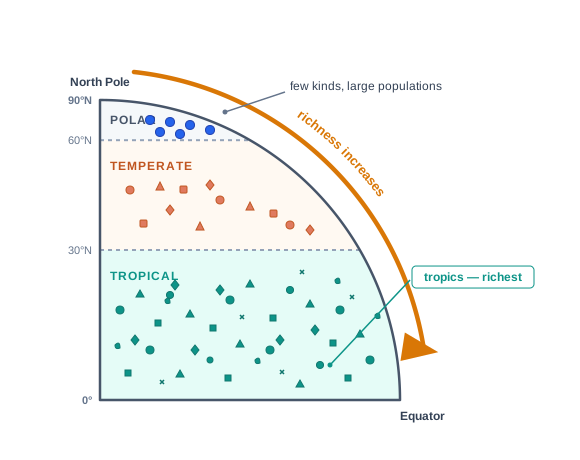
Fig. 14.0 – Species richness from pole to equator.
This chapter will let you answer each of these for yourself.
14.1 Biodiversity
You have already met the geomorphic processes — the way running water, wind, ice and, above all, weathering shape the land. Weathering is the breaking down of rock where it lies, without the broken pieces being carried away. Worked on for long enough, it produces a weathering mantle: the loose layer of broken rock and soil that blankets the solid rock beneath. Figure 5.2 in Chapter 5 shows how deep this mantle runs in different climatic zones.
This mantle matters far beyond geology, because it is the layer into which plants sink their roots. A thick, well-weathered mantle, fed by warmth and moisture, supports a rich cover of vegetation, and a rich cover of vegetation in turn supports a rich web of animal and microbial life. So the basic cause of biological richness is the same as the basic cause of deep weathering — a generous input of solar energy and water. Where both are plentiful, life is plentiful.
A Living Wealth, Long In The Making
The variety of life we see today is the outcome of 2.5 to 3.5 billion years of evolution. Before humans appeared, the Earth carried more of it than in any other period. Since humans emerged, that richness has begun a rapid decline, with one kind of organism after another driven toward extinction by overuse. Nobody knows exactly how many kinds share the planet: estimates run from 2 million to 100 million, with about 10 million the best single guess. New ones are found all the time — one estimate suggests that about 40 per cent of the freshwater fishes of South America have not yet even been classified. Tropical forests, above all, are extraordinarily rich in life.
Biodiversity is never fixed. It shifts constantly, both in the mix of species present and in each individual organism. The average half-life of a species — the span in which about half of the species alive now would be expected to disappear and be replaced — is put at between one and four million years. Turned around, that same idea says something stark: 99 per cent of all the species that have ever lived are already extinct. Loss, in itself, is nothing new.
What is striking is how unevenly the living wealth is spread. It is consistently richer in the tropics. Move toward the poles and the pattern reverses: you find larger and larger populations built from fewer and fewer kinds.
What Biodiversity Means
The word joins ‘bio’ (life) and ‘diversity’ (variety). In plain terms, biodiversity is the number and variety of organisms found within a specified geographic region — the plants, animals and micro-organisms of a place, the genes they carry, and the ecosystems they build together. It reaches across every scale: variability within a species and between species, and within an ecosystem and between ecosystems. Biodiversity is our living wealth, assembled over hundreds of millions of years of evolutionary history.
It helps to look at that wealth at three levels — genetic diversity, species diversity and ecosystem diversity. Each is a different lens on the same thing, moving from the smallest unit to the largest.
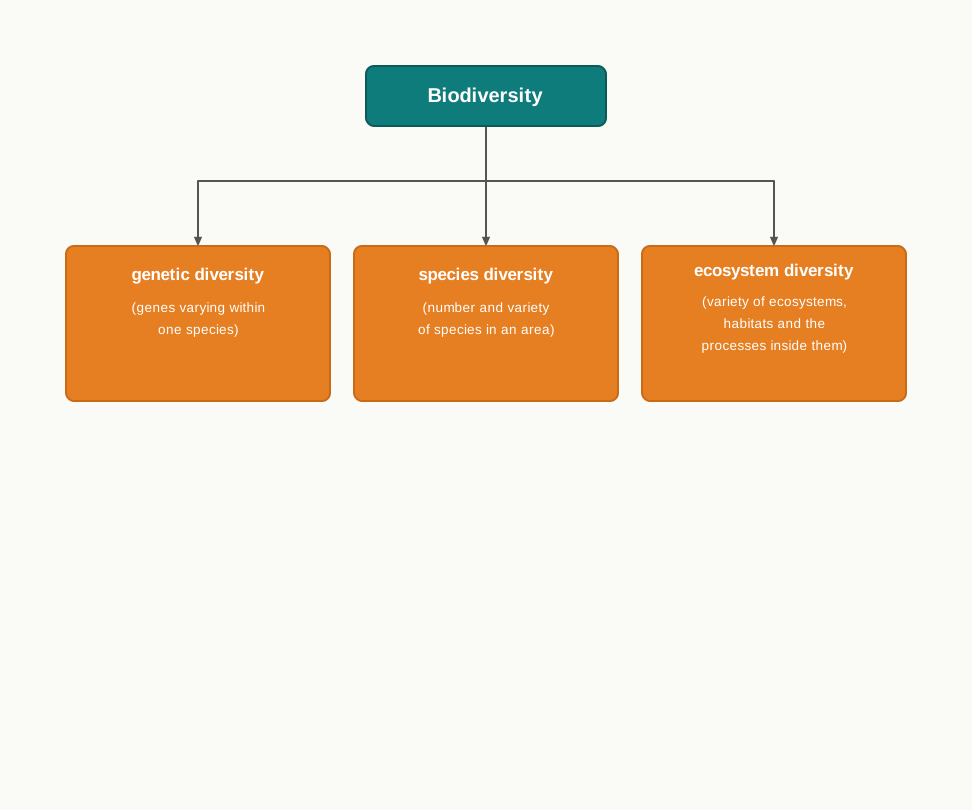
Fig. 14.1 – The three levels of biodiversity.
14.1.1 Genetic Diversity
Genes are the basic building blocks from which every life form is assembled. Genetic diversity is the variation in genes within a single species. A species is a group of individual organisms that share enough physical characteristics to count as one kind. Human beings all belong genetically to the Homo sapiens group, yet we differ considerably in height, colour and physical appearance — and that spread of difference is genetic diversity at work within our own kind.
This variation is not a mere curiosity. A population carrying plenty of genetic difference breeds more healthily and copes better with disease and changing conditions than one that is genetically uniform. Genetic diversity, in other words, is what keeps a species robust.
14.1.2 Species Diversity
Species diversity is the variety of species — it relates to the number of different kinds found in a defined area. It can be measured in more than one way: through richness, meaning how many different kinds are present; through abundance, meaning how many individuals of each; and through the types found there. Some areas are far richer in species than others.
Areas that are unusually rich in species are called hotspots of diversity. The world’s hotspots are not scattered at random, and they are mapped later in this chapter (Fig. 14.2).
14.1.3 Ecosystem Diversity
You met the ecosystem in an earlier chapter: a community of living things together with the air, water, soil and climate they interact with. Ecosystem diversity is the range of these systems — the broad differences between ecosystem types, the variety of habitats, and the ecological processes that run inside each type.
Its boundaries are hard to draw. The ‘boundaries’ of a community — an association of species living together — and of an ecosystem are not sharp lines on the ground. One system grades gradually into the next. That is exactly why marking where one ecosystem ends and another begins is a genuinely difficult and complex task.
A single protected landscape can show this diversity at a glance, as in Fig. 14.3. In the Indira Gandhi National Park at Annamalai, in the Western Ghats of southern India, rolling grasslands sit right beside compact patches of stunted evergreen forest known as sholas. Grassland and shola are two different communities, each holding its own set of species, meeting across the same hillside.
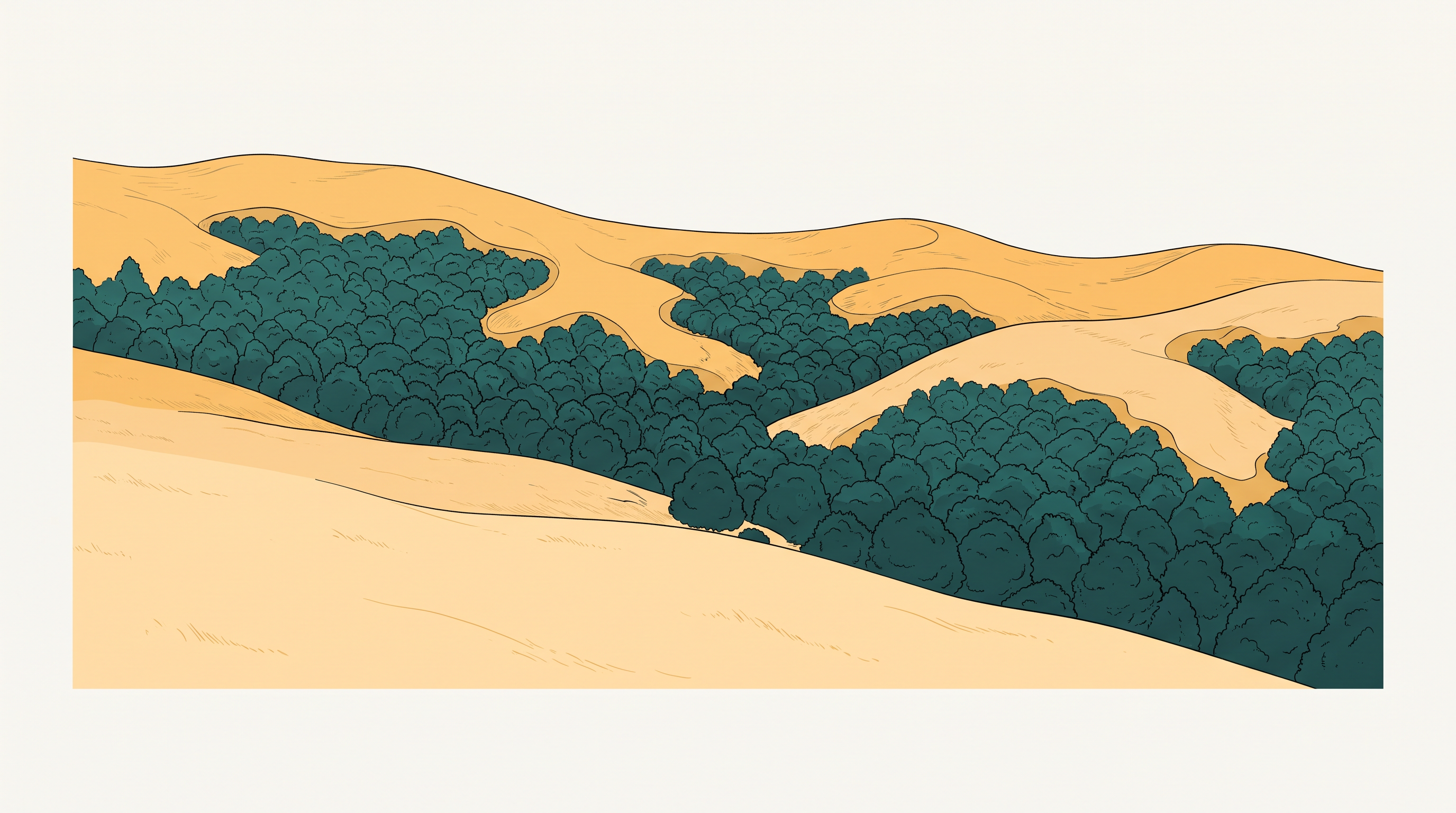
Fig. 14.3 – Grassland and shola forest in the Western Ghats.
14.2 Importance Of Biodiversity
Biodiversity has shaped human culture in countless ways, and human communities have, in turn, shaped the diversity of nature — at the genetic, species and ecological levels alike. The relationship runs both ways. To see why the loss of living variety matters, it helps to separate the value of biodiversity into three roles: ecological, economic and scientific.
14.2.1 Ecological Role Of Biodiversity
Species of every kind perform some function or other in an ecosystem. Nothing in an ecosystem evolves and survives without a reason: every organism, besides taking what it needs, also gives something useful back to the others. It is worth pausing here to ask how we ourselves — humans — contribute to keeping ecosystems going, because it is easy to assume we only draw from them.
Living things do a great deal of quiet work. They capture and store energy from the sun; they build up organic material and then decompose it, meaning they break dead matter back down into nutrients; they help move water and nutrients around the system; they fix atmospheric gases, locking gases such as nitrogen from the air into forms other organisms can use; and they help regulate the climate. These functions are essential both to the ecosystem and to human survival.
The variety of species is what makes this machinery reliable. A more diverse ecosystem gives its species better chances of surviving adversity and attack, and it tends to be more productive — that is, it produces more living material. So the loss of species would weaken the system’s ability to maintain itself. In the same way that a species with high genetic diversity is more robust, an ecosystem with high biodiversity has a greater chance of adapting to environmental change. Put simply, the more the variety of species in an ecosystem, the more stable it is likely to be.
14.2.2 Economic Role Of Biodiversity
For every human being, biodiversity is an important resource in day-to-day life. One important part of it is crop diversity, also called agro-biodiversity — the variety among crop plants, and among their wild relatives, on which farming depends. More broadly, biodiversity is seen as a reservoir of resources to be drawn upon for making food, pharmaceutical and cosmetic products.
This very idea — of living things as a store of biological resources — cuts both ways. It is partly responsible for the deterioration of biodiversity, because a reservoir seen only as something to draw from tends to be over-drawn. It is also the origin of new conflicts over the rules for dividing and claiming natural resources. Among the important economic commodities that biodiversity supplies to humankind are food crops, livestock, forests, fish and medicinal resources.
14.2.3 Scientific Role Of Biodiversity
Biodiversity matters to science because each species can give us a clue as to how life evolved and how it will keep evolving. Studying that variety also helps us understand how life functions, and the part each species plays in sustaining the ecosystems of which we ourselves are one species. This is a fact every one of us should take to heart, so that we live and also let other species live their lives.
Beyond its uses, there is an ethical dimension. Each and every species, together with us, has an intrinsic right to exist — a right to be here for its own sake, not merely for its usefulness to us. It is therefore morally wrong to voluntarily cause the extinction of any species. The level of biodiversity is a good indicator of the state of our relationship with other living things. Indeed, the concept of biodiversity is an integral part of many human cultures.
14.3 Loss Of Biodiversity
Over the last few decades, the growth in human population has driven up the rate at which we consume natural resources. That rising demand has, in different parts of the world, sped up the loss of species and of the places they live. The pressure falls hardest on the tropics.
Why The Tropics Are Under Strain
The tropical regions occupy only about one-fourth of the world’s total area, yet they hold about three-fourths of the world’s human population. To meet the needs of so many people, over-exploitation of resources and deforestation have become rampant. Since the tropical rain forests contain about 50 per cent of the species on the earth, the destruction of these natural habitats has proved disastrous for the entire biosphere — the thin zone of land, water and air in which all life exists.
The Many Causes Of Loss
Human demand is not the only threat. Natural calamities such as earthquakes, floods, volcanic eruptions, forest fires and droughts damage the flora and fauna of a region and change its biodiversity. Pesticides and other pollutants, such as hydrocarbons and toxic heavy metals, destroy the weak and sensitive species first.
A further threat comes from species in the wrong place. Exotic species are species that are not natural inhabitants of a local habitat but are introduced into it from outside. There are many cases where a natural biotic community — the living members of an ecosystem — has suffered extensive damage after an exotic species was let loose in it, because the newcomer has no natural checks there.
Direct killing has taken its own toll. In recent decades, animals such as tigers, elephants, rhinoceros, crocodiles, minks and birds have been hunted mercilessly by poachers for their horns, tusks and hides. This relentless hunting has pushed several kinds of organism into the endangered category.
The IUCN Categories
To help direct conservation effort, the International Union for Conservation of Nature and Natural Resources (IUCN) has sorted the threatened species of plants and animals into three categories, according to how close each is to extinction.
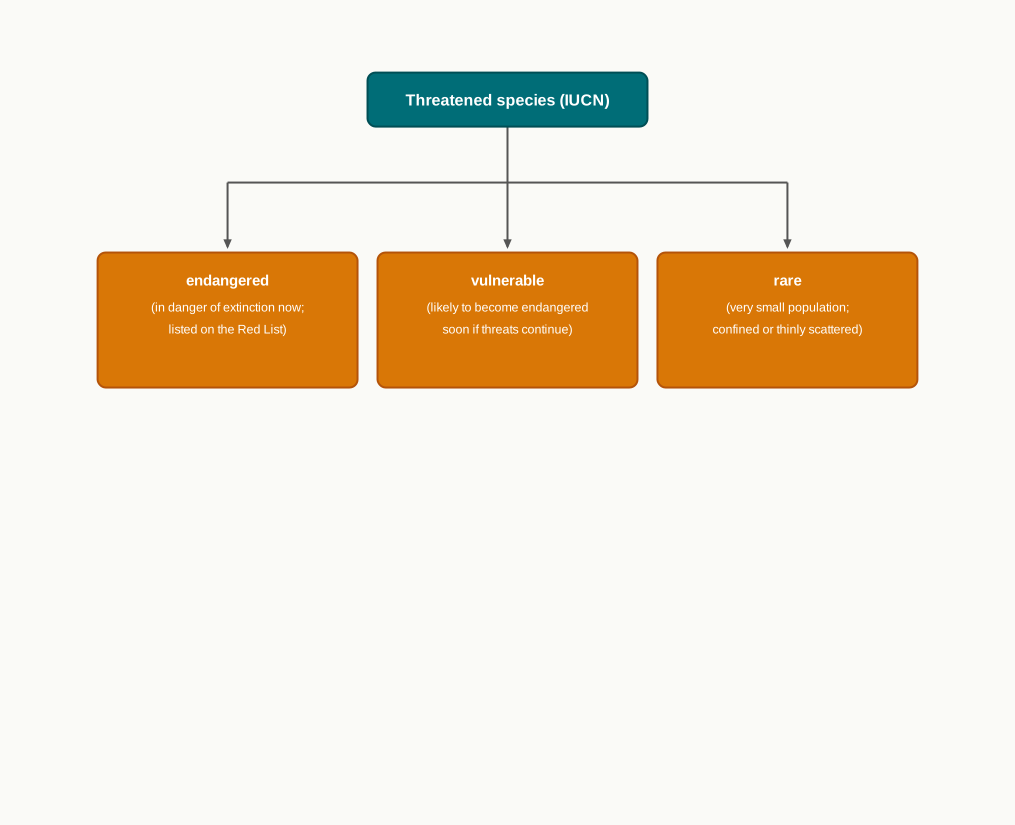
Fig. 14.4 – IUCN categories of threatened species.
14.3.1 Endangered Species
Endangered species are those which are in danger of extinction. The IUCN publishes information about endangered species worldwide as the Red List of threatened species. Fig. 14.5 shows one such animal, the Red Panda.
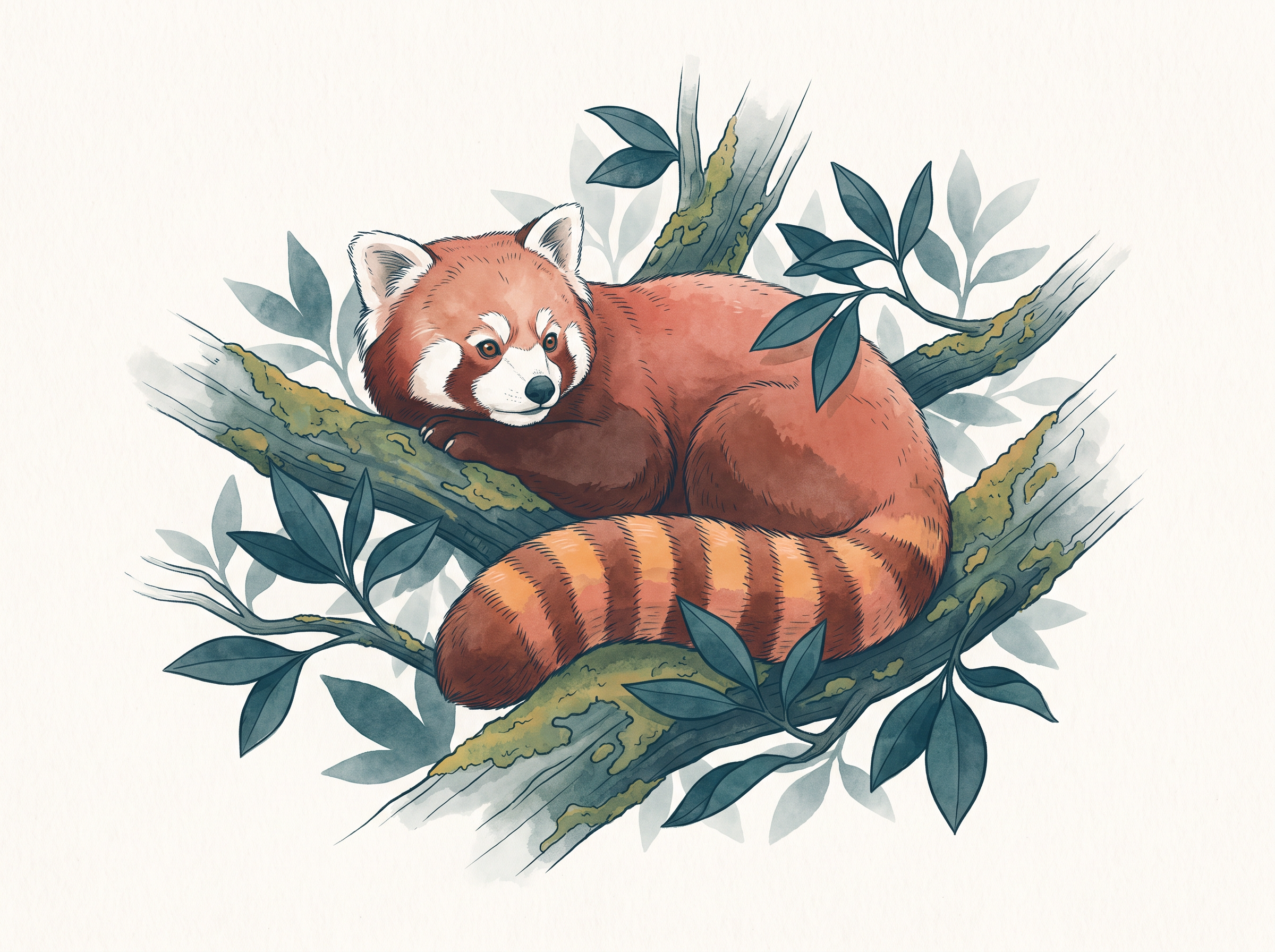
Fig. 14.5 – The Red Panda, an endangered species.
14.3.2 Vulnerable Species
Vulnerable species are those which are likely to fall into danger of extinction in the near future, if the factors threatening them continue unchecked. Their survival is not assured, because their populations have already reduced greatly. A vulnerable species, then, is one step behind an endangered one — not yet at the edge, but heading toward it unless something changes.
14.3.3 Rare Species
Rare species are those whose population is very small in the world. They are either confined to limited areas or thinly scattered over a wider area. Rarity is not the same as immediate danger, but a small, scattered population has little margin: a single disturbance to its habitat can put its whole numbers at risk.
Fig. 14.6 shows a rare species that is also endemic — that is, native to and found only in one particular place. This tree, Humbodtia decurrens Bedd, grows only in the Southern Western Ghats of India and nowhere else on the earth.
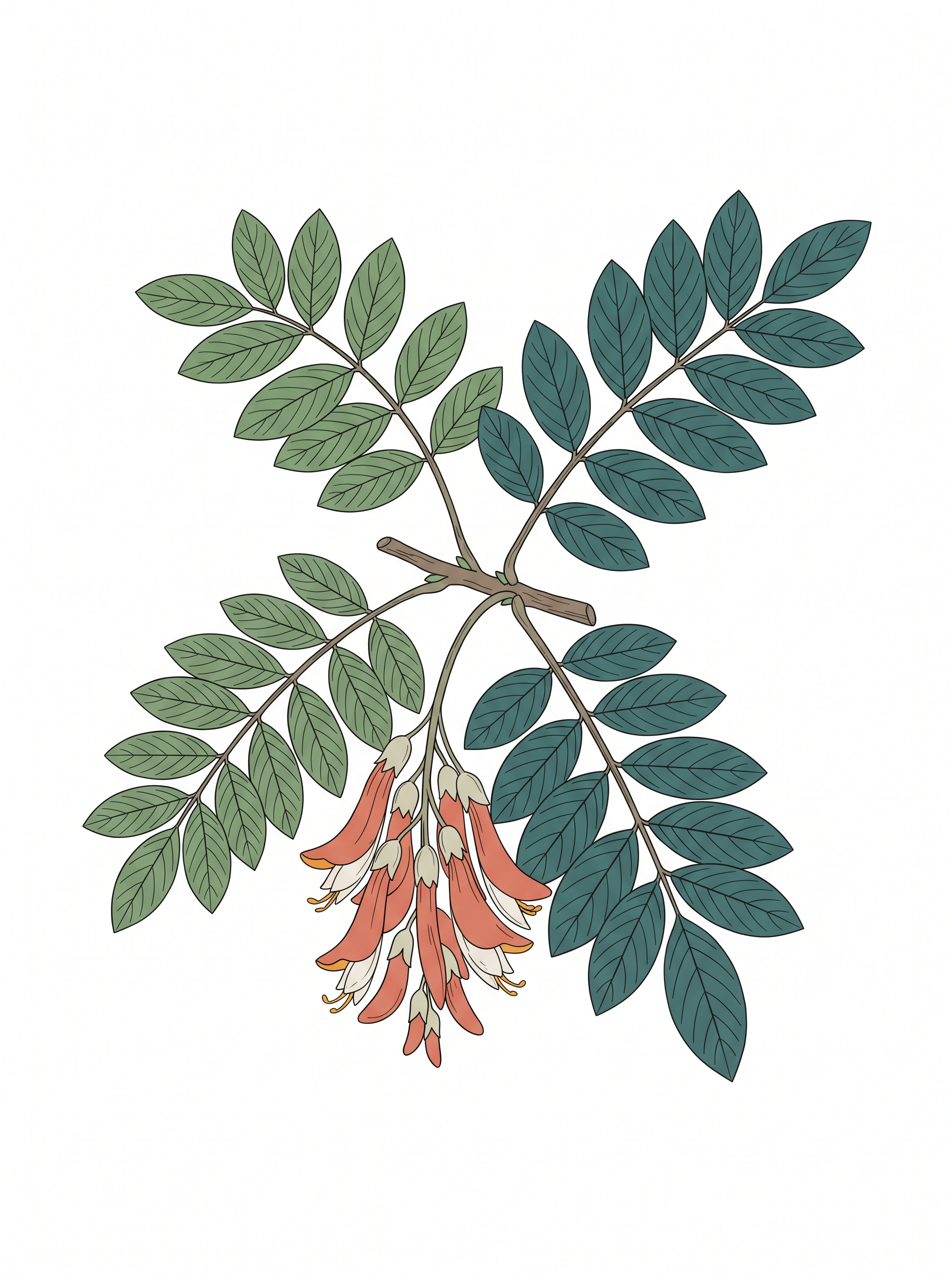
Fig. 14.6 – Humbodtia decurrens Bedd, a rare endemic tree.
14.4 Conservation Of Biodiversity
Conservation is the protection and careful management of living things so that they, and the habitats they depend on, survive into the future. It matters for human existence, because all forms of life are so closely interlinked that a disturbance in one sets off an imbalance in the others. When species of plants and animals become endangered, they cause degradation in the environment — and that degradation can, in the end, threaten the existence of human beings ourselves.
Conserving By Sustainable Use
There is an urgent need to educate people to adopt environment-friendly practices and to reorient their activities so that development stays in harmony with other life forms and is sustainable — that is, meeting present needs without spending resources so recklessly that future generations cannot meet theirs.
There is a growing awareness that conservation of this kind, combined with sustainable use, is possible only with the involvement and cooperation of local communities and individuals. For that, institutions have to be built at the local level. The critical problem is not merely conserving a species, or even a habitat, but keeping the process of conservation going, year after year.
What Nations Have Agreed
The Government of India, along with 155 other nations, signed the Convention of Biodiversity at the Earth Summit held at Rio de Janeiro, in Brazil, in June 1992. Out of that effort, the world conservation strategy suggested the following steps for conserving biodiversity:
- Efforts should be made to preserve the species that are endangered.
- Prevention of extinction requires proper planning and management.
- Varieties of food crops, forage plants, timber trees, livestock, animals and their wild relatives should be preserved.
- Each country should identify habitats of wild relatives and ensure their protection.
- Habitats where species feed, breed, rest and nurse their young should be safeguarded and protected.
- International trade in wild plants and animals should be regulated.
India acted at home as well. To protect, preserve and propagate the variety of species within natural boundaries, the Government of India passed the Wild Life (Protection) Act, 1972. Under it, national parks and sanctuaries were established and biosphere reserves declared — all of them protected areas where wild species and their habitats are shielded from ordinary use. Details of these biosphere reserves are given in the book India: Physical Environment (NCERT, 2006).
The World’s Richest And Most Vulnerable Places
A few countries in the tropical region hold a large share of the world’s species diversity. These are called mega diversity centres. There are 12 of them: Mexico, Columbia, Ecuador, Peru, Brazil, Democratic Republic of Congo, Madagascar, China, India, Malaysia, Indonesia and Australia.
Because effort and money for conservation are limited, they must be aimed where they will do the most good. To this end, the IUCN has identified certain areas as biodiversity hotspots (Fig. 14.2). Hotspots are defined according to their vegetation. Plants matter here because they set the primary productivity of an ecosystem — the rate at which green plants build living material from sunlight, which is the base of the whole food supply. Most, though not all, of the hotspots depend on their species-rich ecosystems for food, firewood, cropland and income from timber.
The stakes are highest where species are found nowhere else. In Madagascar — a large island off the south-eastern coast of Africa — about 85 per cent of the plants and animals live nowhere else in the world. Other hotspots, in wealthier countries, face pressures of a different kind: the islands of Hawaii, in the Pacific Ocean, hold many unique plants and animals now threatened by introduced species and by land development.
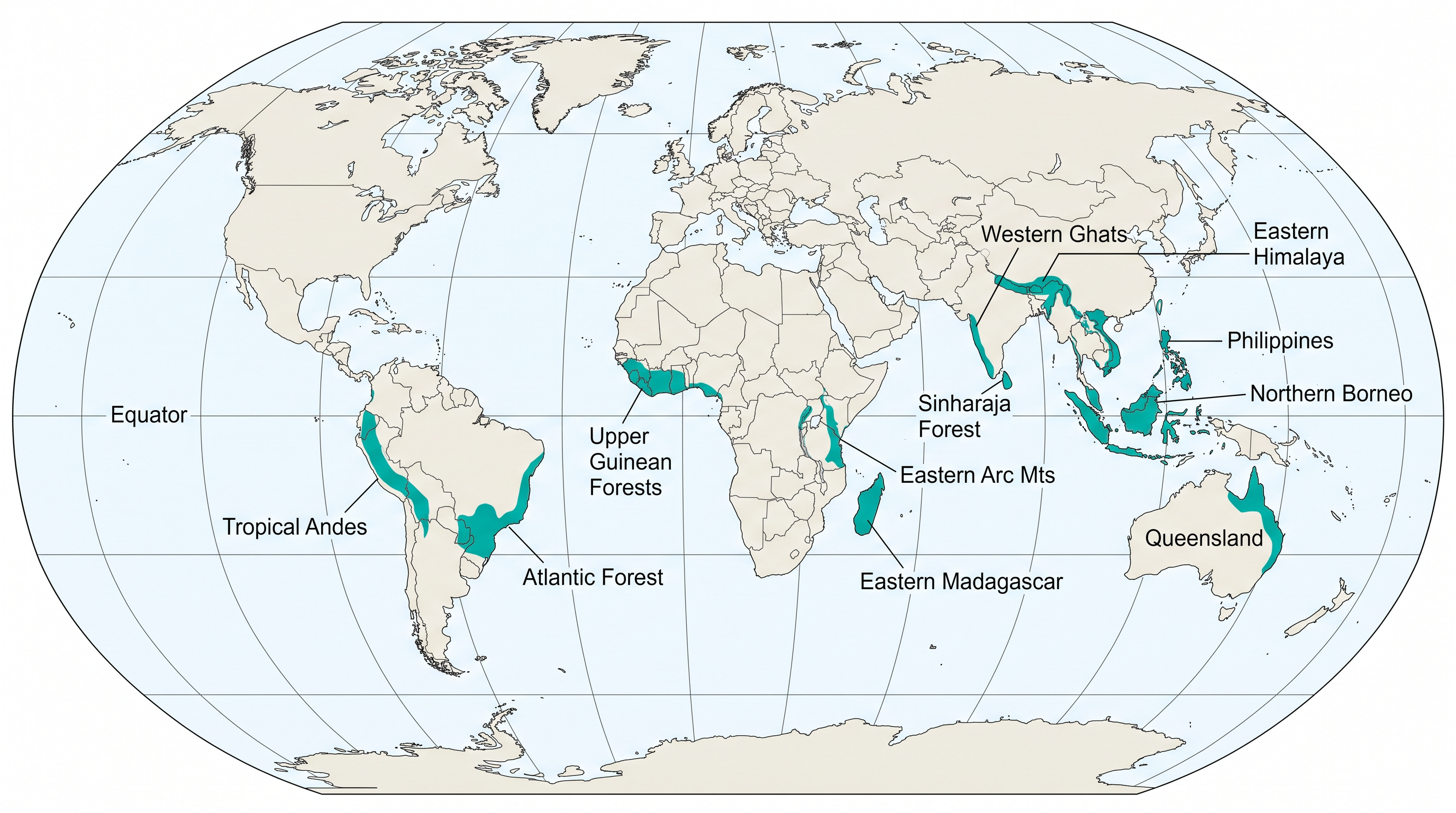
Fig. 14.2 – Some of the world’s ecological hotspots.
14.5 Summary
Biodiversity rests on the weathering mantle, and that mantle depends on the input of solar energy and water. Life is therefore richest where both are abundant — in the tropics — and thins toward the poles into large populations of few kinds.
Biodiversity is the number and variety of organisms in a specified region: their genes, their species and the ecosystems they build. It is the outcome of 2.5 to 3.5 billion years of evolution, and 99 per cent of all species that ever lived are already extinct.
It can be read at three levels: genetic diversity (variation of genes within a species), species diversity (the variety of species in an area, richest in the areas called hotspots), and ecosystem diversity (the range of ecosystems and habitats, whose boundaries are hard to fix).
Biodiversity plays three roles. Ecologically, its species capture energy, cycle water and nutrients, fix gases and regulate climate, and variety gives an ecosystem stability. Economically, it supplies food, medicine and crops, though treating life as a resource also drives its loss. Scientifically, each species is a clue to how life evolved — and, we are reminded, has an intrinsic right to exist.
Loss of biodiversity is driven by population growth, over-exploitation, deforestation, pollution, exotic species and poaching, alongside natural calamities. Because tropical rain forests hold about 50 per cent of all species, destroying them harms the entire biosphere.
The IUCN sorts threatened species into three categories by degree of danger: endangered, vulnerable and rare.
Conservation depends on sustainable development, the involvement of local communities and institutions at the local level. India passed the Wild Life (Protection) Act, 1972; 156 nations signed the Convention of Biodiversity at Rio de Janeiro in 1992; and effort is concentrated on the 12 mega diversity centres and the biodiversity hotspots, where many endemic species survive nowhere else.
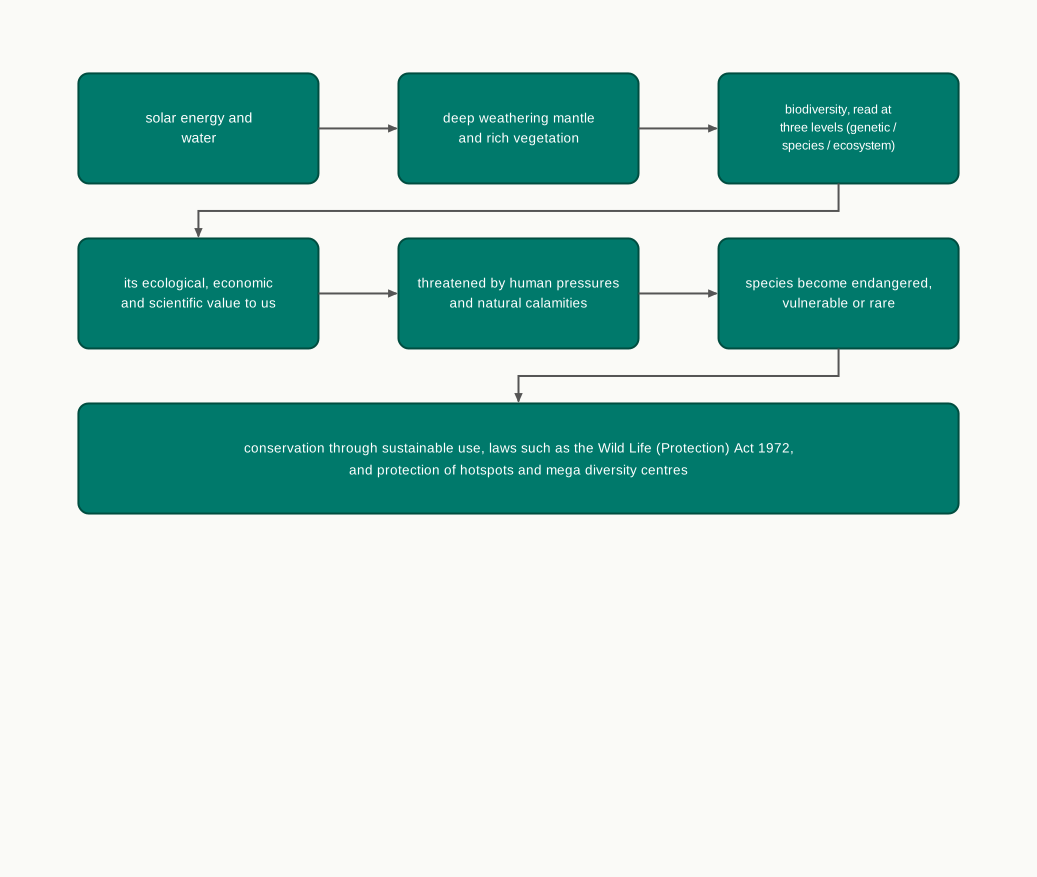
Fig. 14.7 – Summary of biodiversity and conservation.
What This Chapter Cannot Tell You
The global count of species is wildly uncertain — somewhere between 2 million and 100 million — so no single figure can say how much life there really is, only how little has been counted. The chapter names the causes and categories of loss but gives no rate, so it cannot tell you how fast species are vanishing now, or which ecosystem will tip first. And a world hotspots map shows where diversity concentrates, not how much of any hotspot still survives.
14.6 NCERT Questions
Conservation of biodiversity is important for:
- Animals
- Animals and plants
- Plants
- All organisms
Threatened species are those which:
- threaten others
- Lion and tiger
- are abundant in number
- are suffering from the danger of extinction
National parks and sanctuaries are established for the purpose of:
- Recreation
- Hunting
- Pets
- Conservation
Biodiversity is richer in:
- Tropical Regions
- Polar Regions
- Temperate Regions
- Oceans
In which one of the following countries was the ‘Earth Summit’ held?
- the UK
- Mexico
- Brazil
- China
What is biodiversity? (30 words)
What are the different levels of biodiversity? (30 words)
What do you understand by ‘hotspots’? (30 words)
Discuss briefly the importance of animals to humankind. (30 words)
What do you understand by ‘exotic species’? (30 words)
What are the roles played by biodiversity in the shaping of nature? (150 words)
What are the major factors responsible for the loss of biodiversity? What steps are needed to prevent them? (150 words)
14.7 Check Your Concepts
Distinguish between an endangered species and a vulnerable species. On what basis does the IUCN place a species in one category rather than the other?
Study Fig. 14.2. In which broad latitude belt do most of the world’s ecological hotspots lie? Using the chapter’s idea about the input of solar energy and water, suggest why they cluster there.
Why is an ecosystem with many kinds of species more likely to stay stable, and to recover from a shock, than one with only a few kinds?
The chapter says that viewing biodiversity as a store of resources is itself partly responsible for its deterioration. Explain this apparent contradiction.
Why does protecting a single hotspot or mega diversity centre save more species than protecting an ordinary area of the same size? Use the idea of endemic species in your answer.
The estimated number of species on the Earth ranges from 2 million to 100 million. What does so wide a range tell you about how much we actually know about life on the planet?