Chapter 7: Plant Tissue Culture
In 1978, a German research team led by Georg Melchers displayed a plant that should not have existed. Above the soil it carried the leaves and flowers of a tomato. Below the soil it carried the tubers of a potato. The newspapers called it the ‘Pomato’.
Potato and tomato belong to the same family, but they are different species. In nature they cannot be crossed — pollen from one simply will not produce a working embryo in the other. This wall between species is one of the oldest limits in plant breeding. A breeder can move a useful trait from one variety of tomato to another, but not from a potato into a tomato.
Melchers and his colleagues went around the wall instead of through it. They stripped the tough cell wall off potato cells and tomato cells, leaving naked cells with only a membrane around them. Then they nudged these naked cells to fuse — one potato cell merging with one tomato cell — and coaxed the fused cell to divide, grow and build an entire plant in a glass vessel.
No flower was involved. No pollen, no seed. A whole plant was assembled from ordinary body cells on a jelly-like nutrient medium in a laboratory. That single idea — that a plant cell carries everything needed to rebuild the whole plant — is what this chapter is about.
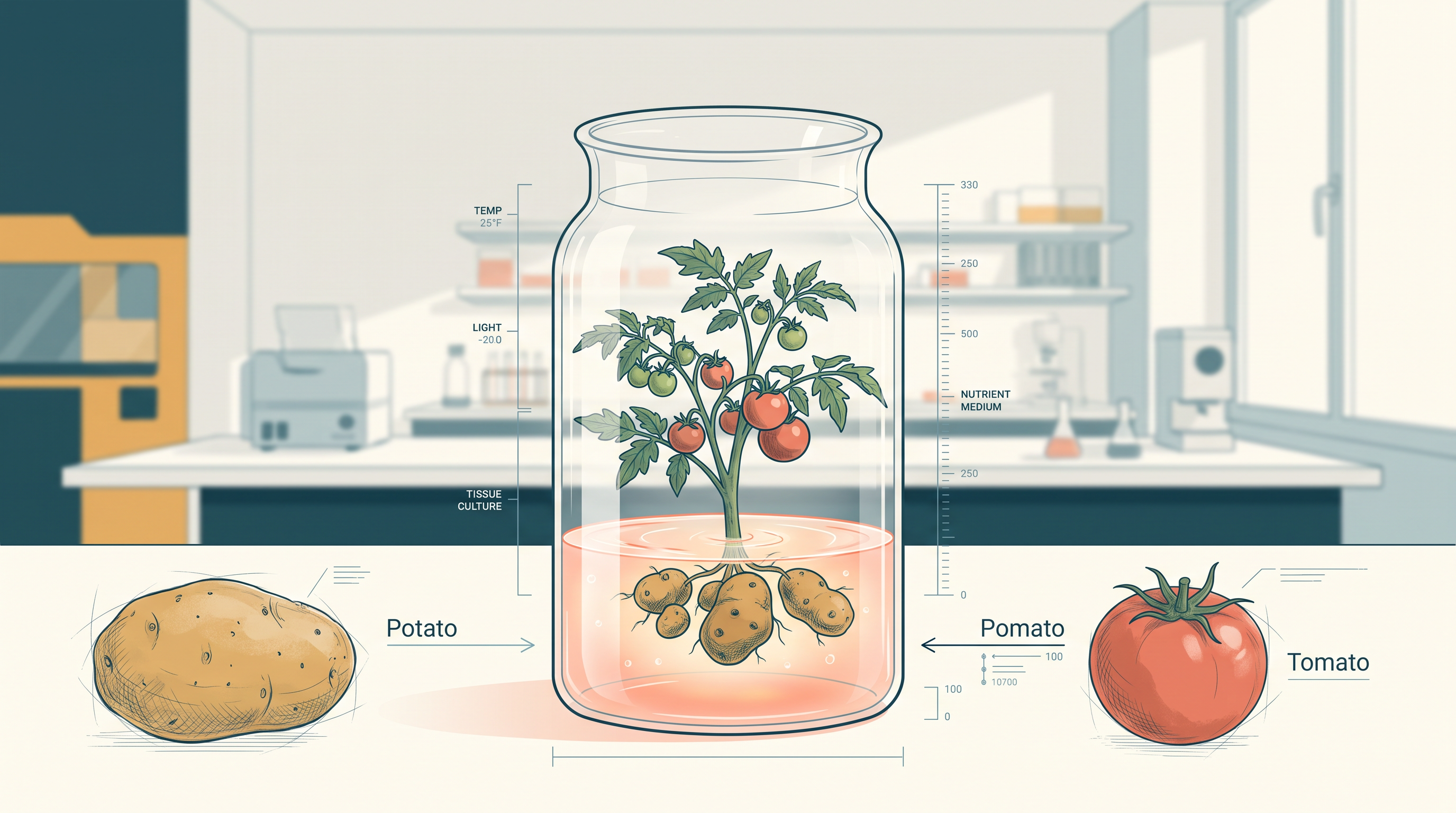
Fig. 7.0 – The ‘Pomato’ experiment and tissue culture.
Keep these five questions in mind as you read. Each one is answered somewhere in this chapter, and you will find the answer marked at the point where the chapter earns it.
7.1 Historical Perspective
What Plant Tissue Culture Means
Plant tissue culture (PTC) is the practice of growing plant cells, tissues or organs outside the plant body, on an artificial nutrient medium, in a germ-free environment and under carefully controlled physical conditions such as light, temperature and humidity. The material that is put into culture is usually not a fully organised plant part but an undifferentiated mass of cells, or a piece of tissue that will soon become one.
Three conditions in that description are doing real work, and none of them can be dropped. The medium must be synthetic, because the piece of tissue has been cut away from the plant and can no longer draw water, minerals and sugar from roots and leaves. The environment must be aseptic, that is, free of bacteria and fungi, because these organisms grow far faster than plant cells and would overrun a rich nutrient jelly within a day or two. And the physical conditions must be controlled, because a cell in a glass vessel has no soil, no seasons and no canopy to buffer it.
Work of this kind is described as being done in vitro, which literally means “in glass” — as opposed to in vivo, in the living plant. Plant tissue culture is used both in basic research, where scientists want to study how plant cells divide and specialise, and in commerce, where whole industries now depend on it.
The whole field rests on one unusual property of the plant cell, called totipotency. A vegetative cell of a plant — an ordinary body cell, not a gamete — retains the complete genetic information of the plant and, given the right signals, can divide, specialise into any cell type the plant needs, and rebuild the entire organism. An animal skin cell cannot do this on its own; a plant leaf cell can.
The First Idea — Haberlandt’s Prediction
The foundation was laid in the nineteenth century, when the German scientists Theodor Schwann and Matthias Schleiden drew attention to the fact that the cell is the basic unit of life and that it has the capacity to divide and grow. If the cell is the unit of life, then in principle a single cell should be able to sustain life on its own.
During the 1890s the German botanist Gottlieb Haberlandt pioneered the field of plant tissue culture with exactly this idea — that continuous cell division could be achieved in plant cells kept on a nutrient medium. He attempted to culture fully differentiated plant cells on simple nutrient media.
In 1902 he set down several principles of plant tissue culture. Among them were the propositions that plant cells are capable of resuming uninterrupted growth, and that it is possible to regenerate embryos from vegetative cells. His own cultures did not succeed, largely because the simple media of his time lacked the growth substances that were still undiscovered. But every prediction he made was later confirmed experimentally by other researchers, and for this he is regarded as the ‘Father of Plant Tissue Culture’.
Learning What Cultured Cells Need
Between 1902 and the 1930s, several attempts were made to culture isolated plant tissues such as root tips or shoot tips, and continuously growing plant cell cultures were successfully established. Root and shoot tips were sensible choices, because their cells are already actively dividing in the plant and need less persuasion to keep dividing in a dish.
The decisive advance of this period was the discovery that vitamins and natural auxins are necessary for the growth of plant tissues on synthetic media. Salts and sugar alone are not enough; without these organic factors the tissue survives but does not multiply. This finding gave a significant boost to plant tissue culture, because it explained why the earliest attempts had stalled.
Natural Supplements and the Coconut Water Clue
From the 1940s to the 1970s, extensive studies were performed to improve the existing techniques and to develop new methods for optimising the nutrient media components used to culture plant tissues. Much of this work was, in effect, cooking — trying one addition after another and recording what grew.
One addition stood out. Coconut water stimulated the development of young embryos and was used along with nutrient media for in vitro cultures. Coconut water is the liquid endosperm of the coconut, the natural food supply of a developing embryo, so it already contains the substances an embryo needs to grow. Later, other natural supplements such as corn milk and orange juice were used for developing callus cultures of several species, including woody plants and herbaceous dicot plants.
The Auxin–Kinetin Balance
During the 1950s, adenine, kinetin and high levels of phosphate were used in nutrient media. This combination allowed cultures to be initiated successfully from non-meristematic tissues — that is, from mature tissues whose cells had stopped dividing — and led to the production of shoots or roots from such cultures.
It was also established during this time that the morphogenic fate of cultured cells, meaning which organ they eventually form, was directly influenced by the exogenous balance of auxins and kinetin. “Exogenous” here means supplied from outside, in the medium, rather than made by the tissue itself. This is one of the most useful ideas in the whole subject, because it turns a culture vessel into something a scientist can steer.
It was suggested that a relatively high level of auxin to kinetin causes rooting, while the reverse ratio leads to shooting, and intermediate levels are responsible for the proliferation of callus, an unorganised mass of dividing cells.
Notice that nothing here changes the genes of the tissue. The same tissue, on the same basic salts and sugar, becomes a root or a shoot depending only on the proportion of two hormones. This is a favourite point for assertion–reason questions, where the assertion states an outcome such as shoot formation and the reason offers a hormone ratio that must be checked for direction.
This control over hormone balance is what led to the regeneration of new plants through tissue culture using a variety of plant tissues or organs as starting material, and made several commercial applications possible.
A Standard Recipe — MS Medium
The last piece of the historical puzzle was a reliable, general-purpose medium. An artificial culture medium developed by Murashige and Skoog, known as MS medium, proved successful for culturing plants and resulted in the initiation of tissue culture from a large number of plant species.
Before this, every laboratory tended to use its own recipe, which made results hard to compare. A shared formulation meant that a protocol published in one country could be repeated in another. The MS composition is today the most widely used nutrient medium in plant tissue culture, and you will meet its actual composition in Section 7.3.
Taken together, the sequence of discoveries that turned Haberlandt’s prediction into a working technology is summarised in Fig. 7.1.
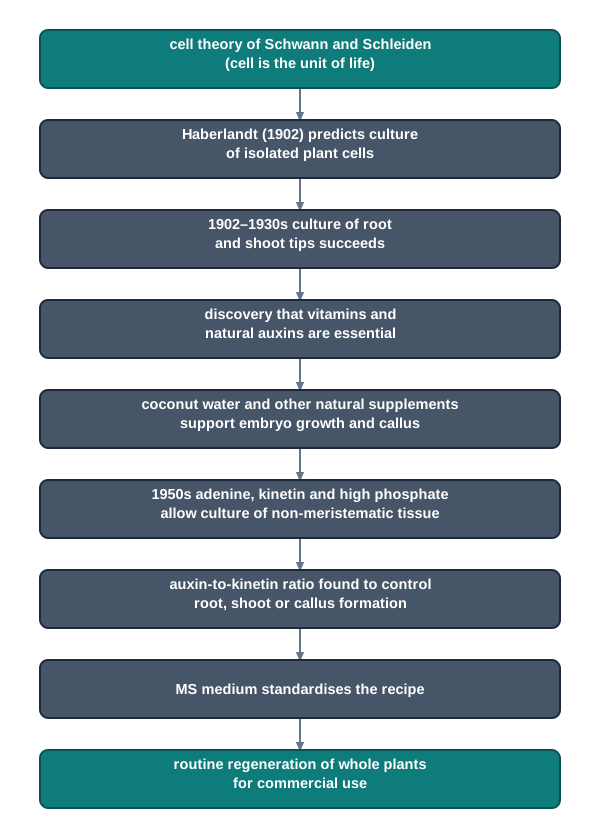
Fig. 7.1 – How plant tissue culture developed.
| Year | Landmark |
|---|---|
| 1902 | Gottlieb Haberlandt proposed that plant cells can be cultured on artificial media and developed the concept of in vitro cell culture. |
| 1904 | Hanning initiated work on excised embryo culture and later cultured embryos from several cruciferous species. |
| 1922 | Kotte and Robbins suggested root and stem tips as possible explants to initiate in vitro tissue culture. |
| 1926 | Went discovered the first plant growth hormone, Indole Acetic Acid (IAA). |
| 1934 | White reported the role of vitamin B as a growth supplement in plant tissue culture, and established continuously growing cultures from tomato root tips. |
| 1937 | White formulated the first synthetic plant tissue culture medium (WM). |
| 1941 | Johannes Van Overbeek introduced coconut water as a media component and demonstrated its beneficial effects on in vitro tissue culture. |
| 1946 | Ball raised whole plants from shoot tips of Lupinus. |
| 1954 | Muir successfully induced cell division in mechanically isolated single cells. |
| 1955 | Skoog and Miller reported the discovery of kinetin, a type of cytokinin that promotes cell division. |
| 1957 | Skoog and Miller described the chemical control hypothesis of root and shoot differentiation by manipulating the ratio of concentrations of auxin and kinetin. |
| 1962 | Murashige and Skoog formulated MS medium with higher salt concentrations. |
| 1964 | Guha and Maheshwari produced the first androgenic haploid Datura plant by anther culture. |
| 1971 | Protoplasts were subcultured in vitro, and plants were regenerated from their culture. |
| 1972 | Protoplasts from two different species of Nicotiana were isolated, fused together, and somatic hybrids were generated successfully. |
| 1976 | Gynogenic haploid plants were successfully cultured from unfertilised ovaries of barley by San Noeum. |
| 1978 | Melchers and colleagues produced ‘Pomato’, a hybrid of potato and tomato, through somatic hybridisation. |
| 1981 | The term ‘somaclonal variations’ was introduced by Larkin and Scowcroft for the genetic variations introduced during plant tissue culture. |
| Horsh and colleagues produced transgenic tobacco plants, using leaf discs as explants cultured with Agrobacterium tumefaciens. | |
| Klien and colleagues developed the high-velocity microprojectile-based DNA delivery ‘biolistic gene transfer’ method for plant transformation. | |
| 1987 | Y. Fujita and Mamoru Tabata established Lithospermum erythrorhizon cell cultures for shikonin production and commercialised it. |
| Transgenic Bt-cotton was produced by Monsanto, and in 2000 it was approved by the Government of India for commercial production in India. | |
| 1993 | Kranz and Lorz produced fertile maize plants through in vitro fertilisation. |
| The tissue-culture-free plant transformation method ‘Arabidopsis floral-dip’ was developed. | |
| Transgenic rice engineered for the production of provitamin A (beta-carotene) in rice endosperm was developed and is called ‘Golden Rice’. | |
| The first plant-produced enzyme was approved for human use, to treat a rare lysosomal storage disease called Gaucher’s disease. | |
| Somatic embryogenesis was introduced in plant transformation through embryonic genes. |
7.2 Plant Cell and Tissue Culture Techniques
Choosing the Starting Material
Virtually any part of a plant can be used to start a culture — a leaf, the apical meristem, an embryo, a cotyledon, a hypocotyl, and so on. Whatever piece is chosen, it is called the explant. Explants are transferred onto nutrient media, and from them whole plants can be regenerated through in vitro culture.
Research on many species has shown that different plant organs, and the same organ in different species, respond in different ways under in vitro conditions. Each has its own nutritional requirement and its own preference for physical conditions such as light and temperature, so a medium that works beautifully for one explant may give nothing with another.
The response of different plant organs to in vitro culture therefore varies. As a general observation, on a particular tissue culture medium and under a particular set of culture conditions, immature embryos are more responsive than apical meristems, and apical meristems are generally more responsive than leaf explants.
Two Routes from Cells to Plants
Plant regeneration in cultures is achieved mostly by two morphogenetic pathways — organogenesis and somatic embryogenesis. “Morphogenetic” simply means concerned with the making of form: both routes end in a plant, but they build it in different ways.
Inducing the formation of various vegetative organs from cells or tissues in plant tissue culture is called organogenesis. It happens in two stages. First, the specialised cells of the explant start dividing under certain specific conditions and form a mass of undifferentiated cells; this process is called dedifferentiation. The cells effectively give up their identity as leaf or stem cells and go back to a simpler, dividing state.
This is followed by the formation of organ primordia — the earliest recognisable beginnings of an organ, such as a shoot or a root — and this second stage is called redifferentiation. The relative concentration of growth hormones, especially auxins and cytokinins, plays an important role in deciding what forms during organogenesis, exactly as described in the historical work of Section 7.1.
The second route bypasses organs altogether. The process of formation of an embryo from somatic cells is called somatic embryogenesis, and the embryos so formed are called somatic embryos. Somatic cells are ordinary body cells — not gametes and not the product of fertilisation — so no fusion of male and female cells is involved anywhere in this process.
Somatic embryogenesis follows the embryogenic pathways of zygotic embryogenesis, meaning the cultured cell passes through much the same developmental stages that a fertilised egg would pass through inside a seed. Somatic embryos are very similar to zygotic embryos, except in their place of origin and in being larger in size.
Setting Up the Laboratory
A tissue culture laboratory is organised around one non-negotiable requirement: keeping microbes out. Some of the basic requirements for plant tissue culture are as follows.
A washing area — the place where glassware, plasticware and other labware used in plant tissue culture are washed. Washed labware needs to be stored in a clean and dry place.
Various media components, for the preparation of nutrient media.
A facility to sterilise nutrient media, and to store media at low temperatures. Cold storage matters because vitamins and hormones in the medium degrade slowly at room temperature.
Facilities for the maintenance of cultured tissues in aseptic conditions under a controlled environment, that is, controlled light, temperature and humidity. This is usually a dedicated culture room fitted with racks, lights on a timer, and temperature control.
The Steps of Plant Tissue Culture
The procedure below is the standard sequence, illustrated here for in vitro tissue culture using tomato cotyledons as explants, and shown stage by stage in Fig. 7.2.
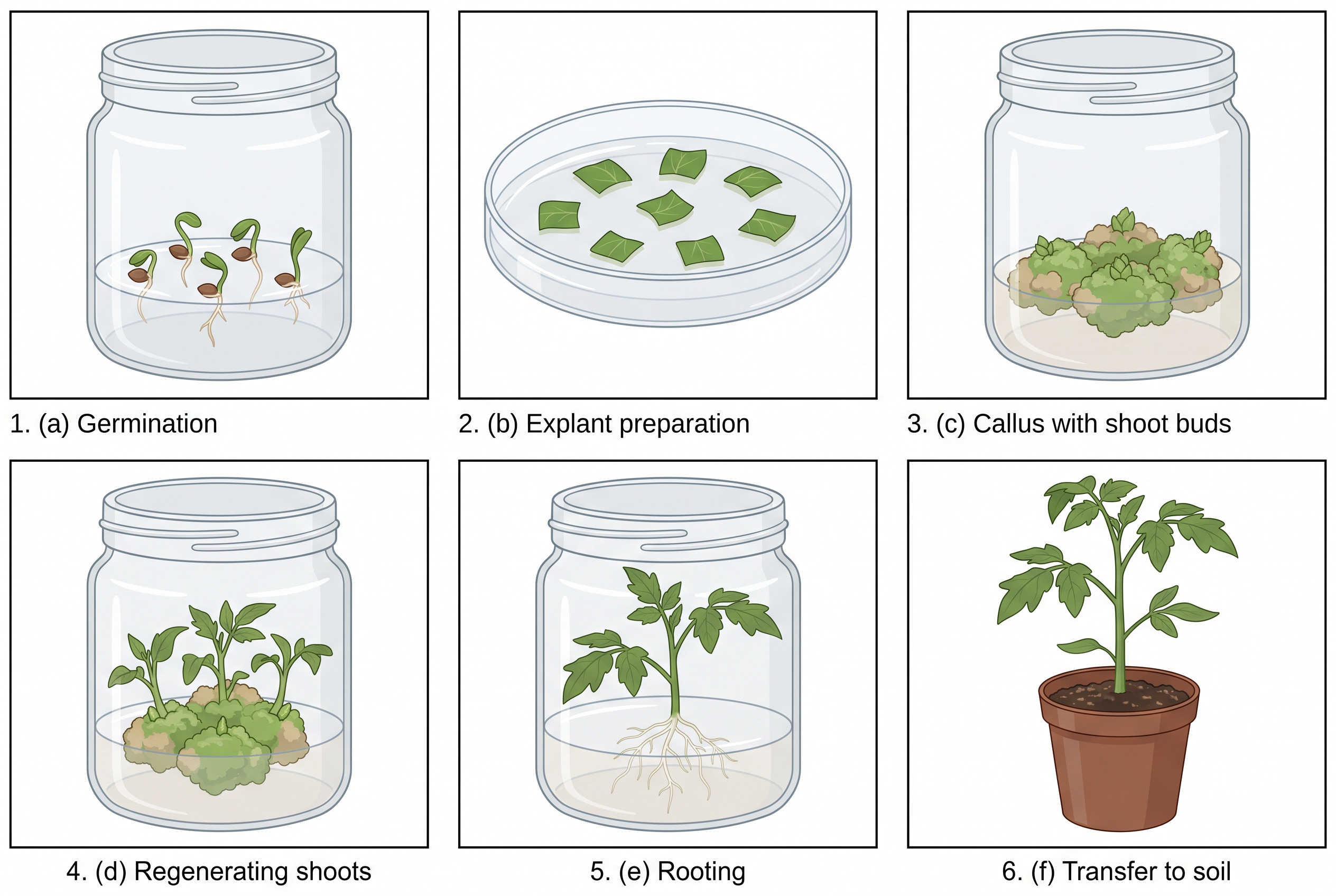
Fig. 7.2 – Stages of regeneration in tomato tissue culture.
(i) Selection of a suitable nutrient medium and its sterilisation. The medium is sterilised by autoclaving — steam under pressure, typically at 121 °C for 15 to 20 minutes — or, for heat-sensitive components, by passing the solution through micropore filters that trap microorganisms while letting the liquid through. Either way, the purpose is to avoid microbial contamination. A rich medium that has not been sterilised will grow bacteria and fungi far faster than it grows plant cells.
(ii) Selection of the starting material, that is, the explant. Most commonly used explants are root or shoot apical meristems, leaves, cotyledons, hypocotyls and immature embryos. Fig. 7.2 (a) shows aseptically grown tomato seedlings, which can be used for preparing explants.
(iii) Surface sterilisation of the explant. This is done using suitable disinfectants, followed by washing with sterile distilled water. Sodium hypochlorite is the most commonly used disinfectant for the sterilisation of explants. The washing step is essential — any disinfectant left clinging to the tissue would go on killing the plant cells as well. Explants harvested from seedlings that were themselves grown in sterile conditions, as in Fig. 7.2 (a), need not be sterilised again.
(iv) Inoculation of explants. The sterilised explants are placed onto the nutrient medium, as in Fig. 7.2 (b). This transfer is carried out in still, filtered air — in practice, inside a laminar air-flow cabinet — so that airborne spores do not settle on the open vessel during the few seconds it is uncovered.
(v) Growing the cultures in the plant tissue culture room under suitable physical conditions such as light, temperature and humidity. As seen in Fig. 7.2 (c), small calli are regenerated on the cotyledon explant on a suitable tissue culture medium.
(vi) Transfer of the growing cultures onto a suitable medium to regenerate shoots and to allow their elongation, as in Fig. 7.2 (d). The medium is changed at this point because the hormone balance that produced callus is not the balance that produces shoots.
(vii) Excision of the regenerated shoots and their transfer onto the rooting medium, as in Fig. 7.2 (e). A shoot without roots cannot take up water or minerals on its own, so this step must be completed before the plant leaves the vessel.
(viii) Transfer of plantlets to sterilised soil in pots for hardening in a green house or growth room, as in Fig. 7.2 (f), followed by their transfer to field conditions. Hardening is needed because a plantlet raised in a closed vessel has grown in saturated humidity with a poorly developed cuticle, and would lose water rapidly if moved straight into open field air. It is gradually exposed to lower humidity and stronger light until it can survive outdoors.
The complete sequence, from a piece of tissue to a plant in the field, is summarised in Fig. 7.3.
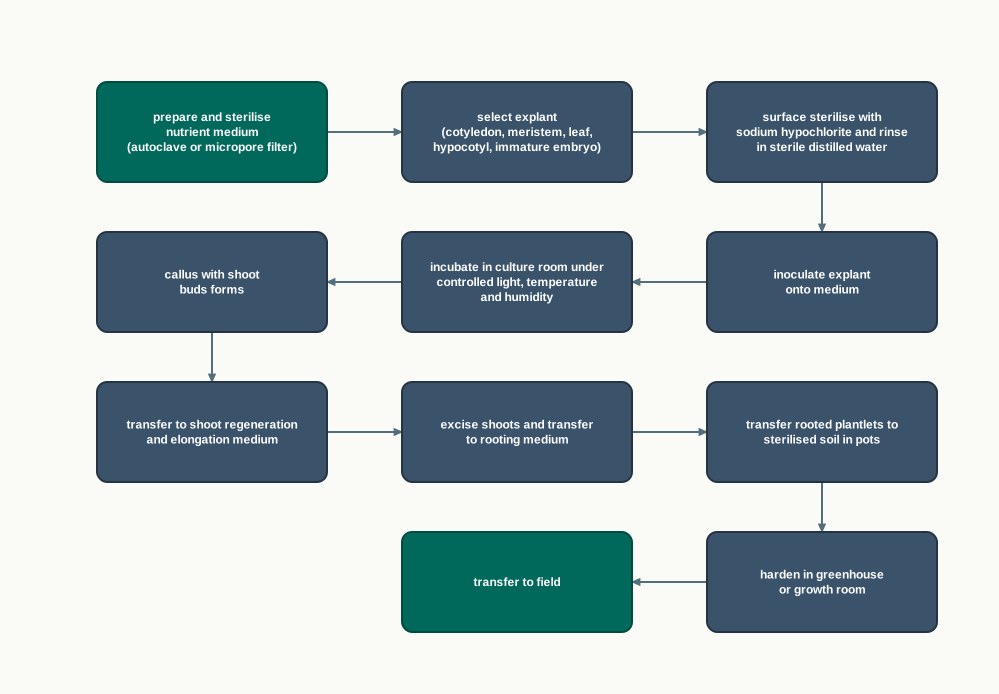
Fig. 7.3 – Standard plant tissue culture protocol.
7.3 Nutrient Media
Why the Recipe Has to Be Chosen
A variety of nutrients, together with suitable environmental conditions, is required for the optimal growth and development of an explant. Once a piece of tissue has been cut away from the plant, everything it used to receive from roots, leaves and vascular tissue must now be handed to it in the medium.
The composition of the culture medium varies with the type of plant species — whether it is a monocot or a dicot, domesticated or wild, and so on. Even different tissues taken from the same plant may have different nutritional requirements for optimal growth, so a formulation perfected for a leaf explant need not suit an anther from the same plant.
For this reason, the success of in vitro culture of plants depends mainly on the selection of the right composition of the culture medium. More cultures fail from an unsuitable recipe than from poor handling.
Culture media used for in vitro plant cultures broadly contain the following components:
- Inorganic components
- Organic supplements
- Carbon source
- Plant growth hormones
- Gelling agents
- Antibiotics
These six groups, and the parts each of them plays, are shown together in Fig. 7.4.
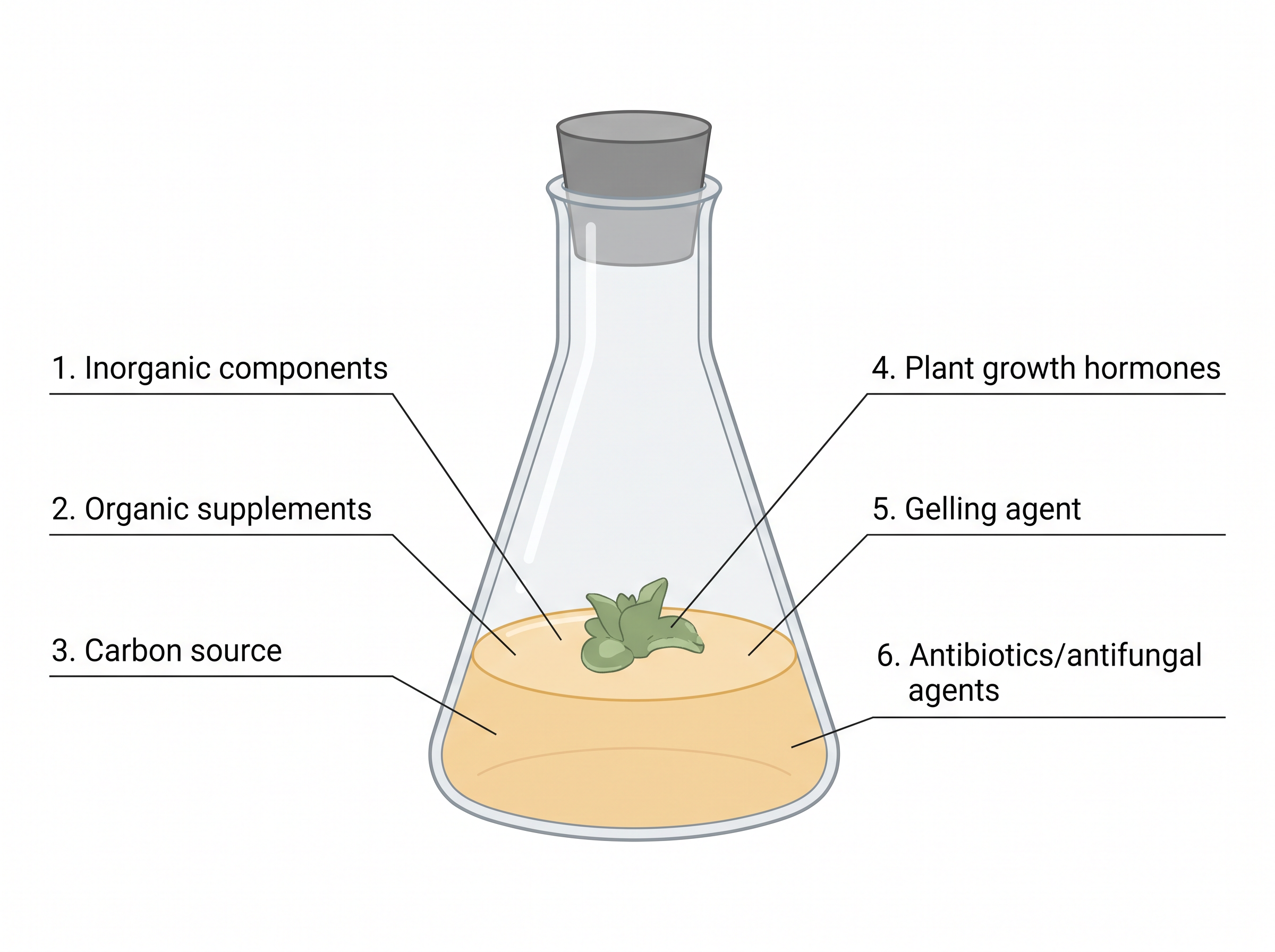
Fig. 7.4 – Components of a plant tissue culture medium.
Inorganic Components
Many inorganic components are required in large amounts, at millimolar concentrations, and these are categorised as macronutrients. They include carbon (C), calcium (Ca), hydrogen (H), potassium (K), magnesium (Mg), nitrogen (N), oxygen (O), phosphorus (P) and sulphur (S).
Several other essential inorganic components are required only in small amounts, at micromolar concentrations, and these are categorised as micronutrients. They include boron (B), cobalt (Co), copper (Cu), iron (Fe), manganese (Mn), molybdenum (Mo) and zinc (Zn).
The word “micro” refers to the quantity needed, not to the importance. A culture starved of iron or of boron fails just as surely as one starved of nitrogen; it simply needs a far smaller amount to be satisfied.
Organic Supplements
Amino acids and vitamins are the common organic supplements used in culture media. Amino acids serve as a nitrogen source, and the commonly used ones are arginine, asparagine, glycine and proline. They give the tissue nitrogen in a form it can use directly, without first having to convert inorganic nitrogen salts.
The vitamins added to the culture medium are thiamine (Vitamin B1), nicotinic acid (Vitamin B3) and pyridoxin. These are the very substances whose necessity was discovered in the 1930s, and which the earliest culture attempts had lacked.
Carbon Source
For in vitro cultures, sucrose is considered the best carbon source and is used at a concentration of about 2–5 percent. Other sources of carbon are glucose, fructose and mannose.
Plant Growth Hormones
Plant growth hormones play a vital role in a plant’s growth and development and are critical components of the medium. They are required in only minute quantities in the nutrient medium, yet they decide the entire outcome of the culture.
There are five main categories of growth hormones: auxin, cytokinin, gibberellin, abscisic acid and ethylene. Of these, auxins and cytokinin are the most commonly used in plant tissue culture.
The ratio of their concentrations determines the type of organs produced from the cultured cell or tissue. For example, a higher concentration of cytokinin results in shoot regeneration in general. This is the practical form of the auxin-to-kinetin relationship established in the 1950s, which you met in Section 7.1.
Further, different plant tissues need different amounts of hormones for their growth, and therefore, depending upon the type of explant, hormone concentration may be varied in the nutrient medium. This is why a published protocol always specifies both the medium and the explant it was written for.
Gelling Agents
A gelling agent is required for solid culture media. Agar is the most commonly used gelling agent and is ideal for routine applications. It holds the explant in place at the surface of the medium, so that the tissue is in contact with nutrients but is not submerged and starved of air.
pH of the Medium
The pH of the nutrient medium is usually adjusted to about 5.8 to 6.0, and it is adjusted before the medium is autoclaved. An increase in the pH increases the hardness of the medium, while a decrease in pH leads to poor solidification of the medium.
The pH of the nutrient medium also affects the uptake of nutrients by plant cells and the solubility of the media salts. A salt that has come out of solution is no longer available to the tissue, however carefully it was weighed out.
So the chosen range is a compromise: it is the window in which the agar sets to a workable firmness, the salts stay dissolved, and the cells can absorb what they need. Questions on this point often ask what happens if the pH is set too low — the answer to look for is poor solidification, not slower growth.
Antibiotics and Antifungal Agents
Antibiotics can be used to suppress bacteria in cultures, and antifungal agents are used against mould infections. These are a second line of defence rather than a substitute for aseptic work — a culture that is contaminated because of careless technique cannot be rescued by dosing the medium.
The recipe of a plant tissue culture medium is usually directed by the plant species. However, Murashige and Skoog (MS) medium is the most commonly used medium composition in plant tissue culture.
Amounts are in mg l\(^{-1}\).
| Components | White’s | Murashige and Skoog (MS) |
|---|---|---|
| Macronutrients | ||
| \(\mathrm{MgSO_4 \cdot 7H_2O}\) | 750 | 370 |
| \(\mathrm{KH_2PO_4}\) | – | 170 |
| \(\mathrm{NaH_2PO_4 \cdot H_2O}\) | 19 | – |
| \(\mathrm{KNO_3}\) | 80 | 1900 |
| \(\mathrm{NH_4NO_3}\) | – | 1650 |
| \(\mathrm{CaCl_2 \cdot 2H_2O}\) | – | 440 |
| Micronutrients | ||
| \(\mathrm{H_3BO_3}\) | 1.5 | 6.2 |
| \(\mathrm{MnSO_4 \cdot 4H_2O}\) | 5 | 22.3 |
| \(\mathrm{ZnSO_4 \cdot 7H_2O}\) | 3 | 8.6 |
| \(\mathrm{Na_2MoO_4 \cdot 2H_2O}\) | – | 0.025 |
| \(\mathrm{CuSO_4 \cdot 5H_2O}\) | 0.01 | 0.025 |
| \(\mathrm{CoCl_2 \cdot 6H_2O}\) | – | 0.025 |
| \(\mathrm{KI}\) | 0.75 | 0.83 |
| \(\mathrm{FeSO_4 \cdot 7H_2O}\) | – | 27.8 |
| \(\mathrm{Na_2EDTA \cdot 2H_2O}\) | – | 37.3 |
| Sucrose | 20 | 30 |
| Organic supplements — Vitamins | ||
| Thiamine HCl | 0.01 | 0.5 |
| Pyridoxine (HCl) | 0.01 | 0.5 |
| Nicotinic acid | 0.05 | 0.5 |
| Others | ||
| Myoinositol | – | 100 |
| Glycine | 3 | 2 |
The whole preparation sequence, and the point at which each decision is made, is set out in Fig. 7.5.
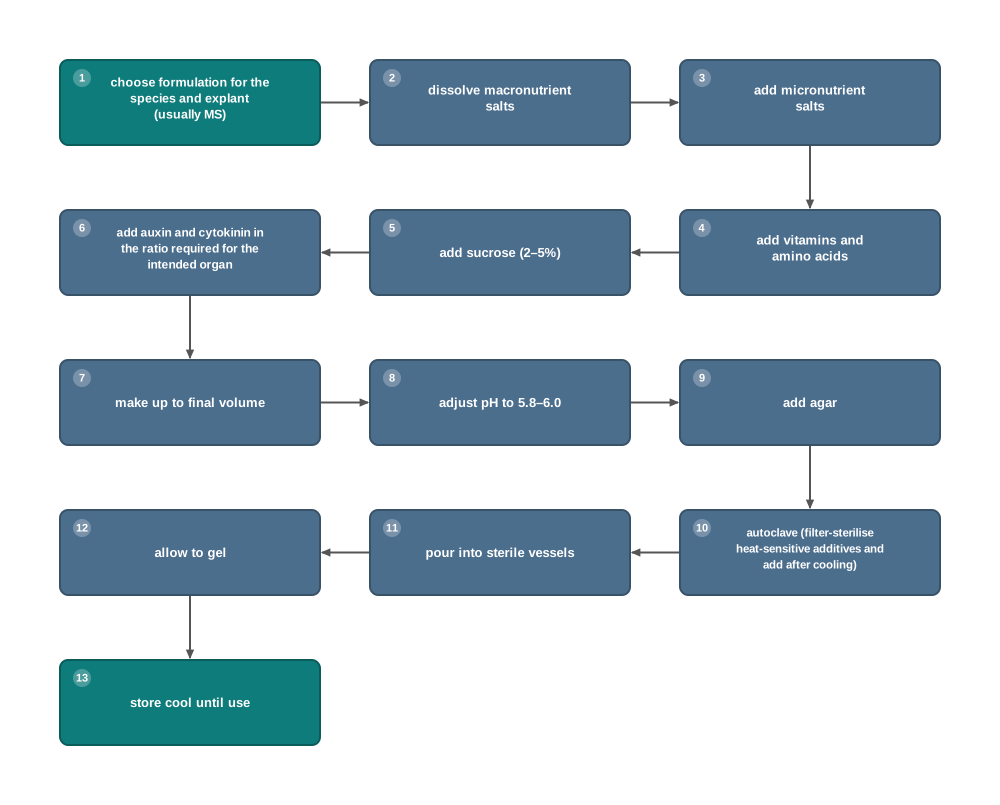
Fig. 7.5 – Preparing a nutrient medium.
7.4 Culture Types
How Cultures Are Classified
Plant tissue culture may be categorised according to what is actually placed in the vessel and what level of organisation it retains. On this basis, cultures are described as organ culture, callus culture, cell suspension culture, protoplast culture, and so on.
It is worth noticing the direction in which this list moves. It begins with an intact, organised plant organ and ends with a naked single cell — at each step the starting material is less organised than the one before it, and correspondingly more flexible in what it can be made to become. The four main types are compared in Fig. 7.6.
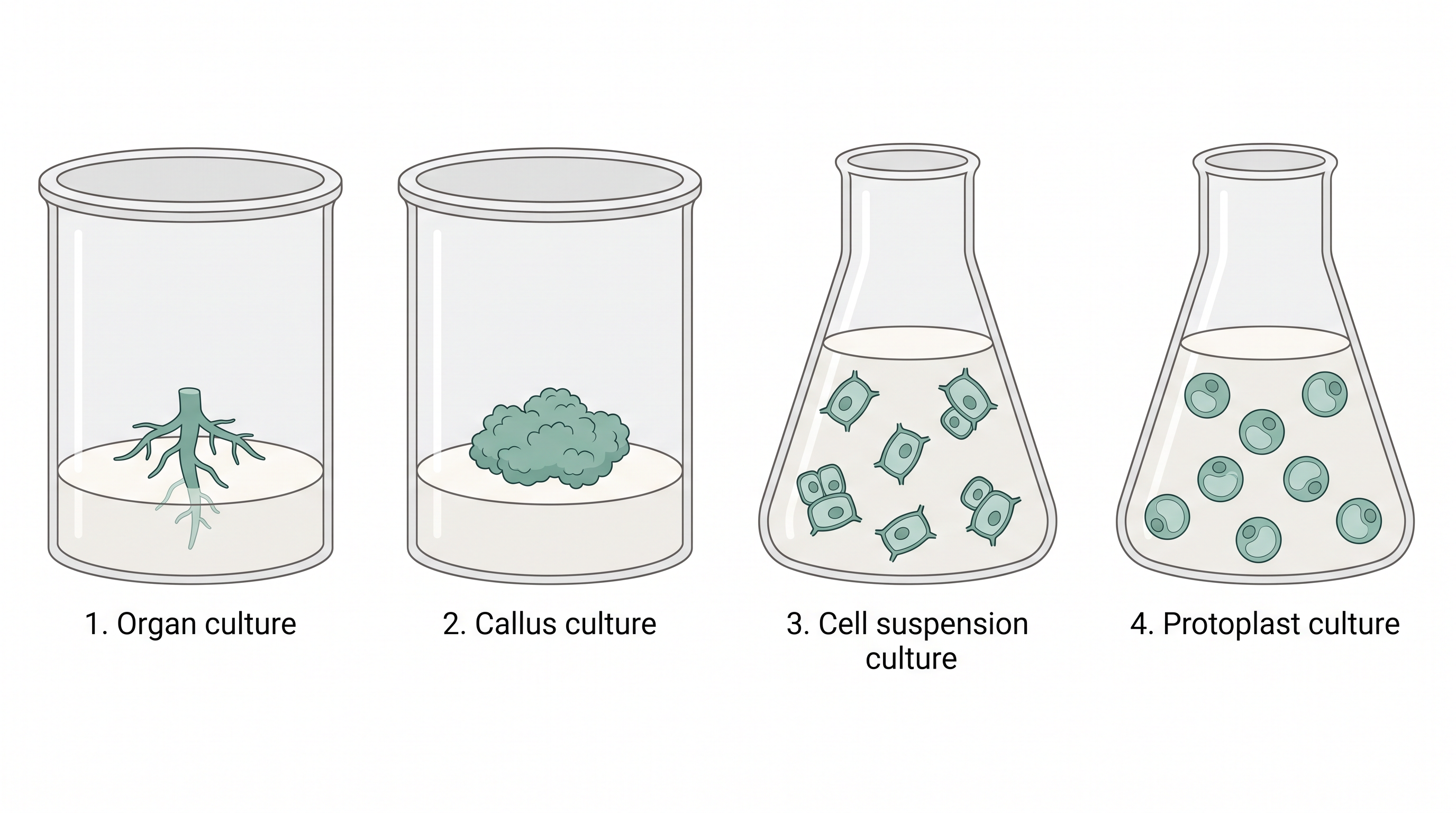
Fig. 7.6 – Types of plant tissue culture.
Organ Culture
The cultivation of plant organs such as roots, anthers, ovaries, embryos, endosperm and seeds under laboratory conditions is called organ culture. Here the explant keeps its identity as an organ and is expected to go on growing as that organ, rather than being broken down into a shapeless cell mass.
Depending upon the type of organ used, the culture is named accordingly — root culture, anther culture, embryo culture, and so on. Each of these has its own practical purpose, and anther culture in particular will return in Section 7.5.
Callus Culture
Various plant parts may be induced to undergo dedifferentiation and form an unorganised mass of cells called callus. Culture of this material is called callus culture.
Because callus cells have surrendered their specialised identity, they are easy to redirect. Callus culture is therefore commonly used for plant regeneration and for genetic transformation studies, where new genetic material has to be introduced into cells that will later be regenerated into whole plants.
Cell Suspension Culture
Single cells can be isolated either from callus or from other plant parts by mechanical or enzymatic methods. Mechanical methods separate the cells physically, by grinding or shaking the tissue apart; enzymatic methods loosen them by digesting the substances that cement neighbouring cell walls together.
These single cells can then be cultured in a liquid medium, and such a culture is therefore referred to as a cell suspension culture. The vessel is kept in continuous gentle motion on a shaker, so that the cells stay dispersed instead of settling into a heap at the bottom.
Single cells from a cell suspension culture can be used for genetic transformation studies, for the production of secondary metabolites, and for the induction of somatic embryos and plants.
Protoplast Culture
Some cultures go one step further and remove the cell wall altogether. A plant cell whose wall has been digested away, leaving only the plasma membrane around the cytoplasm, is called a protoplast, and the culture of such naked cells is protoplast culture.
Without a rigid wall, a protoplast is a fragile, spherical cell — but it is also a cell that can take up foreign DNA more readily and, most importantly, can fuse with another protoplast. What can be done with that ability is taken up in Section 7.5.
7.5 Applications of Plant Cell and Tissue Culture
Plant cell and tissue culture are routinely used for several applications in plant science. Some of the major commercial applications are brought together in Fig. 7.7 — synthetic seeds, secondary metabolites, genetic transformation, haploid and triploid production, micropropagation, protoplast culture, production of virus-free plants, somaclonal variations, somatic embryogenesis and cryopreservation.
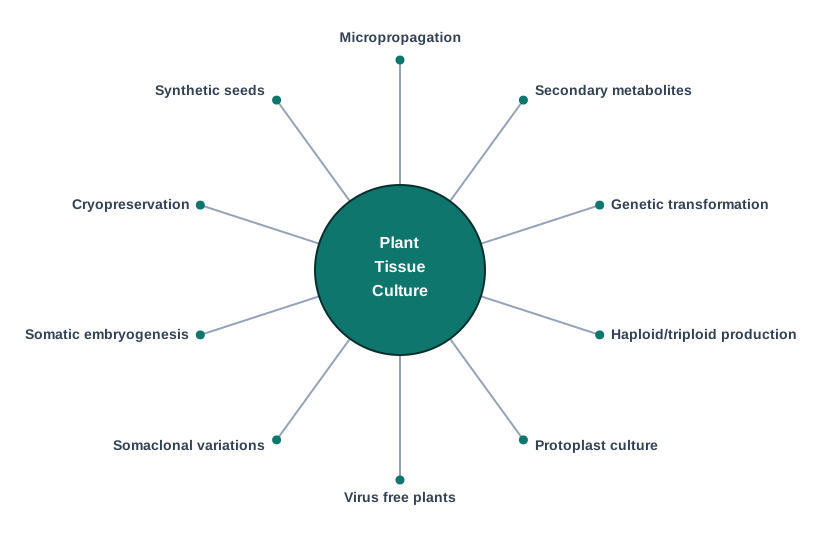
Fig. 7.7 – Applications of plant tissue culture.
Every one of these applications draws on the same two facts established earlier in this chapter: a plant cell is totipotent, and its fate in culture can be steered by the composition of the medium. What changes from one application to the next is only the starting material and the purpose.
Micropropagation
Micropropagation is a tissue culture technique used to multiply plants without sexual reproduction or seed formation. Each new plant produced is genetically identical to its parent and can therefore be called a clone.
Traditionally, plants have been multiplied vegetatively by cuttings, budding, grafting, corms, tubers or other vegetative propagules. These traditional procedures are laborious, dependent on environmental conditions, and their success rate is also low.
Micropropagation addresses all three of these problems. It results in the rapid multiplication of plants within a short period of time and in a small space, because thousands of vessels can be stacked on shelves in a single room. Since it is performed under controlled environmental conditions, micropropagation is not season dependent — a nursery does not have to wait for the right months of the year.
The method is especially useful for the multiplication of non-fertile plants, rare plants and endangered plants, and of other plants in which the character of choice cannot be maintained by sexual reproduction. Such selected, high-performing plants are called elite plants. In sexual reproduction the offspring receive a reshuffled set of genes, so a prized combination of traits is broken up; cloning preserves it intact.
Micropropagation has been employed successfully in agriculture, horticulture and forestry, in crops such as potato, banana, carnation and chrysanthemum. Banana tissue culture technology is very popular for the supply of disease-free quality planting material and has proved profitable for farmers. Banana is one of the major tissue culture-raised crops in India, and more than 400 million plantlets are regenerated annually through tissue culture.
The stages of a micropropagation run are the tissue culture protocol of Section 7.2 applied at scale, as summarised in Fig. 7.8.
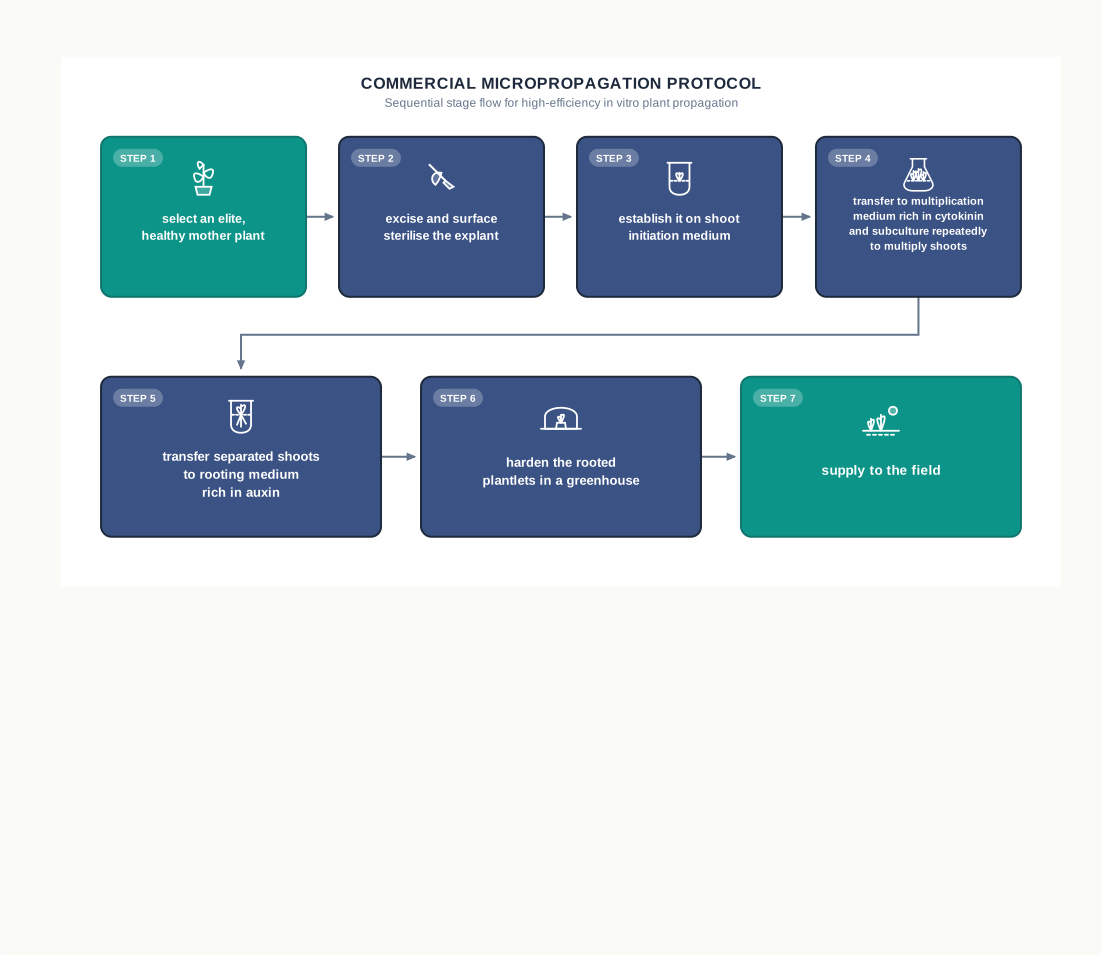
Fig. 7.8 – Steps of micropropagation.
Because each subculture cycle multiplies the shoots by a fixed factor, the total number of plantlets rises geometrically. If \(N_0\) is the number of shoots at the start, \(m\) is the multiplication factor achieved in one subculture cycle and \(n\) is the number of cycles completed, then the number of shoots \(N\) is
\[N = N_0 \times m^{\,n}\]
Here \(N_0\) and \(N\) are plain counts, \(m\) is a dimensionless ratio, and \(n\) is the number of cycles. It is this exponential behaviour, not any single fast step, that lets one selected plant supply a whole planting programme.
Artificial (Synthetic) Seed Production
Artificial seeds are also called synthetic seeds or somatic seeds. The idea behind them is straightforward: a somatic embryo already has the developmental potential of a seed embryo, so if it can be given a coat and a food supply, it can be handled, stored and sown exactly like an ordinary seed.
Using nutrient media with suitable hormones, somatic embryos are produced on the callus tissue. Suitable explants are selected for establishing this callus culture in the first place.
The somatic embryos are then produced into artificial seeds by encapsulating them with a protective coating of a suitable matrix, such as calcium alginate. In addition, nutritional components and growth regulators are also added to the capsule, which provide nutrition for the embryo and mimic the structure of the conventional seed, as shown in Fig. 7.9.
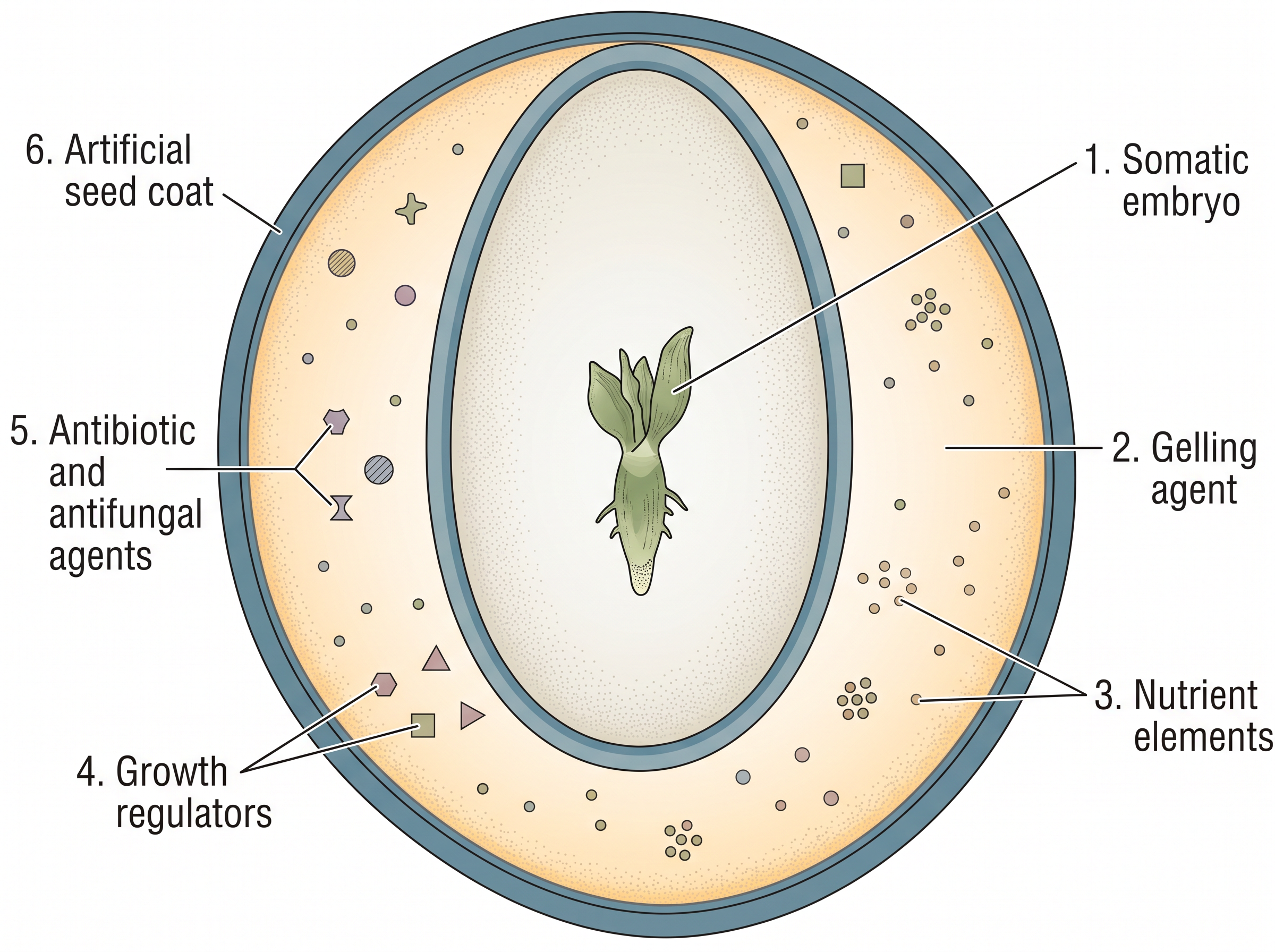
Fig. 7.9 – Schematic representation of an artificial seed.
Notice how each part of the capsule copies a part of a real seed. The artificial seed coat stands in for the testa and protects against desiccation and mechanical damage; the gelling agent and nutrient elements together take the place of the endosperm as a food reserve; and the antibiotic and antifungal agents guard the embryo against infection while it is in storage.
Artificial seeds can be stored for a long time under suitable conditions, and can be used for the rapid and mass propagation of elite plant species as well as of hybrid varieties. Artificial seed production is also helpful for plants that are propagated asexually and therefore produce no useful seed of their own. For example, artificial seed production has been used successfully in carrot, grapes and sandalwood.
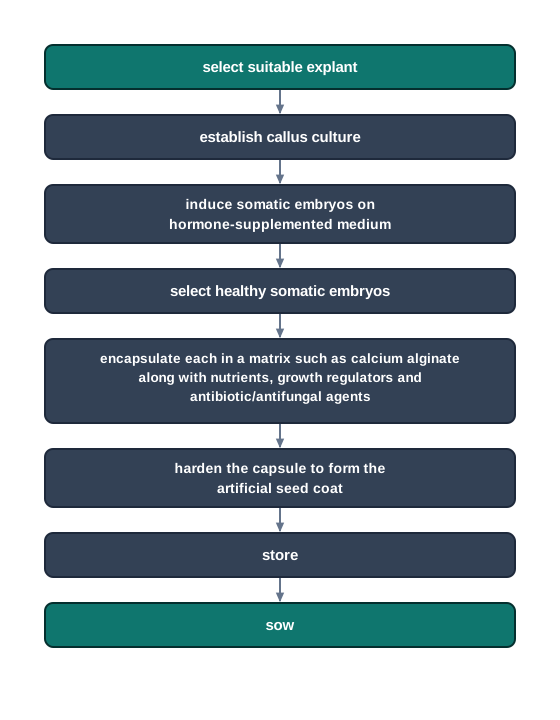
Fig. 7.10 – Artificial seed production.
Haploid and Triploid Production
Unlike diploid plants, which have two sets of chromosomes (2n), haploid plants have only one set of chromosomes — the same number as is found in the gametes of a diploid plant.
A haploid plant is useful precisely because it has only one copy of every gene, and so nothing can be masked. Haploids are used to produce genetically homozygous diploid plants by doubling the chromosome number through the application of colchicine. Colchicine interferes with the formation of the spindle, so the duplicated chromosomes fail to separate and the cell ends up with two identical sets instead of one.
Haploid plants that have had their chromosome number doubled in this way are called double haploids. Since both sets are identical copies, every gene pair is homozygous, and this enables recessive traits to express as well. These homozygous diploid plants are frequently used in cross breeding, where a completely uniform parent line is valuable.
Haploids can be produced through anther culture, pollen culture or ovary culture — all of them organ cultures of the kind described in Section 7.4, and all of them starting from tissue that is already haploid. Many varieties of broccoli, brassica, sorghum, rice and tobacco are a few examples of crops in which this has been done.
The related idea of triploid production starts from a tissue that is naturally triploid rather than haploid. The endosperm of a flowering plant carries three sets of chromosomes, so endosperm culture — again an organ culture — offers a route to triploid plants, which are valuable where seedlessness or vigorous growth is wanted.
Somatic Hybrids
Sexual reproduction involves the fusion of haploid gametes to produce a zygote, which develops into a new individual. However, it is limited to similar individuals, because inter-specific or inter-generic crosses do not occur, owing to the species barrier.
The consequence for a breeder is severe: a good character present in one species — say, resistance to a disease — cannot be transferred to another species through sexual reproduction, no matter how badly it is needed there. Somatic hybridisation provides an excellent alternative for obtaining hybrids from distantly related species.
The method works by removing the obstacle that keeps two plant cells apart. Essentially, the plant cell wall is digested with enzymes such as cellulases and pectinases, and protoplasts are isolated. Cellulases break down the cellulose framework of the wall, while pectinases dissolve the pectin that cements neighbouring cells together.
When protoplasts are brought into close contact, they tend to fuse with each other with the help of polyethylene glycol (PEG), irrespective of the source of the protoplasts. The membranes of two naked cells, once pressed together, have no reason to recognise a species boundary.
This method of fusion of protoplasts from somatic cells is called somatic hybridisation. The resulting fusion products are regenerated to form hybrid plants, which are called somatic hybrids or parasexual hybrids, as shown in Fig. 7.11.
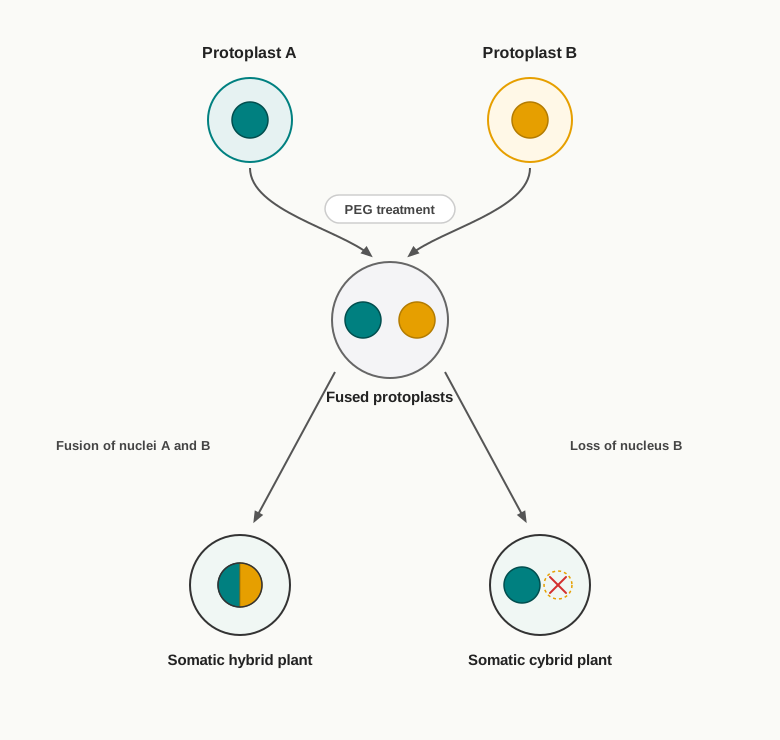
Fig. 7.11 – Protoplast fusion: somatic hybrid and cybrid pathways.
Cybrids
Not every useful gene sits in the nucleus. Several traits are controlled by genes located in cytoplasmic organelles: cytoplasmic male sterility, for instance, is controlled by the mitochondrial genome, while the chloroplast encodes many key proteins involved in photosynthesis.
In sexual reproduction, the cytoplasmic genomes are mostly contributed by the female parent, so a breeder has very little freedom in combining them. Protoplast fusion removes that restriction, since it provides an opportunity to combine the nuclear genome of one parent with the mitochondrial or plastid genome of another parent.
This process of combining the cytoplasmic genomes of one parent with the nuclear genome of the other parent is called cybridisation, and the resulting hybrids are called cybrids. As Fig. 7.11 shows, a cybrid arises when the fused protoplast loses one of the two nuclei while retaining cytoplasm from both parents.
Production of Virus-Free Plants
Most crop plants are infested with viruses, which result in huge losses in terms of productivity and yield. For vegetatively propagated plants the problem is especially serious, because the entire clonal population raised from an infected stock will also be infected with the virus. One infected mother plant can therefore contaminate an entire planting programme — including, in principle, a micropropagation run.
Therefore, the production of virus-free plants is important in order to maintain the yield and quality of vegetatively propagated plants.
The solution comes from an interesting feature of the infection itself: virus particles have an uneven distribution throughout the plant body. Generally, apical or axillary meristems are free from virus particles. Meristematic tissue is not yet connected to a fully differentiated vascular system, along which viruses travel most easily, and its cells divide so rapidly that the virus tends to be left behind.
Therefore, a very small part of the apical meristem — less than 1 mm long — can be used as the explant to initiate cultures for the production of virus-free plants. The size limit matters: take a larger piece and the tissue behind the tip, which may already carry virus, comes with it.
This method is important and has been used successfully for clonally propagated crops such as sugarcane, banana and potato.
Somaclonal Variations (Genetic Variability)
Terminally differentiated somatic cells in plants accumulate genetic variations over the life of the plant. As these cells are not associated with germline cells, such variations are not transferred to the next generation in the ordinary way — they die with the plant.
Tissue culture changes that. When somatic tissues carrying these genetic variations are used as explants for tissue culture, the variations are passed on to, and are expressed in, the newly regenerated plants. In addition, long-term in vitro callus and cell suspension cultures may themselves introduce fresh genetic variations, which are likewise expressed in the newly regenerated plants.
The genetic variations observed in plants regenerated from cultured somatic tissues are therefore called somaclonal variations, and such regenerated plants are known as somaclones. These variations can be used to engineer novel traits and have been utilised for crop improvement.
Somaclonal variations can be both a boon and a bane, and which one they are depends entirely on what the culture was set up to do. If the objective of in vitro tissue culture is the clonal multiplication of a plant with a specific trait, these variations can result in unwanted traits and compromise the commercial value of the clones — the whole point of cloning was uniformity.
However, somaclones may instead be screened deliberately for novel phenotypes of agronomic or commercial advantage. Agronomically important somaclones have been identified in several crops and released as new cultivars. Some examples are disease-resistant sugarcane, banana and tomato, and improved yield in wheat.
Production of Secondary Metabolites
Plants produce thousands of specialised compounds that are not necessary for their own survival but are important for the plant’s interaction with its environment. These compounds — alkaloids, flavonoids, tannins, steroids, latex, resins and others — are called secondary metabolites, and they are often involved in the plant’s defence against biotic and abiotic stress conditions.
These compounds are economically valuable products with several industrial applications, such as drugs, flavours, dyes, insecticides and fragrances. Plant cell or tissue-based cultures can be a potential source of a specific secondary metabolite and are routinely used to synthesise a metabolite of interest.
The hairy root system produces high-quality secondary metabolites and is routinely used in the industry. Since tissue cultures are maintained under controlled conditions, the metabolite can be produced independently of variations caused by environment, season or disease — a decisive advantage over harvesting from a field or a forest, where yield changes from year to year.
Many of the metabolites, such as the alkaloids, are of immense use in medicine. These compounds are produced in very small amounts in plants, and therefore the overharvesting of these plants has brought them to near extinction. Further, these compounds are very expensive.
It is also known that cultured cells or tissues can accumulate phytochemicals at levels higher than those in their parent plants. Therefore, cell or tissue culture-based production of secondary metabolites of industrial importance can be a possible solution, and can make them affordable for the common man too. Many such compounds have been produced in cell or tissue culture-based systems, and a few are listed below.
| S. No. | Product Name | Plant Source | Uses |
|---|---|---|---|
| 1. | Artemisin | Artemisia sp. | Antimalarial |
| 2. | Azadirachtin | Azadirachta indica (Neem) | Insecticidal |
| 3. | Berberine | Coptis japonica | Antibacterial, anti-inflammatory |
| 4. | Capsaicin | Capsicum annum (Chilli) | Rheumatic pain treatment |
| 5. | Codeine | Papaver sp. | Analgesic |
| 6. | Digoxin | Digitalix lanata | Cardiac tonic |
| 7. | Diosgenin | Dioscorea deltoidei | Antifertility |
| 8. | Scopolamine | Datura stramonium | Antihypertensive |
| 9. | Quinine | Cinchona officinalis | Antimalarial |
| 10. | Shikonin | Lithospermum erythrorhizon | Antimicrobial |
| 11. | Taxol | Taxus sp. | Anticarcinogenic |
| 12. | Vincristine | Cathranthus roseus | Anticarcinogenic |
Read the table as three linked columns rather than a list to be memorised: the plant source explains why the compound was hunted for in the first place, and the use explains why it became worth producing in a culture vessel instead of a plantation.
7.6 Summary
Plant tissue culture (PTC) is the cultivation of an undifferentiated mass of plant cells, tissues or organs on artificial media, under aseptic conditions and a controlled environment. All three conditions are essential: the medium replaces what the parent plant used to supply, asepsis keeps out faster-growing microbes, and the controlled environment replaces soil and season.
Any plant organ — a leaf, apical meristem, embryo, cotyledon, hypocotyl and so on — can be used as an explant, and a whole plant can be regenerated from it in vitro. This is possible because a plant cell is totipotent.
Plant tissue culture media used for in vitro cultures are made up mainly of inorganic components and organic supplements, a carbon source, plant growth hormones, vitamins, gelling agents and antibiotics. The pH is adjusted to about 5.8 to 6.0 so that the salts stay dissolved and the medium sets properly.
Regeneration in culture follows one of two morphogenetic pathways: organogenesis, in which dedifferentiation is followed by redifferentiation into shoot or root primordia, and somatic embryogenesis, in which somatic cells form embryos directly.
Tissue culture can be categorised as organ culture, explant culture, callus culture, cell suspension culture, protoplast culture or single cell culture — a series in which the starting material becomes progressively less organised.
Plant growth hormones play a vital role in plant tissue culture. In particular, different ratios of auxin and cytokinin are used to obtain either root or shoot regeneration, depending on the need or objective at that stage.
Plant tissue culture is routinely used for several applications in plant science, such as micropropagation, synthetic seed formation, protoplast culture, haploid or triploid culture, production of virus-free plants and production of secondary metabolites.
Micropropagation multiplies elite, rare or non-fertile plants rapidly, in a small space and independently of season, giving clones that are genetically identical to the mother plant.
Somatic hybridisation in plant tissue culture can be exploited to produce hybrids even between distantly related plants, which the species barrier prevents in sexual reproduction. Where only the cytoplasmic genome of one parent is combined with the nuclear genome of the other, the product is a cybrid.
Virus-free plants are raised from apical or axillary meristem tips less than 1 mm long, because virus particles are unevenly distributed in the plant and are generally absent from meristems.
Genetic variations appearing in plants regenerated from cultured somatic tissues are called somaclonal variations, and such plants are somaclones. They are a drawback when uniform clones are wanted, and a resource when new traits are wanted.
Cultured cells or tissues may accumulate a higher concentration of secondary metabolites than their parent plants, under optimum environmental and nutritional conditions.
Several compounds of industrial importance have been produced successfully in tissue culture, such as taxol, azadirachtin and shikonin.
The chapter as a whole moves along a single line, from a piece of tissue to a finished product, and that line is summarised in Fig. 7.12.
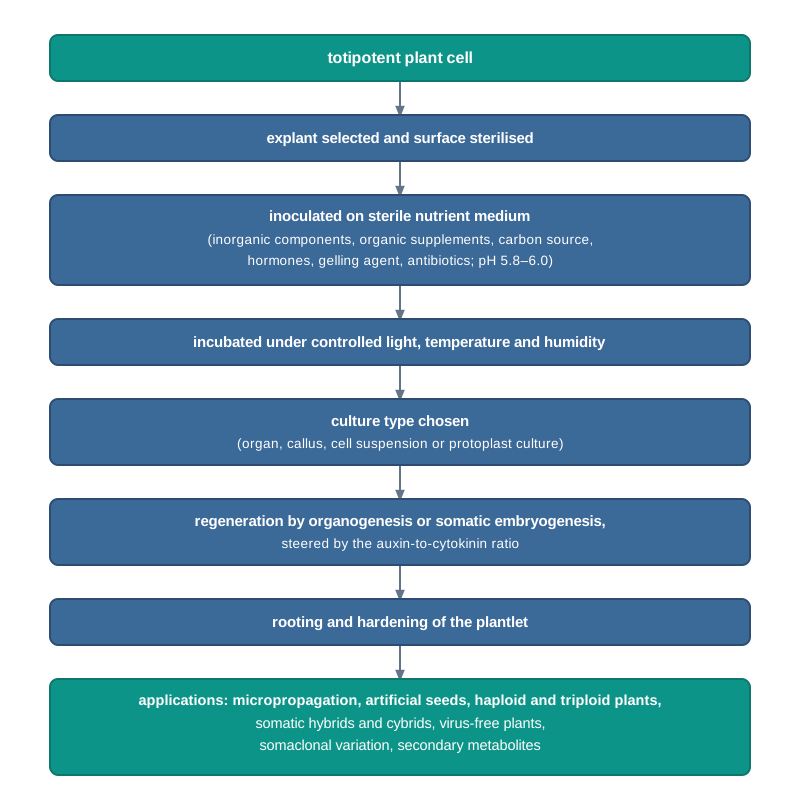
Fig. 7.12 – The chapter at a glance.
7.7 Key Terms
Plant tissue culture (PTC) — The cultivation of undifferentiated plant cells, tissues or organs on synthetic media under aseptic conditions and suitable controlled physical conditions.
In vitro — Literally “in glass”; describes work carried out in culture vessels outside the living plant, as opposed to in vivo.
Totipotency — The ability of a vegetative cell to divide and differentiate into any type of specialised cell, or to regenerate into a whole plant.
Aseptic conditions — Working conditions from which bacteria and fungi have been excluded, maintained by sterilising media, explants and instruments.
Auxin — A category of plant growth hormone which, when supplied at a high ratio to kinetin, induces rooting in cultured tissue.
Kinetin — A type of cytokinin, discovered by Skoog and Miller, which promotes cell division and, at a high ratio to auxin, induces shoot formation.
Cytokinin — The class of plant growth hormones to which kinetin belongs; a higher concentration of cytokinin generally results in shoot regeneration.
Morphogenic fate — The organ that a cultured tissue eventually forms, determined by the exogenous balance of auxin and kinetin in the medium.
Callus — An unorganised mass of dividing, undifferentiated cells formed when plant tissue dedifferentiates in culture.
MS medium — The artificial culture medium developed by Murashige and Skoog, a high-salt formulation that is the most widely used nutrient medium in plant tissue culture.
Explant — Any plant tissue, organ or part used in tissue culture to regenerate a mass of dedifferentiated cells, a tissue, an organ or a whole plant.
Organogenesis — The induced formation of vegetative organs such as shoots or roots from cells or tissues in plant tissue culture.
Dedifferentiation — The process in which specialised cells of an explant begin dividing and form a mass of undifferentiated cells.
Redifferentiation — The formation of organ primordia, such as shoot or root, from the undifferentiated cell mass.
Somatic embryogenesis — The formation of an embryo from somatic cells, following the embryogenic pathway of zygotic embryogenesis.
Somatic embryo — An embryo formed from somatic cells in culture; similar to a zygotic embryo except in its place of origin and its larger size.
Autoclaving — Sterilisation of nutrient media and labware by steam under pressure, used to prevent microbial contamination of cultures.
Micropore filter — A filter of very fine pore size used to sterilise heat-sensitive solutions by trapping microorganisms while letting the liquid pass.
Surface sterilisation — Treatment of an explant with a disinfectant such as sodium hypochlorite, followed by washing in sterile distilled water, to kill microbes on its surface.
Inoculation — The placing of a sterilised explant onto the nutrient medium.
Hardening — The gradual exposure of a rooted plantlet to lower humidity and stronger light in a greenhouse or growth room before transfer to the field.
Macronutrients — Inorganic components required by cultured tissue in large amounts, at millimolar concentrations: C, Ca, H, K, Mg, N, O, P and S.
Micronutrients — Essential inorganic components required in small amounts, at micromolar concentrations: B, Co, Cu, Fe, Mn, Mo and Zn.
Organic supplements — Amino acids and vitamins added to culture media, the amino acids serving as a nitrogen source.
Carbon source — The sugar supplied in the medium as an energy and carbon supply, usually sucrose at about 2–5 percent.
Gelling agent — The substance, most commonly agar, used to solidify culture media so that the explant is held at the surface.
Organ culture — The cultivation of plant organs such as roots, anther, ovary, embryo, endosperm or seeds under laboratory conditions.
Callus culture — The culture of an unorganised mass of dedifferentiated cells, used mainly for plant regeneration and genetic transformation studies.
Cell suspension culture — The culture, in agitated liquid medium, of single cells isolated from callus or other plant parts by mechanical or enzymatic methods.
Protoplast — A plant cell from which the cell wall has been removed, leaving the cytoplasm bounded only by the plasma membrane.
Micropropagation — A tissue culture technique used to multiply plants rapidly without sexual reproduction or seed formation.
Clone — A plant genetically identical to the parent plant from which it was raised without sexual reproduction.
Elite plant — A selected plant whose valuable combination of characters cannot be maintained through sexual reproduction and is therefore multiplied clonally.
Artificial (synthetic) seed — A somatic embryo encapsulated in a protective matrix such as calcium alginate, along with nutrients and growth regulators, so that it can be stored and sown like a natural seed.
Haploid plant — A plant carrying only one set of chromosomes, the number found in the gametes of a diploid plant.
Colchicine — The chemical applied to haploid plants to double their chromosome number by interfering with spindle formation.
Double haploid — A completely homozygous diploid plant obtained by doubling the chromosome number of a haploid plant.
Anther culture — The culture of anthers to obtain haploid plants from their already haploid pollen.
Somatic hybridisation — The fusion of protoplasts from somatic cells of two different plants, followed by regeneration of the fusion product into a whole plant.
Somatic (parasexual) hybrid — The plant regenerated from a fused protoplast in which the nuclei of both parents have combined.
Polyethylene glycol (PEG) — The agent used to bring protoplasts into close contact and promote their fusion, irrespective of their source.
Cybridisation — The combining of the cytoplasmic genome of one parent with the nuclear genome of the other parent through protoplast fusion.
Cybrid — The plant obtained by cybridisation, carrying the nucleus of one parent and cytoplasm from both.
Cytoplasmic male sterility — A trait controlled by the mitochondrial genome, an example of a character carried in cytoplasmic organelles.
Meristem tip culture — The culture of an apical or axillary meristem less than 1 mm long to raise virus-free plants.
Somaclonal variation — The genetic variation observed in plants regenerated from cultured somatic tissues.
Somaclone — A plant regenerated from cultured somatic tissue that shows somaclonal variation.
Secondary metabolites — Specialised plant compounds, such as alkaloids, flavonoids, tannins, steroids, latex and resins, that are not needed for the plant’s survival but matter in its interaction with the environment.
Hairy root system — A culture system that produces high-quality secondary metabolites and is routinely used in industry.
7.8 Points to Ponder
A plant cell is totipotent while an ordinary human cell is not. What might a plant gain from keeping this ability, given that it cannot run from a herbivore, a fire or a drought?
The same explant, on the same salts and sugar, becomes a root, a shoot or a callus depending only on the ratio of two hormones. What does this tell you about how much of a plant’s form is written in its genes and how much is decided by the signals its cells receive?
Haberlandt was right in 1902 but his cultures failed, because the substances he needed had not yet been discovered. Is a correct idea that cannot be tested with the tools of its time a scientific contribution, or only a lucky guess?
Micropropagation supplies millions of identical plants to farmers. If every plant in a region is a clone of the same mother plant, what happens when a new disease arrives that this particular genotype cannot resist?
Somaclonal variation is called both a boon and a bane in this chapter. Think of two different laboratories working on the same culture, one of which would report the variation as a failure and the other as a result worth publishing. What decides which of them is right?
An artificial seed copies every part of a natural seed except its origin. Is there anything a natural seed does for a plant population that an artificial seed can never do?
Somatic hybridisation lets a potato cell and a tomato cell be combined although the two species cannot be crossed. Does this mean the species barrier is not a real biological boundary, or that it operates at a stage that culture simply bypasses?
Virus-free plants are produced from a meristem less than 1 mm long, taken from a plant that is itself infected. What does this tell you about how a virus moves through a plant body, and why size matters so much in this technique?
Producing an anticancer drug in a culture vessel saves the trees it was once extracted from. What might be lost, all the same, if the wild species is no longer of any commercial value to the people living around it?
Cell culture can make a medicinal compound cheaper and more reliable, but the plant and the knowledge of its use may have come from a community that receives nothing in return. What would a fair arrangement between the laboratory and that community look like?
A tissue culture laboratory spends much of its effort keeping microbes out rather than growing plants. Is contamination a technical problem to be solved, or a permanent cost that any culture-based industry has to build into its planning?
7.9 NCERT Questions
What is plant tissue culture?
Describe the various components of plant tissue culture media.
What are the general steps of plant tissue culture?
Describe various applications of plant tissue culture.
How are somatic hybrids developed?
What are somaclonal variations?
Define explant and list five most commonly used explants for plant tissue culture.
Describe somatic embryogenesis and their application for the development of synthetic seeds.
Describe briefly the role of pH in nutrient media.
Describe the method of somatic hybridization and its advantages.
What are somaclonal variations and discuss their role for improving crops.
Which of the following tissues can be used as explant for regenerating complete plant through tissue culture?
- Shoot apical meristem
- Embryo
- Leaf segments
- All of the above
- Which of the following explants are suitable for the production of virus free plants?
- Leaf segments
- Seeds
- Apical meristem
- Stem cuttings
- The process of combining the nuclear genomes of one parent with the cytoplasmic genome of the other parent is called as:
- Cybridization
- Micropropagation
- Regeneration
- None of them
- Which of the following components is not essential for Murashige and Skoog media?
- Inorganic nutrients
- Carbon source
- Antibiotics
- Organic Nutrients
- Decrease in the pH of the media may result in:
- Increase in hardness of the solidified medium.
- May interfere with the solubility of media salts.
- Interfere with solidification of the medium and results in poor solidification.
- All of the above.
- Somatic clonal variation can be present in which of the following plants?
- Plants regenerated through tissue culture
- Plant generated through seeds
- Plant generated through sexual reproduction that includes fertilisation of egg with pollen nuclei.
- None of the above.
- In vitro tissue culture can be used for the generation of:
- Virus free plants
- Somatic hybrid plants
- Synthetic seeds
- None of the above.
- Assertion: Somatic seeds are encapsulated by a layer called seed coat. Reason: Seed coat is the protective layer that prevents water desiccation.
- Both assertion and reason are true and the reason is the correct explanation of the assertion.
- Both assertion and reason are true but the reason is not the correct explanation of the assertion.
- Assertion is true but reason is false.
- Both assertion and reason are false.
- Assertion: Virus free plants can be produced by growing apical/axillary meristem of virus infected plants. Reason: Apical/axillary meristems lack vascular bundle that is required by the virus to replicate.
- Both assertion and reason are true and the reason is the correct explanation of the assertion.
- Both assertion and reason are true but the reason is not the correct explanation of the assertion.
- Assertion is true but reason is false.
- Both assertion and reason are false.
7.10 Objective Questions
- The ability of a vegetative plant cell to divide, differentiate into any specialised cell type and regenerate a whole plant is called:
- Dedifferentiation
- Totipotency
- Redifferentiation
- Organogenesis
- Gottlieb Haberlandt is regarded as the ‘Father of Plant Tissue Culture’ because he:
- Formulated the first synthetic culture medium
- Discovered the first plant growth hormone
- Proposed in 1902 that plant cells can be cultured on artificial media and predicted regeneration from vegetative cells
- Produced the first haploid plant by anther culture
- Coconut water was found useful in early tissue culture work mainly because it:
- Acts as a gelling agent
- Is the liquid endosperm and supplies factors that stimulate embryo development
- Lowers the pH of the medium
- Sterilises the explant surface
- A relatively high level of auxin to kinetin in the culture medium generally leads to:
- Shoot formation
- Rooting
- Callus proliferation only
- Somatic embryo formation only
- Which of the following is NOT categorised as a macronutrient in plant tissue culture media?
- Potassium
- Magnesium
- Zinc
- Sulphur
- Micronutrients are supplied in culture media at concentrations of the order of:
- Molar
- Millimolar
- Micromolar
- Percentage by weight
- The carbon source considered best for in vitro cultures, and the concentration at which it is generally used, are:
- Glucose, 10–15 percent
- Sucrose, 2–5 percent
- Mannose, 2–5 percent
- Fructose, 10–15 percent
- The pH of plant tissue culture media is usually adjusted to about:
- 4.0 to 4.5
- 5.8 to 6.0
- 6.8 to 7.2
- 7.5 to 8.0
- The most commonly used gelling agent for solid plant tissue culture media is:
- Calcium alginate
- Agar
- Polyethylene glycol
- Myoinositol
- The disinfectant most commonly used for surface sterilisation of explants is:
- Sodium hypochlorite
- Absolute alcohol only
- Polyethylene glycol
- Colchicine
- A growth hormone that would be destroyed by autoclaving should be added to the medium by:
- Autoclaving it separately for a longer time
- Passing it through a micropore filter and adding it after the medium has cooled
- Increasing the agar concentration
- Raising the pH before autoclaving
- In organogenesis, the formation of a mass of undifferentiated cells from specialised cells of the explant is called:
- Redifferentiation
- Dedifferentiation
- Somatic embryogenesis
- Cybridisation
- Somatic embryos differ from zygotic embryos mainly in:
- The developmental pathway they follow
- Their place of origin and their larger size
- The number of cotyledons formed
- Their inability to form a root pole
- Single cells isolated from callus and grown in an agitated liquid medium constitute a:
- Callus culture
- Organ culture
- Cell suspension culture
- Meristem tip culture
- The enzymes used to remove the plant cell wall during protoplast isolation are:
- Amylase and lipase
- Cellulase and pectinase
- Protease and nuclease
- Ligase and polymerase
- Polyethylene glycol (PEG) is used in somatic hybridisation to:
- Digest the cell wall
- Bring protoplasts into close contact so that they fuse
- Double the chromosome number
- Encapsulate somatic embryos
- Colchicine is applied to haploid plants in order to:
- Induce somaclonal variation
- Double the chromosome number and produce homozygous diploids
- Remove viruses from the meristem
- Induce callus formation
- For raising virus-free plants, the apical meristem explant taken is generally:
- About 1 cm long
- Less than 1 mm long
- The entire shoot tip with three leaves
- A leaf disc from the youngest leaf
- Calcium alginate is used in plant biotechnology for:
- Gelling routine culture media
- Encapsulating somatic embryos to make artificial seeds
- Fusing protoplasts
- Suppressing fungal contamination
- Shikonin, taxol and azadirachtin are examples of:
- Plant growth hormones
- Gelling agents
- Secondary metabolites produced through cell and tissue cultures
- Micronutrients of MS medium
Assertion: Explants harvested from seedlings grown under sterile conditions need not be surface sterilised again. Reason: Such seedlings have never been exposed to a non-sterile environment, so no microbes are present on their surface.
Assertion: Sucrose is added to the culture medium even when the explant is green. Reason: Photosynthesis in a small explant under low light in a closed vessel is too weak to meet the tissue’s carbon and energy requirement.
Assertion: A medium with a higher concentration of cytokinin than auxin generally favours shoot regeneration. Reason: Kinetin, a cytokinin discovered by Skoog and Miller, promotes cell division.
Assertion: Somaclonal variation can reduce the commercial value of micropropagated planting material. Reason: Long-term in vitro callus and cell suspension cultures may introduce genetic variations that are expressed in the regenerated plants.
Assertion: A cybrid carries the nuclear genome of only one of the two parents. Reason: After protoplast fusion, one of the two nuclei is lost while cytoplasm from both parents is retained.
Assertion: Double haploids allow recessive traits to be expressed. Reason: Doubling the chromosome number of a haploid gives two identical sets, so every locus is homozygous.
Assertion: Micropropagation is not season dependent. Reason: It is carried out in a culture room under controlled light, temperature and humidity.
Assertion: Antibiotics and antifungal agents in the medium cannot substitute for aseptic technique. Reason: A rich nutrient medium supports microbial growth far faster than plant cell growth, so contamination introduced during handling quickly overruns the culture.
7.11 Check Your Concepts
Why is a plant cell described as totipotent while an ordinary animal body cell is not? State one thing this property makes possible in the laboratory that would be impossible with animal tissue.
Haberlandt’s predictions about plant tissue culture were correct, yet his own cultures failed to divide. Explain what was missing from his media, and name the two classes of substances whose later discovery removed the difficulty.
Why is the explant only surface sterilised, and why is the treatment deliberately kept brief? What would happen if the disinfectant were left on the tissue without rinsing?
A technician is in a hurry and inoculates explants onto a medium that was prepared but not sterilised. Predict what will be seen after three days and explain why the plant tissue loses the competition.
Name the two methods used to sterilise culture media, and state which one must be chosen for a heat-sensitive growth hormone. Give the reason.
Arrange the following steps of plant tissue culture in the correct order: inoculation of explants; hardening of plantlets; surface sterilisation of the explant; sterilisation of the nutrient medium; excision of shoots and transfer to rooting medium; selection of the explant; growing the cultures in the culture room; transfer to shoot regeneration medium.
Arrange the following steps of somatic hybridisation in the correct order: regeneration of the fusion product into a whole plant; digestion of cell walls with cellulases and pectinases; screening for hybrid or cybrid; treatment of protoplasts with PEG; isolation of protoplasts from both parents; fusion of protoplasts.
Compare organogenesis and somatic embryogenesis with respect to what is formed, the stages involved and the number of poles produced.
Distinguish between a somatic hybrid and a cybrid, and state one situation in which a breeder would deliberately want a cybrid rather than a somatic hybrid.
Distinguish between callus culture and cell suspension culture with respect to the material cultured, the type of medium used and their suitability for scaling up.
Distinguish between a somatic embryo and a zygotic embryo. Which of the two gives rise to a clone of the parent plant, and why?
Draw a labelled diagram of an artificial seed. Label the somatic embryo, the artificial seed coat, the gelling agent, the nutrient elements, the growth regulators and the antibiotic and antifungal agents, and state, for any three of these, which part of a natural seed it replaces.
Study the scheme of protoplast fusion in Fig. 7.11. Identify the two routes the fused protoplast can follow after PEG treatment, and state what happens to the nuclei in each route.
Match the technique in Column I with its purpose in Column II.
| Column I | Column II |
|---|---|
| a. Anther culture | i. Raising virus-free planting material |
| b. Meristem tip culture | ii. Producing haploid plants |
| c. Protoplast fusion | iii. Rapid clonal multiplication of elite plants |
| d. Micropropagation | iv. Combining traits of two species that cannot be crossed |
- Match the secondary metabolite in Column I with its plant source in Column II.
| Column I | Column II |
|---|---|
| a. Azadirachtin | i. Taxus sp. |
| b. Taxol | ii. Cinchona officinalis |
| c. Quinine | iii. Azadirachta indica |
| d. Shikonin | iv. Lithospermum erythrorhizon |
A student prepares a medium and sets its pH to 4.5 before autoclaving. Describe the problem that will appear when the medium is poured, and explain the reason. What further difficulty would arise for the explant even if the medium did set?
In a micropropagation run, healthy shoots have multiplied well but no roots appear when the shoots are subcultured. Suggest what change should be made to the medium and justify it in terms of hormone balance.
A nursery reports that many of its tissue-culture-raised plantlets wilt and die within two days of being planted in the field, although they looked healthy in the culture vessel. Identify the step that was carried out badly, and explain the physiological reason for the deaths.
Why are immature embryos generally more responsive in culture than apical meristems, and apical meristems more responsive than leaf explants? Answer in terms of the state of the cells in each tissue.
Explain why apical and axillary meristems are generally free of virus particles, and why the explant taken for this purpose must be less than 1 mm long.
Why is a liquid medium, kept in continuous agitation, preferred for a cell suspension culture? Give two reasons.
“Somaclonal variation is both a boon and a bane.” Justify this statement with one example of each, drawn from the chapter.
Explain why cultured cells can accumulate a secondary metabolite at a level higher than the parent plant, and state two advantages of producing such a compound in culture rather than harvesting it from wild plants.
Using the composition table of White’s and MS media, explain why MS medium is described as a “high-salt” medium, naming the two salts that account for most of the difference.
Why is it the ratio of auxin to cytokinin, rather than the absolute amount of either hormone, that is emphasised in tissue culture protocols? Support your answer with the three outcomes that different ratios produce.
A seed company wants to supply a seedless, uniform planting material of an elite mango variety. Explain why seed propagation will not serve this purpose, and name two tissue culture routes that could.
7.12 Case-Based Questions
A commercial tissue culture unit supplies banana plantlets to farmers in a district. It begins each production cycle with shoot tips taken from a single selected mother plant that has given high yields for three seasons. The shoot tips are established in culture, multiplied through repeated subcultures on a cytokinin-rich medium, rooted, and then kept for three weeks in a greenhouse before despatch. In one production cycle the unit skipped the greenhouse stage because of an urgent order, and farmers reported heavy losses within a week of planting.
- Why does the unit start from a single selected mother plant rather than from seed?
- Name the greenhouse stage that was skipped and explain, physiologically, why skipping it caused the losses.
- State two advantages this method offers over multiplying banana by traditional vegetative propagules.
- Suggest one risk that farmers of the district take on when every banana plant they grow is a clone of the same mother plant.
A sugarcane research station finds that a high-yielding variety has been giving progressively poorer harvests over several years. Testing shows that the planting material carries a virus. Since sugarcane is propagated vegetatively from setts, every field planted from the affected stock is infected. The station decides to recover the variety rather than abandon it, and excises apical meristems 0.5 mm long from infected canes for culture.
- Explain why vegetative propagation spreads the virus through the entire crop, whereas seed propagation would not necessarily do so.
- Why is it possible to obtain a healthy plant from a meristem taken from an infected plant?
- What would be the likely outcome if the station had excised 5 mm long shoot tips instead? Give a reason.
- After regeneration, what should the station do before the plantlets are multiplied and released to growers?
A breeder wants to move a gene for resistance to a soil-borne disease from a wild species into a cultivated crop species. Repeated pollination between the two plants produces no viable seed. The breeder then isolates cells from young leaves of both plants, treats them with a mixture of cellulases and pectinases, and brings the resulting cells into contact in the presence of polyethylene glycol. Some of the fused products are cultured and regenerated into whole plants; a few of these carry chromosomes of both parents.
- Name the barrier that prevented the initial crosses, and explain why protoplast fusion is not stopped by it.
- State the role of each of the three chemical agents used — cellulase, pectinase and PEG.
- What name is given to the plants that carry the nuclear material of both parents?
- Some regenerated plants were found to carry the nucleus of only one parent but organelles of both. What are such plants called, and name one agriculturally useful trait that could be transferred in this way.
Sandalwood is slow growing, heavily exploited, and difficult to propagate on a large scale from seed. A forest research institute establishes callus cultures from selected sandalwood trees, induces somatic embryos on a hormone-supplemented medium, and encapsulates the embryos in calcium alginate along with nutrients, growth regulators, and antibiotic and antifungal agents. The capsules are stored and later sown in nursery beds.
- What is the product described here called, and how does its embryo differ in origin from that of a natural sandalwood seed?
- State the function of the calcium alginate capsule and of the antibiotic and antifungal agents included in it.
- Give two reasons why this approach suits a species like sandalwood particularly well.
- Will the plants raised from these capsules be genetically identical to the selected trees? Justify your answer.
A rice breeding programme needs completely homozygous parent lines quickly. The team excises anthers from flower buds at a suitable stage, sterilises them, and inoculates them onto nutrient medium. Plantlets regenerated from the cultured anthers are found to have half the chromosome number of the parent plant. These plantlets are then treated with colchicine.
- Explain why plants regenerated from anther culture carry only one set of chromosomes.
- What is the purpose of the colchicine treatment, and how does colchicine bring about its effect?
- What are the resulting plants called, and why are they described as completely homozygous?
- State one advantage of this route over obtaining homozygous lines by repeated selfing.
A company establishes cell cultures of a medicinal plant that has been used for generations by communities in a forest region, where its extracts are applied to protect stored grain from insects. The compound responsible is produced in very small amounts in the plant, and wild harvesting has pushed the species towards local extinction. In culture, the company obtains the compound at a higher concentration than in the plant itself, and applies for a patent on its production process.
- What class of plant compounds does the substance described belong to, and what is its role in the plant itself?
- Give two reasons why culture-based production is preferable to continued wild harvesting here.
- Set out one argument in favour of granting the patent and one argument against it.
- Name the kind of legal safeguard that exists in India to govern commercial use of biological resources and associated traditional knowledge, and state what it is intended to ensure.
A nursery producing an ornamental plant by micropropagation maintains its callus cultures for two years without starting fresh cultures from the mother plant. Buyers begin returning consignments, complaining that about eight per cent of the plants differ from the catalogue description — some in leaf shape, one batch in flower colour. The nursery’s own breeding department, however, asks for the rejected plants to be sent to them.
- Name the phenomenon responsible for the differences, and state what the affected plants are called.
- Explain why maintaining callus cultures for a long time increases the frequency of such plants.
- Why is the same result a loss for the sales department and a gain for the breeding department?
- Suggest one change in the nursery’s protocol that would reduce the proportion of off-type plants.
In a school laboratory, a group prepares MS medium. They weigh out the salts, add vitamins, sucrose and hormones, make up the volume, add agar, autoclave the medium and pour it into vessels. On the next day they find that the medium in every vessel is still liquid. Checking their record sheet, they see that the pH was adjusted to 4.6, and that a heat-sensitive hormone was added to the flask before autoclaving.
- Explain, with a reason, why the medium failed to solidify.
- State what should have been done differently with the heat-sensitive hormone, and why.
- Even if the medium had set, name one further way in which the incorrect pH would have affected the cultures.
- Write the correct order of the last four operations in medium preparation, from adjusting the pH to dispensing the medium.
7.13 Practice With Data
Using the MS values given in the composition table of Section 7.3, calculate the mass required of each of the following to prepare 2 litres of MS medium: \(\mathrm{KNO_3}\) (1900 mg l\(^{-1}\)), \(\mathrm{NH_4NO_3}\) (1650 mg l\(^{-1}\)) and \(\mathrm{CaCl_2 \cdot 2H_2O}\) (440 mg l\(^{-1}\)). Express each answer in grams.
Compare White’s and MS media using the values in the composition table.
- How many times greater is the \(\mathrm{KNO_3}\) content of MS medium than that of White’s medium?
- For \(\mathrm{MgSO_4 \cdot 7H_2O}\), which medium contains more, and by what factor?
- Name two salts present in MS medium but absent from White’s, and state, for one of them, what the element it supplies is needed for.
A laboratory keeps a 100\(\times\) concentrated stock of micronutrients, so that 10 mL of stock is added per litre of final medium.
- Calculate the concentration of \(\mathrm{H_3BO_3}\) in the stock, given that the final MS concentration required is 6.2 mg l\(^{-1}\).
- Calculate the mass of \(\mathrm{H_3BO_3}\) needed to prepare 500 mL of this stock.
- If a technician adds only 5 mL of stock per litre by mistake, what fraction of the required boron will the medium contain?
A stock bottle of sodium hypochlorite contains 5% (w/v) available chlorine. Using the relation \(C_1V_1 = C_2V_2\), where \(C\) is concentration and \(V\) is volume:
- Calculate the volume of stock needed to prepare 400 mL of a 2% (w/v) working solution, and the volume of sterile distilled water to be added.
- A junior worker prepares the solution but forgets to rinse the explants with sterile distilled water afterwards. Predict the effect on the explants and explain it.
In a micropropagation programme the number of shoots after each subculture cycle was recorded as follows.
| Subculture cycle | 0 | 1 | 2 | 3 | 4 |
|---|---|---|---|---|---|
| Number of shoots | 2 | 6 | 18 | 54 | 162 |
- Determine the multiplication factor \(m\) per cycle.
- Using \(N = N_0 \times m^{n}\), calculate the number of shoots expected after 8 cycles.
- If each cycle takes 4 weeks, calculate the time needed to reach at least 10,000 shoots.
- State one practical reason why the actual output of a unit is always lower than this calculation predicts.
- Explants of a single species were cultured on media differing only in their auxin-to-cytokinin ratio. The percentage of cultures showing each response was recorded.
| Auxin : cytokinin ratio | Cultures forming roots (%) | Cultures forming shoots (%) | Cultures forming callus only (%) |
|---|---|---|---|
| 10 : 1 | 82 | 4 | 14 |
| 1 : 1 | 9 | 11 | 80 |
| 1 : 10 | 3 | 79 | 18 |
- State the conclusion that can be drawn about the effect of the hormone ratio on the fate of the cultured tissue.
- Which ratio would you select to multiply shoots, and which to root the shoots so obtained?
- A worker wants callus for a genetic transformation experiment. Which medium should be used, and why?
- Explain why the totals in each row do not indicate that the remaining cultures failed.
- A laboratory compared contamination in two months of operation.
| Month | Cultures inoculated | Cultures contaminated |
|---|---|---|
| March (inoculation on an open bench) | 480 | 96 |
| April (inoculation in a laminar air-flow cabinet) | 520 | 26 |
- Calculate the percentage contamination in each month.
- Calculate the percentage reduction in contamination achieved in April relative to March.
- If each contaminated culture costs the laboratory ₹35 in wasted medium and labour, calculate the saving in April compared with what March’s rate would have cost on 520 cultures.
- Cell density in a cell suspension culture was measured every two days.
| Day | 0 | 2 | 4 | 6 | 8 | 10 |
|---|---|---|---|---|---|---|
| Cells per mL (\(\times 10^{5}\)) | 0.5 | 0.9 | 1.8 | 3.5 | 5.2 | 5.6 |
- Over which interval is the population doubling most rapidly? Estimate the doubling time in that interval.
- Describe what is happening between day 8 and day 10, and give one likely reason.
- The culture has a working volume of 60 mL. Calculate the total number of cells present on day 6.
- State the day on which the culture should be subcultured into fresh medium, and justify your choice.
- Rooted plantlets were divided into three batches and hardened under different regimes before being planted out. Survival was recorded after 15 days in the field.
| Batch | Hardening treatment | Plantlets planted | Plantlets surviving |
|---|---|---|---|
| A | Moved directly from culture vessel to field | 200 | 34 |
| B | 7 days in greenhouse at high humidity, then field | 200 | 128 |
| C | 21 days in greenhouse with humidity reduced in stages | 200 | 186 |
- Calculate the percentage survival in each batch.
- Explain the difference between batch A and batch C in terms of the condition of the plantlet leaving the culture vessel.
- A nursery must despatch 5,000 surviving plants. Using batch C’s survival rate, calculate the number of plantlets that must enter hardening.
- In a somatic hybridisation experiment, \(8.0 \times 10^{5}\) protoplasts were treated with PEG. Fusion occurred in 3% of them. Of the fusion products, 0.8% could be regenerated into whole plants. Of the regenerated plants, 1 in 4 was found to carry the nucleus of only one parent.
- Calculate the number of fusion products obtained.
- Calculate the number of plants regenerated.
- Calculate how many of these were somatic hybrids and how many were cybrids.
- Comment on what these figures suggest about the labour involved in obtaining a single useful somatic hybrid.