Chapter 12: Recent Innovations in Biotechnology
In 1956, a young research student named John Bertrand Gurdon joined the laboratory of the embryologist Michael Fischberg and began working on a question that most biologists of the time thought was already settled. As a cell in the body matures into a gut cell, a skin cell or a muscle cell, does it throw away the genetic instructions it no longer needs?
Gurdon designed a beautifully simple test. He took the nucleus out of a mature intestinal cell of a tadpole and placed it inside a frog’s egg cell whose own nucleus had been removed. If the intestinal nucleus had truly lost its instructions, nothing much should happen. Instead, in the early 1960s, that egg divided, developed, and grew into a complete, living frog.
A single mature cell, it turned out, still carried the full blueprint for building an entire animal. Nothing had been lost — it had only been switched off. That one result opened the road to cloning, to the cloned sheep Dolly, and eventually to laboratory-grown tissues and organ substitutes. In 2012, Gurdon shared the Nobel Prize in Physiology or Medicine with Shinya Yamanaka, who showed that adult cells could be reprogrammed back into stem cells.
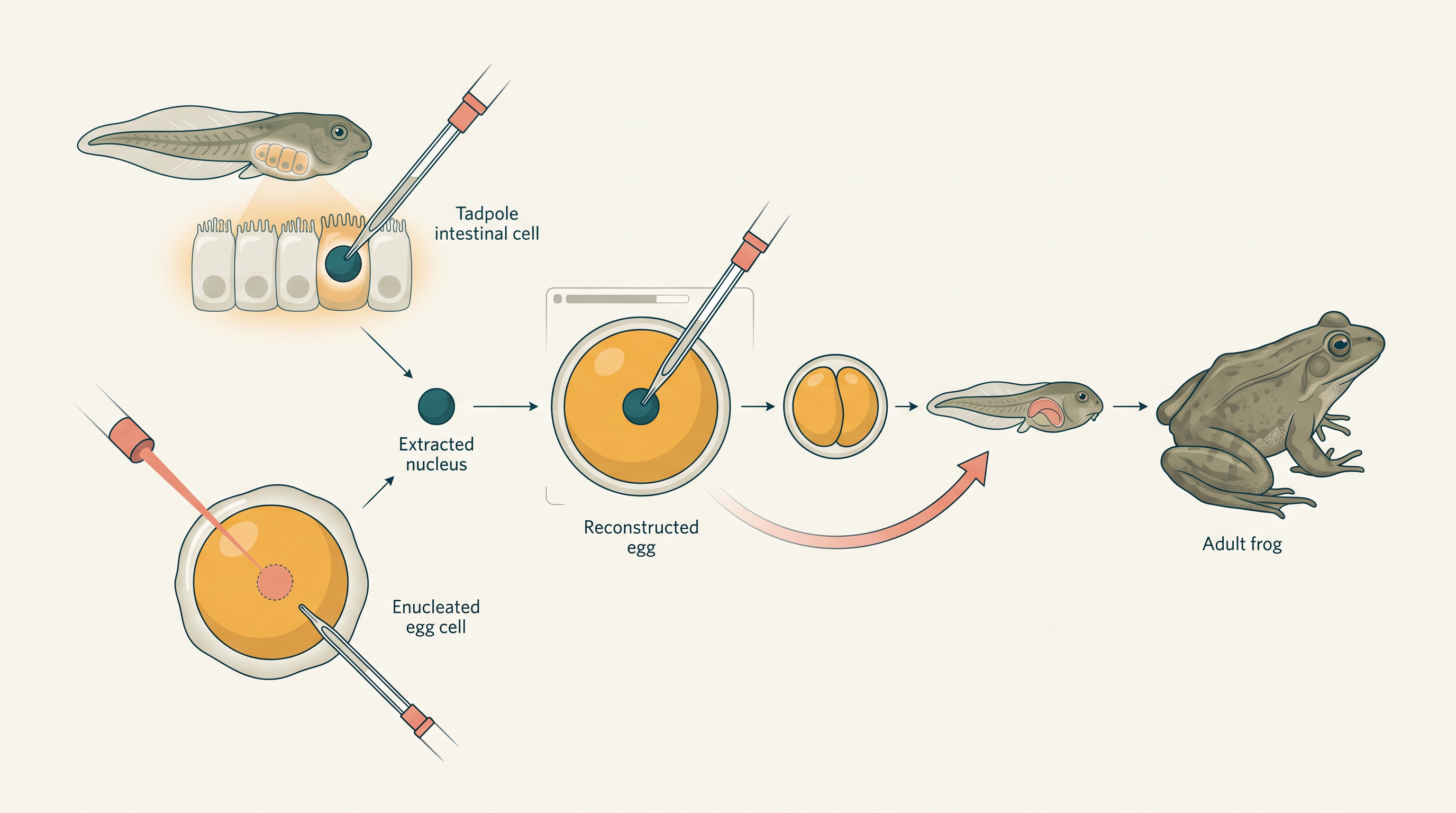
Fig. 12.0 – Gurdon’s nuclear transfer experiment.
Gurdon’s frog is one thread in a much larger story. In the last few decades biologists have learned not only to read living systems but to rebuild them — growing fuel in ponds, teaching bacteria to eat plastic, redesigning crops gene by gene, printing tissue with a machine, and writing chromosomes on a computer screen.
Read on — every one of these questions is answered somewhere in this chapter.
12.1 Environmental Biotechnology
Biotechnological innovations have grown steadily over the past decade or so, and they have improved human life in agriculture, medical science, the environment and energy. These innovations include GM crops, new diagnostic tests, bacteria that can eat oil, human organs grown in laboratories for transplants, and advances in biofuel that can help reduce our nation’s carbon footprint.
Such innovations can also improve the cost effectiveness and resource efficiency of biogas energy technology in a sustainable manner. We now even have plants and meat grown in laboratories that can be genetically regulated to taste and look in a particular way — a striking reflection of how important synthetic biology has become. This chapter takes up six of these fast-moving areas, one after another, beginning with the environment.
The Pollution Problem
Ever since the industrial revolution started in the 1750s, the number of industries in different sectors increased exponentially. Factories multiplied, transport expanded, and the volume of material moving through human hands grew far beyond anything the planet had handled before.
With this came unprecedented degradation of the environment. Air, water and soil were polluted with heavy metals, pesticides, dyes, carbon dioxide and other greenhouse and poisonous gases, micro-pollutants, and much else. The natural systems that once recycled waste quietly in the background were simply overwhelmed by the quantity and by the strangeness of the new materials.
Alongside pollution, a second problem grew. Fossil fuels are non-renewable — the reserves that took millions of years to form are being used up in a few generations. It has therefore become unavoidable to find alternatives to fossil fuels, or at least to find more efficient ways of extracting and using them.
Biotechnology offers viable options here, primarily because it is environment-friendly and works through natural systems rather than against them. In environmental biotechnology, different forms of biological systems are put to work — some naturally occurring, and some genetically engineered for the specific job.
What This Field Covers
The basic concepts and approaches in the field of environmental biotechnology fall under four headings. The first is bioremediation, which itself includes a wide array of applications such as waste treatment, degradation and vermi-technology. The second is the prevention of environmental problems before they arise. The third is the detection and monitoring of contaminants, and the fourth is genetic engineering to build organisms suited to these tasks.
You have already learned about bioremediation in Chapter 11 of Unit IV. In this section the focus will be on the second aspect — prevention — and it will deal primarily with the production of biofuels, and with avenues in the field of biodegradation and the manufacture of biodegradable products.
Notice the logic behind that choice. Cleaning up a polluted site is expensive and slow; not polluting it in the first place is cheaper and permanent. Prevention, in environmental biotechnology, mostly means two things: replacing fossil fuels with fuels made by living systems, and replacing materials that never rot with materials that do.
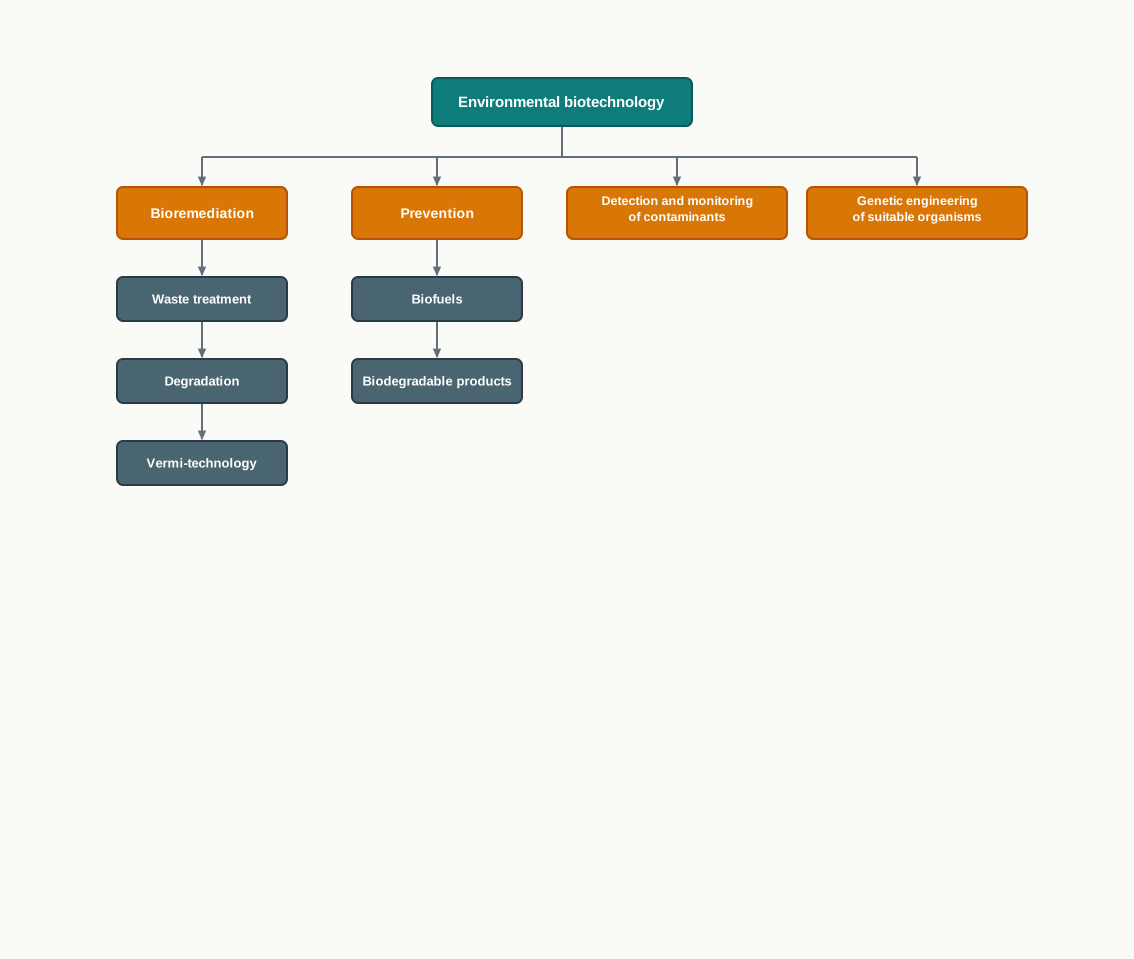
Fig. 12.1 – Approaches of environmental biotechnology.
12.1.1 Biofuel
Biofuels are the fuels produced from biological products. The biological product may be a living organism itself, or it may be waste generated from biological products — the material in landfills, recycled vegetable oil, and so on.
In many places specific crops are grown purely for the production of fuel, such as soybeans, jatropha, pongamia, palm oil and algae. Fuels produced from such crops are known as biofuel or agrofuels.
On the basis of their characteristics, biofuels can be broadly divided into four kinds: biodiesel, bioalcohol, biogas and biomass, each in different forms. The four differ in the raw material used, in the biological process that converts it, and in the physical state of the fuel that comes out — liquid, gas or solid. Each is taken up in turn below.
Biodiesel
Biodiesel is made from raw materials such as animal fats, vegetable oils, waste cooking oil, soybean, rapeseed, jatropha, mustard, flax, sunflower, palm oil, canola, hemp, field pennycress, Pongamia pinnata and algae. The conversion is carried out by a process called trans-esterification.
The idea behind trans-esterification is worth understanding, because it explains why raw cooking oil cannot simply be poured into a diesel engine. Fats and oils are triglycerides — large, thick, sticky molecules. In trans-esterification they are made to react with an alcohol, which breaks the large molecule into three smaller ester molecules plus glycerol:
\[\text{Triglyceride} + 3\,\text{Alcohol} \xrightarrow{\text{catalyst}} 3\,\text{Fatty acid alkyl ester (biodiesel)} + \text{Glycerol}\]
The smaller ester molecules flow easily and burn cleanly, which is exactly what an engine needs.
Biodiesel has two clear advantages. The first is chemical: it contains higher hydrogen and oxygen and less carbon when compared with fossil fuels. Because oxygen is already present within the fuel molecule itself, combustion is more complete. This improves the combustion of biodiesel and reduces the particulate emissions that come from unburnt carbon — the black smoke of an old diesel engine is essentially carbon that never found enough oxygen to burn.
The second advantage is practical. Biodiesel can be directly used in regular diesel engines without making any changes or modifications to the engines. A fuel that demands no new engine can spread quickly; a fuel that demands a new engine spreads slowly, however good it is.
Bioalcohol
Bioalcohols, such as bioethanol, are produced from wheat, corn, sugarcane, molasses, sugar beets, potato, fruit waste and similar materials, by the process of fermentation.
The basic steps in the production of bioalcohol are four. First come treatments which release sugars from the stored starch or cellulose in the raw material. This is followed by fermentation of the released sugars by microorganisms, then distillation, and finally drying.

Fig. 12.2 – Steps in bioalcohol production.
Each step exists for a reason. Microorganisms cannot ferment starch or cellulose directly — they need simple sugars, so the pre-treatment step is not optional. Fermentation converts those sugars to ethanol and carbon dioxide:
\[\text{C}_6\text{H}_{12}\text{O}_6 \longrightarrow 2\,\text{C}_2\text{H}_5\text{OH} + 2\,\text{CO}_2\]
Here \(\text{C}_6\text{H}_{12}\text{O}_6\) is glucose and \(\text{C}_2\text{H}_5\text{OH}\) is ethanol. Distillation then separates the ethanol from the large volume of water in the fermented broth, and drying removes the last traces of water — because even a small amount of water left in the fuel will corrode an engine and separate out from petrol.
Algae as a Biofuel Source
As far as the source of biofuel is concerned, micro algae and macro algae are both being explored for the purpose. Micro algae include microscopic photosynthetic forms, while the macro algae are the large multicellular plant-like organisms commonly known as seaweeds. Different varieties of seaweeds have varied content of oil and sugar, which decides whether a particular variety is better suited to biodiesel or to bioalcohol.
The mass production of biofuels from algae is being explored for several reasons. Algae are easy to grow and harvest. They are renewable, since they can be grown and harvested year after year. A single algal crop can yield both bioalcohol and biodiesel, depending on whether its sugar or its oil is used.
Most importantly, algae are non-edible, and can therefore serve as an alternative to corn, sugarcane, soybeans and other sources which are also consumed as food. This point matters a great deal, because increased use of agriculture fields to produce biofuels or biodiesel will adversely affect food production for human consumption.
However, in spite of the advantages of using algae for the production of biofuel, at present it is still not cost-effective, and research is underway to overcome such challenges. Growing, harvesting and drying algae on an industrial scale consumes energy of its own, and until that cost falls below the value of the fuel produced, algal biofuel cannot compete with petroleum.
Biogas
Biogas is a useful energy source or biofuel produced from organic substances such as dung, night soil wastes, manure, crops, organic industrial waste and waste water. It mainly consists of methane, \(\text{CH}_4\), and carbon dioxide, \(\text{CO}_2\).
It is produced by the breaking down of organic material with the help of bacteria in anaerobic conditions. This process takes place in an anaerobic digester, and it is accelerated by creating the optimal conditions for microorganisms to multiply, which leads to a highly efficient breakdown of materials.
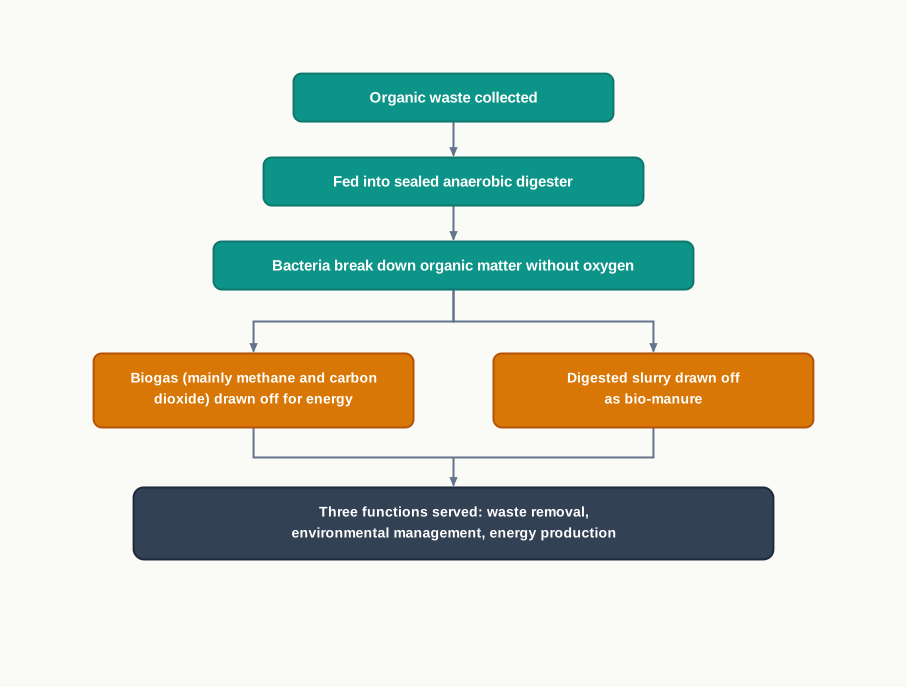
Fig. 12.3 – Biogas generation and its functions.
Biogas could play a key role in the developing market for renewable energy. Its utilisation is expected to be doubled in the next five years. Biogas generation serves three important functions at once: waste removal, environmental management and energy production — a rare case where the same process solves a disposal problem and an energy problem together.
In India, under the National Biogas and Manure Management Programme, the Ministry of New and Renewable Energy installed about 49.3 lakh biogas plants in the country, introducing novel technologies such as cryogenic separation, in situ upgrading, hydrate separation and biological methods.
A biogas plant is considered to be the most sustainable option for households having feed material, so that they become self-dependent for cooking gas and for highly organic-enriched bio-manure. It provides the solution to protect households from the problems of indoor air pollution, at the same time saving on the cost of refilling LPG cylinders. Biogas is considered to be the future of renewable and sustainable energy.
In spite of its many benefits, the method of its production is yet to be perfected, so as to simplify and improve the process of biogas generation and make it more efficient and user-friendly. Biogas has also been found to damage vehicles by corroding the metal parts of the engine when used in automobiles as a biofuel, which greatly increases the cost of maintenance.
Biomass
Biomass, or solid biofuels, are an important source of energy, especially for the economically weaker section of the society. Some examples of solid biofuels are wood, sawdust, coal, grass cuttings, domestic refuse, charcoal, agricultural waste, non-food energy crops and dried manure.
Most of the available biomass can be conveniently used directly on a stove, furnace or hearth, which is exactly why it remains so widespread — it needs no processing plant and no distribution network. Certain forms of biomass such as sawdust, wood chips and other agricultural wastes are preferably converted into pellets, since pellets are denser, easier to store and burn more evenly. Cow dung cakes are another popular form of solid biofuel.
However, a serious problem comes with the combustion of biomass or solid biofuel. It emits considerable amounts of pollutants, such as particulate matter and polycyclic aromatic hydrocarbons (PAHs), which are harmful to health. This is the reason a biogas plant in a rural household is a genuine health improvement over an open dung-cake fire, even though both start from the same raw material.
12.1.2 Biodegradation
The natural waste management and recycling system breaks down everything from yard waste to crude oil, keeping the planet clean and healthy. Left to itself, nature runs no landfills — what one organism discards becomes food for another.
The increase in population has resulted in the generation of heaps of wastes, and many of these are non-biodegradable, such as plastics and fluorinated carbons, which take hundreds of years to decompose. These materials are new to the planet in evolutionary terms, and no microbe had ever encountered such bonds before, so no enzyme existed to attack them.
Microbes have now been identified that can break down such non-biodegradable materials. For example, scientists have discovered a strain of bacteria that can literally eat plastics. They have also found ways to improve such activity of the bacteria so that the task can be done faster. This technology is still developing, but it is promising for environment-friendly recycling.
Bioplastics
An alternative way of reducing non-biodegradable products is to produce materials that are made using biological materials in the first place. For example, instead of using styrofoams or plastics in the manufacture of disposable, single-use or use-and-throw products, plant materials can be used — leaves, bamboo, wood chips, corn starch, seaweeds, and natural biopolymers such as polysaccharides, proteins or lignin, along with natural rubber.
Since plastics are made from fossil fuels, such approaches to do away with plastic products will help reduce the use of fossil fuels and thereby reduce plastic-based pollutants as well. Though less than 10% of oil is used to make plastic products, this is important keeping in view its impact on the environment — the harm caused by plastic is out of all proportion to the quantity of oil it consumes, because the material persists long after it has been thrown away.
Technological innovations have also been made in the field of bioplastic production. In 1999, the production of biopolymers from seeds and leaves of genetically modified plants was established, and this proved economically competitive with polymers produced from petrochemicals.
Biodegradable plastic, for example Polyhydroxybutyrate (PHB), is being produced commercially by fermentation with the bacterium Alcaligenes eutropus, and it can also be produced in transgenic plants. The genetically engineered Arabidopsis plant may be used to upscale PHB production: the three genes involved in PHB synthesis from A. eutropus produced PHB globules in the chloroplasts of the plant without affecting plant growth and development.
That last detail is the whole point of the experiment. If the introduced pathway had drained the plant’s resources or disturbed its metabolism, the plant would have grown poorly and the strategy would have failed. Because the globules accumulated inside chloroplasts without harming the plant, the plant can be grown normally and harvested for plastic.
The large-scale production of PHB may be done using plants such as the leaves of Populus, the only limitation being its high cost as compared to synthetic polymers.
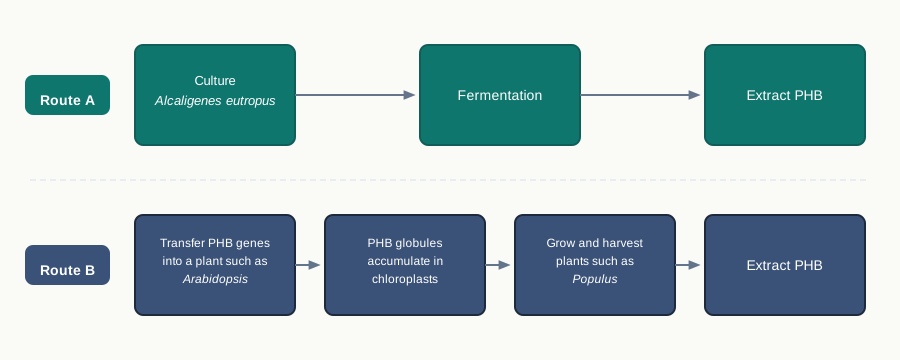
Fig. 12.4 – Routes to PHB bioplastic.
Biotechnology in Paper Industry
Pulp making is a crucial step in the manufacture of paper, during which wood chips are cooked by heating under pressure using caustic soda and sulfur. During this process, lignin is separated from cellulose fibers. Lignin is the tough, glue-like polymer that stiffens wood; unless it is removed, the fibres will not separate cleanly into paper.
Biopulping is the treatment of wood chips with lignin-degrading fungi. It improves the effectiveness of pulp making, thereby reducing the demand for energy and chemicals, improving paper quality and ultimately decreasing the environmental impact of pulp production. By increasing such efficiency, it helps in conserving raw material, energy, chemicals and more.
Approached from the opposite direction, GM trees that produce less lignin are being considered a promising solution to ease the process of pulp making. One strategy removes the lignin more gently; the other reduces how much lignin was there to begin with.
As in the case of biopulping, biobleaching uses enzymes such as xylanase to reduce the use of chlorine in bleaching. This matters because chlorine bleaching generates persistent chlorinated compounds in mill effluent, and every kilogram of chlorine avoided is a kilogram that never reaches the river.
However, considering the impacts of deforestation to obtain wood for paper industries, alternatives are also being explored to completely replace the use of wood for the manufacture of paper. Non-wood materials such as bagasse, bamboo, jute, hemp, esparto, flax, grass, kenaf or reed are now used in paper making. In all these ways, biotechnology contributes immensely to the paper industry.
Biotechnology in Oil Recovery
Microbial technologies are also being used in Enhanced Oil Recovery (EOR). EOR is a stage in the production of oil which involves the extraction of residual oil left behind after the initial first two phases — the primary and secondary phases — of production. A great deal of oil clings to the rock after ordinary pumping, and it is this stubborn fraction that EOR targets.
The use of suitable microbes and their metabolic products can enhance the efficiency of EOR. Microbial products such as gases, acids and surfactant-like molecules loosen the oil from the rock so that it can flow towards the well.
The ability of bacteria to feed on hydrocarbons has also been exploited to clean up after an oil spill. These oil-eating microbes play an important role in maintaining the ecosystem, since crude oil is itself a biological product and there are organisms adapted to consume it.
A genetically engineered Pseudomonas bacterium has also been developed, which can be used to ‘eat’ oil spills. Such ‘superbugs’ have immense environmental benefits. The details of superbug construction are given in Box 10 of Chapter 11.
12.1.3 Bioremediation
Bioremediation has gained importance with advances in biotechnology, especially in environmental restoration. It uses microorganisms to reduce the toxicities caused by chemical pollutants, including heavy metals in soil or water such as As, Cr, Hg, Cd, Zn and others.
Three key principles must be considered for selecting the most appropriate strategy to treat contaminated wastes:
- The possibility of the pollutant to allow biological transformation to less toxic products.
- The bioavailability of the contaminant to micro-organisms.
- The efficiency of bio-activity.
These three conditions are not a formality — a strategy fails if any one of them is missing. If the pollutant cannot be transformed into something less toxic, the microbes achieve nothing. If the contaminant is locked inside soil particles or is insoluble, the microbes cannot reach it however capable they are; that is what bioavailability means. And if the biological activity is too slow, the site will not be cleaned within any useful span of time.
Recent advances in the molecular genetics of biodegradation, and studies on enzyme-tailoring through recombinant DNA–RNA technologies, are being utilised for the removal of heavy metals and toxic chemicals from contaminated sites. Enzyme-tailoring means redesigning an enzyme so that it attacks a pollutant it was never meant to attack, or works faster on one it already attacks — a direct answer to the third principle above. Bioremediation has been discussed in detail in Chapter 11.
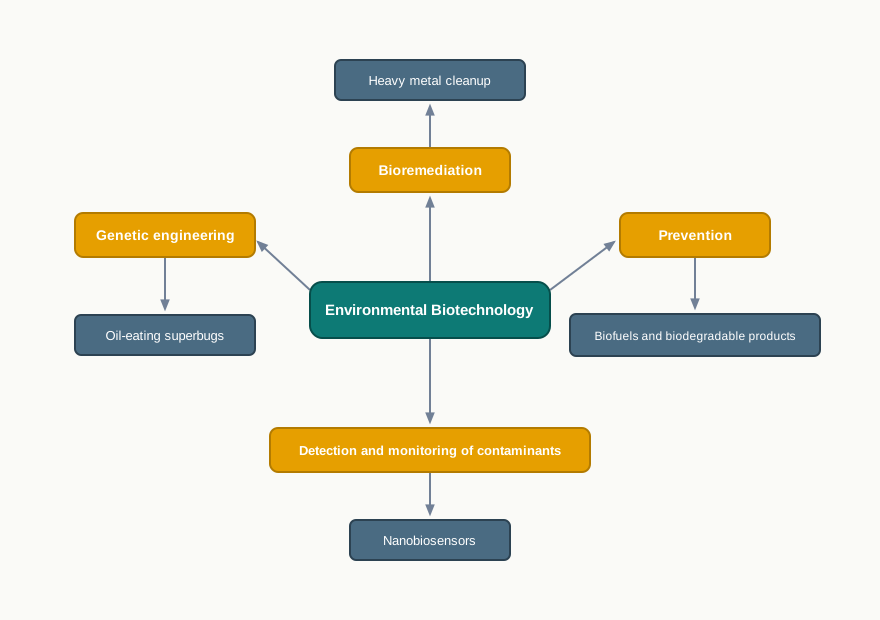
Fig. 12.5 – Scope of environmental biotechnology.
Taken together, the three parts of this section describe a single shift in thinking. Instead of burning a fuel that cannot be replaced, we grow one. Instead of manufacturing a material that will outlast us in a landfill, we make one that rots. And where damage has already been done, we recruit organisms to undo it.
12.2 Plant Biotechnology
Plant biotechnology, in the form of GM technology and molecular-assisted breeding, has generated products that have helped to achieve enhanced yields in a more sustainable manner. The gain is not only in quantity — it is in getting more from the same land with fewer chemical inputs.
Several lines of work are currently in advanced research in plant science. These include the development of pharmaceuticals, recombinant therapeutic proteins, plant-made pharmaceuticals, transgenic plants, artificial seeds, and plant-made vaccines or antibodies, which are called plantibodies. A plant, in this way of thinking, is not only a source of food but also a living factory that can be programmed to manufacture a required molecule.
Recently, attempts are also being made to use the genome editing technique CRISPR-Cas9 for crop improvements, and this forms the second part of the present section.
12.2.1 Innovations in Plant Biotechnology Through GM Crops
You have already studied about GM crops and their applications in Chapter 4 of this book. Almost 29 countries have adopted GM crops, in which soybeans, maize, cotton and canola form the major crops.
The transgenic technology initially developed was limited to the control of weeds and pests. This first generation of GM crops solved the farmer’s most visible problems — the plants that steal the field and the insects that eat the harvest.
The second generation of GM crops went considerably further. It has assisted farmers in the production of plants with tolerance to abiotic stress and with improved nutritional features. It can overcome sexual incompatibilities between plants and species, and can overcome barriers that allow the introduction of genes from unrelated organisms such as bacteria, fungi, other plants and even viruses.
That last point deserves a moment’s thought. Conventional breeding can only combine traits from plants that will cross with each other. Transgenic technology removes that restriction entirely, so a useful gene from a soil bacterium or an insect can be placed into a crop plant that could never have received it by breeding. Innovations made in plant biotechnology through GM crops are described under various heads in the sections that follow.
Herbicide Tolerant GM Crops
Weeds are plants growing where they are not wanted, Striga being one example. They decrease crop yields and quality primarily by competing with crop plants for light, water and nutrients — three things that are always in limited supply in a field.
Farmers apply herbicides or weedicides, such as glyphosate, for the eradication of weeds in the fields. The main problem with this is the loss of crop plants along with the weeds, because these herbicides are non-selective: the chemical cannot tell a weed from a crop, since both are green plants using the same metabolic pathway.
Newer techniques based on biotechnology tools have been developed which are quite effective for weed management as well as in increasing yields and income. There are several biotechnological strategies for weed control, but the most commonly employed approach is the over-production of the herbicide target enzyme — usually in the chloroplast — in the target crop plant, so that the crop becomes insensitive to the herbicide.
The reasoning behind this is worth spelling out, as it is a favourite of application-based questions. A herbicide works by shutting down one particular enzyme that the plant needs. If the crop plant makes far more of that enzyme than usual, or makes a form of it that the herbicide cannot bind, then the sprayed herbicide is no longer able to stop the crop, while the weeds around it — which have only the normal, sensitive enzyme — die.
The popular example of such an approach is the introduction of a modified gene from an Agrobacterium that encodes a resistant form of the enzyme into crop plants, giving tolerance against the most extensively used herbicide glyphosate, sold as Roundup, which is effective against many weeds. Roundup Ready GM crop plants such as canola, soybean, corn and cotton, tolerant to glyphosate, have already been commercialised.
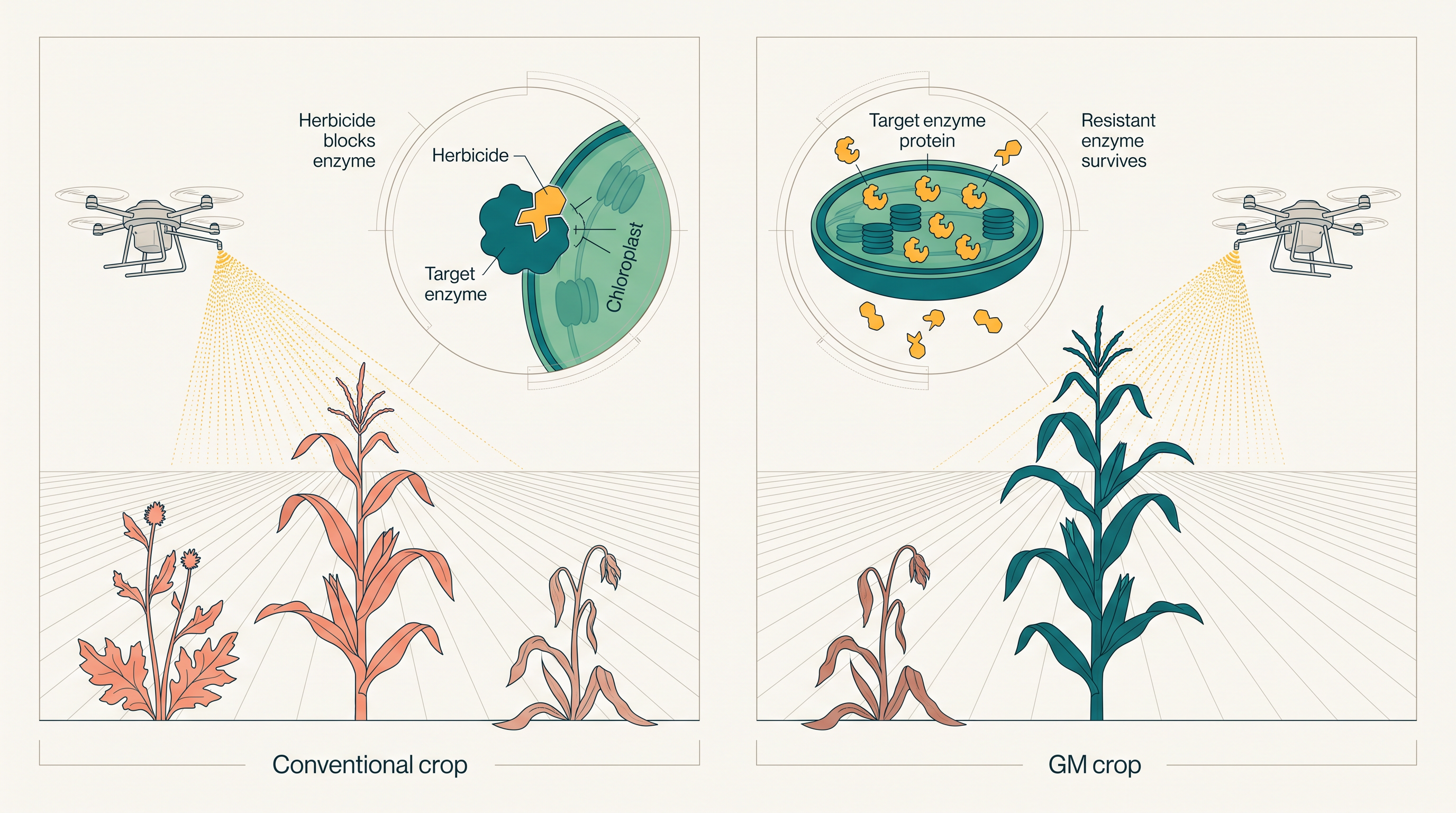
Fig. 12.6 – Herbicide tolerance in a GM crop.
Disease Resistant GM Crops
A wide range of diseases caused by viruses, fungi, bacteria, insects, mites and plant nematodes lead to significant crop losses each year. The disease-causing microbes and the strategies to make resistant plants are discussed below, group by group, because each kind of pathogen calls for a different genetic answer.
(i) Viruses
Viruses are among the most ubiquitous pests in agriculture. They cannot be sprayed away, since a virus multiplies inside the plant’s own cells, which is precisely why a genetic solution is so valuable here.
Transgenic technology has been used successfully in many plants against several different viruses. These include the virus causing yellow crookneck disease in squash, potato mosaic virus, the potato leaf roll virus, barley yellow dwarf virus in wheat, and papaya ringspot virus (PRSV). Resistance is developed by introducing the gene for the viral coat protein into the plant.
A viral coat protein acts like a vaccine, causing the plant to develop resistance to that particular virus. Transferring the gene for a viral coat protein — a part of the outer shell of a virus that does not itself cause disease — into the plant may confer protection to the plant and induces resistance without the introduction of the actual virus.
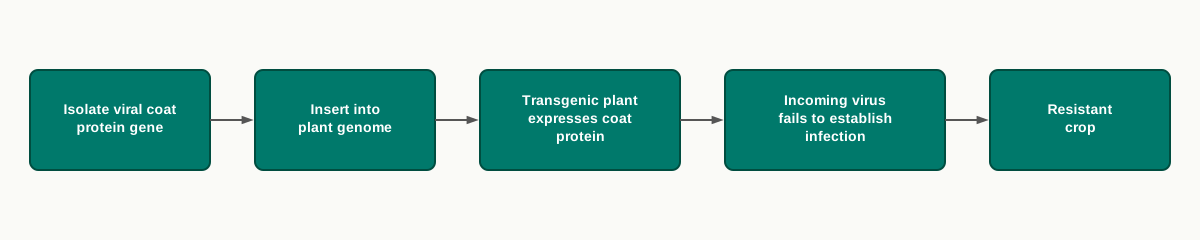
Fig. 12.7 – Coat protein strategy for virus resistance.
(ii) Fungi
Fungal diseases cause significant damage to crops including fruits and vegetables. They are characterised by wilting, mouldy coatings, rusts, blotches, scabs and rotted tissue. Finding adequate substitutes for fungicides like methyl bromide has intensified the need to develop genetic engineering approaches.
Defensins are antimicrobial proteins that enhance a plant’s tolerance to pathogens. They are widely distributed in nature, being present in insects, mammals including humans, crustaceans, fish and plants. Because they are part of an ancient defence system shared across kingdoms, a defensin taken from an animal can still work inside a plant cell.
Defensins from moths and butterflies, the fruit fly, pea seeds and alfalfa seeds all show potent antifungal activity too. The first transgenic application of defensins was the incorporation of the antifungal defensin from alfalfa into potatoes. The transgenic potatoes were resistant to the fungal pathogen Verticillium dahlia.
Resveratrol from the white grapevine is a secondary metabolite that acts as a natural defensin, and it protects the plant from Botrytis cinerea infection. A gene of resveratrol, when inserted into a host plant, provides resistance against Botrytis cinerea in wheat and barley.
Several other transfers are being pursued along the same lines. The Rpi-vnt1.1 gene isolated from Solanum venturi is transferred to potato to provide resistance to late blight, caused by Phytophthora infestans. Similarly, the wheat gene encoding oxalate oxidase is being transferred to Castanea sp. to provide resistance against chestnut blight fungus, and the chitinase gene from insects is being transferred to apple to provide resistance to apple scab fungus.
The chitinase example shows the underlying logic neatly. Chitin is a major component of fungal cell walls, so an enzyme that digests chitin attacks the pathogen at a structure the plant itself does not possess — the plant is unharmed while the fungus is damaged.
(iii) Bacteria
Most food crops are susceptible to bacterial infections, causing leaf and fruit lesions, soft rots, yellowing, wilting, stunting, tumors, scabs or blossom blights. When tissue damage occurs on the blossoms, fruit or roots of food crops, yields may be reduced.
GM crops have been developed against various bacterial pathogens. Lysozyme genes are being transferred into potatoes to provide resistance against blackleg and soft rot diseases caused by Erwinia carotovora. Lysozyme is an enzyme that breaks down the bacterial cell wall, so a plant that manufactures it carries its own antibacterial defence in every cell.
A gene from E. carotovora and from Pseudomonas syringae (pv tabaci) is being inserted into rice to make it resistant to wild fire disease. The abbreviation ‘pv’ stands for pathovar, a way of naming strains of a bacterial species that differ in the host plants they attack.
(iv) Insect
The most widely used transgenic pest-protected crops are those that express insecticidal proteins derived from genes cloned from the soil bacterium Bacillus thuringiensis (Bt). This is the single most successful application of plant biotechnology so far.
This insecticidal protein, called crystal (Cry) protein or delta-endotoxin, binds specifically to a receptor protein in the insect gut, destroying the cells and killing the insect. The word ‘specifically’ is the key to the whole technology: the toxin needs that particular gut receptor to act, and animals which do not carry the receptor are not affected in the same way.
A number of plants offering resistance to insects using this strategy have been developed worldwide. In India, Bt cotton is the only transgenic plant permitted by the Government for cultivation at commercial level since 2002. Bangladesh became the first country in the world to approve the commercial planting of Bt brinjal, which started in 2014.
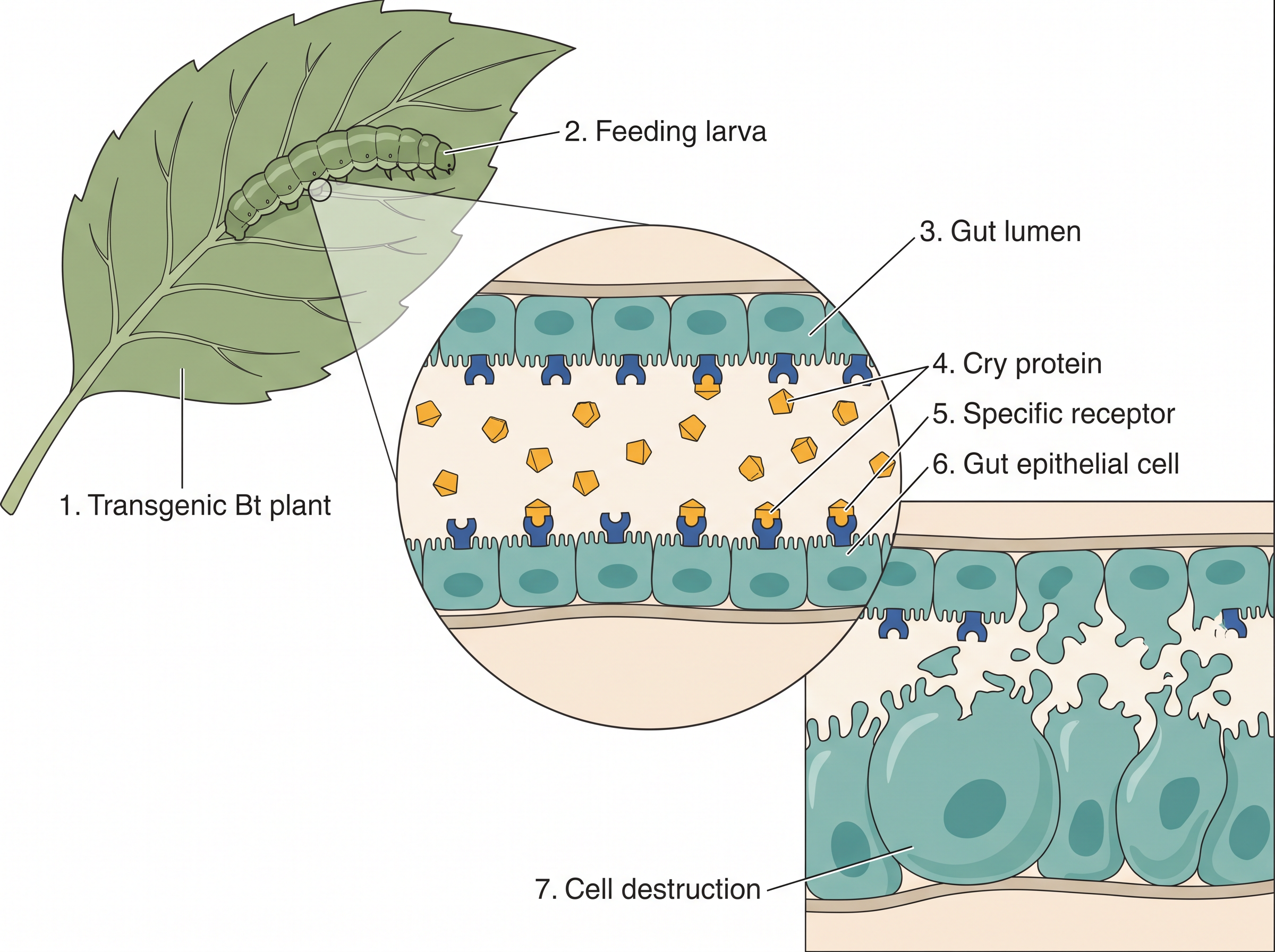
Fig. 12.8 – Action of the insecticidal Cry protein.
In addition, the widening spread of fall-army worm infestations prompted researchers to strategise on its control by using pyramided genes — that is, the stacking of two or more genes in a single crop plant for insect resistant crop improvement.
Pyramiding works on a simple evolutionary argument. An insect population can, over many generations, develop resistance to a single toxin. If the plant carries two or more different resistance genes at once, an insect would have to overcome all of them simultaneously, which is far less likely, so the protection lasts much longer in the field.
The stacking of two genes, one with increased water use efficiency and another for resistance to insect pests, has resulted in the formation of hybrid maize seeds. Similarly, the Bt gene was stacked with the drought-tolerance trait that expresses the B. subtilis cold-shock protein B (cspB).
(v) Plant Nematodes
Transgenic strategies to combat nematodes that infect bananas, soybeans, rice and potatoes are emerging areas of work. Nematodes attack roots below the ground, where they are difficult to see and even harder to reach with any chemical, which makes built-in resistance especially valuable.
The incorporation of the genes in potatoes produced up to 70 per cent nematode resistance in field trials. Using genetic markers, scientists bred plants containing the resistance gene with domesticated varieties, thereby circumventing the poor performance characteristics of the wild variety.
This last point explains why marker-assisted breeding became necessary. Wild relatives of crops often carry excellent resistance genes but give poor yields, and simply crossing them into a crop drags along many unwanted wild traits. Genetic markers let the breeder follow the resistance gene itself through each generation and select only those plants that have inherited it, discarding the rest.
Producing a resistant variety of soybean from a wild strain is one such example. Using a specific genetic marker, scientists first identified a particular trait, and subsequently bred the plants containing the resistance gene with a domesticated variety. Importantly, the new varieties are not transgenic — they have resulted from combining the use of modern genetic markers with conventional breeding techniques.
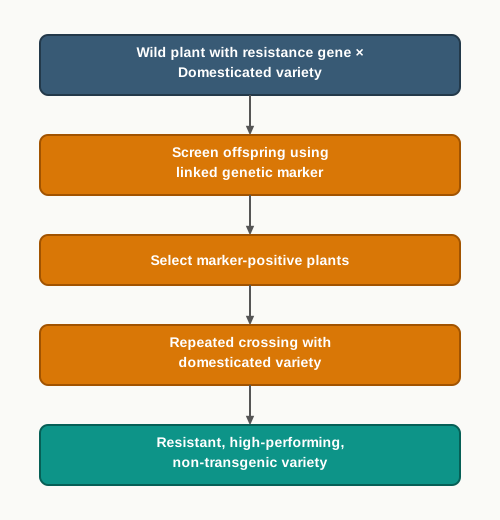
Fig. 12.9 – Marker-assisted breeding.
There are many other applications of such genetic modification of crops, through which tolerant and resistant varieties can be produced. One example is the GM maize CIEA-9 developed in Mexico, which has enhanced adaptation to severe drought and extreme temperature. In this maize the sugar trehalose is broken down by a glycoside hydrolase enzyme, trehalase. By antisense RNA technology, trehalose expression is silenced in maize, and such a biotech maize requires approximately 20 per cent less water and can withstand higher temperature.
Antisense RNA technology, which you have met earlier, works by producing an RNA strand complementary to the messenger RNA of a target gene. The two strands pair with each other, the messenger RNA can no longer be translated, and the corresponding protein is therefore not made — a way of switching a gene off without removing it from the genome.
| Crop | Name of trait / gene transferred | Applications |
|---|---|---|
| Stress resistant GM crops | ||
| Arabidopsis and Tobacco | Mannitol | Withstand high saline conditions and enhanced germination rates and increased biomass |
| Rice | Embryogenesis abundant protein gene from barley | More tolerant to drought and salinity than conventional varieties of rice |
| Soybeans | HaHB4 transcription factor gene from sunflower plant | HB4® soybean named EcoSoy®, tolerant to drought and herbicide |
| Wheat | HaHB4 transcription factor gene from sunflower plant | HB4® wheat named EcoWheat® has increased the yield upto 20% and is drought tolerant |
| GM crops for enhanced paper quality | ||
| Arabidopsis | Coenzyme A-ligase | Resulted in transgenic plants with upto 45% less lignin |
| Eucalyptus | Gene encoding an Arabidopsis thaliana protein | 20% more wood than the conventional variety and is ready for harvest in five and a half years instead of seven |
| GM crops for improved product | ||
| Potato | Gene involved in starch synthesis | 60% more starch than non-GM plants, which makes potatoes take up less fat during frying, resulting in a lower-fat product |
| Maize and Soybean | Two stacked genes | Confer tolerance to the herbicides glyphosate and 2,4-D-choline |
| Apple | Gene involved in non-browning | Apple named Arctic®Gala had the non-browning trait |
Two entries in that table connect back to what you read in the previous section. The Arabidopsis plants with up to 45% less lignin, and the fast-growing eucalyptus, are aimed directly at the pulp mill — less lignin in the wood means less cooking, fewer chemicals and less effluent.
Biofortification Through GM Technology
GM technology has also helped scientists in the fortification of many crop plants, a few of which are shown in Table 12.1. Biofortification means raising the nutritional content of the crop itself, so that the nutrient reaches people through the food they already eat rather than through a separate supplement — an approach that suits populations where supplements are hard to distribute.
Table 12.1: Biofortified GM crops
| Crop | Nutrient incorporated | Name of the trait / gene transferred | Benefit |
|---|---|---|---|
| Golden Rice | Vitamin A (Vit. A) | Genes encoding phytoene synthase, carotene desaturase and lycopene beta-cyclase, which lead to the synthesis of beta-carotene | Golden rice is an efficient source of vitamin A in human |
| Soybeans | High oleic acid | Gene encoding fatty acid desaturase was down regulated | Seeds have increased ratio of oleic acid to linoleic acid content |
| Tomato | Increased shelf life | Polygalactouronase expressed in antisense orientation | Increased shelf life |
Read the tomato entry alongside what you have just learned about antisense RNA. Polygalactouronase is the enzyme that softens the fruit wall as the tomato ripen; expressing the gene in the antisense orientation blocks the making of that enzyme, so the fruit softens more slowly and stays firm for longer during transport and storage.
12.2.2 Genome Engineering Technology: Application of CRISPR-Cas9
In Chapter 5, Section 5.4.2, you learned about genome editing with CRISPR-Cas9 technology, in which a guide RNA binds to the target DNA and Cas9 is used to edit genes in diverse plants. Briefly recalled: the guide RNA is a short RNA designed to match the chosen DNA sequence, and it carries the Cas9 enzyme to that exact site, where Cas9 cuts the DNA so that the sequence can be altered as the cell repairs the break.
Scientists at the University of California San Diego have developed the first CRISPR-Cas9-based gene edited plants, with the objective of producing drought and disease-resistant crops.
Breaking from the traditional inheritance principles which stipulate that an offspring acquires genetic material equally from each parent — that is, from Mendelian genetics — the new research employs CRISPR-Cas9 editing to transfer specific traits from a single parent to successive generations.
CRISPR-Cas9 has been used to improve nutritional quality, increase yield, and develop resistance to various biotic and abiotic stresses in several crops, including rice, tomato and soybean.
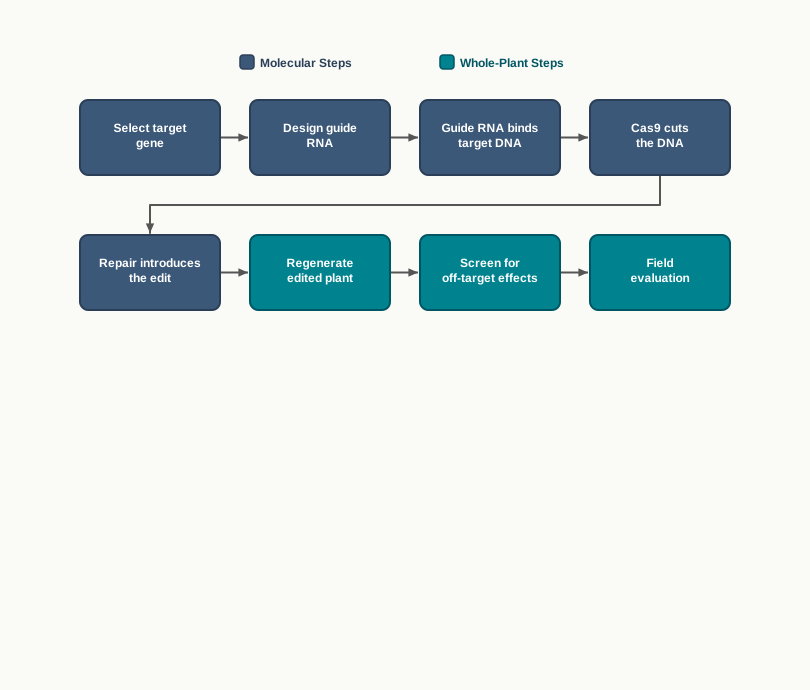
Fig. 12.10 – CRISPR-Cas9 editing workflow in crops.
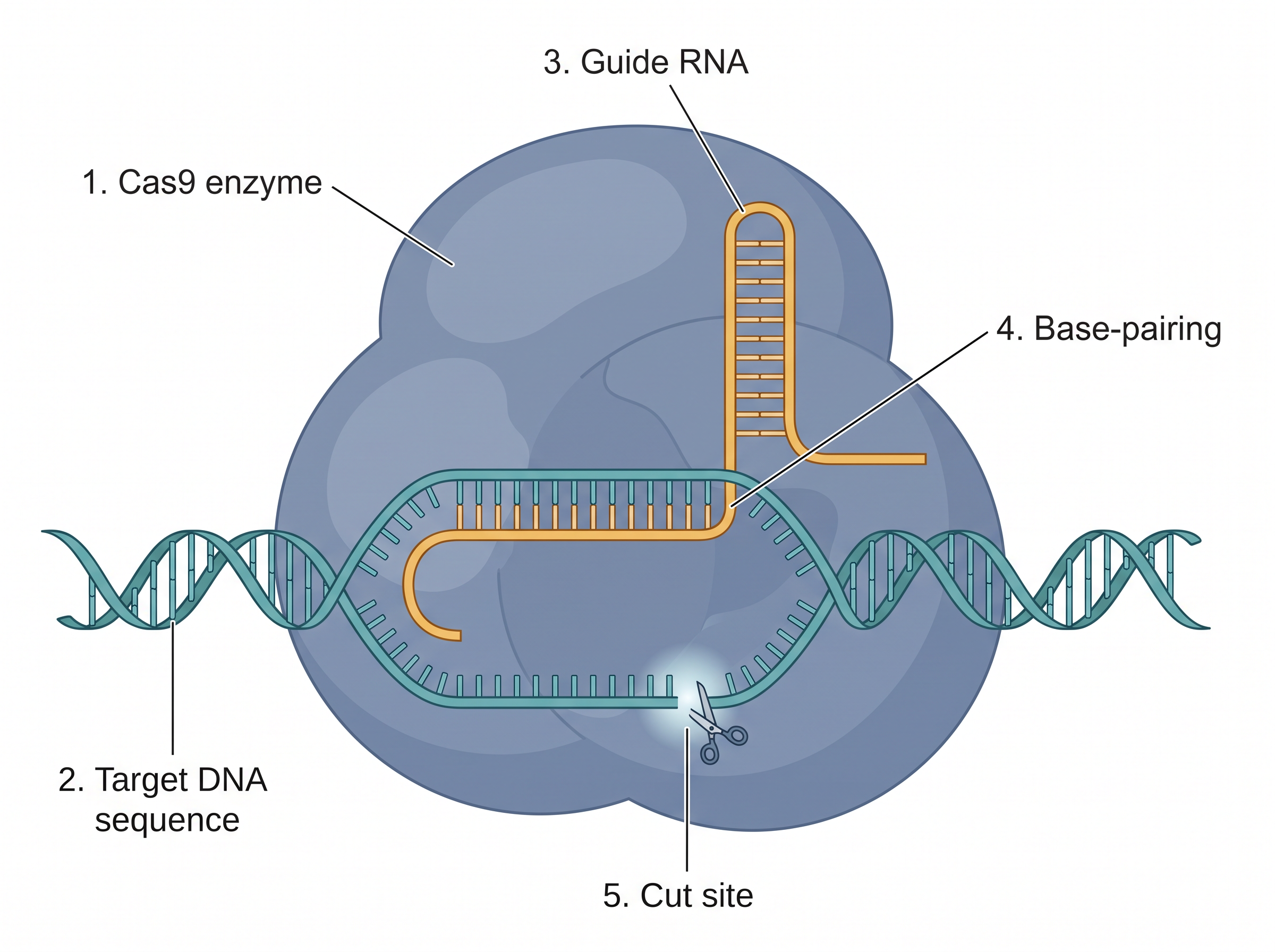
Fig. 12.11 – CRISPR-Cas9 acting on plant DNA.
As we know, traditional methods take years to develop a different trait, whereas CRISPR-Cas9 is comparatively rapid compared with other genetic manipulation techniques. Furthermore, CRISPR-Cas9 technology is relatively simple and precise, and can be used to create many beneficial traits in plants, as it targets multiple genes.
However, the revolution brought by CRISPR-Cas9 in plant molecular biology has raised various concerns about its off-target effects, and at times about low efficiency. Off-target effects mean that the Cas9 enzyme cuts at a site resembling the intended one but located elsewhere in the genome, producing an unintended change — which is why edited plants must be screened carefully before release.
In addition, there are regulatory issues and several challenges regarding its safety and use in the future. Efforts are being undertaken to improve its on-target efficiency, and several modifications of the Cas9 enzyme are being tried. However, the work carried out so far is at a preliminary stage and there is still more to be done.
12.3 Regenerative Medicine
Regenerative medicine is an emerging multidisciplinary specialty in medicine with the goal of cell and organ replacement, in order to restore the loss of function resulting from degeneration, trauma or other disease processes. It can also protect vulnerable diseased cells from death, which means it is not only about replacing what is already lost but about rescuing what is still alive.
The oldest strategy in this field is the replacement of a diseased or lost organ by a new one, which is termed transplantation. It is worth noticing that transplantation is a very old idea in a very new field — surgeons were replacing organs long before anyone could grow a tissue in a dish.
The Three Kinds of Transplant
Organ transplantation may be of three types, and the distinction between them rests entirely on where the transplanted material comes from.
- Autograft – Transplantation of cells, tissues or organs between sites within the same individual, for example, a skin graft.
- Allograft – Transplantation of organs or tissues from a donor to a non-genetically identical individual of the same species. This is the most common practice for organ transplants such as renal, liver, heart, lungs and pancreas.
- Xenograft – Transplantation of an organ or tissue between two different species. ‘Pig valves’ have been used to repair or replace a defective heart valve in humans.
The reason this classification matters so much in practice is immune rejection. The body’s immune system constantly checks the surface markers of cells and attacks anything it does not recognise as its own. In an autograft the tissue is genetically identical to the recipient, so rejection is not a problem at all. In an allograft the donor is of the same species but genetically different, so tissue matching and lifelong immunosuppressive drugs are usually needed. In a xenograft the difference is greatest of all, and the immune barrier is correspondingly the hardest to cross.
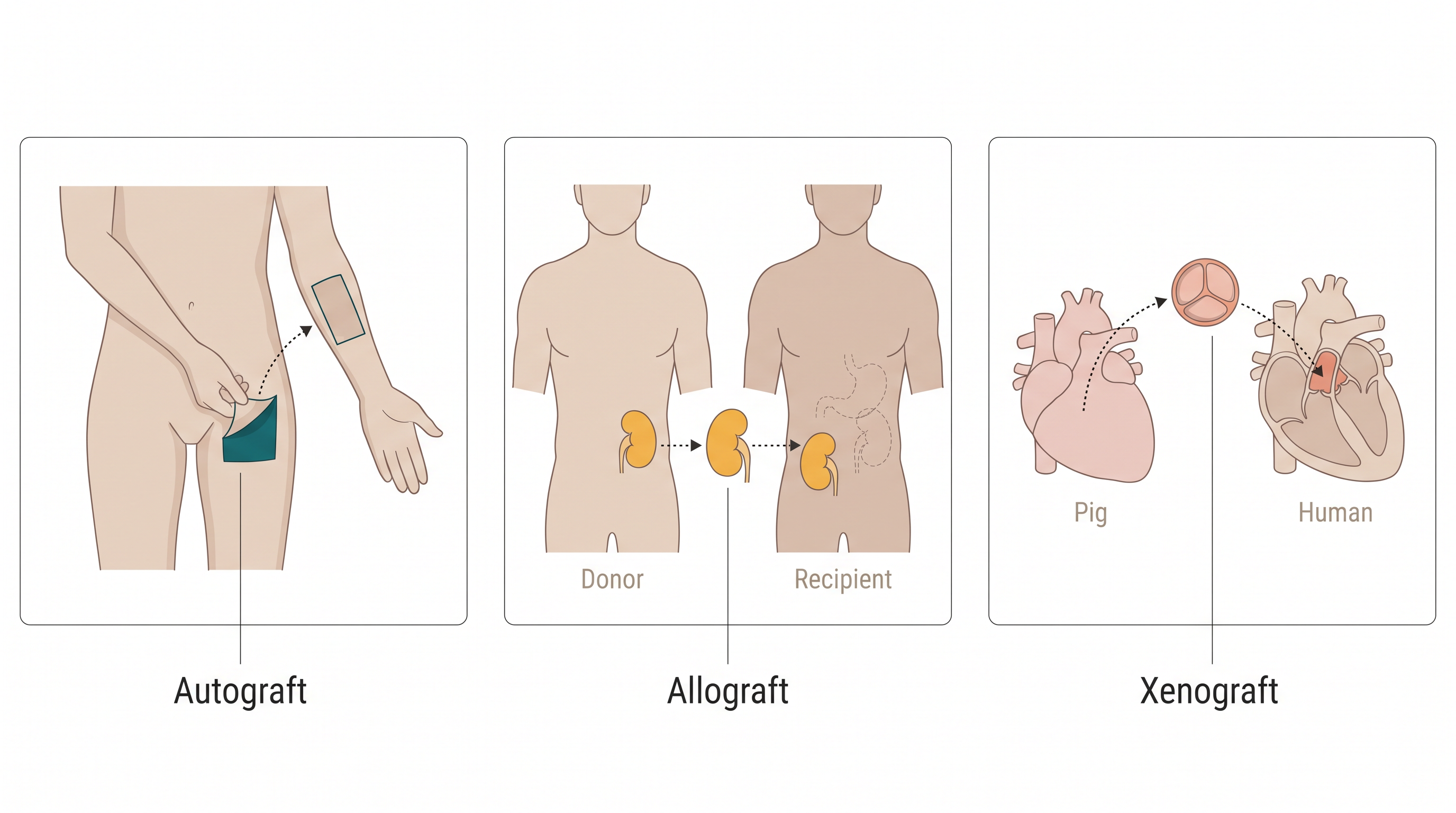
Fig. 12.12 – Types of transplantation: autograft, allograft and xenograft.
Why Stem Cells Became Necessary
The majority of organs like the liver, kidney and pancreas consist of differentiated cells with limited capacity for regeneration. A differentiated cell is one that has already taken on a specialised role, and specialisation generally comes at the cost of the ability to divide freely.
In case of major organ damage, these differentiated cells cannot proliferate and replace the damaged cells. The organ is therefore left with a permanent deficit, which is exactly why so many organ diseases are chronic and progressive.
Stem cell technology can be helpful in this situation, because stem cells have the capability to proliferate and differentiate, replacing dead or damaged cells. In other words, they supply the two abilities the injured organ has lost — multiplication and the making of new specialised cells. There are several types of stem cells depending on their differentiation and origin, as depicted in Chapter 9.
12.3.1 Stem Cell Technology
Stem cells exhibit an intrinsic ability to assemble into complex structures. This is a remarkable property: given the right surroundings, they do not merely divide into a shapeless mass but organise themselves into something with architecture.
When placed within a hydrogel — often Matrigel — and in the presence of suitable exogenous factors, the stem cells can be coaxed into forming structures that contain organised clusters of cells. The hydrogel matters because it provides a soft three-dimensional scaffold resembling the natural matrix that surrounds cells in the body, giving them something to attach to and grow within, rather than a flat plastic surface. The word ‘exogenous’ simply means that these growth factors are supplied from outside, by the person running the culture.
The recent availability of stem cell derived organoid systems, which provide 3D self-organised tissue models, offers a compelling new class of biological model to serve as both tissue and organ substitutions, as shown in Fig. 12.13.
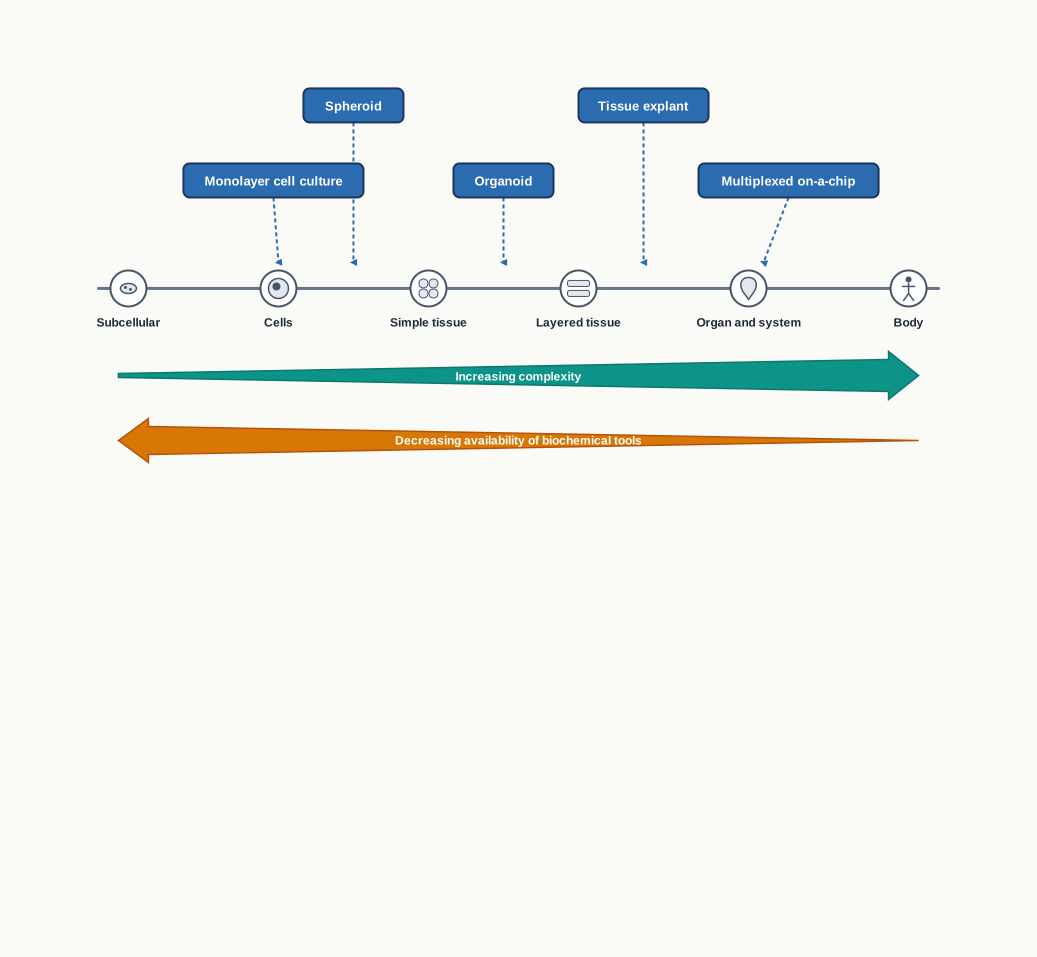
Fig. 12.13 – Models across the organismal hierarchy.
Read that figure from left to right. As you move along the scale from a subcellular preparation towards a whole body, the system becomes more complex and more realistic — but it also becomes harder to culture, and fewer biochemical and quantitative tools remain available for probing it, which limits the insights a study can give. Organoid models sit at a useful point on this scale: they carry moderate system complexity while still allowing many tools for probing structure and function. Compared to tissue explants, organoid systems can mimic similar cell–cell and cell–matrix interactions while maintaining the ability for long-term culture, keeping alive the signalling cues that are important for survival.
What an Organoid Is
Organoids are ultra-small, self-assembled three-dimensional tissue cultures that are derived from stem cells.
Organoids can be created from both pluripotent stem cells (PSCs) and adult stem cells (ASCs), by simulating the biochemical and physical characteristics of tissue development and homeostasis. The point to hold on to is that nothing is being built by hand — the culture conditions imitate the conditions of a developing tissue, and the cells then do the building themselves.
Such cultures can be manoeuvred to replicate most of the complexity of the organ, or may be differentiated to express only certain characteristics, such as producing particular subsets of cells alone. This flexibility is deliberate: a researcher studying one cell type does not always want the full complexity of the organ.
For example, the shape and tissue architecture of mesenchymal stem cells from bone marrow directly impacts their differentiation into osteoblasts or adipocytes. A round shape promotes adipogenic differentiation, while cells with wide spreading favour an osteoblastic differentiation.
That single example carries a large idea. The fate of a stem cell is not decided by chemical signals alone — the physical shape a cell is allowed to take, and the way it is stretched against its surroundings, can itself steer the cell towards becoming bone-forming or fat-forming. This is why the choice of matrix in a 3D culture is a scientific decision and not a technical detail.

Fig. 12.14 – Process of making an organoid.
Organoids reiterate a number of biological parameters. These include the spatial organisation of tissue-specific cells that are heterogeneous, cell–matrix interactions, cell–cell interactions, and certain physiological functions generated by tissue-specific cells within the organoid. Heterogeneous simply means that more than one kind of cell is present, arranged in the pattern found in the real tissue — a feature no monolayer culture can offer.
Why Organoids Bridge a Gap
Organoids bridge a gap in the existing model systems by providing a stable system that can be extended to the manipulation and mimicking of in vivo physiology. Between a flat dish of cells, which is easy to study but unrealistic, and a whole animal, which is realistic but hard to observe and manipulate, the organoid occupies the middle ground.
The foremost aim of engineering organoid systems is to enhance the utility of the system in downstream applications. Therefore it is necessary to create improved in vivo mimics for tissues and organs, and to improve the organoid system to achieve high-throughput formats or multi-tissue organoid compatibility in larger multiplexed systems — for example, human-on-a-chip. High-throughput here means being able to run very many tests at once, which is what makes a model useful for screening thousands of drug candidates rather than a handful.
Bioengineers have long aspired to deconstruct biological systems and to manipulate or reconstruct the system in a controlled manner. Bioengineering approaches have enabled us to understand cell behaviour and cell organisation, which are the fundamental processes in organoid formation. Several improved systems are on the horizon.
From Monolayers to 3D Culture
Cells in monolayers have the same unlimited access to nutrients and growth factors. Every cell in a flat sheet sits directly in the medium, and so every cell is equally well fed.
But in vivo, the position of a cell inside a tissue determines whether it can get enough nutrients. A cell deep inside a solid mass is far from the nearest blood vessel, and receives less oxygen, fewer nutrients and less of any drug that has been given. A monolayer therefore misrepresents the very situation that matters most in a real tissue.
In response to the downsides of monolayer cultures, biomedical companies have developed various types of 3D cell culture systems, to exploit their potential for predicting more realistic representations of drug response in vivo.
Spheroids and Tumour Spheres
Tumor spheres represent a model of cancer stem cell expansion. Tissue-derived tumor spheres and organotypic multicellular spheroids are characteristically obtained from the mechanical dissociation and cutting of tumor tissue — that is, the starting material is a piece of the tumour itself, broken up into fragments and cell clusters.
However, there is a distinct ordered self-assembly in organoids as opposed to spheroid cultures, and organoids are more dependent on a matrix for their generation. A spheroid is essentially an aggregate of cells; an organoid is an aggregate that has arranged itself into a recognisable tissue architecture.
Organoids have recently attracted attention as a model, primarily because they may serve as a better in vitro model when compared to 2D or even 3D co-culture systems. Applications for organoid research include organ development, disease modeling, drug penetration in the centre of the tumor mass, drug screening and toxicity testing.
To induce spheroid formation, one can choose from methods such as suspension culture, non-adherent surface methods, hanging drop methods, and microfluidic methods, as shown in Fig. 12.15.
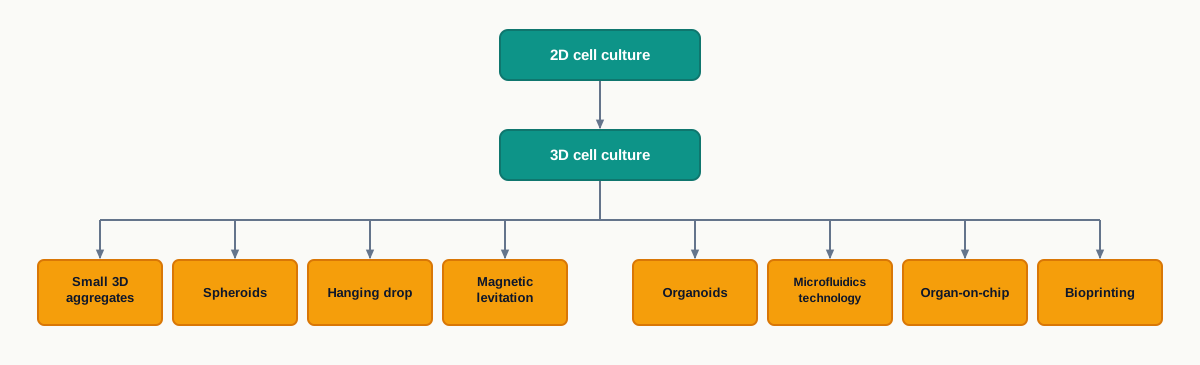
Fig. 12.15 – Approaches to 2D and 3D cell culture.
Each of the other methods reaches the same goal by removing the same opportunity. Suspension culture keeps cells moving so they never settle; non-adherent surfaces are treated so that cells cannot stick to the plastic; and microfluidic methods confine cells within tiny channels. In every case, once a cell cannot attach to a flat surface, it attaches to its neighbours instead.
The Difficulties of 3D Culture
Though 3D cell cultures provide realistic models of cell assembly into tissues or organs, the new variables — how the tissues function, and how pathological processes disturb cellular functions — need to be carefully addressed. A more realistic model is also a more complicated one, and every added variable must be understood before results can be interpreted.
Three-dimensional models are far more expensive and time-consuming than 2D cultures, as very few automation and reproducible applications are available. The 3D cultures further require careful planning and expert handling.
Towards Engineered Organs
Rapid scientific development in this field has led to several new strategies involving cell based therapy, polymer and material science, nanotechnology, bioengineering and 3D bioprinting, all directed at making an artificial organ or a substitute for the organ. Notice how many disciplines meet here — this is exactly what is meant by calling regenerative medicine a multidisciplinary specialty.
Currently, tissue engineered vascular grafts, trachea and cardiac patches are in clinical trials. In the near future, swift development in the field of regenerative medicine will empower physicians to replace the majority of the diseased or dead cells in the human body.
Cartilage injury is common in sports injury as well as in degenerative disease in the old population, and it can lead to significant disabilities. ‘Carticel’ is an innovative therapy in which autologous cartilage cells, the chondrocytes, are taken from an articular cartilage fragment removed during surgery, expanded in vitro and then implanted at the site of injury. ‘laViv’ is a technology in which autologous fibroblasts are injected into the face for the removal of wrinkles or beautification of the nose, as a part of cosmetic surgery. ‘Dermagraft’, a patch of allogenic fibroblast dermal substitute, is used for diabetic ulcer. Autologous platelet, derived from the peripheral blood, is used for wound healing.
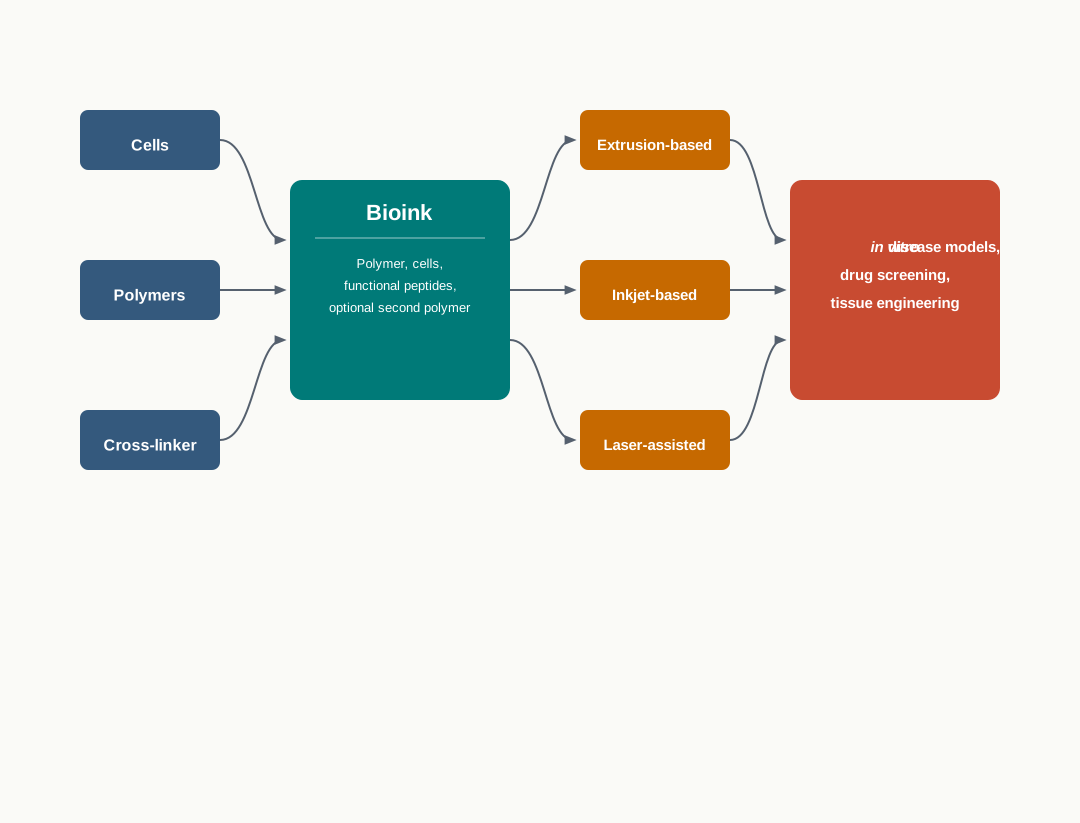
Fig. 12.16 – Methods and applications of 3D bioprinting.
12.4 Nanobiotechnology
Nanoscience is the study of materials which are in the nanoscale range — that is, materials whose size is measured in nanometres and is less than one micron. To make sense of that statement you need a feel for how small a nanometre really is, and Fig. 12.17 gives clarity on the concept of scales.
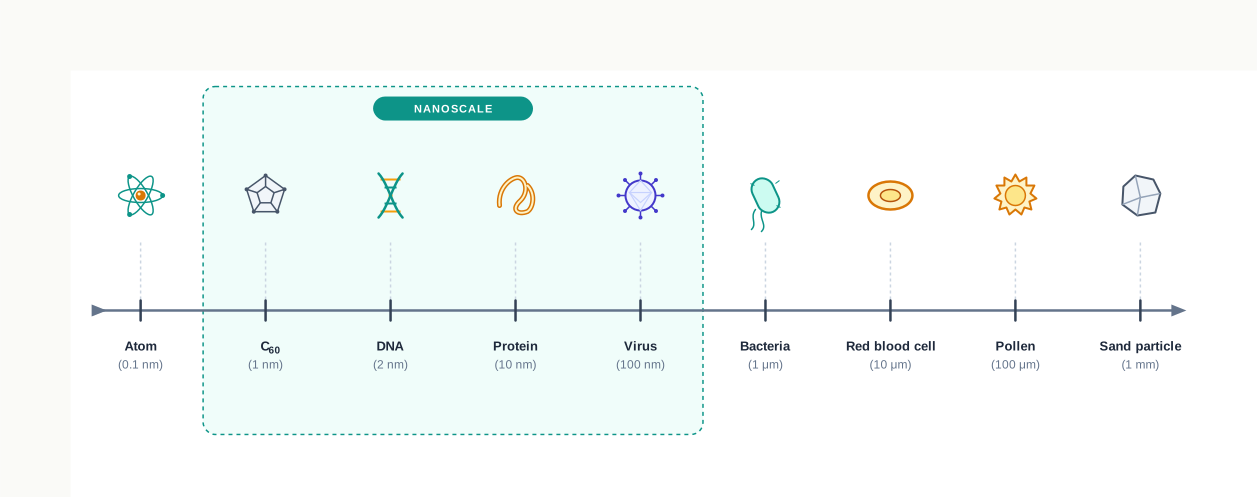
Fig. 12.17 – Concept of scales from atom to sand particle.
In this series an atom measures 0.1 nm and a small particle of sand measures 1 mm. Between these two extremes the diagram shows the size comparison among an atom, which is less than 1 nm; a fullerene molecule containing 60 atoms of carbon, C₆₀; a molecule of DNA; a protein; a virus; a bacterium; a red blood cell; pollen; and a sand particle.
Read the figure carefully and one thing stands out. The nanoscale is not an abstract engineering range — it is the size range in which biology already operates. DNA is 2 nm wide, proteins are around 10 nm, viruses around 100 nm. A particle built at this scale is therefore built at the same scale as the machinery of the cell, and that is the real reason nanotechnology and biology came together.
The technology of using material in the nanoscale is called nanotechnology. Nanobiotechnology thus implies the application of this technology in the field of biotechnology at the nanoscale. The use of nanotechnology in medicine for diagnosis and therapy is termed nanomedicine.
Why Small Changes Everything
The conversion of any bulk material to the nanoscale results in the alteration of its physicochemical, biological, mechanical, optical and electronic properties. This is the single most important idea in the whole section: the material has not been changed chemically, only cut finer, and yet it behaves like a different substance.
These newly acquired novel properties of materials, gained through conversion into a nanoscale form, can be utilised for many different useful purposes.
The typical example of a change in the property of a bulk material when it is converted into nanoparticles of different sizes is observed in gold. Gold is a golden coloured metal widely used for making ornaments and jewellery, and its colour is one of the most familiar facts in daily life.
Fig. 12.18 (a) shows the golden colour of the bulk metal. But gold nanoparticles smaller than 30 nm are ruby red; those up to 100 nm are pink; and larger ones appear darker in colour. This demonstrates a change in one of the physical characteristics of the material in its nanoform, and shows that the change is also size dependent — different sizes of the same metal give different colours.
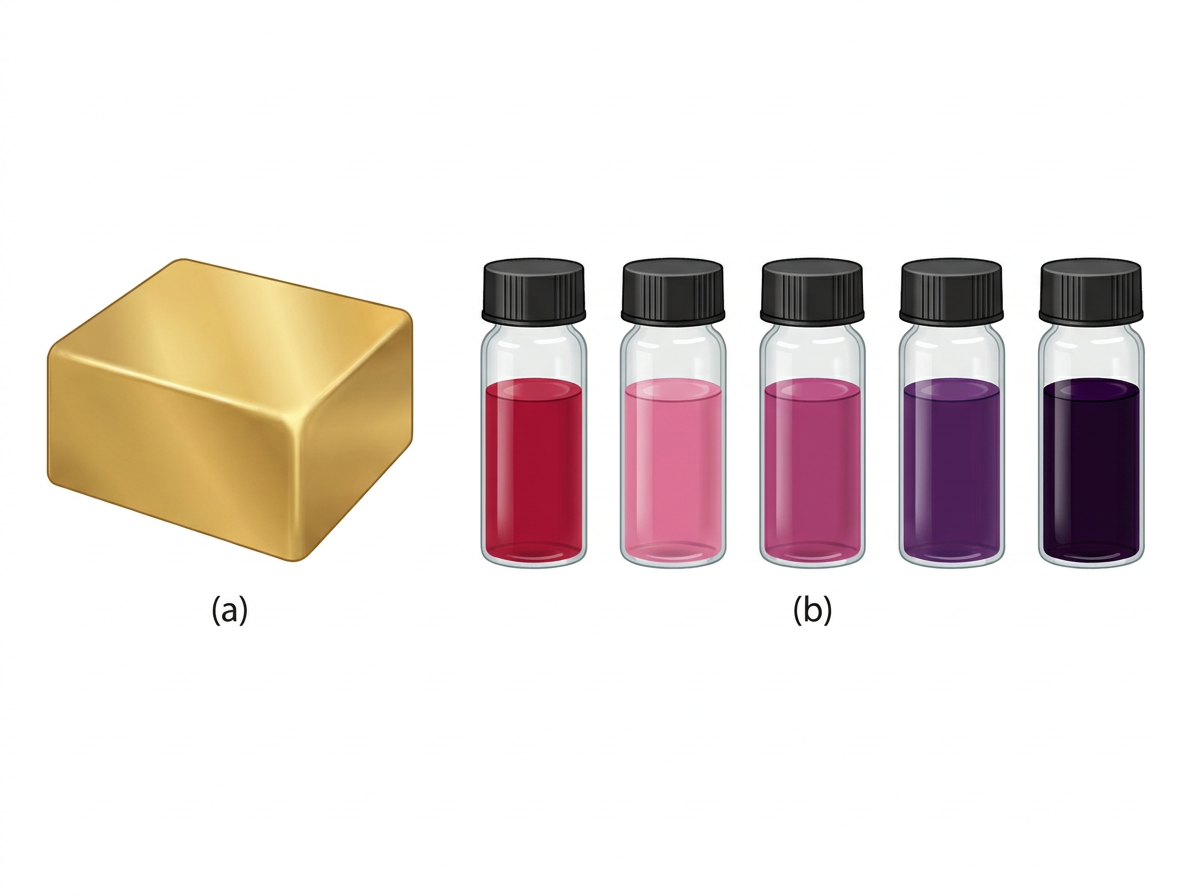
Fig. 12.18 – Gold in (a) bulk form and (b) nanoparticle suspensions.
The Surface Area Effect
The bulk material gold, taken as a unit weight of 1 mg, may be converted to nanoparticles in a reducing size scale — for example, with diameters of 500 nm, 100 nm and 10 nm. As the diameter falls, the number of particles increases exponentially, and this is accompanied by an enormous increase in the surface area, as shown in Fig. 12.19.
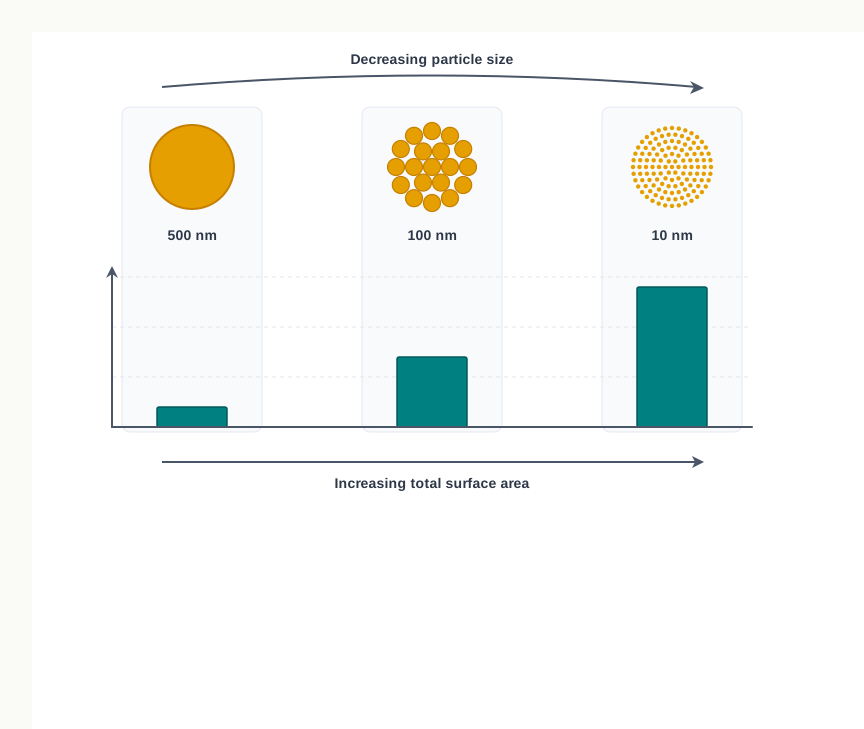
Fig. 12.19 – Increase in total surface area with decreasing particle size.
The arithmetic behind this is straightforward and worth doing once. For a sphere of diameter \(d\), the surface area and volume are
\[S = \pi d^{2}, \qquad V = \frac{\pi d^{3}}{6}\]
where \(S\) is the surface area in \(\text{m}^2\), \(V\) is the volume in \(\text{m}^3\) and \(d\) is the diameter in metres. Dividing one by the other,
\[\frac{S}{V} = \frac{6}{d}\]
So the surface area available per unit volume of material is inversely proportional to the diameter. Halve the diameter and you double the exposed surface; reduce the diameter fifty-fold, from 500 nm to 10 nm, and the exposed surface of the same 1 mg of gold rises fifty-fold as well.
This phenomenon can tremendously increase the surface reactivity of the material, which can then be used for different applications in the field of nanobiotechnology. Reactions, adsorption, drug loading and catalysis all take place at surfaces, so a material with vastly more surface is a material with vastly more opportunity to act.
What Nanoparticles Are Made Of
Nanoparticles can be made from a large number of inorganic and organic materials, as listed in Table 12.2. Depending upon their composition, nanoparticles can be categorised as biodegradable and non-biodegradable — a distinction that matters enormously in medicine, because a particle injected into the body must eventually either be broken down or be cleared unchanged.
The properties of nanoparticles depend on four things: their size, shape, surface charge and composition. Surface charge deserves special notice, since it decides whether particles repel one another and stay dispersed, and how they interact with the charged surface of a cell.
Nanoparticles made from a single material like carbon may, depending upon its composition, acquire unique size and shape — such as fullerene (C₆₀), single wall and multiwall carbon tube, and graphene, as shown in Fig. 12.20.
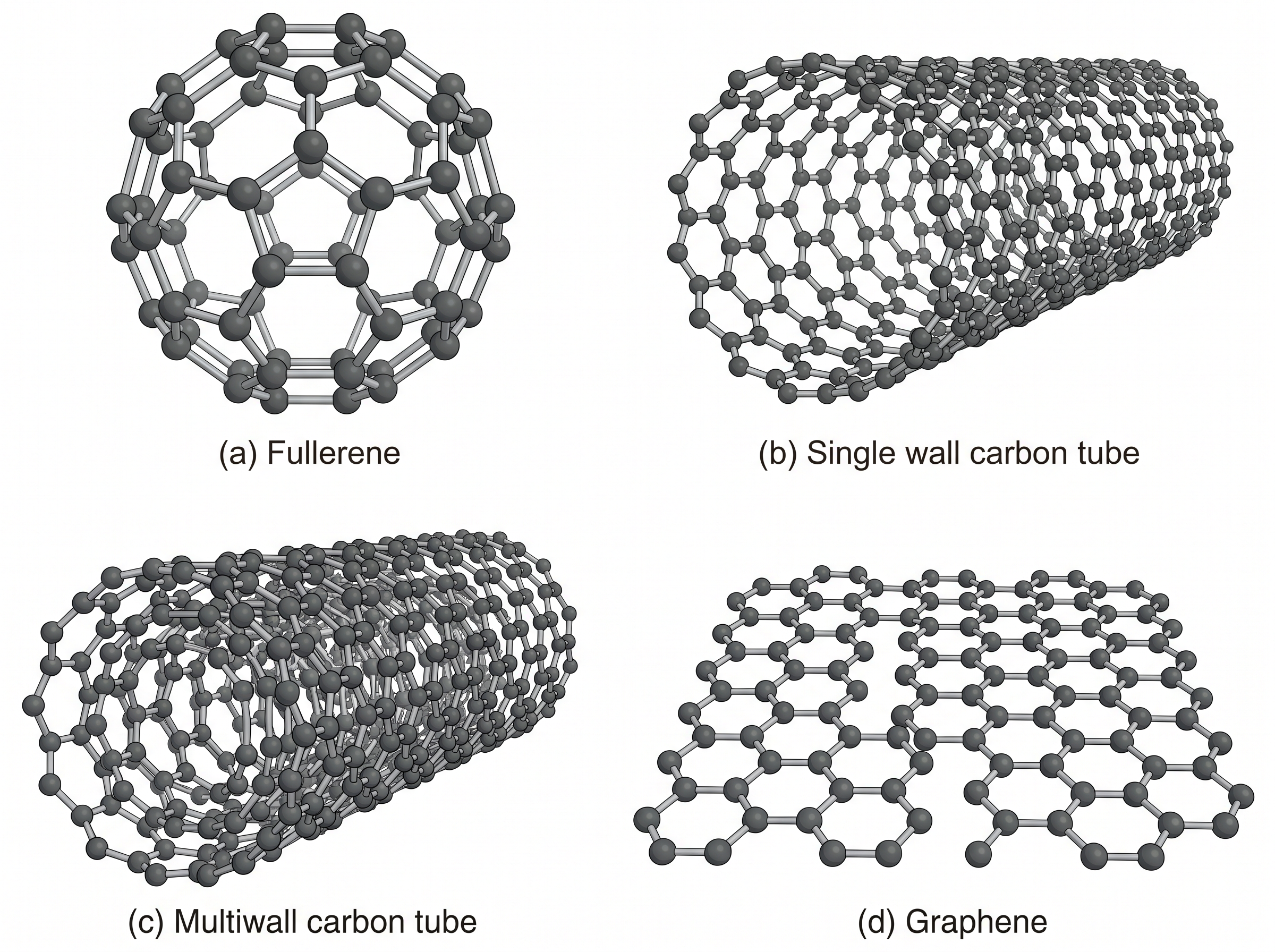
Fig. 12.20 – Carbon nanostructures.
These four are the same element arranged differently — a hollow ball, a rolled tube, tubes within tubes, and a flat single-atom sheet — and their electrical, mechanical and thermal behaviours differ completely as a result. Structure, once again, decides function.
Table 12.2: Composition of some of the nanoparticles widely explored in nanobiotechnology
| Category | Type | Examples |
|---|---|---|
| Inorganic | Metal | Iron oxide, Gold, Silver, Copper, Zinc oxide, Titanium oxide, Cadmium, Selenium |
| Non-metal | Silicon oxide, Calcium phosphate, Ceramic | |
| Organic | Polymer | Naturally derived, like chitosan from shell, alginate from algae, Cellulose, Lignin |
| Synthetic polymers | Polycaprolactone (PCL), polylactic acid or polylactide (PLA), Poly Lactic-co-Glycolic Acid (PLGA) | |
| Protein | Albumin, Gelatin | |
| Lipid | Cholesterol, Fatty acids, Phospholipids, Liposome |
Similarly, cadmium–selenium (CdSe) nanocrystals of different sizes produce different colours of fluorescence, which does not quench with light, as shown in Fig. 12.21. The fluorescent CdSe nanocrystals are called Quantum Dots (QDs), and they can be used for fluorescence based diagnostic tests.
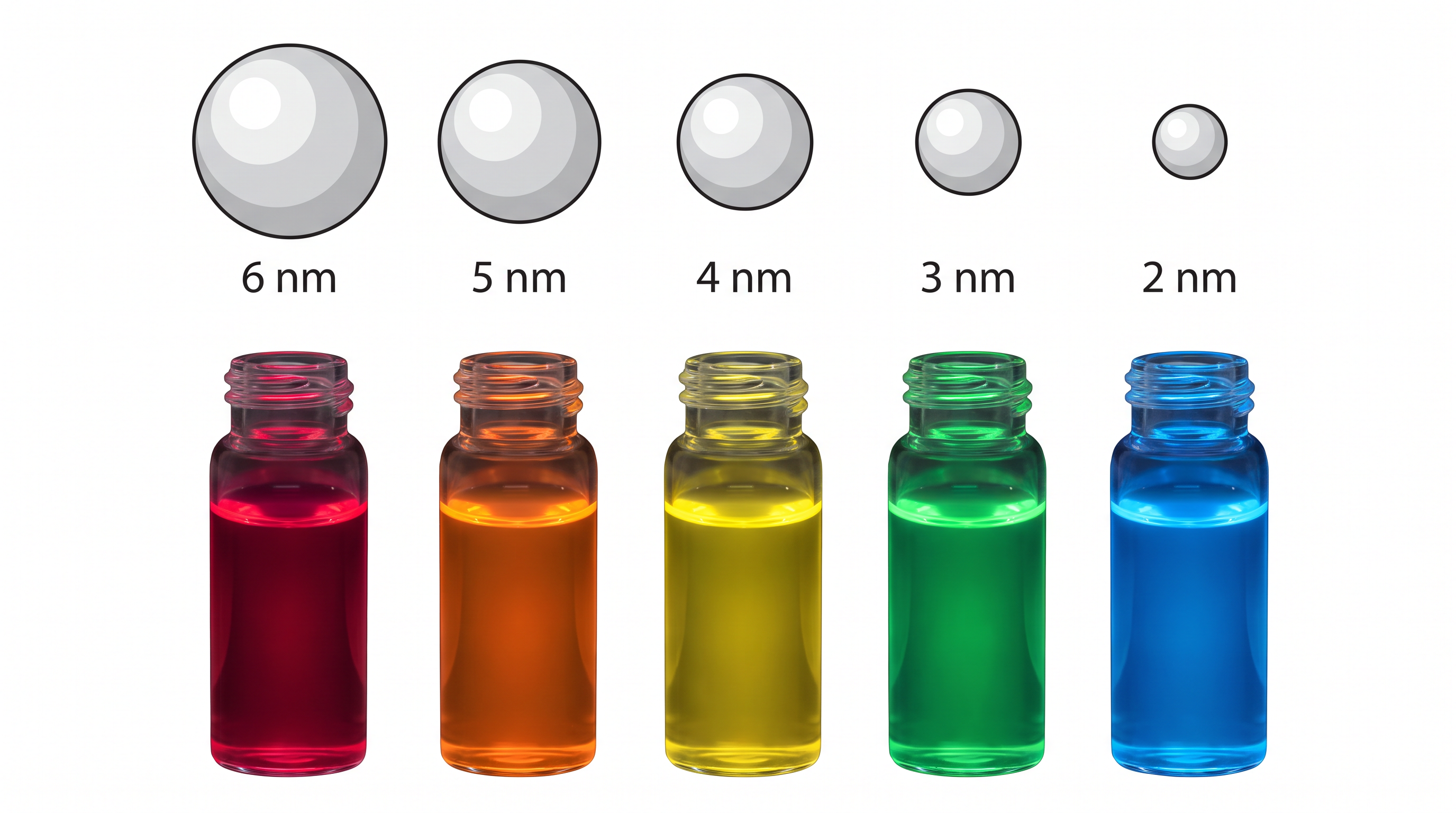
Fig. 12.21 – Fluorescence colours of quantum dots of different sizes.
The phrase ‘does not quench with light’ is the practical heart of the matter. Ordinary fluorescent dyes fade steadily while being observed under a microscope, which limits how long a sample can be studied. Quantum dots keep fluorescing, and because their colour depends on size, several different sizes can be used together to label several different targets in the same test.
12.4.1 Application of Nanotechnology
Nanotechnology is an enabling technology, which is useful in diverse sectors such as chemicals, textiles, consumer products, cosmetics, health (nanomedicine), energy, agriculture, various industries and the environment, as shown in Fig. 12.22. An ‘enabling’ technology is one that does not form an industry of its own so much as improve almost every other industry it enters.
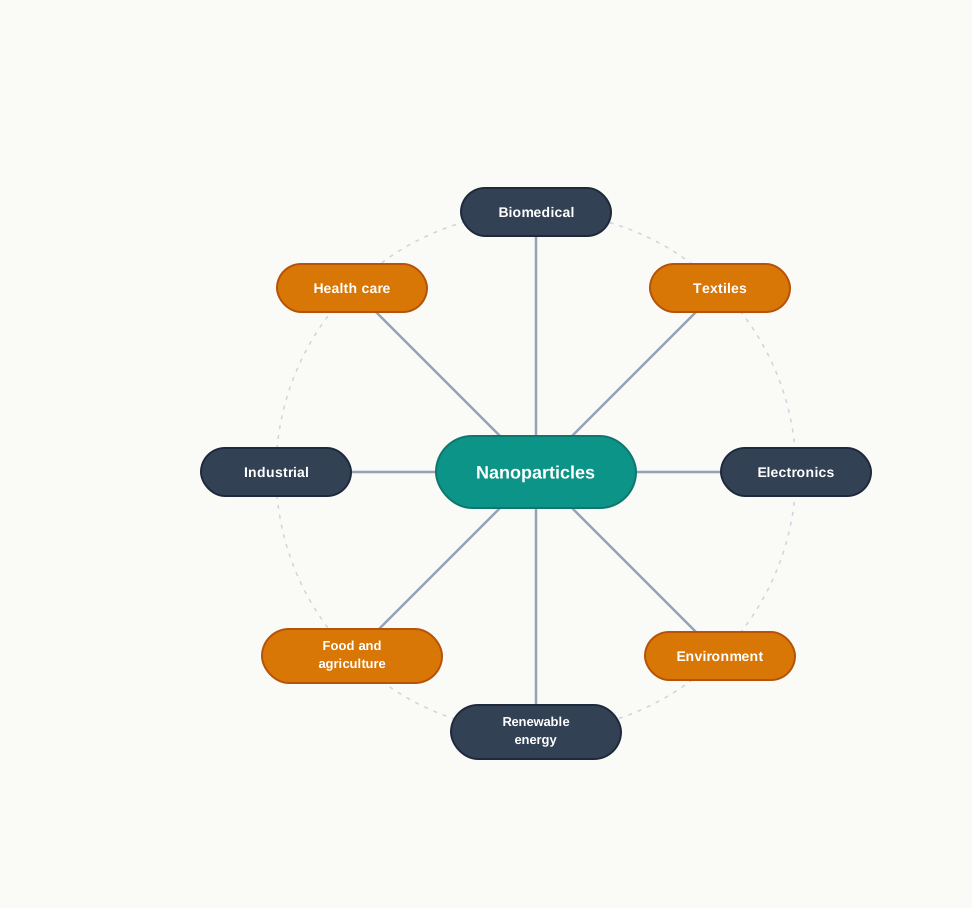
Fig. 12.22 – Applications of nanotechnology.
Some of the applications of nanotechnology are described below.
(a) Medicine (Nanomedicine)
A drug or other biomolecule can be loaded into nanoparticles or nanocarriers, which can then be targeted to the diseased site for delivery. This kind of nanotechnology based Drug Delivery System (DDS) can increase the bioavailability of the drug at the diseased site, with low systemic toxicity and a reduced amount of drug required for cure.
To see why this is such an advance, consider how drugs are given at present. Systemic administration of a drug by oral or parenteral routes needs a higher dosage in order to maintain high serum levels, so that an effective concentration can be achieved at the diseased site. The whole body is flooded so that one small region receives enough — and this is associated with toxicity involving other organs.
The antifungal drug amphotericin B has high toxicity. When it is delivered in liposomes, it shows less toxicity and higher efficacy. A liposome is a spherical vesicle consisting of one or more phospholipid bilayers — essentially an artificial membrane sac, built of the same kind of molecules as the cell membrane itself, which is why it is so well tolerated and why it merges readily with cells.
Systemic toxicity with anticancer chemotherapeutic drugs is a major problem in cancer management, since these drugs damage healthy dividing cells throughout the body. Anticancer drugs can, however, be targeted to the cancer micro-environment by the enhanced permeability and retention (EPR) effect.
The EPR effect exploits a defect in the tumour’s own blood supply. The endothelial cells in a tumour have gaps or fenestrations, making the vessels leaky in comparison to healthy tissue. If small size nanocarriers of 20 to 30 nm are loaded with drug and administered, they will accumulate in the tumour area through these leaky vessels, and are then retained there. This accumulation and retention of drug loaded nanoparticles in the tumour area is called the EPR effect, and it is shown in Fig. 12.23.
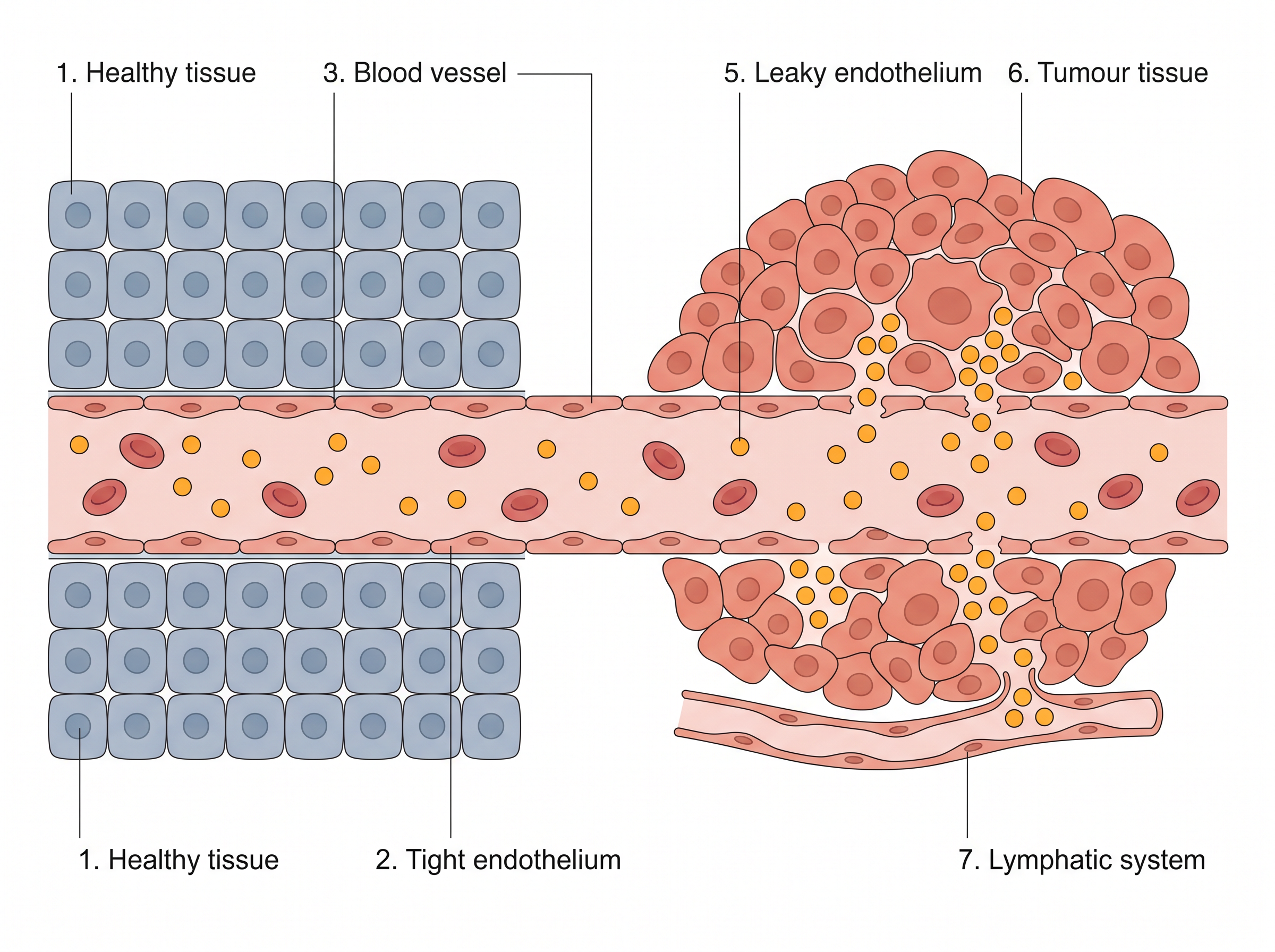
Fig. 12.23 – Tumour targeting by the EPR effect.
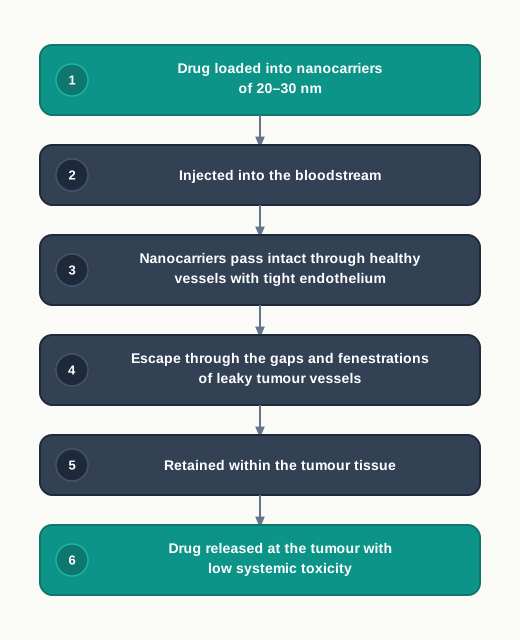
Fig. 12.24 – Sequence of EPR-based tumour targeting.
Examples of such drug delivery systems are paclitaxel loaded albumin nanoparticles and liposomal doxorubicin, both currently being used for cancer therapy. Silver nanoparticles, which have wide spectrum antimicrobial properties, are being used in different wound dressings.
(b) Cosmetics
Zinc oxide and titanium oxide nanoparticles are very useful for protection against ultraviolet light, and are widely used in sunscreen cosmetic preparations. In nanoparticle form these oxides scatter and absorb ultraviolet radiation while remaining transparent on the skin, which is why a modern sunscreen no longer leaves the thick white layer that older preparations did.
Liposomal preparations and nanoemulsions are commonly used for better penetration of essential oils, vitamins and other biomolecules. These can prevent age related skin changes, reduce pigmentation and provide many other beneficial effects. Once again the reason is a matter of size — a large molecule dispersed in a nanoemulsion crosses the outer barrier of the skin far more readily than the same molecule in an ordinary cream.
(c) Agriculture and Food Packaging
Nanotechnology is being used for precision farming techniques, enhancing the absorption of nutrients by the crop, so that less fertiliser is wasted to run-off and leaching.
A new generation of nano-pesticides is more effective in controlling plant diseases with a smaller amount of pesticide, thereby reducing human exposure. Nanomaterials are used in food packaging for longer preservation and storage. Silver and iron nanoparticles can be used for the treatment and disinfection of livestock and poultry.
(d) Textile
Nanomaterials can be used for several improvements of textiles, such as stain and water repellence, wrinkle-free features, fire retardancy, high tensile strength, durability and textured surfaces.
Nanotechnology can impart electrical conductivity to fibres without compromising their comfort and flexibility — an important condition, since a garment that conducts electricity but feels like metal is of no use to anyone. Such garments can sense and respond to external stimuli via electrical, colour or physiological signals, and can keep themselves cool in summer and warm in winter. In the near future, nanotechnology enabled garments may monitor health conditions as well.
(e) Nanobiosensors
Nanotechnology has revolutionised the area of sensor development for the detection of biological molecules, which may be biomarkers of disease. A biomarker is a molecule whose presence or amount indicates a particular disease state, so detecting it early and reliably can change the course of treatment.
Point of care devices can be made which are low cost and more effective, and the tests can be done at the bedside, or in villages, with a small volume of test material. Each of these advantages follows from the nanoscale itself: a sensor built at the size of the molecules it detects needs only a tiny sample and very little reagent, which is what brings the cost down and makes the device portable.
Scientists are working with the concept of ‘Lab on a Chip’, where many tests can be done simultaneously using nanotechnology and microfluidics. Microfluidics is the handling of liquids in channels finer than a hair, so that a few microlitres of blood can be split, moved and mixed across a chip the size of a postage stamp.
Promise and Precaution
The examples given above provide a clear insight into the enormous scope of nanotechnology applications. In the future this technology holds immense hope and may lead to innovations in various biomedical applications, ranging from molecular imaging, drug delivery and gene therapy to biosensors and biomarkers.
However, the use of nanotechnology raises fundamental questions about the need for new regulations, and we should understand the safety issues of using nanoparticles in the body and in the environment.
12.5 Synthetic Biology
Traditionally, scientists have used two major strategies to study organisms. Understanding both of them makes it much easier to see why a third strategy was needed at all.
Taking Life Apart
The first is a reductionist approach, which involves going from a higher level description to a lower level description. One begins with the whole animal or plant, moves to the tissue level, then to the cellular organelle level, and finally to the molecular level of DNA, protein and the rest.
We use several names for this general approach, depending on the level being studied — anatomy, histology, molecular biology, biochemistry and so on. Each of these is really the same instinct applied at a different magnification: to understand a thing, take it apart and look at the pieces.
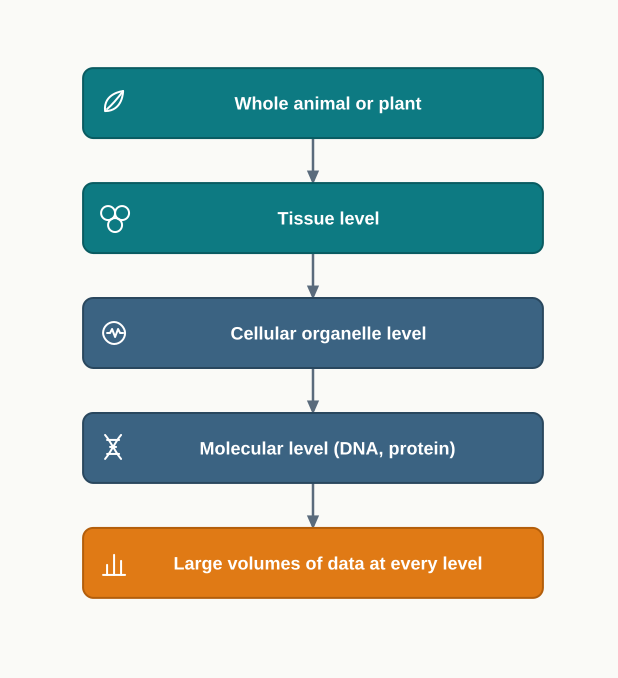
Fig. 12.25 – The reductionist approach to biology.
The reductionist approach has been highly successful, leading to the generation of a huge amount of data at various levels. That success, however, created a problem of its own: an enormous quantity of separate facts, with no obvious way of putting them back together.
Putting the Data Together
Now the challenge is to collect this data and weave it in the form of databases and computer models of tissues, metabolic pathways and so on. This integrative approach — of data collection and of doing biology through the computer — is more popularly known as bioinformatics, systems biology and so on.
Notice the change in direction. The reductionist approach moves downwards, from the organism to the molecule; the integrative approach moves upwards, using the accumulated data to rebuild a working picture of the whole. Neither one, however, actually builds anything physical.
Building Life From Scratch
In June 2004, a third major approach was announced at MIT in the USA, which focused on building organisms from scratch. The question people asked was a bold one: could one chemically synthesise a chromosome, assemble mitochondria, construct a nucleus, a cell or a tissue, and ultimately an organism — just as an engineer constructs buildings from brick and mortar?
This new engineering approach of building organisms from the bottom up is called synthetic biology.
The logic behind it is easy to state. If engineering principles have worked in constructing electronic gadgets, buildings, bridges and so on, why not use them in constructing organisms? However, to enable such an activity, one needs to build two things first: (a) standards and (b) rules of composition.
These two requirements are not a formality — they are what separates engineering from tinkering. An electrical engineer can design a circuit on paper because resistors and capacitors come in standard, predictable values, and because there are settled rules about how components may be combined. Biology had no such standards; every laboratory made its own constructs in its own way. Before organisms could be engineered, biological parts had to be described in a standard form, and rules had to be established for how those parts could be assembled together.
What Synthetic Biology Does
Synthetic biology bridges the gap between biologists and engineers, allowing them to design and build innovative biomolecular networks, components and pathways, and to utilise these constructs to reprogramme and rewire organisms. Synthetic biology thus offers innovative approaches for engineering new biological systems, or re-designing existing ones for a useful purpose.
Integrating interdisciplinary expertise has enabled synthetic biology to address the unpredictable challenges linked to the complex intricacy of cellular systems. A living cell is not a circuit board — its components interact, respond and adapt — and dealing with that unpredictability requires biology, mathematics, computers, engineering and chemistry working together, as shown in Fig. 12.26.
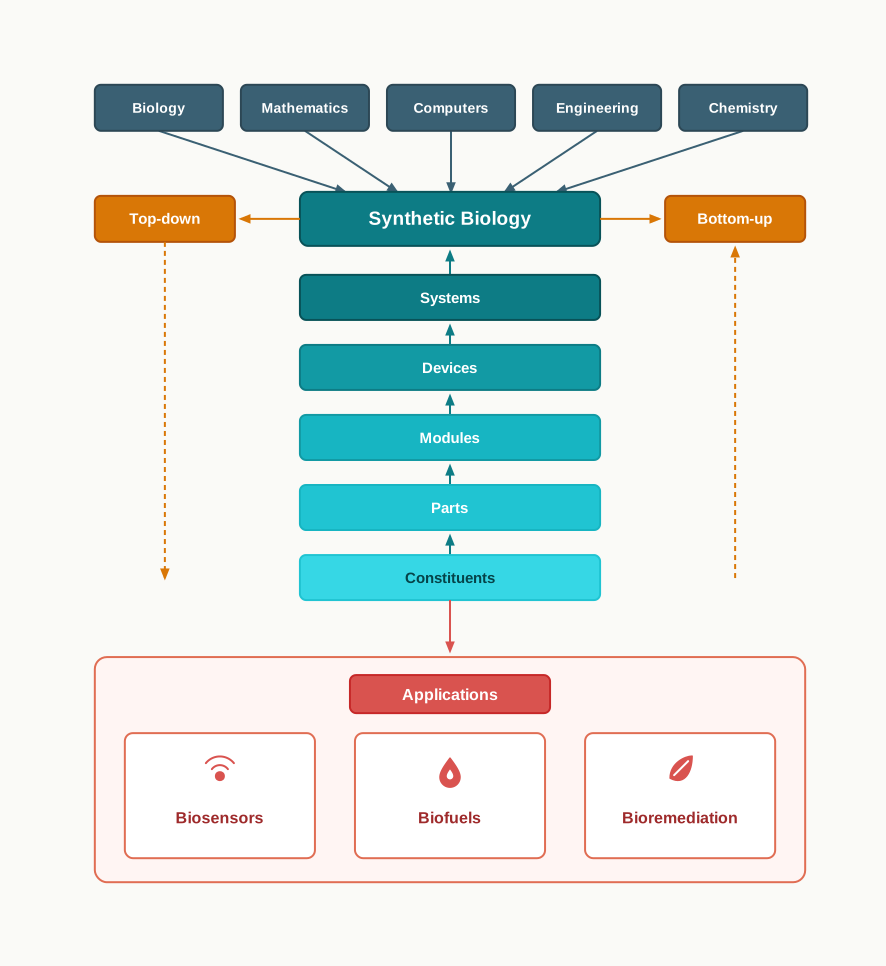
Fig. 12.26 – Hierarchy and applications of synthetic biology.
Read the hierarchy in that figure from the bottom upwards and the engineering analogy becomes clear. Constituents — nucleotides and amino acids — are the raw material. Parts such as genes, promoters, operators and transcription factors are the individual components. Modules are reactions, devices are networks or pathways, and systems are whole organisms such as bacteria, yeast or plants. Each level is assembled from the level below it, exactly as an electronic system is assembled from circuits, which are assembled from components.
Synthetic biology has enthused researchers to innovate and bioengineer biological systems to accomplish explicit tasks. Its applications include the biomanufacturing of high-value biomolecules, diagnostics, and therapeutics leading to cheaper drugs. It also offers ‘green’ means to fuel our cars, and targeted therapies for attacking ‘superbugs’ and diseases such as cancer.
These re-engineered organisms will change our lives over the coming years. While synthetic biology has demonstrated its potential to solve high-impact problems, a great many basic research studies are still going on to discover the engineering limits for biological systems — that is, to find out how far a living cell can be redesigned before it stops working at all.
Writing DNA Instead of Assembling It
While people were collecting the datasheets of genes, another thought emerged: how about chemically synthesising a series of genes in one step, instead of assembling them one at a time? This gave rise to the technology of long DNA synthesis, and it led to a major change in the way genetic engineering was practised.
Consider what the older way of working required. To obtain a recombinant vector, one had to isolate the gene, cut it and the plasmid with restriction enzymes, join them with ligase, transform host cells and screen for the correct construct — with each step carrying its own chance of failure.
Instead of constructing plasmids and loading them with genes, the new strategy was to edit the plasmid in the computer, save the document as a text file of nitrogen bases (ATGC), email the sequence to a company, and get the recombinant vector back in a month or so. The process that would normally take six months to a year could now be completed in less than a month.
That single sentence contains the deepest idea in this section. A DNA molecule can be represented completely as a string of four letters, and a string of letters can be edited, stored and transmitted like any other document. The physical molecule need not be moved at all — only the information.
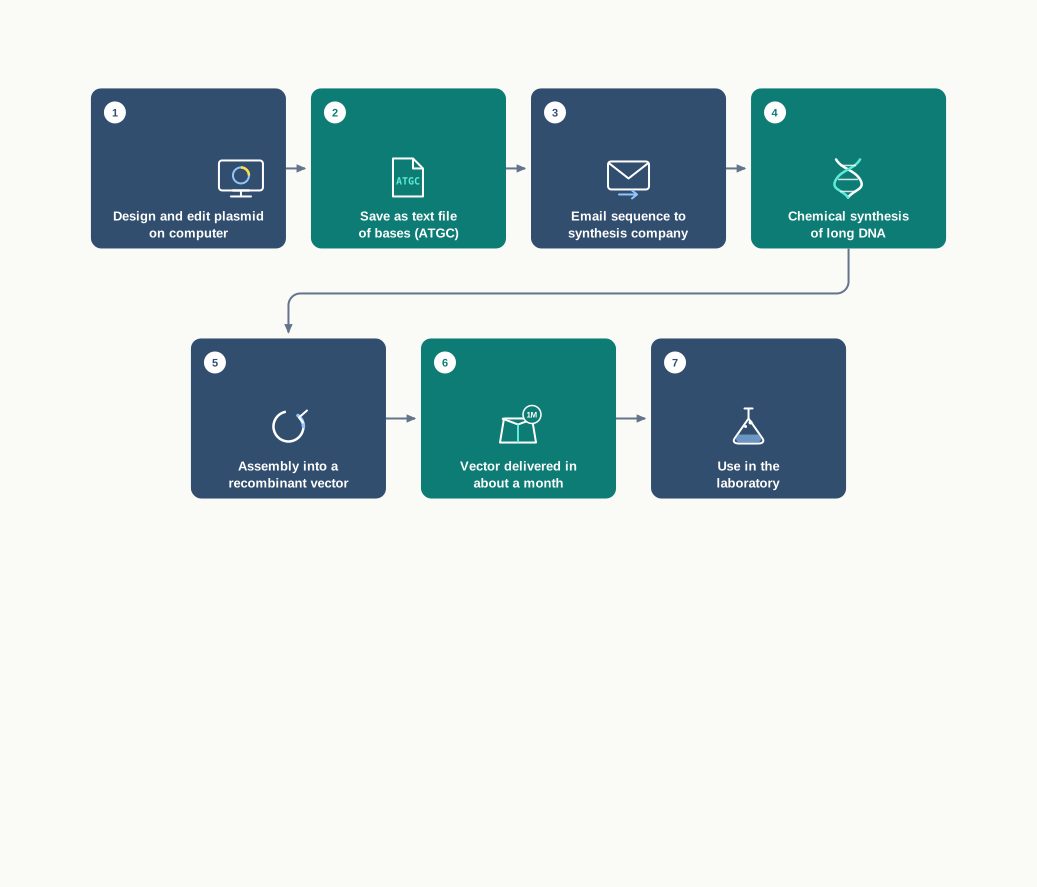
Fig. 12.27 – Long DNA synthesis and digital plasmid design.
This strategy has been so successful that a chemically synthesised and fully functional yeast chromosome was made by scientists at John Hopkins University — a whole chromosome, designed as a file and built as a molecule.
12.6 Future Prospects
Biotechnological innovations will undoubtedly be at the core of discoveries benefiting society in the future, depending primarily on how the future unfolds. For example, as microbes make their impact, complex ecological systems and the exploitation of biological knowledge will offer innovations across a wide spectrum — including medicine, health care, food systems, industries and the creation of smart materials.
The sections you have read so far each looked at one field on its own. This closing section looks forward, and at how these fields are beginning to work together.
Microbial Factories and Cleaner Chemistry
Currently, scientists are working towards creating microbial factories, where bacteria synthesise chemicals and thereby help in the reduction of air, soil and water pollution caused by chemical factories.
The advantage is easy to see once stated. A chemical plant usually needs high temperature, high pressure, strong solvents and metal catalysts, and it produces waste at every stage. A bacterial culture makes the same molecule in warm water at ordinary pressure, using a renewable feedstock, and its waste is largely biological. Shifting a synthesis from a reactor to a cell therefore reduces pollution at the source rather than cleaning it up afterwards.
Scientists are also trying to clear environmental pollution by designing microbes that can eat harmful chemicals and convert them into environment-friendly end products.
People have also been successful in synthesising natural plant products in bacteria, and thereby saving plants from destruction. Many valuable medicines occur in very small quantities in wild or slow-growing plants, so meeting demand can mean stripping the plant from its habitat. If the biosynthetic pathway is transferred into a microorganism, the compound can be produced in a fermenter instead, and the plant is left alone.
Bioremediation treatment technologies for contaminated soils and groundwater can involve four broad options:
- Solid-phase biotreatment.
- Slurry-phase treatment.
- In situ treatment.
- A combination of biological, physical and chemical treatment.
The choice between them depends on the site. Solid-phase biotreatment handles excavated soil in heaps or beds; slurry-phase treatment mixes the contaminated soil with water in a reactor so that microbes reach the pollutant more easily; in situ treatment leaves the soil where it is and treats it in place, which is far cheaper and avoids disturbing the site; and a combined approach is used where biology alone cannot finish the job. Recall the second of the three principles of bioremediation from Section 12.1.3 — bioavailability. Much of the difference between these four options is simply a difference in how much trouble is taken to bring the microbe and the pollutant into contact.
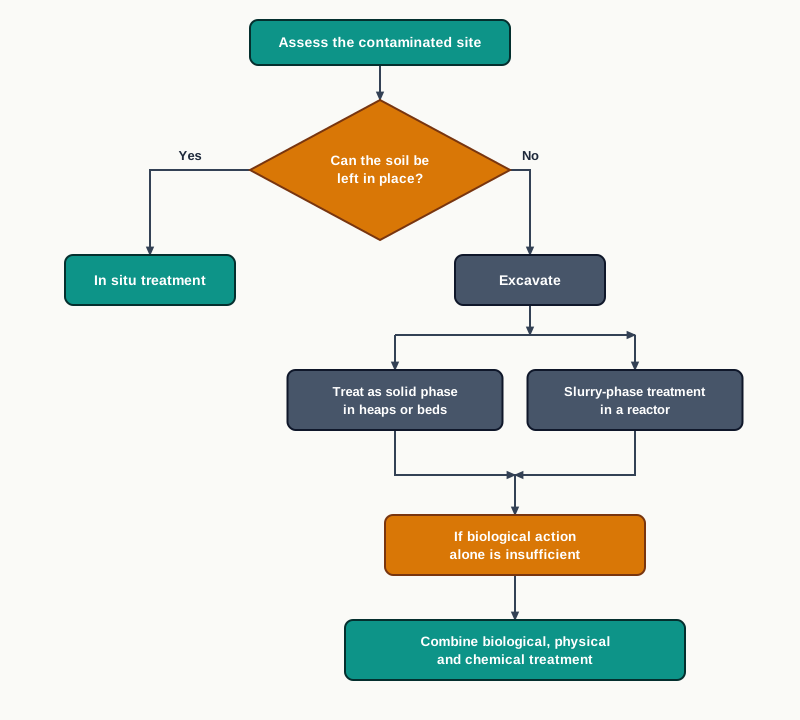
Fig. 12.28 – Choosing a bioremediation treatment.
The Future of Plant Biotechnology
Plant biotechnology with a focus on seed-varietal improvement — such as GM technology and molecular-assisted breeding — has generated products that help agriculture to achieve enhanced yields in a more sustainable manner. GM technology has brought significant improvements in income, life quality and per acre productivity.
Plant-made pharmaceuticals have become a major focus point since 2010, when realistic opportunities for commercial development emerged. Plant-manufacturing platforms for pharmaceuticals, also called molecular pharming, open interesting prospects for low-income countries, where large quantities of medicines need to be provided on a regular basis.
Cost-effective local focus and needle-free deployment can be of great help for the treatment of tropical diseases. Both phrases deserve unpacking. Growing the medicine locally removes the cost of importing it and of maintaining a cold chain across long distances; and needle-free deployment means the product may be taken by mouth in the edible plant tissue itself, avoiding syringes, trained staff and the risks that come with injections.
In the industrial sector, plant biotechnology has the potential not only to generate more productive biomass feedstocks and minimise inputs, but also to develop more efficient biofuels, chemicals and bio-material conversion processes. A number of non-food crops, improved with sustainable management, have already gone through the regulatory process.
The Future of Medical Biotechnology
Medical applications of biotechnology include regenerative medicine, tissue engineering, transplantation, stem cell research, nanobiotechnology and synthetic biology — the very fields taken up earlier in this chapter, now converging on the same problems.
The interdisciplinary field of nanobiotechnology is bringing the science of incomprehensibly small devices closer to reality. Although the expectations from nanobiotechnology in medicine are high, and the potential benefits are endlessly enlisted, the safety of nanomedicine is not yet fully defined.
If synthetic biology becomes widespread in the future, then the rubber used in tyres, the bioacrylic used in glues and paints, the surfactant used in shampoos and soaps, and the additives and flavours used in food would all be made inside bacteria. Read that list again and notice what it implies: these are ordinary items from a household, not laboratory chemicals. The change being described is not a new product but a new way of making almost everything.
Nevertheless, there are also aspects of synthetic biology which may be harmful for humanity — for example, creating new viruses that may give rise to new diseases, and designing bioweapons which can be misused against humanity. It is therefore all the more important to promote ethical and humane practices in synthetic biology, and to have strict regulations to prevent its misuse.
India’s Place in the Biotechnology Story
India has become a key contributor in the biotechnology sector, playing a key role in the global vaccine market, including DPT, BCG, measles and other vaccines. Low cost diagnostic kits and medical interventions, along with vaccines, have been promptly developed by the vibrant biotechnology sector of India.
The recent unprecedented pandemic caused by the Corona Virus (COVID-19) posed a severe threat to human health. Biotechnological innovations helped to develop vaccines that saved mankind — and they did so within a period that would have been considered impossible a generation earlier, because the tools described throughout this chapter, from rapid DNA synthesis to established manufacturing platforms, were already in place when the emergency arrived.
In summary, the future of biotechnology research is strong and promising. Its development requires entrepreneurship, as business skills are critical for managing research projects and a technical team, and technology experts can add real time analysis to cutting-edge research. A discovery that stays inside a laboratory helps no one; turning it into a product, a test or a treatment requires people who can raise funds, manage teams, meet regulatory requirements and reach a market.
The Draft National Biotech Development Strategy 2020–24 aims to build and nurture a vibrant start-up, entrepreneurial and industrial base, connecting academia and industry. It focuses on strengthening and nurturing a strong basic research and innovation driven ecosystem across research institutes and laboratories, in both the public and private sector, with complete engagement of start-ups and of small and large industries.
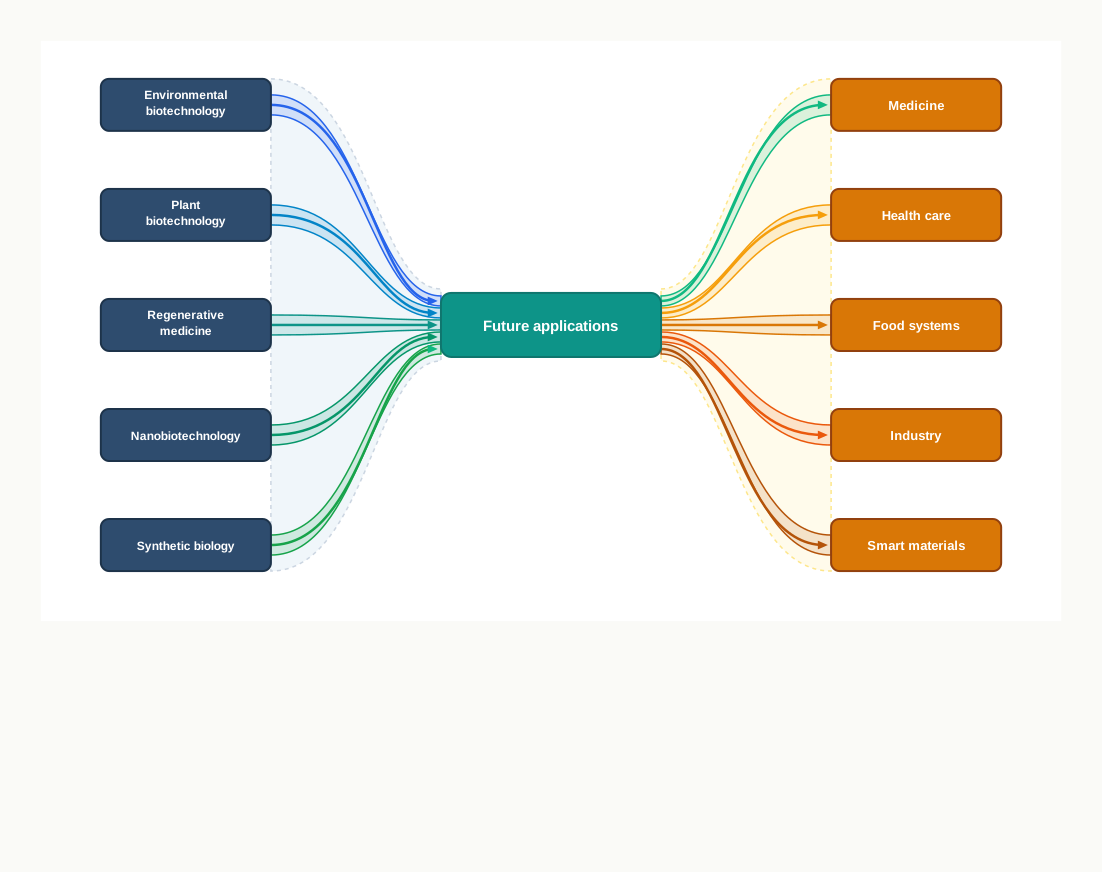
Fig. 12.29 – Convergence of biotechnology fields into future applications.
This chapter began with the observation that biotechnological innovations have grown steadily and have benefited human life in agriculture, medical science, the environment and energy. Having worked through the six fields, you can now see why that growth has been so rapid. The same small set of ideas — reading DNA, writing DNA, moving genes between organisms, culturing cells outside the body, and working at the scale of molecules — reappears in a fuel, a crop, a tissue, a diagnostic test and a chromosome. What changes from field to field is the application; the underlying science is remarkably one thing.
12.7 Summary
- Environmental biotechnology works along two lines. One is bioremediation, which covers a wide array of applications such as waste treatment, degradation and vermi-technology. The other is prevention, which deals mainly with the production of biofuels and with avenues in the field of biodegradation and the manufacture of biodegradable products.
- Biofuels are fuels produced from biological products — either from living organisms or from waste generated from biological products, such as material from landfills and recycled vegetable oil. Fuels produced from crops grown for the purpose are known as biofuels or agrofuels.
- On the basis of their characteristics, biofuels are broadly divided into four kinds: biodiesel, bioalcohol, biogas and biomass, each in different forms.
- Biodegradation using biotechnology helps in environment-friendly waste recycling, allowing materials that would otherwise persist for hundreds of years to be broken down by living organisms.
- Bioremediation of heavy metals in soil or water, such as As, Cr, Hg, Cd and Zn, is being carried out by plants and by microorganisms such as bacteria and fungi, using biotechnology.
- GM technology has evolved to generate a number of products and crops with improved traits. These include crops resistant to herbicides and to biotic and abiotic stresses, as well as crops with improved nutritional quality and quantity.
- Regenerative medicine is an emerging multidisciplinary specialty in medicine, with the goal of cell and organ replacement to restore the loss of function resulting from degeneration, trauma and other disease processes.
- Stem cells exhibit an intrinsic ability to assemble into complex structures. When placed within a hydrogel, often Matrigel, and in the presence of suitable exogenous factors, they can be coaxed into forming structures that contain organised clusters of cells.
- The recent availability of stem cell derived organoid systems, which provide 3D self-organised tissue models, gives a compelling new class of biological model that can serve as both tissue and organ substitutions.
- Organoids are ultra-small, self-assembled three-dimensional tissue cultures derived from stem cells. They have been created from both pluripotent stem cells (PSCs) and adult stem cells (ASCs), by simulating the biochemical and physical characteristics of tissue development and homeostasis.
- Nanoscience is the study of materials in the range that includes size in nanometres, which is less than one micron, that is, \(10^{-9}\) to \(10^{-12}\). The application of material in the nanoscale is called nanotechnology.
- Nanobiotechnology implies the use of nanotechnology in the field of biotechnology. Nanomedicine is the strongest arm of nanobiotechnology, and is used for diagnosis, drug or gene delivery, and therapy.
- Nanobiosensors: nanotechnology has revolutionised the area of sensor development for the detection of biological molecules, which may be biomarkers of disease. Point of care devices can be developed which are low cost and more sensitive, and the tests can be done at the bedside and in villages with a small volume of test material. Scientists are working with the concept of ‘Lab on a Chip’, where many tests can be done simultaneously using nanotechnology and microfluidics.
- Synthetic biology may be defined as a rational design approach of constructing biological components leading to certain functions.
- The application of automation and artificial intelligence — for example, in designing and building plasmids — may help to reduce the time and cost of the work, and so improve the return on investment.
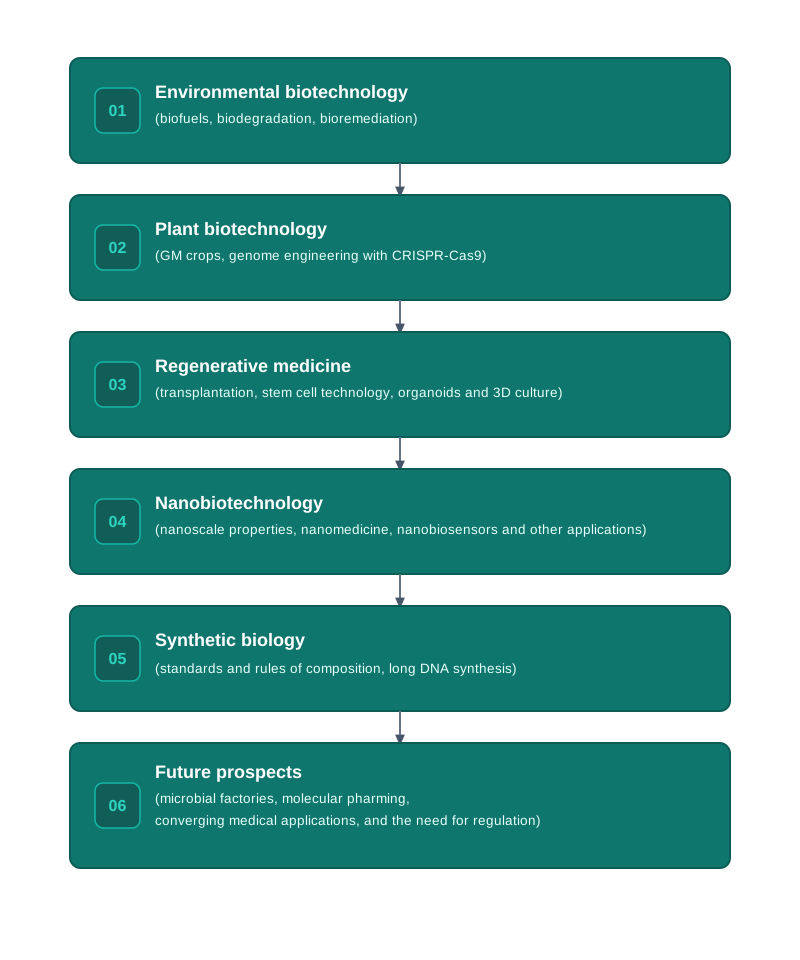
Fig. 12.30 – Summary of the chapter’s fields.
12.8 Key Terms
- Environmental biotechnology — The use of naturally occurring or genetically engineered biological systems to prevent, monitor and reverse damage to the environment.
- Bioremediation — The use of microorganisms to reduce the toxicity of chemical pollutants, including heavy metals, present in contaminated soil or water.
- Bioavailability (of a contaminant) — The extent to which a pollutant is physically accessible to microorganisms, which decides whether a bioremediation strategy can work at all.
- Biofuel — A fuel obtained from biological material, either from living organisms or from waste derived from biological products.
- Agrofuel — A biofuel obtained from crops grown specifically for the production of fuel.
- Biodiesel — A liquid biofuel made from fats and oils by trans-esterification, which can be used directly in regular diesel engines.
- Trans-esterification — The reaction in which large triglyceride molecules of fats and oils are broken down with an alcohol into smaller fatty acid esters, releasing glycerol.
- Bioalcohol — An alcohol fuel, such as bioethanol, produced from sugar-rich or starch-rich raw materials by fermentation, followed by distillation and drying.
- Micro algae — Microscopic photosynthetic algal forms explored as a renewable, non-edible source of biofuel.
- Macro algae — Large multicellular plant-like algae, commonly called seaweeds, whose oil and sugar content varies between varieties.
- Biogas — A gaseous biofuel consisting mainly of methane and carbon dioxide, produced by the anaerobic breakdown of organic material by bacteria.
- Anaerobic digester — The sealed, air-free vessel in which organic waste is broken down by bacteria to produce biogas and bio-manure.
- Biomass (solid biofuel) — Solid fuels of biological origin, such as wood, sawdust, charcoal, agricultural waste and dried manure, which can be burnt directly for energy.
- Biodegradation — The breakdown of complex waste materials into simpler substances by the action of living organisms, chiefly microorganisms.
- Bioplastics — Materials made from biological sources such as corn starch, seaweeds, natural biopolymers and natural rubber, used in place of plastics made from fossil fuels.
- Polyhydroxybutyrate (PHB) — A biodegradable plastic produced commercially by fermentation with Alcaligenes eutropus, and also produced in transgenic plants.
- Biopulping — The treatment of wood chips with lignin-degrading fungi before pulping, which reduces the energy and chemicals needed to make paper.
- Biobleaching — The use of enzymes such as xylanase to reduce the quantity of chlorine required in bleaching paper pulp.
- Enhanced Oil Recovery (EOR) — The stage of oil production in which residual oil left after the primary and secondary phases is extracted, and whose efficiency can be improved using microbes and their metabolic products.
- Superbug — A genetically engineered bacterium, such as an engineered Pseudomonas, able to degrade several components of crude oil and used to clean up oil spills.
- Plantibodies — Antibodies produced in plants through plant biotechnology.
- Herbicide tolerant GM crop — A crop engineered to survive a non-selective herbicide, usually by over-producing or altering the herbicide’s target enzyme in the chloroplast.
- Viral coat protein strategy — A method of producing virus resistance by introducing the gene for the outer coat protein of a virus into a plant, where it acts like a vaccine without causing disease.
- Defensins — Antimicrobial proteins found in insects, mammals, crustaceans, fish and plants, which enhance a plant’s tolerance to pathogens.
- Cry protein (delta-endotoxin) — The insecticidal crystal protein from Bacillus thuringiensis which binds specifically to a receptor protein in the insect gut, destroying its cells and killing the insect.
- Gene pyramiding (stacking) — The placing of two or more useful genes in a single crop plant, so that the trait is harder for a pest to overcome and more than one problem is solved at once.
- Marker-assisted breeding — Conventional breeding guided by genetic markers linked to a desired gene, which produces improved varieties that are not transgenic.
- Antisense RNA technology — A method of silencing a gene by producing an RNA strand complementary to its messenger RNA, so that the protein is not made.
- Biofortification — The raising of the nutritional content of a crop itself, so that the nutrient reaches people through the food they already eat.
- CRISPR-Cas9 — A genome editing system in which a guide RNA carries the Cas9 enzyme to a matching DNA sequence, where the DNA is cut so that the sequence can be edited.
- Guide RNA — The short RNA designed to match a chosen DNA sequence and direct the Cas9 enzyme to that exact site in the genome.
- Off-target effect — An unintended edit made when Cas9 cuts at a site that resembles the intended target but lies elsewhere in the genome.
- Regenerative medicine — The branch of medicine that restores lost function by replacing damaged cells, tissues or organs, and by protecting diseased cells from further death.
- Transplantation — The replacement of a diseased or lost organ, tissue or group of cells with a healthy one.
- Autograft — Transplantation of cells, tissues or organs between sites within the same individual, such as a skin graft.
- Allograft — Transplantation of organs or tissues from a donor to a non-genetically identical individual of the same species.
- Xenograft — Transplantation of an organ or tissue between two different species, such as pig valves used in the human heart.
- Hydrogel (Matrigel) — A soft three-dimensional gel resembling the natural matrix around cells, within which stem cells can be grown and coaxed into forming organised clusters.
- Organoid — A very small, self-assembled, three-dimensional tissue culture grown from stem cells, which reproduces part of the organisation and some of the functions of a real organ.
- Pluripotent stem cells (PSCs) — Stem cells able to give rise to many cell types, and one of the two sources from which organoids are created.
- Adult stem cells (ASCs) — Stem cells present in mature tissue, which can also be used to generate organoids.
- 3D cell culture system — A culture system in which cells grow in three dimensions, so that a cell’s position within the mass determines its access to nutrients and drugs, as happens in vivo.
- Spheroid — A rounded multicellular aggregate of cells formed without the ordered self-assembly and matrix dependence of an organoid.
- Tumor sphere — A spheroid obtained from tumour tissue, used as a model of cancer stem cell expansion.
- Hanging drop method — A technique in which cells suspended in an inverted drop cannot attach to any surface and therefore aggregate into a spheroid.
- Human-on-a-chip — A larger multiplexed system in which multiple tissue or organ models are combined for high-throughput study.
- 3D bioprinting — The computer-controlled, layer-by-layer printing of a bioink of cells and polymers to build tissue to dimensions calculated from a CT or MRI scan.
- Nanoscience — The study of materials in the nanoscale range, that is, sizes measured in nanometres and below one micron.
- Nanotechnology — The technology of making and using materials in the nanoscale range.
- Nanobiotechnology — The application of nanotechnology within the field of biotechnology.
- Nanomedicine — The use of nanotechnology in medicine for diagnosis, drug or gene delivery, and therapy.
- Fullerene (C₆₀) — A carbon nanostructure in which sixty carbon atoms form a closed, ball-like molecule about 1 nm across.
- Graphene — A carbon nanostructure consisting of a flat, single-atom-thick sheet of carbon atoms.
- Quantum dots (QDs) — Fluorescent CdSe nanocrystals whose colour of fluorescence depends on their size and does not quench on exposure to light.
- Drug Delivery System (DDS) — A nanotechnology-based system in which a drug is carried inside nanoparticles or nanocarriers to the diseased site, raising availability there and lowering toxicity elsewhere.
- Liposome — A spherical vesicle made of one or more phospholipid bilayers, used to carry a drug with reduced toxicity and higher efficacy.
- Enhanced permeability and retention (EPR) effect — The accumulation and retention of small drug-loaded nanocarriers inside a tumour, because tumour blood vessels have gaps and fenestrations that healthy vessels do not.
- Nanobiosensor — A nanotechnology-based sensor for detecting biological molecules, which may serve as biomarkers of disease.
- Lab on a Chip — A device combining nanotechnology and microfluidics so that many tests can be carried out simultaneously on a very small volume of sample.
- Reductionist approach — The study of an organism by breaking it down step by step, from the whole organism to tissues, organelles and molecules.
- Synthetic biology — A rational design approach of constructing biological components leading to certain functions.
- Long DNA synthesis — The chemical synthesis of a series of genes or a whole construct in one step, allowing a plasmid designed on a computer to be ordered as real DNA.
- Microbial factory — A bacterial system engineered to synthesise chemicals, reducing the pollution caused by conventional chemical manufacture.
- Molecular pharming — The production of pharmaceutical proteins in plants, so that the crop itself serves as the manufacturing platform for the medicine.
12.9 Points to Ponder
- Biodiesel can be poured into an existing diesel engine, while ethanol at high blends demands that the engine itself be redesigned. How much does this single practical difference decide which fuel actually spreads, regardless of which one is scientifically better?
- Algae are non-edible, renewable, and can yield both biodiesel and bioalcohol — yet algal fuel is still not cost-effective. What would have to change, in cultivation, harvesting or drying, before algae could compete with petroleum?
- A biogas plant and a dung-cake fire begin with exactly the same raw material, but one releases particulate matter and polycyclic aromatic hydrocarbons indoors and the other does not. What does this suggest about the value of processing a fuel before burning it?
- Every country must decide how much farmland may be used to grow fuel rather than food. On what grounds should such a decision be made, and who should make it?
- Microbes that break down plastics have been found in nature, even though plastics have existed for less than a century. What does this tell you about how quickly enzymes and metabolic abilities can appear in microbial populations?
- Herbicide tolerance protects the crop but leaves the herbicide in use. Insect resistance through Bt protects the crop by removing the need to spray. Which strategy do you consider more sustainable over several decades, and why?
- Gene pyramiding assumes that a pest is unlikely to overcome two or more resistance genes at the same time. What would happen to that assumption if the same stacked variety were planted over very large areas, year after year?
- A marker-assisted bred variety and a transgenic variety may carry the identical resistance gene, yet only one of them is regulated as a GM crop. Is that distinction scientifically justified, or is it historical?
- CRISPR-Cas9 can edit a plant’s own genes without leaving any foreign DNA behind. If the resulting plant cannot be distinguished from a naturally occurring mutant, how should such a plant be regulated?
- Golden Rice was designed to correct a nutritional deficiency rather than to make farming easier. Why do you think a crop with such an aim still met resistance, and what would it take for a biofortified crop to be widely accepted?
- The shape a stem cell is allowed to take can decide whether it becomes bone or fat. What does this imply about the importance of the physical environment, as against chemical signals, in controlling how cells develop?
- An organoid is more realistic than a flat culture but far more expensive and harder to reproduce. When should a researcher accept the extra cost, and when is a simple monolayer good enough?
- A xenograft solves the shortage of donor organs but raises questions of animal welfare and of viruses crossing species. Weigh these against the certainty that patients on waiting lists will die without an organ.
- Gold does not change chemically when it is divided into nanoparticles, yet it changes colour, reactivity and behaviour. How comfortable should we be in assuming that a material judged safe in bulk is also safe in its nanoform?
- Nanoparticles reach soil and water from textiles, sunscreens and packaging long after the product has been used. Who should be responsible for studying and controlling this — the manufacturer, the regulator, or the consumer?
- A point-of-care nanobiosensor can bring a diagnostic test to a village with no laboratory. What else, besides the device itself, would be needed for such a test to actually improve health outcomes there?
- Synthetic biology asks whether organisms can be built the way bridges are built. What is genuinely different about a living system that might make engineering principles harder to apply?
- A DNA sequence can now be emailed and delivered as a molecule. What is gained by treating biological material as information, and what new responsibilities does that shift create?
- The same knowledge that designs a vaccine can design a pathogen. Since restricting the knowledge would also block the defensive uses, what combination of safeguards do you think is workable?
- Producing artemisinin in engineered microorganisms saves a plant from being stripped from the wild, but also removes an income from the farmers who used to grow it. How should such trade-offs be weighed when a natural product is shifted into a fermenter?
- Biotechnology research needs entrepreneurship to reach people at all. Does the involvement of business change the questions scientists choose to ask, and if so, is that a strength or a risk?
12.10 NCERT Questions
- What are the advantages of biodiesel?
- Enlist the differences between biodegradation and bioremediation.
- Explain how biofuel is better than fossil fuels.
- Enumerate the challenges in growing 3D cultures.
- What are the applications of stem cells in generating organoids and spheroids?
- What are nanomaterials?
- Are there specific health risks from nano products?
- Organoids can be created from:
- Both Totipotent and Pluripotent Cells
- Both Pluripotent and Multipotent Cells
- Both Adult Stem Cells and Pluripotent Cells
- Both Adult Stem Cells and Multipotent Cells
- Incineration is:
- Extracting metals from their ores using microbes
- Treating waste, which involves the combustion of organic substances
- Degrading harmful chemicals and materials using microbes
- Remediation of harmful metals from the environment using microbes
- Ultra small, self-assembled, three dimensional tissue cultures derived from stem cells are called:
- Spheroids
- Organoids
- Monolayer Cells Culture
- Tissue Explants
- What is the colour of the nano gold particles?
- Yellow
- Orange
- Red
- Variable
- Quantum dots can be used in:
- Crystallography
- Optoelectronics
- Mechanics
- Quantum physics
- Fabrics are extensively made out of nano materials like ___________.
- Carbon nano tubes
- Fullerenes
- Mega tubes
- Polymers
- Assertion: Bt cotton is a transgenic plant. Reason: Bt toxin provides resistance to plants against insects.
- Both assertion and reason are true and the reason is the correct explanation of the assertion.
- Both assertion and reason are true but the reason is not the correct explanation of the assertion.
- Assertion is true but reason is false.
- Both assertion and reason are false.
- Assertion: Biodiesel is made from raw materials such as vegetable oils, animal fats, etc. Reason: Biodiesel reduces the particulate emissions from unburnt carbon.
- Both assertion and reason are true and the reason is the correct explanation of the assertion.
- Both assertion and reason are true but the reason is not the correct explanation of the assertion.
- Assertion is true but reason is false.
- Both assertion and reason are false.
12.11 Objective Questions
- The process used to convert vegetable oils and animal fats into biodiesel is:
- Fermentation
- Trans-esterification
- Anaerobic digestion
- Distillation
- Biodiesel produces fewer particulate emissions than fossil diesel mainly because it contains:
- More carbon and less oxygen
- More sulfur and less nitrogen
- Higher hydrogen and oxygen and less carbon
- Higher nitrogen and less hydrogen
- The percentage of ethanol permitted in ethanol blended petrol sold by oil marketing companies in India is up to:
- 2%
- 5%
- 10%
- 30%
- Which of the following is NOT a step in the production of bioalcohol?
- Release of sugars from stored starch or cellulose
- Fermentation of sugars by microorganisms
- Trans-esterification of the fermented broth
- Distillation and drying
- Biogas mainly consists of:
- Methane and carbon dioxide
- Methane and hydrogen sulfide
- Ethanol and carbon dioxide
- Hydrogen and carbon monoxide
- The three important functions served by biogas generation are:
- Waste removal, environmental management and energy production
- Waste removal, metal recovery and energy production
- Energy production, water purification and pest control
- Environmental management, energy production and soil erosion control
- The harmful pollutants released on combustion of biomass or solid biofuel include:
- Chlorofluorocarbons and ozone
- Particulate matter and polycyclic aromatic hydrocarbons
- Methane and hydrogen sulfide
- Heavy metals and dyes
- Polyhydroxybutyrate (PHB) is produced commercially by fermentation with the bacterium:
- Erwinia carotovora
- Bacillus thuringiensis
- Alcaligenes eutropus
- Pseudomonas syringae
- Biopulping in the paper industry refers to the treatment of wood chips with:
- Lignin-degrading fungi
- Cellulose-degrading bacteria
- Xylanase and chlorine together
- Caustic soda and sulfur
- Which of the following is one of the three key principles considered while selecting a bioremediation strategy?
- The market value of the recovered metal
- The bioavailability of the contaminant to micro-organisms
- The depth of the water table at the site
- The number of plant species growing at the site
- In herbicide tolerant GM crops, the most commonly employed strategy is:
- Silencing of the herbicide target enzyme in the root
- Over-production of the herbicide target enzyme, usually in the chloroplast
- Insertion of a gene that destroys the weed’s chloroplasts
- Transfer of a viral coat protein gene into the crop
- The gene Rpi-vnt1.1, transferred to potato to provide resistance against late blight, is isolated from:
- Solanum venturi
- Phytophthora infestans
- Botrytis cinerea
- Verticillium dahlia
- Cry proteins kill insects by:
- Blocking photosynthesis in the leaf the insect feeds on
- Binding specifically to a receptor protein in the insect gut and destroying its cells
- Digesting the chitin of the insect exoskeleton
- Preventing the insect from moulting
- Bangladesh became the first country in the world to approve the commercial planting of:
- Bt cotton
- Golden Rice
- Bt brinjal
- Roundup Ready soybean
- Varieties produced by combining modern genetic markers with conventional breeding, such as the nematode-resistant soybean, are:
- Transgenic
- Not transgenic
- Gene edited using CRISPR-Cas9
- Produced by antisense RNA technology
- In the tomato listed among biofortified GM crops, increased shelf life is achieved by:
- Over-expression of polygalactouronase
- Expression of polygalactouronase in antisense orientation
- Down-regulation of fatty acid desaturase
- Introduction of phytoene synthase
- In the CRISPR-Cas9 system, the component that recognises and binds the target DNA sequence is:
- The Cas9 enzyme
- The guide RNA
- A restriction enzyme
- DNA ligase
- Transplantation of a tissue between two different species, such as the use of pig valves in humans, is called:
- Autograft
- Allograft
- Xenograft
- Isograft
- Stem cells are coaxed into forming organised clusters of cells when placed within:
- A monolayer culture flask
- A hydrogel, often Matrigel, with suitable exogenous factors
- A suspension of antibiotics
- A tissue explant taken from a tumour
- Which of the following distinguishes organoids from spheroids?
- Organoids are two-dimensional, spheroids are three-dimensional
- Organoids show ordered self-assembly and are more dependent on a matrix
- Spheroids are derived only from pluripotent stem cells
- Spheroids cannot be used for drug screening
- Spheroid formation can be induced by all of the following EXCEPT:
- Hanging drop method
- Non-adherent surface methods
- Suspension culture
- Trans-esterification
- ‘Dermagraft’, used for diabetic ulcer, is:
- A patch of allogenic fibroblast dermal substitute
- An autologous cartilage cell implant
- An autologous platelet preparation
- A liposomal antifungal preparation
- The diameter of a DNA molecule, as shown in the concept of scales, is about:
- 0.1 nm
- 1 nm
- 2 nm
- 100 nm
- Gold nanoparticles smaller than 30 nm appear:
- Golden yellow
- Ruby red
- Pink
- Colourless
- Quantum dots used in fluorescence based diagnostic tests are nanocrystals of:
- Zinc oxide
- Titanium oxide
- Cadmium–selenium
- Calcium phosphate
- In the EPR effect, drug-loaded nanocarriers accumulate in a tumour because:
- Tumour cells actively pump the nanocarriers inwards
- The endothelial cells of tumour vessels have gaps or fenestration, making them leaky
- The lymphatic system delivers the carriers to the tumour
- The nanocarriers dissolve only at the pH of healthy tissue
- Nanoparticles used in sunscreen preparations for protection against ultraviolet light are:
- Zinc oxide and titanium oxide
- Gold and silver
- Iron oxide and copper
- Calcium phosphate and ceramic
- The ‘Lab on a Chip’ concept combines nanotechnology with:
- Tissue explants
- Microfluidics
- Anaerobic digestion
- Antisense RNA technology
- Synthetic biology was announced as a third major approach to studying organisms in:
- June 1999
- June 2004
- June 2010
- June 2014
- To make engineering of organisms possible, synthetic biology requires the building of:
- Standards and rules of composition
- Larger fermenters and faster centrifuges
- New restriction enzymes and ligases
- Non-adherent culture surfaces
- Using long DNA synthesis, obtaining a recombinant vector that would normally take six months to a year can now be completed in:
- Less than a week
- Less than a month
- About three months
- About five months
- Bioremediation treatment technologies for contaminated soils and groundwater include all of the following EXCEPT:
- Solid-phase biotreatment
- Slurry-phase treatment
- In situ treatment
- Hanging drop treatment
- Assertion: Algae are being explored as a source of biofuel even though algal fuel is not yet cost-effective. Reason: Algae are non-edible and can therefore serve as an alternative to food crops such as corn, sugarcane and soybeans.
- Assertion: A biogas digester must be kept sealed and free of air. Reason: Biogas is produced by the breakdown of organic material with the help of bacteria under anaerobic conditions.
- Assertion: Transferring the gene for a viral coat protein into a plant can protect it against that virus. Reason: The coat protein is a part of the outer shell of the virus that does not itself cause disease.
- Assertion: Two or more genes are pyramided in a single crop plant for insect resistant crop improvement. Reason: Bt cotton is the only transgenic plant permitted for commercial cultivation in India.
- Assertion: An autograft is not rejected by the recipient’s immune system. Reason: In an autograft the tissue is transplanted between sites within the same individual.
- Assertion: 3D cell culture systems predict drug response more realistically than monolayer cultures. Reason: In a monolayer, every cell has the same unlimited access to nutrients and growth factors, which is not the case inside a real tissue.
- Assertion: Converting a bulk material into nanoparticles greatly increases its surface reactivity. Reason: Reducing the diameter of the particles increases the total surface area of the same mass of material enormously.
- Assertion: Amphotericin B shows lower toxicity and higher efficacy when delivered in liposomes. Reason: A liposome is a spherical vesicle consisting of one or more phospholipid bilayers.
- Assertion: In synthetic biology, a plasmid can be designed on a computer and received as a real recombinant vector. Reason: A DNA molecule can be completely represented as a text file of nitrogen bases and then chemically synthesised.
- Assertion: Strict regulation and ethical practice are considered especially important in synthetic biology. Reason: Synthetic biology may also be used to create new viruses that give rise to new diseases and to design bioweapons.
12.12 Check Your Concepts
- Environmental biotechnology is described as having four approaches. Name them, and explain why this chapter treats prevention rather than clean-up as the more economical of the two main strategies.
- Why can raw vegetable oil not simply be poured into a diesel engine? Explain what trans-esterification changes about the molecule and why that change matters for combustion.
- Biodiesel is said to burn more completely than fossil diesel. Relate this to its hydrogen, oxygen and carbon content, and state what visible sign of incomplete combustion is thereby reduced.
- Arrange the following steps of bioalcohol production in the correct sequence and give a one-line reason for the position of each: distillation; fermentation of sugars by microorganisms; drying; treatment to release sugars from starch or cellulose.
- A student suggests that the pre-treatment step in bioalcohol production could be skipped if a larger quantity of microorganisms were added. Explain why this would not work.
- Ethanol is renewable and reduces greenhouse gas emissions, yet high ethanol blends require changes to the engine. Explain the practical problems that make these changes necessary.
- Compare micro algae and macro algae as sources of biofuel, and explain why algae are considered preferable to corn or sugarcane despite currently being more expensive.
- A biogas digester in a village stops producing gas after a crack develops in its wall, although the organic waste inside is still disappearing steadily. Explain both observations.
- Biogas generation is said to serve three functions at once. Name them, and explain why this makes a biogas plant particularly suitable for a rural household that keeps cattle.
- Both a biogas plant and a dung-cake fire use the same raw material. Explain, in terms of the pollutants released, why the biogas plant is better for the health of the family using it.
- Why do plastics and fluorinated carbons take hundreds of years to decompose, while leaves and crop waste decompose in weeks? Frame your answer in terms of the enzymes available in the environment.
- In the transgenic Arabidopsis engineered for PHB production, the PHB globules accumulated in the chloroplasts without affecting plant growth and development. Explain why this last observation was essential to the success of the strategy.
- Distinguish between biopulping and biobleaching. For each, state the biological agent used and the chemical or resource whose use it reduces.
- GM trees producing less lignin, and biopulping with lignin-degrading fungi, are described as approaching the same problem from opposite directions. Explain what this means.
- Enhanced Oil Recovery is described as a third stage of oil production. What is recovered at this stage that the earlier stages could not obtain, and how do microbes and their metabolic products assist?
- State the three key principles considered while selecting a bioremediation strategy, and explain what would go wrong at a contaminated site if the second of these were ignored.
- Compare biodegradation and bioremediation under the headings: meaning, chief aim, typical targets, and relationship to each other.
- Why are herbicides such as glyphosate described as non-selective, and what problem does this create for the farmer? Explain how a herbicide tolerant GM crop solves it.
- Explain why the herbicide target enzyme is usually over-produced in the chloroplast of the crop plant rather than elsewhere in the cell.
- A viral coat protein is said to act ‘like a vaccine’ in a transgenic plant. Explain the comparison, and state clearly what is transferred into the plant and what is not.
- Chitinase from insects is transferred to apple to provide resistance against apple scab fungus. Explain why an enzyme that digests chitin damages the fungus but not the plant.
- Defensins occur in insects, mammals, crustaceans, fish and plants. Explain why a defensin taken from alfalfa could function usefully when placed in a potato, and name the fungal pathogen against which the first such transgenic potato was resistant.
- Cry protein is described as binding ‘specifically’ to a receptor protein in the insect gut. Explain why this single word is central to the safety argument for Bt crops.
- Explain the reasoning behind gene pyramiding. What would you expect to happen to a crop protected by a single insecticidal gene if it were grown over a very large area for many years?
- Wild relatives of crops often carry excellent resistance genes but give poor yields. Explain how marker-assisted breeding overcomes this difficulty, and state why the resulting variety is not transgenic.
- Explain how antisense RNA technology switches off a gene without removing it from the genome, and apply this explanation to the tomato with increased shelf life listed in Table 12.1.
- Golden Rice carries genes encoding phytoene synthase, carotene desaturase and lycopene beta-cyclase. What is the end product of this pathway, and what benefit does it provide?
- Draw and label a simple diagram of the CRISPR-Cas9 system acting on a target gene. Your labels must include the target DNA, the guide RNA and the Cas9 enzyme, and you should mark the site at which the DNA is cut.
- What is meant by an off-target effect in genome editing? Explain why this concern makes careful screening of edited plants necessary before their release.
- Compare an autograft, an allograft and a xenograft under the headings: source of tissue, genetic match, risk of rejection, and one example of each.
- Why can a damaged liver or pancreas not repair itself fully after major damage? Relate your answer to the properties of differentiated cells, and explain how stem cell technology addresses this limitation.
- What is the role of the hydrogel in organoid culture? Explain why a flat plastic surface cannot substitute for it.
- Mesenchymal stem cells from bone marrow become adipocytes when round and osteoblasts when widely spread. What general principle about the control of differentiation does this example illustrate?
- Arrange the following in the correct order for producing an organoid, and explain the purpose of each step: supply exogenous growth factors; isolate stem cells; self-organisation into three-dimensional clusters; embed in hydrogel; long-term culture and analysis.
- Explain why a cancer drug that kills tumour cells efficiently in a monolayer culture may perform poorly against a solid tumour, and state which application of organoid research addresses precisely this problem.
- Compare organoids and spheroids under the headings: manner of formation, dependence on a matrix, source cells, and typical use.
- In the hanging drop method, why must the drop be inverted, and why is a reservoir of medium placed beneath it? Explain what would happen if either condition were not met.
- Carticel, laViv and platelet-based wound healing all use autologous cells, whereas Dermagraft uses allogenic fibroblasts. Explain the immunological significance of this difference.
- Three-dimensional culture is more realistic than two-dimensional culture but is used less often. Explain the challenges that limit its use.
- Why is the nanoscale described as the scale at which biology already operates? Support your answer with the sizes of DNA, a protein and a virus as given in the concept of scales.
- Gold does not change chemically when converted into nanoparticles, yet its colour changes with particle size. State the colours observed at different size ranges, and explain what this demonstrates about nanomaterials in general.
- Using the relation between surface area and diameter for a sphere, explain why the same mass of a material becomes far more reactive when it is divided into smaller nanoparticles.
- Fullerene, single wall carbon tube, multiwall carbon tube and graphene are all made of carbon alone. Explain how they differ, and what this tells you about the relationship between structure and property at the nanoscale.
- Why is the fact that quantum dot fluorescence does not quench with light so useful in a diagnostic test? Explain also why several different sizes of quantum dots may be used together in one test.
- Explain why conventional systemic drug administration requires a higher dose than a nanocarrier-based delivery system, and state the consequence of that higher dose for organs other than the diseased one.
- Describe the EPR effect. Why must the nanocarriers used be of a size around 20 to 30 nm, and what would be lost if much larger carriers were used?
- Draw and label a diagram showing the accumulation of drug-loaded nanoparticles in a tumour. Your labels must include healthy tissue, blood vessel, endothelial cells, nanoparticle and tumour tissue.
- A point-of-care nanobiosensor is described as low cost, effective at the bedside, and usable with a small volume of test material. Explain how each of these three advantages follows from working at the nanoscale.
- Distinguish between the reductionist approach and synthetic biology in terms of the direction of work, the central activity, and what each produces.
- Synthetic biology requires standards and rules of composition before organisms can be engineered. Explain, using an analogy from electronics or construction, why these two requirements are necessary.
- Distinguish between the top-down and bottom-up strategies of synthetic biology, and state which of them is described as creating a new form of life.
- Arrange the levels of the synthetic biology hierarchy from the simplest to the most complex — devices, constituents, systems, parts, modules — and give one example of each as shown in the chapter.
- Explain how a plasmid can be edited in the computer and delivered as a real recombinant vector. Why does this shift represent a change in the way genetic engineering is practised, and what part of the older workflow does it not replace?
- Explain what is meant by a microbial factory, and why shifting a chemical synthesis from a factory reactor into a bacterial cell is described as reducing pollution at its source.
- Why is molecular pharming considered especially promising for low-income countries? Explain the meaning and the value of ‘needle-free deployment’ in this context.
- Match the following:
| Column A | Column B |
|---|---|
| a. Xylanase | i. Insecticidal crystal protein |
| b. Cry protein | ii. Fluorescent nanocrystal |
| c. Matrigel | iii. Biobleaching of paper pulp |
| d. Quantum dot | iv. Guide RNA-directed genome editing |
| e. Cas9 | v. Hydrogel used in organoid culture |
- Match the following:
| Column A | Column B |
|---|---|
| a. Alcaligenes eutropus | i. Late blight of potato |
| b. Phytophthora infestans | ii. Blackleg and soft rot of potato |
| c. Erwinia carotovora | iii. Commercial production of PHB |
| d. Bacillus thuringiensis | iv. Infection controlled by resveratrol in wheat and barley |
| e. Botrytis cinerea | v. Source of insecticidal Cry protein genes |
- A laboratory sets up an organoid culture but leaves out the exogenous growth factors, using the hydrogel alone. Predict the outcome and explain the role that has been lost.
- A team preparing a sunscreen selects gold nanoparticles instead of zinc oxide and titanium oxide nanoparticles. Identify the error in this choice and justify the correct selection.
- A student describes marker-assisted breeding as ‘a faster way of making transgenic plants’. Identify what is wrong with this description and rewrite it correctly.
- Trace one idea — the ability to move a gene from one organism into another — through four different sections of this chapter, giving one example from each and stating what problem it solved in that context.
12.13 Case-Based Questions
- A dairy farmer in a village keeps eight cattle and currently cooks on an open fire using dung cakes. The women of the household complain of persistent coughing and eye irritation, and the family also spends a substantial amount each month refilling an LPG cylinder. An extension officer proposes installing a small biogas plant fed with cattle dung and kitchen waste, and explains that the digested slurry can be spread on the fields.
- Explain why the smoke from the dung-cake fire causes the health complaints described, naming the two kinds of pollutants involved.
- Describe what happens inside the digester, and state clearly why it must be sealed against air.
- Identify the three functions that the biogas plant serves for this household.
- The officer warns the farmer not to use biogas as a fuel for his tractor. Give the reason.
- A paper mill produces pulp by cooking wood chips under pressure with caustic soda and sulfur, and then bleaches the pulp with chlorine. The mill faces two problems: a rising energy bill, and objections from villagers downstream about the quality of its effluent. Its technical team proposes three changes — pre-treating the wood chips with lignin-degrading fungi, using xylanase before the bleaching stage, and buying part of its raw material as bagasse instead of wood.
- Name the two processes proposed in the first two changes, and state the resource each one saves.
- Explain the role of lignin in wood and why it must be separated from the cellulose fibres.
- How does the third change address a problem that neither of the first two can solve?
- A consultant suggests planting GM trees with reduced lignin content instead. Explain how this achieves the same end by a different route.
- An agricultural university runs a three-year trial on two cotton plots. Plot A is sown with a Bt variety carrying a single insecticidal gene. Plot B is sown with a variety in which the Bt gene has been stacked with a second gene for a different insect-resistance trait. For the first two years both plots show excellent protection. In the third year, damage by a bollworm population begins to appear in Plot A, while Plot B remains largely undamaged. The same herbicide, glyphosate, is sprayed over both plots, and both crops survive.
- Explain the mechanism by which the Cry protein kills the feeding larvae.
- Account for the appearance of damage in Plot A in the third year, and explain why Plot B was better protected.
- The crops survived glyphosate spraying although the weeds did not. Explain the strategy that makes this possible.
- Suggest one further trait that could usefully be stacked into such a variety, and justify your choice from the chapter.
- A plant breeder wishes to develop a nematode-resistant variety of soybean. A wild strain in the germplasm collection carries strong resistance but yields poorly. The breeder has access to a genetic marker linked to the resistance gene, and also to a laboratory offering CRISPR-Cas9 editing services. The seed company insists that the final variety must not be classified as a GM crop in the country where it will be sold.
- Outline the steps by which the breeder can obtain a resistant, high-yielding variety using the genetic marker.
- Explain what the marker actually allows the breeder to do that could not be done by eye.
- Justify, in terms of the company’s requirement, why the marker route was chosen over transferring the gene as a transgene.
- The laboratory argues that a CRISPR-edited plant may carry no foreign DNA at all. Explain why this claim has nevertheless not settled the regulatory question.
- A pharmaceutical company is testing a new anticancer molecule. In flat monolayer cultures of tumour cells the drug kills almost every cell at a low concentration. In an organoid model grown from patient-derived stem cells in Matrigel, the cells on the outside die but a core of surviving cells remains at the centre. In the animal study that follows, the tumour shrinks only slightly.
- Explain why the monolayer result was misleading, referring to the access each cell has to the drug.
- Explain what the organoid model reproduced that the monolayer could not.
- Name two other applications of organoid research besides the one illustrated here.
- The company’s finance team objects to the cost of organoid testing. Present the argument in favour of continuing with it.
- A 62-year-old patient with a defective heart valve is being counselled before surgery, and the surgeon explains that a valve from a pig may be used. In the same hospital, a young athlete with a cartilage injury is being treated by removing a cartilage fragment during surgery, expanding the chondrocytes in the laboratory, and implanting them back at the site of injury. A third patient with a chronic diabetic ulcer is being treated with a patch of fibroblast dermal substitute obtained from a donor.
- Classify each of the three procedures as an autograft, allograft or xenograft, with reasons.
- Rank the three by the expected risk of immune rejection, and justify your ranking.
- Name the therapies described in the second and third cases as given in the chapter.
- Suggest one reason why regenerative medicine, if it develops further, could reduce the need for the first kind of procedure.
- A hospital pharmacy stocks two preparations of the antifungal drug amphotericin B — a conventional formulation and a liposomal one — and two preparations of an anticancer drug, one free and one loaded into nanoparticles of about 25 nm. The clinical notes record that the liposomal antifungal causes fewer side effects, and that the nanoparticle anticancer preparation reaches the tumour at a higher concentration than the free drug at the same dose.
- Describe the structure of a liposome, and explain why it is well tolerated by the body.
- Explain the EPR effect, and why nanocarriers of about 25 nm accumulate in the tumour but not in healthy tissue.
- Explain why the nanoparticle preparation allows a smaller total dose of drug to be given.
- A colleague proposes using much larger carriers, of about 500 nm, in order to hold more drug. Predict the outcome and give your reasoning.
- A rural health worker is given a portable device the size of a card, on which a single drop of blood can be tested simultaneously for several disease biomarkers. The device combines nanoscale sensing elements with fine channels that split and direct the sample. Results appear within minutes, without any laboratory equipment, and the nearest testing laboratory is 70 km away.
- Name the concept on which this device is based, and identify the two technologies combined in it.
- Explain what a biomarker is, and why detecting one early can change the course of treatment.
- Explain how working at the nanoscale makes the device low in cost and usable with such a small sample.
- Besides the device itself, state two things that would still be needed for this technology to improve health outcomes in that village.
- A student team preparing for a synthetic biology competition designs a bacterial strain intended to detect arsenic in drinking water and produce a visible colour change. They design the construct on a computer, save it as a text file of bases, and email the sequence to a synthesis company. The company replies that the order must first pass a sequence screening check and that the identity of the institution will be verified. The vector arrives three weeks later.
- Explain how a plasmid designed on a screen can be delivered as a real DNA molecule, and state the time this saves compared with the older approach.
- Identify the two requirements — described in the chapter as necessary before organisms can be engineered — that allow the team to assemble standard parts into a working device.
- Explain why the synthesis company screens sequences and verifies customers before making an order.
- Place the team’s project in the hierarchy shown in Fig. 12.26, identifying which level their arsenic sensor represents and which levels lie below it.
- A state pollution control board is dealing with a site where an old factory has left the soil contaminated with chromium and cadmium, and where an adjacent groundwater plume is also affected. Excavation near the residential boundary is not permitted. A consultant offers four options: solid-phase biotreatment, slurry-phase treatment, in situ treatment, and a combination of biological, physical and chemical treatment.
- Recommend the most suitable option for the area where excavation is not permitted, and justify your choice.
- State the three key principles that must be considered before a bioremediation strategy is selected at this site.
- The consultant reports that the metals are tightly bound within soil particles. Which of the three principles does this observation concern, and what does it imply for the treatment chosen?
- Explain what is meant by enzyme-tailoring through recombinant DNA–RNA technologies, and how it could help at a site such as this one.
12.14 Practice With Data
- A transport company runs 40 buses, each consuming 60 L of petrol per day. The fuel used is ethanol blended petrol containing the maximum percentage of ethanol permitted for oil marketing companies in India. (a) Calculate the volume of ethanol consumed by the whole fleet in one day. (b) Calculate the volume of fossil petrol thereby saved in 30 days. (c) If the company instead used fuel blended at the level recommended by the BIS specification for the country as a whole, by how much would the daily ethanol consumption change?
- A European transport fleet uses the biodiesel blend that is widely used in many European countries, and consumes 12,000 L of blended fuel per week. (a) How many litres of biodiesel does this represent per week? (b) If the operator switched to pure biodiesel without blending, what additional volume of biodiesel would be needed each week for the same total fuel consumption? (c) State the property of biodiesel that makes such a switch possible without altering the engines.
- A biodiesel unit processes 500 kg of waste cooking oil per day by trans-esterification, and recovers biodiesel amounting to 92% of the mass of oil processed, the remainder being glycerol and losses. (a) Calculate the mass of biodiesel produced per day. (b) Calculate the mass of by-product and losses per day. (c) If the unit runs for 25 days in a month, calculate the monthly biodiesel output in kg.
- Under the National Biogas and Manure Management Programme, about 49.3 lakh biogas plants were installed in the country. Suppose each household plant saves, on average, 4 LPG cylinder refills in a year, and each refill costs ₹850. (a) Express 49.3 lakh in scientific notation. (b) Estimate the total annual saving on cylinder refills across all these plants. (c) State one benefit of these plants that cannot be expressed in rupees.
- A laboratory measures the daily biogas output of a digester at four operating temperatures.
| Temperature (°C) | Biogas produced (L per day) |
|---|---|
| 15 | 120 |
| 25 | 280 |
| 35 | 460 |
| 45 | 310 |
- Describe the trend shown by the data. (b) State the temperature at which the digester works best, and account for the fall at 45 °C in terms of the microorganisms involved. (c) Calculate the percentage fall in output when the digester temperature drops from its best value to 15 °C. (d) Explain why an operator should insulate a digester in winter.
- Using the sizes given in the concept of scales: (a) convert an atom (0.1 nm), the width of a DNA molecule (2 nm), a virus (100 nm), a bacterium (1 μm), a red blood cell (10 μm) and a grain of sand (1 mm) into metres in scientific notation, and arrange them from smallest to largest. (b) How many times wider than a DNA molecule is a virus? (c) How many times larger than a bacterium is a grain of sand?
- A sample of 1 mg of gold is converted entirely into spherical nanoparticles. Take the number of particles \(N\) obtained from a fixed mass to be inversely proportional to \(d^{3}\), where \(d\) is the particle diameter, and take the surface-area-to-volume ratio of a sphere as \(S/V = 6/d\). (a) Calculate the ratio of the number of particles formed at \(d = 10\) nm to the number formed at \(d = 500\) nm. (b) Calculate the factor by which the total surface area of the sample increases over the same change of diameter. (c) State the colour expected of the suspension in each of the two cases, and explain what this demonstrates about nanomaterials.
- A researcher prepares four batches of gold nanoparticles and records the observed colour.
| Batch | Mean particle diameter (nm) | Colour observed |
|---|---|---|
| I | 15 | ? |
| II | 25 | ? |
| III | 80 | ? |
| IV | 150 | ? |
- Predict the colour of each batch using the size ranges given in the chapter. (b) Which two batches would be hardest to distinguish by eye, and why? (c) State the property of gold that has changed across these batches, and the property that has not.
- A field of conventional maize requires 4,50,000 L of water over a full growing season. The same field is replanted with the GM maize CIEA-9 described in the chapter. (a) Calculate the water requirement of the GM crop for one season. (b) Calculate the volume of water saved. (c) If a farmer grows this crop on 6 such fields for 3 seasons, calculate the total water saved. (d) Name the technology used to obtain this trait.
- Consider the following entries drawn from the GM crops described in the chapter: transgenic Arabidopsis with up to 45% less lignin; eucalyptus giving 20% more wood and ready for harvest in five and a half years instead of seven; potato with 60% more starch; HB4® wheat with yield increased up to 20%.
- A mill receives 800 tonnes of conventional eucalyptus wood from a plantation of fixed area. What tonnage would the GM variety be expected to give from the same area? (b) By what percentage is the time to harvest reduced in the GM eucalyptus? (c) If a conventional potato crop yields 18 kg of starch per 100 kg of tubers, what yield would be expected from the GM variety? (d) A wheat farmer harvests 32 quintals per hectare with a conventional variety; estimate the harvest with the HB4® variety.
- In a field trial, the incorporation of resistance genes in potatoes produced up to 70 per cent nematode resistance. A trial plot of 500 plants of the non-transgenic variety showed 340 plants with nematode damage. (a) Calculate the percentage of damaged plants in the non-transgenic plot. (b) If the resistance achieved in the transgenic plot reduces this damage by the maximum figure quoted, how many of 500 transgenic plants would be expected to show damage? (c) Explain why a field trial result is quoted as ‘up to’ a value rather than as a single figure.
- A hospital compares two preparations of an anticancer drug. The free drug requires a dose of 175 mg per square metre of body surface area to reach an effective concentration in the tumour. A nanoparticle preparation using carriers of 25 nm reaches the same tumour concentration at 40% of that dose. (a) Calculate the dose of the nanoparticle preparation for a patient with a body surface area of 1.7 m². (b) Calculate the reduction in the total drug administered, in mg, compared with the free drug. (c) Explain, using the EPR effect, why the smaller dose is sufficient. (d) State the consequence of this dose reduction for organs other than the tumour.
- A team characterises five batches of CdSe quantum dots.
| Batch | Nanocrystal diameter (nm) | Fluorescence colour |
|---|---|---|
| A | 6 | Red |
| B | 5 | Orange |
| C | 4 | Yellow |
| D | 3 | Green |
| E | 2 | Blue |
- Describe the relationship between nanocrystal diameter and the colour of fluorescence emitted. (b) A single test must label four different disease biomarkers at once; explain how these batches make this possible. (c) After two hours of continuous illumination the signal from all five batches is unchanged. Explain why this behaviour is an advantage over conventional fluorescent dyes.
- A laboratory records the time and cost of obtaining a recombinant vector by two routes. Constructing plasmids and loading them with genes takes 8 months at a cost of ₹1,20,000, while designing the plasmid on a computer and ordering the synthesised construct takes 25 days at a cost of ₹75,000. Take 1 month as 30 days. (a) Calculate the time saved, in days and as a percentage of the traditional route. (b) Calculate the percentage reduction in cost. (c) If the laboratory builds 12 such constructs in a year, calculate the total saving in time and in money. (d) State one step of the traditional workflow that the new route does not remove.
- An effluent sample from a contaminated site is analysed before and after six months of bioremediation.
| Heavy metal | Concentration before (mg L⁻¹) | Concentration after (mg L⁻¹) |
|---|---|---|
| Cr | 4.80 | 1.20 |
| Cd | 2.50 | 1.75 |
| Zn | 6.00 | 0.90 |
- Calculate the percentage reduction achieved for each metal. (b) Which metal responded least well to the treatment? (c) Using the three key principles of bioremediation, suggest two possible reasons for this poorer response. (d) Suggest, with justification, what change in strategy the site manager might consider for that metal.