Chapter 10: Bioprocessing and Biomanufacturing
In the early 1940s, doctors in Britain and the United States had in their hands a drug that could stop deadly bacterial infections — and almost none of it to give. Penicillin was being grown much the way a school laboratory grows a mould: in shallow pans, milk bottles and flat flasks, with the fungus sitting as a mat on the surface of the liquid. A single seriously ill patient needed more of the drug than a whole roomful of such vessels could yield in a week. Doctors even recovered the unused drug from patients’ urine so that it could be given again.
By then the problem was no longer a biological one. It had become an engineering one. Scientists at a government research laboratory in Peoria, Illinois, working alongside British researchers, asked a different question: could the mould be made to grow throughout the liquid, deep inside a large stirred tank, instead of only on its surface? They rebuilt the growth medium around corn-steep liquor, hunted for higher-yielding strains — the best of them came from a mouldy cantaloupe bought at a local market — and pushed sterile air through vessels holding thousands of litres. Within a few years, production rose from a handful of doses to a supply large enough to treat wounded soldiers on a battlefield scale.
That shift, from flask to tank, is where this chapter begins.
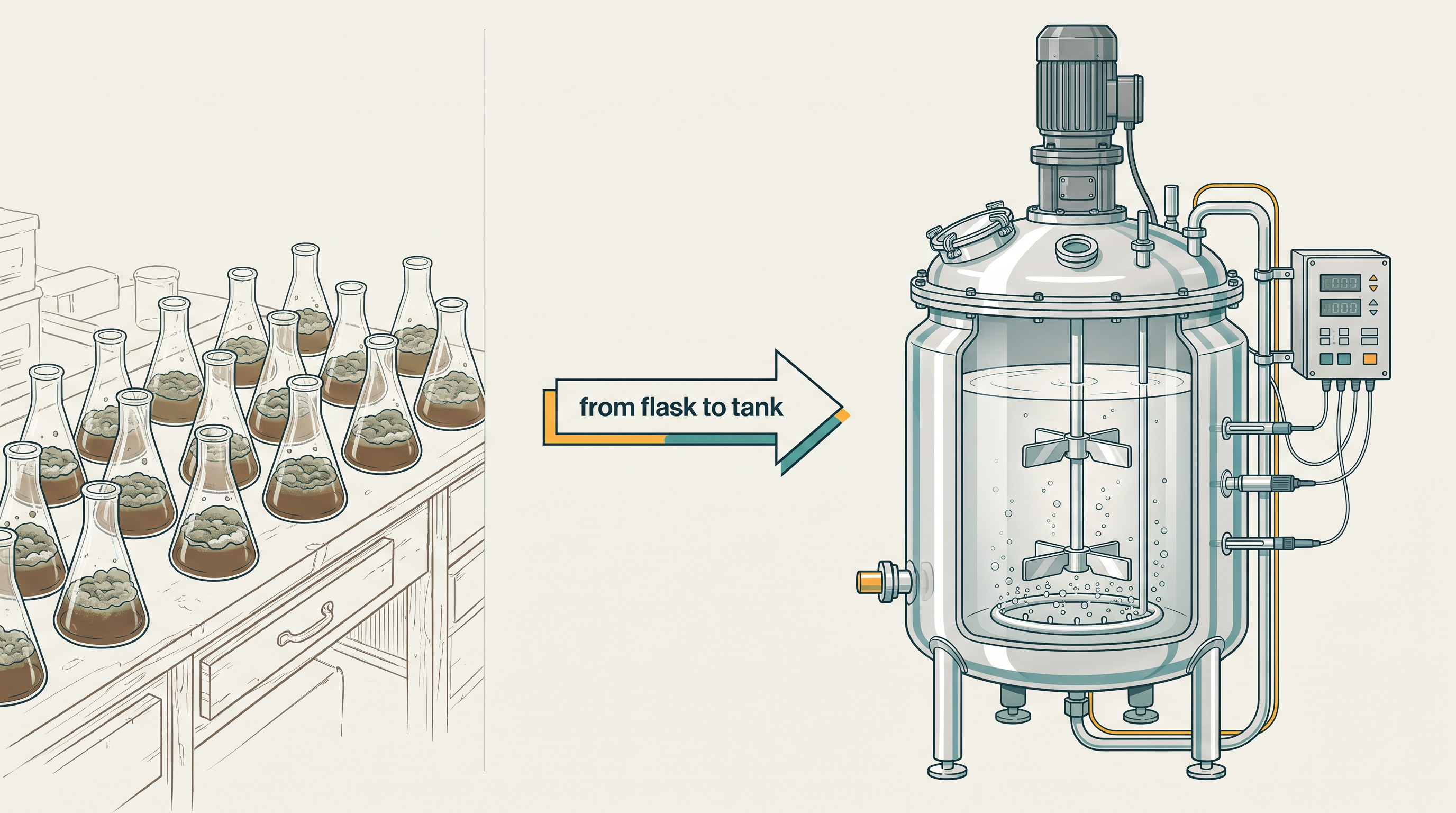
Fig. 10.0 – From flask to tank in biomanufacturing.
Keep these five questions in mind as you read. Each one of them will be answered somewhere in this chapter.
10.1 Historical Perspective
Products You Already Use Every Day
Long before anyone used the word “biotechnology”, people were already putting living organisms to work. Curd and yoghurt, idli batter, kinema, and industrial ethanol are all made by allowing microbes to grow in a suitable material and change it chemically.
In each of these cases the microbe is not simply sitting there. It is carrying out its own metabolism, and we collect what its metabolism leaves behind. This chapter takes that familiar idea and asks how it is scaled up to factory level.
Metabolites: Where the Products Come From
You have already learnt in the previous class that living organisms carry out a wide variety of metabolic processes. These processes lead to the formation of chemical compounds called metabolites, which are broadly classified into two groups — primary and secondary.
Primary metabolites are the compounds produced directly out of primary metabolic pathways. These pathways are tied to the essential cellular functions of the organism, such as growth and development. In other words, the cell makes a primary metabolite because it needs it in order to live and multiply.
Secondary metabolites, on the contrary, are intermediates or indirect products. They are elaborated by entirely different metabolic pathways, called secondary metabolic pathways. The organism does not need them for its basic growth, which is exactly why they were long treated as chemical curiosities rather than useful molecules.
Secondary metabolites take part in a variety of functions. They are used in defence for protection against pathogens, phytoplanktons and herbivores, and they improve tolerance to abiotic stresses. They also act as attractants for insects and animals for fertilisation and for seed dispersal in plants, or they contribute in causing displeasure to the unwanted feeders — an unpleasant taste or smell that makes the plant not worth eating.
Why Nature’s Supply Is Not Enough
Nowadays, most of these secondary metabolites have a variety of applications in the form of pharmaceuticals, dyes, food additives, enzymes, vitamins, and so on. A molecule that a mould makes to defend itself may be exactly the molecule a hospital needs.
In view of this variety of applications, production of these compounds — the biochemicals — at commercial level requires that they be made in bulk quantities, because the quantities produced naturally are simply not sufficient. A plant or a mould makes microgram amounts for its own use; a pharmaceutical industry needs kilograms.
These compounds are usually produced at commercial level in a purified form, through a series of steps that are together covered under bioprocessing. Purity matters as much as quantity here, since a medicine cannot be sold with the broth it grew in.
For large scale production, where large volumes of culture — on an average 100–10,000 litres — have to be processed, the development of bioreactors was required. This is the single most important reason why a chapter on industrial biotechnology has to talk about engineering at all.
The Penicillin Challenge
The turning point came with the breakthrough discovery of penicillin and its role in killing bacteria by Alexander Fleming in 1928. Once this was known, the significance of products obtained from biological systems was well understood.
The challenge before the scientific and research community now changed shape. It was no longer “does this molecule work?” but “how do we get enough of it?” Production in larger amount, for actual use in treatment, would obviously require a systematic process using the culture of the biological entity in question, that is, Penicillium species.
Running such a process needed people who understood how a microbe behaves in a vessel. The need for the involvement of microbial physiologists, along with other life scientists and technologists, was therefore identified. This was followed by the identification of a number of products of living organisms, and of processes especially from microbes, for application in bioprocessing.
The effort was too large for any one laboratory. Many companies and government laboratories, assisted by different universities and institutions, came together to take up this challenge, and sustained efforts were made to increase the production of penicillin.
The Birth of Bioprocessing
All of this work paved the way for the emergence of a new area of biological applications, which is now known as bioprocessing. It is best understood as a partnership: biology supplies the molecule, engineering supplies the scale and the purity.
Thus, bioprocessing involves biological or living systems, or their components — for example, enzymes and chloroplasts — together with chemical engineering processes, to obtain the desired products at commercial level. The complete development sequence is depicted in Fig. 10.1, which you will meet again when the operational stages are discussed in detail.
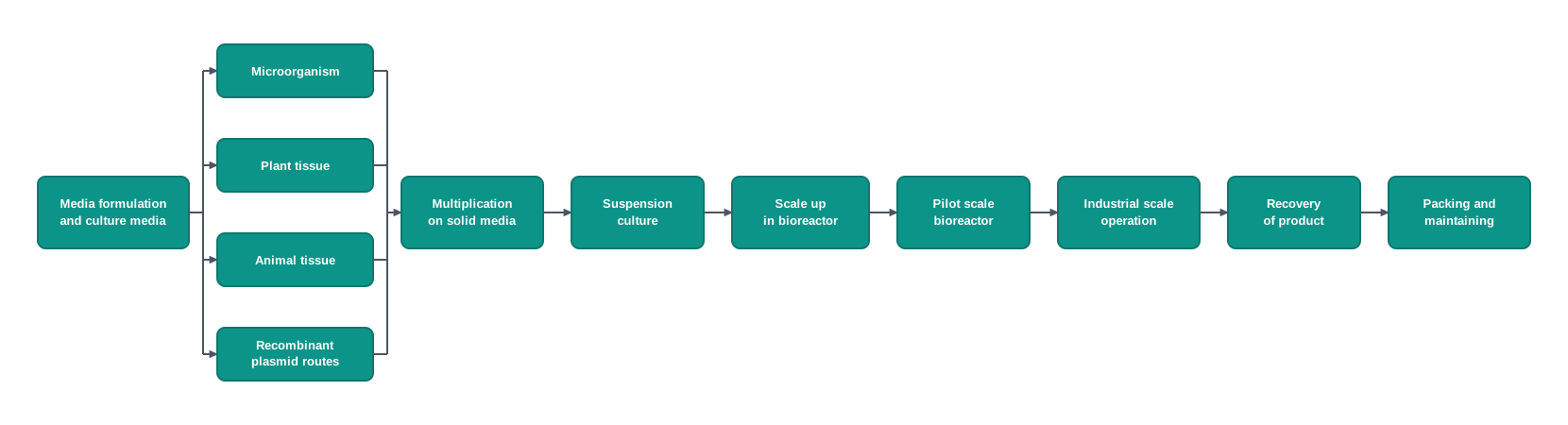
Fig. 10.1 – Operational stages in bioprocess development.
The overall path from a useful organism to a bottled product is worth fixing in your mind early, because the rest of this chapter simply expands each of its steps; it is summarised in Fig. 10.2.
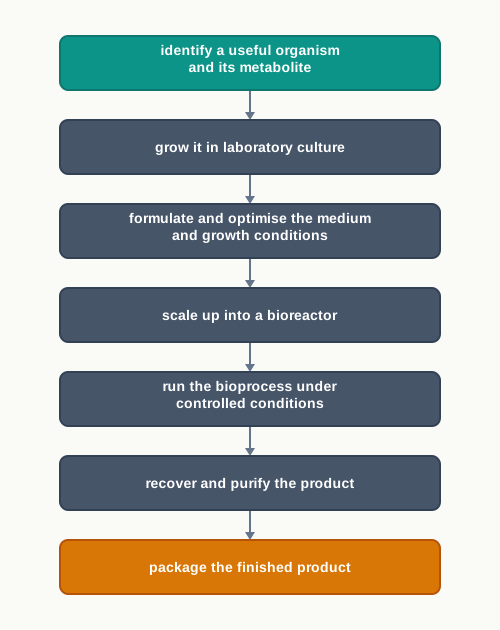
Fig. 10.2 – Sequence from organism to commercial product.
From Laboratory Flask to Industrial Vessel
At the industrial or commercial stage, all bioprocesses are carried out in vessels called fermenter or bioreactor. The two words are used for the same kind of engineered vessel; “fermenter” is the older, industry term, while “bioreactor” is the broader one, since the vessel may hold microbial, plant or animal cells and need not be carrying out fermentation at all.
We are also aware that after the advent of rDNA technology, microbes are extensively employed for the production of a number of biological materials for the welfare of mankind. Recombinant DNA technology decided what a microbe could be made to produce; bioprocessing decided how much of it could actually be delivered to a patient or a factory.
In board examinations, this section is most often tested through a direct comparison question on primary versus secondary metabolites with examples, and through short questions on what bioprocessing means and why bulk production became necessary. Learn the distinction as a set of paired points rather than as two separate paragraphs, since that is the form the answer is expected to take.
10.2 Instrumentation in Bioprocessing: Bioreactor and Fermenter Design
A bioreactor is an engineered vessel, made up of glass or steel, that supports a biologically active environment. Inside it, cells can be cultivated under aseptic conditions, with the nutritional and environmental requirements that suit them.
The word “engineered” is doing real work in that sentence. A bucket can hold a liquid; a bioreactor holds a liquid while also feeding it, stirring it, aerating it, warming it, sensing it and defending it from contamination.
In a bioreactor, the biochemical processes involve the cultivation of microbial, plant and animal cells, or of biochemically active substances derived from such cell cultures or organisms. So the same basic vessel design may be growing bacteria in one industry and animal cells in another.
Commonly, bioreactors are cylindrical, and they vary greatly in size — from small laboratory units of a few litres to industrial vessels of several thousand litres. The design and components of a typical bioreactor are shown in Fig. 10.3(a), and a photograph of a real laboratory bioreactor is shown in Fig. 10.3(b).
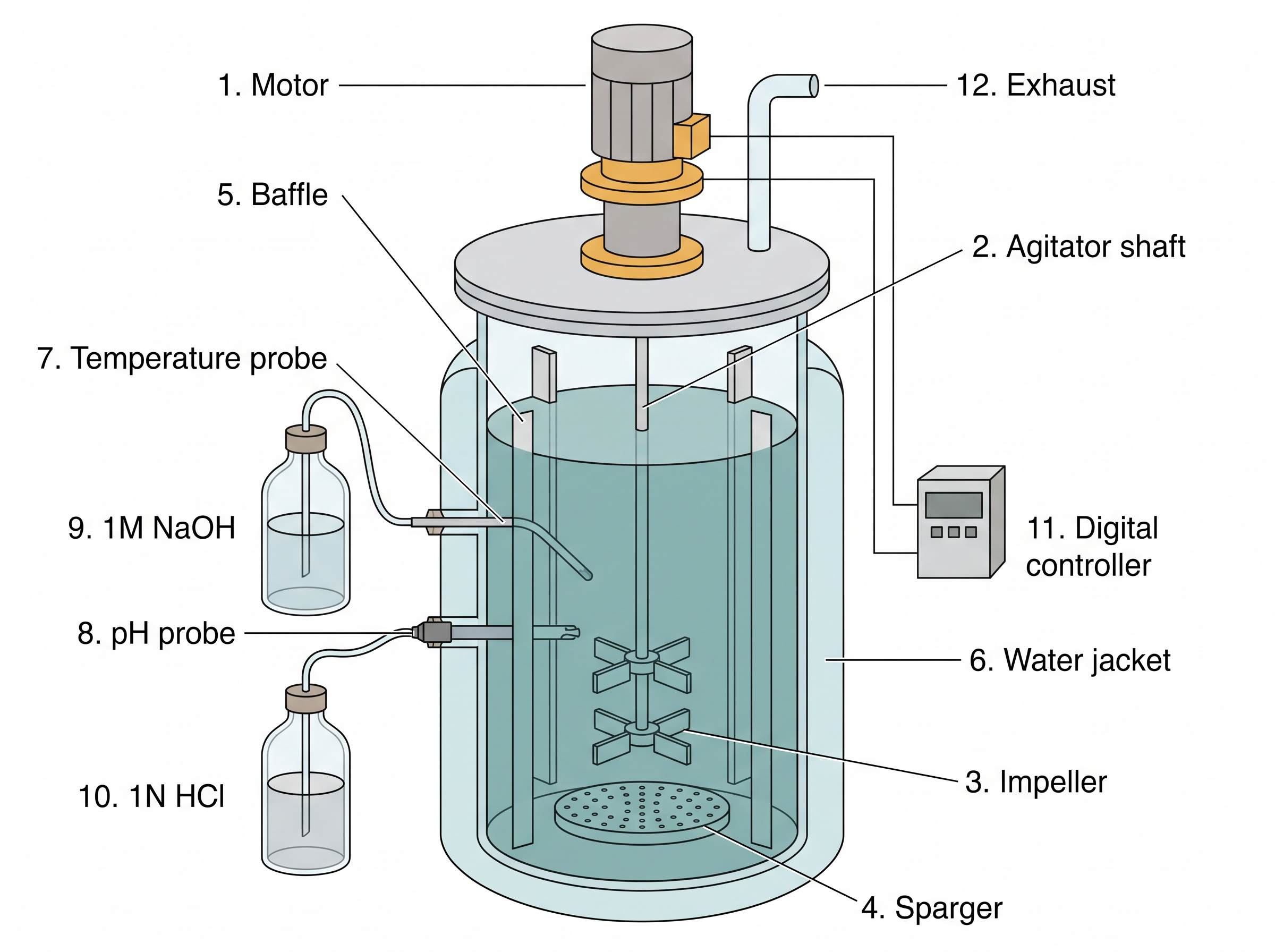
Fig. 10.3 – A typical bioreactor and its components.
What a Bioreactor Must Provide
A bioreactor should fulfil the following requirements:
- a sterile environment, so that a pure culture may be grown without contamination
- adequate supply of air for cellular respiration in culture
- uniform mixing of nutrients, cells and air throughout the bioreactor vessel without causing any shear stress to the cultured cells
- a system for maintenance of optimum temperature conducive for the growth and product formation in a desired culture
- a system for monitoring the environmental process parameters, such as pH, dissolved oxygen, etc.
Each of these five points is a lesson learnt from a failed batch. If the vessel is not sterile, a fast-growing contaminant will outgrow the desired culture and the entire batch is lost. If air is inadequate, aerobic cells cannot respire and both growth and product formation slow down.
Mixing has to be handled with particular care, because it pulls in two directions. Without stirring, nutrients and oxygen settle into pockets and cells at the bottom starve while cells at the top are fed. With too much stirring, the liquid drags against the cells and tears at their surface — this dragging force is called shear stress, and cells with delicate membranes are damaged by it. A bioreactor must therefore mix enough, but no more than enough.
Inside the Vessel: The Working Parts
Thus, in order to fulfil these requirements, a typical bioreactor consists of the following:
- Agitator shaft: It helps in mixing the contents of the bioreactor and keeps the cells in perfect homogenous conditions, which provide better transport of nutrient and oxygen throughout the running bioprocess. An impeller is fixed at the bottom of an agitator shaft.
- Sparger: It helps in providing an adequate and continuous supply of sterilised air (oxygen), using microfilters, for growing cells submerged in the liquid media inside the bioreactor system. The microfilters matter as much as the air itself, since unfiltered air would carry contaminating microbes straight into the culture.
- Baffle: It helps in breaking the vortex formation, which is highly undesirable as it changes the centre of gravity of the system, making it consume extra power to run the system. A baffle is simply a flat strip fixed vertically along the inner wall, and it interrupts the swirling motion set up by the impeller.
- Jacket: It provides area for the circulation of water at the given temperature, for maintenance of the optimum temperature inside the device required for the growth of cultivated cells and for product formation.
- Sensitivity probe for temperature and pH: These are the probes that sense the temperature and the hydrogen ion concentration of a bioprocess.
- Digital controller for controlling process parameters: The digital controller is connected to the bioreactor through the probes. One separate unit of it is connected to a water bath that pumps water of the desired temperature in and out of the jacket present around the bioreactor unit, so that temperature is maintained throughout. It is also connected to pH probes and to bottles containing 1M NaOH and 1N HCl. As the probe senses acidity or alkalinity, the digital controller commands either of the two bottles for the addition of dilute NaOH or HCl, for maintenance of the desired pH. All process parameters, including temperature, pH and speed of stirring (rpm), are exhibited over the display of the controller.
How the Controller Keeps Conditions Steady
Notice that the probes and the controller together form a loop rather than a one-way instrument. The probe reports, the controller decides, a correction is made, and the probe reports again. This continuous correction is what allows a vessel of several thousand litres to hold a steady pH for days; the loop is set out in Fig. 10.4.
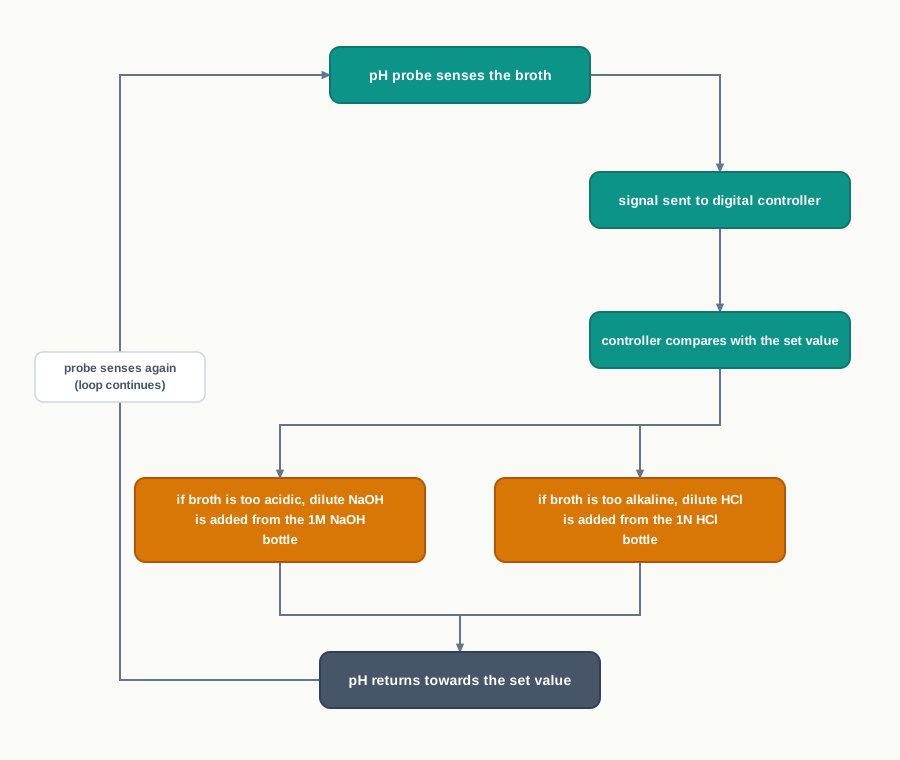
Fig. 10.4 – Automatic pH control loop in a bioreactor.
The temperature loop works on exactly the same logic. The temperature probe reports the broth temperature, and the controller instructs the water bath to pump warmer or cooler water through the jacket until the reading returns to the set value.
10.2.1 Types of bioreactors
On the basis of the design or configuration, important types of bioreactors are discussed below. What separates them is chiefly the answer to one question: what supplies the mixing energy?
- Stirred tank reactors are the most conventional bioreactors. In these reactors, the agitator facilitates the mixing of nutrients, oxygen and growing cells. The reactor is characterised by the presence of an agitator shaft. The design, shape and size of the impeller differ for various bioprocesses, as shown in Fig. 10.5(a). Since the mixing here is mechanical, this design gives strong mixing control but also generates the highest shear.
- In Air-lift reactors, a motion of air is created using a draft tube. The mixing of nutrients and oxygen is maintained by creating an air current that lifts the fluid broth and the cells up and down, inside-out or vice-versa, through a draft tube inside the reactor vessel, as shown in Fig. 10.5(b). The rising air does the work that an impeller would otherwise do, so the broth circulates in a defined path without a mechanical stirrer.
- In a Bubble column reactor, the mixing of nutrients and oxygen is maintained with the help of air bubbles produced through a sparger jet. These reactors provide a low shear environment, which may be a critical consideration for some cells, and a high amount of oxygen transferred per unit of power input, as shown in Fig. 10.5(c).
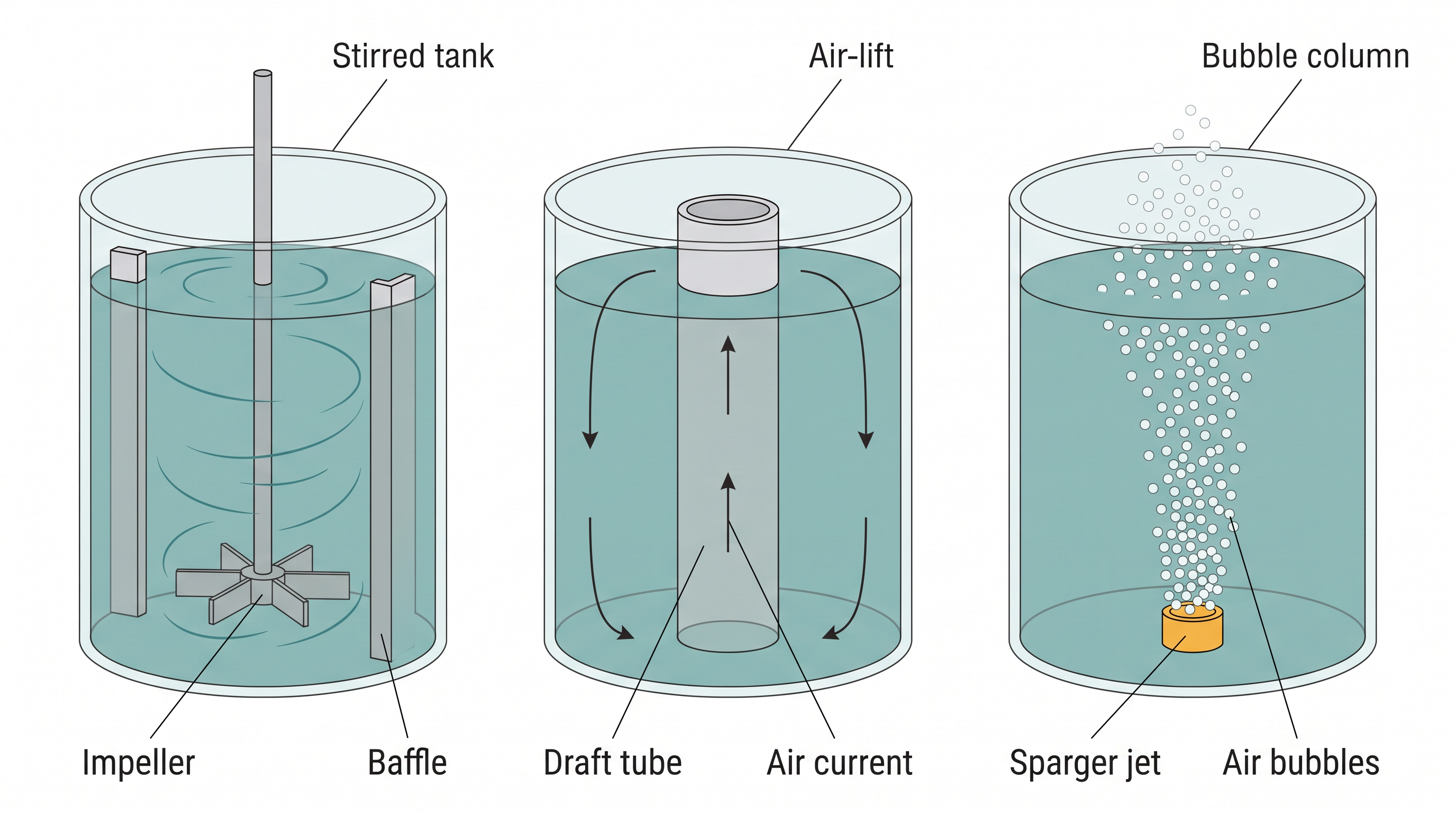
Fig. 10.5 – Bioreactor designs: (a) stirred tank, (b) air-lift and (c) bubble column.
Questions from this section often appear as diagram labelling on Fig. 10.3, or as match-the-following items pairing each component with its function. Learn each part by the problem it solves — the baffle for the vortex, the sparger for oxygen, the jacket for heat, the probes for sensing — rather than as an unconnected list of names.
10.3 Operational Stages of Bioprocess
A bioprocess is composed mainly of two stages for converting raw material into the final product, namely upstream processing and downstream processing. Everything that happens before and inside the vessel belongs to the first stage; everything that happens to the broth after the vessel belongs to the second. The two stages, and the fermentation that sits between them, are shown together in Fig. 10.6.
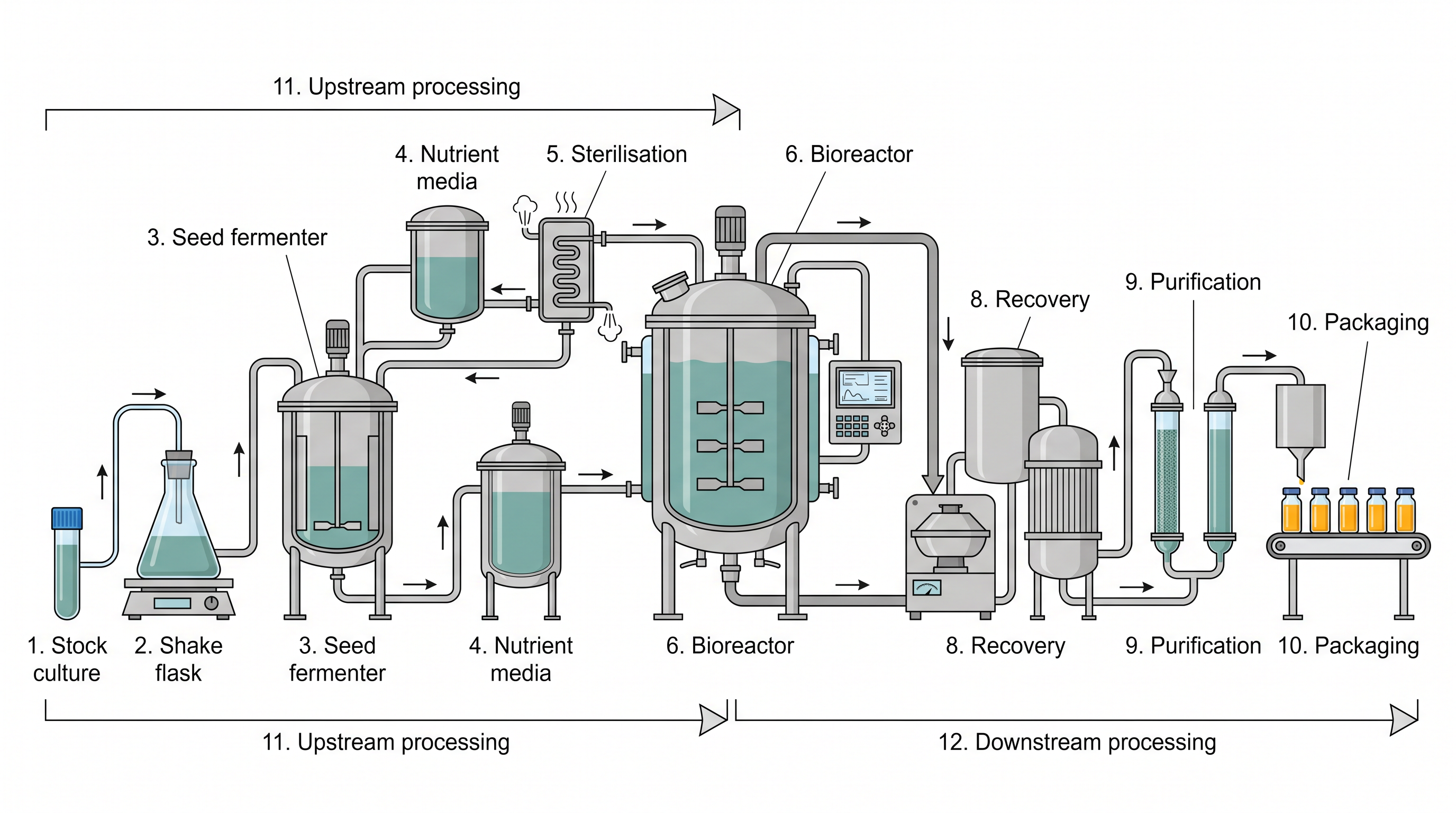
Fig. 10.6 – Stages of upstream and downstream processing.
The Four Components of Upstream Processing
The upstream bioprocessing consists of four components, as detailed below:
- optimisation of nutritional conditions in artificial media and formulation, for culturing the living organisms, cells or its components
- sterilisation of media, bioreactor and other additional tools and equipment
- production of pure, active and healthy inoculums in sufficient quantity
- optimisation of environmental conditions for growth and product formation
On the contrary, downstream processing consists of two steps, as detailed below:
- extraction, recovery and purification of product
- the disposal of effluents produced by the process
The second of these is easy to overlook in an examination answer, but it is part of the definition. A bioprocess that produces a pure medicine and a polluted drain has not been completed properly. The full sequence is summarised in Fig. 10.7.
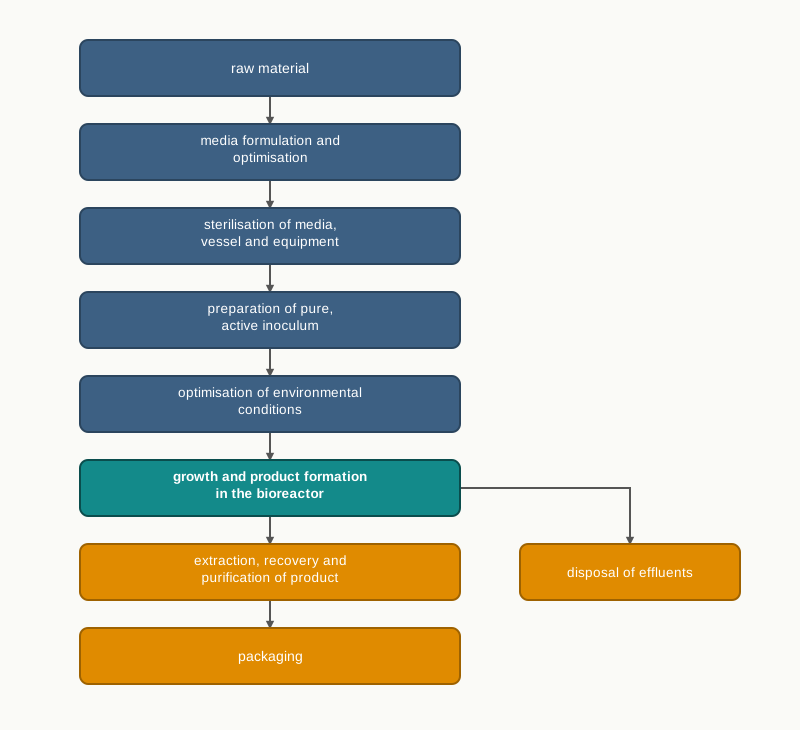
Fig. 10.7 – Operational stages of a bioprocess.
Upstream and downstream processing are described in detail in the following sections.
10.3.1 Upstream processing
A typical upstream bioprocess involves raw materials such as the biomass of microbial, plant or animal cells, which are usually treated and mixed with the other ingredients that are required for the cells to grow well. The raw material to be used in bioprocessing is first converted to a suitable fermentable form.
That last phrase is important. Cells cannot eat starch grains, wood or whole grain directly; the raw material has to be broken down or dissolved into a form the organism’s enzymes can actually take up. Preparation of the liquid or solid nutrient medium, sterilisation, aeration, agitation and shear sensitivity, besides many other preparatory operations and scaling up for high product formation, are described below.
Nutrient Media
Nutrient media, or culture media, required for the maximum growth and product formation of a particular culture, is formulated using chemicals and nutrients. Different media formulations are prescribed for microbial, plant and animal cell culture, which you have studied in Chapters 6–8.
The requirement of medium constituents varies with the species of an organism, for biosynthesis and for cell maintenance. The following equation, based on stoichiometry, may be considered for growth and product formation:
\[\text{Carbon and energy source} + \text{Nitrogen source} + \text{other requirements} \longrightarrow \text{Cell biomass} + \text{products} + \text{Carbon dioxide} + \text{Water} + \text{heat}\]
Read this equation as a balance sheet rather than as a chemical reaction. Whatever is fed in on the left must reappear on the right — partly as new cells, partly as the product we want, and partly as waste carbon dioxide, water and heat that we do not want but cannot avoid.
The equation is important for the economical designing of the media, by minimising wastage of media components. Every gram of substrate that leaves as carbon dioxide instead of ending up in the product is money lost, and on a 10,000 litre scale that loss is considerable.
For example, under aerobic conditions, the carbon requirement of a particular culture may be estimated by determining the cellular yield coefficient (Y) as:
\[Y = \frac{\text{Quantity of cell dry weight produced by the culture}}{\text{Quantity of carbon substrate utilised}}\]
Here \(Y\) is a ratio of two masses — the dry weight of cells formed divided by the mass of carbon substrate consumed — so if both are measured in the same unit, such as grams, \(Y\) itself has no unit. A high value of \(Y\) tells us that the organism is converting its food into biomass efficiently.
Similarly, in a bioprocess, other media components may also be determined for their minimal wastage and for optimum productivity of the culture. Thus, media formulation is very important for a bioprocess.
Inoculum
An inoculum of viable, healthy, fast growing and high producing living cells, organ or organism is very much required for good growth and for technologically viable and economically efficient production. The inoculum is the starting population of cells added to the fresh medium, and the whole batch inherits its condition.
The inoculum may be developed on solid culture or on liquid culture. Liquid culture may usually be developed in a shake flask, and is called suspension culture. The culture to be used as inoculum must fulfil the following criteria:
- the inoculum should be healthy and in the log or exponential phase of the growth cycle, that is, actively dividing
- in subsequent transfer, the inoculum should not exhibit a long lag phase
- it should be available in sufficient amount to provide an inoculum of optimum size
- it should be available in a suitable morphological form
- it should be free of contamination
- it should retain its product forming capability
The first two criteria are linked. Cells taken during the log phase are already dividing rapidly, so when they are transferred to fresh medium they resume growth almost at once. Cells taken from an old, exhausted culture must first repair themselves, and the resulting long lag phase means the expensive vessel sits idle while nothing is produced.
Aeration
Aeration is required to fulfil the oxygen requirement of a submerged suspension culture, both in a shake flask and in bioreactors. The cells are under the surface of the liquid, so they can use only the oxygen that has actually dissolved in the medium around them.
Ideally, the maximum amount of dissolved oxygen in pure water is approximately 8 g/L, and it is this dissolved oxygen that is available for the growing submerged culture in liquid media. In a bioreactor, pure sterilised air is sent through the sparger to maintain the oxygen levels in the media for the growth of the culture.
Because dissolved oxygen is limited and is consumed continuously by a dense culture, it must be replaced continuously as well. This is why aeration is not a one-time operation but runs throughout the bioprocess.
Agitation and Shear Sensitivity
A mild agitation is required for the uniform distribution of oxygen and other nutrients. Without it, the sparged air would simply bubble up along one path and escape, and the cells would settle at the bottom.
The word “mild” is deliberate. Some cells, such as animal cells, are more shear sensitive than plant cells, and plant cells are in turn more sensitive to shear than microbial cells. An animal cell has no cell wall at all, which is the structural reason behind this order of sensitivity.
Thus, in a shake flask, the shear stress, or the sensitivity of cells to shear, can be controlled by increasing or decreasing the speed of the shaker, that is, the revolutions per minute (rpm) of the shaking condition. The same is maintained in bioreactors by increasing or decreasing the speed of the agitator.
Temperature and pH
The temperature required for maximum growth and production has to be maintained. The temperature requirement for different cultures is different. There may also be an optimum temperature for the formation of a desired product, and this optimum temperature may be similar to, or different from, the one that suits culture growth.
This is a subtle but examinable point. If the two optima are different, the process may be run at one temperature while the cells multiply and shifted to another once production begins.
Hydrogen ion concentration (pH) is another parameter that affects growth and product formation. The optimum pH for growth and for product formation has to be maintained for an efficient bioprocess. Since the cells themselves release acidic or alkaline products into the medium as they grow, the pH does not stay where it was set, and this is exactly why the digital controller with its acid and alkali bottles is needed.
Thus, before a bioprocess is run, all processing parameters — such as nutrient media formulations, temperature, hydrogen ion concentration, and so on — are optimised separately.
Sterilisation
Sterilisation is an essential requirement for a successful bioprocess. It requires sterilisation of tools, glassware, media and air, or in-site sterilisation of the bioreactor, and even the maintenance of aseptic conditions in order to perform processes and scale up in the bioreactor.
The reasoning behind this is simple and unforgiving. A contaminating organism is usually faster growing than the carefully selected production strain, so it consumes the medium, alters the pH and may destroy the product. A single contaminated batch of thousands of litres has to be discarded entirely.
Thus, contamination in a bioprocess may be avoided by the following:
- sterilisation of nutrient media
- sterilising the bioreactor vessel
- sterilising all the materials to be added to the bioreactor vessel during the process
- maintenance of aseptic conditions during the fermentation
- using a pure culture as inoculum
Notice that these five points cover the whole timeline — before the run, during the run, and the culture itself. Sterility is not a step; it is a condition that has to be held continuously. A typical bioprocess development stage is summarised in Fig. 10.8, which was introduced earlier in this chapter.
Modes of Bioprocess Operation
One of the important decisions in the development of a bioprocess is which mode of bioprocess operation is to be applied to a particular bioprocess. Mainly, there are three different modes under which a bioprocess may be operated:
- Batch
- Fed-batch
- Continuous
The three modes differ in one respect only: what is allowed to enter and leave the vessel once the run has started.
Batch mode
It is a closed culture system with an initial fixed amount of nutrients. Everything the culture will ever receive is put in at the start, and nothing is added or removed until the run ends.
An inoculated batch culture passes through a number of phases of the growth cycle. When cells are grown in a nutrient medium, the cells start growing in number and size to some extent. In a suitable nutrient medium, the cells utilise nutrients from the medium for growth and for energy production, and convert the material to be bioprocessed, that is fermented, into the product.
Fig. 10.9(a) shows the cell biomass [X], the rate of substrate consumption [Qs] and the substrate concentration [S] in a batch culture. In all three graphs of Fig. 10.9, time is plotted along the horizontal axis, so each curve tells you how one quantity changes as the run proceeds.
Read the batch graph in this way. The substrate concentration [S] starts high and falls steadily, because the fixed initial supply is being eaten and never replaced. The cell biomass [X] rises in the opposite direction, since that substrate is being converted into cells. The rate of substrate consumption [Qs] rises while the cells are multiplying and then falls once the food runs short.
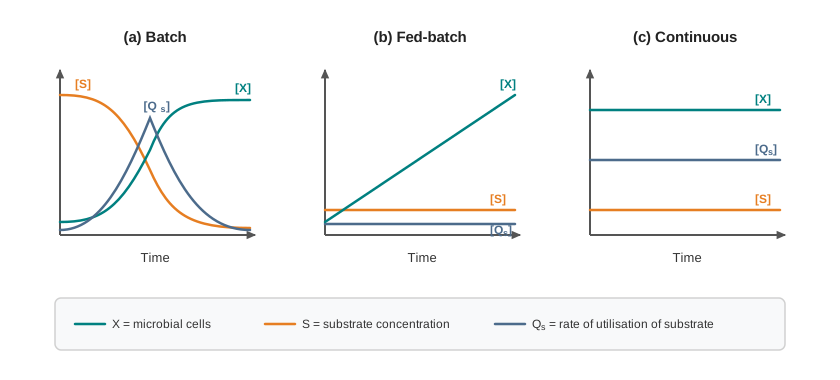
Fig. 10.9 – Cell growth in (a) batch, (b) fed-batch and (c) continuous modes.
Fed-batch mode
In a batch culture, if the growth of cells becomes limited due to the concentration of one or more substrate components, the same are fed intermittently or continuously to the growing culture, as per the requirement, from time to time.
In such a culture, the volume in the fermenter increases due to the extra feed added, and no volume of culture is removed. This is known as the fed-batch mode of culture, which is advantageous for maintaining the residual substrate concentration at very low levels, and thereby avoiding their toxic effects.
That advantage deserves a moment’s thought. Some substrates poison the very cells that consume them if they are present in large amounts, so dumping the entire supply in at the start would harm the culture. Feeding it in slowly keeps the leftover, or residual, concentration low at all times while still supplying the total amount needed.
In this culture system, the substrate concentration ‘s’ and the rate of substrate utilisation [Qs] remain constant, while the cell biomass and product keep on increasing, as seen in Fig. 10.9(b). In that graph, the flat lines for [S] and [Qs] and the rising line for [X] are exactly what you should expect from a culture that is being fed at the same rate at which it eats.
Continuous mode
In this mode, the design of the bioprocess or reactor is such that a fresh lot of nutrient media is added and the used media is removed, in such a way that a continuous supply of the desired product is ensured. Similarly, a fresh lot of inoculum could also be added.
Thus, in the continuous mode, a steady state is maintained; that is, the formation of new biomass by the culture is balanced by the loss of cells from the reactor vessel, as shown in Fig. 10.9(c). Because addition and removal cancel each other out, all three lines in that graph are flat.
Thus, during the steady state, the rate of growth and product formation, the substrate concentration, and the rate of substrate utilisation all remain constant.
Downstream processing
In this process, the desired product is recovered in an efficient way, which involves efficient separation and purification techniques. The product of a bioprocess may be the cell biomass itself, an extracellular component of the liquid media, that is the broth, or an intracellular product held inside the cell.
That three-way possibility decides everything that follows. If the cells are the product, they are simply collected; if the product was secreted into the broth, the cells are discarded and the liquid is processed; if the product is locked inside the cells, the cells must be broken open first. The major process of downstream processing is shown in Fig. 10.10.
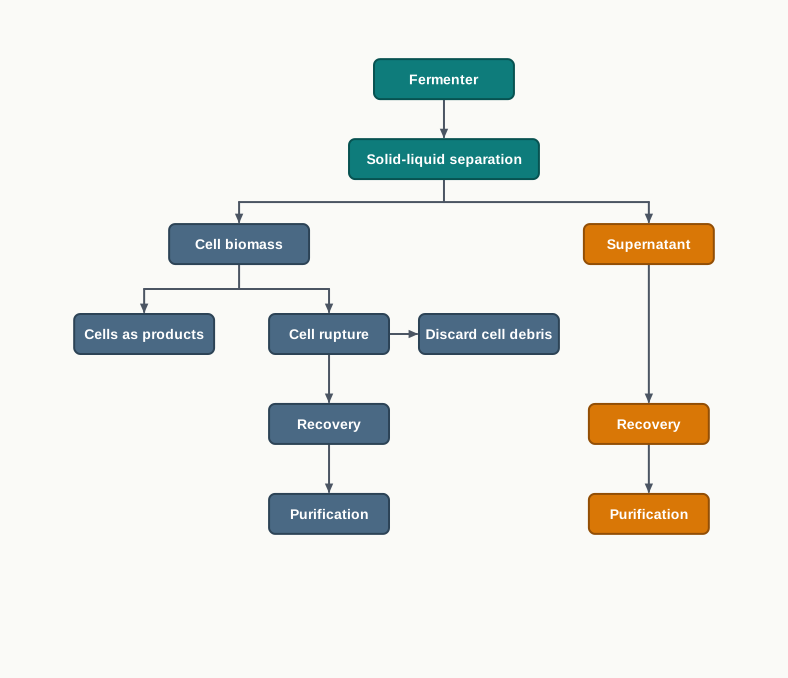
Fig. 10.10 – Major steps in downstream processing.
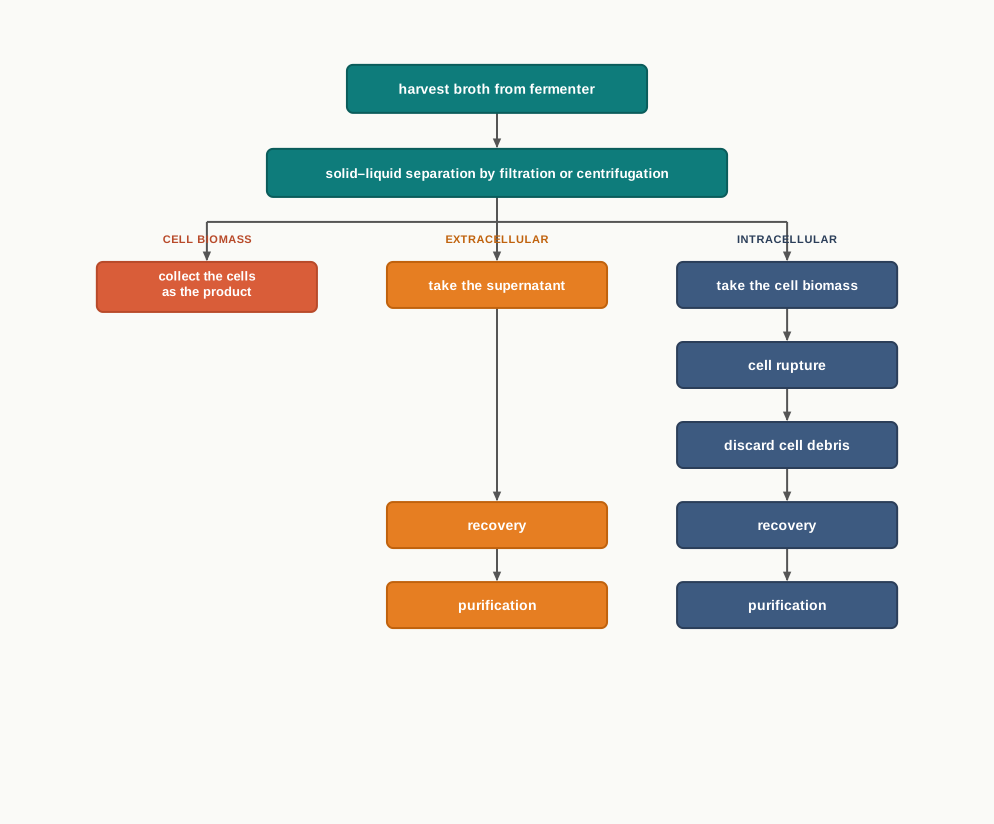
Fig. 10.11 – Choosing a downstream route.
The extraction and purification of the product in the culture fluid may be difficult and costly, because the product is present in a very dilute form in a liquid full of other substances. High quality efficient recovery requires the following considerations:
- the process chosen must be quick
- the chosen process must have minimum investment and be operated at minimum cost
Speed matters here for a biological reason as well as a commercial one. Proteins and other bioproducts lose their activity with time once they leave the controlled environment of the vessel.
The downstream processing mainly consists of physical separation as well as purification operations, which include the separation of particulates, dialysis, reverse osmosis, solid–liquid separations, adsorption, liquid-liquid extraction, distillation and drying.
Solid–Liquid Separation
Solid–liquid separation is the first step in product recovery. It is the separation of solids, such as biomass, insoluble particles and macromolecules, from the culture fluid or fermentation broth.
In some cases, the culture broth or fermentation fluid needs pre-treatment, such as heating, or pH adjustment, or treating with coagulating and flocculating agents, for the separation of insoluble products from the fluid or broth. These treatments make fine, scattered particles clump together into larger ones, which are then far easier to filter or spin down.
The major methods used for the separation of cell biomass are filtration and centrifugation.
Filtration is the most common cost-effective method to be used for the separation of large particles and cell biomass from the culture fluid. The conventional filtration involves the separation of large particles, of pore diameter \(d_p > 10\) mm, by using canvas, synthetic fabrics or glass fibre as the filter medium. Continuous rotary filters are the most widely used filters in the industry. Ultra-filtration or microporous filtration is also used for the separation of cell biomass.
Centrifugation is used for the separation of particles of size between 100 µ and 0.1 µ from the liquid, in a centrifuge and in an ultracentrifuge. Here the separation is driven not by a barrier but by the rapid spinning, which forces the denser particles outward and downward.
Cell Disruption
Cell disruption becomes necessary if the product is intracellular, in which case it may be recovered only by cell rupture. Cell rupture techniques may be powerful, but they must be mild enough that they do not damage the desired product — a contradiction that makes this one of the harder steps to design.
Disruption of the cell may be achieved by physical, chemical and biological methods.
Physical methods include the mechanical means of cell disruption: milling in high-speed bead mills, homogenisation by creating very high shear rates using a high pressure homogeniser, and ultrasonic vibrations passed through sound waves in an ultrasonicator. Cell disruption using an ultrasonicator is very effective with most of the cell suspension cultures.
Non-mechanical methods include the treatment of cells with chemicals, such as surfactants, alkalis and organic solvents, or by osmotic shocks, besides biological methods such as the enzymatic degradation of the cell wall. The enzymatic route is the gentlest of all, since the enzyme attacks only the cell wall and leaves the product untouched.
Recovery
After the solid and liquid are separated, a dilute aqueous solution is obtained, from which the product has to be recovered and purified. Extraction and adsorption are the processes that are exclusively categorised as techniques for the recovery of the product.
The choice of recovery process is based on the following criteria:
- intracellular or extracellular location of the product
- concentration of product in the culture fluid
- physical and chemical properties of the desired product
- minimal acceptable standard of purity
- impurities in the culture fluid
The fourth criterion is worth pausing on. Purity is not pushed as high as possible, but only as high as the use demands. An injectable medicine must meet a far stricter standard than an industrial enzyme, and every extra purification step costs money and loses some of the product.
The separation of a component from a liquid mixture, by treatment with a solvent in which the desired component is preferentially soluble, is known as liquid–liquid extraction. The specific requirement is obtaining a high percentage extraction of the product, but concentrated in a smaller volume of solvent.
Efficient extraction requires choosing a suitable solvent for extraction and optimising the conditions of temperature, pH, light, and so on. After complete extraction, the solute rich phase is called the extract, and the residual liquid from which the solute has been removed is called the raffinate.
Purification
Purification techniques include precipitation, chromatography, electrophoresis, membrane separation, dialysis, reverse osmosis and ultra-filtration. Some of these techniques are also used for the recovery of products, so the line between recovery and purification is one of purpose rather than of equipment. In Class XI, you have already learnt about chromatography and electrophoresis. Some of the other purification techniques are discussed below.
- Precipitation is a technique widely used for the recovery of proteins and antibiotics. It can be induced by the addition of salts, organic solvents and ultrafiltration. The idea is to make the desired molecule come out of solution as a solid, so that it can be separated from everything that remains dissolved.
Membrane Separation
The membrane separation process can be classified into three categories: microfiltration, ultrafiltration and reverse osmosis. These are all pressure driven membrane separation processes, in which separation is achieved through very small pore sizes.
In microfiltration, the pore size ranges from 0.1 to 10 µm, while in ultrafiltration it ranges from 0.01 to 0.1 µm. As the pores get smaller, more pressure is needed to push the liquid through, which is why the pressure drop rises steadily down the table below.
Table 10.1: Different types of filtration processes
| Process | Size Cutoff | Molecular Wt. Cutoff | Pressure Drop (psi) | Material Retained |
|---|---|---|---|---|
| Microfiltration | 0.1–10 µm | <1000,000 Da | 10 | Suspended material (bacteria, etc.) |
| Ultrafiltration | 0.01–0.1 µm | 300–300,000 Da | 10–100 | Biological, colloids, macromolecules |
| Reverse osmosis | <0.001 µm | <300 Da | 100–800 | All suspended and dissolved materials |
Read this table as a ladder. Each row down has a smaller size cutoff, a smaller molecular weight cutoff, a higher pressure drop, and therefore retains more of what is in the liquid. Protein products are under the range of molecular cut-off for ultrafiltration, which is why ultrafiltration is so widely used in the manufacture of protein medicines.
Reverse Osmosis
If saline water is separated from pure water by a semipermeable membrane, osmosis occurs; that is, water molecules move from the pure water phase to the saline water phase [Fig. 10.12(a)]. As the water moves to the saline phase, its pressure increases, and this pressure is called osmotic pressure [Fig. 10.12(b)].
In reverse osmosis (RO), pressure is applied onto the salt containing phase, which drives water molecules in the reverse direction, that is, from the salt containing phase to the pure water phase [Fig. 10.12(c)].
The pressure required for the movement of water in the reverse direction is slightly larger than the osmotic pressure, as the solvent flux takes place in the direction against the concentration gradient [Fig. 10.12(c)]. This is the whole idea in one sentence: nature moves water one way, and we must supply enough pressure to overcome nature and move it the other way.
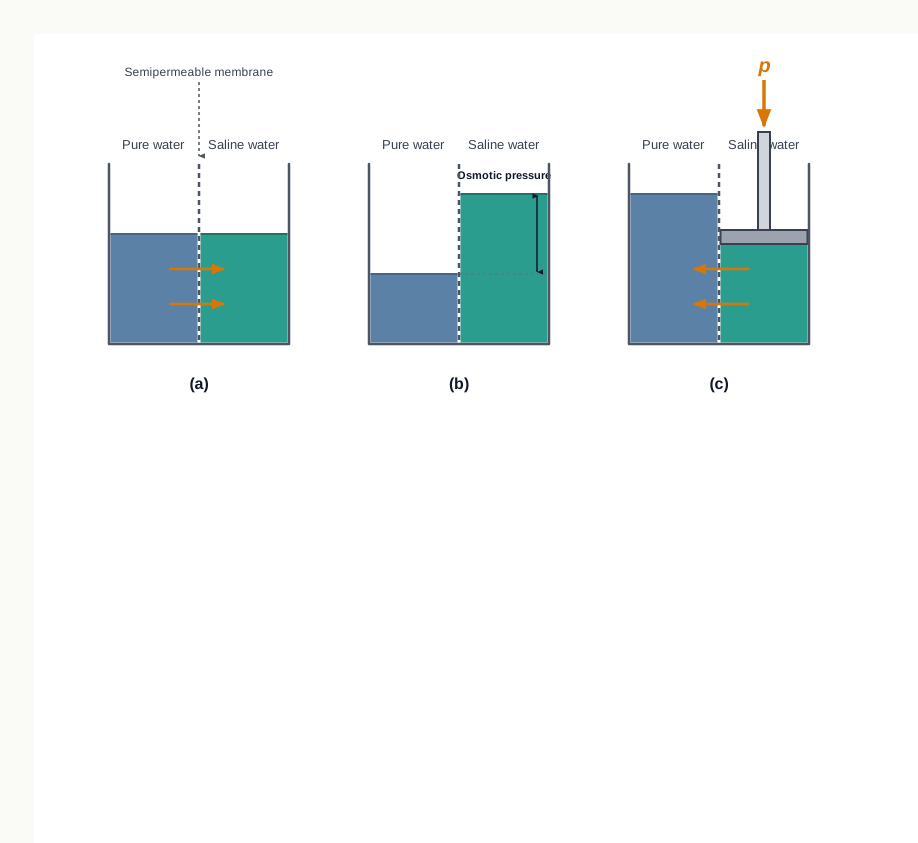
Fig. 10.12 – Reverse osmosis.
Dialysis
Dialysis is an operation used for the removal of low-molecular weight (MW) solutes, such as organic acids (MW = 100–500 Da) and inorganic ions (molecular weight = 10–100 Da), from a solution through a selectively permeable membrane.
A well-known example is the use of dialysis membranes to remove urea (MW = 60) from urine in artificial kidney, or dialysis, devices. The same physical principle that purifies a product in a factory keeps patients with kidney failure alive in a hospital.
As depicted in Fig. 10.13, the dialysis membrane separates two phases containing low and high molecular weight solutions. Since the cut-off size of the pores of a dialysis membrane is very small, only low molecular weight molecules move from a region of high concentration to a region of low concentration.
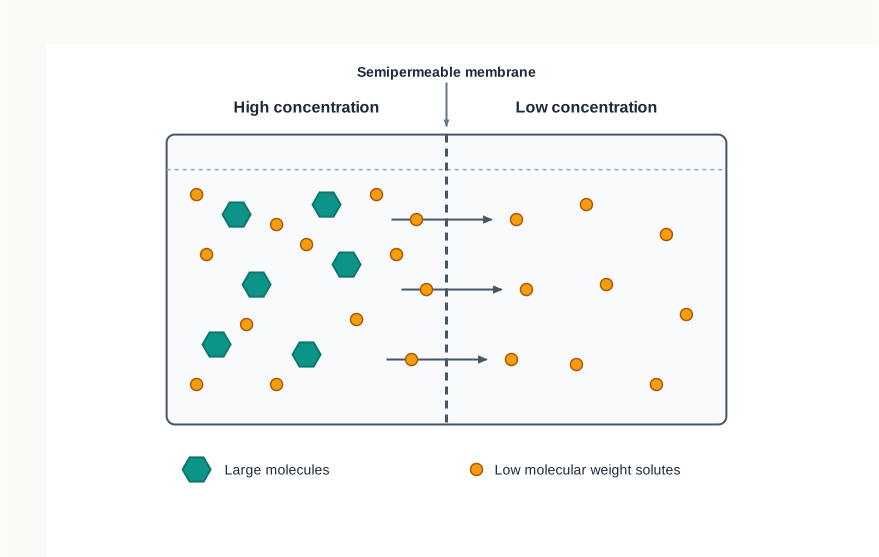
Fig. 10.13 – Principle of dialysis.
At equilibrium, the chemical potentials of the diffusing compounds on both sides of the membrane are equal. In simple terms, movement does not stop because the membrane blocks it, but because there is no longer any difference in concentration driving the small molecules in one direction rather than the other.
In board examinations, this section is most often tested as a sequence: you may be asked to arrange the stages of downstream processing in order, or to explain the recovery and purification of an intracellular product with the help of a flow diagram. Learn the order along with the reason for each step, because a sequence remembered without its logic is very easy to scramble under examination pressure.
10.4 Bioprocessing and Biomanufacturing of Desired Products
These days, bioprocessing industries have successfully provided a number of valuable products, obtained from primary metabolites such as amino acids and organic acids, as well as from secondary metabolites such as antibiotics. The living material used may be microorganisms, animal and plant cells, or the constituents derived from such cells.
Some of the examples are the production of alcohols, antibiotics, amino acids, organic acids, enzymes, vitamins, vaccines, recombinant proteins, pigments and plant alkaloids, listed in Table 10.2. These products have now become an integral part of our day-to-day life, and some of them are described in Table 10.3.
Before going through the individual products, it helps to see how the whole field is organised, as shown in Fig. 10.14.
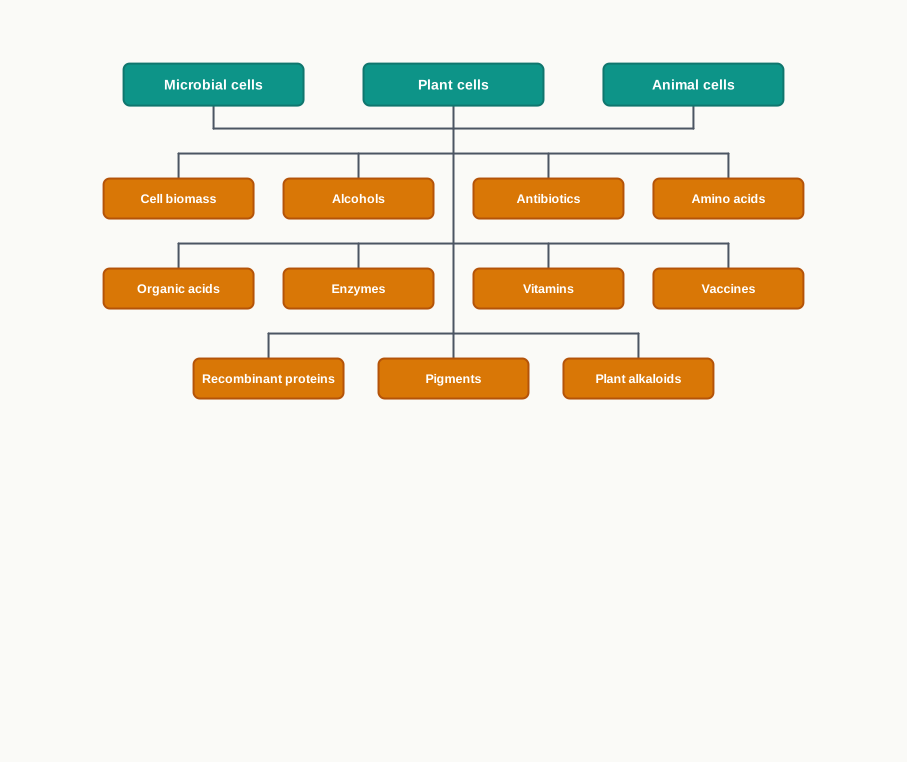
Fig. 10.14 – Sources and products in biomanufacturing.
Table 10.2: Examples of variety of bioprocessing products
| Types | Products |
|---|---|
| Cell biomass | Baker’s yeast, single cell protein |
| Extracellular | Alcohols, organic acids, amino acids, enzymes, antibiotics |
| Intracellular | Recombinant DNA protein |
Table 10.2 is worth reading alongside what you have just learnt about downstream processing. The three “types” are not three kinds of chemicals; they are three locations. When the cells themselves are the product, no extraction is needed at all. When the product is extracellular it is already in the broth. When it is intracellular, as with a recombinant DNA protein, the cells must be ruptured before anything can be recovered.
Alcohols
Since time immemorial, yeasts have been used for the production of ethanol. A common species of yeast, Saccharomyces cerevisiae, commonly called brewer’s or baker’s yeast, is used in the fermentation of malted cereals and fruit juices for ethanol production.
Malting matters here because yeast cannot use starch directly. Malting breaks the starch of the cereal down into simpler sugars, and only then can the yeast ferment them — a practical example of the raw material being converted into a suitable fermentable form.
Depending upon the type of raw material and the processes used, a variety of alcoholic drinks are obtained. Wine and beer are produced without distillation, whereas whisky, brandy and rum are produced by distillation of the fermented broth. Distillation is simply a downstream operation being used to concentrate the product, since it separates alcohol from water on the basis of their different boiling points.
Table 10.3: Some of the major products of bioprocesses at commercial level
| Products | Category | Microorganisms or Plants or Animals cells used |
|---|---|---|
| Ethanol | Alcohol | Saccharomyces cerevisiae |
| L-glutamic acid | Amino acids | Corynebacterium glutamicum |
| Lactic acid | Organic acid | Lactobacillus delbrueckii |
| Proteases | Enzymes | Bacillus spp. |
| Pectinase | Enzymes | Aspergillus niger |
| Penicillin | Antibiotics | Penicillium chrysogenum |
| B12 | Vitamins | Propionibacterium shermaniior, Pseudomonas denitrificans |
| Diphtheria vaccine | Vaccines | Corynebacterium diphtheriae |
| Insulin | Recombinant Proteins | Recombinant Escherichia coli |
| Shikonin | Pigments (quinone derivatives or naphthaquinone) | Lithospermum erythrorhizon |
| Taxol | Plant alkaloids | Taxus brevifolia |
Antibiotics
Antibiotics production is another significant contribution of bioprocessing and biomanufacturing towards the welfare of human society. It has already been discussed earlier in this chapter how penicillin, the first antibiotic, was discovered, which in fact was a chance discovery. After penicillin, other antibiotics were also purified from other microbes.
Notice that the commercial organism named in Table 10.3 for penicillin is Penicillium chrysogenum, and not the species on which the original observation was made. This is a general lesson in biomanufacturing: the organism that shows a scientist what is possible is rarely the organism that a factory finally uses, because industry screens for and selects high-yielding strains.
Amino Acids
Amino acids, such as lysine and glutamic acid, are useful in the food industry as nutritional supplements and as flavour enhancing compounds, respectively.
The production of amino acids is typically carried out by mutants that have a reduced capability to synthesise a specific amino acid or a key intermediate. The logic behind this looks strange at first, but it is elegant. A normal cell stops making an amino acid as soon as it has enough of it, through feedback control. A mutant that cannot complete the pathway, or cannot sense the end product, never receives that “stop” signal, and so it keeps producing and releasing the amino acid far beyond its own requirement.
Mutants of Corynebacterium glutamicum are used for the commercial production of glutamic acid and lysine.
Organic Acids and Other Chemicals
Certain chemicals, such as organic acids, enzymes and several other bioactive molecules, are produced commercially in industry through bioprocessing. Several species of microorganisms are used in the bioprocessing of a number of organic acids.
The fungal species Aspergillus niger was used for citric acid production, and the bacterial species Acetobacter aceti was used for the production of acetic acid. Clostridium butylicum is used for the production of butyric acid, and Lactobacillus sp. for the production of lactic acid.
Enzymes and Bioactive Molecules
Enzymes are also produced commercially through bioprocessing, and several of them are already in your home.
Lipases are used in detergent formulations and are helpful in removing oily stains from the laundry. A lipase digests fat, which is why a detergent containing it can shift a grease mark that soap alone would leave behind.
You must have noticed that bottled fruit juices bought from the market are clearer as compared to home-made ones. This is because the bottled juices are clarified by the use of pectinases and proteases, which break down the pectin and protein particles that make fresh juice look cloudy. Proteases are also used in the leather industry.
Bioprocessing of these enzymes at commercial level uses a variety of fungal genera, including the species of Aspergillus, Bacillus, Mucor and Trichoderma.
Some bioprocess products act directly as medicines. Streptokinase, produced using Streptococcus species and modified by genetic engineering, is used as a ‘clot buster’ for removing clots from the blood vessels of patients who have undergone myocardial infarction leading to heart attack.
Another bioactive molecule, cyclosporin A, is used as an immunosuppressive agent in organ-transplant patients, and is produced using the fungus Trichoderma polysporum. Its purpose is to hold back the patient’s own immune response so that the transplanted organ is not rejected.
Statins, produced by the yeast Monascus purpureus, have been commercialised as blood-cholesterol lowering agents. A statin acts by competitively inhibiting the enzyme responsible for the synthesis of cholesterol. Competitive inhibition means that the statin resembles the normal substrate closely enough to occupy the active site of that enzyme, so the enzyme is kept busy and less cholesterol is made.
Vitamins
Several vitamins, specifically B12 and riboflavin, are commercially produced by fermentation using microorganisms.
Vitamin B12 was first obtained as a by-product in the production of various antibiotics — streptomycin, chloramphenicol, or neomycin — using the fermentation of the bacterial genera Streptomyces. In other words, it began as something the industry found in its waste stream rather than as something it set out to make.
Later, high-yielding strains of Propionibacterium freudenreichii, Pseudomonas denitrificans, Bacillus megaterium and Streptomyces olivaceus were developed for the production of vitamin B12.
Riboflavin is commercially produced through biotransformation as well as fermentation. In biotransformation, glucose is first converted to D-ribose by mutant strains of Bacillus pumilus. The D-ribose so produced is then converted to riboflavin by chemical reactions. This is a hybrid route in which the organism performs the step that chemistry finds difficult, and chemistry performs the rest.
In acetone-butanol fermentation using Clostridium acetobutylicum and Clostridium butylicum, riboflavin is formed as a byproduct.
Commercial production of riboflavin is predominantly carried out by direct fermentation using the ascomycetes. High-yielding strains of Ashbya gossypii are preferred, due to their high producing capability of riboflavin.
Vaccines
Vaccines, the single most important health weapon, have also been produced through bioprocess using various cell or microbial cultures.
Corynebacterium diphtheriae is used in the process for the production of diphtheria toxin, which in turn is processed as diphtheria toxoid, and then into the diphtheria toxoid vaccine. The sequence is worth noting carefully: the organism first makes the very toxin that causes the disease, and that toxin is then chemically treated into a toxoid — a form that can no longer harm the body but can still be recognised by the immune system.
The cell-based vaccine manufacturing process uses cells from mammals to culture the influenza virus for vaccine production. A virus cannot be grown in a broth of nutrients the way a bacterium can, because it multiplies only inside a living host cell, and so animal cell culture becomes unavoidable. Various pharmaceutical companies use different sources of mammalian cell cultures for the vaccine manufacturing process.
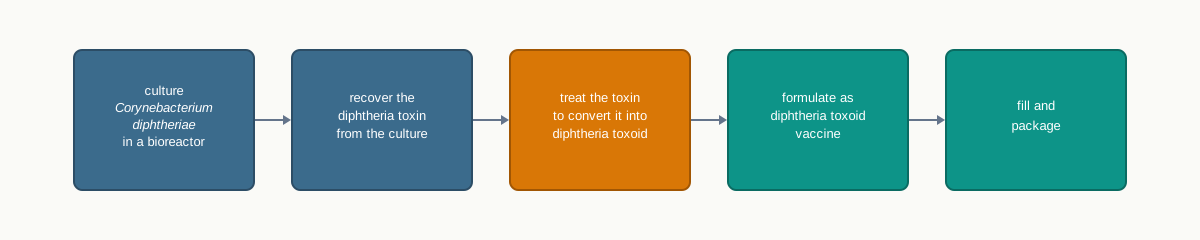
Fig. 10.15 – Manufacture of diphtheria toxoid vaccine.
Products from Plant Cell and Tissue Culture
Plant cell and tissue culture have long been used in bioprocess for the commercial production of a variety of biochemicals, such as pigments, quinone derivatives and plant alkaloids. These have been used in a variety of tasks, such as dying, clothes, food additives and pharmaceutics.
The bioprocess for the production of the dye shikonin was commercially developed for the first time using the cell culture of the plant species Lithospermum erythrorhizon. This was a landmark, because it showed that plant cells could be cultivated in a vessel like microbes and made to yield a saleable compound.
Successful commercial production of berberine, ginseng, saponin and taxol are further examples of bioprocessing that uses plant cell and tissue culture, of Coptis japonica, Panax ginseng and Taxus brevifolia respectively.
Recombinant Proteins
After having cloned the gene of interest, and having optimised the conditions to induce the expression of the target protein, one has to consider producing it on a large scale.
A protein encoding gene expressed in a heterologous host leads to the synthesis of the desired biological product, which is a recombinant protein. The word “heterologous” is the key one: the gene is being expressed in a host that is not its original organism, which is how a bacterium can be made to produce a human protein.
Cells harbouring cloned genes of interest may be grown on a small scale in a laboratory. The culture may then be used for extracting the desired protein, and for purifying it by using different separation techniques of the kind you studied in the previous section.
The recombinant DNA method is used for the large scale production of human insulin. A two-phase cultivation process is followed for the production of human insulin: a glycerol batch and a continuous methanol fed-batch.
Read that last sentence with the modes of operation in mind, because it shows why a chapter spends time on batch and fed-batch culture. In the first phase, the cells are grown on glycerol in batch mode until a large, healthy population has built up. In the second phase, methanol is fed continuously in fed-batch mode to drive the expression of the protein. Growing the cells and making the product are separated into two phases because the conditions that suit one do not suit the other.
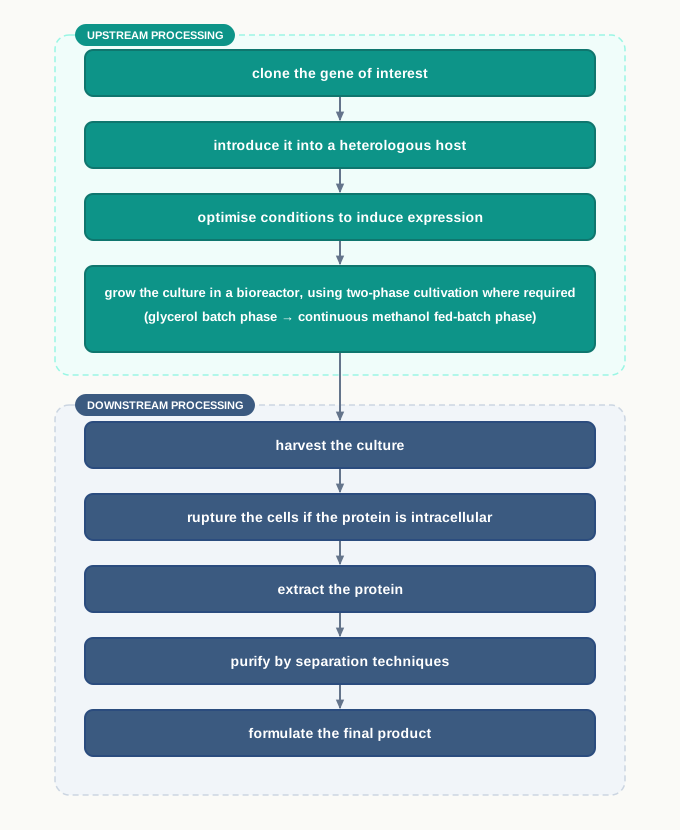
Fig. 10.16 – Large-scale production of a recombinant protein.
Looking Ahead
This way, in industrial applications, a bioprocess is run with optimised process parameters for the high production of desired compounds. Every parameter you have studied in this chapter — the medium, the inoculum, aeration, agitation, temperature, pH, sterility, the mode of operation and the recovery route — is fixed in advance for each individual product.
Many compounds are in the pipeline, and research is going on all over the world for the commercial production of desired bioactive compounds from living organisms.
In board examinations, this section is most often tested through matching questions that pair a product with the organism that makes it, and through short application questions such as why a particular enzyme is added to a detergent or a fruit juice. Learn Table 10.3 as pairs, and learn at least one reason why each product matters to people, since case-based questions usually approach these products through their use rather than through their name.
10.5 Summary
- Living systems carry out a wide range of metabolic processes, and these processes are responsible for the synthesis of many metabolites. Metabolites are broadly classified into primary and secondary.
- Primary metabolites are essential for the growth and development of living organisms. Secondary metabolites, in contrast, have diverse functions such as defence, tolerance to abiotic stress, and attraction of insects and animals.
- Secondary metabolites are used in many industries, such as pharmaceuticals, cosmetics, drugs and food additives. However, these compounds are synthesised in very small amounts in the natural system. Efforts are therefore being made to scale up the production of these beneficial metabolites using bioprocess engineering.
- A bioreactor, also called a fermenter, is an engineered vessel that provides optimum conditions for product formation. Depending on the requirement, different types of bioreactors — stirred tank, air-lift and bubble column — may be configured for a bioprocess.
- Bioprocessing is operated through two stages: upstream processing and downstream processing.
- In upstream processing, formulation and sterilisation of the media and the equipment take place, along with the production of a pure, healthy and active culture for inoculation.
- The growth of organisms under optimum conditions for the desired product formation takes place in a bioreactor or fermenter, where temperature, pH, aeration and agitation are all controlled.
- There are three modes of operation in bioprocessing: batch, which is a closed vessel system; fed-batch, in which the growth limiting substrate is fed intermittently or continuously; and continuous, in which the growth limiting substrate is fed continuously.
- In downstream processing, the product is recovered and purified using various techniques, such as reverse osmosis, distillation and drying. The disposal of the effluents produced by the process is also a part of this stage.
- Many desired products of animal, plant and microbial origin have been commercialised till date, including alcohols, antibiotics, amino acids, organic acids, enzymes, vitamins, vaccines, pigments, plant alkaloids and recombinant proteins.
The chapter as a whole traces a single journey, condensed in Fig. 10.17.
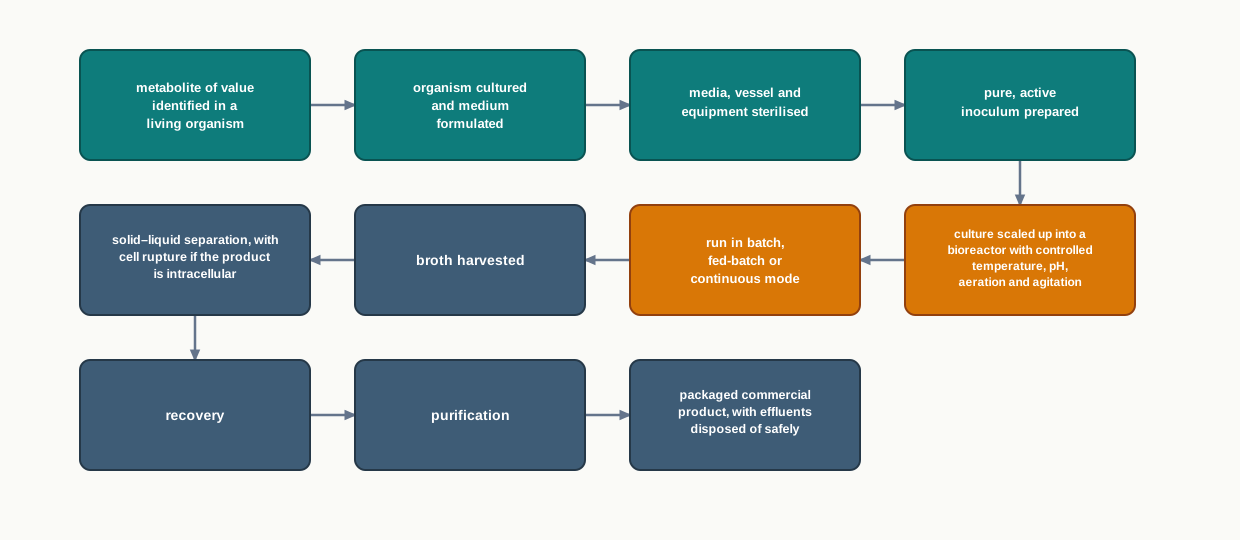
Fig. 10.17 – The bioprocess journey in one line.
10.6 Key Terms
- Metabolite — A chemical compound formed by the metabolic processes of a living organism.
- Primary metabolite — A compound produced directly by a primary metabolic pathway associated with essential cellular functions such as growth and development.
- Secondary metabolite — An intermediate or indirect product formed by a secondary metabolic pathway, serving functions such as defence, stress tolerance and attraction of insects and animals.
- Bioprocessing — The use of biological or living systems, or their components, together with chemical engineering processes, to obtain desired products at commercial level.
- Bioreactor — An engineered vessel of glass or steel that supports a biologically active environment in which cells are cultivated under aseptic conditions.
- Fermenter — The industrial term for the same engineered vessel in which a bioprocess is carried out.
- Shear stress — The force experienced by a cell when layers of the surrounding liquid slide past one another, which can damage delicate cells.
- Agitator shaft — The rotating shaft, carrying an impeller at its bottom, that mixes the contents of the bioreactor and keeps the cells in homogenous conditions.
- Impeller — The blade fixed at the bottom of the agitator shaft, whose design, shape and size vary with the bioprocess.
- Sparger — The component that supplies an adequate and continuous stream of sterilised air to submerged cells through microfilters.
- Baffle — A fitting that breaks vortex formation, which would otherwise shift the centre of gravity of the system and waste power.
- Jacket — The outer layer through which water at a set temperature is circulated to maintain the optimum temperature inside the vessel.
- Digital controller — The unit that receives signals from the temperature and pH probes and automatically corrects the process parameters, displaying temperature, pH and stirring speed.
- Stirred tank reactor — The most conventional bioreactor, in which mixing is achieved mechanically by an agitator shaft with an impeller.
- Air-lift reactor — A bioreactor in which an air current circulates the broth and cells through a draft tube instead of using an impeller.
- Bubble column reactor — A bioreactor in which mixing is achieved by air bubbles from a sparger jet, giving a low shear environment and high oxygen transfer per unit power input.
- Upstream processing — The stage of a bioprocess covering media formulation, sterilisation, inoculum preparation and optimisation of conditions for growth and product formation.
- Downstream processing — The stage covering extraction, recovery and purification of the product, together with the disposal of effluents.
- Nutrient media — The culture medium, formulated from chemicals and nutrients, that supports maximum growth and product formation of a particular culture.
- Cellular yield coefficient (Y) — The quantity of cell dry weight produced by a culture divided by the quantity of carbon substrate utilised.
- Inoculum — The starting population of viable, healthy, fast growing and high producing cells or organisms added to fresh medium.
- Suspension culture — A liquid culture, usually developed in a shake flask, in which cells grow freely in the medium.
- Aeration — The supply of oxygen to a submerged culture, provided in a bioreactor by sterilised air passed through the sparger.
- Agitation — The mild stirring that distributes oxygen and nutrients uniformly without imposing damaging shear on the cells.
- Sterilisation — The removal of all living contaminants from media, vessel, air and equipment, so that a pure culture may be grown.
- Aseptic conditions — Working conditions maintained throughout a bioprocess so that no contaminating organism enters the system.
- Batch mode — A closed culture system with an initial fixed amount of nutrients, to which nothing is added and from which nothing is removed during the run.
- Fed-batch mode — A mode in which the growth limiting substrate is fed intermittently or continuously, with no removal of culture volume, keeping the residual substrate concentration very low.
- Continuous mode — A mode in which fresh medium is added and used medium removed together, so that a steady state is maintained.
- Steady state — The condition in a continuous culture in which formation of new biomass is balanced by the loss of cells from the vessel.
- Solid–liquid separation — The first step of product recovery, in which biomass and insoluble particles are separated from the culture fluid.
- Filtration — The cost-effective separation of large particles and cell biomass from culture fluid by holding them back on a porous filter medium.
- Centrifugation — The separation of particles between 100 µ and 0.1 µ from a liquid by rapid spinning in a centrifuge or ultracentrifuge.
- Cell disruption — The rupture of cells by physical, chemical or biological means to release an intracellular product.
- Recovery — The set of operations, chiefly extraction and adsorption, by which the product is brought out of the dilute aqueous solution.
- Liquid–liquid extraction — Separation of a component from a liquid mixture using a solvent in which that component is preferentially soluble.
- Extract — The solute-rich phase obtained after liquid–liquid extraction.
- Raffinate — The residual liquid from which the solute has been removed after extraction.
- Purification — The operations, such as precipitation, chromatography, electrophoresis and membrane separation, that raise the product to the required standard of purity.
- Precipitation — A purification technique, induced by salts, organic solvents or ultrafiltration, widely used for recovering proteins and antibiotics.
- Membrane separation — Pressure driven separation through very small pore sizes, classified as microfiltration, ultrafiltration and reverse osmosis.
- Microfiltration — Membrane separation with a pore size of 0.1 to 10 µm, retaining suspended material such as bacteria.
- Ultrafiltration — Membrane separation with a pore size of 0.01 to 0.1 µm, retaining biological colloids and macromolecules, including protein products.
- Osmotic pressure — The pressure that builds up in the saline phase as water moves into it from the pure water phase across a semipermeable membrane.
- Reverse osmosis — A pressure driven process in which a pressure slightly larger than the osmotic pressure drives water from the salt containing phase to the pure water phase.
- Dialysis — The removal of low molecular weight solutes from a solution through a selectively permeable membrane, as in artificial kidney devices.
- Single cell protein — Protein obtained from cell biomass itself, listed as a cell biomass type of bioprocessing product.
- Toxoid — A treated form of a bacterial toxin that can no longer cause harm but still stimulates immunity, as in the diphtheria toxoid vaccine.
- Recombinant protein — The biological product synthesised when a protein-encoding gene is expressed in a heterologous host.
10.7 Points to Ponder
- A mould makes penicillin to defend itself, not to cure human illness. What does it tell us about the natural world that so many of our medicines began as somebody else’s chemical weapon?
- A bioreactor must mix its contents thoroughly and yet handle its cells gently. Think about where the balance should lie for a robust bacterial culture, for a plant cell culture, and for an animal cell culture, and what you would sacrifice in each case.
- Every bioprocess must be sterile, and yet the vessel has to be opened for inoculation, fed with air, and sampled during the run. Where do you think contamination is most likely to enter, and how would you design against it?
- Batch, fed-batch and continuous modes each hold something constant and let something else vary. If you were producing a compound that is toxic to the very cells making it, which mode would you argue for, and what would you have to give up in return?
- Downstream processing is often the most expensive part of making a biological product, even though no biology happens in it. Is it fair to say that the success of a bioprocess is decided after the fermentation rather than during it?
- Purity is not raised as high as technically possible, but only as high as the use of the product demands. Consider whether the same standard should apply to an injectable medicine, an industrial enzyme and a food additive, and who should decide where that line is drawn.
- The organism on which a discovery is first made is rarely the organism that industry finally uses. What does this repeated pattern suggest about the relationship between scientific discovery and commercial production?
- Industrial strains are often mutants that have lost the ability to regulate themselves properly. Reflect on whether an organism that has been deliberately made less efficient at controlling itself is still well suited to survive outside the bioreactor, and why that matters for biosafety.
- The definition of downstream processing includes the disposal of effluents. Think about whether a factory that produces a life-saving antibiotic while discharging untreated waste into a river can be said to have completed its bioprocess.
- Growing plant cells in a bioreactor can spare a wild species from being harvested to extinction, but it may also remove the income of the communities who once collected that plant. How would you weigh these two outcomes against each other?
- Recombinant human insulin is made by a bacterium carrying a human gene. Consider what has actually changed about the bacterium, and whether the product it makes should be regarded as any different from insulin taken from a human source.
10.8 NCERT Questions
- Differentiate between primary and secondary metabolites based on their functions with example.
- Explain the challenges encountered during the development of a bioprocess.
- Describe briefly the design and components of a typical bioreactor and their applications.
- Explain the basic operational stages of a bioprocess using concept map.
- Describe briefly the following:
- upstream processing
- downstream processing
- Explain the recovery and purification process of an intracellular product with the help of a flow diagram.
- Write short notes on the following:
- reverse osmosis
- dialysis
- Match the following:
| Column I | Column II |
|---|---|
| a. Agitator | i. Breaking the vortex formation |
| b. Sparger | ii. Provides area for circulation of water of desired temperature |
| c. Baffle | iii. Helps in mixing the contents |
| d. Jacket | iv. Provides adequate and continuous supply of air |
- A culture in a closed vessel to which no additional medium is added is called ___________________ culture.
- Continuous
- Batch
- Fed-batch
- Semi continuous
- Assertion: Secondary metabolites are used in defense against pathogens, phytoplanktons, improving tolerance to abiotic, etc. Reason: Secondary metabolites are intermediate or indirect products.
- Both assertion and reason are true and the reason is the correct explanation of the assertion.
- Both assertion and reason are true but the reason is not the correct explanation of the assertion.
- Assertion is true but reason is false.
- Both assertion and reason are false.
10.9 Objective Questions
- Compounds produced directly by pathways associated with essential cellular functions such as growth and development are called
- secondary metabolites
- primary metabolites
- recombinant proteins
- toxoids
- Which of the following is not a function of secondary metabolites?
- Defence against pathogens and herbivores
- Improving tolerance to abiotic stresses
- Acting as attractants for insects and animals
- Providing the basic energy currency for cell division
- Large scale bioprocessing usually handles culture volumes of the order of
- 1–10 litres
- 10–100 litres
- 100–10,000 litres
- 1–5 lakh litres
- A bioreactor is an engineered vessel that is commonly made up of
- glass or steel
- aluminium or copper
- polythene or rubber
- clay or porcelain
- The impeller of a bioreactor is fixed at
- the top of the agitator shaft
- the bottom of the agitator shaft
- the outer wall of the jacket
- the mouth of the sparger
- Sterilised air is supplied to submerged cells in a bioreactor through the
- baffle
- jacket
- sparger fitted with microfilters
- inoculation port
- Vortex formation in a bioreactor is undesirable mainly because it
- raises the temperature of the broth
- changes the centre of gravity of the system and increases power consumption
- sterilises the incoming air
- lowers the pH of the medium
- The digital controller of a bioreactor maintains the desired pH using bottles containing
- 1M NaOH and 1N HCl
- 1M NaCl and 1N KOH
- distilled water and antifoam only
- 1M glucose and 1N ammonia
- A draft tube is the characteristic feature of
- a stirred tank reactor
- an air-lift reactor
- a bubble column reactor
- an ultracentrifuge
- Which bioreactor is preferred where cells must be handled in a low shear environment along with high oxygen transfer per unit power input?
- Stirred tank reactor
- Bubble column reactor
- High pressure homogeniser
- Continuous rotary filter
- The inoculum used to start a bioprocess should ideally be taken from cells that are in the
- lag phase
- log or exponential phase
- stationary phase
- decline phase
- The maximum amount of dissolved oxygen in pure water, available to a submerged culture, is approximately
- 0.8 g/L
- 8 g/L
- 80 g/L
- 800 g/L
- Arrange the following in the correct order of increasing sensitivity to shear.
- Animal cells < plant cells < microbial cells
- Microbial cells < plant cells < animal cells
- Plant cells < microbial cells < animal cells
- Microbial cells < animal cells < plant cells
- In which mode of bioprocess operation does the volume in the fermenter increase while no culture volume is removed?
- Batch
- Fed-batch
- Continuous
- Semi-continuous
- During the steady state of a continuous culture,
- substrate concentration falls steadily while biomass rises
- substrate concentration, rate of substrate utilisation and rate of growth all remain constant
- no fresh medium is added at any stage
- the culture passes through all phases of the growth cycle repeatedly
- The cellular yield coefficient (Y) is calculated as
- quantity of carbon substrate utilised ÷ quantity of cell dry weight produced
- quantity of cell dry weight produced ÷ quantity of carbon substrate utilised
- quantity of product formed ÷ volume of the bioreactor
- rate of substrate utilisation ÷ time of fermentation
- Centrifugation in downstream processing is used for the separation of particles of size
- between 100 µ and 0.1 µ
- above 1000 µ only
- below 0.001 µ only
- between 10 mm and 1 mm
- In liquid–liquid extraction, the residual liquid from which the solute has been removed is called the
- extract
- raffinate
- supernatant
- filtrate
- According to Table 10.1, the process with the highest pressure drop and the smallest size cutoff is
- microfiltration
- ultrafiltration
- reverse osmosis
- conventional filtration
- Dialysis membranes are used in artificial kidney devices to remove
- urea of molecular weight 60
- plasma proteins of high molecular weight
- red blood cells
- cell debris after cell rupture
- The dye shikonin was the first product to be commercially produced using the cell culture of
- Coptis japonica
- Panax ginseng
- Lithospermum erythrorhizon
- Taxus brevifolia
- Cyclosporin A, used as an immunosuppressive agent in organ-transplant patients, is obtained from
- Monascus purpureus
- Trichoderma polysporum
- Ashbya gossypii
- Streptococcus species
- The two-phase cultivation process followed for the production of human insulin consists of
- a glycerol batch followed by a continuous methanol fed-batch
- a methanol batch followed by a glycerol continuous culture
- two successive batch cultures on glucose
- a continuous culture followed by a closed batch culture
- Assertion: A baffle is fitted inside a bioreactor even though it has no role in supplying nutrients or air to the cells. Reason: A baffle breaks the vortex formation, which would otherwise shift the centre of gravity of the system and make it consume extra power.
- Assertion: Air-lift and bubble column reactors are preferred for shear-sensitive cultures. Reason: In both these designs the broth is mixed by moving air rather than by an impeller rotating inside the culture.
- Assertion: An inoculum taken from an old, exhausted culture delays the start of product formation in a bioreactor. Reason: Such an inoculum shows a long lag phase in subsequent transfer, so the vessel remains unproductive for a longer time.
- Assertion: Fed-batch mode is chosen when a substrate is toxic to the cells at high concentration. Reason: In fed-batch mode the substrate is fed intermittently or continuously, so that the residual substrate concentration is maintained at very low levels.
- Assertion: Recovery of an intracellular product is more expensive than recovery of an extracellular product. Reason: An intracellular product requires cell rupture, after which the product must be separated from all the other cell contents and from the cell debris.
- Assertion: The pressure applied in reverse osmosis must be slightly larger than the osmotic pressure. Reason: In reverse osmosis the solvent flux has to take place in the direction against the concentration gradient.
- Assertion: Mutant strains of Corynebacterium glutamicum, rather than wild strains, are used for the commercial production of glutamic acid and lysine. Reason: These mutants have a reduced capability to synthesise a specific amino acid or a key intermediate, so the desired amino acid accumulates instead of being regulated.
10.10 Check Your Concepts
- Secondary metabolites are not required by an organism for its own growth and development. Why, then, does the organism spend energy and carbon on making them?
- Many useful compounds are already made by plants and microbes in nature. Explain why bioprocessing industries still have to produce them in bioreactors rather than collecting them from natural sources.
- Bioprocessing is described as a meeting point of biology and chemical engineering. Justify this description with reference to what each of the two contributes to a commercial product.
- Draw a labelled diagram of a typical bioreactor and mark the following on it: agitator shaft, impeller, sparger, baffle, jacket, temperature probe and pH probe.
- Match the following:
| Column I | Column II |
|---|---|
| a. Ultrasonicator | i. Holds the culture at the desired temperature |
| b. Water jacket | ii. Ruptures cells to release an intracellular product |
| c. Continuous rotary filter | iii. Retains biological colloids and macromolecules |
| d. Ultrafiltration membrane | iv. Most widely used filter in industry |
- Match each product with the organism used for its commercial production:
| Column I | Column II |
|---|---|
| a. Citric acid | i. Ashbya gossypii |
| b. Riboflavin | ii. Aspergillus niger |
| c. Statins | iii. Lactobacillus delbrueckii |
| d. Lactic acid | iv. Monascus purpureus |
- Arrange the following steps of downstream processing of an intracellular product in the correct order: purification, cell rupture, solid–liquid separation, recovery, discarding of cell debris.
- Arrange the four components of upstream processing in the order in which they are carried out, and state briefly what would go wrong if the sterilisation step were performed after the inoculum had been added.
- A student sets the agitator of a bioreactor to a very high speed, arguing that faster mixing must give better growth. Explain what is likely to happen to the culture and what the correct principle for setting agitator speed is.
- While setting up a bioreactor, a technician connects the air pump directly to the sparger without any microfilter. Identify the error and explain the consequence for the bioprocess.
- The baffles of a bioreactor are removed for cleaning and the vessel is run without them. Describe two effects this will have on the running bioprocess.
- The pH probe of a bioreactor stops responding midway through a fermentation, although the display continues to show the last recorded value. Explain why this is dangerous for the batch, using the idea of a feedback control loop.
- Why is a jacket used to control the temperature of a bioreactor instead of placing a heater directly inside the culture broth?
- Compare a stirred tank reactor with an air-lift reactor under the following heads: method of mixing, key structural feature, shear on cells, and the kind of culture each suits.
- An inoculum is taken from a culture that has been standing for several days after the nutrients were exhausted. Predict the effect on the fermentation and identify which criteria of a good inoculum have been violated.
- A production strain grows vigorously but its yield of the desired antibiotic has fallen over successive sub-cultures. Explain this observation and suggest what a manufacturer should do to prevent it.
- Explain why the cellular yield coefficient (Y) is useful to a bioprocess engineer, and state what a low value of Y would indicate about the culture.
- The stoichiometric equation for growth and product formation shows carbon dioxide, water and heat on the product side. Explain why the appearance of these three on the right-hand side represents a loss to the manufacturer.
- The optimum temperature for the growth of a culture and the optimum temperature for the formation of its product are sometimes different. How would you design the operation of the bioprocess to deal with this?
- A substrate is known to be toxic to the production organism when present above a certain concentration. Which mode of bioprocess operation would you select, and explain the reasoning behind your choice.
- Compare batch and continuous modes of operation with respect to substrate concentration, cell biomass, and the way the vessel is loaded and emptied.
- Why is aeration described as a continuous requirement of a bioprocess rather than a one-time operation performed at the start?
- Distinguish between filtration and centrifugation as methods of solid–liquid separation, mentioning the basis of separation and the size range each handles.
- A culture broth contains very fine, scattered cell particles that pass straight through the filter medium. Suggest a pre-treatment that would help, and explain how it works.
- Cell rupture techniques are described as having to be “powerful but mild enough”. Explain this apparent contradiction and name one method that resolves it particularly well.
- Distinguish between the extract and the raffinate in liquid–liquid extraction, and state why the extraction is designed to concentrate the product into a smaller volume of solvent.
- A protein product of molecular weight 45,000 Da is to be retained while salts and small ions are allowed to pass through. Using Table 10.1, decide which membrane process should be chosen and justify your answer.
- Compare reverse osmosis and dialysis in terms of the driving force, the direction of movement, and what actually crosses the membrane in each case.
- Explain why the pressure applied in reverse osmosis has to be slightly larger than the osmotic pressure, and what would happen if it were slightly smaller instead.
- In dialysis, movement of solutes eventually stops. Explain why this happens, given that the membrane pores remain open throughout.
- Wine and beer are produced without distillation, whereas whisky, brandy and rum are produced by distillation of the fermented broth. Explain what distillation achieves here and on what physical property it depends.
- Explain why mutants with a reduced capability to synthesise a specific amino acid or a key intermediate are preferred over wild strains for commercial amino acid production.
- Why must the diphtheria toxin be converted into a toxoid before it can be used as a vaccine? Explain what changes and what stays the same in this conversion.
- Vaccines against influenza are produced using mammalian cell cultures rather than a simple nutrient broth. Give the biological reason behind this requirement.
- Explain the meaning of the term “heterologous host” and state why the use of such a host is essential for the manufacture of human insulin by the recombinant DNA method.
- The production of human insulin uses a glycerol batch followed by a continuous methanol fed-batch. Explain why the process is split into two phases instead of being run as a single culture throughout.
- Table 10.2 classifies bioprocessing products as cell biomass, extracellular and intracellular. Explain how this classification decides the downstream route taken in each case.
- The disposal of effluents is listed as one of the two steps of downstream processing. Explain why the definition includes it, and what a bioprocess would be leaving incomplete if this step were ignored.
10.11 Case-Based Questions
- A pharmaceutical unit runs a 5,000 L bioreactor for antibiotic production. On the third day of a run, the operator notices that the pH is falling faster than usual, the dissolved oxygen has dropped sharply, and the broth has developed an unfamiliar smell. Cells of a second, faster-growing organism are seen under the microscope. The entire batch is discarded.
- Identify what has gone wrong and explain why the culture behaved in this way.
- List the measures by which contamination in a bioprocess may be avoided.
- The plant manager asks why one contaminating cell can ruin thousands of litres of culture. Give a scientific explanation.
- A laboratory wants to produce a valuable pigment using plant cell suspension culture. In its first trial, the team uses a stirred tank reactor at a high agitator speed. The cells grow poorly, the broth contains a large amount of cell debris, and the pigment yield is very low.
- Explain, in terms of cell structure, why plant cells behaved differently from the microbial cultures the team had handled earlier.
- Which two alternative bioreactor designs would you recommend, and on what grounds?
- Suggest one change the team could make if it had to continue using the same stirred tank reactor.
- An industrial team is developing a bioprocess in which the carbon substrate becomes toxic to the production organism above a certain concentration. In their first trial they add the entire quantity of substrate at the start; growth stops early and the product yield is poor. In the second trial they add the same total quantity in small doses spread over the run, and the yield improves considerably.
- Name the mode of operation used in each of the two trials.
- Explain why the second approach gives a higher yield although the total substrate added is the same.
- State what happens to the volume of the culture in the second trial and why no culture is withdrawn.
- Sketch, in words, how the curves for [S], [Qs] and [X] would look in the second trial.
- A biotechnology company produces a therapeutic protein by expressing a human gene in recombinant Escherichia coli. The protein is not secreted into the medium but accumulates inside the bacterial cells. After the fermentation is complete, the broth is sent for downstream processing.
- Write the sequence of downstream steps that must be followed for this product.
- Name one physical and one biological method of cell disruption that could be used here, and state the advantage of the biological method.
- Explain why this product is more expensive to recover than an extracellular product would be.
- A downstream processing team has a dilute aqueous solution containing a protein product of molecular weight 55,000 Da, along with dissolved salts and small inorganic ions. The product must be concentrated, and the salts must be removed. The team consults Table 10.1 before deciding.
- Which membrane process should be used to retain the protein while allowing the salts through? Justify your choice using the molecular weight cutoffs.
- What range of pressure drop would this process require?
- If the team instead wanted to recover clean water from the salt-rich stream that passes through, which process would they select and what is its operating principle?
- A dairy-based unit produces lactic acid using Lactobacillus delbrueckii. Demand from its buyers is steady throughout the year, and the plant wants an uninterrupted supply of product with the vessel held at a constant condition rather than being emptied, cleaned and restarted repeatedly.
- Which mode of bioprocess operation suits this requirement, and how is it operated?
- Explain what is meant by the steady state in this mode.
- State one practical risk that this mode carries in comparison with a closed batch system.
- A patient with kidney failure is put on an artificial kidney machine. Blood is passed on one side of a membrane while a suitable fluid flows on the other side. Urea, of molecular weight 60, and various inorganic ions move across the membrane, while the plasma proteins of the blood do not.
- Name the operation being carried out and state the principle on which it works.
- Explain why the plasma proteins are retained while urea passes across.
- The rate of urea removal slows down as the session proceeds. Explain this observation.
- A company plans to manufacture a plant alkaloid that is at present obtained by harvesting the bark of a slow-growing wild tree. Environmental groups point out that collection at commercial scale threatens the species. The company is considering shifting to plant cell and tissue culture in bioreactors, but the culture route costs more and gives a lower concentration of the compound per gram of tissue. Local communities who collect the bark stand to lose their income, and the traditional knowledge of the plant’s medicinal use came from those same communities.
- State two scientific advantages of producing the compound by plant cell culture instead of wild harvesting.
- State two arguments that the company might raise against making the shift.
- Discuss the fairness question involved when a compound based on traditional knowledge is commercialised, and mention the kind of regulation that addresses it.
- A student sets up a small fermentation in the laboratory. She sterilises the medium and the flask, but then adds a supplementary nutrient solution from an unsterilised bottle after inoculation. She also uses an inoculum taken from a two-week-old slant that had been left on the bench. The culture takes an unusually long time to start growing, and the final yield is very low.
- Identify the two separate mistakes she has made.
- Explain, using the growth cycle, why the culture took so long to start growing.
- Rewrite the protocol correctly, in the proper order of steps.
10.12 Practice With Data
- A culture growing under aerobic conditions utilises 250 g of glucose as its carbon substrate and produces 95 g of cells on a dry weight basis. Calculate the cellular yield coefficient (Y) and state why this quantity has no unit.
- Two strains of the same organism are compared under identical conditions. Strain A consumes 120 g of substrate and yields 42 g of cell dry weight; strain B consumes 120 g of substrate and yields 30 g of cell dry weight. Calculate Y for both strains and state which strain converts its carbon substrate more efficiently into biomass.
- A bioreactor holds a working volume of 2,000 L of medium, and the medium is saturated with dissolved oxygen at the maximum level stated in the chapter. Calculate the total mass of dissolved oxygen present in the vessel at that moment, and comment on why aeration must still be continued throughout the run.
- The digital controller of a bioreactor corrects a rise in acidity by pumping in 40 mL of 1M NaOH. Calculate the number of moles of NaOH added. If a second correction of 15 mL is made an hour later, calculate the total number of moles delivered during the two corrections.
- A laboratory has 500 mL of 1M NaOH stock. Calculate the volume of water that must be added to prepare 2 L of a 0.25 M solution from a suitable portion of this stock, and state the volume of stock required.
- A laboratory shake flask holds a working volume of 200 mL. A pilot scale bioreactor holds 400 L, and the industrial vessel holds 8,000 L. Calculate the scale-up factor from flask to pilot scale, from pilot scale to industrial scale, and from flask to industrial scale.
- An industrial fermentation produces citric acid at a final concentration of 85 g/L in a 6,000 L bioreactor. Downstream recovery and purification together return 78 per cent of the acid present in the broth. Calculate the mass of purified citric acid obtained from one batch.
- A batch process takes 96 hours per run, including 14 hours for cleaning, sterilisation and refilling between runs. Calculate the number of complete runs the plant can carry out in 30 days, and the total number of hours lost to turnaround in that period.
- The table below shows readings taken during a batch fermentation.
| Time (h) | Substrate concentration [S] (g/L) | Cell dry weight [X] (g/L) |
|---|---|---|
| 0 | 40.0 | 0.5 |
| 6 | 34.0 | 2.0 |
| 12 | 22.0 | 7.0 |
| 18 | 9.0 | 14.0 |
| 24 | 2.0 | 18.0 |
| 30 | 0.5 | 18.5 |
- Plot [S] and [X] against time on the same axes.
- Identify the time interval in which the substrate is being consumed most rapidly.
- Calculate the overall cellular yield coefficient (Y) for the run from 0 h to 30 h.
- Explain why the cell dry weight rises very little between 24 h and 30 h.
- Three graphs, labelled P, Q and R, are obtained from three bioprocess runs. In graph P, [S] falls steadily while [X] rises and then levels off. In graph Q, [S] and [Qs] are flat while [X] rises steadily. In graph R, all three lines are flat throughout.
- Identify the mode of operation represented by each graph.
- Explain the shape of the lines in graph Q in terms of how the vessel is fed.
- State what the flat lines in graph R indicate about the vessel’s input and output.
- Using Table 10.1, answer the following.
- Calculate how many times smaller the size cutoff of reverse osmosis is compared with the smallest size cutoff of microfiltration.
- A particle of diameter 0.05 µm is present in a broth. State which of the three membrane processes would retain it and which would allow it to pass.
- Explain the relationship between the size cutoff and the pressure drop shown across the three rows of the table.
- A downstream team must separate particles of diameter 0.4 µ from a culture fluid. Stating the size ranges given in the chapter, decide whether conventional filtration or centrifugation is the appropriate choice, and justify your answer numerically.
- A liquid–liquid extraction removes 92 per cent of a product from 3,000 L of dilute broth and concentrates it into 150 L of solvent. If the broth contained 1.2 g of product per litre, calculate the mass of product recovered in the extract and its concentration in the solvent, and state by what factor the product has been concentrated.