Chapter 9: Colonialism And The Countryside
On 20 April 1861 a reader in London opened the Illustrated London News and found an engraving of a village road in India. Bullock carts, piled high with raw cotton, lurch over rock and rut on their way to the mandi, the market town where the crop would be sold. Nobody in the picture is named. Nothing in it is explained.
The engraving was not drawn for the men walking beside those carts. It was drawn for readers in Britain, at a moment when British mills were frightened of losing their American cotton and were looking hard at India instead. The picture answers a British question: can this country send us cotton? It does not answer the questions we would want to ask. Who owned that cotton by the time it reached the mandi? Had the cultivator borrowed money to sow it, and on what terms? Would the sale clear his debt, or only carry it forward?
This is the difficulty at the heart of the chapter you are about to study. Almost everything we know about the colonial countryside comes from papers the colonial state produced — revenue records and surveys, the journals of travelling officials, and the reports of commissions set up after people rebelled. These sources are rich, and they are not neutral. Learning to read them, and to notice what they were never designed to record, is the work of this chapter.
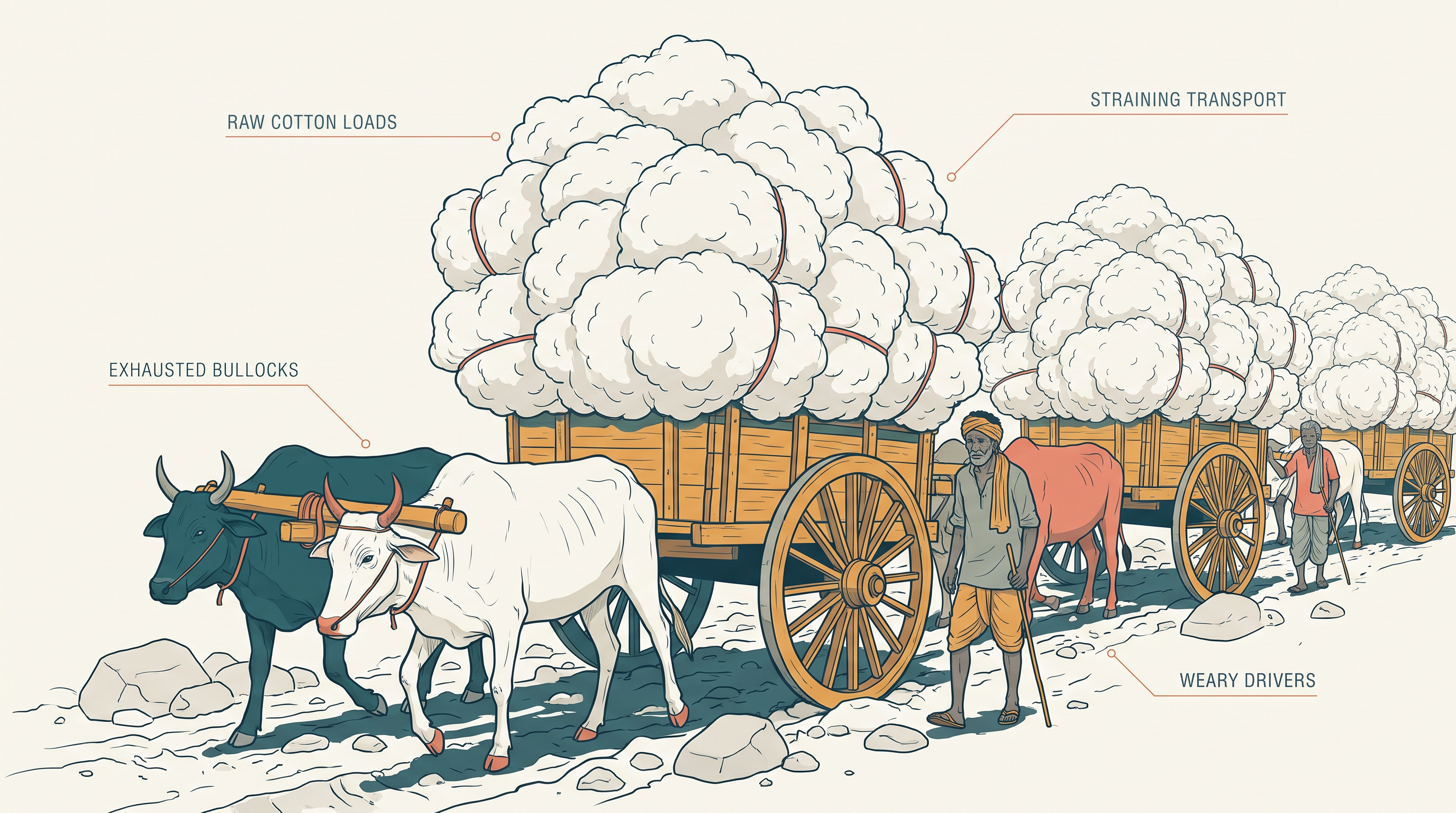
Fig. 9.0 – Cotton carts on a village road.
The chapter travels through three countrysides, far apart from one another. It begins in Bengal, among the zamindars and the peasants who paid them. It then moves to the Rajmahal hills of eastern India, where the Paharias lived by the hoe and the Santhals arrived with the plough. It ends in the Bombay Deccan, in the villages where cotton grew and where, in 1875, peasants turned on their moneylenders.
Map
Map 9.A1 Caption: The three regions studied in this chapter, as they were under Company rule. Brief: Outline map showing the full extent of India as officially defined. Shade only three areas — Bengal, the Rajmahal hills, and the Bombay Deccan. Label Burdwan, Dinajpur, the Rajmahal hills, Bhagalpur, Birbhum, Poona, Supa, Ahmednagar and Bombay. State in the key that these are regions of the colonial period, and that the boundaries shown are not present-day administrative boundaries.
9.1 Bengal And The Zamindars
Colonial rule in India was first established in Bengal. It was here, therefore, that the earliest attempts were made to reorder rural society, to create a new regime of land rights and to build a new revenue system. Revenue is the tax the state takes from the land — the largest single source of income for almost every ruler in Indian history, and for the East India Company as well.
What the Company did in Bengal it did without a model to follow. Officials were experimenting on a countryside they barely understood, and the experiment shaped millions of lives. Let us see what happened in Bengal in the early years of Company rule.
9.1.1 An Auction In Burdwan
In 1797 there was an auction in Burdwan, in Bengal — the town is present-day Bardhaman. It was a big public event. A number of mahals, or estates, held by the Raja of Burdwan were being sold.
Why were a raja’s lands being sold at all? Because of a settlement made four years earlier. The Permanent Settlement had come into operation in 1793. Under it, the East India Company fixed the amount of revenue that each zamindar had to pay, and fixed it for ever. The estates of those who failed to pay were to be auctioned to recover the revenue. The Raja of Burdwan had accumulated huge arrears — unpaid dues piled up over years — and so his estates had been put up for auction.
A Twist The Collector Did Not Expect
Numerous purchasers came to the auction, and the estates were sold to the highest bidder. So far, the system appeared to be working exactly as designed. The Collector — the Company’s chief revenue and administrative officer in a district — could report that the state had recovered what it was owed.
But the Collector soon discovered a strange twist to the tale. Many of the purchasers turned out to be servants and agents of the raja, who had bought the lands on behalf of their master. Over 95 per cent of the sale at the auction was fictitious. The raja’s estates had been publicly sold, and yet he remained in control of his zamindari.
Hold on to the questions this raises, because the whole section is an answer to them. Why had the raja failed to pay the revenue? Who were the purchasers at the auction? And what does the story tell us about what was happening in the rural areas of eastern India at that time?

Fig. 9.1 – The Burdwan raja’s palace in Calcutta.
Notice what the palace tells you. A family whose estates were supposedly sold off for unpaid revenue was, decades later, still rich enough to build like this — and to build in Calcutta, far from the villages whose rent paid for it.
9.1.2 The Problem Of Unpaid Revenue
The estates of the Burdwan raj were not the only ones sold during the closing years of the eighteenth century. Over 75 per cent of the zamindaris changed hands after the Permanent Settlement. Three out of every four estates in Bengal came under the auctioneer’s hammer at some point. A settlement meant to bring order had produced an extraordinary churning of land.
What The Officials Hoped For
In introducing the Permanent Settlement, British officials hoped to resolve the problems they had been facing since the conquest of Bengal. By the 1770s, the rural economy in Bengal was in crisis, with recurrent famines and declining agricultural output. Something, officials felt, had to change.
Their diagnosis was that nobody had any reason to invest in the land. If the state could raise its demand whenever a harvest improved, why would anyone spend money on improving it? Officials therefore felt that agriculture, trade and the revenue resources of the state could all be developed by encouraging investment in agriculture. This could be done by securing rights of property and permanently fixing the rates of revenue demand.
The logic ran like this. If the revenue demand of the state was permanently fixed, then the Company could look forward to a regular flow of revenue. Entrepreneurs, meanwhile, could feel sure of earning a profit from their investment, since the state would not siphon it off by increasing its claim. The process, officials hoped, would lead to the emergence of a class of yeomen farmers and rich landowners — independent farmers with enough capital to improve their fields — who would have the capital and enterprise to improve agriculture. Nurtured by the British, this class would also be loyal to the Company.
Who Was To Be Settled With?
The problem, however, lay in identifying individuals who could both improve agriculture and contract to pay the fixed revenue to the state. Rural Bengal had many kinds of people with claims on the land, and the Company had to choose.
After a prolonged debate amongst Company officials, the Permanent Settlement was made with the rajas and taluqdars of Bengal. They were now classified as zamindars, and they had to pay the revenue demand that was fixed in perpetuity — that is, for all time to come. In terms of this definition, the zamindar was not a landowner in the village, but a revenue Collector of the state.
Zamindars had several villages under them — sometimes as many as 400. In Company calculations the villages within one zamindari formed one revenue estate. The Company fixed the total demand over the entire estate whose revenue the zamindar contracted to pay.
The arrangement then worked in a single chain. The zamindar collected rent from the different villages, paid the revenue to the Company, and retained the difference as his income. He was expected to pay the Company regularly, failing which his estate could be auctioned. Everything, therefore, depended on rent actually coming in.

Fig. 9.2 – Charles Cornwallis.
9.1.3 Why Zamindars Defaulted On Payments
Company officials felt that a fixed revenue demand would give zamindars a sense of security. Assured of returns on their investment, zamindars would be encouraged to improve their estates. That was the theory.
In the early decades after the Permanent Settlement, however, zamindars regularly failed to pay the revenue demand, and unpaid balances accumulated. The reasons for this failure were various, and it is worth taking them one at a time.
Four Reasons For Default
First: the initial demands were very high. This was because it was felt that if the demand was fixed for all time to come, the Company would never be able to claim a share of increased income from land when prices rose and cultivation expanded. To minimise this anticipated loss, the Company pegged the revenue demand high, arguing that the burden on zamindars would gradually decline as agricultural production expanded and prices rose. In other words, the Company demanded a lot now in exchange for giving up the right to demand more later.
Second: this high demand was imposed in the 1790s, a time when the prices of agricultural produce were depressed. Low prices made it difficult for the ryots to pay their dues to the zamindar. And if the zamindar could not collect the rent, how could he pay the Company?
Third: the revenue was invariable, regardless of the harvest, and had to be paid punctually. A flood, a drought or a failed crop changed nothing. In fact, according to the Sunset Law, if payment did not come in by sunset of the specified date, the zamindari was liable to be auctioned. The deadline was that literal.
Fourth: the Permanent Settlement initially limited the power of the zamindar to collect rent from the ryot and manage his zamindari. He was held responsible for a sum he now had less power to raise.
The Collectorate Rises, The Zamindar Shrinks
That fourth reason deserves unpacking, because it shows what colonial rule actually did to power in the countryside. The Company had recognised the zamindars as important, but it wanted to control and regulate them, subdue their authority and restrict their autonomy.
So the zamindars’ troops were disbanded, customs duties abolished, and their cutcheries — their courts — brought under the supervision of a Collector appointed by the Company. Zamindars lost their power to organise local justice and the local police. The very instruments through which a zamindar had made people obey him were taken away.
Over time the collectorate emerged as an alternative centre of authority, severely restricting what the zamindar could do. In one case, when a raja failed to pay the revenue, a Company official was speedily dispatched to his zamindari with explicit instructions ‘to take charge of the District and to use the most effectual means to destroy all the influence and the authority of the raja and his officers’. The Company wanted zamindars who could pay, not zamindars who could rule.
Rent Collection: A Perennial Problem
At the time of rent collection, an officer of the zamindar, usually the amlah, came around to the village. But rent collection was a perennial problem — a problem that never went away.
Sometimes bad harvests and low prices made payment of dues difficult for the ryots. At other times ryots deliberately delayed payment. Refusal was dangerous; delay was cheap, and it worked.
Rich ryots and village headmen — jotedars and mandals — were only too happy to see the zamindar in trouble. A weakened zamindar meant a freer hand for them. The zamindar could therefore not easily assert his power over them.
Zamindars could prosecute defaulters, but the judicial process was long drawn. How long drawn? In Burdwan alone there were over 30,000 pending suits for arrears of rent payment in 1798. A zamindar who went to court was joining a queue tens of thousands deep.
9.1.4 The Rise Of The Jotedars
While many zamindars were facing a crisis at the end of the eighteenth century, a group of rich peasants were consolidating their position in the villages. The same conditions that ruined one group were making another.
In Francis Buchanan’s survey of the Dinajpur district in North Bengal we have a vivid description of this class of rich peasants known as jotedars. Buchanan was a Company surveyor, and we will look closely at how he worked, and at what his eye missed, later in this chapter.
By the early nineteenth century, jotedars had acquired vast areas of land — sometimes as much as several thousand acres. They controlled local trade as well as moneylending, exercising immense power over the poorer cultivators of the region. Land, trade and credit in one pair of hands is a formidable combination.
A large part of their land was cultivated through sharecroppers — adhiyars or bargadars — who brought their own ploughs, laboured in the field, and handed over half the produce to the jotedars after the harvest. A sharecropper owns no land: he works another man’s field and gives up a share of the crop, here one half of it.
Why A Jotedar Was Harder To Fight Than A Zamindar
Within the villages, the power of jotedars was more effective than that of zamindars. The reason was simple and physical: unlike zamindars, who often lived in urban areas, jotedars were located in the villages, and exercised direct control over a considerable section of poor villagers.
From that position they could obstruct the zamindar at every turn. They fiercely resisted efforts by zamindars to increase the jama — the revenue demand distributed over the village. They prevented zamindari officials from executing their duties. They mobilised ryots who were dependent on them, and they deliberately delayed payments of revenue to the zamindar.
And then came the sharpest move of all. When the estates of the zamindars were auctioned for failure to make revenue payment, jotedars were often amongst the purchasers. The men who had helped block the rent now bought the estate.
The jotedars were most powerful in North Bengal, although rich peasants and village headmen were emerging as commanding figures in the countryside in other parts of Bengal as well. In some places they were called haoladars, elsewhere they were known as gantidars or mandals. Different names, the same figure. Their rise inevitably weakened zamindari authority.
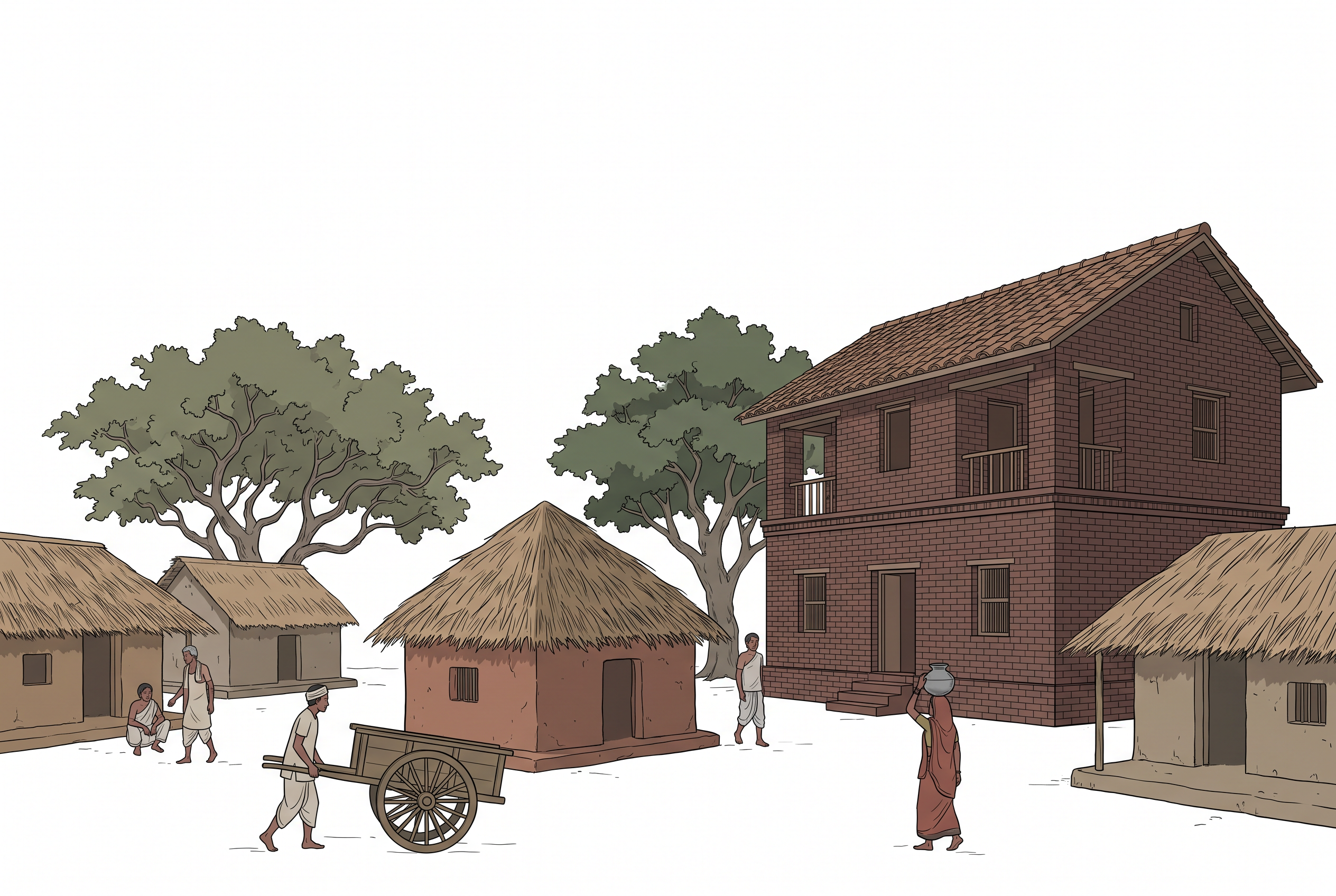
Fig. 9.3 – A Bengal village and a jotedar’s house.
Buchanan’s own description of the Dinajpur jotedars is worth reading in full. He is not sympathetic to them, and he says so; but he also admits that the zamindars cannot do without them.
Read the passage again and notice what the jotedars are actually doing. They are not attacking the zamindar; they are using the Company’s own institutions — the police station, the lower court, the slow business of a case that stays unsettled — against him. The new legal order gave a rich villager weapons his grandfather never had.
Who Paid Whom: Power In Rural Bengal
It helps to see the whole chain of payments at once, because every group in this section appears somewhere in it. Zamindars were responsible for two things: paying revenue to the Company, and distributing the revenue demand, the jama, over the villages. Each village ryot, big or small, paid rent to the zamindar.
The jotedars sat inside this chain and drew from it. They gave out loans to other ryots and sold their produce. The ryots, in turn, cultivated some land themselves and gave out the rest to under-ryots on rent, and the under-ryots paid rent to the ryots. At every level someone was paying someone above him, and the man at the bottom held no land at all.
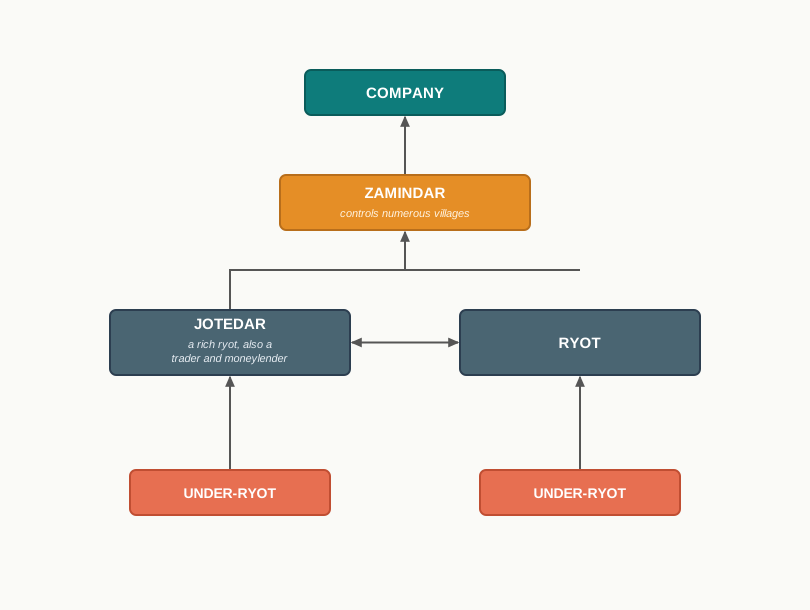
Fig. 9.4 – Power in rural Bengal.
9.1.5 The Zamindars Resist
The authority of the zamindars in rural areas, however, did not collapse. Faced with an exorbitantly high revenue demand and the possible auction of their estates, they devised ways of surviving the pressures. New contexts produced new strategies.
Fictitious Sale
Fictitious sale was one such strategy, and it explains the Burdwan auction of 1797. It involved a series of manoeuvres.
The Raja of Burdwan, for instance, first transferred some of his zamindari to his mother, since the Company had decreed that the property of women would not be taken over. That much of the estate was now beyond the auctioneer’s reach.
Then, as a second move, his agents manipulated the auctions. The revenue demand of the Company was deliberately withheld, and unpaid balances were allowed to accumulate. When a part of the estate was auctioned, the zamindar’s men bought the property, outbidding other purchasers.
Subsequently they refused to pay up the purchase money, so that the estate had to be resold. Once again it was bought by the zamindar’s agents, once again the purchase money was not paid, and once again there was an auction. This process was repeated endlessly, exhausting the state and the other bidders at the auction.
At last the estate was sold at a low price back to the zamindar. The zamindar never paid the full revenue demand, and the Company rarely recovered the unpaid balances that had piled up. The law had been obeyed at every step, and defeated at every step.
Such transactions happened on a grand scale. Between 1793 and 1801 four big zamindaris of Bengal, including Burdwan, made benami purchases that collectively yielded as much as Rs 30 lakh. Of the total sales at the auctions, over 15 per cent were fictitious.
Force, Loyalty, And The Limits Of An Auction Notice
There were other ways in which zamindars circumvented displacement. When people from outside the zamindari bought an estate at an auction, they could not always take possession. Buying an estate on paper and entering it were two different things.
At times the agents of the new purchaser would be attacked by lathyals of the former zamindar. Sometimes even the ryots resisted the entry of outsiders. They felt bound to their own zamindar through a sense of loyalty, and perceived him as a figure of authority and themselves as his proja, his subjects. The sale of the zamindari disturbed their sense of identity, their pride. The zamindars therefore were not easily displaced.
By the beginning of the nineteenth century the depression in prices was over. Thus those who had survived the troubles of the 1790s consolidated their power. Rules of revenue payment were also made somewhat flexible.
As a result, the zamindar’s power over the villages was strengthened. It was only during the Great Depression of the 1930s — the worldwide slump in prices and trade — that they finally collapsed, and the jotedars consolidated their power in the countryside. The rise of the village rich, which began in Buchanan’s time, took well over a century to finish its work. The sequence is set out in Fig. 9.5.
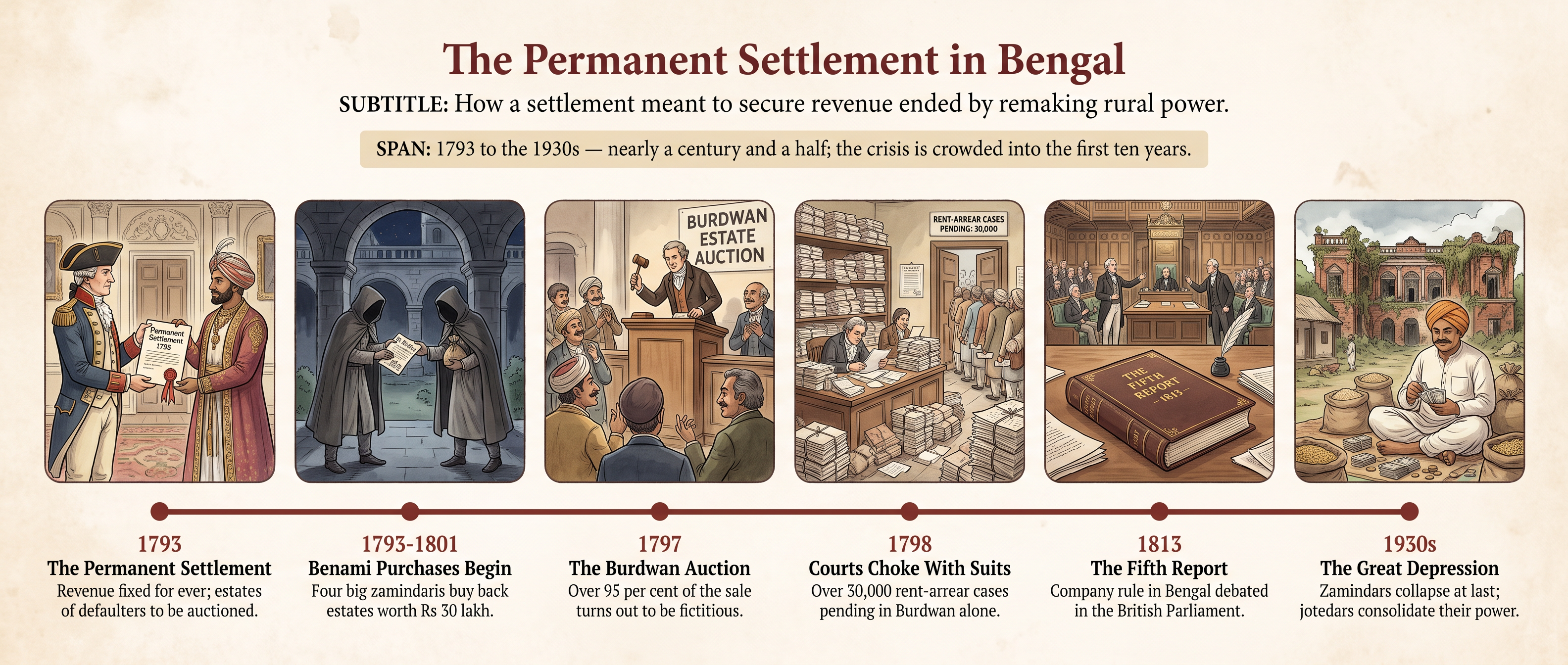
Fig. 9.5 – Bengal Under The Permanent Settlement.
9.1.6 The Fifth Report
Many of the changes we are discussing were documented in detail in a report that was submitted to the British Parliament in 1813. It was the fifth of a series of reports on the administration and activities of the East India Company in India.
Often referred to as the Fifth Report, it ran into 1002 pages, of which over 800 pages were appendices. Those appendices reproduced petitions of zamindars and ryots, reports of collectors from different districts, statistical tables on revenue returns, and notes on the revenue and judicial administration of Bengal and Madras — present-day Tamil Nadu. It is, in short, an archive bound into a book, and much of what this section has told you comes out of it.
Why Britain Was Watching
From the time the Company established its rule in Bengal in the mid-1760s, its activities were closely watched and debated in England. A trading company had become a ruler, and not everyone in Britain was pleased about it.
There were many groups in Britain who were opposed to the monopoly that the East India Company had over trade with India and China. A monopoly is an exclusive right to trade, which shuts everybody else out. These groups wanted a revocation of the Royal Charter that gave the Company this monopoly.
An increasing number of private traders wanted a share in the India trade, and the industrialists of Britain were keen to open up the Indian market for British manufactures. Many political groups argued that the conquest of Bengal was benefiting only the East India Company, but not the British nation as a whole. The attack on the Company, then, was driven as much by commercial ambition as by conscience.
Information about Company misrule and maladministration was hotly debated in Britain, and incidents of the greed and corruption of Company officials were widely publicised in the press. The British Parliament responded. It passed a series of Acts in the late eighteenth century to regulate and control Company rule in India.
It forced the Company to produce regular reports on the administration of India, and appointed committees to enquire into the affairs of the Company. The Fifth Report was one such report, produced by a Select Committee. It became the basis of intense parliamentary debates on the nature of the East India Company’s rule in India.

Fig. 9.6 – The ruined Andul Raj Palace.
An Invaluable Source That Cannot Be Trusted Uncritically
For over a century and a half, the Fifth Report has shaped our conception of what happened in rural Bengal in the late eighteenth century. The evidence contained in the Fifth Report is invaluable. There is nothing else of that richness.
But official reports like this have to be read carefully. We need to know who wrote the reports and why they were written. A document produced to win an argument in Parliament is not the same thing as a neutral record of a countryside.
In fact, recent researches show that the arguments and evidence offered by the Fifth Report cannot be accepted uncritically. Researchers have carefully examined the archives of various Bengal zamindars and the local records of the districts to write about the history of colonial rule in rural Bengal.
They indicate that, intent on criticising the maladministration of the Company, the Fifth Report exaggerated the collapse of traditional zamindari power, as also overestimated the scale on which zamindars were losing their land. As we have seen, even when zamindaris were auctioned, zamindars were not always displaced, given the ingenious methods they used to retain their zamindaris. The Report was not lying. It was arguing — and an argument selects.
Now read the Report in its own voice. The extract below deals with the condition of zamindars and the auction of lands, and it is built almost entirely out of figures.
The sicca rupee was the currency in use in Bengal in these years, and the jumma is the assessment — the revenue figure attached to a piece of land. Work through the numbers slowly, because the Report is arguing through them. In 1796-97, land assessed at 28,70,061 rupees was advertised, but land assessed at only 14,18,756 rupees was actually sold: less than half. In 1797-98, land assessed at 26,66,191 rupees was advertised and 22,74,076 rupees’ worth was sold: this time most of it.
Two years is a very short window. From two years you cannot tell whether auctions were rising or falling, whether the same estates came up again and again, or — the question this whole section has been asking — who was actually standing in the crowd, bidding.
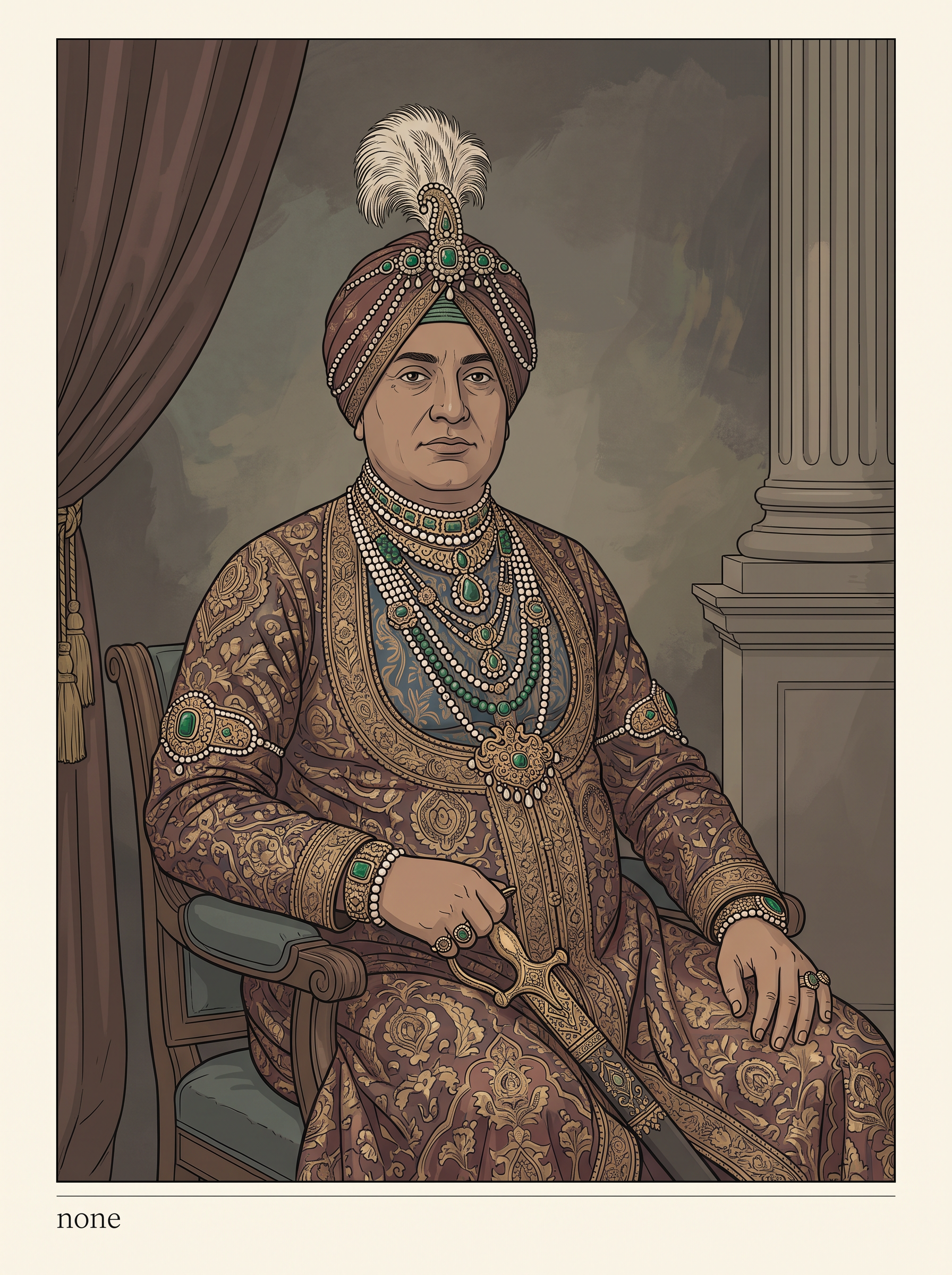
Fig. 9.7 – Maharaja Mehtab Chand of Burdwan.
Look at that caption again, and you have the whole of this section in one life. The estate that was auctioned in 1797 was, a generation later, prospering — and its raja was helping the British put down rebellions. The zamindars of Bengal did not vanish under the Permanent Settlement. They learned to live with it, and then to use it.
9.2 The Hoe And The Plough
Let us now shift our focus from the wetlands of Bengal to drier zones — from a region of settled cultivation to one where shifting agriculture was practised. Shifting agriculture is farming that moves: a patch of forest is cleared, cropped for a few years, and then left to recover while the cultivator moves on.
You will see the changes that came about when the frontiers of the peasant economy expanded outwards, swallowing up pastures and forests in the Rajmahal hills. The Rajmahal hills lie in eastern India, in the country west of the Bengal plains and north of Bhagalpur. You will also see how these changes created a variety of conflicts within the region.
The title of this section is a compressed argument. A hoe scratches the earth; a plough turns it over. Behind those two tools stand two ways of living, and the story that follows is the story of what happened when one was pushed on to the land of the other.
9.2.1 In The Hills Of Rajmahal
In the early nineteenth century, Buchanan travelled through the Rajmahal hills. From his description, the hills appeared impenetrable — a zone where few travellers ventured, an area that signified danger.
Wherever he went, people were hostile, apprehensive of officials and unwilling to talk to them. In many instances they deserted their villages and absconded. An entire village would simply be empty when he arrived.
Who were these hill folk? Why were they so apprehensive of Buchanan’s visit? Both questions matter, and the second one is a question about him as much as about them.
What A Journal Can And Cannot Do
Buchanan’s journal gives us tantalising glimpses of these hill folk in the early nineteenth century. His journal was written as a diary of places he visited, people he encountered, and practices he saw.
It raises questions in our mind, but does not always help us answer them. It tells us about a moment in time, but not about the longer history of people and places. For that, historians have to turn to other records.
This is worth pausing on, because it is a lesson about evidence in general. A traveller’s diary is a photograph, not a film. It freezes one season of one year, seen by one pair of eyes with one set of instructions in its pocket.
If we look at late-eighteenth-century revenue records, we learn that these hill folk were known as Paharias. They lived around the Rajmahal hills, subsisting on forest produce and practising shifting cultivation.
Living By The Hoe
Their farming worked with the forest rather than against it. They cleared patches of forest by cutting bushes and burning the undergrowth. On these patches, enriched by the potash from the ash, the Paharias grew a variety of pulses and millets for consumption — food for the household, not a crop for sale.
They scratched the ground lightly with hoes, cultivated the cleared land for a few years, then left it fallow so that it could recover its fertility, and moved to a new area. Fallow land is land deliberately left uncropped so that the soil can rebuild itself. The system needed one thing above all: room to move.
From the forests they collected mahua, a flower, for food, silk cocoons and resin for sale, and wood for charcoal production. The undergrowth that spread like a mat below the trees, and the patches of grass that covered the lands left fallow, provided pasture for cattle. Nothing in this landscape was waste.
The life of the Paharias — as hunters, shifting cultivators, food gatherers, charcoal producers, silkworm rearers — was thus intimately connected to the forest. They lived in hutments within tamarind groves, and rested in the shade of mango trees.
They considered the entire region as their land, the basis of their identity as well as survival, and they resisted the intrusion of outsiders. Their chiefs maintained the unity of the group, settled disputes, and led the tribe in battles with other tribes and plainspeople.
Now look at how a British artist saw the same hills.
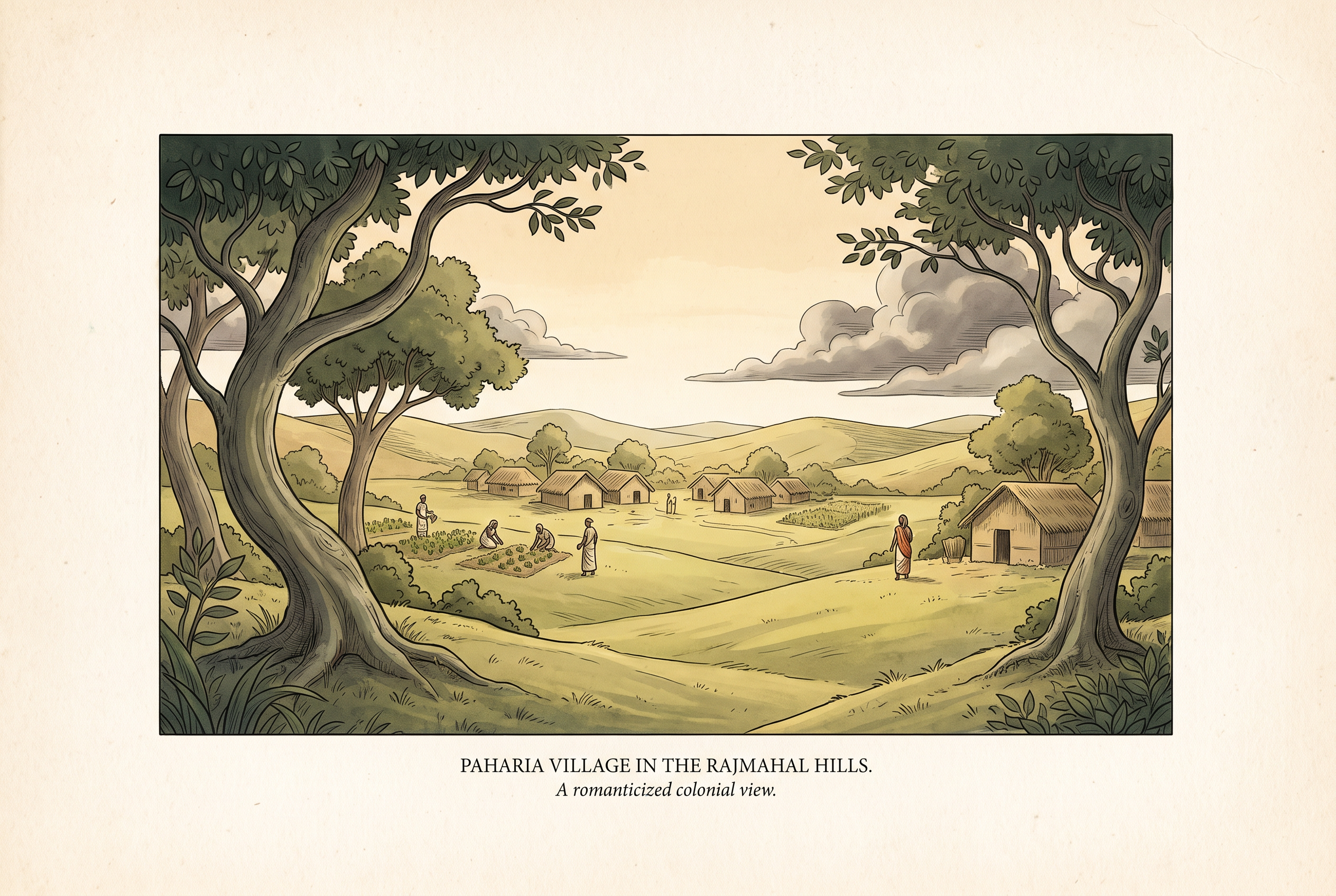
Fig. 9.8 – A hill village in Rajmahal.
Raids, Tolls And A Fragile Peace
With their base in the hills, the Paharias regularly raided the plains where settled agriculturists lived. It is easy to file these raids under lawlessness. The chapter asks you to think harder.
These raids were necessary for survival, particularly in years of scarcity. They were also a way of asserting power over settled communities, and a means of negotiating political relations with outsiders. A group that could raid was a group that had to be dealt with.
And it was dealt with. The zamindars on the plains had to often purchase peace by paying a regular tribute to the hill chiefs. Traders similarly gave a small amount to the hill folk for permission to use the passes controlled by them. Once the toll was paid, the Paharia chiefs protected the traders, ensuring that their goods were not plundered by anyone. A toll and a guarantee — this was a working relationship, not chaos.
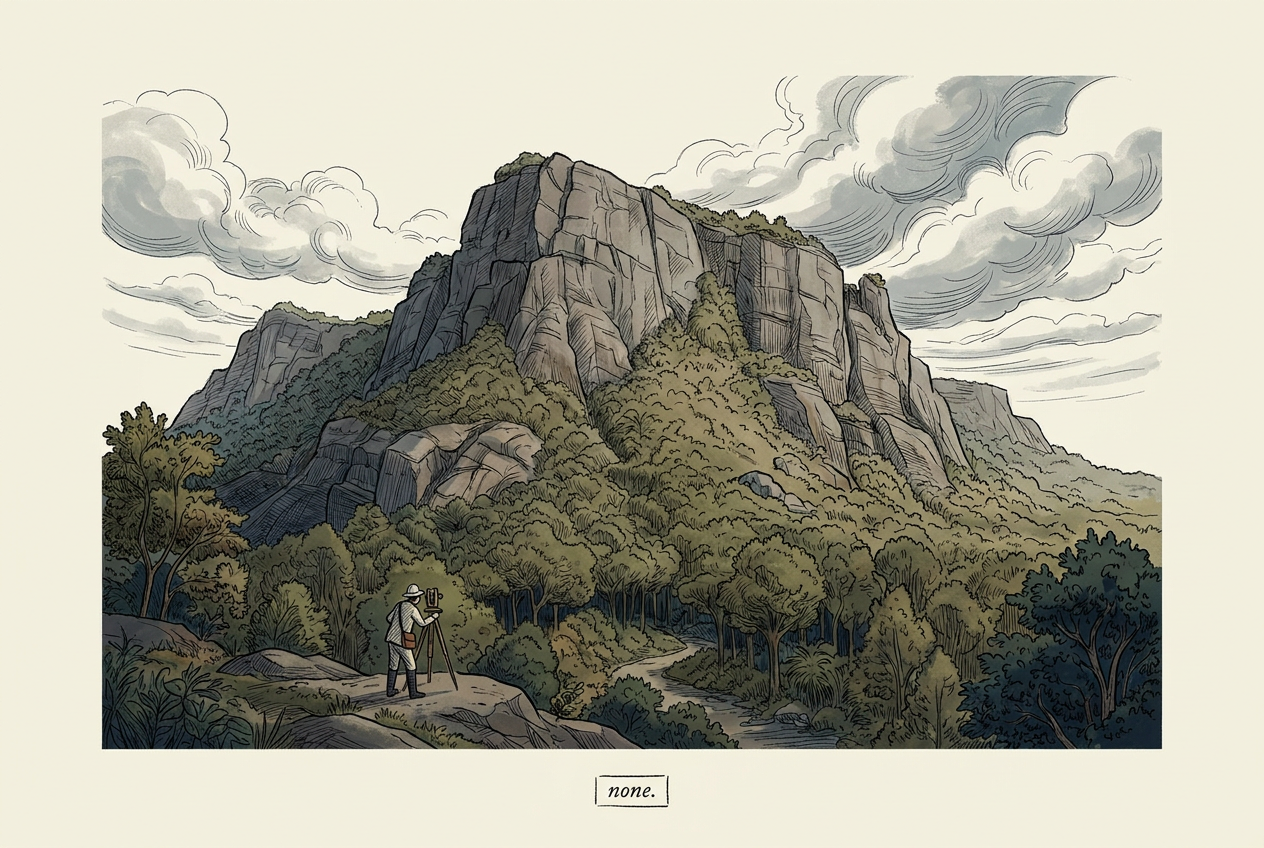
Fig. 9.9 – Jangal territory.
The Frontier Of The Plough Advances
This negotiated peace was somewhat fragile. It broke down in the last decades of the eighteenth century, when the frontiers of settled agriculture were being aggressively extended in eastern India.
The British encouraged forest clearance, and zamindars and jotedars turned uncultivated lands into rice fields. Remember why zamindars needed to do this: a fixed revenue demand was easier to meet from more cultivated acres.
To the British, extension of settled agriculture was necessary to enlarge the sources of land revenue, produce crops for export, and establish the basis of a settled, ordered society. A forest yields no assessment. A rice field does, and it stays where the surveyor left it.
They also associated forests with wildness, and saw forest people as savage, unruly, primitive, and difficult to govern. This was a judgement, not an observation, and it did enormous harm. So they felt that forests had to be cleared, settled agriculture established, and forest people tamed, civilised and persuaded to give up hunting and take to plough agriculture.
As settled agriculture expanded, the area under forests and pastures contracted. This sharpened the conflict between hill folk and settled cultivators. The former began to raid settled villages with increasing regularity, carrying away food grains and cattle. Exasperated colonial officials tried desperately to control and subdue the Paharias. But they found the task difficult.
Extermination, Then Pacification
In the 1770s the British embarked on a brutal policy of extermination, hunting the Paharias down and killing them. That is the plain word for it, and the chapter uses it.
Then, by the 1780s, Augustus Cleveland, the Collector of Bhagalpur, proposed a policy of pacification. Paharia chiefs were given an annual allowance and made responsible for the proper conduct of their men. They were expected to maintain order in their localities and discipline their own people.
Notice the trap in this offer. The allowance turned a chief into a paid officer of the state, answerable for his own community’s obedience. Many Paharia chiefs refused the allowances.
Those who accepted, most often lost authority within the community. Being in the pay of the colonial government, they came to be perceived as subordinate employees or stipendiary chiefs — chiefs who lived on a stipend from someone else. The very act of accepting money to keep order destroyed the standing that made order possible.
As the pacification campaigns continued, the Paharias withdrew deep into the mountains, insulating themselves from hostile forces, and carrying on a war with outsiders.
So when Buchanan travelled through the region in the winter of 1810-11, the Paharias naturally viewed him with suspicion and distrust. Now the empty villages make sense. The experience of pacification campaigns and memories of brutal repression shaped their perception of British infiltration into the area. Every white man appeared to represent a power that was destroying their way of life and means of survival, snatching away their control over their forests and lands.
By this time, in fact, there were newer intimations of danger. Santhals were pouring into the area, clearing forests, cutting down timber, ploughing land and growing rice and cotton.
As the lower hills were taken over by Santhal settlers, the Paharias receded deeper into the Rajmahal hills. If Paharia life was symbolised by the hoe, which they used for shifting cultivation, the settlers came to represent the power of the plough. The battle between the hoe and the plough was a long one.
9.2.2 The Santhals: Pioneer Settlers
At the end of 1810, Buchanan crossed Ganjuria Pahar, which was part of the Rajmahal ranges, passed through the rocky country beyond, and reached a village. It was an old village, but the land around had been recently cleared to extend cultivation.
Looking at the landscape, Buchanan found evidence of the region having been transformed through ‘proper application of human labour’. He wrote: ‘Gunjuriya is just sufficiently cultivated to show what a glorious country this might be made. I think its beauty and riches might be made equal to almost any in the universe.’ The soil here was rocky but ‘uncommonly fine’, and nowhere had Buchanan seen finer tobacco and mustard.
On enquiry he discovered that the frontiers of cultivation here had been extended by the Santhals. They had moved into this area around 1800, displaced the hill folk who lived on these lower slopes, cleared the forests and settled the land.
Why The British Wanted The Santhals
How did the Santhals reach the Rajmahal hills? They did not simply wander in; they were brought.
The Santhals had begun to come into Bengal around the 1780s. Zamindars hired them to reclaim land and expand cultivation, and British officials invited them to settle in the Jangal Mahals.
Having failed to subdue the Paharias and transform them into settled agriculturists, the British turned to the Santhals. The Paharias refused to cut forests, resisted touching the plough, and continued to be turbulent. The Santhals, by contrast, appeared to be ideal settlers, clearing forests and ploughing the land with vigour.
Damin-i-Koh: A Land With A Boundary Pillar
The Santhals were given land and persuaded to settle in the foothills of Rajmahal. By 1832 a large area of land was demarcated as Damin-i-Koh. This was declared to be the land of the Santhals.
The terms were exact. They were to live within it, practise plough agriculture, and become settled peasants. The land grant to the Santhals stipulated that at least one-tenth of the area was to be cleared and cultivated within the first ten years.
The territory was surveyed and mapped. Enclosed with boundary pillars, it was separated from both the world of the settled agriculturists of the plains and the Paharias of the hills. A people who had been moving for generations were now inside a line drawn on a map.
The results came quickly. After the demarcation of Damin-i-Koh, Santhal settlements expanded rapidly. From 40 Santhal villages in the area in 1838, as many as 1,473 villages had come up by 1851. Over the same period, the Santhal population increased from a mere 3,000 to over 82,000. As cultivation expanded, an increased volume of revenue flowed into the Company’s coffers — which was, after all, the point of the arrangement.
Santhal myths and songs of the nineteenth century refer very frequently to a long history of travel. They represent the Santhal past as one of continuous mobility, a tireless search for a place to settle. Here in the Damin-i-Koh their journey seemed to have come to an end. It is worth noticing that this is one of the few places in the chapter where we hear the people of the story in their own voice.
What The Damin Did To The Paharias
When the Santhals settled on the peripheries of the Rajmahal hills, the Paharias resisted but were ultimately forced to withdraw deeper into the hills.
Restricted from moving down to the lower hills and valleys, they were confined to the dry interior and to the more barren and rocky upper hills. This severely affected their lives, impoverishing them in the long term.
Follow the mechanism, because it is not obvious. Shifting agriculture depended on the ability to move to newer and newer land, and on the utilisation of the natural fertility of the soil. When the most fertile soils became inaccessible to them, being part of the Damin, the Paharias could not effectively sustain their mode of cultivation. Their way of farming did not fail; it was fenced out.
When the forests of the region were cleared for cultivation, the hunters amongst them also faced problems. The Santhals, by contrast, gave up their earlier life of mobility and settled down, cultivating a range of commercial crops for the market, and dealing with traders and moneylenders.
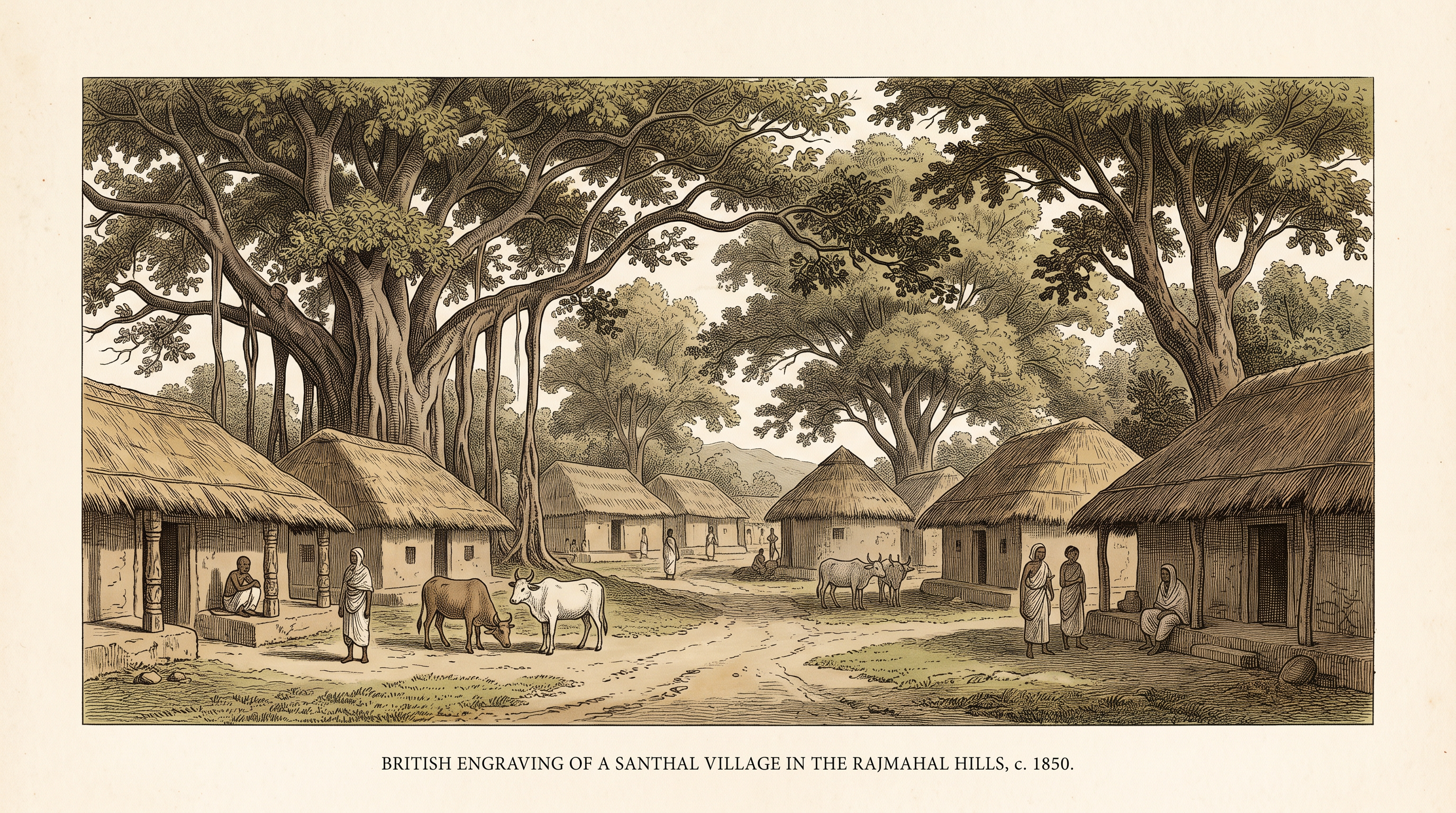
Fig. 9.10 – A village in Santhal country.
The Land Slips Away
The Santhals, however, soon found that the land they had brought under cultivation was slipping away from their hands. They had cleared it, ploughed it, and made it valuable — and precisely because it was now valuable, others came for it.
Three pressures closed in at once. The state was levying heavy taxes on the land that the Santhals had cleared. Moneylenders, the dikus, were charging them high rates of interest and taking over the land when debts remained unpaid. And zamindars were asserting control over the Damin area — the very area that had been declared Santhal land.
By the 1850s, the Santhals felt that the time had come to rebel against zamindars, moneylenders and the colonial state, in order to create an ideal world for themselves where they would rule.
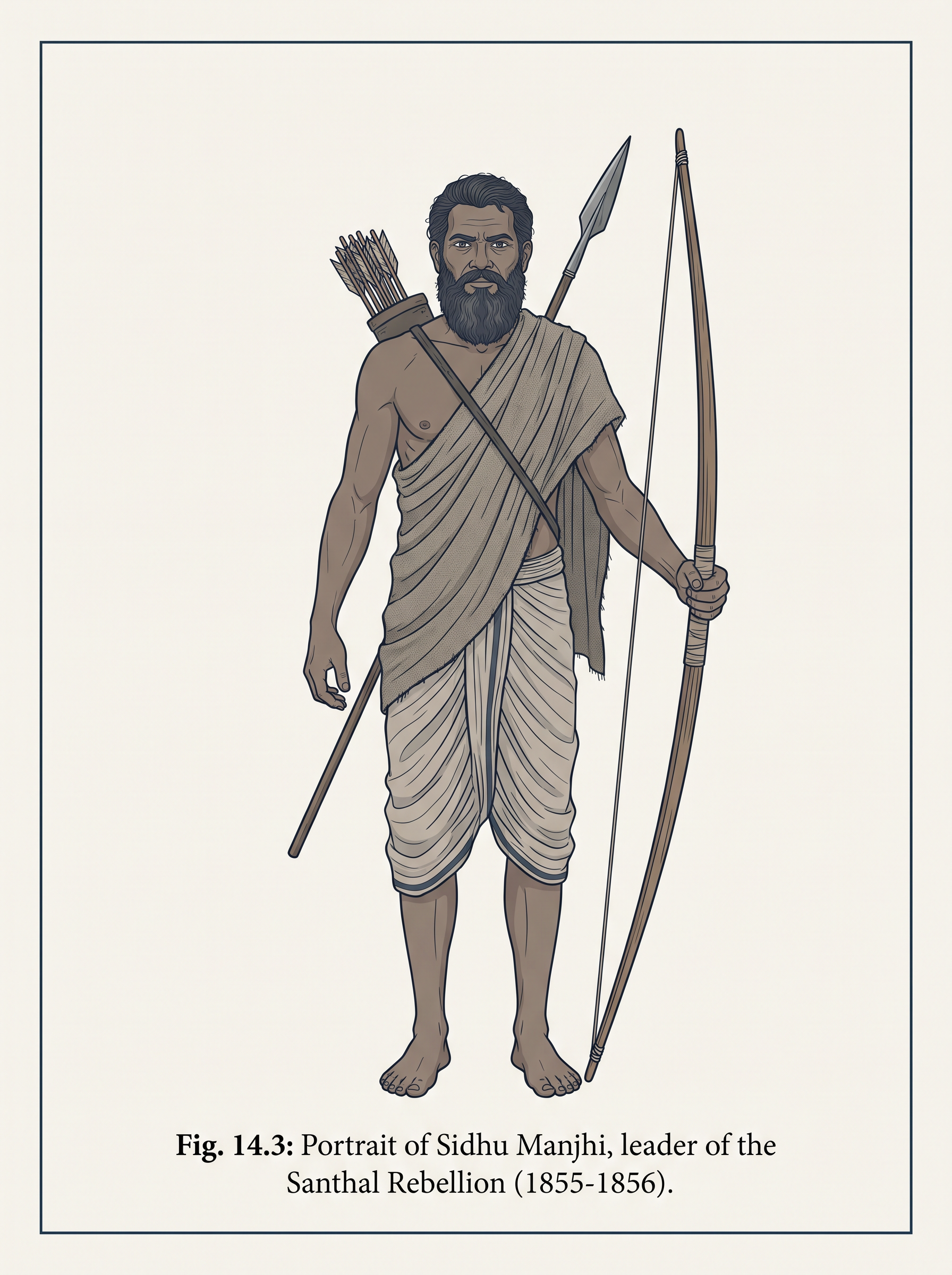
Fig. 9.11 – Sidhu Manjhi.
It was after the Santhal Revolt (1855-56) that the Santhal Pargana was created, carving out 5,500 square miles from the districts of Bhagalpur and Birbhum. The colonial state hoped that by creating a new territory for the Santhals and imposing some special laws within it, the Santhals could be conciliated. A rebellion had forced a change in the map — but the change was made by the state, on the state’s terms.
The sequence of everything that has happened in these hills is set out in Fig. 9.12.
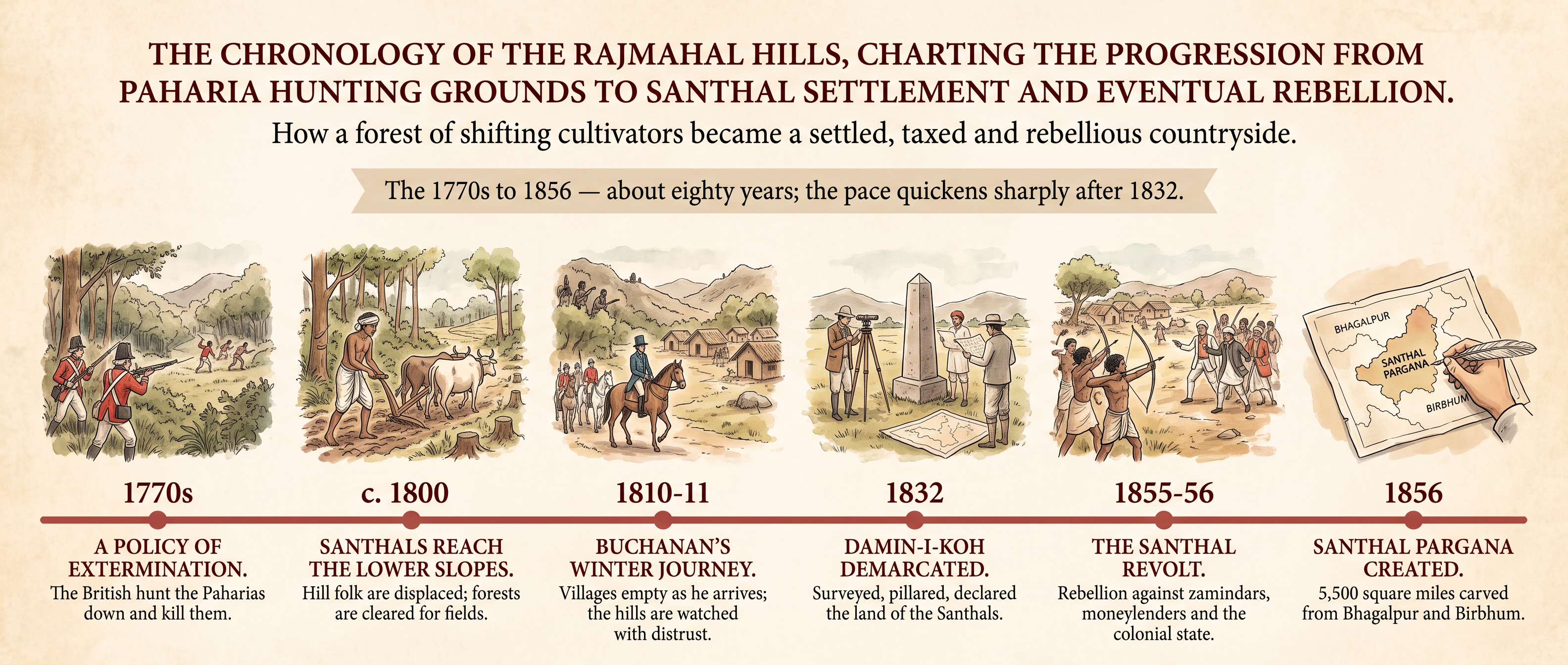
Fig. 9.12 – The Rajmahal Hills Under Colonial Rule.
Now look at how this rebellion was shown to readers in Britain.
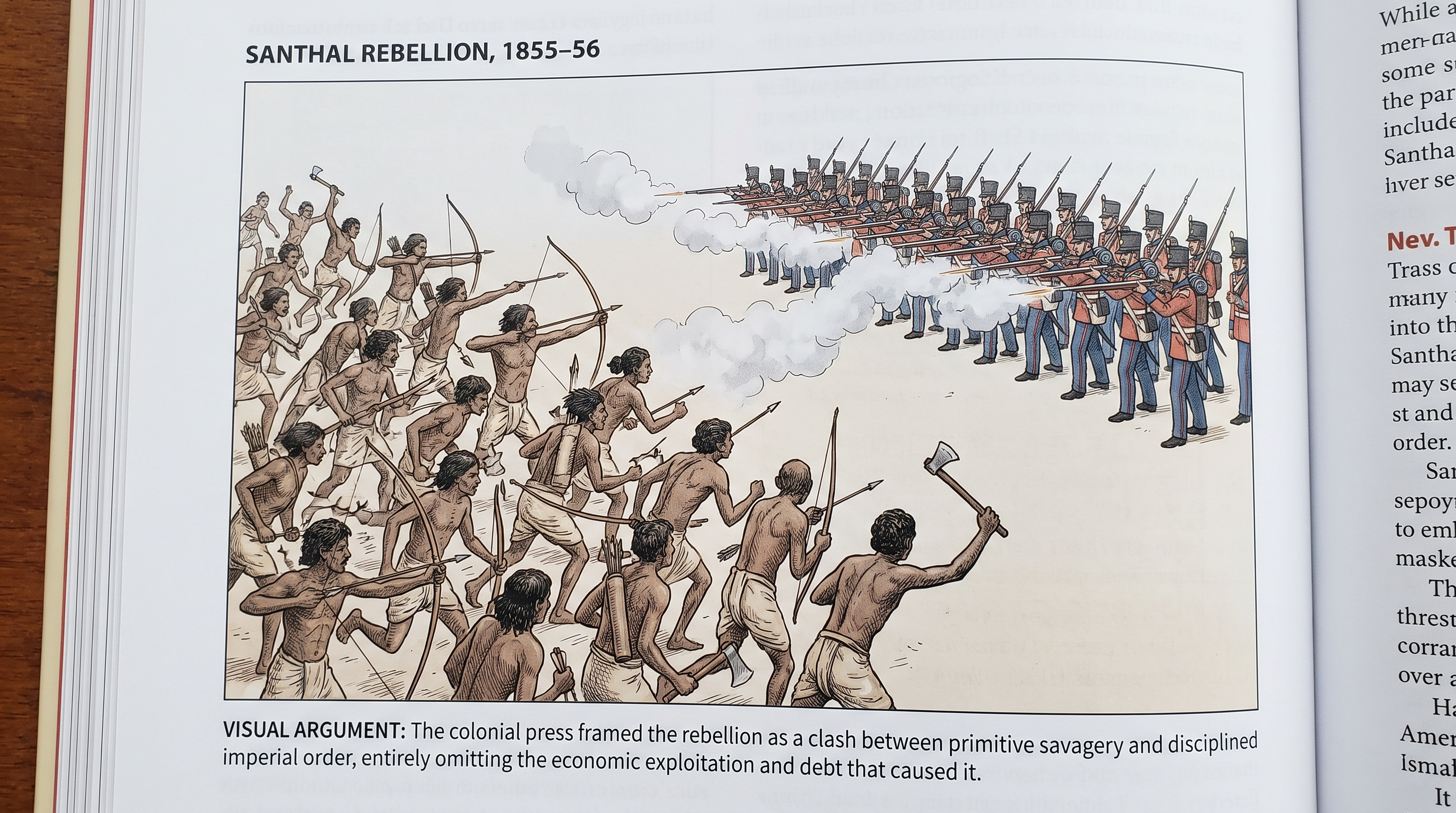
Fig. 9.13 – Santhals fight British sepoys.
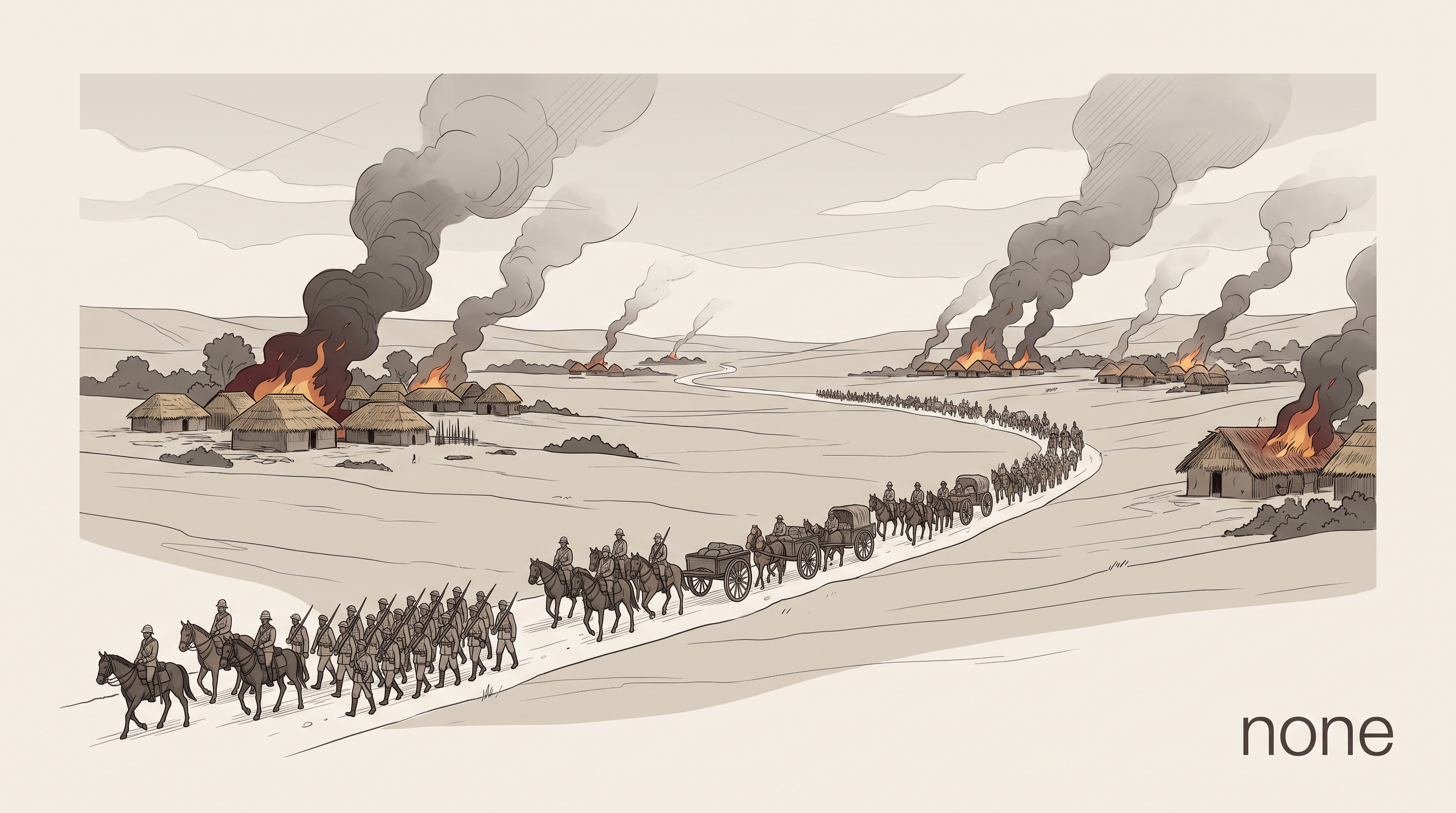
Fig. 9.14 – Burning of Santhal villages.
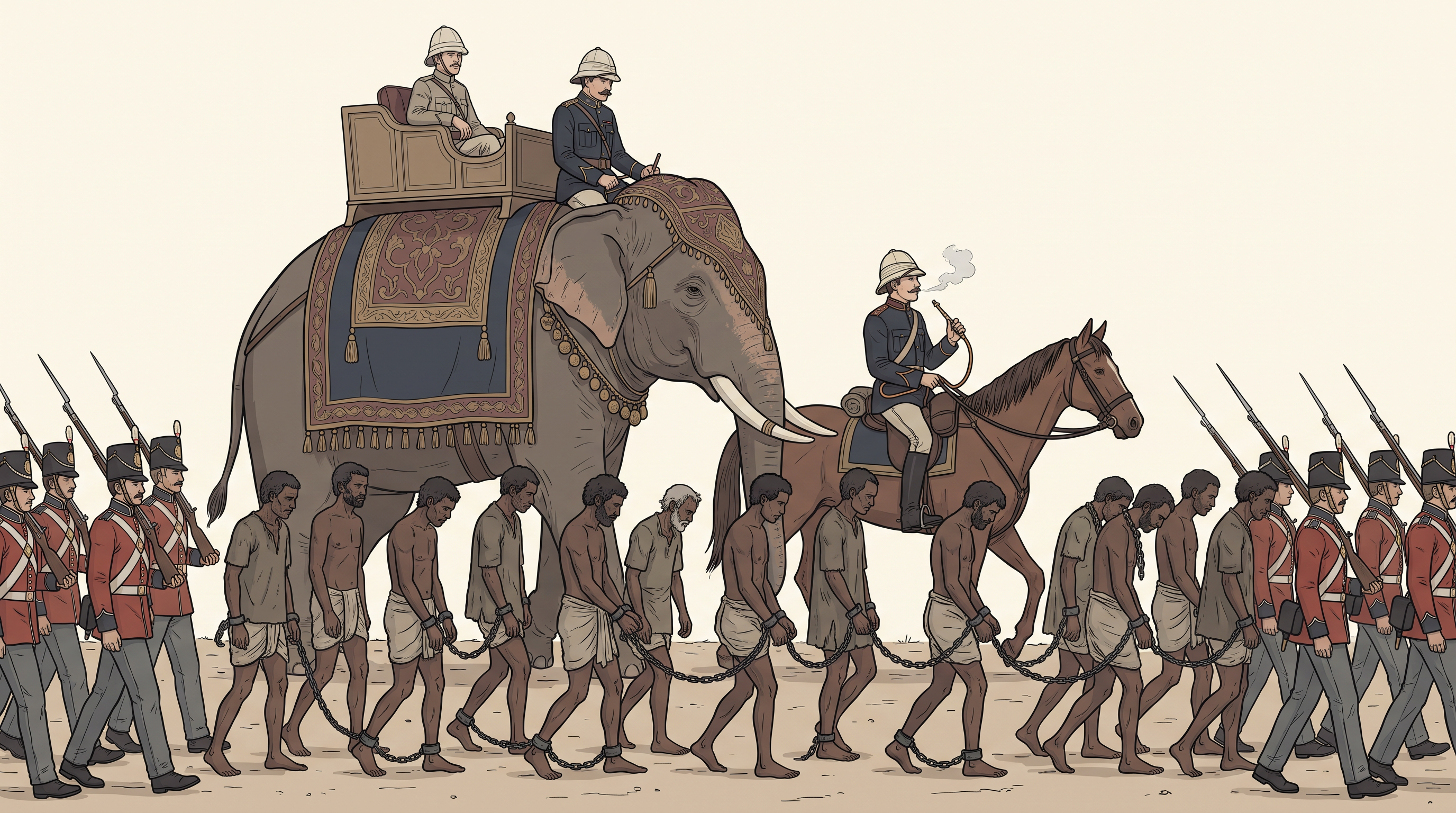
Fig. 9.15 – Santhal prisoners being taken away.
Notice the date on Figs. 9.10, 9.13 and 9.14: the same issue, 23 February 1856. The peaceful village and the savage rebels were printed together. The Santhals had not changed; the picture the British needed of them had.
9.2.3 The Accounts Of Buchanan
We have been drawing on Buchanan’s account throughout this section. Now we must turn the evidence around and look at the man holding the pen, because while reading his reports we should not forget that he was an employee of the British East India Company.
His journeys were not simply inspired by the love of landscape and the desire to discover the unknown. He marched everywhere with a large army of people — draughtsmen, surveyors, palanquin bearers, coolies.
The costs of the travels were borne by the East India Company, since it needed the information that Buchanan was expected to collect. Buchanan had specific instructions about what he had to look for and what he had to record. He was not a curious wanderer; he was a man with a brief.
And that is why the villages emptied. When he arrived at a village with his army of people, he was immediately perceived as an agent of the sarkar — of the government.
The Survey As An Instrument Of Power
As the Company consolidated its power and expanded its commerce, it looked for natural resources it could control and exploit. Knowledge was the first step in taking possession.
It surveyed landscapes and revenue sources, organised voyages of discovery, and sent its geologists and geographers, its botanists and medical men to collect information. Buchanan, undoubtedly an extraordinary observer, was one such individual.
Everywhere Buchanan went, he obsessively observed the stones and rocks and the different strata and layers of soil. He searched for minerals and stones that were commercially valuable. He recorded all signs of iron ore and mica, granite and saltpetre, and he carefully observed local practices of salt-making and iron-ore-mining. Source 4 shows what this looked like on the page.
When Buchanan wrote about a landscape, he most often described not just what he saw, what the landscape was like, but also how it could be transformed and made more productive — what crops could be cultivated, which trees cut down, and which ones grown. Every valley came with a plan attached.
And we must remember that his vision and his priorities were different from those of the local inhabitants. His assessment of what was necessary was shaped by the commercial concerns of the Company and modern Western notions of what constituted progress. He was inevitably critical of the lifestyles of forest dwellers, and felt that forests had to be turned into agricultural lands.
Read the three extracts that follow with that in mind. The first is Buchanan’s description of the Santhals, whose clearing of the forest he had praised only pages earlier.
Look at the shape of that judgement. The Santhals are useful — ‘very clever in clearing new lands’ — and then they are dismissed for how they live. Buchanan is measuring a Santhal house against the houses he thinks a settled, improving peasantry ought to build. Preserving his words does not mean accepting them; it means seeing exactly how a colonial observer sorted people into the useful and the backward.
Read Source 3 and Source 4 together and you can see the survey’s whole logic. The same man who dismissed a Santhal hut in one line will spend a paragraph on the grain of a rock. He records what the Company can use.
Notice the words ‘all that is wanted’. Buchanan is standing in a landscape he has just called exceedingly fine, and he is already rebuilding it in his head — woods replaced by plantations, the rest cleared and cultivated. To him this is progress. To a Paharia, whose food, charcoal, silk cocoons and pasture came out of those woods, it is the description of a way of life being cancelled.
9.3 A Revolt In The Countryside: The Bombay Deccan
You have read about how the lives of peasants and zamindars of colonial Bengal, and the Paharias and Santhals of the Rajmahal hills, were changing. Now let us move across to western India, and to a later period, and explore what was happening in the countryside in the Bombay Deccan. The Deccan is the dry plateau country of western India; the Bombay Deccan is the part of it that lay in the Bombay Presidency, around Poona and Ahmednagar.
One way of exploring such changes is by focusing on a peasant revolt. In such climactic times rebels express their anger and fury. They rise against what they perceive to be injustice and the causes of their suffering.
If we try to understand the premises of their resentment, and peel the layers of their anger, we get a glimpse of their life and experience that is otherwise hidden from us. Peasants do not write memoirs. But when they burn something, they tell us what they hated.
Revolts also produce records that historians can look at. Alarmed by the actions of rebels and keen on restoring order, state authorities do not simply repress a rebellion. They try and understand it, and enquire into its causes so that policies can be formulated and peace established. These enquiries produce evidence that historians can explore.
There is an irony here worth holding on to. Much of what we know about the poorest people in this chapter survives only because they frightened the government.
Through the nineteenth century, peasants in various parts of India rose in revolt against moneylenders and grain dealers. One such revolt occurred in 1875 in the Deccan.
9.3.1 Account Books Are Burnt
The movement began at Supa, a large village in Poona district — Poona is present-day Pune. It was a market centre where many shopkeepers and moneylenders lived.
On 12 May 1875, ryots from surrounding rural areas gathered and attacked the shopkeepers, demanding their bahi khatas — account books — and debt bonds. They burnt the khatas, looted grain shops, and in some cases set fire to the houses of sahukars.
Notice what the crowd asked for first. Not grain, not land, not cash — the ledgers. The paper was the target.
From Poona the revolt spread to Ahmednagar. Then, over the next two months, it spread even further, over an area of 6,500 square km. More than thirty villages were affected.
Everywhere the pattern was the same: sahukars were attacked, account books burnt and debt bonds destroyed. Terrified of peasant attacks, the sahukars fled the villages, very often leaving their property and belongings behind. A crowd that wanted plunder would have taken the property. These crowds wanted the paper.
As the revolt spread, British officials saw the spectre of 1857 — the great revolt against British rule that you will study in Chapter 11, and which haunted every official who saw a crowd in the countryside afterwards. Police posts were established in villages to frighten rebellious peasants into submission.
Troops were quickly called in. 951 people were arrested, and many convicted. But it took several months to bring the countryside under control.
The report of a district official, written four days after the attack on Supa, gives us the scene in the flattest possible language.
Read the last two lines again. The official’s estimate of the loss is over Rs 25,000; the moneylenders claim over 1 lakh — four times as much. Even a bare police report contains two different accounts of the same night, and it is the magistrate who decides which one to write down first.
Now read how a newspaper described the same kind of event a year later.
The writer has already decided who is in the wrong; the vocabulary does the judging before any argument is made. And yet the same report, read against its own grain, tells us something its author did not intend: that these were organised actions, planned in advance, with lookouts posted — not a mob losing its head.
Why the burning of bonds and deeds? Why this revolt? What does it tell us about the Deccan countryside and about agrarian changes under colonial rule? To answer, we have to leave 1875 for a while and look at this longer history of changes over the nineteenth century.
9.3.2 A New Revenue System
As British rule expanded from Bengal to other parts of India, new systems of revenue were imposed. The Permanent Settlement was rarely extended to any region beyond Bengal.
Why was this so? One reason was that after 1810, agricultural prices rose. This increased the value of harvest produce and enlarged the income of the Bengal zamindars.
But the revenue demand had been fixed for ever. Since the revenue demand was fixed under the Permanent Settlement, the colonial state could not claim any share of this enhanced income. The zamindars grew richer; the Company’s income stayed exactly where it had been in 1793.
Keen on expanding its financial resources, the colonial government had to think of ways to maximise its land revenue. So in territories annexed in the nineteenth century, temporary revenue settlements were made — settlements that could be revised.
An Economist In England, A Peasant In Maharashtra
There were other reasons too. When officials devise policies, their thinking is deeply shaped by economic theories they are familiar with. Ideas travel, and they arrive in a district with a Collector’s baggage.
By the 1820s, the economist David Ricardo was a celebrated figure in England. Colonial officials had learnt Ricardian ideas during college years. In Maharashtra, when British officials set about formulating the terms of the early settlement in the 1820s, they operated with some of these ideas.
According to Ricardian ideas, a landowner should have a claim only to the ‘average rent’ that prevailed at a given time. When the land yielded more than this ‘average rent’, the landowner had a surplus that the state needed to tax.
The argument for taxing that surplus was not only that the state wanted money. If tax was not levied, cultivators were likely to turn into rentiers, and their surplus income was unlikely to be productively invested in the improvement of the land.
Many British officials in India thought that the history of Bengal confirmed Ricardo’s theory. There the zamindars seemed to have turned into rentiers, leasing out land and living on the rental incomes. Fig. 9.1, the city palace with its ballroom, was exactly the picture such officials had in their heads. It was therefore necessary, the British officials now felt, to have a different system.
The Ryotwari Settlement
The revenue system that was introduced in the Bombay Deccan came to be known as the ryotwari settlement. Unlike the Bengal system, the revenue was directly settled with the ryot. There was no zamindar standing in between.
It was worked out in steps. The average income from different types of soil was estimated. The revenue-paying capacity of the ryot was assessed, and a proportion of it fixed as the share of the state.
And it did not stay fixed. The lands were resurveyed every 30 years and the revenue rates increased. Therefore the revenue demand was no longer permanent. The Company had learnt the lesson of Bengal, and had made sure that this time it would share in every rise.
9.3.3 Revenue Demand And Peasant Debt
The first revenue settlement in the Bombay Deccan was made in the 1820s. The revenue that was demanded was so high that in many places peasants deserted their villages and migrated to new regions. Abandoning a field is not a decision a peasant takes lightly; it tells you how impossible the demand was.
In areas of poor soil and fluctuating rainfall the problem was particularly acute. Much of the Deccan is exactly such country: thin soil, uncertain rain. When rains failed and harvests were poor, peasants found it impossible to pay the revenue.
The system, however, had no room for a bad year. The collectors in charge of revenue collection were keen on demonstrating their efficiency and pleasing their superiors, so they went about extracting payment with utmost severity. When someone failed to pay, his crops were seized and a fine was imposed on the whole village — punishing the neighbours for one man’s empty granary.
The 1830s: Falling Prices And A Famine
By the 1830s the problem became more severe. Prices of agricultural products fell sharply after 1832 and did not recover for over a decade and a half. This meant a further decline in peasants’ income: the same harvest now fetched less money, while the revenue demand did not fall with it.
At the same time the countryside was devastated by a famine that struck in the years 1832-34. One-third of the cattle of the Deccan were killed, and half the human population died.
Read that figure again, slowly. Half the human population of the affected countryside died. And those who survived had no agricultural stocks to see them through the crisis — no grain in store, and no bullocks to plough with. Unpaid balances of revenue mounted.
The Only Door Left Open
How did cultivators live through such years? How did they pay the revenue, procure their consumption needs, purchase their ploughs and cattle, or get their children married?
Inevitably, they borrowed. Revenue could rarely be paid without a loan from a moneylender.
But once a loan was taken, the ryot found it difficult to pay it back. As debt mounted, and loans remained unpaid, peasants’ dependence on moneylenders increased. They now needed loans even to buy their everyday needs and meet their production expenditure — the seed, the bullock, the plough. By the 1840s, officials were finding evidence of alarming levels of peasant indebtedness everywhere.
By the mid-1840s there were signs of an economic recovery of sorts. Many British officials had begun to realise that the settlements of the 1820s had been harsh: the revenue demanded was exorbitant, the system rigid, and the peasant economy on the verge of collapse. So the revenue demand was moderated to encourage peasants to expand cultivation.
After 1845 agricultural prices recovered steadily. Cultivators were now extending their acreage, moving into new areas, and transforming pastureland into cultivated fields.
But watch how recovery itself produced debt. To expand cultivation, peasants needed more ploughs and cattle. They needed money to buy seeds and land. For all this they had to turn once again to moneylenders for loans. In a bad year the peasant borrowed to survive; in a good year he borrowed to expand. Either way, he borrowed.
9.3.4 Then Came The Cotton Boom
Before the 1860s, three-fourths of raw cotton imports into Britain came from America. British cotton manufacturers had for long been worried about this dependence on American supplies. What would happen if this source was cut off?
Troubled by this question, they eagerly looked for alternative sources of supply. In 1857 the Cotton Supply Association was founded in Britain, and in 1859 the Manchester Cotton Company was formed. Their objective was ‘to encourage cotton production in every part of the world suited for its growth’.
India was seen as a country that could supply cotton to Lancashire — the cotton-manufacturing region of northern England — if the American supply dried up. It possessed suitable soil, a climate favourable to cotton cultivation, and cheap labour.
The War That Changed A Deccan Village
When the American Civil War broke out in 1861, a wave of panic spread through cotton circles in Britain. The mills’ worst question had been answered.
Raw cotton imports from America fell to less than three per cent of the normal: from over 2,000,000 bales — of 400 lbs each — in 1861 to 55,000 bales in 1862. Frantic messages were sent to India and elsewhere to increase cotton exports to Britain.
In Bombay, cotton merchants visited the cotton districts to assess supplies and encourage cultivation. As cotton prices soared — see Fig. 9.16 — export merchants in Bombay were keen to secure as much cotton as possible to meet the British demand.
So they gave advances to urban sahukars, who in turn extended credit to those rural moneylenders who promised to secure the produce. When there is a boom in the market credit flows easily, for those who give out loans feel secure about recovering their money. The advance a peasant received in a Deccan village had begun its journey in a Lancashire mill’s panic.
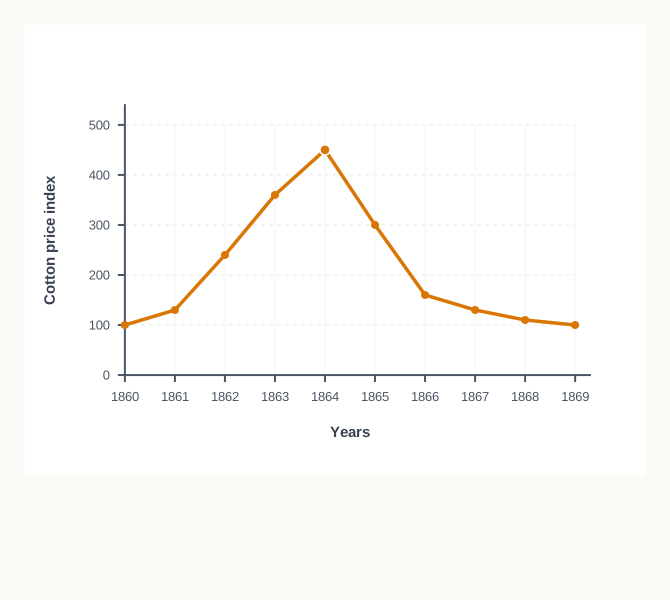
Fig. 9.16 – The cotton boom price index.
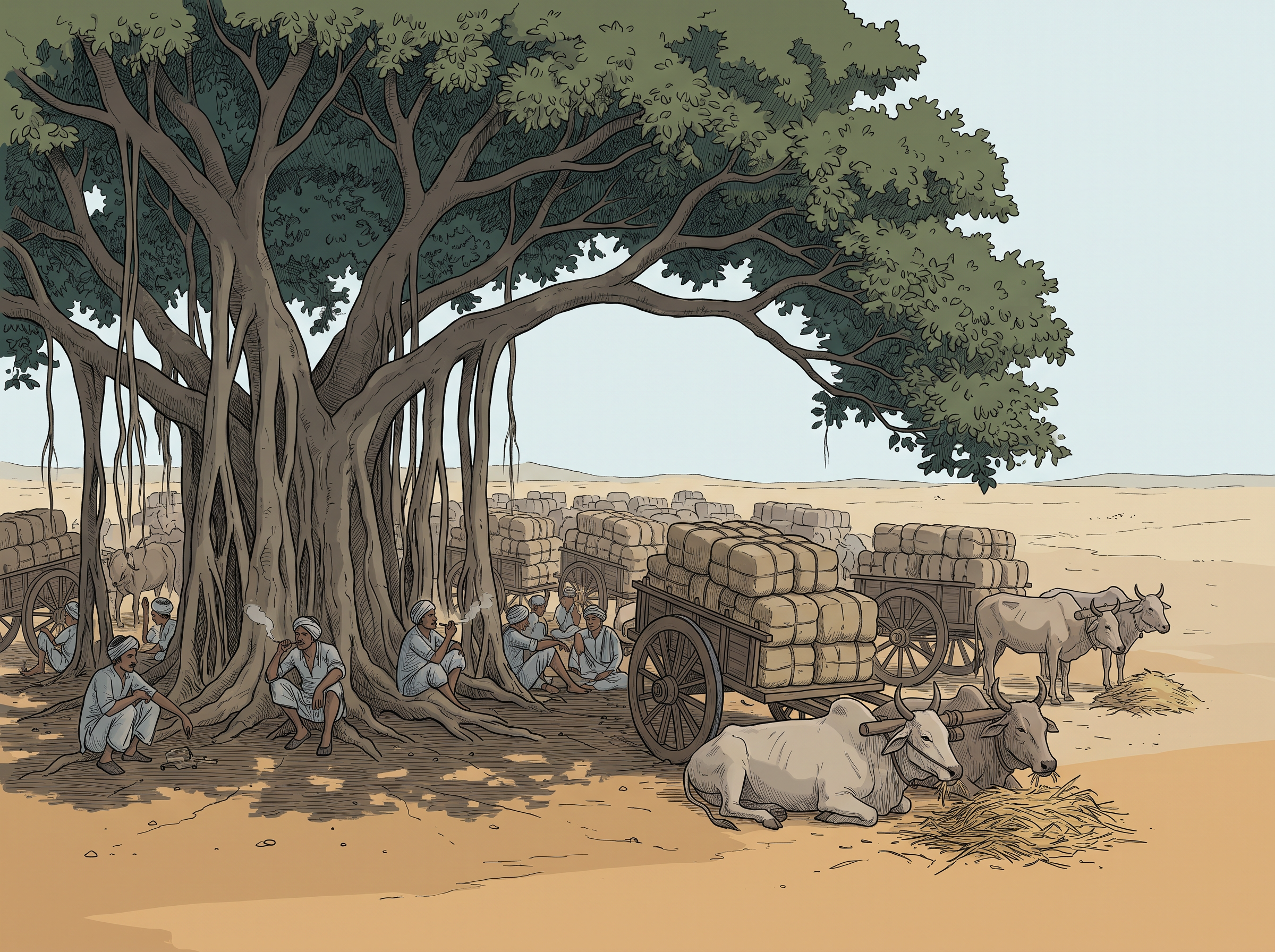
Fig. 9.17 – Cotton carts resting under a banyan tree.
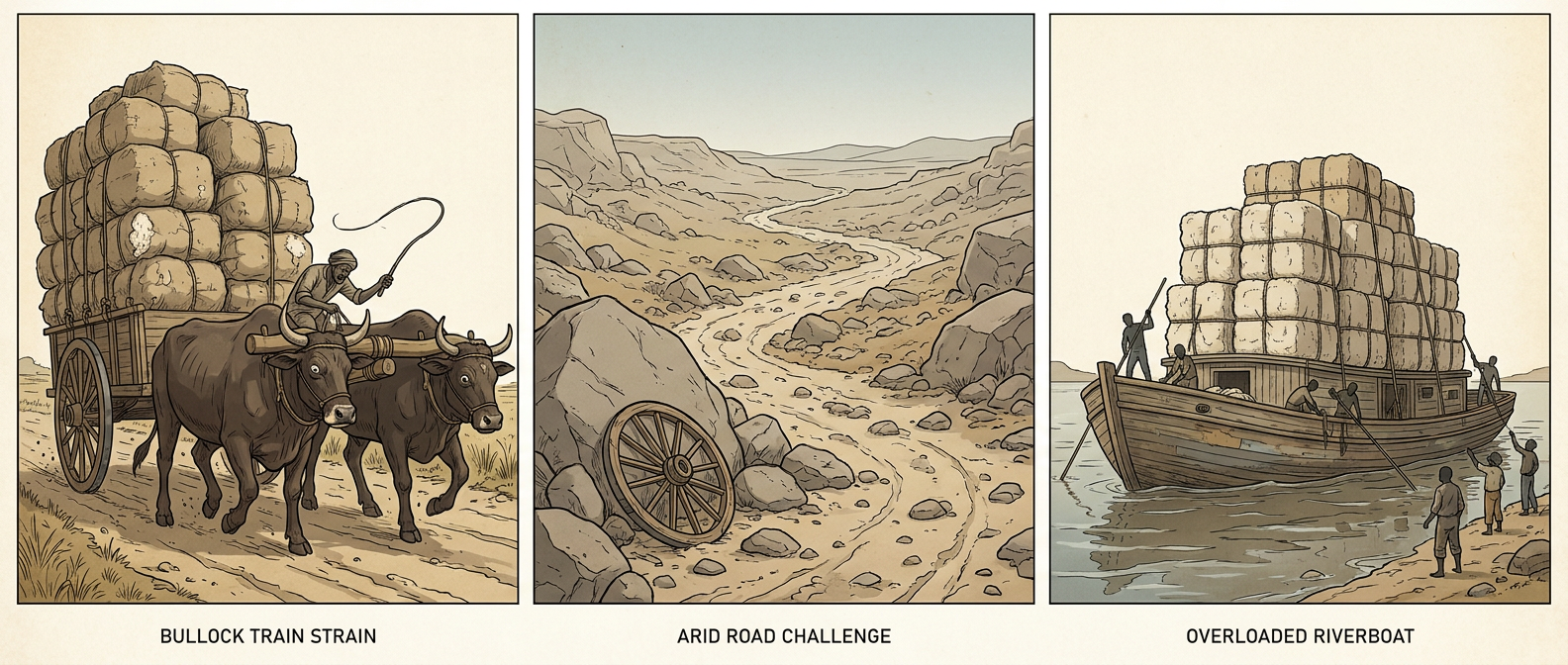
Fig. 9.18 – Transporting cotton before the railway era.
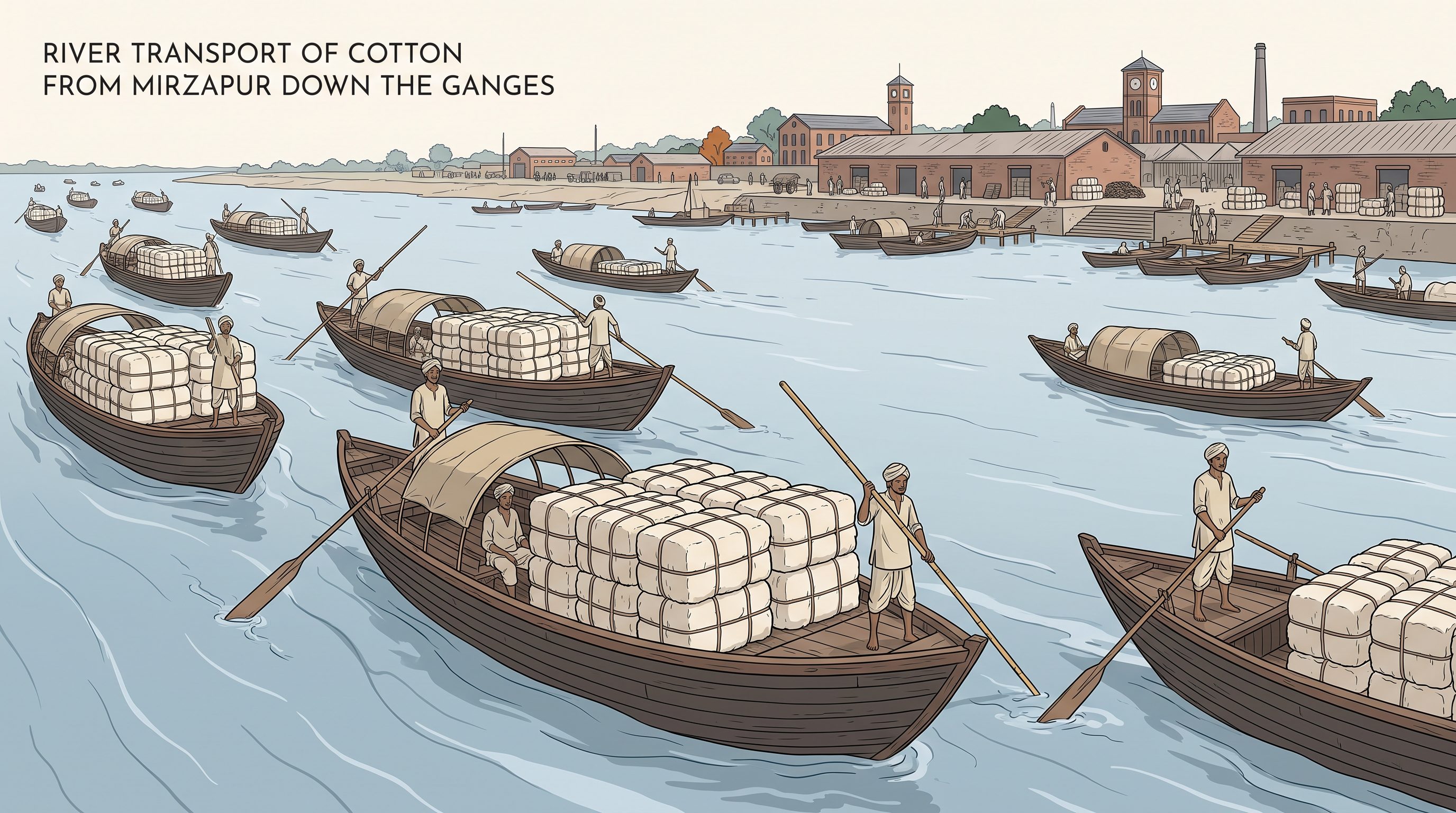
Fig. 9.19 – Boats carrying cotton down the Ganges.
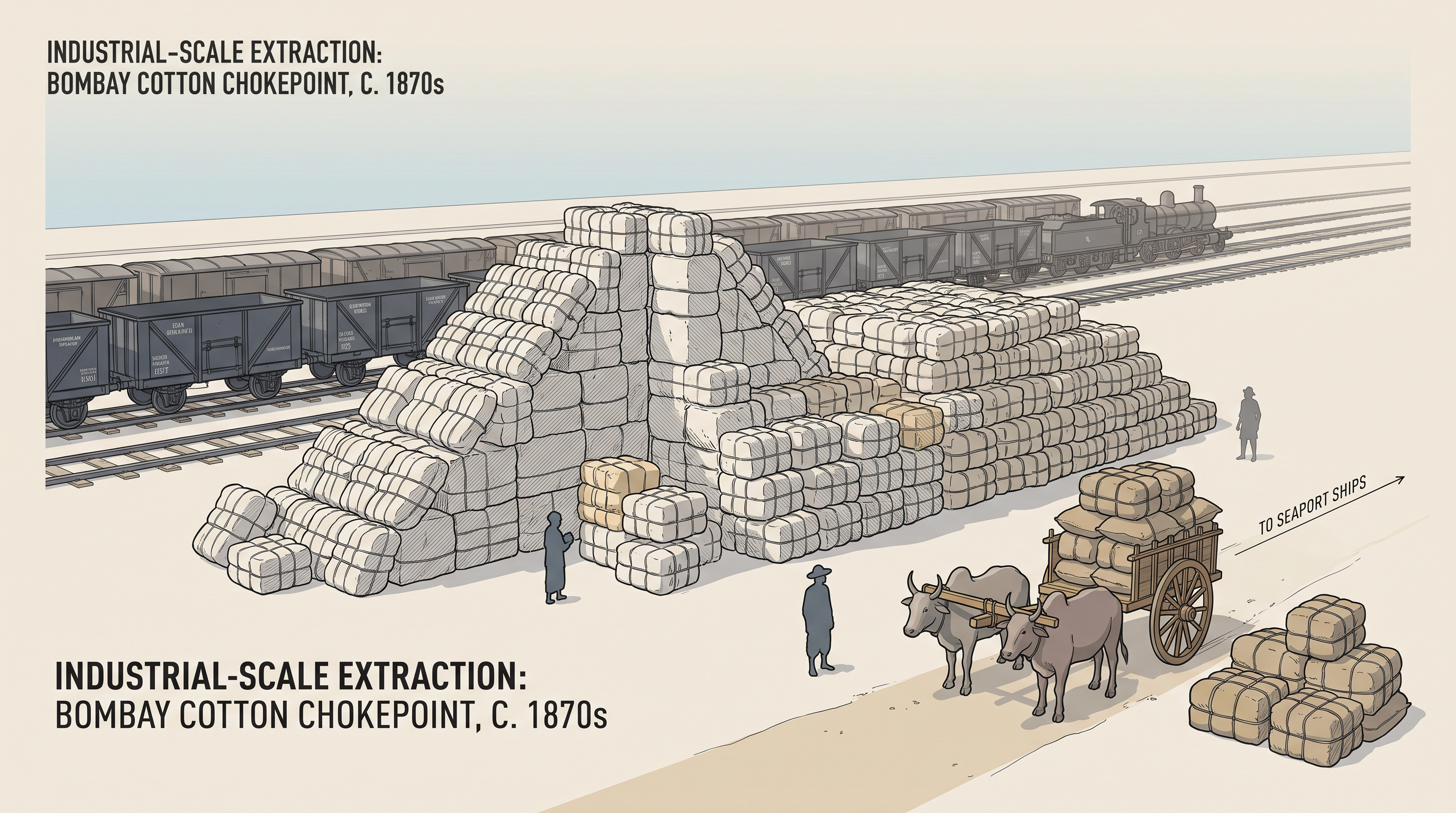
Fig. 9.20 – Cotton bales at the Bombay railway terminus.
Limitless Credit, For A While
These developments had a profound impact on the Deccan countryside. The ryots in the Deccan villages suddenly found access to seemingly limitless credit.
They were being given Rs 100 as advance for every acre they planted with cotton. Sahukars were more than willing to extend long-term loans. For a peasant who had spent thirty years begging for a loan to pay his revenue, this was an astonishing reversal.
While the American crisis continued, cotton production in the Bombay Deccan expanded. Between 1860 and 1864 cotton acreage doubled. By 1862 over 90 per cent of cotton imports into Britain were coming from India.
But these boom years did not bring prosperity to all cotton producers. Some rich peasants did gain, but for the large majority, cotton expansion meant heavier debt. The Rs 100 an acre was not a gift. It was a loan, and it was written into a bond.
9.3.5 Credit Dries Up
While the boom lasted, cotton merchants in India had visions of capturing the world market in raw cotton, permanently displacing America. The editor of the Bombay Gazette had asked in 1861, ‘What can prevent India from supplanting the Slave States (of U.S.A.) as the feeder of Lancashire?’ The Slave States were the cotton-growing states of the American South, where the crop was grown by enslaved people — and where the war was now being fought.
By 1865 these dreams were over. As the Civil War ended, cotton production in America revived and Indian cotton exports to Britain steadily declined. The Deccan’s boom had never rested on anything the Deccan controlled.
Export merchants and sahukars in Maharashtra were no longer keen on extending long-term credit. They could see the demand for Indian cotton fall and cotton prices slide downwards.
So they decided to close down their operations, restrict their advances to peasants, and demand repayment of outstanding debts. The credit that had flowed so easily now ran backwards, and it was called in from the poorest link in the chain.
And the timing could not have been worse. While credit dried up, the revenue demand increased.
The first revenue settlement, as we have seen, was in the 1820s and 1830s. Now it was time for the next — this was exactly what a ryotwari settlement, revised every thirty years, was designed to do. And in the new settlement, the demand was increased dramatically: from 50 to 100 per cent. For some ryots, the state’s claim doubled.
How could ryots pay this inflated demand at a time when prices were falling and cotton fields disappearing? Yet again they had to turn to the moneylender.
But the moneylender now refused loans. He no longer had confidence in the ryots’ capacity to repay. The one door that had always opened, at a price, was now shut.
9.3.6 The Experience Of Injustice
The refusal of moneylenders to extend loans enraged the ryots. But we have to be precise about what enraged them, because the answer is not the obvious one.
What infuriated them was not simply that they had got deeper and deeper into debt, or that they were utterly dependent on the moneylender for survival. It was that moneylenders were being insensitive to their plight. The moneylenders were violating the customary norms of the countryside.
The Norm That Broke
Moneylending was certainly widespread before colonial rule, and moneylenders were often powerful figures. The sahukar was not a colonial invention, and the peasants were not objecting to the existence of credit.
A variety of customary norms regulated the relationship between the moneylender and the ryot. One general norm was that the interest charged could not be more than the principal — the sum originally borrowed. This was meant to limit the moneylender’s exactions, and it defined what could be counted as ‘fair interest’.
Under colonial rule this norm broke down. In one of the many cases investigated by the Deccan Riots Commission, the moneylender had charged over Rs 2,000 as interest on a loan of Rs 100. Set that against the custom: interest was not supposed to exceed the principal, and here it was twenty times the principal. In petition after petition, ryots complained of the injustice of such exactions and the violation of custom.
The petition below was written by a ryot of one Deccan village to the Collector. It is one of the very few places in this chapter where a peasant speaks in the first person.
Two grievances in that petition are worth separating. One is about price: goods bought on credit cost twenty-five or fifty per cent more than the cash price. The other is about the account book: the peasant’s produce is taken away and never entered against his debt. The first is hard bargaining. The second is the destruction of the only record that could ever have set him free — and the ryot cannot read it.
When The Bullocks Belonged To Someone Else
Debt did not merely take a peasant’s money. It took his tools, and then rented them back to him.
Follow the last clause carefully, because it is the cruellest one. The peasant promises that if he has no receipt, he will not even claim to have paid. A man who could not read the deed has signed away his right to argue about it. His own bullocks now pull his plough on hire, at four rupees a month.
The Law That Made It Worse
The ryots came to see the moneylender as devious and deceitful. They complained of moneylenders manipulating laws and forging accounts.
In 1859 the British passed a Limitation Law that stated that the loan bonds signed between moneylenders and ryots would have validity for only three years. This law was meant to check the accumulation of interest over time. On paper, it protected the peasant.
The moneylender, however, turned the law around, forcing the ryot to sign a new bond every three years. And here is the trick. When a new bond was signed, the unpaid balance — that is, the original loan and the accumulated interest — was entered as the principal on which a new set of interest charges was calculated.
Interest was now being charged on interest, and the law itself supplied the three-year rhythm for it. A rule written to limit debt had become the machinery that multiplied it.
In petitions that the Deccan Riots Commission collected, ryots described how this process worked — see Source 10 — and how moneylenders used a variety of other means to short-change the ryot. They refused to give receipts when loans were repaid, entered fictitious figures in bonds, acquired the peasants’ harvest at low prices, and ultimately took over peasants’ property.
Take the terms apart before you attempt the calculation. ‘Rs 3-2 annas per cent per mensem’ means three rupees and two annas charged on every hundred rupees, every month — an anna being one-sixteenth of a rupee. ‘Per mensem’ is per month, so the rate must be read monthly, not yearly. And each new bond, after three years, restarts the count on a principal that has swallowed the interest already owed.
Why The Bonds Burned
Deeds and bonds appeared as symbols of the new oppressive system. In the past such deeds had been rare. Credit had run on memory, custom and reputation.
The British, however, were suspicious of transactions based on informal understanding, as was common in the past. The terms of transactions, they believed, had to be clearly, unambiguously and categorically stated in contracts, deeds and bonds, and regulated by law. Unless the deed or contract was legally enforceable, it had no value.
You can see the intention: a written contract, enforceable in court, is supposed to protect both sides equally. But equality before the law assumes both sides can read the law.
Over time, peasants came to associate the misery of their lives with the new regime of bonds and deeds. They were made to sign and put thumb impressions on documents, but they did not know what they were actually signing.
They had no idea of the clauses that moneylenders inserted in the bonds. They feared the written word. But they had no choice, because to survive they needed loans, and moneylenders were unwilling to give loans without legal bonds.
The whole nineteenth-century sequence, from the first settlement to the fires at Supa, is set out in Fig. 9.21.
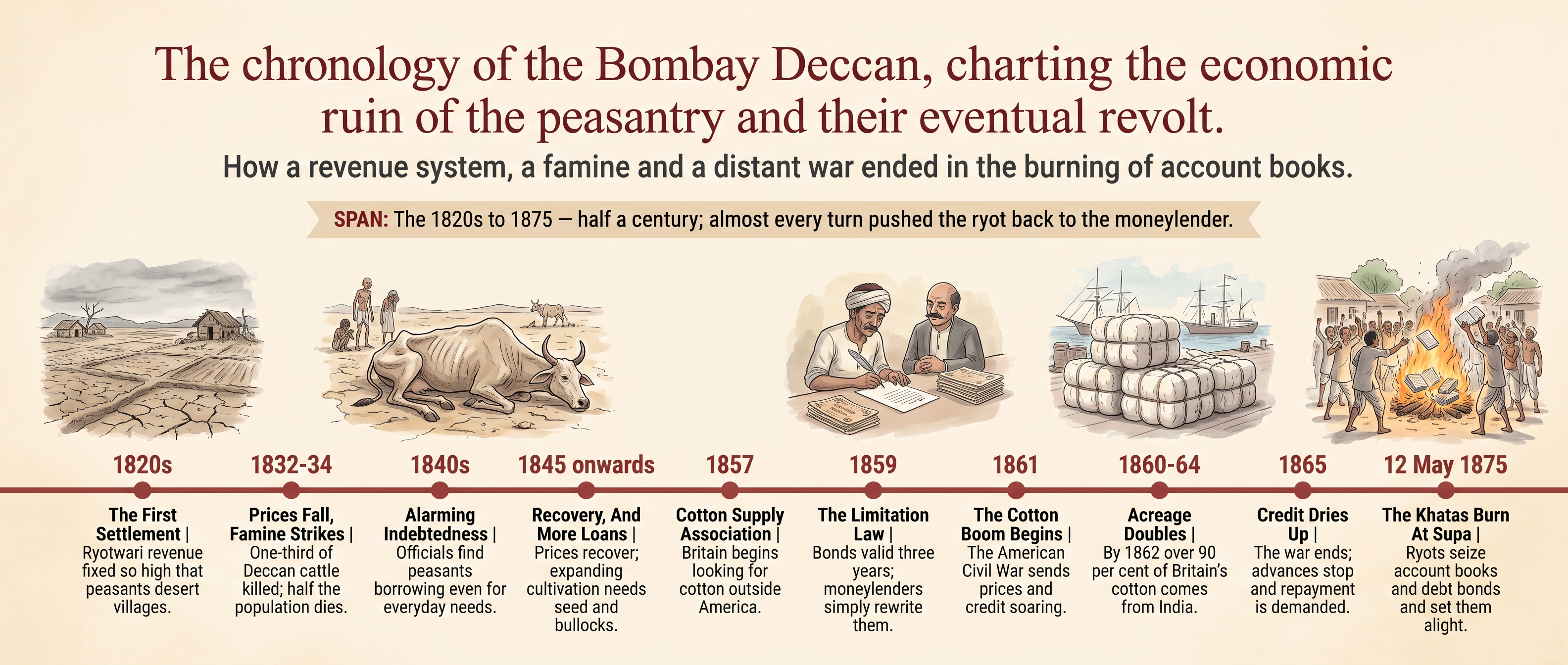
Fig. 9.21 – The Bombay Deccan, From Settlement To Revolt.
9.4 The Deccan Riots Commission
When the revolt spread in the Deccan, the Government of Bombay was initially unwilling to see it as anything serious. A few burnt ledgers in a few villages did not, to Bombay, look like a crisis.
But the Government of India, worried by the memory of 1857, pressurised the Government of Bombay to set up a commission of enquiry to investigate into the causes of the riots. Once a colonial government has been badly frightened, it does not take chances a second time. The commission produced a report that was presented to the British Parliament in 1878.
An Archive Made By Fear
This report, referred to as the Deccan Riots Report, provides historians with a range of sources for the study of the riot. Almost everything you read in the previous section comes out of it.
The commission held enquiries in the districts where the riots spread. It recorded statements of ryots, sahukars and eyewitnesses — which is how the voice of a Deccan peasant, who left no diary and could not read a bond, reaches us at all.
It compiled statistical data on revenue rates, prices and interest rates in different regions. And it collated the reports sent by district collectors. Sources 6, 8, 9 and 10 in this chapter all reached the printed page through this one enquiry.
The Question A Commission Is Asked
In looking at such sources we have to again remember that they are official sources, and that they reflect official concerns and interpretations of events. A commission does not go out and look for the truth in general. It is given a question.
The Deccan Riots Commission, for instance, was specifically asked to judge whether the level of government revenue demand was the cause of the revolt. Notice how narrow that question is, and notice who framed it.
And after presenting all the evidence, the commission reported that the government demand was not the cause of peasant anger. It was the moneylenders who were to blame.
The evidence, remember, included the fact that the new settlement had raised the demand by 50 to 100 per cent at the very moment credit was being withdrawn. The commission had that in front of it, and still cleared the government.
This argument is found very frequently in colonial records. That is what makes it revealing. It shows that there was a persistent reluctance on the part of the colonial government to admit that popular discontent was ever on account of government action.
Reading The Report Against Itself
Official reports, thus, are invaluable sources for the reconstruction of history. Nothing else gives us this much. But they have to be always read with care, and juxtaposed with evidence culled from newspapers, unofficial accounts, legal records and, where possible, oral sources.
Notice that this is exactly what you have been doing all through the chapter. Against the Fifth Report, historians set the zamindars’ own archives and the local records of the districts. Against Buchanan’s journal, we set the instructions he carried and the wages he was paid. Against the Deccan Riots Report, we can set the ryots’ petitions that the commission itself collected.
That is the final skill this chapter teaches. A source does not have to be true to be useful, and it does not have to be trusted to be read. It has to be understood — who wrote it, for whom, and what they were hoping it would prove.
9.5 Summary
Bengal And The Zamindars
- Colonial rule was first established in Bengal, and it was there that the earliest attempt was made to build a new regime of land rights and a new revenue system.
- The Permanent Settlement of 1793 fixed the revenue demand for ever. It was made with the rajas and taluqdars, who were now classified as zamindars.
- A zamindar was not the owner of village land. He was a revenue collector for the state: he collected rent, paid the fixed revenue, and kept the difference.
- Officials hoped a fixed demand would encourage investment and produce a class of rich improving landowners loyal to the Company.
- Zamindars defaulted for several reasons at once: the demand was pegged very high, prices were depressed in the 1790s, the revenue was invariable regardless of the harvest, and the zamindar’s own powers of collection and coercion had been cut back.
- Under the Sunset Law, revenue not paid by sunset of the fixed day made the estate liable to auction. Over 75 per cent of the zamindaris changed hands after the Permanent Settlement.
- Zamindars fought back. Estates were transferred to women, and agents bought them back at rigged auctions — over 95 per cent of the Burdwan sale of 1797 was fictitious.
- Lathyals attacked outsiders who tried to take possession, and ryots, who saw themselves as the zamindar’s proja, often resisted them too. Zamindars were not easily displaced.
- Meanwhile the jotedars — rich peasants who controlled land, trade and moneylending inside the villages — grew stronger, resisted the zamindar, and bought his estates at auction.
- The Fifth Report of 1813 documented all this for the British Parliament, but it was written to attack Company misrule. Later research on zamindars’ archives shows it exaggerated the collapse of zamindari power.
The Hoe And The Plough
- In the Rajmahal hills the Paharias lived by shifting cultivation, hunting, and forest produce, and treated the whole region as their land.
- They raided the plains in years of scarcity and to assert power; zamindars paid tribute and traders paid tolls to the hill chiefs for safe passage.
- As settled agriculture was pushed outwards, forests and pastures shrank, conflict sharpened, and the peace broke down.
- The British hunted the Paharias in the 1770s, then tried pacification in the 1780s. Chiefs who took the allowance lost authority among their own people.
- The Santhals were invited in as ideal settlers because they would clear forests and use the plough. By 1832 the Damin-i-Koh was demarcated as their land.
- Settlement was rapid: from 40 Santhal villages in 1838 to 1,473 by 1851, and a population that rose from 3,000 to over 82,000.
- The Paharias, fenced out of the fertile lower slopes, could no longer sustain shifting cultivation and were impoverished.
- The Santhals soon lost their land too — to heavy state taxes, to dikus who took land for unpaid debt, and to zamindars pressing into the Damin. They rebelled in 1855-56.
- Buchanan’s survey is our richest account of these hills. He travelled on Company money, with Company instructions, and judged every landscape by what it could be made to produce.
The Bombay Deccan
- The Permanent Settlement was rarely extended beyond Bengal, because after 1810 rising prices enriched the zamindars while the state’s fixed demand could claim no share.
- In the Bombay Deccan the ryotwari settlement was made directly with the ryot, and the lands were resurveyed every 30 years, so the demand kept rising.
- The first settlement of the 1820s demanded so much that peasants deserted villages. Prices fell after 1832, and the famine of 1832-34 killed one-third of the cattle and half the human population.
- To pay revenue, to eat, and later to expand cultivation, the peasant borrowed. By the 1840s indebtedness was alarming everywhere.
- The American Civil War of 1861 cut Britain off from American cotton. Advances poured into the Deccan, cotton acreage doubled between 1860 and 1864, and by 1862 over 90 per cent of Britain’s cotton came from India.
- The boom reached the ryot as credit, not profit. When the war ended in 1865, credit dried up, repayment was demanded, and the new revenue settlement raised the demand by 50 to 100 per cent.
- What enraged the ryots was the breaking of custom: interest was no longer limited to the principal, receipts were refused, harvests went unrecorded, and the Limitation Law of 1859 was turned into a machine for charging interest on interest.
- On 12 May 1875 the ryots of Supa attacked the sahukars and burnt the bahi khatas and debt bonds. The revolt spread over 6,500 square km and more than thirty villages.
- The Deccan Riots Commission, set up because the government feared another 1857, collected the evidence — and then reported that the government’s demand was not to blame, only the moneylenders.
- Official reports are invaluable and never neutral. They must be juxtaposed with newspapers, petitions, legal records and, where possible, oral sources.
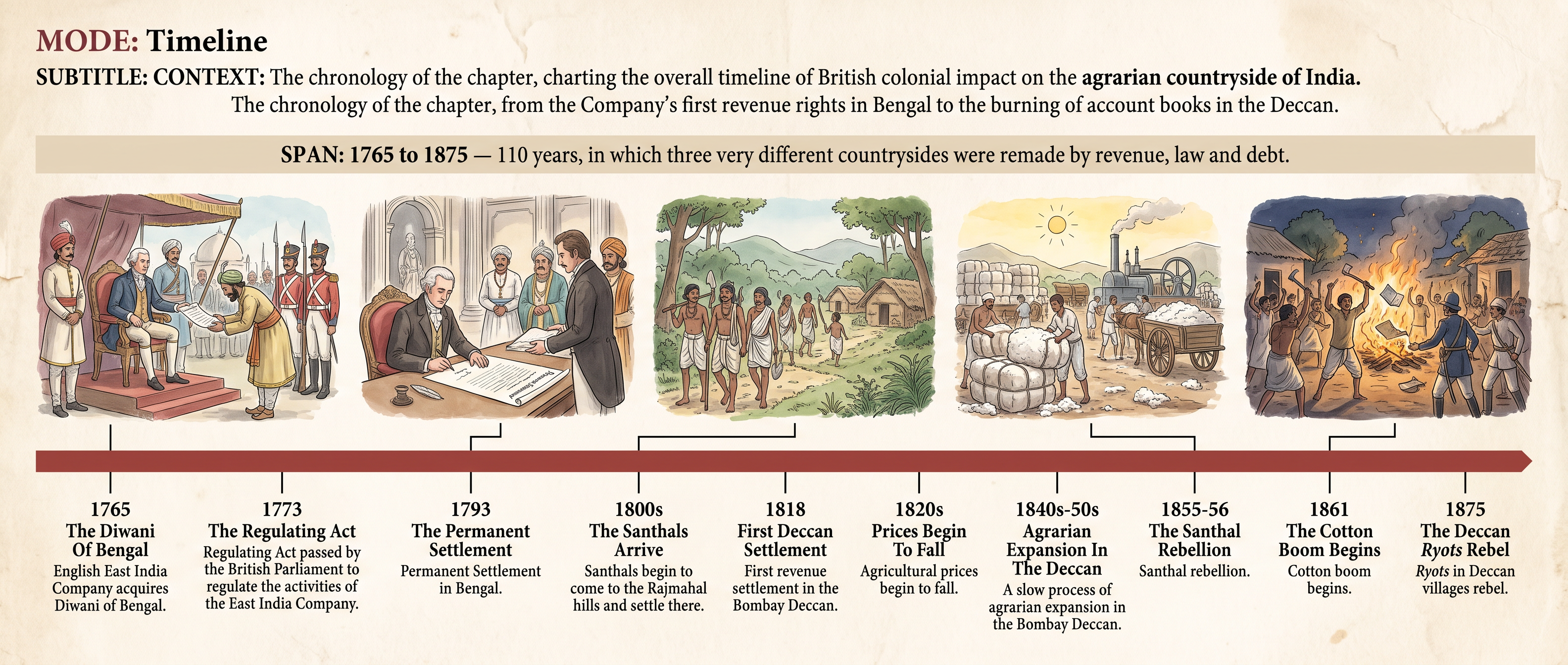
Fig. 9.22 – Colonialism And The Countryside.
What The Evidence Cannot Tell Us
Almost every word in this chapter comes from papers the colonial state produced — auction records, a parliamentary report, a surveyor’s journal, a riots commission. The people at the centre of the story left almost nothing of their own: no Paharia wrote down what the burning of his forest meant, and the ryot of Mirajgaon speaks only because an enquiry asked him to.
We can therefore count the estates sold, the villages cleared and the bonds signed, but we cannot hear most of the people who lost them. Even the Santhal songs of a long journey reach us only in fragments. When you read that a moneylender charged Rs 2,000 in interest on a loan of Rs 100, remember that the figure survives because a commission wrote it down — and the commission had already decided what it wanted the figure to prove.
9.6 NCERT Questions
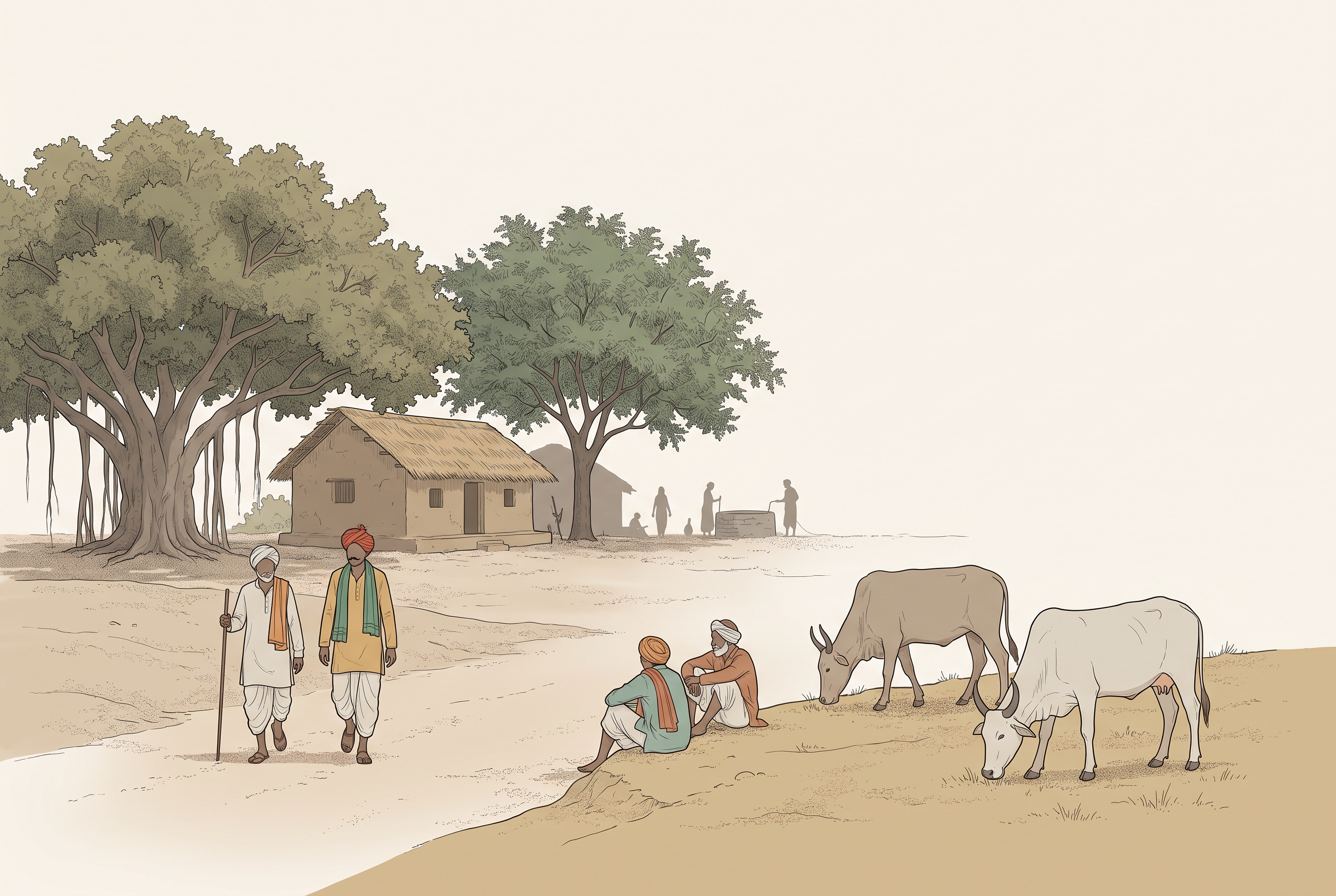
Fig. 9.23 – A rural scene.
Why was the jotedar a powerful figure in many areas of rural Bengal? (in about 100-150 words)
How did zamindars manage to retain control over their zamindaris? (in about 100-150 words)
How did the Paharias respond to the coming of outsiders? (in about 100-150 words)
Why did the Santhals rebel against British rule? (in about 100-150 words)
What explains the anger of the Deccan ryots against the moneylenders? (in about 100-150 words)
Why were many zamindaris auctioned after the Permanent Settlement? (in about 250-300 words)
In what way was the livelihood of the Paharias different from that of the Santhals? (in about 250-300 words)
How did the American Civil War affect the lives of ryots in India? (in about 250-300 words)
What are the problems of using official sources in writing about the history of peasants? (in about 250-300 words)
On an outline map of the subcontinent, mark out the areas described in this chapter. Find out whether there were other areas where the Permanent Settlement and the ryotwari system were prevalent and plot these on the map as well.
Francis Buchanan published reports on several districts of eastern India. Read one report and collate the information available about rural society, focusing on the themes discussed in this chapter. Highlight the ways in which historians can use such texts.
9.7 Check Your Concepts
Using Fig. 9.4 and the text that accompanies it, trace a single chain of payments in rural Bengal, beginning with the under-ryot and ending with the Company. At each step, say what is handed over and to whom.
Cleveland’s policy of pacification offered Paharia chiefs an annual allowance. Explain why many chiefs who accepted it ended up losing authority within their own community.
No Paharia was driven out of the upper hills when the Damin-i-Koh was demarcated in 1832, and yet the Paharias grew steadily poorer afterwards. Explain the mechanism by which this happened.
The Limitation Law of 1859 was intended to protect the ryot by limiting the life of a loan bond to three years. Explain, step by step, how the moneylender turned it into a means of charging interest upon interest.
Read Source 3 and Source 4 together. What do the two extracts, taken side by side, tell you about what Buchanan was employed to notice — and about what he was willing to dismiss in a single line?
The Company fixed the revenue demand for ever in Bengal, but made it revisable in the Bombay Deccan. Set the two systems side by side, and explain what the Company had learnt from its experience in Bengal.
Figs. 9.10, 9.13 and 9.14 appeared in the same issue of the Illustrated London News, on 23 February 1856 — a calm Santhal village, a battle, and burning villages. What does this tell you about the difficulties of using such images as historical evidence?
9.8 If You Would Like To Know More, Read
Sugata Bose. 1986. Agrarian Bengal. Cambridge University Press, Cambridge.
Francis Buchanan. 1930. Journal of Francis Buchanan Kept During the Survey of the District of Bhagalpur. Superintendent, Government Printing, Bihar and Orissa, Patna.
Ramachandra Guha. 1989. The Unquiet Woods: Ecological Change and Peasant Resistance in the Himalayas. Oxford University Press, New Delhi.
Sumit Guha. 1985. The Agrarian Economy of the Bombay Deccan, 1818-1941. Oxford University Press, New Delhi.
Ravinder Kumar. 1968. Western India in the Nineteenth Century: A Study in the Social History of Maharashtra. Routledge and Kegan Paul, London.
Ratnalekha Ray. 1979. Change in Bengal Agrarian Society, c. 1760-1850. Manohar, New Delhi.
Kumar Suresh Singh. 1966. Dust-storm and the Hanging Mist: A Study of Birsa Munda and His Movement in Chhotanagpur (1874-1901). Firma K.L. Mukhopadhyay, Calcutta.