Chapter 10: Rebels And The Raj: The Revolt Of 1857 And Its Representations
Early on the morning of 11 May 1857, the old Mughal emperor Bahadur Shah had just finished his prayers and his meal before sunrise. It was Ramzan, the Muslim holy month of prayer and fasting, and the day’s fast was about to begin. Then he heard a commotion at the gates of the Red Fort.
Below his window stood armed sepoys who had ridden through the night from the cantonment at Meerut. They called up an explanation. They had come from Meerut after killing all the Englishmen there, they said, because they had been asked to bite bullets coated with the fat of cows and pigs with their teeth. This had corrupted the faith of Hindus and Muslims alike.
Another group of sepoys entered Delhi, and the ordinary people of the city joined them. Europeans were killed in large numbers. The rich of Delhi were attacked and looted. It was clear that Delhi had gone out of British control. Some sepoys rode into the Red Fort itself, without observing the elaborate court etiquette expected of them, and demanded that the emperor give them his blessings.
Surrounded by the sepoys, Bahadur Shah had no other option but to comply. In that moment a mutiny of soldiers acquired a kind of legitimacy: it could now be carried on in the name of the Mughal emperor.
Almost everything we know about that morning was written down afterwards by the side that won. Studying 1857 means learning to read the records of the victors — and asking what they were never designed to record.
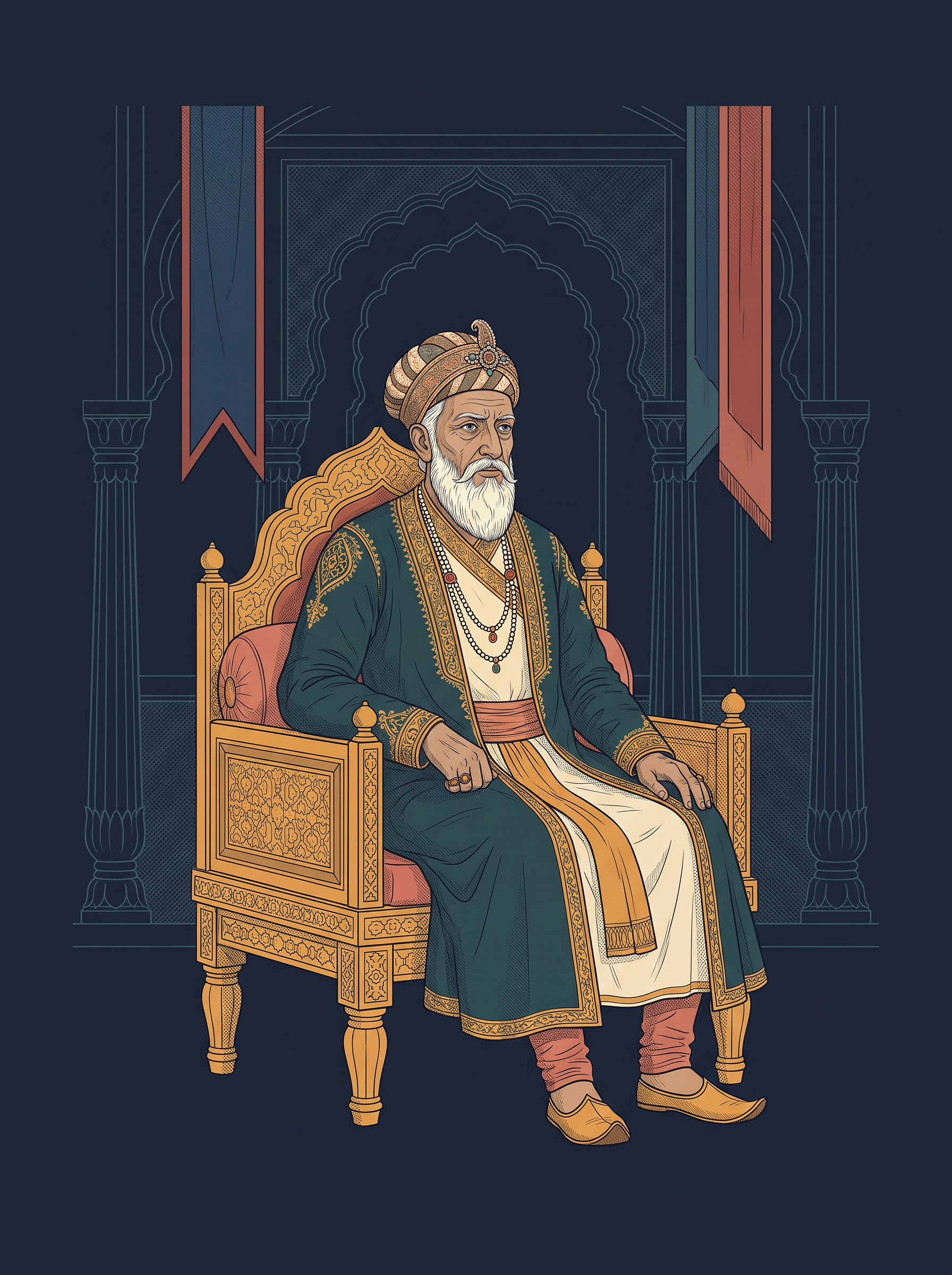
Fig. 10.0 – Portrait of Bahadur Shah.
10.1 Pattern Of The Uprising
The Afternoon Of 10 May 1857
Late in the afternoon of 10 May 1857, the sepoys — Indian soldiers serving in the British army — broke out in mutiny in the cantonment of Meerut, the walled military station where a regiment lived, drilled and kept its arms. It began in the lines of the native infantry. It spread very swiftly to the cavalry, and then to the city itself.
The ordinary people of the town and of the surrounding villages joined the sepoys. The sepoys captured the bell of arms, where the weapons and ammunition were stored, and then turned on the white population of the station. They attacked white people, and ransacked and burned their bungalows and their property.
Government buildings were destroyed and plundered — the record office, the jail, the court, the post office, the treasury. These were not random targets. Each one was a place where British authority was written down, locked up or enforced. The telegraph line to Delhi was cut, so that news of what had happened could not run ahead of the sepoys. As darkness descended, a group of sepoys rode off towards Delhi.
Two Days Of Waiting
Through 12 and 13 May, North India remained quiet. That quiet is worth pausing over. It was not peace; it was the pause of a countryside waiting to hear what had happened at Delhi.
Once word spread that Delhi had fallen to the rebels, and that Bahadur Shah had blessed the rebellion, events moved swiftly. Cantonment after cantonment in the Gangetic valley, and some to the west of Delhi, rose in mutiny.
If one were to place the dates of these mutinies in chronological order, a pattern appears. As the news of the mutiny in one town travelled to the next, the sepoys there took up arms. And the sequence of events in every cantonment followed a similar pattern. That similarity is the first puzzle of 1857, and this section works through it: how the mutinies began, how the news and the plans travelled, who led, and what people believed.
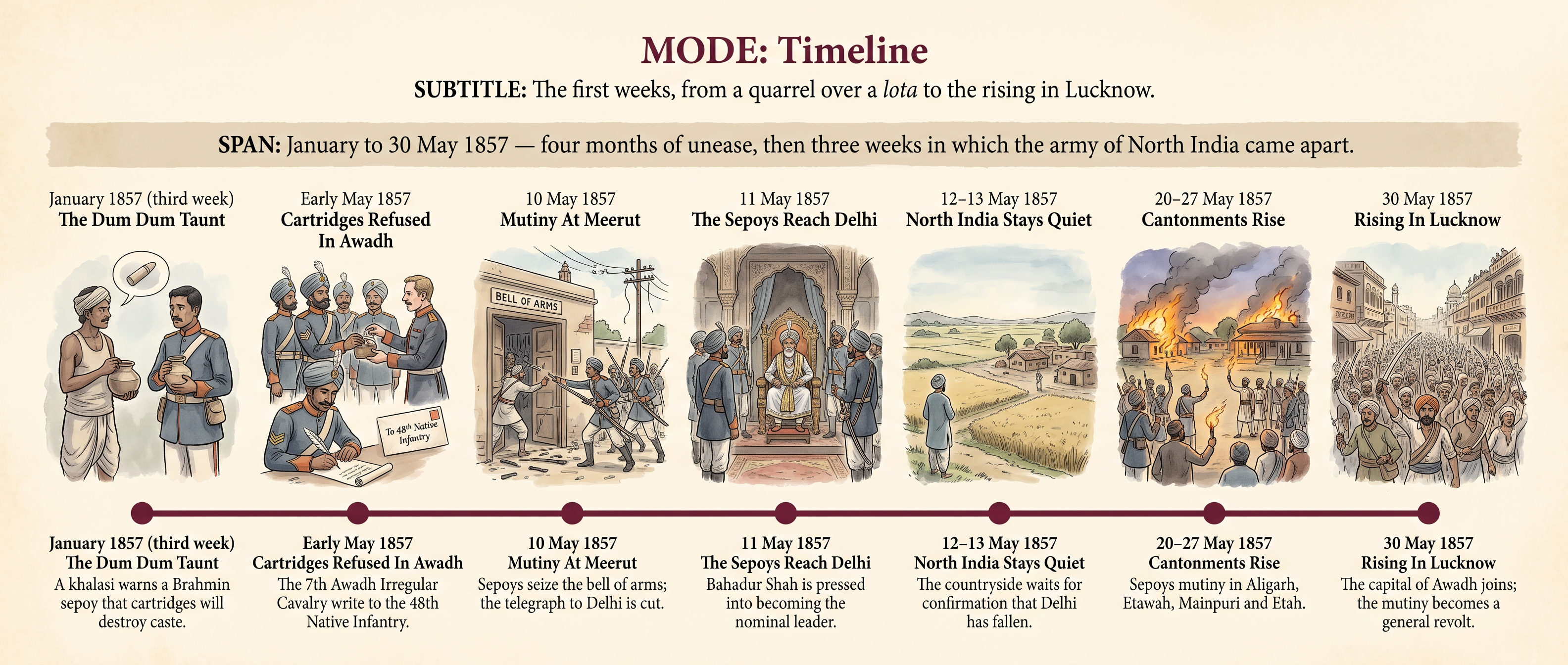
Fig. 10.1 – How The Mutiny Spread.
10.1.1 How The Mutinies Began
The sepoys began their action with a signal. In many places it was the firing of the evening gun or the sounding of the bugle — a sound the whole cantonment already knew, and which no officer could mistake for anything but routine until it was too late.
They first seized the bell of arms and plundered the treasury. They then attacked government buildings — the jail, the treasury, the telegraph office, the record room, the bungalows — burning all records. Everything and everybody connected with the white man became a target.
Proclamations in Hindi, Urdu and Persian were put up in the cities. They called upon the population, both Hindus and Muslims, to unite, rise and exterminate the firangis. Three languages, one message: the appeal was being pitched at everybody who could read it out to a crowd.
From Mutiny To Rebellion
When ordinary people began joining the revolt, the targets of attack widened. In major towns like Lucknow, Kanpur and Bareilly, moneylenders and the rich also became the objects of rebel wrath.
This widening tells us something important. Peasants did not see the moneylender merely as a man who lent money at hard rates. They saw him as an oppressor, and also as an ally of the British — the man whose bond could be enforced by a British court. In most places the houses of moneylenders and the rich were looted and destroyed.
The mutiny in the sepoy ranks thus quickly became a rebellion. There was a general defiance of all kinds of authority and hierarchy. That is the difference the chapter keeps returning to: soldiers disobeying orders is one thing, a countryside refusing to be commanded by anyone is another.
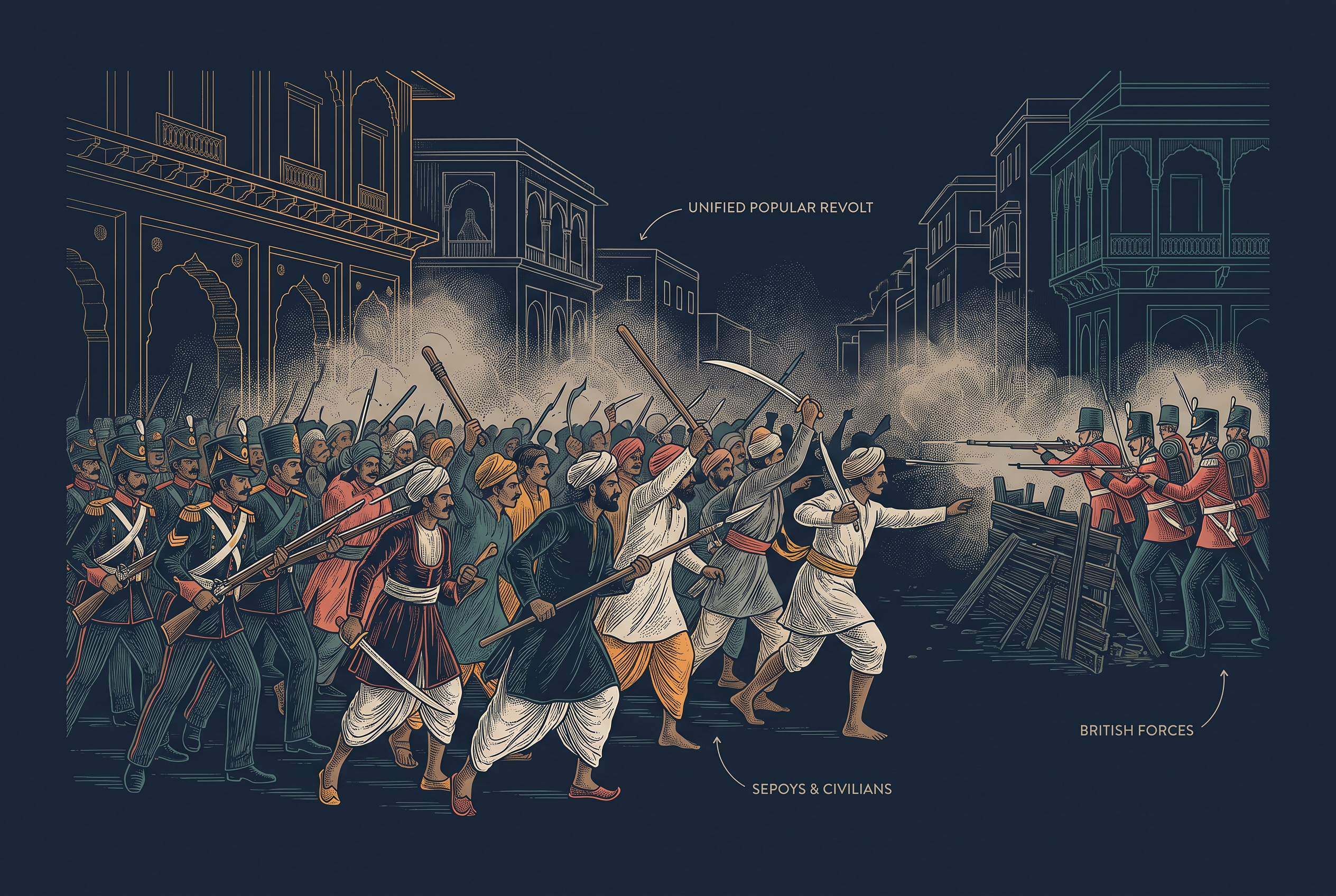
Fig. 10.2 – Ordinary people join the sepoys in Lucknow.
In the months of May and June, the British had no answer to the actions of the rebels. Individual Britons tried to save their own lives and the lives of their families. British rule, as one British officer noted, collapsed like a house made of cards.
We can watch that collapse from inside a city. The Delhi Urdu Akhbar was a newspaper printed in Delhi, and in the middle of the revolt it went on reporting what a newspaper reports: prices, food, water, the state of the streets. What happened in the cities during the months of the revolt? How did people live through those months of tumult? How was normal life affected? Reports from different cities tell us about the breakdown in routine activities. Read these reports from the Delhi Urdu Akhbar, 14 June 1857.
Read the extract once for what it records, and once for who is doing the recording. It records a city in which the ordinary chain of supply and service has snapped: vegetables gone from the bazaar, water-carriers off the job, whole mohallas — neighbourhoods — earning nothing for days. It also records a point of view. The writer worries about the Shurfas, the respectable, having to carry their own water; he calls the sweepers and water-carriers who have left their work haramkhors. The revolt has emptied the bazaars, and the newspaper’s sympathy sits with the class that has lost its comforts, not with the poor who have lost their earnings.
10.1.2 Lines Of Communication
The reason for the similarity in the pattern of the revolt in different places lay partly in its planning and coordination. It is clear that there was communication between the sepoy lines of various cantonments.
The clearest instance is dated. After the 7th Awadh Irregular Cavalry had refused to accept the new cartridges in early May, they wrote to the 48th Native Infantry that they had acted for the faith and awaited the 48th’s orders. That is not a rumour passing by accident. It is one regiment telling another what it has done and asking what to do next. Sepoys or their emissaries moved from one station to another. People were thus planning and talking about the rebellion.
Talk of this kind was not confined to the army lines. It moved among officials too, and it moved cautiously, in half-sentences, because everyone in the room might be an enemy or a friend and no one could be sure which. The next extract records one such conversation, remembered by a man who found himself on the wrong side of it.
A tahsildar was a revenue officer of a tahsil, the sub-district — a man of the government, paid by it, and in this case leading a rebellion against it. Notice how he speaks. He does not name the rebellion; he calls it ‘the work’ and ‘the business’. He assumes that a man from Awadh, dressed in Indian clothes and sitting cross-legged, is on his side. Dress and region were being read as signs of loyalty, in a conversation where being wrong could cost a life.
Who Made The Plans?
The pattern of the mutinies, and the pieces of evidence that suggest some sort of planning and coordination, raise certain crucial questions. How were the plans made? Who were the planners? It is difficult, on the basis of the available documents, to provide direct answers to such questions.
But one incident provides clues as to how the mutinies came to be so organised. Captain Hearsey of the Awadh Military Police had been given protection by his Indian subordinates during the mutiny. The 41st Native Infantry, which was stationed in the same place, insisted that since they had killed all their white officers, the Military Police should also kill Hearsey, or deliver him as a prisoner to the 41st.
The Military Police refused to do either. It was decided that the matter would be settled by a panchayat — an assembly that hears a dispute and decides it collectively — composed of native officers drawn from each regiment. Charles Ball, who wrote one of the earliest histories of the uprising, noted that panchayats were a nightly occurrence in the Kanpur sepoy lines.
What this suggests is that some of the decisions were taken collectively. Given the fact that the sepoys lived in lines and shared a common lifestyle, and that many of them came from the same caste, it is not difficult to imagine them sitting together to decide their own future. The sepoys were the makers of their own rebellion.
The two words are not interchangeable in this chapter, and the difference matters for everything that follows. In the context of 1857, the term revolt refers primarily to the uprising of the civilian population — peasants, zamindars, rajas, jagirdars — while the mutiny was of the sepoys. The sepoys mutinied; the countryside revolted; and it is the joining of the two that made 1857 what it was.
10.1.3 Leaders And Followers
To fight the British, leadership and organisation were required. For these the rebels sometimes turned to those who had been leaders before the British conquest — the men and women whose authority the British had taken away.
One of the first acts of the sepoys of Meerut, as we saw, was to rush to Delhi and appeal to the old Mughal emperor to accept the leadership of the revolt. This acceptance of leadership took its time in coming. Bahadur Shah’s first reaction was one of horror and rejection. It was only when some sepoys had moved into the Mughal court within the Red Fort, in defiance of normal court etiquette, that the old emperor, realising he had very few options, agreed to be the nominal leader of the rebellion.
That word ‘nominal’ is worth holding on to. He led in name. The name was what the rebels needed.
Leaders Who Were Given No Choice
Elsewhere, similar scenes were enacted, though on a minor scale. In Kanpur, the sepoys and the people of the town gave Nana Sahib, the successor to Peshwa Baji Rao II, no choice save to join the revolt as their leader.
In Jhansi, the rani was forced by the popular pressure around her to assume the leadership of the uprising. So was Kunwar Singh, a local zamindar in Arrah in Bihar. In Awadh, where the displacement of the popular Nawab Wajid Ali Shah and the annexation of the state were still very fresh in the memory of the people, the populace in Lucknow celebrated the fall of British rule by hailing Birjis Qadr, the young son of the Nawab, as their leader.
Read that list again and notice the direction in which the pressure runs. In case after case the leader does not summon the followers; the followers summon the leader.
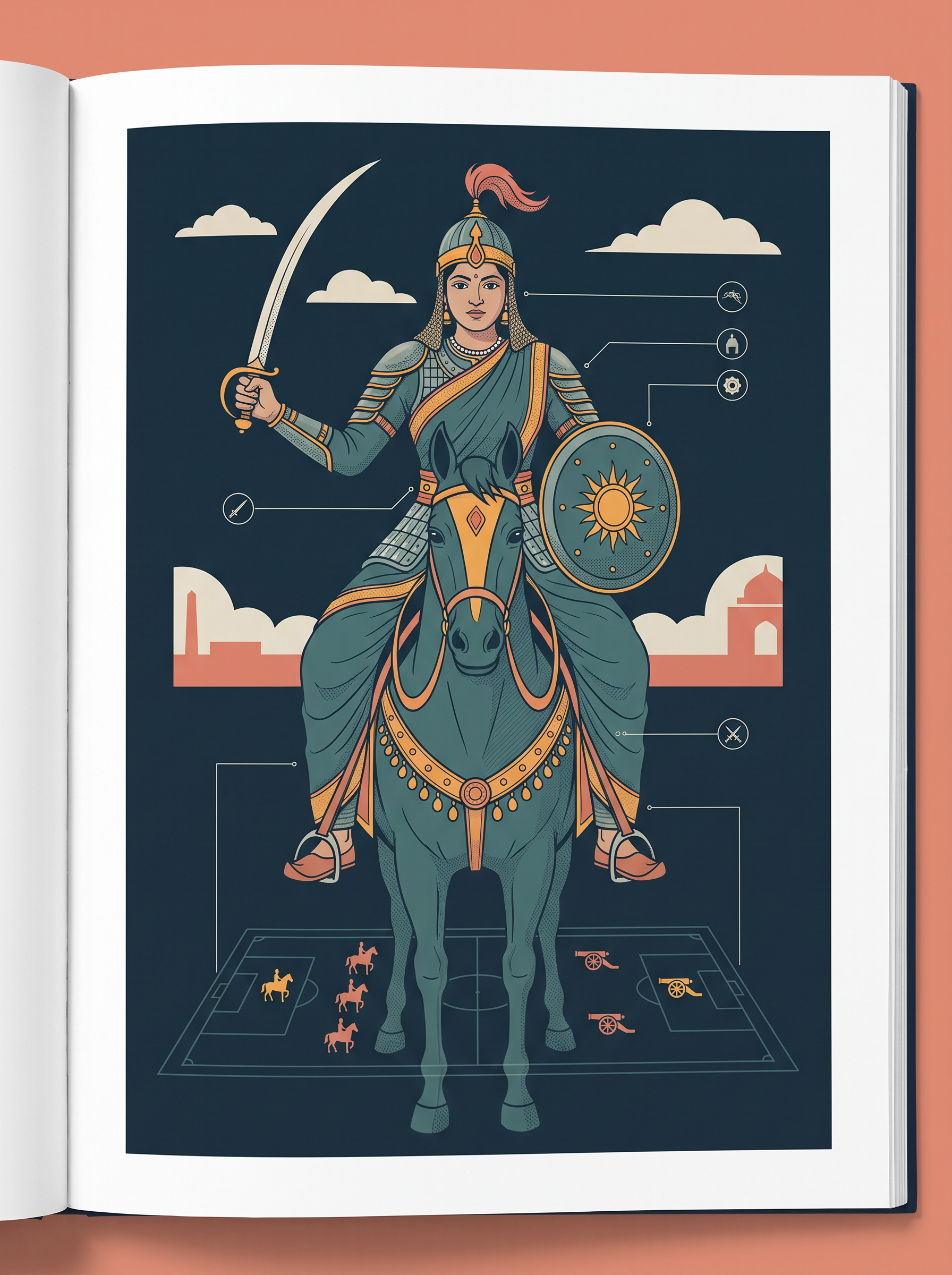
Fig. 10.3 – Rani Lakshmi Bai.
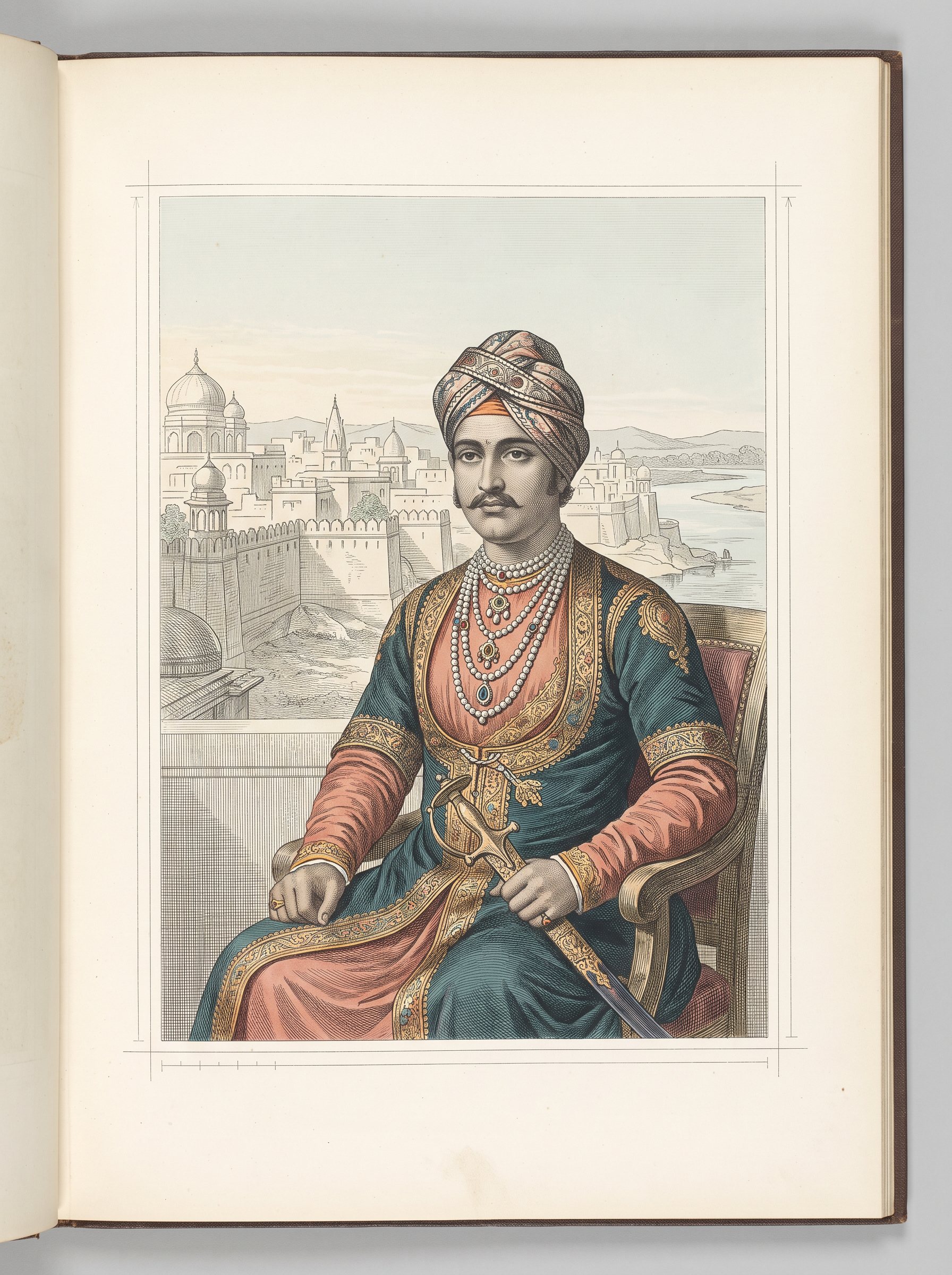
Fig. 10.4 – Nana Sahib.
Leaders Who Came From Below
Not everywhere were the leaders people of the court — ranis, rajas, nawabs and taluqdars, the great landholders who controlled land and men in the countryside. Often the message of rebellion was carried by ordinary men and women, and in places by religious men too.
From Meerut, there were reports that a fakir had appeared riding on an elephant, and that the sepoys were visiting him frequently. In Lucknow, after the annexation of Awadh, there were many religious leaders and self-styled prophets who preached the destruction of British rule.
Elsewhere, local leaders emerged, urging peasants, zamindars and tribals to revolt. Shah Mal mobilised the villagers of pargana Barout in Uttar Pradesh — a pargana being a group of villages treated as one unit for revenue. Gonoo, a tribal cultivator of Singhbhum in Chotanagpur, became a rebel leader of the Kol tribals of the region.
Two Rebels Of 1857
Shah Mal. Shah Mal lived in a large village in pargana Barout in Uttar Pradesh. He belonged to a clan of Jat cultivators whose kinship ties extended over chaurasee des — eighty-four villages. The lands in the region were irrigated and fertile, with rich dark loam soil.
Many of the villagers were prosperous, and they saw the British land revenue system as oppressive: the revenue demand was high, and its collection inflexible. A demand that does not bend in a bad year has to be met by borrowing, and a debt that cannot be repaid ends in a sale of land. Consequently, cultivators were losing land to outsiders — to traders and moneylenders who were coming into the area.
Shah Mal mobilised the headmen and cultivators of chaurasee des, moving at night from village to village, urging people to rebel against the British. As in many other places, the revolt against the British turned into a general rebellion against all signs of oppression and injustice. Cultivators left their fields and plundered the houses of moneylenders and traders. Displaced proprietors took possession of the lands they had lost.
Shah Mal’s men attacked government buildings, destroyed the bridge over the river, and dug up metalled roads. They did this partly to prevent government forces from coming into the area, and partly because bridges and roads were seen as symbols of British rule. They sent supplies to the sepoys who had mutinied in Delhi, and stopped all official communication between British headquarters and Meerut.
Locally acknowledged as the Raja, Shah Mal took over the bungalow of an English officer and turned it into a ‘hall of justice’, settling disputes and dispensing judgments. He also set up an amazingly effective network of intelligence. For a period the people of the area felt that firangi raj was over, and their raj had come. Shah Mal was killed in battle in July 1857.
Maulvi Ahmadullah Shah. Maulvi Ahmadullah Shah was one of the many maulvis — Muslim scholars and teachers of religion — who played an important part in the revolt of 1857. Educated in Hyderabad, he became a preacher when young.
In 1856, he was seen moving from village to village preaching jehad (religious war) against the British and urging people to rebel. He moved in a palanquin, with drumbeaters in front and followers at the rear. He was therefore popularly called Danka Shah — the maulvi with the drum (danka). British officials panicked as thousands began following the maulvi, and many Muslims began seeing him as an inspired prophet.
When he reached Lucknow in 1856, he was stopped by the police from preaching in the city. Subsequently, in 1857, he was jailed in Faizabad. When released, he was elected by the mutinous 22nd Native Infantry as their leader. He fought in the famous Battle of Chinhat, in which the British forces under Henry Lawrence were defeated.
He came to be known for his courage and power. Many people in fact believed that he was invincible, had magical powers, and could not be killed by the British. It was this belief that partly formed the basis of his authority. Authority, in 1857, did not always come from a title or an army. Sometimes it came from what people were prepared to believe about a man.
10.1.4 Rumours And Prophecies
Rumours and prophecies played a part in moving people to action. As we saw, the sepoys who had arrived in Delhi from Meerut had told Bahadur Shah about bullets coated with the fat of cows and pigs, and that biting those bullets would corrupt their caste and religion.
They were referring to the cartridges of the Enfield rifles which had just been given to them. To load such a rifle, a soldier had to bite the cartridge open. A Hindu who took beef fat into his mouth, or a Muslim who took pig fat, would be defiled by the act itself — and defilement is not a private matter but a public loss of caste and standing. The British tried to explain to the sepoys that this was not the case, but the rumour that the new cartridges were greased with the fat of cows and pigs spread like wildfire across the sepoy lines of North India.
Fig. 10.5 – Henry Hardinge, 1849.
One Rumour We Can Trace
This is one rumour whose origin can be traced. Captain Wright, commandant of the Rifle Instruction Depot, reported that in the third week of January 1857 a ‘low-caste’ khalasi — a labourer — who worked in the magazine in Dum Dum had asked a Brahmin sepoy for a drink of water from his lota, the small metal water-pot a man carries and keeps ritually clean.
The sepoy had refused, saying that the ‘lower caste’s’ touch would defile the lota. The khalasi had reportedly retorted that the sepoy would soon lose his caste anyway, as before long he would have to bite cartridges covered with the fat of cows and pigs.
We do not know the veracity of the report — whether the exchange happened as Wright described it, or at all. But once this rumour started, no amount of assurances from British officers could stop its circulation, and the fear it spread among the sepoys. Notice what the story is really about. A quarrel over caste purity ends in a threat about caste pollution, and the threat is delivered by the very hierarchy the sepoy was defending.
A Conspiracy, A Prophecy, A Chapatti
This was not the only rumour that was circulating in North India at the beginning of 1857. There was the rumour that the British government had hatched a gigantic conspiracy to destroy the caste and religion of Hindus and Muslims.
To this end, the rumours said, the British had mixed the bone dust of cows and pigs into the flour that was sold in the market. In towns and cantonments, sepoys and the common people refused to touch the atta. There was fear and suspicion that the British wanted to convert Indians to Christianity. Panic spread fast. British officers tried to allay their fears, but in vain.
These fears stirred men to action. The response to the call for action was reinforced by the prophecy that British rule would come to an end on the centenary of the Battle of Plassey, on 23 June 1857 — a hundred years to the day after the battle that had begun the British conquest of Bengal.
Rumours were not the only thing circulating at the time. Reports came from various parts of North India that chapattis were being distributed from village to village. A person would come at night and give a chapatti to the watchman of the village, and ask him to make five more and distribute them to the next village, and so on.
The meaning and purpose of the distribution of the chapattis was not clear, and is not clear even today. But there is no doubt that people read it as an omen of an upheaval. Historians can say what people did with the chapattis. They cannot say what the chapattis were for.
10.1.5 Why Did People Believe In The Rumours?
We cannot understand the power of rumours and prophecies in history by checking whether they are factually correct or not. That test tells us almost nothing. We need to see what they reflect about the minds of people who believed them — their fears and apprehensions, their faiths and convictions. Rumours circulate only when they resonate with the deeper fears and suspicions of people.
So the historian’s question changes shape. Not ‘was the grease really beef fat?’ but ‘why was it so easy to believe that it was?’
What Had Been Happening Since The 1820s
The rumours in 1857 begin to make sense when seen in the context of the policies the British pursued from the late 1820s. From that time, under the leadership of Governor General Lord William Bentinck, the British adopted policies aimed at ‘reforming’ Indian society by introducing Western education, Western ideas and Western institutions.
With the cooperation of sections of Indian society, they set up English-medium schools, colleges and universities which taught Western sciences and the liberal arts. The British established laws to abolish customs like sati (1829) and to permit the remarriage of Hindu widows.
On a variety of pleas, like misgovernment and the refusal to recognise adoption, the British annexed not only Awadh, but many other kingdoms and principalities like Jhansi and Satara. Once these territories were annexed, the British introduced their own system of administration, their own laws, and their own methods of land settlement and land revenue collection. The cumulative impact of all this on the people of North India was profound.
It seemed to the people that all that they cherished and held sacred — from kings and socio-religious customs to patterns of landholding and revenue payment — was being destroyed, and replaced by a system that was more impersonal, alien and oppressive. This perception was aggravated by the activities of Christian missionaries. In such a situation of uncertainty, rumours spread with remarkable swiftness.
That is the answer to the question this subsection asks. A rumour that the British meant to destroy caste and faith did not have to be proved. It only had to fit what people could already see happening around them.
To explore the basis of the revolt of 1857 in some detail, let us look at Awadh — one of the major centres where the drama of 1857 unfolded.
10.2 Awadh In Revolt
10.2.1 ‘A Cherry That Will Drop Into Our Mouth One Day’
In 1851 Governor General Lord Dalhousie described the kingdom of Awadh as ‘a cherry that will drop into our mouth one day’. Five years later, in 1856, the kingdom was formally annexed to the British Empire.
Notice the confidence in the sentence. Dalhousie is not planning a war. He is waiting for a fruit to fall. The conquest had been arranged so carefully, over so many years, that by 1851 it needed no army.
A Conquest In Stages
The conquest happened in stages. The Subsidiary Alliance had been imposed on Awadh in 1801. By the terms of this alliance the Nawab had to disband his military force, allow the British to position their troops within the kingdom, and act in accordance with the advice of the British Resident, who was now to be attached to the court.
Deprived of his armed forces, the Nawab became increasingly dependent on the British to maintain law and order within the kingdom. He could no longer assert control over the rebellious chiefs and taluqdars. A ruler who cannot enforce his authority is a ruler in name.
Why The British Wanted Awadh
In the meantime the British became increasingly interested in acquiring the territory of Awadh. They felt that the soil there was good for producing indigo and cotton, and that the region was ideally located to be developed into the principal market of Upper India.
By the early 1850s, moreover, all the major areas of India had been conquered: the Maratha lands, the Doab, the Carnatic, the Punjab and Bengal. The takeover of Awadh in 1856 was expected to complete a process of territorial annexation that had begun with the conquest of Bengal almost a century earlier. Map 1 shows how much of the subcontinent was already under British control by 1857, and how Awadh sat in the middle of it.
Map
Map 1 Caption: Territories under British control in 1857. Brief: Redraw NCERT’s sketch map of the subcontinent showing the full extent of India as officially defined, with territory under British control shaded and princely and other territories left unshaded; label Awadh, Punjab, Sind, Rajputana, Bengal, Bihar, Berar, Nizam, Mysore, Travancore, Delhi, Lucknow, Calcutta, Bombay, Madras, Patna, Benares, Allahabad, Peshawar and the major rivers; state clearly that these are the boundaries of 1857 and not present-day boundaries; mark ‘Sketch map not to scale’.
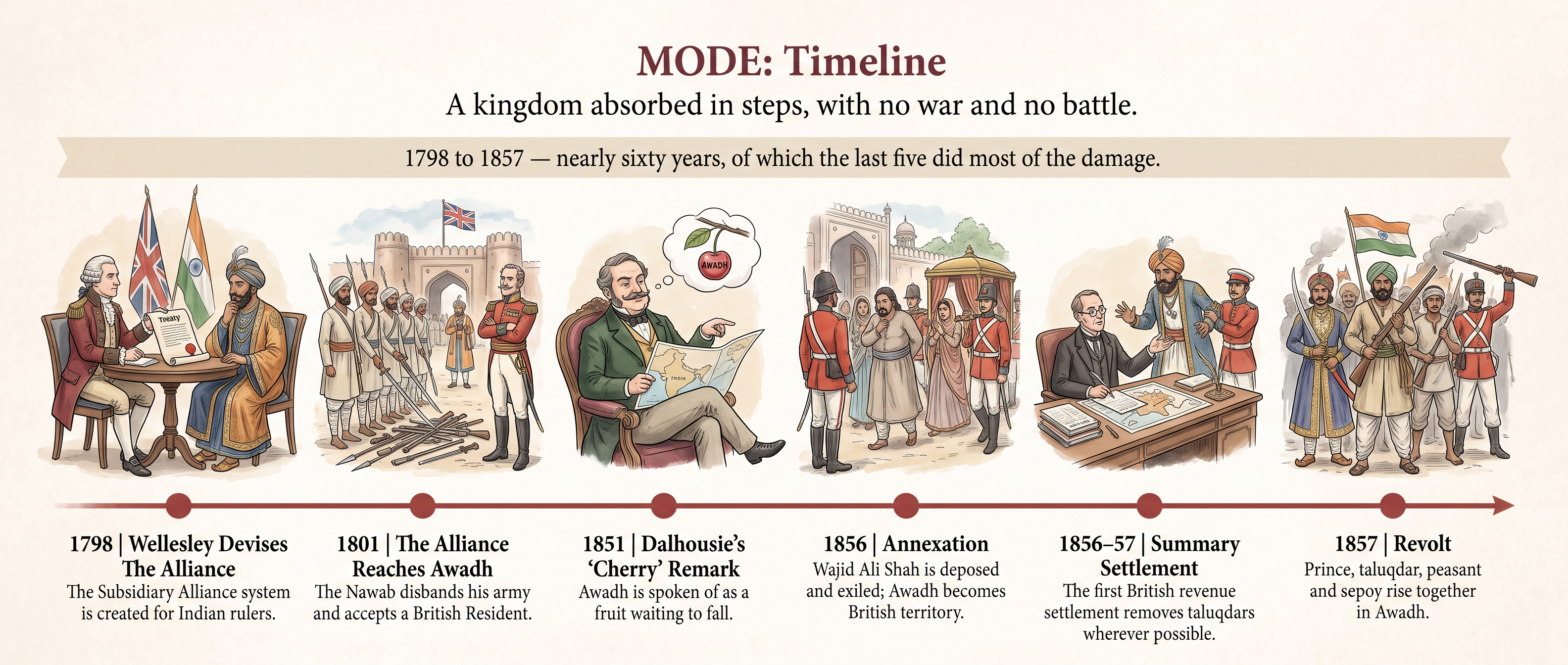
Fig. 10.6 – How Awadh Was Taken.
10.2.2 ‘The Life Was Gone Out Of The Body’
Lord Dalhousie’s annexations created disaffection in all the areas and principalities that were annexed, but nowhere more so than in the kingdom of Awadh, in the heart of North India.
Here, Nawab Wajid Ali Shah was dethroned and exiled to Calcutta on the plea that the region was being misgoverned. The British government also wrongly assumed that Wajid Ali Shah was an unpopular ruler. On the contrary, he was widely loved, and when he left his beloved Lucknow, there were many who followed him all the way to Kanpur singing songs of lament.
The British had told themselves a convenient story: that they were removing a bad ruler from a suffering people. The people did not agree, and their disagreement is recorded in the only form most of them had — song.
What Contemporaries Wrote Down
The widespread sense of grief and loss at the Nawab’s exile was recorded by many contemporary observers. One of them wrote that the life was gone out of the body, and the body of this town had been left lifeless; that there was no street or market and house which did not wail out the cry of agony in separation of Jan-i-Alam — ‘the light of the world’, a title of the Nawab. One folk song bemoaned that ‘the honourable English came and took the country’ (Angrez Bahadur ain, mulk lai linho).
Another song mourned the plight of the ruler who had to leave his motherland. It is short, and it is worth reading for who is doing the weeping in it.
The song does not argue. It simply places noble and peasant side by side, weeping over the same loss. Whether every peasant in Awadh actually wept is a question the song cannot answer, and songs are not surveys. What it does tell us is that in the memory of those who sang it, the removal of the Nawab was felt as a loss shared across ranks — and that memory is itself a fact of 1857.
Grief, And Then Unemployment
This emotional upheaval was aggravated by immediate material losses. The removal of the Nawab led to the dissolution of the court and its culture.
A court is not only a king. It is a payroll. Thus a whole range of people — musicians, dancers, poets, artisans, cooks, retainers, administrative officials and so on — lost their livelihood. The grief of Lucknow was, for thousands of families, also the loss of an income.
10.2.3 Firangi Raj And The End Of A World
A chain of grievances in Awadh linked prince, taluqdar, peasant and sepoy. In different ways they came to identify firangi raj with the end of their world — the breakdown of things they valued, respected and held dear. A whole complex of emotions and issues, traditions and loyalties, worked themselves out in the revolt of 1857. In Awadh, more than anywhere else, the revolt became an expression of popular resistance to an alien order.
The Taluqdars Are Disarmed
The annexation displaced not just the Nawab. It also dispossessed the taluqdars of the region.
The countryside of Awadh was dotted with the estates and forts of taluqdars who for many generations had controlled land and power in the countryside. Before the coming of the British, taluqdars maintained armed retainers, built forts, and enjoyed a degree of autonomy — as long as they accepted the suzerainty of the Nawab and paid the revenue of their taluqs, the estates from which that revenue was drawn.
The scale of their power can be measured. Some of the bigger taluqdars had as many as 12,000 foot-soldiers, and even the smaller ones had about 200. A man with 200 armed retainers is not a landlord in the modern sense; he is a small ruler.
The British were unwilling to tolerate the power of the taluqdars. Immediately after the annexation, the taluqdars were disarmed and their forts destroyed.
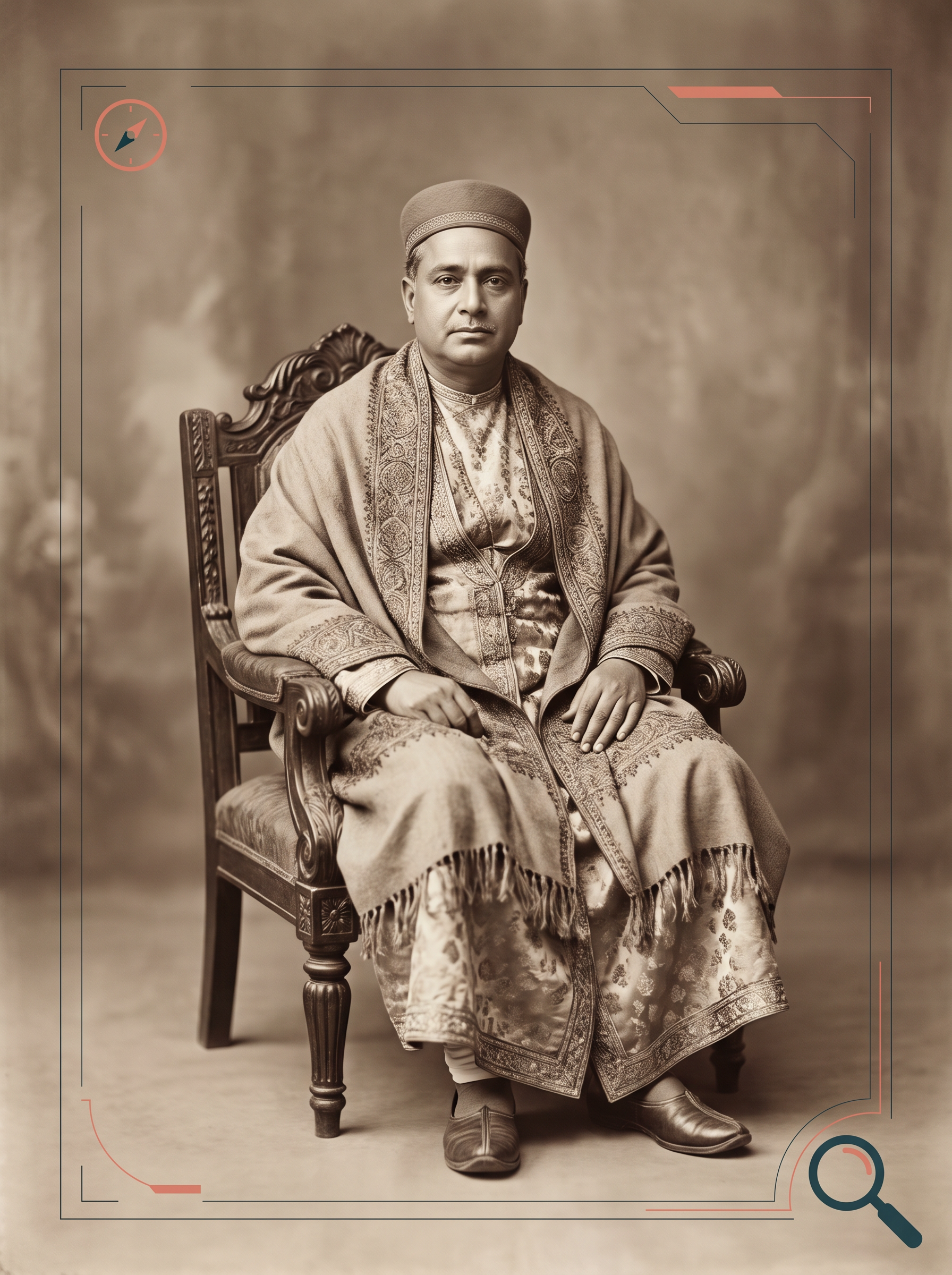
Fig. 10.7 – A zamindar from Awadh, 1880.
The Summary Settlement Of 1856
The British land revenue policy further undermined the position and authority of the taluqdars. After annexation, the first British revenue settlement, known as the Summary Settlement of 1856, was based on an assumption: that the taluqdars were interlopers with no permanent stakes in land, and that they had established their hold over land through force and fraud.
An assumption of that kind is a licence. The Summary Settlement proceeded to remove the taluqdars wherever possible. The figures show what removal meant. In pre-British times, taluqdars had held 67 per cent of the total number of villages in Awadh. By the Summary Settlement this number had come down to 38 per cent.
Work the figures slowly. Out of every hundred villages in Awadh, the taluqdars had once controlled sixty-seven; after the settlement they controlled thirty-eight.
\[67\% - 38\% = 29\% \text{ of the total villages of Awadh}\]
Here \(67\%\) is the share of villages held by taluqdars before British rule, \(38\%\) is their share after the Summary Settlement, and the difference of \(29\%\) of all villages is what passed out of their hands in a single settlement. The taluqdars of southern Awadh were the hardest hit, and some lost more than half of the total number of villages they had previously held.
The Peasant Does Not Gain
British land revenue officers believed that by removing taluqdars they would be able to settle the land with the actual owners of the soil, and thus reduce the level of exploitation of peasants while increasing revenue returns for the state. Two gains at once, in theory: a lighter burden below, a fuller treasury above.
But this did not happen in practice. Revenue flows for the state increased, but the burden of demand on the peasants did not decline. Officials soon found that large areas of Awadh were actually heavily overassessed: the increase of revenue demand in some places was from 30 to 70 per cent. Thus neither taluqdars nor peasants had any reasons to be happy with the annexation.
The Sepoy Was A Peasant Too
The grievances of the peasants were carried over into the sepoy lines, since a vast majority of the sepoys were recruited from the villages of Awadh. For decades the sepoys had complained of low levels of pay and the difficulty of getting leave. By the 1850s there were other reasons for their discontent.
The relationship of the sepoys with their superior white officers underwent a significant change in the years preceding the uprising of 1857. In the 1820s, white officers made it a point to maintain friendly relations with the sepoys. They would take part in their leisure activities — they wrestled with them, fenced with them, and went out hawking with them. Many of them were fluent in Hindustani and were familiar with the customs and culture of the country. These officers were disciplinarian and father figure rolled into one.
In the 1840s, this began to change. The officers developed a sense of superiority and started treating the sepoys as their racial inferiors, riding roughshod over their sensibilities. Abuse and physical violence became common, and thus the distance between sepoys and officers grew. Trust was replaced by suspicion. The episode of the greased cartridges was a classic example of this. An assurance is only as good as the man who gives it; by the 1850s, the sepoys no longer believed the man.
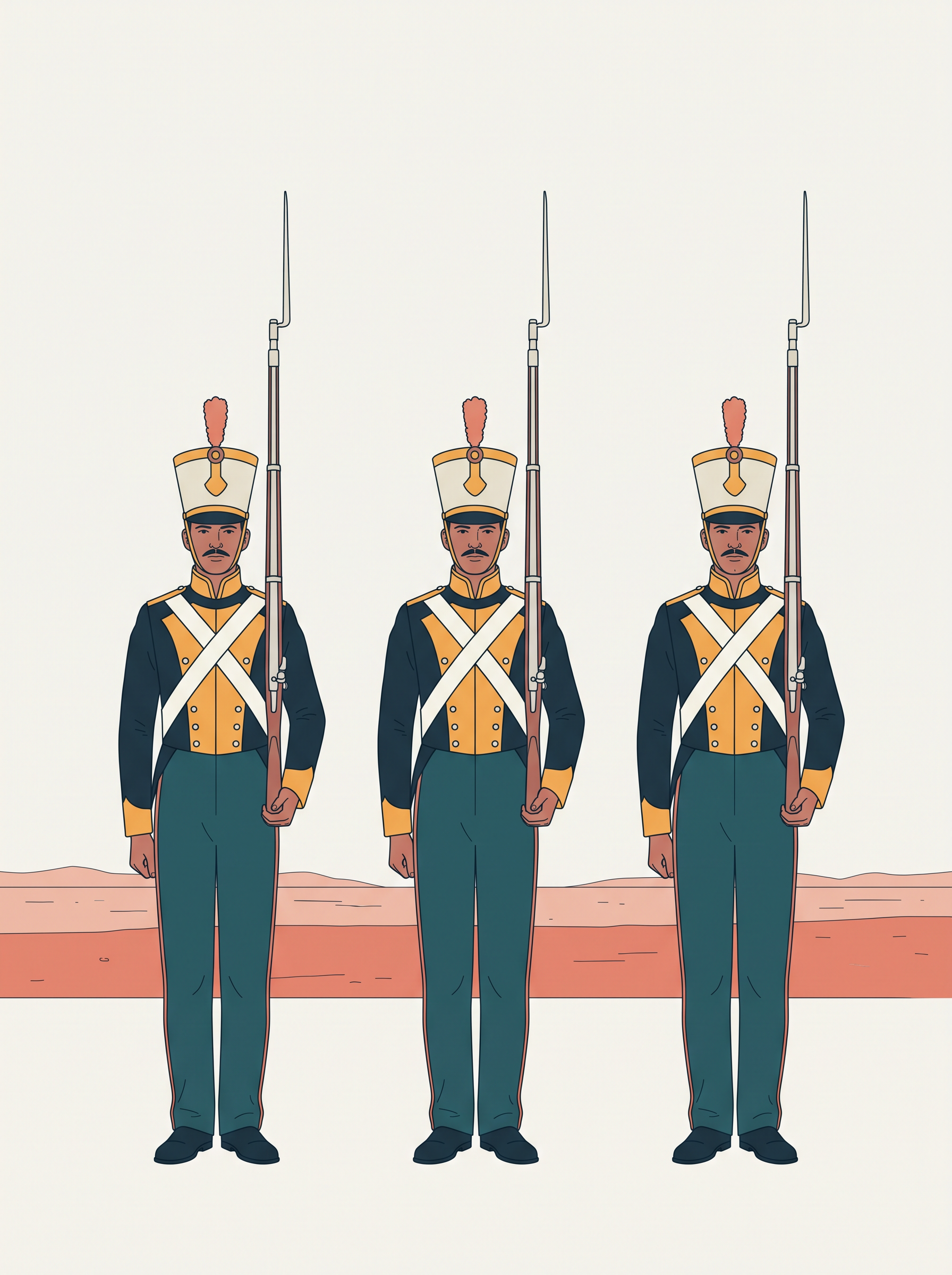
Fig. 10.8 – Bengal sepoys in European-style uniform.
The Line Between The Lines And The Village
It is also important to remember that close links existed between the sepoys and the rural world of North India. The large majority of the sepoys of the Bengal Army were recruited from the villages of Awadh and eastern Uttar Pradesh. Many of them were Brahmins or from the ‘upper’ castes. Awadh was, in fact, called the ‘nursery of the Bengal Army’.
The changes that the families of the sepoys saw around them, and the threats they perceived, were quickly transmitted to the sepoy lines. Traffic ran the other way too. The fears of the sepoys about the new cartridge, their grievances about leave, their grouse about the increasing misbehaviour and racial abuse on the part of their white officers, were communicated back to the villages.
This link between the sepoys and the rural world had important implications in the course of the uprising. When the sepoys defied their superior officers and took up arms, they were joined very swiftly by their brethren in the villages. Everywhere, peasants poured into towns and joined the soldiers and the ordinary people of the towns in collective acts of rebellion.
10.3 What The Rebels Wanted
The Problem Of The Missing Voice
As victors, the British recorded their own trials and tribulations as well as their heroism. They dismissed the rebels as a bunch of ungrateful and barbaric people. The repression of the rebels also meant the silencing of their voice.
Few rebels had the opportunity of recording their version of events. Moreover, most of them were sepoys and ordinary people who were not literate. A man who cannot write leaves no diary, and a man who is hanged leaves no memoir.
Thus, other than a few proclamations and ishtahars — notifications, public announcements pasted up or read out — issued by rebel leaders to propagate their ideas and persuade people to join the revolt, we do not have much that throws light on the perspective of the rebels. Attempts to reconstruct what happened in 1857 are thus heavily and inevitably dependent on what the British wrote. While these sources reveal the minds of officials, they tell us very little about what the rebels wanted.
This section works with the little the rebels did leave: their proclamations, and one surviving petition of rebel sepoys. It is a thin file, and the historian has to read it carefully rather than dismiss it.
10.3.1 The Vision Of Unity
The rebel proclamations in 1857 repeatedly appealed to all sections of the population, irrespective of their caste and creed. Many of the proclamations were issued by Muslim princes, or in their names, but even these took care to address the sentiments of Hindus.
The rebellion was seen as a war in which both Hindus and Muslims had equally to lose or gain. The ishtahars harked back to the pre-British Hindu–Muslim past, and glorified the coexistence of different communities under the Mughal Empire. The proclamation that was issued under the name of Bahadur Shah appealed to the people to join the fight under the standards of both Muhammad and Mahavir.
It was remarkable that during the uprising religious divisions between Hindus and Muslims were hardly noticeable, despite British attempts to create such divisions. There is a price tag on one such attempt. In Bareilly in western Uttar Pradesh, in December 1857, the British spent Rs 50,000 to incite the Hindu population against the Muslims. The attempt failed.
The Azamgarh Proclamation
The most important single document we have of rebel aims is a proclamation issued at Azamgarh in eastern Uttar Pradesh in August 1857. It is organised in sections, one for each social group the rebels wished to win over — zemindars, merchants, public servants, artisans, and the learned men of both religions.
Read it as an appeal, not as a neutral report. The language is that of a side at war. It calls the British ‘infidel and treacherous’, it speaks of a holy war, and it promises every group exactly what that group had lost under British rule. A document written to recruit people tells us what its authors believed those people were angry about — which is precisely why it is so valuable.
Take the sections one at a time and a pattern appears. The zemindar is promised light revenue and his dignity back. The merchant is promised trade freed from monopoly and tolls. The public servant is promised the pay and the high posts reserved for Englishmen. The artisan is promised employment that English goods had taken away. The pundit and the fakir are promised the guardianship of their faiths.
Every promise is the exact reverse of a grievance. Read backwards, the proclamation is a list of what British rule had done to five different groups — and an admission that the rebels needed all five.
And What The Sepoys Said
The proclamations speak for the leadership. One surviving petition lets us hear the men in the ranks. An arzi is a petition or an application — the ordinary paper a subject sends up to authority, here used by rebel sepoys to state their case.
The sepoys begin not with anger but with service. They remind the British of a century of loyalty, of the conquests won with their help, of the thousands of Hindostani men sacrificed in those wars, and of the fact that through all of it they never revolted. The claim is that the breach came from the other side.
Then comes the cartridge, and with it a fact they set down precisely: eighty-four troopers of the 3rd Light Cavalry put in irons, with guns loaded with grape trained on the paraded regiments. Their conclusion is stated as a question, and it is the plainest statement of motive in this chapter: if the religion of a Hindoo or Mussalman is lost, what remains in the world?
10.3.2 Against The Symbols Of Oppression
The proclamations completely rejected everything associated with British rule, or firangi raj as they called it. They condemned the British for the annexations they had carried out and the treaties they had broken. The British, the rebel leaders said, could not be trusted.
What enraged the people was how British land revenue settlements had dispossessed landholders, both big and small, and how foreign commerce had driven artisans and weavers to ruin. Every aspect of British rule was attacked, and the firangi accused of destroying a way of life that was familiar and cherished. The rebels wanted to restore that world.
The proclamations expressed the widespread fear that the British were bent on destroying the caste and religions of Hindus and Muslims and converting them to Christianity — a fear that led people to believe many of the rumours that circulated at the time. People were urged to come together and fight to save their livelihood, their faith, their honour, their identity — a fight which was for the ‘greater public good’.
An Attack On All Oppressors
As noted earlier, in many places the rebellion against the British widened into an attack on all those who were seen as allies of the British, or as local oppressors.
Often the rebels deliberately sought to humiliate the elites of a city. In the villages they burnt account books and ransacked moneylenders’ houses. An account book is not a symbol; it is the instrument by which a debt is proved and land is taken. Burning it was a practical act as well as a defiant one.
This reflected an attempt to overturn traditional hierarchies, to rebel against all oppressors. It presents a glimpse of an alternative vision, perhaps of a more egalitarian society — a society in which the ranks that pressed down on the poor would themselves be pulled down. But such visions were not articulated in the proclamations, which sought to unify all social groups in the fight against firangi raj.
There is a tension here that the chapter does not resolve, and neither should you. The proclamations promised the zemindar his dignity and the moneylender’s world its safety. The villages burnt the moneylender’s books.
10.3.3 The Search For Alternative Power
Once British rule had collapsed, the rebels in places like Delhi, Lucknow and Kanpur tried to establish some kind of structure of authority and administration. This was, of course, short-lived. But the attempts show that the rebel leadership wanted to restore the pre-British world of the eighteenth century.
The leaders went back to the culture of the court. Appointments were made to various posts. Arrangements were made for the collection of land revenue and the payment of troops. Orders were issued to stop loot and plunder — an order that only a government issues, and only a government that expects to last.
Side by side, plans were made to fight battles against the British. Chains of command were laid down in the army. In all this the rebels harked back to the eighteenth-century Mughal world — a world that became a symbol of all that had been lost.
The administrative structures established by the rebels were primarily aimed at meeting the demands of war. However, in most cases these structures could not survive the British onslaught. But in Awadh, where resistance to the British lasted longest, plans of counter-attack were being drawn up by the Lucknow court, and hierarchies of command were in place as late as the last months of 1857 and the early part of 1858.
10.4 Repression
It is clear from all accounts that we have of 1857 that the British did not have an easy time in putting down the rebellion. The reconquest took the better part of a year, and it was fought village by village as much as city by city.
The Law Is Suspended
Before sending out troops to reconquer North India, the British passed a series of laws to help them quell the insurgency.
By a number of Acts, passed in May and June 1857, not only was the whole of North India put under martial law — rule by the army, in which military authority replaces the ordinary courts — but military officers, and even ordinary Britons, were given the power to try and punish Indians suspected of rebellion.
In other words, the ordinary processes of law and trial were suspended. And it was put out that rebellion would have only one punishment: death. Read that sentence slowly. A civilian Englishman could now hold a trial, and the trial could have only one verdict for the guilty.
Two Prongs Towards Delhi
Armed with these newly enacted special laws, and with the reinforcements brought in from Britain, the British began the task of suppressing the revolt.
They, like the rebels, recognised the symbolic value of Delhi. Both sides understood that the city where Bahadur Shah sat was where the rebellion drew its name and its legitimacy. The British thus mounted a two-pronged attack. One force moved from Calcutta into North India, and the other from the Punjab — which was largely peaceful — to reconquer Delhi.
British attempts to recover Delhi began in earnest in early June 1857, but it was only in late September that the city was finally captured. Nearly four months for one city. The fighting and losses on both sides were heavy. One reason for this was the fact that rebels from all over North India had come to Delhi to defend the capital.
Map
Map 2 Caption: The map shows the important centres of revolt and the lines of British attack against the rebels. Brief: Redraw NCERT’s sketch map showing the full extent of India as officially defined, with dots for the principal centres of revolt (Delhi, Meerut, Ambala, Jalandhar, Saharanpur, Aligarh, Mathura, Agra, Gwalior, Jhansi, Lucknow, Kanpur, Allahabad, Benares, Azamgarh, Jabalpur, Mhow, Aurangabad) and arrows for the British thrusts inward from Calcutta, Dumdum, Bombay and the Punjab; include the key for ‘Principal centres of revolt’ and ‘British thrusts’; state that these are 1857 positions, not present-day boundaries; mark ‘Sketch map not to scale’.
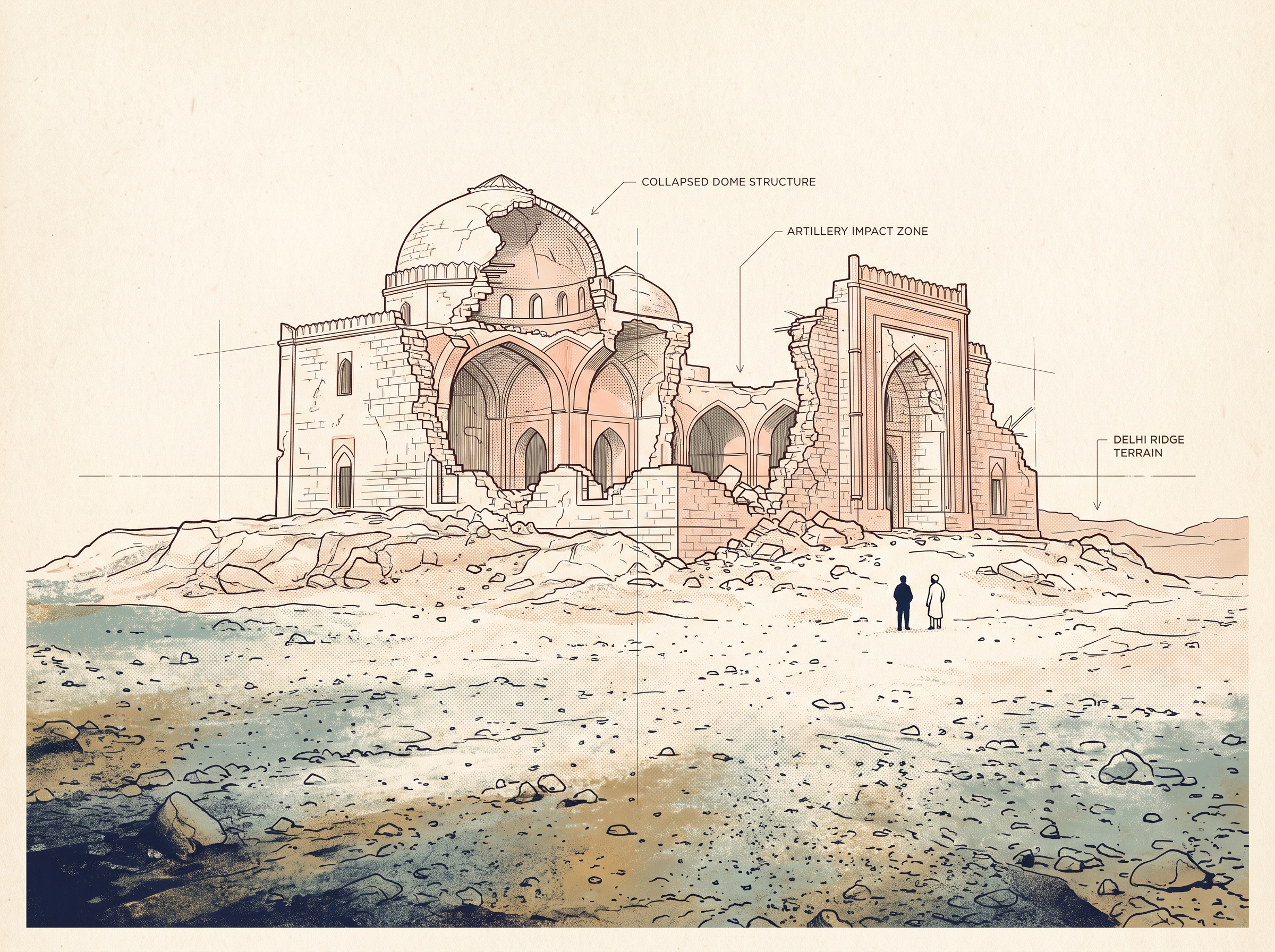
Fig. 10.9 – A ruined mosque on the Delhi Ridge, 1857–58.
Village By Village In The Gangetic Plain
In the Ganegtic plain too the progress of British reconquest was slow. The forces had to reconquer the area village by village. The countryside and the people around were entirely hostile.
As soon as they began their counter-insurgency operations, the British realised that they were not dealing with a mere mutiny but an uprising that had huge popular support. In Awadh, for example, a British official called Forsyth estimated that three-fourths of the adult male population was in rebellion. The area was brought under control only in March 1858, after protracted fighting.
An army can defeat another army in a day. It cannot defeat a countryside in a day, because the countryside does not stand still and wait to be defeated. A British officer reporting from rural Awadh put the problem in his own words.
The officer’s difficulty is exactly the one that makes a popular revolt so hard to crush. His enemy has no fort to besiege and no line to break. The villagers melt away when troops arrive and gather again once the troops have passed. And because they are villagers, there is no way to tell a rebel from a cultivator by looking at him — which is one reason the repression that followed fell so heavily on ordinary people.
Force, And Then A Bargain
The British used military power on a gigantic scale. But this was not the only instrument they used, and the second instrument tells us how well they had understood the revolt.
In large parts of present-day Uttar Pradesh, where big landholders and peasants had offered united resistance, the British tried to break up the unity by promising to give back to the big landholders their estates. It was the alliance of taluqdar and peasant that had made Awadh so hard to hold; so the British offered the taluqdar the one thing the annexation had taken from him.
Rebel landholders were dispossessed and the loyal rewarded. Many landholders died fighting the British, or they escaped into Nepal, where they died of illness or starvation.
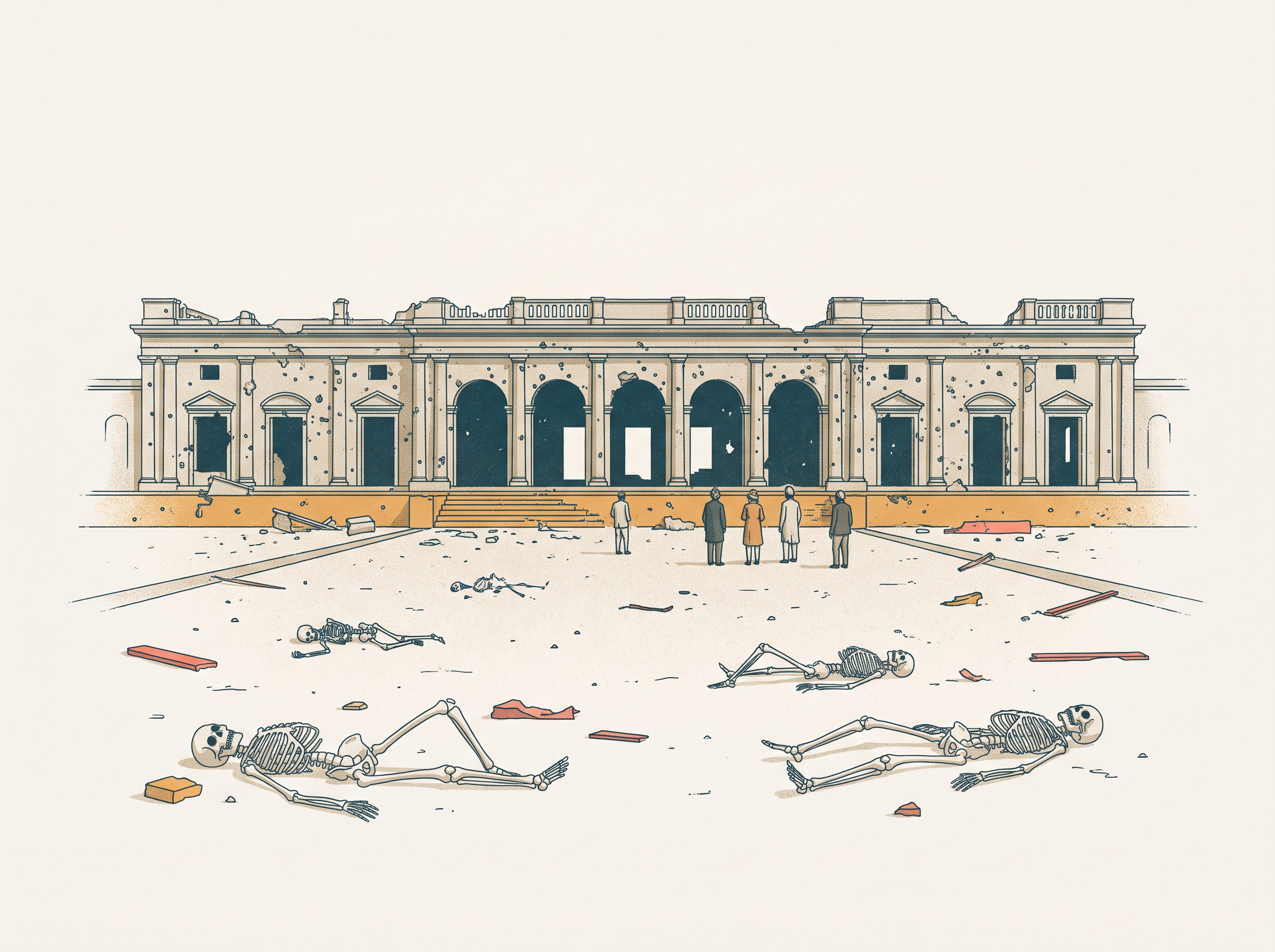
Fig. 10.10 – Secundrah Bagh, Lucknow, 1858.
The photograph is evidence twice over. It records a building where more than two thousand rebel sepoys were killed. It also records a decision — that the ground was left as it was, and photographed, and the picture circulated. The repression was meant to be seen. The next section asks what the British and the Indians who made such images wanted their viewers to feel.
10.5 Images Of The Revolt
How do we know about the revolt, about the activities of the rebels, and about the measures of repression that we have been discussing?
As we have seen, we have very few records on the rebels’ point of view. There are a few rebel proclamations and notifications, as also some letters that rebel leaders wrote. But historians till now have continued to discuss rebel actions primarily through accounts written by the British.
The Archive Of The Victors
Official accounts, of course, abound. Colonial administrators and military men left their versions in letters and diaries, autobiographies and official histories.
We can also gauge the official mindset, and the changing British attitudes, through the innumerable memos and notes, assessments of situations, and reports that were produced. Many of these have now been collected in a set of volumes on mutiny records. These tell us about the fears and anxieties of officials and their perception of the rebels — which is not the same thing as telling us about the rebels.
The stories of the revolt that were published in British newspapers and magazines narrated in gory detail the violence of the mutineers. These stories inflamed public feelings and provoked demands of retribution and revenge. A newspaper report, in other words, was not only a record of the revolt. It was an event in the revolt.
One important record of the mutiny is the pictorial images produced by the British and Indians: paintings, pencil drawings, etchings, posters, cartoons, bazaar prints. Let us look at some of them and see what they tell us.
10.5.1 Celebrating The Saviours
British pictures offer a variety of images that were meant to provoke a range of different emotions and reactions. Some of them commemorate the British heroes who saved the English and repressed the rebels.
‘Relief of Lucknow’, painted by Thomas Jones Barker in 1859, is an example of this type. The events behind the painting can be dated. When the rebel forces besieged Lucknow, Henry Lawrence, the Commissioner of Lucknow, collected the Christian population and took refuge in the heavily fortified Residency — the fortified house and grounds of the British Resident. Lawrence was killed, but the Residency continued to be defended under the command of Colonel Inglis.
On 25 September James Outram and Henry Havelock arrived, cut through the rebel forces, and reinforced the British garrisons. Twenty days later Colin Campbell, who was appointed as the new Commander of British forces in India, came with his forces and rescued the besieged British garrison. In British accounts the siege of Lucknow became a story of survival, heroic resistance and the ultimate triumph of British power.
How The Painting Directs Your Eye
Barker’s painting celebrates the moment of Campbell’s entry. At the centre of the canvas are the British heroes — Campbell, Outram and Havelock. The gestures of the hands of those around lead the spectator’s eyes towards the centre.
The heroes stand on a ground that is well lit, with shadows in the foreground and the damaged Residency in the background. The dead and injured in the foreground are testimony to the suffering during the siege, while the triumphant figures of horses in the middle ground emphasise the fact that British power and control had been re-established.
Nothing in that arrangement is accidental. Light falls where the painter wants you to look, and the suffering is placed low and in shadow, so that it is seen but not dwelt upon. To the British public such paintings were reassuring. They created a sense that the time of trouble was past and the rebellion was over; the British were the victors.
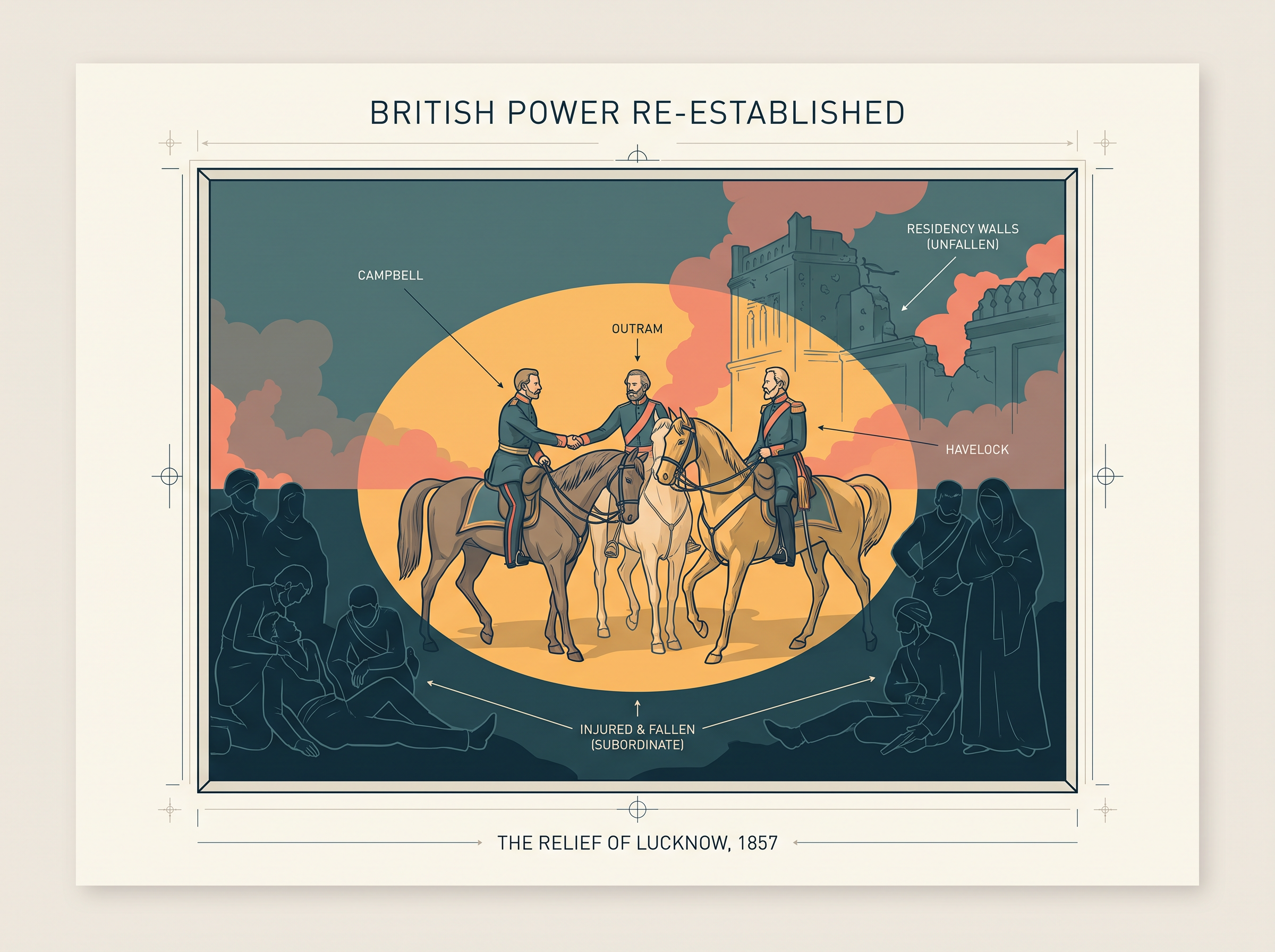
Fig. 10.11 – ‘Relief of Lucknow’ by Thomas Jones Barker, 1859.
10.5.2 English Women And The Honour Of Britain
Newspaper reports have a power over public imagination; they shape feelings and attitudes to events. Inflamed particularly by tales of violence against women and children, there were public demands in Britain for revenge and retribution.
The British government was asked to protect the honour of innocent women and ensure the safety of helpless children. Artists expressed as well as shaped these sentiments through their visual representations of trauma and suffering.
‘In Memoriam’ (Fig. 10.12) was painted by Joseph Noel Paton two years after the mutiny. You can see English women and children huddled in a circle, looking helpless and innocent, seemingly waiting for the inevitable — dishonour, violence and death.
‘In Memoriam’ does not show gory violence; it only suggests it. That restraint is the technique. It stirs up the spectator’s imagination, and seeks to provoke anger and fury. It represents the rebels as violent and brutish, even though they remain invisible in the picture. In the background you can see the British rescue forces arriving as saviours.
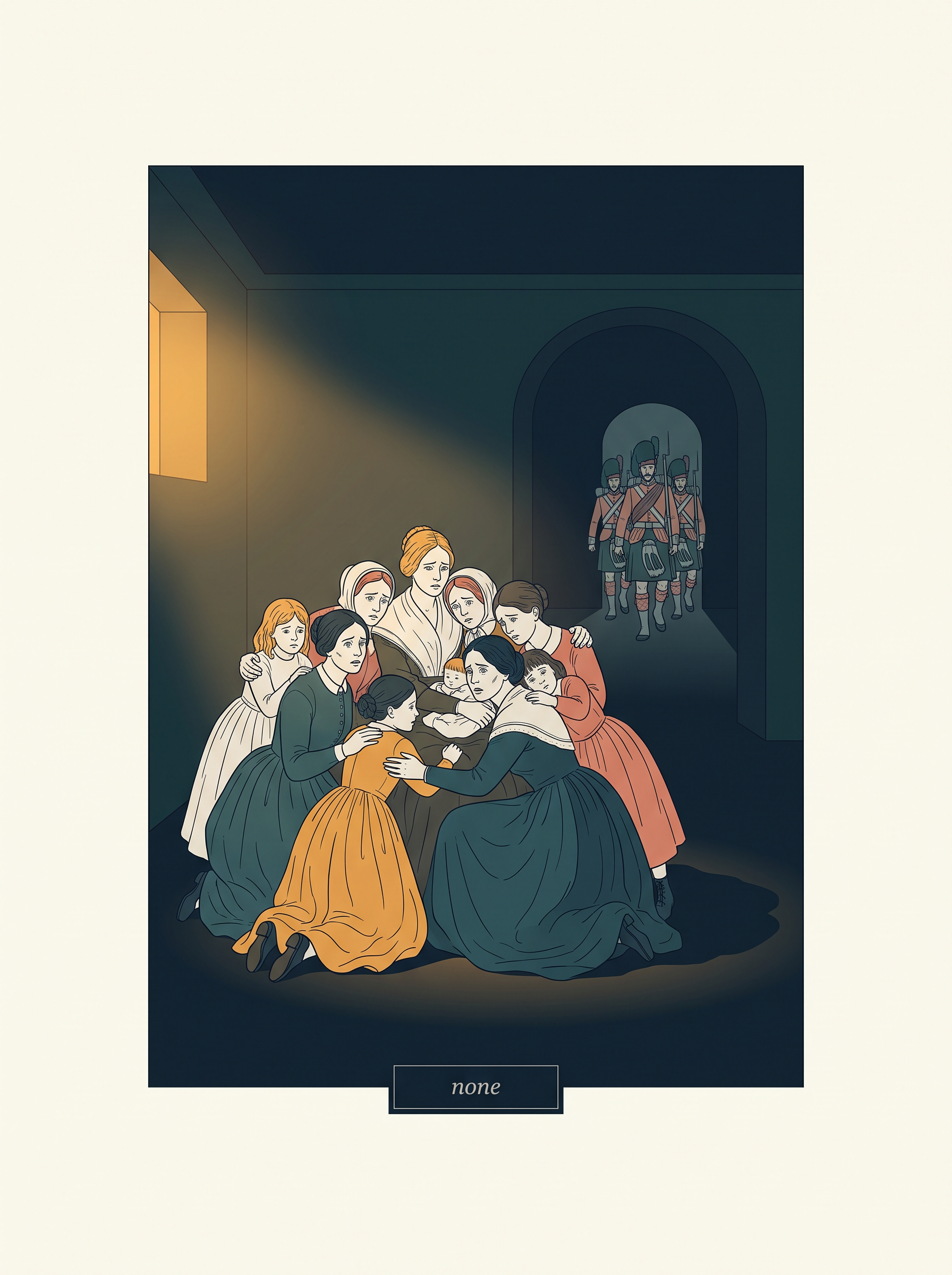
Fig. 10.12 – ‘In Memoriam’ by Joseph Noel Paton, 1859.
Women As Heroines
In another set of sketches and paintings we see women in a different light. They appear heroic, defending themselves against the attack of rebels.
Miss Wheeler in Figure 10.13 stands firmly at the centre, defending her honour, single-handedly killing the attacking rebels. As in all such British representations, the rebels are demonised. Here, four burly males with swords and guns are shown attacking a woman.
The woman’s struggle to save her honour and her life is, in fact, represented as having a deeper religious connotation: it is a battle to save the honour of Christianity. The book lying on the floor is the Bible. Once you notice the book, the picture changes meaning. It is no longer one woman in a room. It is one faith against another.
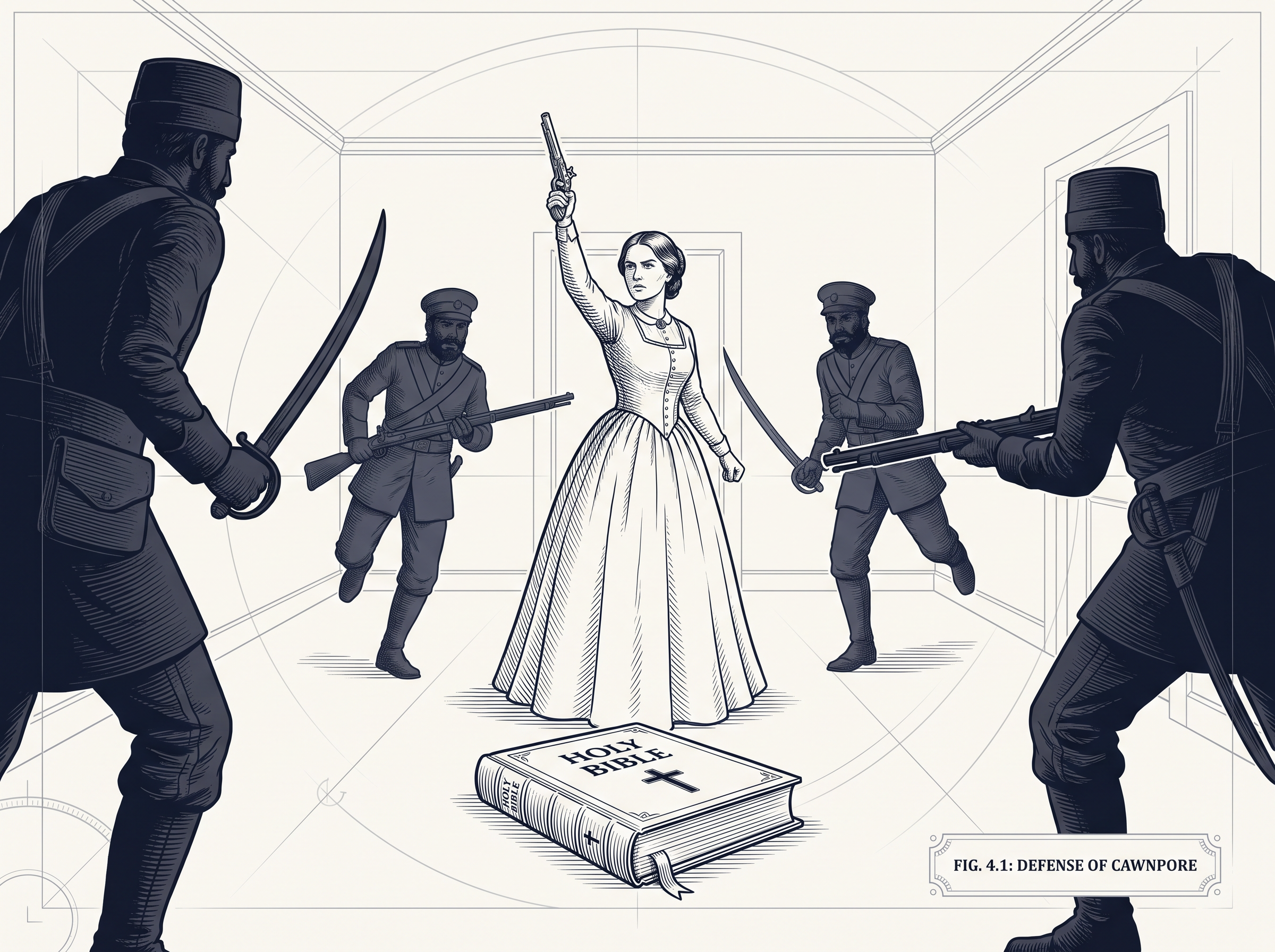
Fig. 10.13 – Miss Wheeler defending herself in Kanpur.
10.5.3 Vengeance And Retribution
As waves of anger and shock spread in Britain, demands for retribution grew louder. Visual representations and news about the revolt created a milieu in which violent repression and vengeance were seen as both necessary and just.
It was as if justice demanded that the challenge to British honour and power be met ruthlessly. Threatened by the rebellion, the British felt that they had to demonstrate their invincibility.
In one such image (Fig. 10.14) we see an allegorical female figure of justice with a sword in one hand and a shield in the other. She is an allegory — a figure who stands for an idea rather than a person. Her posture is aggressive; her face expresses rage and the desire for revenge. She is trampling sepoys under her feet, while a mass of Indian women with children cower with fear.
Look at what has happened to the idea of justice in this picture. Justice is usually shown weighing evidence. Here she is shown taking revenge, and the artist expects his readers to approve. There were innumerable other pictures and cartoons in the British press that sanctioned brutal repression and violent reprisal.
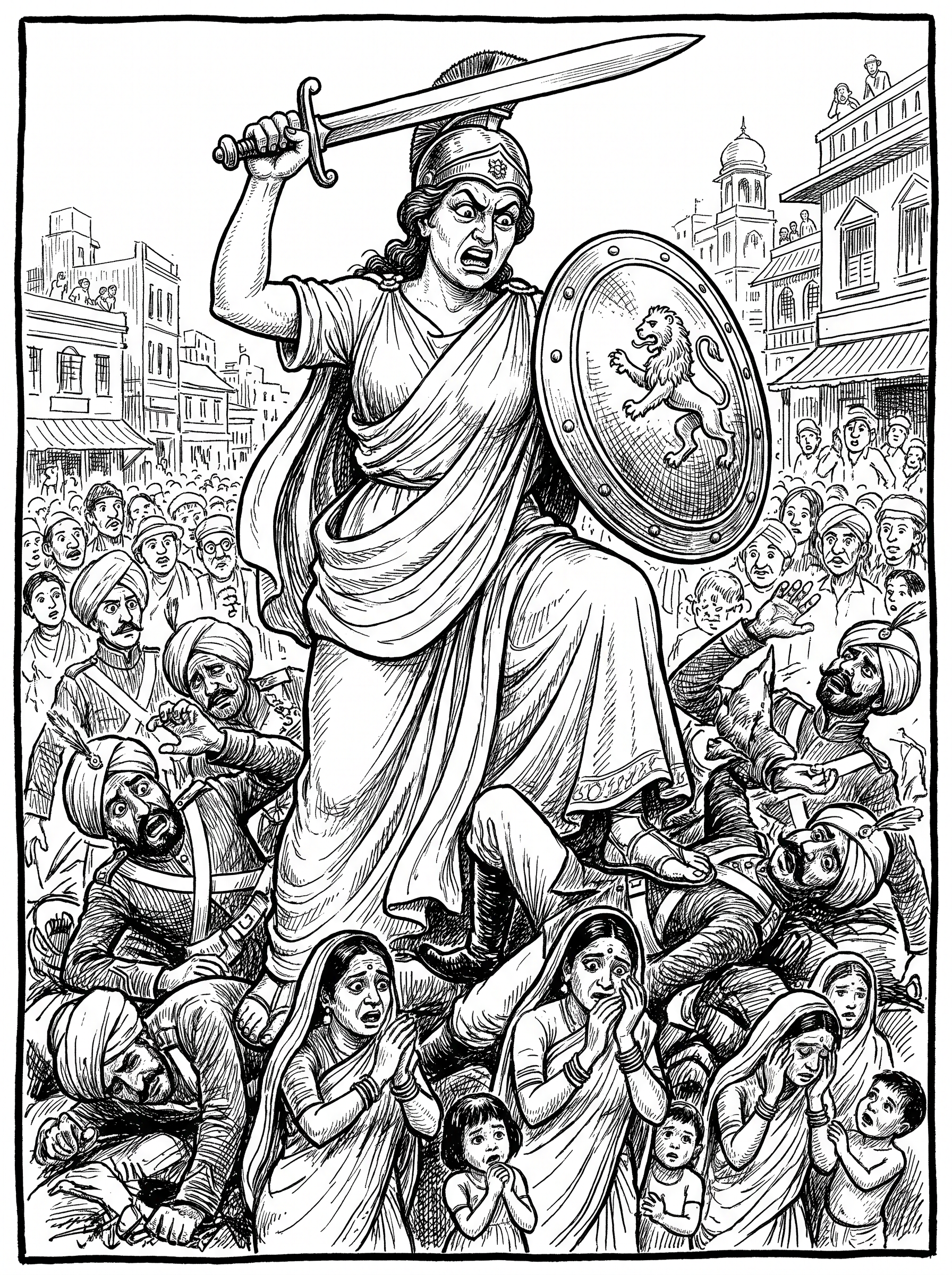
Fig. 10.14 – Justice demands revenge. Inspiration: Punch, 12 September 1857.
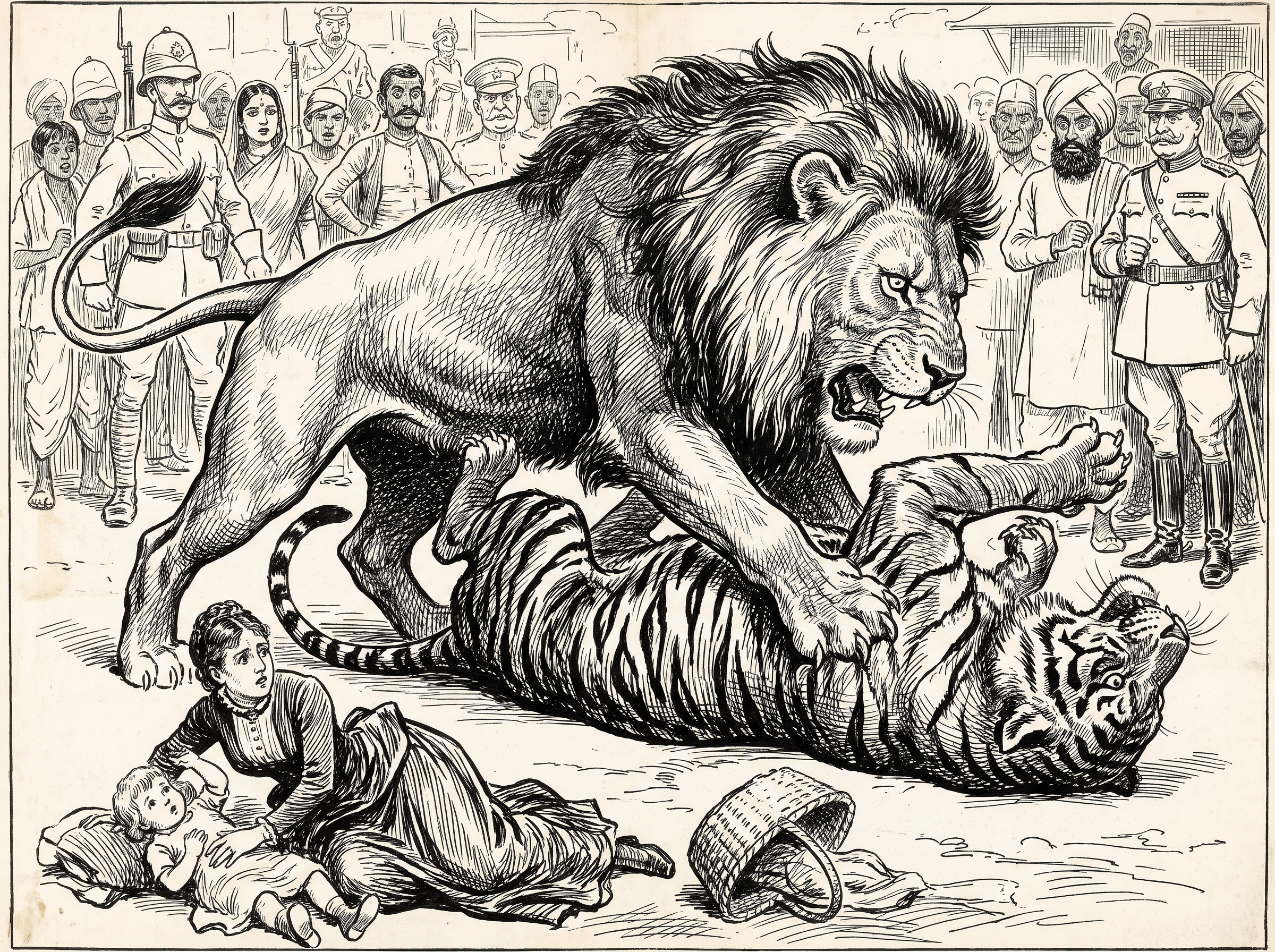
Fig. 10.15 – The British Lion’s Vengeance on the Bengal Tiger. Inspiration: Punch, 1857.
10.5.4 The Performance Of Terror
The urge for vengeance and retribution was expressed in the brutal way in which the rebels were executed. They were blown from guns, or hanged from the gallows. Images of these executions were widely circulated through popular journals.
Notice that the executions were not hidden. They were staged, drawn, printed and sold — and the printing was part of the punishment.
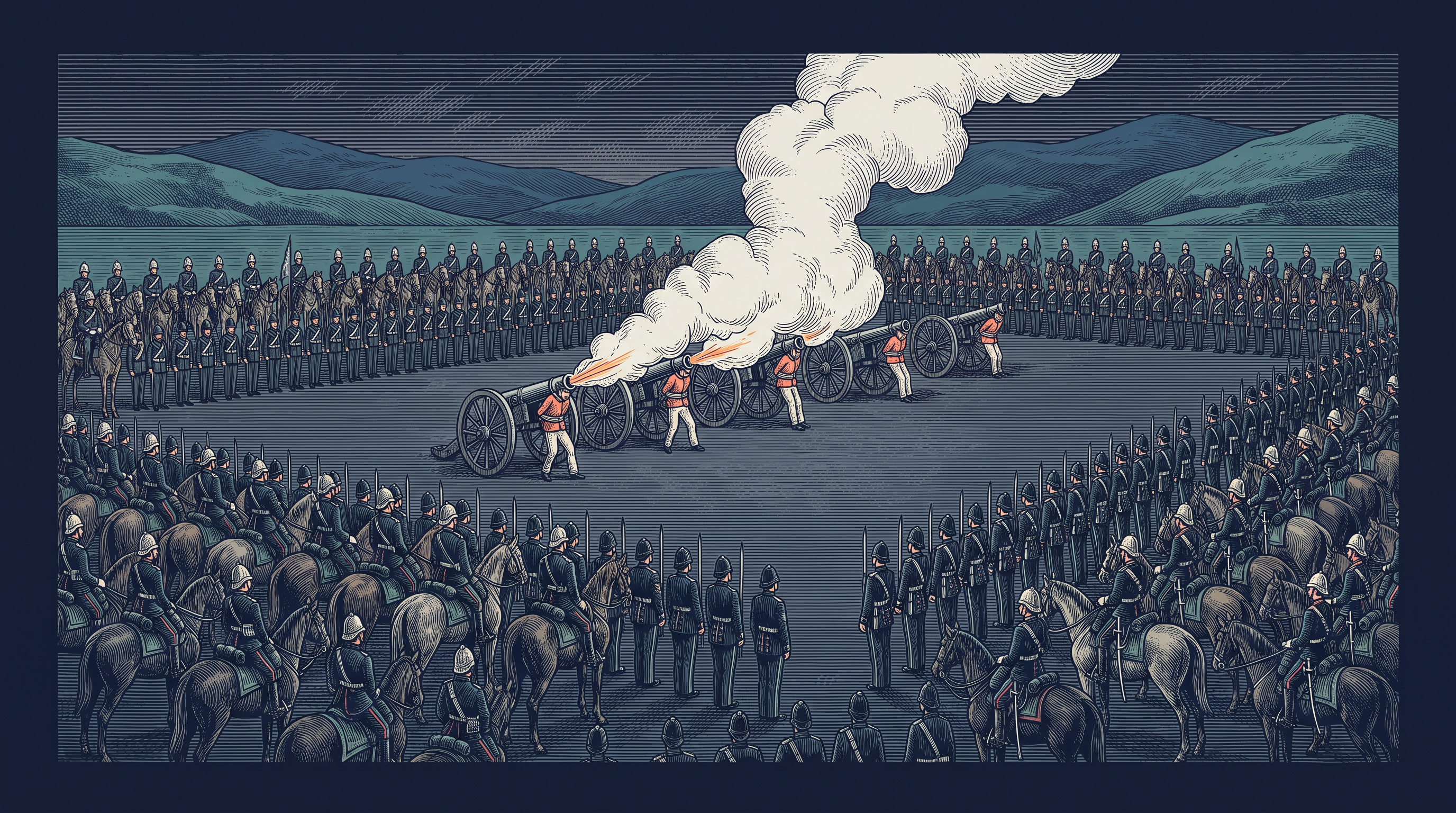
Fig. 10.16 – Blowing mutineers from the guns in Peshawar, 1857.
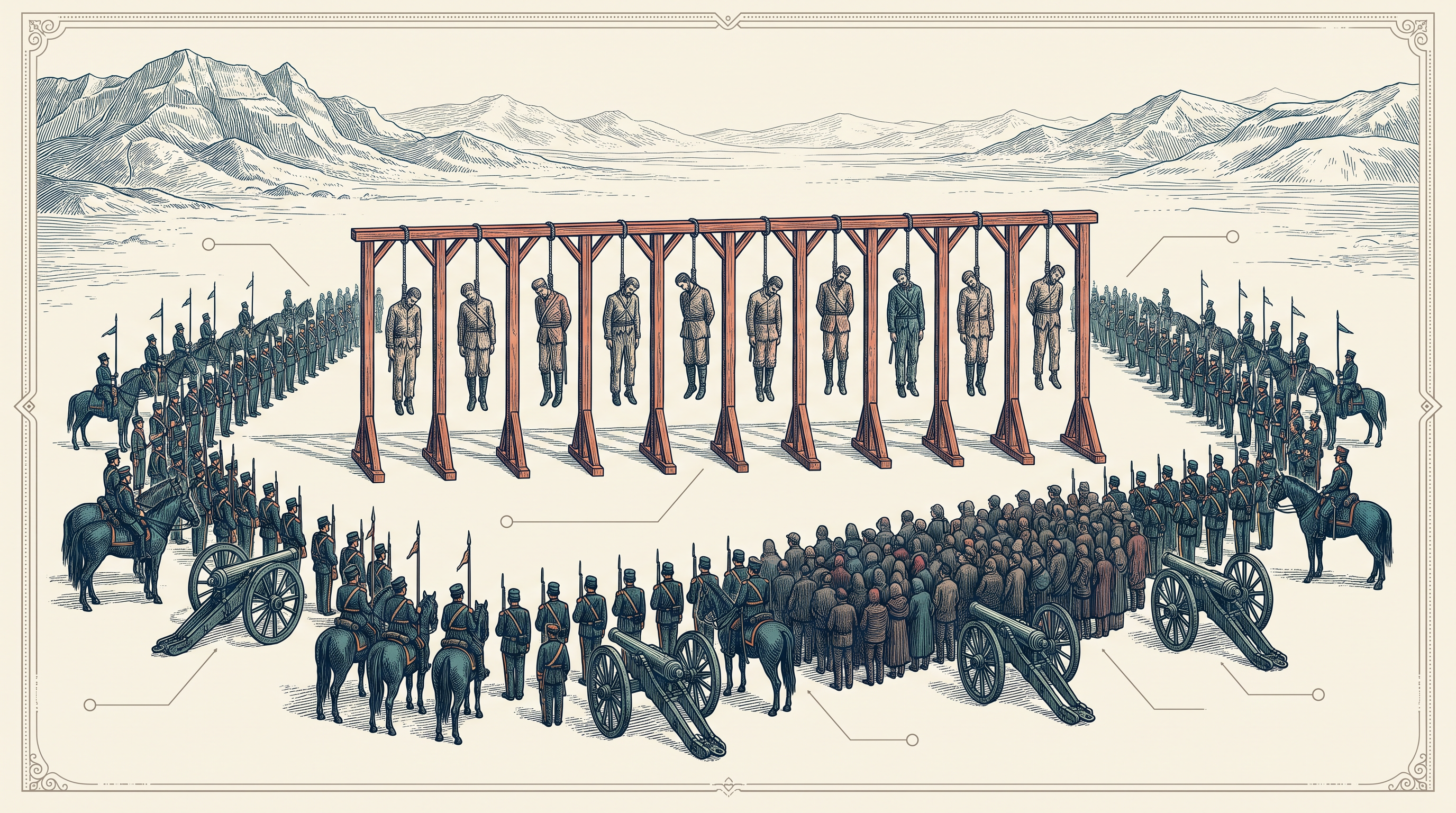
Fig. 10.17 – Hanging mutinous sepoys in Peshawar, 1857.
The word ‘performance’ is exact. A punishment carried out inside a jail frightens only the man being punished. A punishment carried out on a parade ground, with regiments made to stand and watch, and then engraved for readers in London, is meant to work on everybody who sees it or hears of it.
10.5.5 No Time For Clemency
At a time when the clamour was for vengeance, pleas for moderation were ridiculed. When Governor General Canning declared that a gesture of leniency and a show of mercy would help in winning back the loyalty of the sepoys, he was mocked in the British press.
In one of the cartoons published in the pages of Punch, a British journal of comic satire, Canning is shown as a looming father figure, with his protective hand over the head of a sepoy who still holds an unsheathed sword in one hand and a dagger in the other, both dripping with blood (Fig. 10.18). It is an imagery that recurs in a number of British pictures of the time.
The cartoon works by making mercy look foolish. The sepoy is drawn as a child, and as a murderer, at the same time: the man is not to be reasoned with, only ruled. That is the argument the picture makes without ever making it in words — and it is an argument made against a Governor General by his own countrymen.
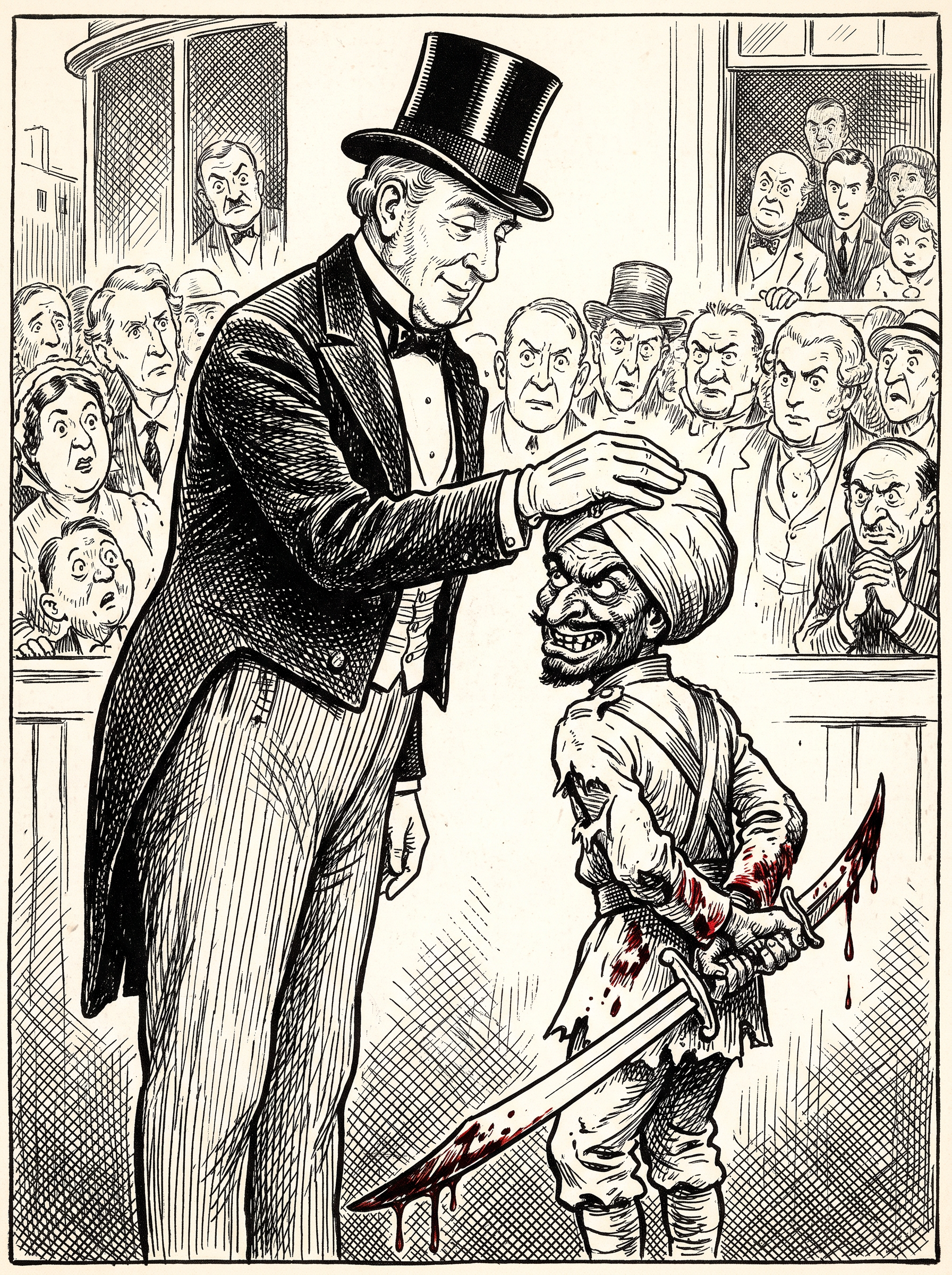
Fig. 10.18 – The Clemency of Canning. Inspiration: Punch, 24 October 1857.
10.5.6 Nationalist Imageries
The national movement in the twentieth century drew its inspiration from the events of 1857. A whole world of nationalist imagination was woven around the revolt. It was celebrated as the First War of Independence, in which all sections of the people of India came together to fight against imperial rule.
Art and literature, as much as the writing of history, have helped in keeping alive the memory of 1857. The leaders of the revolt were presented as heroic figures leading the country into battle, rousing the people to righteous indignation against oppressive imperial rule.
Heroic poems were written about the valour of the queen who, with a sword in one hand and the reins of her horse in the other, fought for the freedom of her motherland. Rani of Jhansi was represented as a masculine figure chasing the enemy, slaying British soldiers and valiantly fighting till her last. Children in many parts of India grow up reading the lines of Subhadra Kumari Chauhan: Khoob lari mardani woh to Jhansi wali rani thi — like a man she fought, she was the Rani of Jhansi.
In popular prints Rani Lakshmi Bai is usually portrayed in battle armour, with a sword in hand and riding a horse — a symbol of the determination to resist injustice and alien rule.
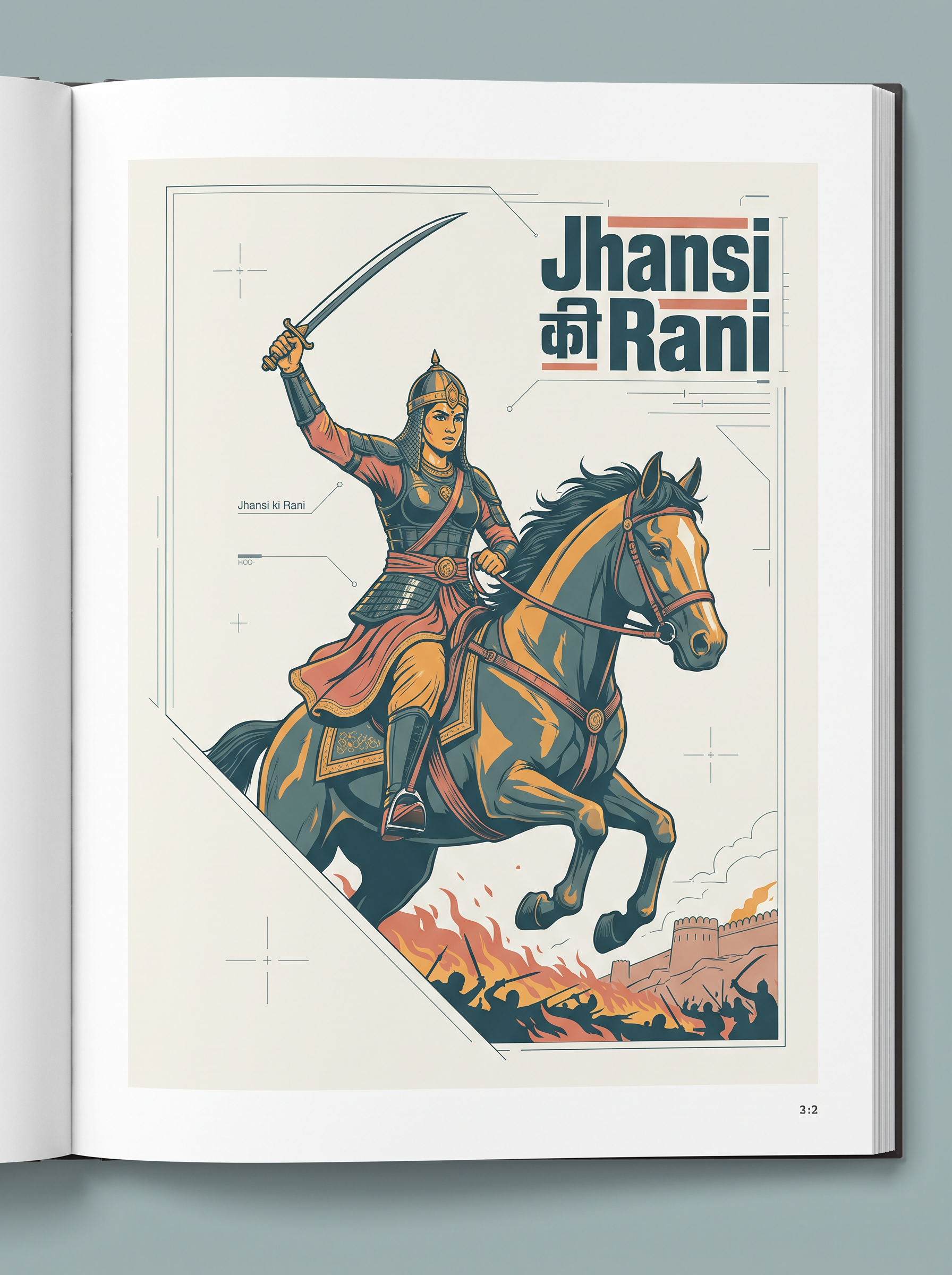
Fig. 10.19 – Film poster of Jhansi ki Rani.
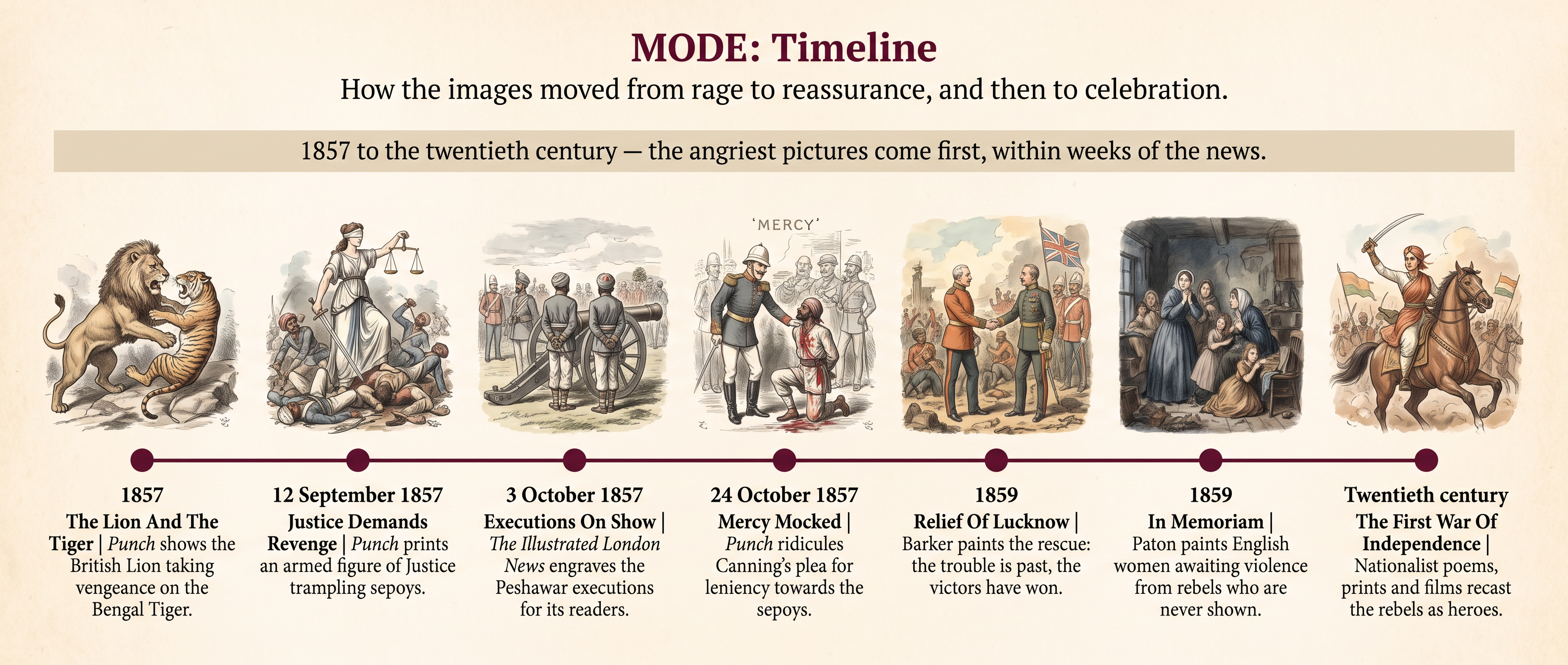
Fig. 10.20 – Making The Pictures Of 1857.
What The Images Did
The images indicate how the painters who produced them perceived those events, what they felt, and what they sought to convey. Through the paintings and cartoons we know about the public that looked at the paintings, appreciated or criticised the images, and bought copies and reproductions to put up in their homes.
These images did not only reflect the emotions and feelings of the times in which they were produced. They also shaped sensibilities. Fed by the images that circulated in Britain, the public sanctioned the most brutal forms of repression of the rebels. On the other hand, nationalist imageries of the revolt helped shape the nationalist imagination.
That is the double life of a picture, and it is the reason this section exists. An image is evidence of what its maker felt. It is also a cause of what its viewers went on to feel — and, in 1857, of what they were prepared to allow.
10.6 Summary
The Pattern Of The Uprising
- The mutiny began at Meerut on 10 May 1857 and reached the Red Fort the next morning, where the sepoys pressed Bahadur Shah into becoming the nominal leader of the revolt. From that moment the rising could be carried on in the name of the Mughal emperor.
- After a quiet of two days, cantonment after cantonment in the Gangetic valley rose. In each place the sequence was the same: a signal, the seizure of the bell of arms, the plunder of the treasury, the burning of government records, and an attack on everything connected with the white man.
- The similarity was not accidental. Regiments wrote to one another, emissaries moved between stations, and native officers met in nightly panchayats. The sepoys were the makers of their own rebellion.
- When ordinary people joined, the targets widened to moneylenders and the rich. A mutiny of soldiers became a rebellion against all authority and hierarchy.
- Leaders were often men and women who had led before the conquest — Bahadur Shah, Nana Sahib, the Rani of Jhansi, Kunwar Singh, Birjis Qadr. In most cases they were pushed into leadership by their followers rather than choosing it.
- Leadership also came from below: Shah Mal in pargana Barout, Gonoo among the Kol tribals of Singhbhum, and preachers such as Maulvi Ahmadullah Shah, whose authority rested partly on what people believed about him.
- Rumours — the greased cartridges, bone dust in the atta, the prophecy that British rule would end on the centenary of Plassey — moved people to act. Historians study them not to test whether they were true, but because a rumour spreads only when it fits fears people already hold. Those fears had been built up since the 1820s by annexations, new laws, new revenue systems and missionary activity.
Awadh In Revolt
- Awadh was taken in stages: the Subsidiary Alliance of 1801 disarmed the Nawab, and the annexation of 1856 completed a process begun a century earlier in Bengal.
- The exile of Wajid Ali Shah was mourned in song and lament, and it also destroyed the livelihood of everyone the court had employed — musicians, poets, artisans, cooks, officials.
- The Summary Settlement of 1856 treated the taluqdars as interlopers and cut their share of villages from 67 per cent to 38 per cent. Revenue flows rose, but the peasants’ burden did not fall; demand went up by 30 to 70 per cent in places.
- The dispossession broke an entire social order, and it reached the sepoy lines, because the Bengal Army was recruited from the villages of Awadh — the ‘nursery of the Bengal Army’. Officers who had once been father figures had, by the 1840s, become racial superiors. So prince, taluqdar, peasant and sepoy came to identify firangi raj with the end of their world.
What The Rebels Wanted
- The rebels left few records. What we have are proclamations, ishtahars and a few surviving arzis. Everything else must be read out of what the British wrote.
- The proclamations appealed across caste and creed, invoked the pre-British Hindu–Muslim past, and listed the grievances of zemindars, merchants, public servants, artisans and learned men. British attempts to split Hindus from Muslims — Rs 50,000 spent at Bareilly in December 1857 — failed.
- The rebels rejected firangi raj wholesale and wished to restore the world it had destroyed. Yet in the villages they burnt account books and attacked their own elites, a glimpse of a more egalitarian vision that the proclamations never put into words.
- Where British rule collapsed, the rebels set up courts, appointments, revenue collection and chains of command, modelled on the eighteenth-century Mughal world.
Repression And Representation
- The British suspended ordinary law by the Acts of May and June 1857, put North India under martial law, and made death the only punishment for rebellion. Delhi took from June to late September to retake; Awadh was held only in March 1858.
- Force was not the only instrument. Estates were promised back to landholders who submitted, breaking the alliance of taluqdar and peasant that had made Awadh so hard to reconquer.
- The executions were staged in the open and engraved for journals: punishment was meant to be watched.
- British paintings and cartoons celebrated saviours, demonised invisible rebels, and made vengeance look like justice; nationalist art and poetry later made the same rebels into heroes of a first war of independence. Images did not only record 1857 — they shaped what people were prepared to feel, and to allow.
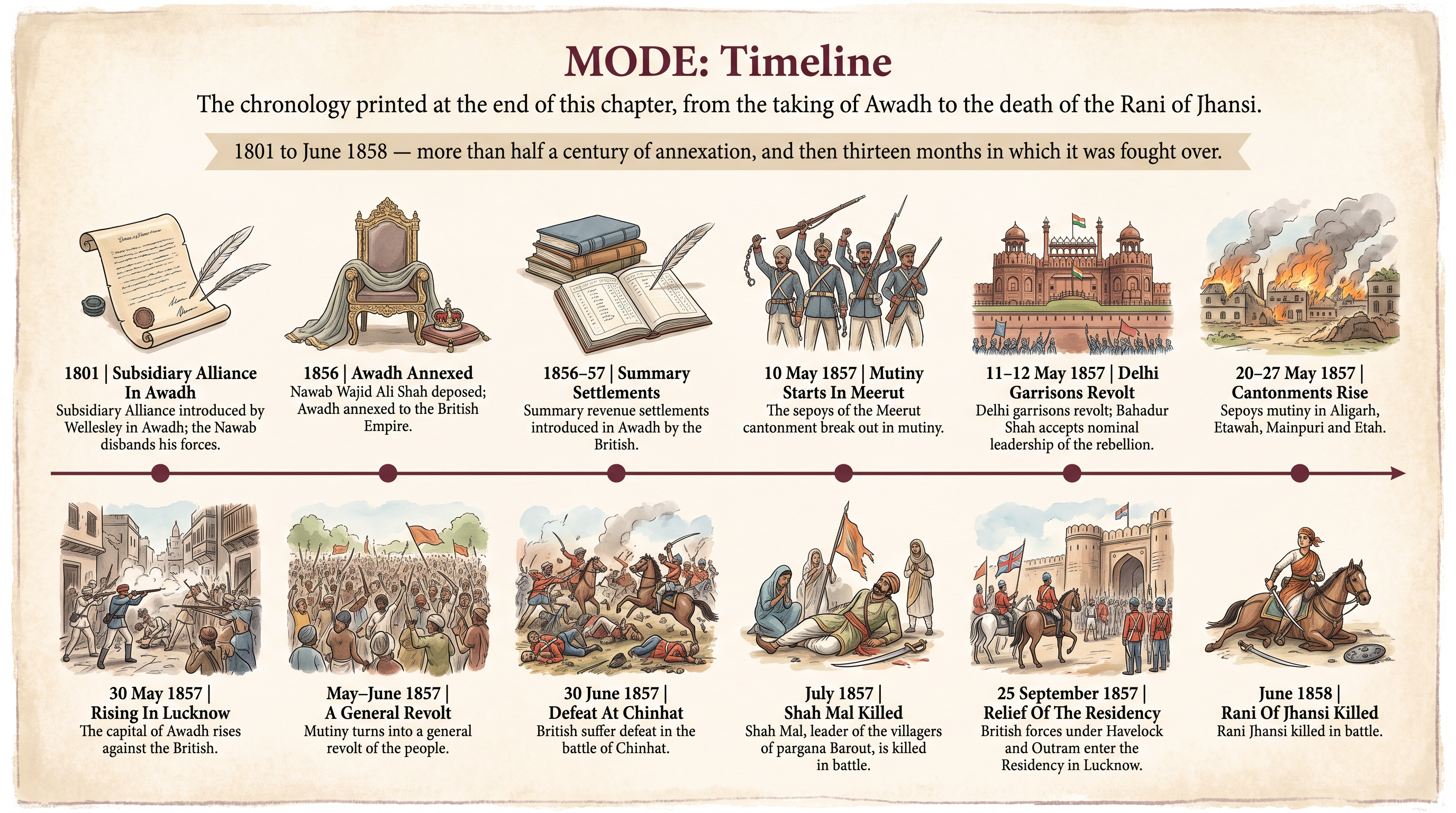
Fig. 10.21 – The Revolt Of 1857.
What The Evidence Cannot Tell Us
The rebels of 1857 were, in the main, people who could not write, and the few who could were hanged, exiled or hunted. Almost everything we have — the mutiny records, the memos, the newspapers, the paintings — was made by the side that won, and was never designed to record what a sepoy or a village watchman thought he was fighting for.
So there are silences we cannot fill. We do not know who planned the mutinies, or what was decided in the nightly panchayats of the Kanpur lines. We do not know what the chapattis meant. We do not know how the peasants of an overassessed village in Awadh weighed their taluqdar against the Company.
To read 1857 is therefore to read against the grain of the archive: to take the victors’ documents, ask what they were made for, and listen for the voices they were built to drown out.
10.7 NCERT Questions
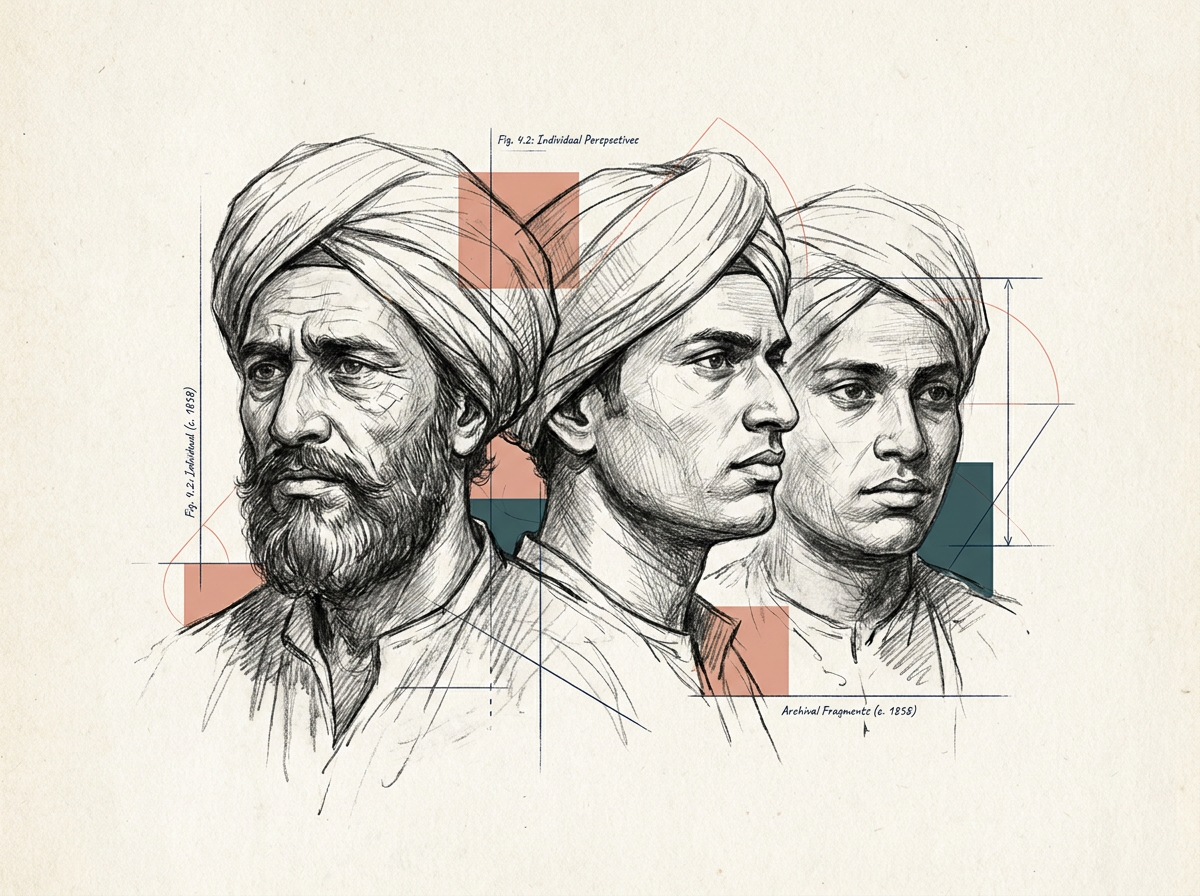
Fig. 10.22 – Faces of rebels.
Why did the mutinous sepoys in many places turn to erstwhile rulers to provide leadership to the revolt? (in about 100-150 words)
Discuss the evidence that indicates planning and coordination on the part of the rebels. (in about 100-150 words)
Discuss the extent to which religious beliefs shaped the events of 1857. (in about 100-150 words)
What were the measures taken to ensure unity among the rebels? (in about 100-150 words)
What steps did the British take to quell the uprising? (in about 100-150 words)
Why was the revolt particularly widespread in Awadh? What prompted the peasants, taluqdars and zamindars to join the revolt? (in about 250-300 words)
What did the rebels want? To what extent did the vision of different social groups differ? (in about 250-300 words)
What do visual representations tell us about the revolt of 1857? How do historians analyse these representations? (in about 250-300 words)
Examine any two sources presented in the chapter, choosing one visual and one text, and discuss how these represent the point of view of the victor and the vanquished. (in about 250-300 words)
On an outline map of India, mark Calcutta (Kolkata), Bombay (Mumbai) and Madras (Chennai), three major centres of British power in 1857. Refer to Maps 1 and 2 and plot the areas where the revolt was most widespread. How close or far were these areas from the colonial cities?
See a film made on the revolt of 1857 and write about the way it represents the revolt. How does it depict the British, the rebels, and those who remained loyal to the British? What does it say about peasants, city dwellers, tribals, zamindars and taluqdars? What kind of a response does the film seek to evoke?
10.8 Check Your Concepts
This chapter uses two words with care: mutiny and revolt. Explain what each means, and then explain why the events of 1857 are described as both. At what point in the story does one turn into the other?
Read Source 1 again. List the ways in which ordinary life in Delhi had broken down by June 1857. Then look at the writer rather than the city: whose hardships does the report dwell on, and whose does it mention only as a failure to serve?
The chapter says that we cannot understand rumours by testing whether they were factually correct. What, then, does a historian learn from the rumour about the greased cartridges? Use it to explain what makes a rumour spread.
In Source 4, Hanwant Singh shelters a British officer, conveys him to safety, and then announces that he is marching to Lucknow to drive the British out. Explain how both actions follow from his position as a taluqdar.
Both the rebels and the British treated Delhi as the key to 1857. Using the events of 10–11 May and the British plan of reconquest, explain why a single city carried so much weight for both sides.
Look at Fig. 10.17 and Fig. 10.10. The chapter calls such executions a performance of terror. Explain why the British could not carry out these punishments quietly, and what circulating the images in journals was meant to achieve.
Source 2, and Charles Ball’s report of nightly panchayats in the Kanpur lines, are used to argue that the mutinies were planned. State clearly what this evidence can establish and what it cannot. What kind of source would a historian need in order to name the planners?