Chapter 1: Introduction
In 1917, a Hungarian engineer named Karl Ereky published a book with a long German title — Biotechnologie der Fleish-, Fett-und Milcherzeugung im landwirtschaftlichen Grossbetriebe, which simply means “Biotechnology of Meat, Fat and Milk Production in an Agriculture Large-scale Farm”. Ereky was not writing about test tubes or genes. He was writing about pigs.
His idea was surprisingly modern. A farm, he argued, could be run like a factory. Raw material goes in at one end — grain, fodder, water. Living organisms do the work in the middle. Useful products come out at the other end — meat, fat and milk, in predictable quantities. And because the machinery doing the converting was alive, he gave this way of working a new name: biotechnology.
That single word turned out to be much bigger than the farm Ereky had in mind. Within a few decades, the same basic idea — let living cells do the manufacturing for us — was being used to brew antibiotics in steel vessels, to make bacteria produce a human hormone, and to build cotton plants that defend themselves against caterpillars.
What Ereky did not know, and could not have known, was that scientists would one day be able to open up the living machinery itself and rewrite its instructions.
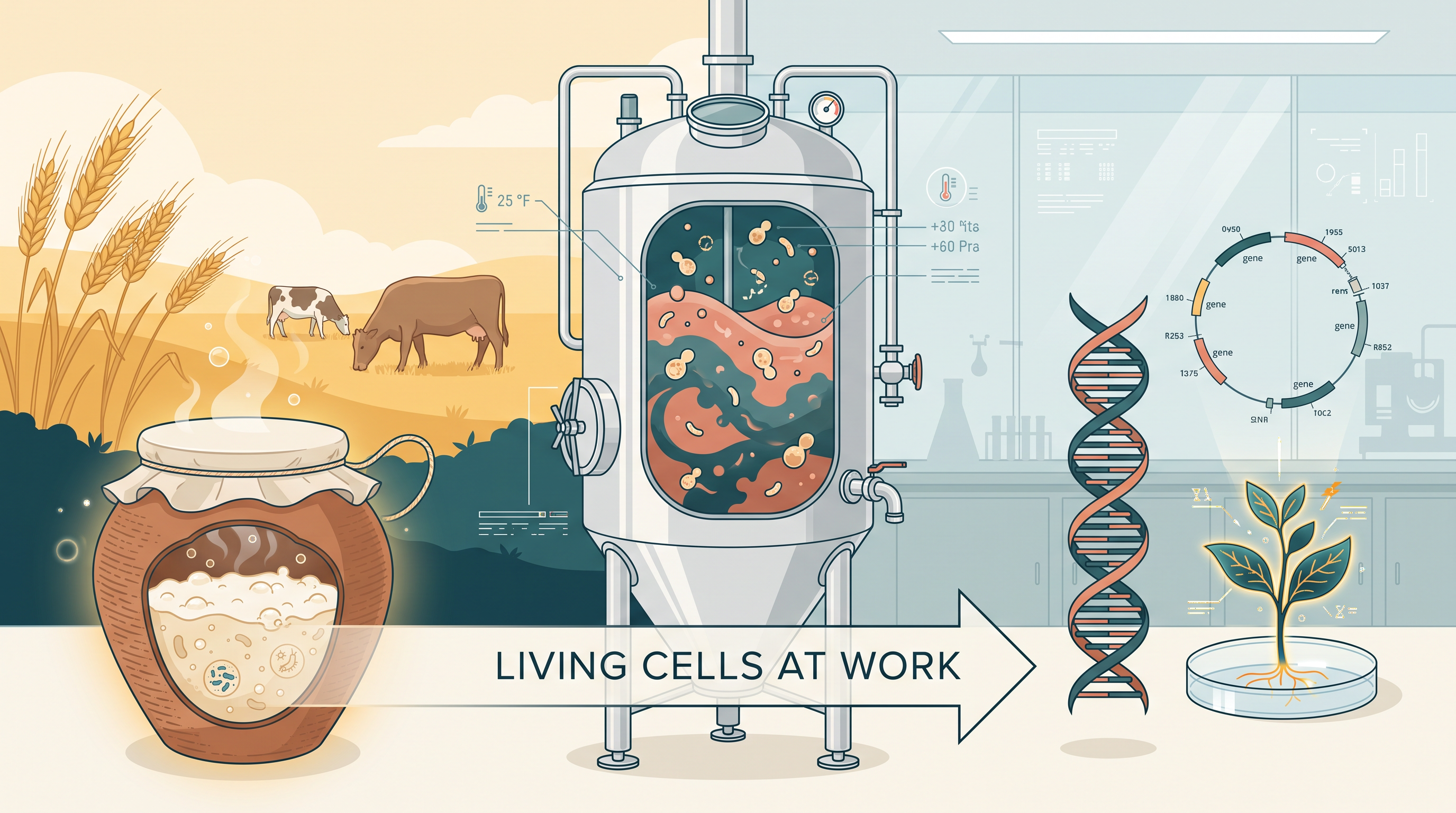
Fig. 1.0 – The historical sweep of biotechnology.
Keep these five questions in mind as you read. This chapter will answer every one of them.
1.1 Historical Perspectives
What the Word Means
The word biotechnology is built out of two smaller words: ‘bio’ and ‘technology’. ‘Bio’ means biological systems or biological processes — living cells, tissues, whole organisms, or the molecules that come out of them. ‘Technology’ means the methods, systems and devices we design to make useful products.
Put the two halves together and the meaning becomes clear. Biotechnology is the whole family of technologies that put living cells and/or biological molecules to work so that useful products are generated for the benefit of mankind.
Notice what this definition does not say. It does not demand a laboratory, a machine, or a gene. It only demands that something living, or something made by something living, is doing the productive work. That is why a clay pot of setting curd and a stainless-steel vessel growing bacteria that make human insulin both belong to the same subject.
A Practice Much Older Than Its Name
Mankind has been practising biotechnology since long before anyone thought to name it. The domestication of sheep and cattle in the Paleolithic age was biotechnology. So was the conservation of plant stocks by the early Egyptian farmers — what we would today call ancient germplasm conservation, the deliberate saving of seed and planting material for future seasons. And so were the classical examples of early fermentation technology: the making of bread, cheese and wine.
Modern biotechnology, in contrast, is a multidisciplinary subject. It survives on knowledge sharing between many different areas of science — Cell and Molecular Biology, Microbiology, Genetics, Anatomy and Physiology, Biochemistry, Computer Science, and Recombinant DNA technology (rDNA technology). No single one of these subjects can produce a modern biotechnological product on its own.
This chapter follows that whole journey. It will elaborate on the history of biotechnological practices and the development of the modern concepts; the major applications of biotechnology in the fields of medicine, agriculture, food and environment conservation; and finally the current scenario of the Indian biotechnology sector.
Ancient Biotechnology
Ancient biotechnology had taken root as early as in the Paleolithic era, around 10,000 years ago, when early farmers began to cultivate crops such as wheat and barley. This was the first time human beings stopped only collecting what nature offered and began managing it.
Civilisations prevalent in the Sahara region of Africa were successfully domesticating sheep, goat and cattle, and were familiar with the techniques of hunting and the potential uses of fire. Around the same time, people collected the seeds of wild plants for cultivation and domesticated some species of wild animals living around them.
There was a hidden principle in what they were doing. Season after season, they kept the seed of the plants that yielded best and bred the animals that were most useful and most manageable. Without knowing anything about genes, they were steadily changing the heredity of those populations. This is exactly what is now known as ‘selective breeding’.
However, the most classical example of biotechnology in the medieval times is the use of fermentation technology for the production of bread, cheese, wine and beer.
Traditional Knowledge in India
Science and traditional knowledge have always gone hand-in-hand in order to produce beneficial results. Greater efforts are now being made to document and utilise the Indian traditional knowledge of medicine and biotechnology, because much of it was never written down in the language of formal science.
People of ancient India had immense knowledge of their environment and of the properties of plants and animals. The practice of making fermented food such as dahi, idli, kinema and beverages using local biological resources was common in medieval India. Each of these depends on a particular community of microbes doing a particular chemical job, and each recipe was tuned by trial and error over generations.
That knowledge has real value even today. The relevance of traditional Indian knowledge in making curd (dahi) has been indicated in a few of the patents found in the United States patent database.
What Fermentation Actually Is
Fermentation can be explained as a microbial process in which enzymatically-controlled conversion of organic compounds occurs. In plain language: microbes take in an organic raw material such as sugar, and their enzymes convert it, step by step, into a different chemical product.
The phrase ‘enzymatically-controlled’ is the important part. The changes are not random spoilage. They are directed by specific enzymes, which is why a given microbe on a given raw material gives a fairly predictable product — lactic acid from milk sugar, ethyl alcohol from grape sugar.
Fermentation was practised for years without any actual knowledge of the processes involved. People could see the dough rise and the milk set, but nobody knew that living organisms too small to see were responsible.
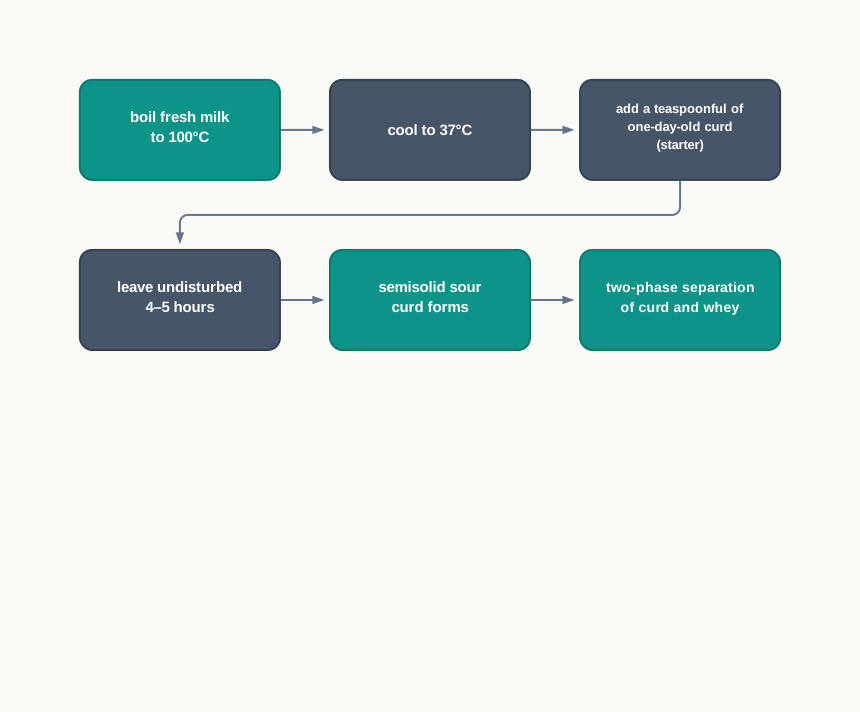
Fig. 1.1 – Steps in making curd.
What has actually happened inside the pot is worth spelling out. Lactobacillus bacteria present in the added curd react with the milk protein casein. Lactic acid is formed as a by-product, and this acid denatures the globular proteins, which then coagulate to produce the solid curds and separate out the watery whey protein layer.
Bread, Vinegar and Preserved Foods
Fermented dough was discovered by accident when dough was not baked immediately and consequently it underwent fermentation by yeast such as Saccharomyces winlocki. The dough that had been left standing rose, and baked into something lighter and better tasting than flat bread.
Once the effect was noticed, it was repeated deliberately, and bread became a traded commodity — Egypt and Mesopotamia exported bread to Greece and Rome. In efforts to improve the technique, Baker’s Yeast was discovered by the Romans, which revolutionised the bread-making technology prevalent then. Instead of hoping that the right microbes would drift into the dough, bakers could now add a known, reliable culture.
Fermentation technology was developing independently elsewhere. The Chinese were also using fermentation technology by 4000 B.C., for the production of their traditional food items, such as soy sauces and fermented vegetables. Vinegar production was known to the Egyptians by 2000 B.C., by preserving crushed dates for a longer time.
Alongside fermentation, a second family of food technologies grew up — methods that stop microbial activity rather than encourage it. The art of preserving animal foods by drying, smoking, and pickling in the brine were popular in pre-historic East and Europe. Drying removes the water microbes need, smoking deposits antimicrobial compounds, and brine draws water out of microbial cells by osmosis.
Beer, Wine and the Microbial Clue
Beer making may have begun as early as between 6000 and 5000 B.C. using cereal grains such as sorghum, corn, rice, millet, and wheat. Brewing was considered as an art until the fourteenth century A.D. — an inherited skill, passed on as a set of practical rules rather than as an explanation.
However, early brewers had no practical knowledge about the microbial basis of fermentation. When a batch went wrong, they had no way of knowing why. Wine was probably made by accident too, when grape juice was contaminated with yeast and other microbes.
The turning point came in the nineteenth century. Between the 1850s and 1860s, Louis Pasteur established that yeast and other microbes were responsible for fermentation. This single result changed fermentation from an art into a science, because once you know that a specific organism does the work, you can select it, protect it, and control the conditions it needs.
From the Kitchen to the Factory
The nineteenth century witnessed an increase in the production scale of fermentation-based products such as glycerol, acetone, butanol, lactic acid, citric acid, etc. These were no longer foods — they were industrial chemicals being made by microbes.
Industrial fermentation was established during World War I because of Germany’s requirement for large amounts of glycerol for explosives. A wartime need for one chemical, in enormous quantity, forced engineers to think about fermentation as a manufacturing process with a defined output.
By the 1940s, significant improvement was made to techniques involving sterility maintenance, aeration methods, product isolation and purification. Each of these solved a specific problem of scale: sterility keeps unwanted microbes out of a large vessel where they would outgrow the culture; aeration supplies oxygen evenly to cells packed deep inside a tank; and isolation and purification separate a small quantity of valuable product from a large volume of broth.
World War II was the catalyst which led to the invention of the modern fermenter (vessels used for fermentation), also called bioreactor, for the mass production of the antibiotic penicillin. The historical path from an accidental fermentation to an industrial bioreactor is summarised in Fig. 1.2.
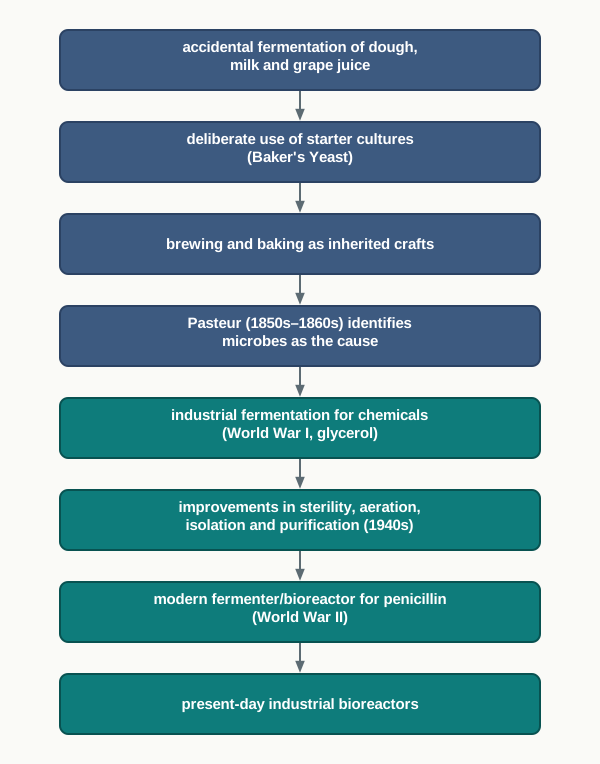
Fig. 1.2 – The growth of fermentation technology.
Today, many chemicals such as antibiotics, amino acids, hormones, pigments and even enzymes are produced with extreme precision in the controlled environments of industrial bioreactors. The vessel does what the clay pot could never do: it holds temperature, pH, oxygen supply and sterility steady for thousands of litres at a time.
Seeing the Invisible
The foundation of modern biotechnology was laid down with the advancements in science and technology during the eighteenth and nineteenth centuries. Before biology could be engineered, the living unit being engineered had to be seen.
Thus with the advent of the first compound microscope, made by the Dutch spectacle-maker Zacharias Janssen in 1590, which could magnify about 3×–9×, humans were enabled to ‘see’ things that were not perceived by the naked eye. By today’s standards that magnification is tiny, but it was the first step out of the visible world.
In 1665, Robert Hooke, a physicist, examined thinly sliced cork and drew rectangular components, which he called cellulae (Latin for ‘small chambers’). What Hooke saw were actually the empty walls of dead cork cells, but the name survived and became our word ‘cell’.
In 1676, Antonie van Leeuwenhoek, a Dutch shopkeeper, saw living organisms in pond water and called them ‘animalcules’. For the first time, someone had looked directly at the microbes that had been quietly doing humanity’s fermenting for thousands of years.
During the eighteenth century, the cell theory was developed by the German biologists Matthias Schleiden and Theodor Schwann, who determined that all plant and animal tissues were composed of cells. In 1858, Rudolf Virchow, a German pathologist, concluded that ‘all cells arise from pre-existing cells’ and that the cell is the basic unit of life.
From Cells to Chemistry
Between 1850 and 1880, Pasteur developed the process of pasteurisation. By 1860, he also concluded that spontaneous generation of organisms did not occur, proving that ‘all cells arise from pre-existing cells’. His sealed and open flask experiments removed the last support for the idea that microbes appear from non-living matter on their own.
Heredity and the Molecule of Inheritance
Genetics and the Principles of Heredity were developed by an Austrian monk named Gregor Mendel, beginning in 1857, when he cross-pollinated pea plants to examine traits such as petal colour, seed colour, and seed texture. By counting the offspring in each generation, Mendel showed that inheritance follows predictable rules — and therefore that a trait must be carried by some definite factor passed from parent to offspring.
In 1869, Johann Friedrich Miescher, a Swiss biochemist, isolated a substance that he called nuclein from the nuclei of white blood cells. The substance contained nucleic acids. At the time, nobody connected this chemical with Mendel’s inherited factors.
In 1882, the German cytologist Walter Flemming described thread-like bodies that were visible during cell division, as well as the equal distribution of this material to daughter cells. These thread-like bodies were actually chromosomes dividing between the two daughter cells during mitosis. Here was a structure that behaved exactly as a carrier of heredity should behave — copied, and shared equally.
Many path-breaking experiments were conducted during the twentieth century which established the nature of the gene and the chromosome, the most important being the identification of DNA as the genetic material by the classical Alfred Hershey and Martha Chase experiment in 1952. James Watson and Francis Crick proposed the double helical structure of DNA in 1953.
The structure immediately suggested how the information could be copied, and many experiments followed that determined how the information in the gene is used — including the manipulation of the enzymes involved in DNA replication and DNA repair. Those very enzymes later became the tools of genetic engineering.
The Arrival of Recombinant DNA Technology
Modern biotechnology is based on the rDNA technology that has revolutionised biotechnology by allowing scientists to cut and join different pieces of DNA, and place the new recombinant (Chimeric/hybrid) DNA into a new host (Fig. 1.3). It allows the transfer of gene(s) from one organism to another, conferring a novel property on the recipient.
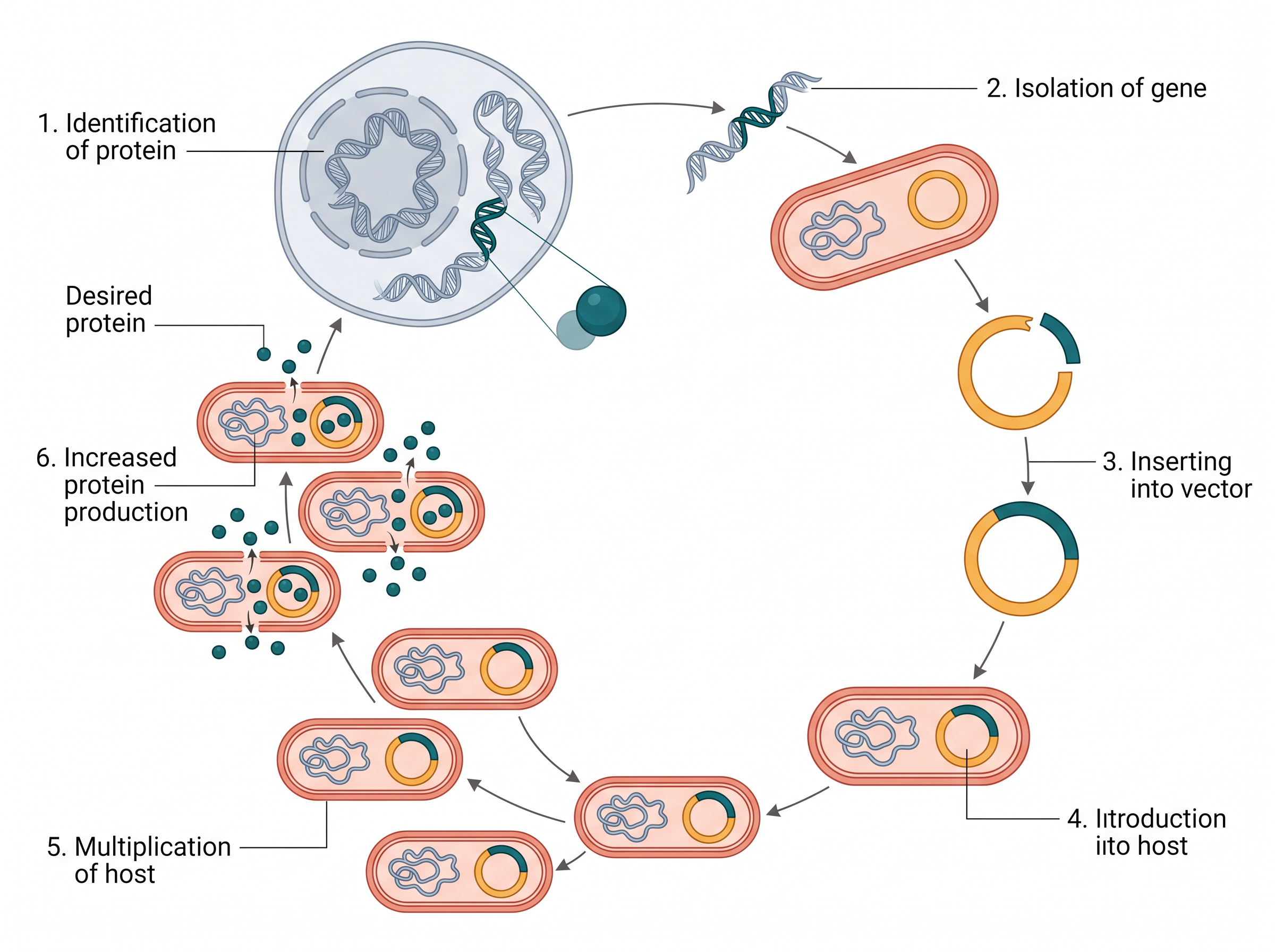
Fig. 1.3 – Stages in recombinant DNA technology.
It is worth walking through those six stages, because each one exists for a reason. First the protein of interest is identified — you must know what you want the cell to make. Then the gene coding for that protein is isolated from the genome, since the gene is the instruction, not the protein itself. The gene is next inserted into a vector, a DNA molecule that can carry the gene into a cell and be maintained there. The modified vector is introduced into a host cell, which is then allowed to multiply, so that every daughter cell carries a copy of the new gene. Finally, the growing population of host cells produces the needed protein in increased quantity. The same sequence is set out as a workflow in Fig. 1.4.
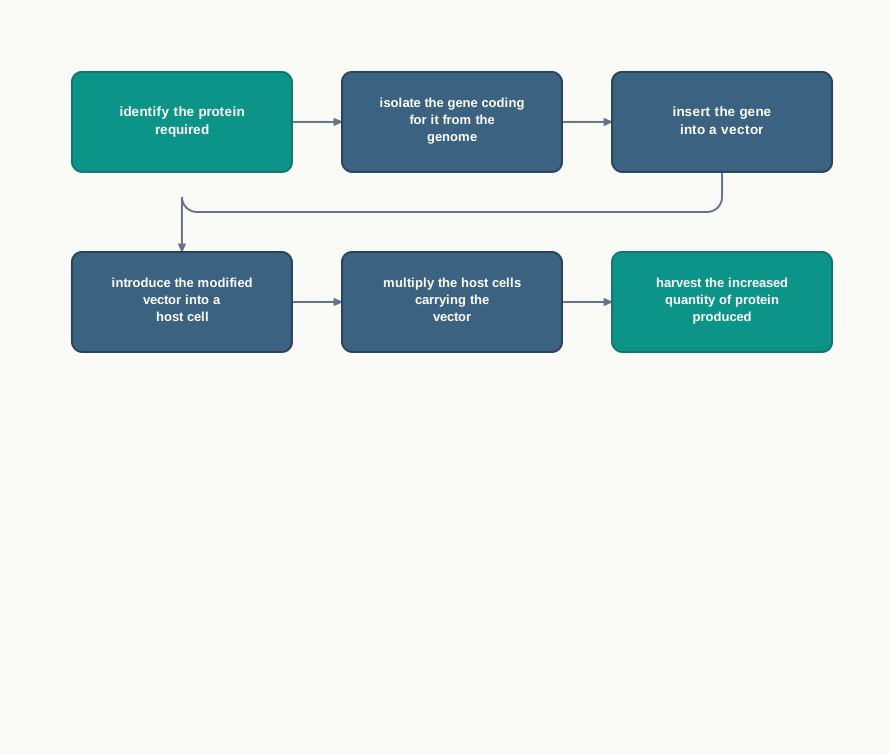
Fig. 1.4 – Recombinant DNA technology workflow.
This has revolutionised the age-old process of biotechnology with regard to its precision and efficiency, with limitless possibilities. Selective breeding could only shuffle traits that already existed within a species, and it moved thousands of genes at a time in an uncontrolled way. rDNA technology can move a single chosen gene, across the boundaries between species, into a host that never had it.
Since the advent of rDNA technology, biotechnology has become more advanced and has led to advancements in medicine, agriculture, animal science and environmental science.
The Colour Codes of Biotechnology
Because biotechnology now reaches into so many different sectors, a convenient shorthand has grown up in which each broad area of application is named by a colour. Table 1.1 lists the common ones.
Table 1.1: Some common names of areas covered under biotechnology
| Name | Application |
|---|---|
| Blue Biotechnology | Application of biotechnology for marine and freshwater organisms, which are used for increasing seafood supply, regulation of the reproduction of dangerous water-borne organisms, and developing new drugs. |
| Green Biotechnology | Application of biotechnology for environment-friendly solutions such as in plants to improve the nutritional quality, quantity and production of eco-friendly products. The transgenic plants with improved traits are the examples of green biotechnology. |
| Red Biotechnology | Medical biotechnology which is applied to manufacture pharmaceutical products such as insulin, enzymes, antibiotics and vaccines. |
| White Biotechnology | Biotechnology applied to improve industrial processes and other production processes. The use of enzymes as industrial catalysts in eco-friendly manner for the production of valuable chemicals. |
Streams and Domains of Application
The multi-disciplinary nature of modern biotechnology and the areas of its application are given in Fig. 1.5 and Table 1.1. Read Fig. 1.5 from the top downwards: it traces ancient biotechnology (early knowledge of food, shelter and domestication) into classical biotechnology (fermentation-based food production and medicine), and then into modern biotechnology (genetic engineering and molecular level manipulation).
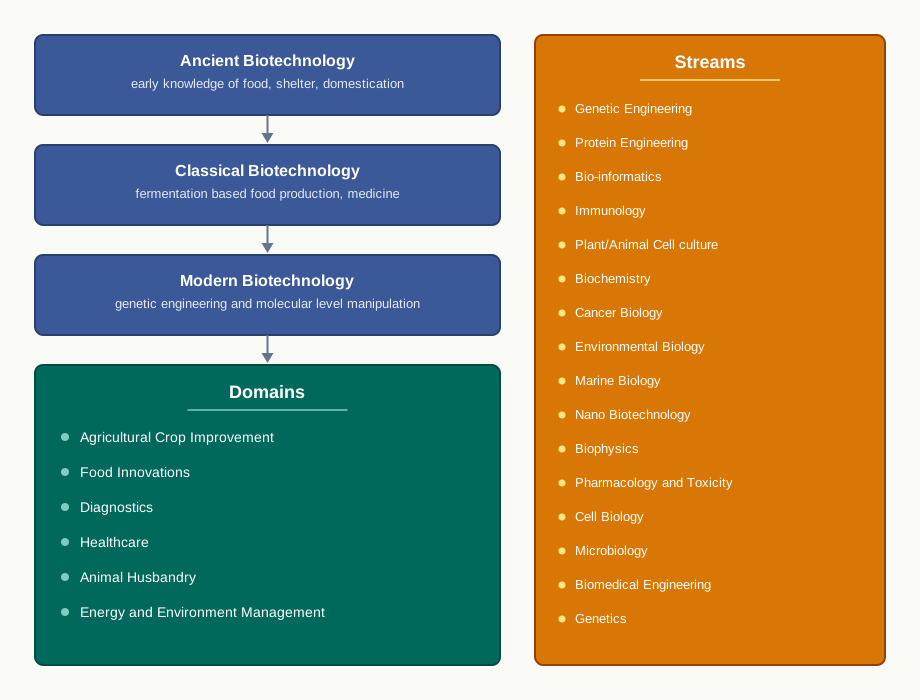
Fig. 1.5 – Domains and streams of modern biotechnology.
From modern biotechnology, the figure branches into its broad domains of application: Agricultural Crop Improvement, Food Innovations, Diagnostics, Healthcare, Animal Husbandry, and Energy and Environment Management.
The side panel of Fig. 1.5 lists the different scientific streams of biotechnology: Genetic Engineering, Protein Engineering, Bio-informatics, Immunology, Plant/Animal Cell culture, Biochemistry, Cancer Biology, Environmental Biology, Marine Biology, Nano Biotechnology, Biophysics, Pharmacology and Toxicity, Cell Biology, Microbiology, Biomedical Engineering, and Genetics.
Keep the difference between the two lists clear, because examination questions often mix them up. The streams are the subjects a biotechnologist draws on; the domains are the sectors where the products are used. A single product may involve half a dozen streams and belong to only one domain.
1.2 Applications of Modern Biotechnology
Modern biotechnology, which is based on rDNA technology, exhibits a very wide range of applications. Once a gene can be moved deliberately from one organism into another, almost any sector that depends on living material becomes a place where biotechnology can be applied.
The broad application areas of biotechnology include pharmaceutical and therapeutic research, disease diagnostics, crop improvement, vegetable oil, biofuels, and the development of environmental friendly products — biodegradable plastics, for example, which are made by living cells and are broken down again by living cells instead of persisting in soil and water for centuries.
Some classic examples of the successful application of biotechnology are shown in Fig. 1.6. Study the figure carefully, because each panel is a whole research programme compressed into a caption.
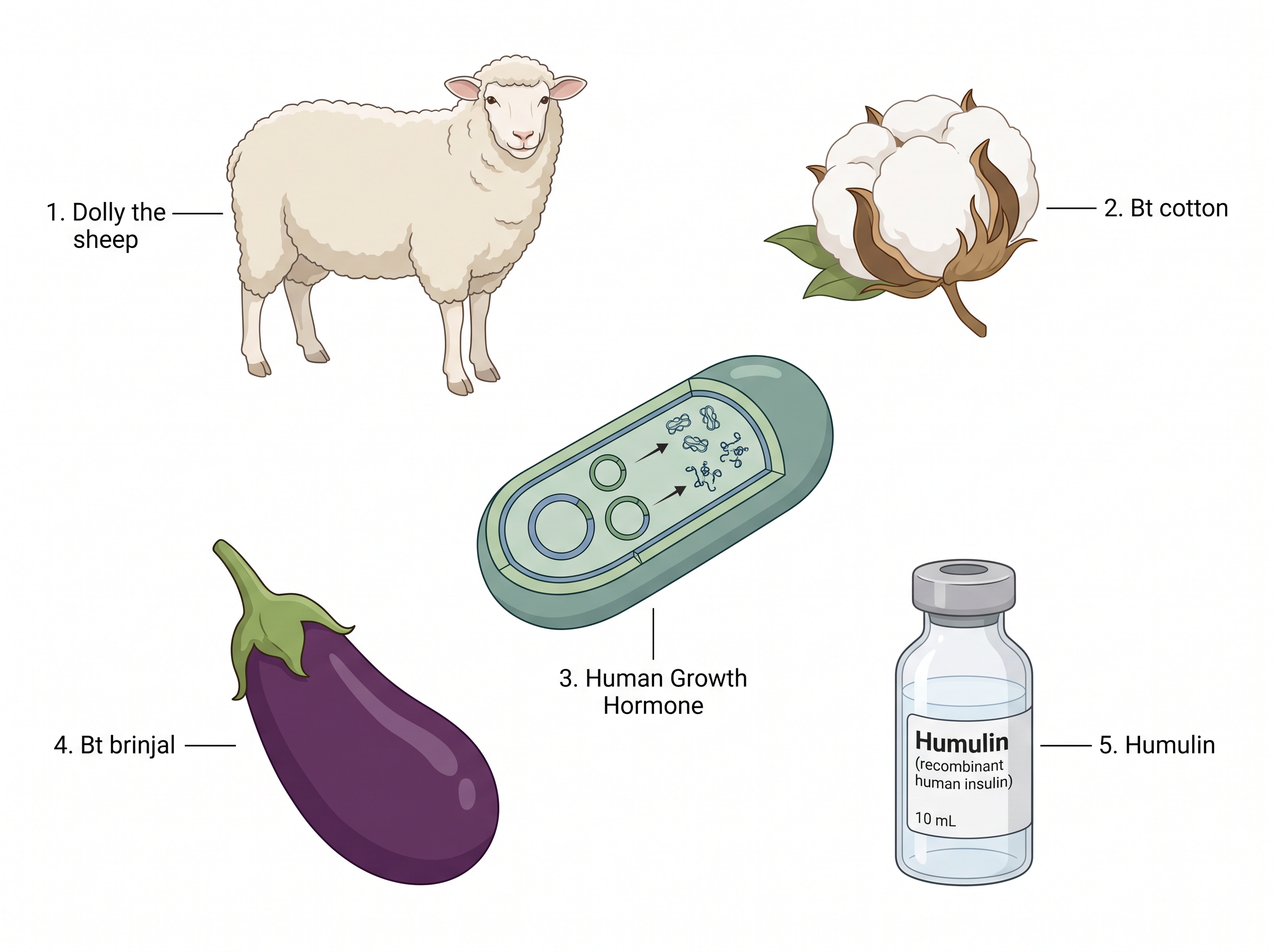
Fig. 1.6 – Classic examples of biotechnology applications.
Notice what these examples have in common. In each case a gene of known function has been placed in a new host — a bacterium, a cotton plant, a brinjal plant — and the host has been made to do work it could never have done on its own. Dolly is the exception in the panel: no foreign gene was added there, but the nucleus of an adult body cell was transferred into an egg, showing that the complete genetic instruction for an entire animal survives intact in an ordinary somatic cell.
Thus, the applications of modern biotechnology mainly focus on the following four major areas:
- Medicine and health care
- Crop production and agriculture
- Food processing
- Environmental protection
Each of these is taken up in turn below.
1.2.1 Medicine and health care
Biotechnology techniques are used in the field of medicine for diagnosis, through the development of diagnostic tools and kits. These have proved helpful in detecting certain molecules and cellular components which are expressed in diseased conditions.
The logic of such a kit is simple. A diseased cell does not merely look different — it makes different molecules, or the same molecules in different amounts. If a kit can detect that molecule reliably, the disease can be identified early, often before symptoms appear, which is exactly when treatment works best.
Using rDNA technology, the tools of bioinformatics, modern instrumentation and bioprocess technologies, synthetic drug analogs can be predicted and possibly synthesised, which may show improved disease treatment. Here bioinformatics does the predicting — computers compare structures of molecules and suggest which modified version of a drug is most likely to fit its target — and bioprocess technology does the making, in bioreactors of the kind you met in the previous section.
Production of vaccines and gene therapy are also important applications of biotechnology in the field of medicine. Some of the major applications of modern biotechnology in medicine are described below.
Production of important therapeutic molecules
rDNA technology has been successfully applied for the development of biopharmaceuticals with therapeutic value. Different protein molecules which may act as drug molecules are being expressed in heterologous systems such as microorganisms and plants — the transgenic plants explained later in this section.
A heterologous system simply means a host that is not the natural source of the gene. A human gene expressed in a bacterium is being expressed heterologously; the bacterium is borrowing an instruction that never belonged to its own species.
A number of therapeutic products including antibiotics and hormones have been produced using rDNA technology and are available in the market. A common example of a therapeutic protein produced using rDNA technology is human insulin, used for the treatment of diabetes, a disease in which blood sugar levels are elevated.
This presents a classic example of a human protein being expressed in a heterologous system such as Escherichia coli. At present, insulin is being produced predominantly in E. coli and Saccharomyces cerevisiae.
The full sequence of such a production process is worth fixing in your mind, because every recombinant protein drug follows the same route, as set out in Fig. 1.7.
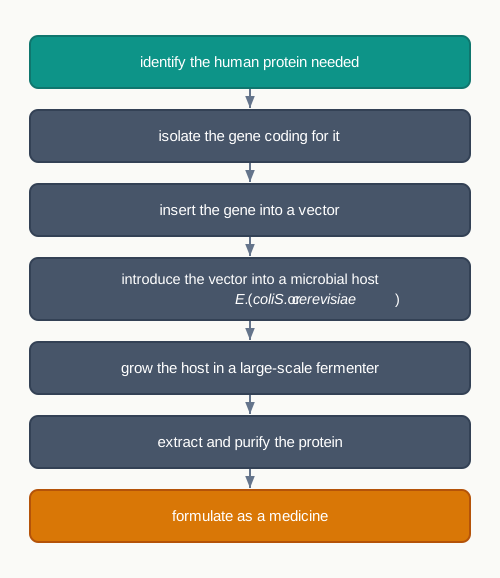
Fig. 1.7 – Production of a recombinant human protein.
The human growth hormone is another example of the successful production of desired proteins in different microbial host systems via rDNA technology. The human GH gene is isolated from a pituitary gland cell and inserted into E. coli, which then expresses recombinant human growth hormone and is cultured in fermenters.
Many human proteins have also been expressed in the milk of transgenic sheep and goat. For example, the Food and Drug Administration, USA (FDA) has approved the production of a blood anti-coagulant in the milk of transgenic goats for human use.
Using an animal’s milk as the production system has a practical logic behind it. A mammary gland is naturally built to secrete large quantities of protein, and milk is easy to collect repeatedly from a living animal without harming it — so the animal becomes a renewable, self-maintaining bioreactor.
Currently, scientists are trying to develop such drugs against diseases like hepatitis, cancer and heart diseases, which are the leading causes of human mortality.
Gene therapy
This technology is most helpful in the treatment of diseases caused by gene defects, such as cystic fibrosis, thalassemia and Parkinson’s disease.
Conceptualised in 1972, gene therapy involves the delivery of a required gene into a patient’s cell as a drug to treat disease, so that it replaces the function of the defective gene. Note the difference from every other medicine you know: the drug here is not a chemical that acts for a few hours, but a working copy of a gene that the cell can keep reading.
The first attempt, although unsuccessful, was performed by Martin Cline in 1980 for treating β-thalassemia. The first successful report of gene therapy was achieved in 1990, when Ashanthi De Silva was treated for Adenosine Deaminase deficiency — also called Adenosine Deaminase Severe Combined Immunodeficiency (ADA-SCID) — which is an autosomal recessive metabolic disorder that causes immunodeficiency.
The two words in ‘autosomal recessive’ carry exam-relevant meaning. Autosomal means the gene concerned lies on an ordinary chromosome, not on a sex chromosome, so boys and girls are affected equally. Recessive means the disorder appears only when both copies of the gene are defective, which is why healthy parents can have an affected child.
Russia approved Neovasculgen in 2011 as a first-in-class gene therapy for peripheral artery disease.
Genetic testing
Genetic testing is a type of medical test that helps in identifying the defects in an individual’s genetic composition, such as chromosomal defects in genes and protein expression anomalies. It helps in determining a person’s chance of developing, or of passing on, a specific disorder.
Hundreds of genetic tests are currently in use and many more are being developed. For example, genetic tests for phenylketonuria and congenital hypothyroidism have been developed.
In phenylketonuria, patients lack the enzyme needed to metabolise the amino acid phenylalanine, which is responsible for normal growth. Congenital hypothyroidism is a thyroid gland disorder. Both are worth testing for at birth for the same reason: the damage they cause is largely preventable if the condition is known early enough for diet or hormone replacement to begin.
1.2.2 Crop Production and Agriculture
Biotechnology has played a major role in revolutionising agriculture by facilitating genetic manipulations of important crop plants. The aims are to develop plants resistant to biotic and abiotic stress, and to obtain better quality food products in terms of nutrition and longer shelf lives.
Biotic stress means damage caused by other living things — insects, fungi, bacteria, viruses, weeds. Abiotic stress means damage caused by non-living conditions — salt, cold, drought, heat, heavy metals. A crop can fail from either, and a plant breeder must think about both.
The five major traits used for crop improvement are insect resistance, herbicide resistance, virus resistance, delayed fruit ripening and nutritional enhancement. These five are worth memorising as a set, since questions frequently ask you to place a given example under the correct trait.
Thus, transgenic plants — Genetically Modified Organisms, or GMOs — harbouring these improved traits are good examples of the application of biotechnology in agriculture.
Biotechnology for crop improvement
Biotechnology, based on rDNA technology, has immense applications in crop improvement. Although conventional plant breeding techniques have made considerable progress in the development of improved varieties, they have not been able to keep pace with the increasing demand for food, vegetables and fruits.
There are two reasons for this limitation, and both explain why rDNA technology was needed. Conventional breeding can only combine traits that already exist within species that will cross with one another, and every cross shuffles thousands of genes at once, so many generations of selection are needed to recover the good ones.
Use of rDNA technology has successfully led to the development of a number of transgenic plants exhibiting resistance to pathogens, salt, cold, herbicide, and other stresses. In these transgenic plants, useful genes have been stably incorporated into the plant genome, which resulted in the stable expression of the targeted gene product.
The word stably is doing important work in that sentence. If the introduced gene were not integrated properly into the plant’s own genome, it would be lost as cells divide and would not pass to the seed — so the improved variety could not be multiplied or sold.
Among the biotic stress resistant category, virus-resistant plants provide a good example. These plants have a viral coat protein gene which is overproduced, and this prevents the virus from reproducing in the host cell. Coat protein genes are involved in resistance against many viruses, such as Papaya Ring Spot Virus, Cucumber Mosaic Virus, Tobacco Rattle Virus, and Potato Virus.
Crop losses from insect pests also result in devastating financial loss to farmers and may lead to starvation in developing countries. Spraying chemical pesticides is costly, it leads to potential health hazards, and it may also pollute the environment — the spray does not stay on the target insect, but drifts into soil, water and the bodies of animals that were never the problem.
Genetically modified plants offering resistance to insect pathogens have been developed through rDNA technology. These plants help in bringing down or eliminating the application of chemical pesticides.
One common example is Bt cotton. Bt is a toxic protein called Cry 1A(b), obtained from a soil bacterium called Bacillus thuringiensis. It demonstrates insecticidal activity against larvae of moths and butterflies, beetles, cotton bollworms and caterpillars, but is harmless to us.
Thus, the gene coding for Bt toxin has been transferred and expressed in cotton. These transgenic cotton plants express Bt toxin, which acts as an insecticide, as shown in Fig. 1.8(A).
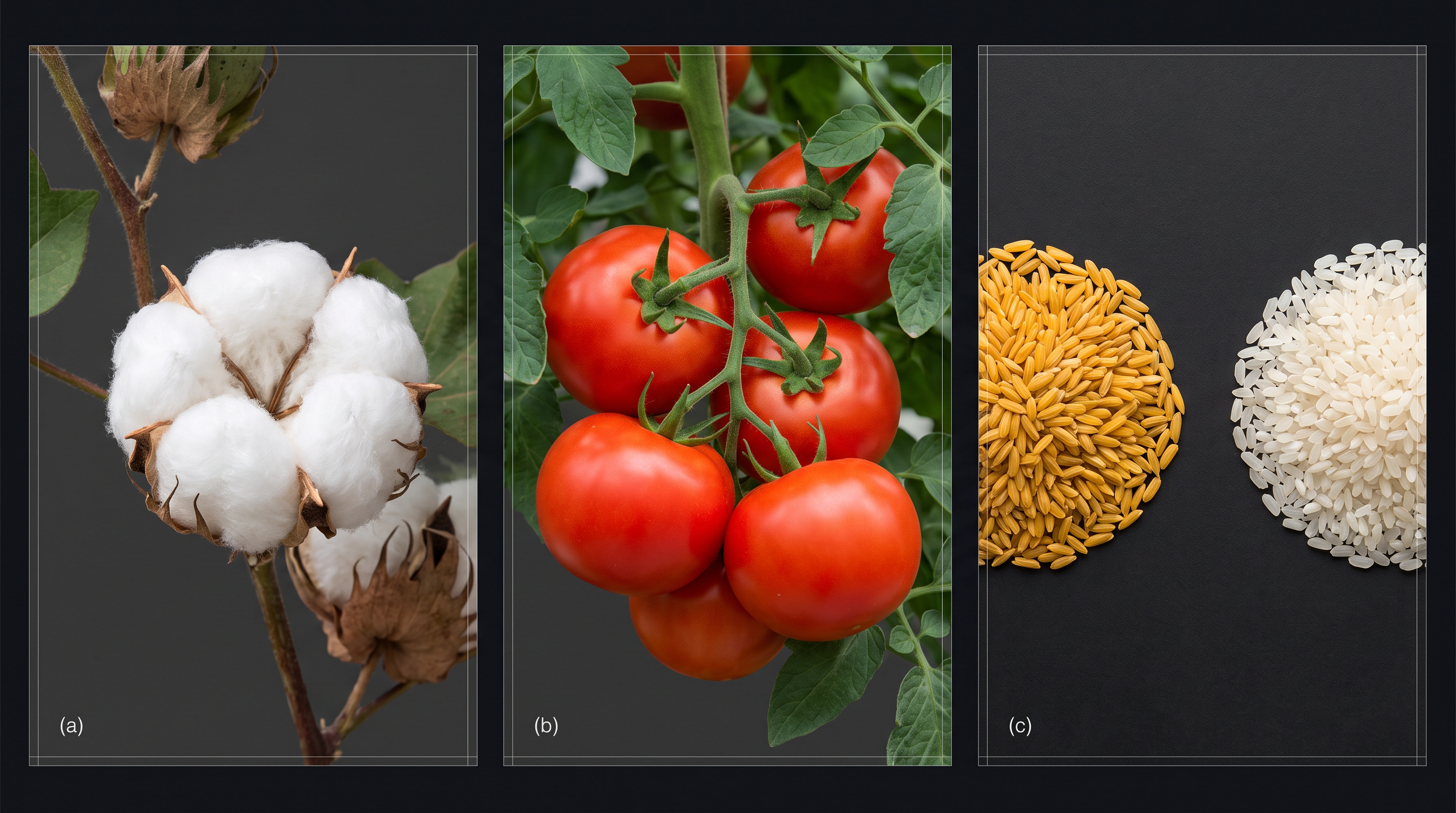
Fig. 1.8 – Genetically modified crops: (a) Bt cotton, (b) Flavr Savr tomato, and (c) Golden Rice.
The whole strategy is summarised in Fig. 1.9, and each step follows from the one before it.
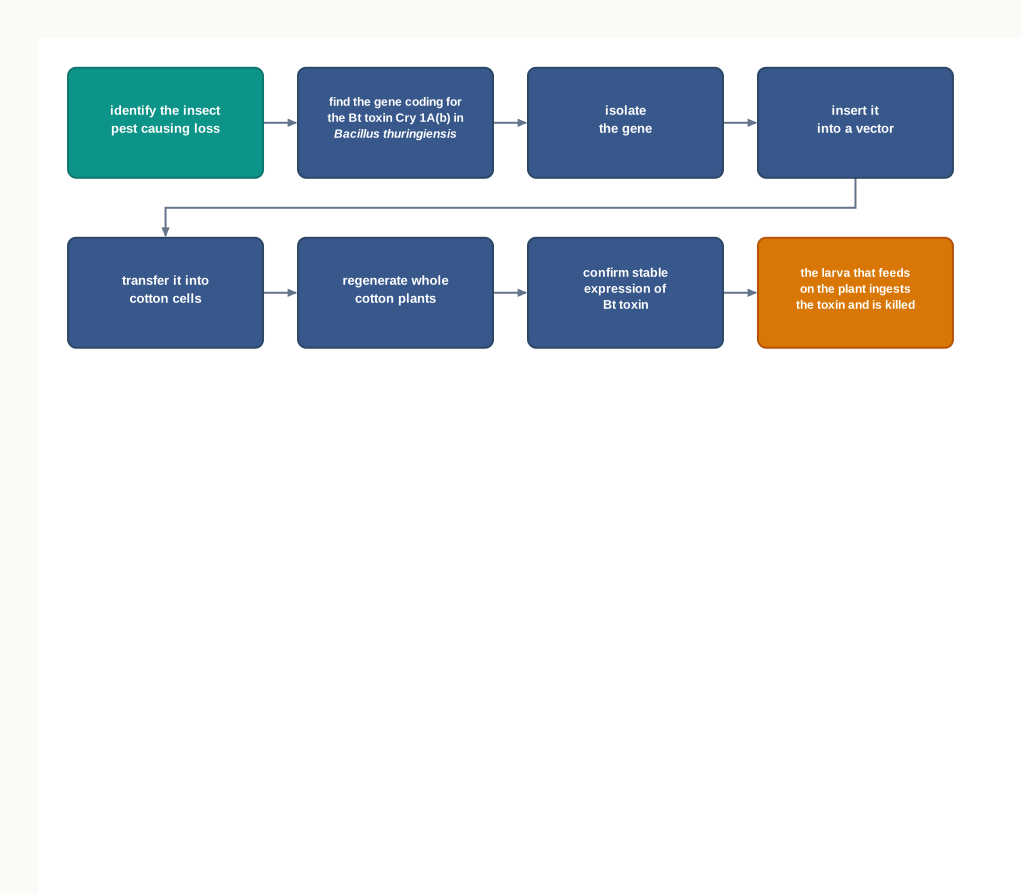
Fig. 1.9 – Development of an insect-resistant transgenic crop.
Similar to Bt cotton, other plants including brinjal, corn (maize), potato, soybean, tomato and tobacco have also been developed expressing the Bt toxin.
Among abiotic stress resistant plants, resistance against chilling has been introduced into tobacco plants by introducing the gene for the glycerol-1-phosphate acyl-transferase enzyme from Arabidopsis.
Similarly, Roundup-ready soybeans — transgenic or GM soybeans — have been developed which are unaffected by the herbicide glyphosate, and therefore glyphosate can be applied for the selective killing of competing weeds. The crop survives the spray while the weeds around it do not, so weeding becomes a single operation instead of a season-long one.
Among the quality improvement category, a classic example is the development of the Flavr Savr tomato. These tomatoes have an extended shelf life due to delayed ripening, as shown in Fig. 1.8(B). For a farmer far from the market, this trait matters as much as yield, because fruit that softens on the journey is fruit that cannot be sold.
Biotechnological tools have also been extensively used to improve the nutritional quality of different food crops. A classic example is Golden Rice, which has a high beta-carotene content — beta-carotene being the precursor for vitamin A production in the human body, as shown in Fig. 1.8(C). The name comes from the colour of the transgenic grain, which is due to the over-expression of beta-carotene, responsible for the golden coloration.
The choice of rice for this trait was deliberate. Rice is the staple food of the populations in which vitamin A deficiency is most common, so the nutrient is delivered through the food people already eat every day rather than through a supplement they must remember to take.
Plant tissue culture in crop improvement
The technique of plant tissue culture, that is, culturing plant cells or tissues in an artificial medium supplemented with required nutrients, has many applications in efficient clonal propagation — raising plants that are true to the type, or similar to it — which may be difficult via conventional breeding methods.
Many of the dry land legume species have been successfully regenerated from culture of cotyledons, hypocotyls, leaf, ovary, protoplast, petiole, root, anthers, and similar tissues. The long list matters, because it shows how many different parts of a plant can serve as a starting point.
Haploid generation through anther or pollen culture is recognised as another important area in crop improvement. A haploid carries only one set of chromosomes, so a recessive trait cannot be hidden by a dominant partner — which makes selection far quicker and more certain for the breeder.
Storage of horticultural crops with recalcitrant seeds, or of perennial crops, may be maintained via plant cell culture, which is of great practical importance. Recalcitrant seeds are those that cannot be dried and stored in the usual way without dying, so for these species a living culture is the only reliable store. These techniques have successfully been demonstrated in a number of horticultural crops, and now there are various germplasm collection centers globally.
Transgenic plants as systems for expression of therapeutics
Plants can also be used as heterologous systems for the expression of a therapeutic molecule, by expressing the required gene or genes in the plant using rDNA technology.
An example is the production of antibiotics, particularly for animal use, in stock feed plants. Stock feed plants are plant species that may be given to cattle and livestock as a food source. Examples of such stock feed are bamboo, citronella, andropogon, foxtail millet, wheat grass and rice straw.
Stockfeeds capable of stably expressing the desired antibiotic may be fed directly to animals. This technique is less expensive than traditional antibiotic production and administration, because the antibiotic does not have to be manufactured, purified, packaged and dosed separately — the feed is the medicine.
Similarly, transgenic plants have been developed for the production of edible vaccines, by expressing antigenic proteins from pathogens in the edible parts of the plant, in a form that will retain its immunogenicity.
The condition about immunogenicity is not a detail to be skipped. The antigen must survive being made, stored and chewed while keeping the shape the immune system recognises; if it is altered, the plant is merely food and not a vaccine.
Individuals are expected to be immunised by simply consuming such transgenic plants. Potato-based vaccines against measles, cholera, Norfolk virus, and others, are under rigorous clinical trials. The attraction is obvious for regions where refrigeration and trained staff are scarce: no cold chain, no syringes, no needle-stick risk.
Biofuels
Biofuel production can also be improved using biotechnology. Biofuels are produced through biological processes, rather than being fuels produced by geological processes such as coal and petroleum.
Biofuels can be derived directly from plants, or indirectly from agricultural, commercial and industrial wastes. Basically, it involves the generation of biomass that can be converted to convenient energy-containing substances via different ways, such as thermal conversion, chemical conversion, and biochemical conversion. This biomass conversion can result in fuels which are in solid, liquid, or gas form. The overall route is summarised in Fig. 1.10.
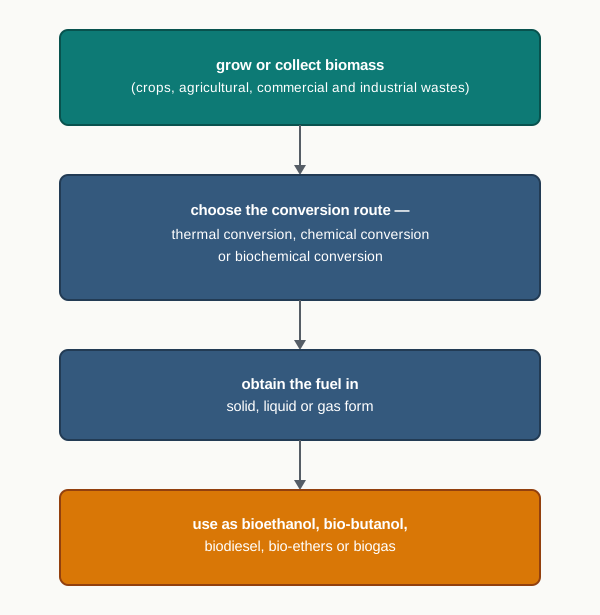
Fig. 1.10 – Conversion of biomass to biofuel.
The major types are bioethanol, or biologically generated alcohols, produced via the fermentation of sugar and starches by micro-organisms. Bio-butanol, a biofuel, is often a direct replacement for gasoline.
Biodiesel is the most common biofuel in Europe, produced from oils or fats using trans-esterification. Feed stocks for biodiesel include animal fats, vegetable oils, soy, rapeseed, Jatropha, and hemp. Other examples of biofuels are bio-ethers and biogas.
The first commercial-scale plants to produce biofuels from cellulose containing organic matter have begun operating in the United States. Cellulose is the most abundant organic material on earth and is present in every stalk and husk left after harvest, so a process that can convert it turns waste into fuel without using land that could grow food.
In parts of Asia and Africa where drylands prevail, sweet sorghum is being investigated as a potential source of food, feed and fuel. Since the crop uses very little water, it is particularly suitable for growing in arid conditions. In India, and in other places, sweet sorghum stalks are used to produce biofuel by squeezing the juice and then fermenting it into ethanol.
Several groups in various sectors are conducting research on Jatropha curcas, which produces seeds considered to be a viable source of biofuels feedstock oil. Current research focuses on improving the overall oil yield of Jatropha through biotechnological techniques.
1.2.3 Food processing
The role of biotechnology in food processing is immense, and works along several lines.
Biotechnological tools can help in improving the edibility, texture, and storage of food. They assist in the prevention of mycotoxin production, in extending shelf life, and in delaying the time-dependent degradation of the nutritional components of foodstuffs. Mycotoxins are poisonous substances produced by certain fungi growing on stored food, so preventing them is a matter of safety, not only of quality.
Almost one-third of the world’s diet consists of fermented food. That figure is worth pausing over: the oldest biotechnology of all still supplies a third of what humanity eats.
Protein engineering of microbial enzymes capable of improved fermentation are produced commercially at a large scale by culturing the microorganisms in tanks and industrial scale fermenters. Protein engineering means altering the amino acid sequence of an enzyme deliberately, so that it works faster, or at a higher temperature, or over a wider pH range than the natural version — which is exactly what an industrial process demands.
Industrial scale production of fermented foods with added taste, nutrition and shelf life — such as cheese, yoghurt, certain probiotics, buttermilk and other popular fermented products — has also been made possible. Probiotics deserve a word of explanation: these are live micro-organisms which, when consumed in adequate amounts, are intended to benefit the health of the gut.
1.2.4 Environmental protection
Biotechnological tools and techniques are also very helpful in tackling issues related to the environment and ecology.
A special branch of science which applies biotechnology to study the natural environment, identifying optimum but sustainable uses of plants, animals and micro-organisms to develop green technology, and remediation of contaminated environments, is known as Environmental Biotechnology.
Some of the remarkable achievements obtained in environmental biotechnology are described below.
Biomarkers as early warning signals
Many eco-toxicological biomarkers are being used to indicate the effect of xenobiotics, which are present in the environment as well as within an organism. A xenobiotic is a chemical foreign to a living system — a pesticide residue, an industrial solvent, a heavy metal salt — that the organism has no natural role for.
Many eco-toxicological biomarkers have been developed which may prove helpful in indicating subtle changes in the immediate environment, which may otherwise be difficult to detect. This is their real value: chemical analysis tells you how much of a pollutant is present, whereas a biomarker tells you whether living things are actually being affected by it.
For example, a reporter gene, lux — which is responsible for the emission of light — expressed in E. coli, acts as a bio sensor for detecting mercury contamination. The design is elegant: the bacterium is engineered so that light production is switched on in the presence of mercury, and the pollutant announces itself as a visible glow.
Bioremediation
Biotechnological applications may also be helpful in the process of cleaning up hazardous substances in the environment, by converting them into non-toxic or less toxic compounds. This is known as bioremediation.
This process of clean-up exploits the potential of natural sources for bioremediation. Genetic engineering has been exploited to generate organisms specifically designed for bioremediation. Genes which code for enzymes for the degradation of pollutants, or which monitor their levels, may be inserted into the organisms.
An example of a degradation gene is biphenyl dioxygenase, which has been inserted in E. coli to degrade PCB (polychlorinated biphenyl). PCBs are persistent industrial pollutants that ordinary soil microbes break down only very slowly, which is precisely why an engineered organism carrying the right enzyme is useful.
Phytoremediation of contaminated soil
Cultivable land area is often contaminated with heavy metals such as Cadmium, Mercury and Lead, which may prove detrimental for the growth of crop plants and may even prove a health hazard upon consumption. Heavy metals are not destroyed by weathering or by ordinary decay, so once they are in the soil they stay there and move steadily up the food chain.
Many hyper-accumulator plants, when grown on these contaminated soils, have the potential to soak up the heavy metals from the soil and sequester them in their cellular compartments, thereby phyto-remediating the soil. Sequestering means locking the metal away inside a compartment such as the vacuole, where it cannot interfere with the plant’s own metabolism. The process is summarised in Fig. 1.11.
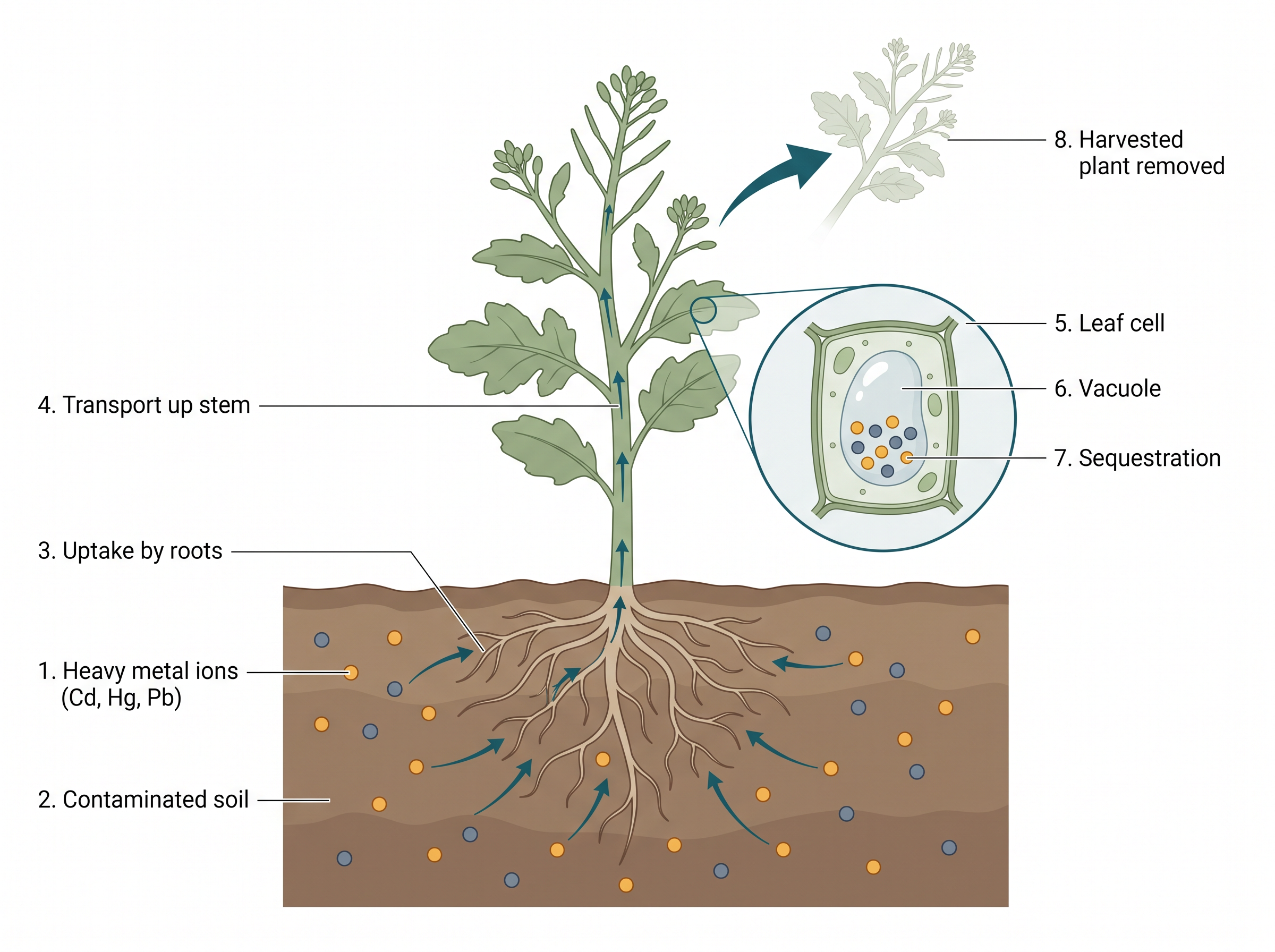
Fig. 1.11 – Phytoremediation of heavy metals by a hyper-accumulator plant.
Examples of some hyper-accumulators are Brassica napus and Helianthus annus, and others, used for mercury and lead removal from contaminated soils. Extensive research is being carried out in identifying the genes responsible for the tolerance of these plants to such hazardous heavy metals — because once those genes are known, the same tolerance could be engineered into plants that grow faster or produce more biomass.
The application of environmental biotechnology will help to keep our environment safe and clean for future generations. It can provide alternative ways of adaptation to the changes in the environment.
Multi-disciplinary association between branches of science such as genomics, proteomics, bioinformatics, sequencing and imaging processes provide large amounts of information and novel ways to protect the environment. Once the genes and proteins of an organism can be read in bulk, it becomes possible to find which organism in a polluted site is already doing useful work, and to improve on it.
1.3 Biotechnology in India: Academic Prospects and Industrial Scenario
How the Sector Began in India
A few of the first biotechnology firms to be set up in India were the Serum Institute of India, in the late 1960s, and Biocon, in 1978. Both were established by people who recognised the significance of biotechnology well before it became a familiar word in the country.
Recognition at the level of policy followed. The National Biotechnology Board (NBTB) was constituted by the Government of India in 1982, which was subsequently upgraded to the Department of Biotechnology (DBT) in 1986.
The upgrade mattered more than it may appear. A board can advise; a full department can plan, fund, run institutions and set national priorities. From 1986 onwards, biotechnology in India had a permanent home in the government, with a budget of its own.
DBT has established some major research institutions all over India, which are listed in Table 1.2. The whole sequence is summarised in Fig. 1.12.
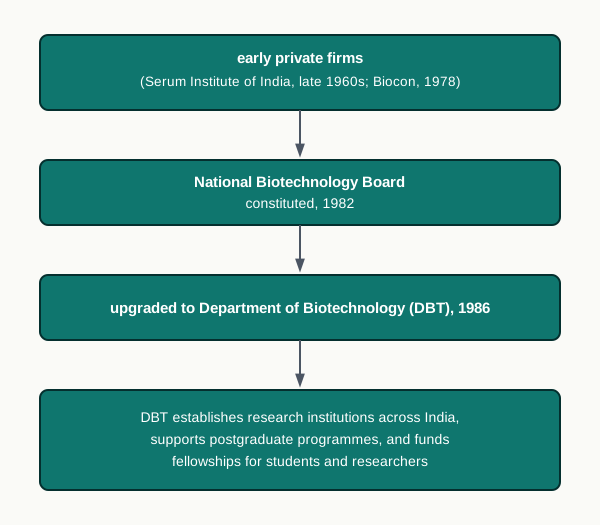
Fig. 1.12 – Growth of institutional support for biotechnology in India.
Studying Biotechnology in India
DBT also supports post graduate academic programmes of biotechnology in the subject areas of Agricultural Biotechnology, Marine Biotechnology, Neuroscience, Industrial Biotechnology, Environmental Biotechnology, Bioresources, and others.
These courses are being conducted at different centres located at various State and Central Universities of India. Certificate and Diploma courses in biotechnology are also offered by some premier Indian institutes, which means the subject can be entered at more than one level and not only through a full degree.
Table 1.2: List of institutes established under DBT engaged in active research
| S.No. | Name of the Institutes |
|---|---|
| 1. | Centre for DNA Fingerprinting and Diagnostics (CDFD), Hyderabad, Telangana |
| 2. | Institute of Bioresources and Sustainable Development (IBSD), Imphal, Manipur |
| 3. | Institute of Life Sciences, Bhubaneswar, Odisha |
| 4. | National Agri-food Biotechnology Institution (NABI), Mohali, Punjab |
| 5. | National Brain Research Centre (NBRC), Gurugram, Haryana |
| 6. | National Center for Cell Science, Pune, Maharashtra |
| 7. | National Institute for Plant Genome Research (NIPGR), New Delhi |
| 8. | National Institute of Animal Biotechnology (NIAB), Hyderabad, Telangana |
| 9. | National Institute of Biomedical Genomics (NIBMG), Kalyani, West Bengal |
| 10. | National Institute of Immunology (NII), New Delhi |
| 11. | Rajiv Gandhi Centre for Biotechnology, Thiruvananthapuram, Kerala |
| 12. | Regional Centre for Biotechnology (RCB), Faridabad, Haryana |
| 13. | Institute of Stem Cell Science and Regenerative Medicines, Bengaluru, Karnataka |
| 14. | Translational Health Science and Technology Institute, Faridabad, Haryana |
Read the table once for the names, and a second time for the spread. The institutes are not clustered in one city or one region; they run from Imphal in the north-east to Thiruvananthapuram in the south, and each is built around a distinct specialisation — DNA fingerprinting and diagnostics at one, plant genome research at another, animal biotechnology at a third.
1.3.1 Indian biotechnology industry
The Indian biotechnology industry is one of the fastest growing industries of the country. Presently, India is among the top 12 biotechnology powers in the world, and the third biggest industry in Asia Pacific in terms of industrial biotechnology infrastructure.
The Indian biotechnology industry is divided into five segments, namely Bio-pharma, Bio-services, Bio-agri, Bio-industrial, and Bio-informatics.
India has also obtained significant achievement in the Bio-agri segment. India has the fourth largest area covered by genetically modified crops.
The Bio-pharma industry comprises mainly of vaccines manufacturing and its export in large quantities internationally. The other products that are being produced at large scale are diagnostics and therapeutics.
There are many biopharma companies in the country which contribute a large number of products related to pharmaceuticals and other medicine products. Indian companies hold expertise to indigenously develop and manufacture many recombinant biotech products, such as recombinant Hepatitis B Vaccine, Human Insulin, G-CSF, Erythropoietin, Human Growth Hormone and Interferon alpha 2b.
Each of these recombinant products replaces something that was once difficult or impossible to obtain. G-CSF stimulates the bone marrow to produce white blood cells, which is critical for patients whose marrow has been suppressed by cancer treatment. Erythropoietin stimulates red blood cell production and is used in severe anaemia and kidney failure. Interferon alpha 2b is used against certain viral infections and cancers. All of them are human proteins, and all of them are now made by engineered cells in fermenters rather than being extracted from human tissue.
India is the world’s largest producer of recombinant Hepatitis B vaccine.
The Government of India also initiated collaborations with private pharmaceutical companies for better Research and Development (R and D). BIRAC (DBT) and the Department of Electronics and Information Technology (DeitY) collaborated with each other in 2016 to promote innovative technologies in the medical electronics sector.
Biotechnology is an industrial hub and is refining the economy of the nation. The ten most recognised biotech companies are listed in Table 1.3. Various biotechnology parks, listed in Table 1.4, have also been established in collaboration with these firms and the Government of India, to provide high end research infrastructures.
A biotechnology park is worth understanding as an idea. Laboratory equipment, sterile facilities and pilot-scale fermenters are far too costly for a small new company to buy on innovation its own. A park provides that infrastructure in one place, so that several firms and research groups can share it — and, because they sit close together, share expertise as well.
Table 1.3: List of a few biotech companies functional in India (in alphabetical order)
| Company |
|---|
| Bharat Biotech International Limited Company |
| Bharat Serum and Vaccines Limited |
| Biocon |
| Dr. Reddy’s Laboratories |
| GlaxoSmithKline Pharmaceuticals Limited |
| Indian Immunologicals |
| Novozymes |
| Panacea Biotec |
| Serum Institute of India Limited |
| Shantha Biotechnics Limited (Sanofi) |
| Wockhardt Biotech Park |
Table 1.4: Few biotechnology parks in India (in alphabetical order)
| Parks | City |
|---|---|
| Bangalore Biotech Park | Bengaluru, Karnataka |
| Bio-Pharma-IT Park | Bhubaneswar, Odisha |
| Golden Jubilee Biotech Park | Chennai, Tamil Nadu |
| Guwahati Biotech Park | Guwahati, Assam |
| ICICI Knowledge Park | Hyderabad, Telangana |
| International Biotech Park | Pune, Maharashtra |
| KINFERA Biotech Park | Kochi, Kerala |
| Lucknow Biotech Park | Lucknow, Uttar Pradesh |
| Shapoorji Pallonji Biotech Park | Hyderabad, Telangana |
| Ticel Bio Park | Chennai, Tamil Nadu |
1.3.2 Achievements and innovations
Vaccines
The major products of the bio-pharma industry are vaccines and therapeutics.
India is the world’s largest producer of recombinant Hepatitis B vaccine, measles vaccine and DTP vaccine. The world’s only adsorbed liquid HDC rabies vaccine, and India’s first MMR vaccine ‘Tresivac’, have been launched by the Serum Institute.
One out of every two children in the world has been vaccinated by vaccines manufactured by an Indian company. The country exports its vaccines to more than 140 countries, as well as to UNICEF and the Pan American Health Organization (PAHO).
That statistic is easy to read past, so hold on to it for a moment. It means that the manufacturing capacity and price levels achieved in India decide whether vaccination is affordable for a large part of the world, not merely for Indian children.
Major vaccine producing firms of the country are Serum Institute of India Ltd., Bharat Serum and Vaccines Limited, Panacea Biotec, Glaxo Smith Kline Pharmaceuticals Limited, Wockhardt Biotech, and others of international repute.
In 2016, a Memorandum of Understanding (MOU) was signed by Sun Pharmaceutical Industries Ltd. and the International Center for Genetic Engineering and Biotechnology (ICGEB), India, for the development of a vaccine for all forms of serotypes of the dengue virus. A serotype is a distinct variant of a virus that the immune system recognises separately, and dengue has more than one — which is precisely why a vaccine covering all of them is difficult and worth a dedicated collaboration.
India is also amongst the first few countries that developed vaccines against Covid-19. Covaxin, India’s first indigenous Covid-19 Vaccine, was developed by a biotechnology company, Bharat Biotech International Ltd., Hyderabad (Telangana).
Therapeutics
Stem cell research, monoclonal antibody products, growth factors, cell engineering and cell based therapeutics are other areas of the bio-pharmaceutical industry. These share a common direction: instead of a small chemical drug, the therapy is a cell, or a protein made by cells, targeted far more precisely at the disease.
India is the world’s largest producer of Statin and Immunosuppressants. Statins are used to lower blood cholesterol, and immunosuppressants are needed by patients who have received an organ transplant, to prevent rejection of the new organ.
In 2015, INSUPEN was launched, a convenient and affordable reusable insulin delivery device. In 2016, the first genuine formulation Rosuvastatin tablet was granted European approval and was launched in 2017.
Panacea Biotec has been selected by WHO for developing the sabin based injectable polio vaccine. Eighty per cent of the antiretroviral drugs for AIDS are provided by Indian pharmaceutical firms globally.
Agriculture sector
The agriculture sector has immense opportunities in India. The Indian hybrid seed industry is growing at the rate of 10–17 per cent annually, with Bt cotton leading the market.
Monsanto Research Centre for plant genomics was established in 1998 in India. In the same year, DBT approved Monsanto to grow Bt cotton in India. Since then Bt cotton has been leading the market, accounting for 45% share in the Indian hybrid seed industry.
Note the order of events here, because it is a useful point about how the sector actually works. Approval came from the regulator, DBT, before cultivation was permitted — a genetically modified crop does not reach a farmer’s field on the strength of laboratory results alone.
India has the potential to become a major producer of transgenic rice and of several GM crops and vegetable hybrid seeds, including GM seeds.
Among these GM rice varieties is the blight resistant rice, Samba Mahsuri, developed through marker assisted backcrossing. Flood, drought and salt tolerant rice varieties are also being developed.
A GM maize hybrid with a high quantity of protein and increased provitamin A has also been developed. Bread wheat and durum wheat genotypes with high yield and high micronutrient concentration are also being developed.
Read that last line alongside the nutritional work described earlier in this chapter. Raising the micronutrient content of the cereals that people already eat in quantity is one of the most direct routes to addressing deficiency across a large population.
Bio-services
The bio-services sector represents an area of significant promise for India, because of a huge skilled labour force, attractive cost, and access to major markets in Asia.
It includes global contract research organisations, such as Quintiles, as well as Indian companies including GVK Bio, Jubilant Biosys and Advinus. A contract research organisation does not sell a product of its own; it carries out research, testing and trial work on behalf of other companies — which is why a large pool of trained scientists is the sector’s main asset.
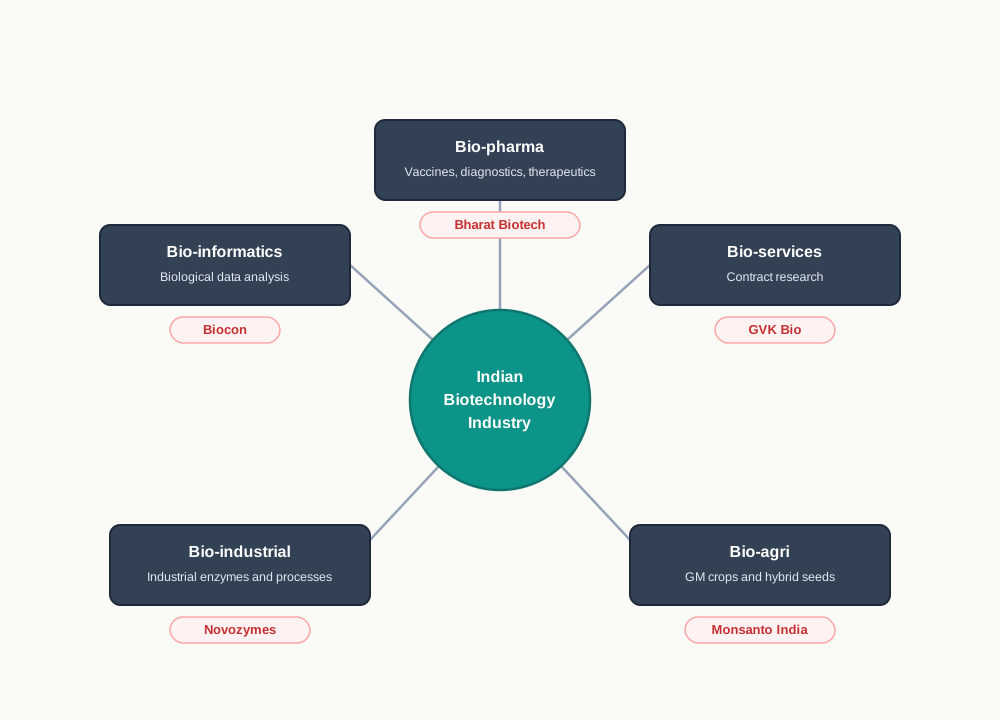
Fig. 1.13 – The five segments of the Indian biotechnology industry.
1.4 Summary
- Biotechnology refers to the different technologies that make use of living cells and/or biological molecules to generate useful products for the benefit of mankind.
- The beginning of the cultivation of crops as early as the Paleolithic Era, around 10,000 years ago, marks the introduction of biotechnology, and is commonly referred to as ancient biotechnology.
- The production of bread, cheese, wine, vinegar, beer and similar foods is the contribution of ancient biotechnology.
- Modern biotechnology is based on recombinant DNA technology, which allows scientists to cut and join different pieces of DNA and place the new recombinant DNA into a new host. This allows the transfer of gene(s) from one organism to another, conferring a novel property.
- The journey of the subject, from ancient practice to present-day industry, is condensed in Fig. 1.14.
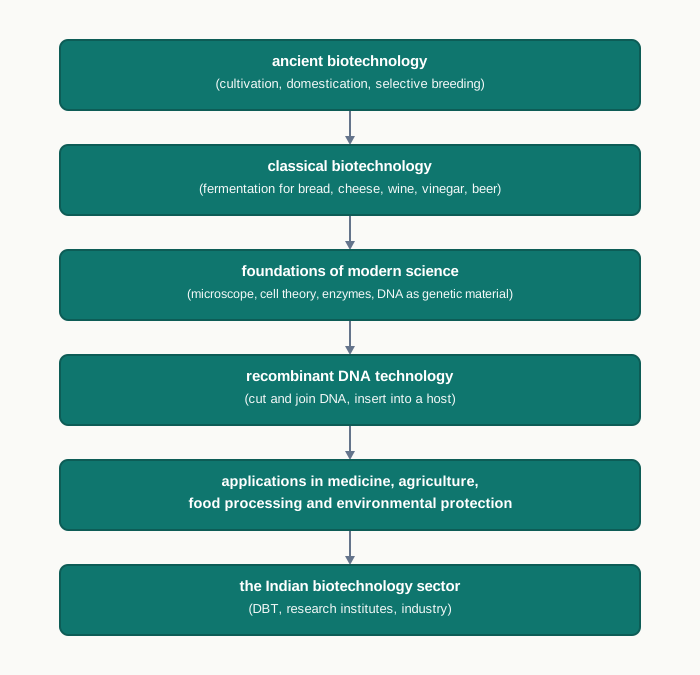
Fig. 1.14 – Overview of the history and scope of biotechnology.
- Modern biotechnology has its applications in numerous fields such as Agricultural Crop Improvement, Food Innovations, Diagnostics Healthcare, Animal Husbandry, and Energy and Environment Management.
- The different streams of modern biotechnology are Genetic Engineering, Protein Engineering, Bio-informatics, Immunology, Plant/Animal cell culture, Biochemistry, Cancer Biology, Environmental Biology, Marine Biology, Nano Biotechnology, Bio-physics, Pharmacology and Toxicity, Cell Biology, Microbiology, Biomedical Engineering, and Genetics.
- The Government of India constituted the National Biotechnology Board in 1982, which was subsequently upgraded to the Department of Biotechnology (DBT) in 1986. DBT has established several major research institutions all over India.
- The Indian biotechnology industry is one of the fastest growing industries of the country, presently ranked among the top 12 biotechnology powers in the world and the third biggest industry in Asia Pacific in terms of industrial biotechnology infrastructure.
- The Indian biotechnology industry has made significant contributions in the field of Vaccine production, Therapeutics, the Agriculture sector, and Bio-services.
1.5 Key Terms
- Biotechnology — The use of living cells and/or biological molecules, through designed methods and devices, to generate products useful to humankind.
- Germplasm — The living genetic material, such as seeds or tissues, that carries the heredity of a variety forward to the next generation.
- Ancient biotechnology — The early, pre-scientific use of living organisms through cultivation, domestication and selective breeding, carried out without any knowledge of the underlying biological mechanism.
- Selective breeding — The practice of deliberately choosing individuals with desirable traits as parents of the next generation, so that those traits become more common in the population.
- Classical biotechnology — The phase of biotechnology based on fermentation for food production and medicine.
- Fermentation — A microbial process in which organic compounds are converted into other compounds through enzymatically-controlled reactions.
- Pasteurisation — Heating a liquid such as milk to a controlled temperature for a set time to destroy harmful and spoilage microbes without ruining the food.
- Fermenter (Bioreactor) — A vessel designed to grow micro-organisms or cells under controlled conditions so that a desired product is formed on a large scale.
- Cell theory — The statement that all plant and animal tissues are composed of cells, that the cell is the basic unit of life, and that all cells arise from pre-existing cells.
- Nuclein — The substance containing nucleic acids that Miescher isolated from the nuclei of white blood cells in 1869.
- Modern biotechnology — The phase of biotechnology based on genetic engineering and manipulation at the molecular level, particularly rDNA technology.
- Recombinant DNA (rDNA) technology — The set of methods by which DNA from different sources is cut and joined to form a new recombinant DNA molecule, which is then introduced into a host cell so that the transferred gene functions there.
- Recombinant (chimeric or hybrid) DNA — A DNA molecule assembled from pieces of DNA that came from different sources.
- Vector — A carrier DNA molecule that is able to enter a cell and be maintained there, used to carry a gene of interest into a host.
- Host cell — The cell into which the recombinant DNA is introduced, and in which the transferred gene is expressed and multiplied.
- Blue biotechnology — Biotechnology applied to marine and freshwater organisms, for seafood supply, control of dangerous water-borne organisms and new drugs.
- Green biotechnology — Biotechnology applied to plants and environment-friendly solutions, including transgenic crops with improved traits.
- Red biotechnology — Medical biotechnology, applied to manufacture pharmaceutical products such as insulin, enzymes, antibiotics and vaccines.
- White biotechnology — Biotechnology applied to industrial processes, particularly the use of enzymes as eco-friendly industrial catalysts.
- Biopharmaceuticals — Medicines of therapeutic value, usually proteins, produced using rDNA technology rather than by chemical synthesis.
- Heterologous system — A host organism that is not the natural source of a gene, but is made to express that gene and produce its protein.
- Gene therapy — The delivery of a functional gene into a patient’s cells so that it acts as a drug and replaces the function of a defective gene.
- Genetic testing — A medical test that detects defects in an individual’s genetic material or in the expression of its products, to determine the risk of developing or transmitting a disorder.
- Biotic stress — Damage to a crop caused by living agents such as insects, fungi, bacteria, viruses and weeds.
- Abiotic stress — Damage to a crop caused by non-living conditions such as salt, cold, drought, heat and heavy metals.
- Transgenic plant (GMO) — An organism into whose genome a gene from another organism has been stably introduced, so that the new gene is expressed and confers a new trait.
- Bt toxin — The toxic protein Cry 1A(b), obtained from the soil bacterium Bacillus thuringiensis, which kills insect larvae but is harmless to humans.
- Plant tissue culture — The culturing of plant cells or tissues in an artificial medium supplemented with required nutrients, to regenerate whole plants.
- Clonal propagation — The raising of plants that are true to the type, or similar to it, from cultured cells or tissues of a selected parent.
- Recalcitrant seeds — Seeds that cannot be dried and stored by conventional methods without losing viability, and whose germplasm must therefore be conserved by other means.
- Edible vaccine — A transgenic plant that expresses an antigenic protein of a pathogen in its edible parts, in a form that retains immunogenicity.
- Biofuel — A fuel generated through biological processes from living or recently living biomass, in contrast with fossil fuels formed by geological processes.
- Mycotoxin — A poisonous substance produced by certain fungi growing on stored food.
- Protein engineering — The deliberate alteration of an enzyme or other protein so that it performs better under the conditions required by an industrial process.
- Probiotics — Live micro-organisms which, when consumed in adequate amounts, are intended to benefit the health of the gut.
- Environmental Biotechnology — The branch of biotechnology that applies biological systems to study the natural environment, to identify sustainable uses of organisms for green technology, and to remediate contaminated environments.
- Xenobiotic — A chemical foreign to a living system, such as a pesticide residue, industrial solvent or heavy metal salt, for which the organism has no natural role.
- Bio-marker — Any naturally occurring molecule which may indicate specific biological processes in response to an environmental or chemical stimulus.
- Bioremediation — The use of living organisms to clean up a contaminated environment by converting hazardous substances into non-toxic or less toxic compounds.
- Hyper-accumulator plant — A plant able to take up heavy metals from contaminated soil and sequester them in its cellular compartments.
- Phytoremediation — The cleaning of contaminated soil by growing hyper-accumulator plants that absorb and store the pollutants.
- Department of Biotechnology (DBT) — The Government of India department, formed in 1986 by upgrading the National Biotechnology Board, which funds and directs biotechnology research, institutions and training in India.
- Biotechnology park — A shared facility providing high-end research infrastructure to several biotechnology firms and research groups at one location.
- Serotype — A distinct variant of a virus or micro-organism that the immune system recognises separately from other variants.
- Marker assisted backcrossing — A breeding method in which a DNA marker linked to a desired gene is used to select the right plants during repeated backcrossing to an established variety.
- Contract research organisation — A company that carries out research, testing and trial work on behalf of other organisations rather than selling a product of its own.
1.6 Points to Ponder
- Curd, bread and wine were being made thousands of years before anyone knew that micro-organisms existed. If a practice works reliably without an explanation, does it still count as technology? What does the word ‘technology’ really require?
- Selective breeding changes the genetic make-up of a population, and so does rDNA technology. Think about what makes the two genuinely different — is it the result, the speed, the precision, or the fact that a gene can now cross the boundary between species?
- The relevance of traditional Indian knowledge in making curd has been indicated in patents filed in another country’s patent database. Who should be recognised as the owner of knowledge that a community has held and refined for centuries but never written down as a claim?
- Bt cotton removes the need for pesticide sprays, but the toxin is now present in the plant throughout its life. Consider what long, continuous exposure might mean for the insect population over many generations, and what a farmer could do to slow that outcome.
- Gene therapy corrects a defect in a patient’s own body cells but does not change what that patient passes on to their children. Should medicine attempt to correct the defect in the germ line as well? Reflect on the benefits and on the reasons for caution.
- Antibiotics expressed in stock feed plants are cheaper and easier to administer than manufactured antibiotics. Weigh that convenience against the risk of drug resistant bacterial strains. Who bears the benefit, and who bears the risk?
- Biofuel crops occupy land, water and effort that could be used to grow food. Under what conditions is this trade-off justified? Consider why sweet sorghum and Jatropha curcas are studied so closely in this context.
- India supplies vaccines to more than 140 countries and vaccinates one out of every two children in the world. Think about what responsibilities come with holding that position in global health.
- Genetic testing can tell a healthy person that they are likely to develop a disorder later, or that they may pass one on. Should such information always be given? Who should have access to it, and who should not?
- The chapter lists more than fifteen scientific streams that feed into biotechnology. Choose any two of them and work out what each contributes to a single product — for example, recombinant insulin or Golden Rice — that neither could contribute alone.
1.7 NCERT Questions
- What do you understand by the term ‘Biotechnology’? Explain giving suitable examples.
- Give a comparative account of the ancient and modern concept of biotechnology.
- Elaborate on the role of biotechnology with respect to the following:
- Biopharmaceutical production
- Gene therapy and applications
- Abiotic stress resistance in crops
- Crops with insect resistance
- Environmental protection and conservation
- Explain the contribution of ancient biotechnology in human welfare.
- Modern biotechnology is based on recombinant DNA technology. Justify the statement.
1.8 Objective Questions
- The term ‘biotechnology’ was coined by
- Louis Pasteur
- Karl Ereky
- Eduard Buchner
- Robert Hooke
- Ancient biotechnology is said to have taken root in the Paleolithic era, approximately
- 1,000 years ago
- 5,000 years ago
- 10,000 years ago
- 50,000 years ago
- Fermented dough was discovered accidentally when dough underwent fermentation by the yeast
- Saccharomyces cerevisiae
- Saccharomyces winlocki
- Lactobacillus bulgaricus
- Bacillus thuringiensis
- Vinegar production was known to the Egyptians by 2000 B.C. through the preservation of
- crushed dates
- barley grains
- grape juice
- soy beans
- The first compound microscope, made in 1590, could magnify about
- 3×–9×
- 10×–40×
- 100×–400×
- 1000×–4000×
- The word ‘cell’ originates from the term cellulae, used after examining thinly sliced cork by
- Antonie van Leeuwenhoek
- Matthias Schleiden
- Robert Hooke
- Walter Flemming
- The conclusion that ‘all cells arise from pre-existing cells’ and that the cell is the basic unit of life was drawn in 1858 by
- Theodor Schwann
- Rudolf Virchow
- Johann Friedrich Miescher
- Gregor Mendel
- The substance called nuclein, isolated in 1869 from the nuclei of white blood cells, was obtained by
- Walter Flemming
- Eduard Buchner
- Johann Friedrich Miescher
- Alfred Hershey
- DNA was identified as the genetic material by the classical experiment performed in 1952 by
- Watson and Crick
- Hershey and Chase
- Schleiden and Schwann
- Pasteur and Buchner
- Manufacture of pharmaceutical products such as insulin, enzymes, antibiotics and vaccines falls under
- blue biotechnology
- green biotechnology
- red biotechnology
- white biotechnology
- The use of enzymes as industrial catalysts in an eco-friendly manner for the production of valuable chemicals is classified as
- white biotechnology
- red biotechnology
- blue biotechnology
- green biotechnology
- The Bt toxin used in transgenic cotton is the protein
- Cry 1A(b)
- glycerol-1-phosphate acyl-transferase
- biphenyl dioxygenase
- adenosine deaminase
- Resistance against chilling has been introduced into tobacco plants using a gene obtained from
- Bacillus thuringiensis
- Arabidopsis
- Jatropha curcas
- Saccharomyces cerevisiae
- Golden Rice is golden in colour because of the over-expression of
- vitamin A
- beta-carotene
- casein
- lycopene
- The extended shelf life of Flavr Savr tomato is the result of
- insect resistance
- herbicide resistance
- delayed ripening
- nutritional enhancement
- The first successful report of gene therapy, in 1990, involved the treatment of
- β-thalassemia
- cystic fibrosis
- adenosine deaminase deficiency (ADA-SCID)
- peripheral artery disease
- Gendicine, the first commercial gene therapy product approved for cancer treatment in 2003, was approved by
- Russia
- China
- the United States
- India
- A reporter gene expressed in E. coli that acts as a biosensor for mercury contamination is
- lux
- Cry 1A(b)
- biphenyl dioxygenase
- ADA
- Brassica napus and Helianthus annus are examples of
- transgenic crops resistant to bollworm
- hyper-accumulator plants used in phytoremediation
- stock feed plants expressing antibiotics
- sources of biodiesel feedstock
- The National Biotechnology Board, constituted in 1982, was upgraded to the Department of Biotechnology in
- 1978
- 1982
- 1986
- 1998
- The Indian biotechnology industry is divided into five segments. Which of the following is NOT one of them?
- Bio-pharma
- Bio-agri
- Bio-services
- Bio-mechanics
- The blight resistant rice variety Samba Mahsuri was developed through
- anther culture
- marker assisted backcrossing
- protoplast fusion
- trans-esterification
- Biodiesel is produced from oils or fats by the process of
- fermentation
- trans-esterification
- pasteurisation
- bioremediation
- Approximately what fraction of the world’s diet consists of fermented food?
- one-tenth
- one-fifth
- one-third
- one-half
- Assertion (A): Milk is first boiled to 100°C and then cooled to 37°C before the curd starter is added. Reason (R): The bacteria in the starter culture work best at about body temperature and would be destroyed at boiling temperature.
- Assertion (A): Human insulin can be produced in Escherichia coli. Reason (R): The genetic code is essentially the same in all organisms, so a human gene can be read by bacterial machinery.
- Assertion (A): Bt cotton reduces the need for spraying chemical pesticides. Reason (R): The Cry 1A(b) protein expressed by the plant is toxic to human beings as well as to insect larvae.
- Assertion (A): Gene therapy carried out on a patient’s body cells does not prevent the disorder from being passed to the patient’s children. Reason (R): The patient’s reproductive cells still carry the defective gene.
- Assertion (A): Buchner’s 1896 experiment showed that biochemical transformations can occur without the use of cells. Reason (R): Enzymes continue to function after being released from the cells that made them.
- Assertion (A): Germplasm of crops with recalcitrant seeds is maintained through plant cell culture. Reason (R): Such seeds cannot be dried and stored by conventional methods without losing viability.
- Assertion (A): Phytoremediation removes heavy metals such as cadmium, mercury and lead from contaminated soil. Reason (R): Hyper-accumulator plants degrade heavy metals into non-toxic organic compounds.
- Assertion (A): In a transgenic crop, the introduced gene must be stably incorporated into the plant genome. Reason (R): A gene that is not stably incorporated would be lost during cell division and would not pass to the seed.
1.9 Check Your Concepts
- Why is milk boiled to 100°C and then cooled to 37°C before the curd starter is added? Explain what would go wrong if each of these two steps were skipped.
- A student wants to set curd quickly. He boils the milk and immediately stirs in a spoonful of old curd while the milk is still very hot, then keeps stirring the vessel every ten minutes. Identify the two mistakes in his protocol and explain the effect of each on the final product.
- Arrange the following stages of a modern biotechnology workflow in the correct order: multiplication of the host cell; identification of the protein; increased production of the needed protein; insertion of the gene into a vector; isolation of the gene from the genome; introduction of the modified vector into a host cell.
- Give a comparative account of ancient and modern biotechnology under the following heads: the level at which the change is made, the time required, the precision achieved, and the knowledge of the mechanism available to the practitioner.
- Why is a vector necessary in recombinant DNA technology? What would happen to an isolated gene introduced into a host cell without one?
- Distinguish between biotic stress and abiotic stress in crop plants. Give one example of a transgenic plant developed against each, naming the gene or protein involved.
- The chapter states that Bt toxin is toxic to insect larvae but harmless to us. Explain why this single property is essential for the commercial use of Bt cotton and Bt brinjal.
- Rice, rather than any other crop, was chosen for enhancement of beta-carotene content. Explain the reasoning behind this choice in terms of the population the product is intended to help.
- In transgenic plants, the useful gene must be ‘stably incorporated’ into the plant genome. Explain why the word ‘stably’ matters, and what would happen to a variety in which the gene were not stably incorporated.
- Match the items in Column I with those in Column II.
| Column I | Column II |
|---|---|
| a. Cry 1A(b) | i. Delayed ripening |
| b. Flavr Savr tomato | ii. Mercury detection |
| c. lux gene | iii. Insect resistance |
| d. Biphenyl dioxygenase | iv. Beta-carotene enrichment |
| e. Golden Rice | v. Degradation of PCB |
- Match each colour code of biotechnology with the correct area of application, and give one example for each from the chapter: blue, green, red, white.
- Both World Wars pushed fermentation technology forward. Explain, with the specific product involved in each case, why a war should have this effect on an industrial process.
- An industrial fermenter producing an antibiotic shows a sudden fall in yield. On inspection, the aeration system is found to have failed for several hours. Explain why this would reduce the yield, and name two other conditions in a fermenter whose failure would have a similar effect.
- Why is Buchner’s 1896 experiment regarded as a turning point for biotechnology as an industry, and not merely as an interesting laboratory result?
- Draw a labelled flow diagram of the overview of modern biotechnology, showing all six stages in sequence. Against each stage, write one line stating why that stage cannot be skipped.
- Redraw the sequence of curd formation as a flow diagram, from fresh milk to the two-phase separation of curd and whey, and mark at which step lactic acid is produced and at which step the milk protein coagulates.
- Compare bioremediation and phytoremediation with respect to the organism used, the type of pollutant usually targeted, and what finally happens to the pollutant.
- A chemical test can measure exactly how much of a pollutant is present in a lake. Why, then, are eco-toxicological biomarkers still needed? What additional information do they provide?
- An edible vaccine must express the antigenic protein ‘in a form that will retain its immunogenicity’. Explain what would happen if the antigen were expressed but lost this property during storage or cooking.
- Explain why expressing antibiotics in stock feed plants, although cheaper than conventional antibiotic production, raises serious bioethical concerns. Include in your answer how resistance develops under continuous low-level exposure.
- Why is haploid generation through anther or pollen culture considered valuable in crop improvement? Explain in terms of what a single set of chromosomes allows the breeder to see.
- Conventional plant breeding has not been able to keep pace with the increasing demand for food. Give two distinct reasons for this limitation, and state how rDNA technology overcomes each of them.
- Explain why plant cell culture is the preferred method of conserving the germplasm of horticultural crops with recalcitrant seeds.
- In marker assisted backcrossing, why is a DNA marker used to select seedlings instead of simply growing the plants and observing whether the desired trait appears?
- Arrange the following in chronological order and state, in one line each, what it contributed to the growth of biotechnology: identification of DNA as the genetic material; the first compound microscope; the proposal of the double helical structure of DNA; the establishment that microbes cause fermentation; the coining of the term ‘biotechnology’.
- Gene therapy is described as delivering a gene into a patient’s cell ‘as a drug’. Explain how this differs from an ordinary chemical drug in the way it acts and in how long its effect can last.
- A newly formed biotechnology start-up cannot afford its own sterile facilities or pilot-scale fermenters. Explain how a biotechnology park addresses this problem, and state one benefit beyond shared equipment.
- A recombinant human protein can be produced in a bacterium in a fermenter, or in the milk of a transgenic goat. Compare the two production systems, and state one situation in which each would be the better choice.
1.10 Case-Based Questions
A small dairy unit sets curd every evening for sale the next morning. The usual method is to boil the milk, cool it, add a spoonful of the previous day’s curd, and leave the vessels undisturbed overnight in a warm room. One week, three batches fail: two remain almost liquid, and one sets but tastes unusually sour and separates heavily. On enquiry, the workers report that on those days the milk was in short supply, so the starter was added while the milk was still very hot, and the vessels were shifted repeatedly to make room in the store.
- Explain, with reasons, why adding the starter to very hot milk would produce a liquid, unset batch.
- Which micro-organism is responsible for setting curd, and what chemical change does it bring about in the milk?
- Why does moving the vessels repeatedly affect the quality of the set curd?
- Write the correct sequence of steps the unit should follow, stating the purpose of each step.
A pharmaceutical company plans to produce a human therapeutic protein for the Indian market. Its scientists have identified the protein and located the gene coding for it in the human genome. The company is deciding between two production systems: growing an engineered microbial host in large fermenters, or raising transgenic goats that secrete the protein in their milk.
- Outline the steps by which the identified human gene can be made to produce protein in a microbial host.
- Name two microbial hosts commonly used for producing human insulin, and explain why a human gene can be read at all by a microbial cell.
- Give one advantage of using a mammary gland as a production system, and name one product already approved for production in the milk of transgenic goats.
- The company must also decide how the finished medicine will reach patients. Explain, with reference to a device launched in India in 2015, why delivery is treated as part of the therapy.
In a cotton-growing district, two neighbouring farms are compared over one season. Farm A grows a conventional cotton variety and sprays chemical pesticide five times during the season. Farm B grows a transgenic variety carrying a gene from a soil bacterium and sprays no insecticide at all. At harvest, Farm B reports less bollworm damage and lower input costs, but an agricultural scientist visiting the district advises Farm B not to grow the same transgenic variety, season after season, across the entire holding.
- Name the bacterium and the toxin protein involved in the transgenic variety grown on Farm B, and explain how the plant protects itself.
- Give two disadvantages of the pesticide-spraying approach used on Farm A.
- The toxin kills bollworm larvae but is harmless to the farm workers handling the crop. What does this tell you about how such toxins act?
- Suggest why the scientist advises against growing only this variety year after year, and relate your answer to the ethical debate around GM crops.
A child is brought to a hospital with repeated severe infections from early infancy. Tests show that the child lacks a functioning enzyme needed by the immune system, and the condition is identified as an autosomal recessive disorder. The parents are healthy and are surprised by the diagnosis. The doctors discuss with them a treatment approach in which a working copy of the gene is delivered into the child’s cells.
- Name the disorder described, and explain what ‘autosomal recessive’ means in the context of two healthy parents having an affected child.
- Define gene therapy, and explain how it differs from giving the child a conventional medicine.
- In which year was gene therapy first successfully reported, and for which condition?
- The parents ask whether their future grandchildren will be free of the disorder if this child is treated. Frame a scientifically accurate reply.
An abandoned industrial site is being surveyed before the land is returned to cultivation. Two problems are found. Soil near the old workshop contains polychlorinated biphenyl (PCB), and soil near the effluent channel contains high levels of mercury and lead. Chemical analysis gives the concentration of each pollutant, but the survey team also wants to know whether living organisms at the site are actually being affected. They propose a three-part plan: a biological monitoring step, a microbial clean-up step, and a plant-based clean-up step.
- Define a bio-marker, and explain what a bio-marker would tell the team that chemical analysis alone would not.
- Describe how an engineered E. coli carrying the lux gene could be used at this site, and state which pollutant it would report.
- Name a degradation gene that has been inserted into E. coli to break down PCB, and explain what bioremediation achieves.
- Name two hyper-accumulator plants suitable for the mercury and lead contamination, and explain how their action differs from that of the engineered bacteria.
A livestock feed company proposes to market a stock feed crop that has been engineered to express an antibiotic in its tissues. The company argues that the feed is cheaper than manufacturing and administering antibiotics separately, and that healthier animals mean cheaper milk and meat for consumers. A public consultation is held before approval, at which veterinary scientists, farmers and public health specialists all speak.
- What are stock feed plants? Give two examples mentioned in the chapter.
- State the main advantage claimed by the company, and explain the biological principle that makes such a feed possible.
- Explain the bioethical concern raised by public health specialists, describing how continuous low-level exposure to an antibiotic leads to resistant bacteria.
- The final decision rests with a regulatory authority rather than with the company. Referring to the approval of Bt cotton in India, explain why regulatory approval is required before such a product reaches farmers.
A student reads that one out of every two children in the world has been vaccinated with a vaccine manufactured by an Indian company, and that India exports vaccines to more than 140 countries as well as to UNICEF and PAHO. Curious about how this position was reached, the student traces the history of government support for biotechnology in India and finds that the sector is organised into five segments.
- Trace, in order, the institutional steps by which the Government of India built support for biotechnology, giving the relevant years.
- Name the five segments of the Indian biotechnology industry, and state which segment vaccine manufacturing belongs to.
- Name two recombinant products manufactured indigenously in India, and one vaccine developed indigenously against a disease outbreak.
- The student concludes that India’s strength lies only in manufacturing scale. Using evidence from the agriculture and bio-services segments, argue for or against this conclusion.